Tag: DRAM shortage

  • Micron and SK Hynix Join Samsung in Trillion-Dollar Club

    Micron and SK Hynix Join Samsung in Trillion-Dollar Club

    Key Takeaway

    – AI demand for HBM memory has driven three major chip manufacturers (Micron, SK Hynix, Samsung) to trillion-dollar market caps simultaneously for the first time.
    – Micron’s revenue surged 196% year-over-year, and its stock jumped 19% after UBS tripled its valuation.
    – Manufacturers are shifting production capacity from conventional DRAM/NAND to AI chips, causing global shortages.
    – Dell CEO warns that supply for laptops, PCs, and smartphones will lag behind demand until at least 2028.
    – Consumers should expect significantly higher prices for tech devices over the next two years.


    Two years ago, RAM were the least promising sector of the chip market

    A well-established business with tight margins and headlines about price drops and excess inventory. Now, AI has turned everything upside down: US manufacturer Micron Technology and South Korean manufacturer SK Hynix recently surpassed the trillion-dollar milestone in market capitalization just 24 hours apart, a milestone that Samsung had reached some weeks ago. For the first time in history, the world’s three major memory manufacturers simultaneously achieved one of the highest stock market valuations. Micron’s value soared 19% on Wall Street, recording its biggest single-session gain since 2011. This historic move came immediately after UBS, a major investment bank, tripled the company’s valuation from $535 to $1,625. SK Hynix’s stock price has also experienced a rise, thus heralding a new boom in the technology sector.

    The Main Driving Force: High Bandwidth Memory (HBM)

    The main driving force behind this unprecedented boom is HBM (High Bandwidth Memory), a type of specialized chip used by Nvidia GPUs for the processing of immense volumes of data needed to run large-scale AI models. The technology is required to run AI-powered supercomputers, which would otherwise simply freeze and become inoperative. Micron’s Q2 revenue for 2026 amounted to $23.9 billion, representing a 196% increase over the same quarter last year. In addition, the company’s Q3 revenue estimate for the following quarter is projected to rise to $33 billion.

    Impacts on Consumers and Conventional Memory Prices

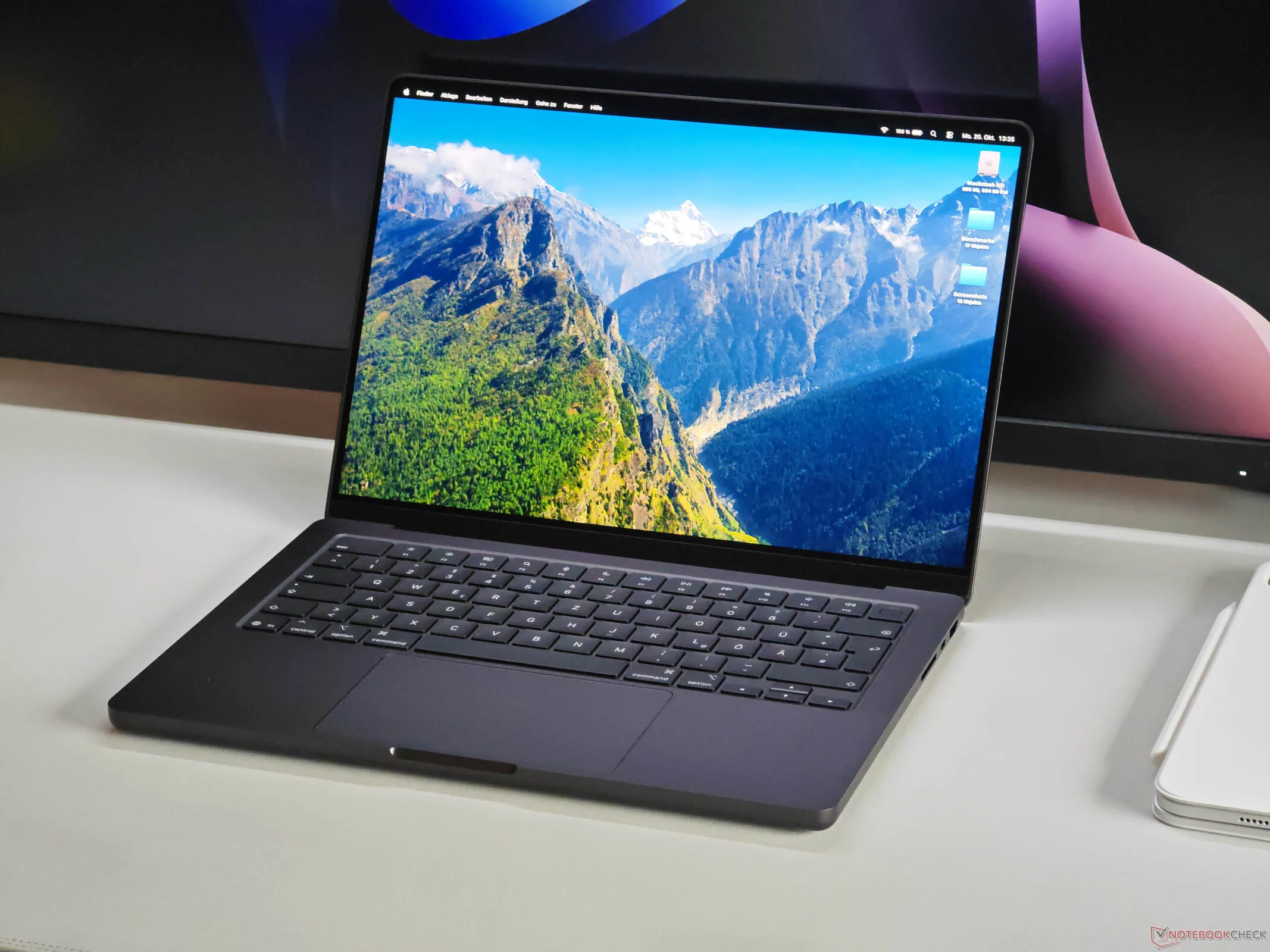
    This trend is having a direct impact on everyday consumers. Chip manufacturers, by redirecting a large part of their capacity to the production of AI chips, are diverting resources and efforts away from the production of conventional DRAM and NAND memory, which are used in laptops, desktop PCs and smartphones, pushing up prices globally. Dell CEO Michael Dell has publicly warned that demand for these devices is expected to continue to outpace current supply until at least 2028, further exacerbating DRAM and NAND shortages and price hikes. In sum, the tech market is likely to become considerably more expensive for consumers over the next two years.
     

  • Steam Deck OLED Restocked: Price Up by $300 Now In Stock

    Steam Deck OLED Restocked: Price Up by $300 Now In Stock

    Key Takeaway

    – Steam Deck OLED back in stock and available to order directly from Valve again, but at higher prices.
    – The LCD 256 GB SSD variant has been removed from Valve’s lineup.
    – Price surge driven by DRAM/SSD cost increases, making the OLED version notably more expensive than some competitors (e.g., Asus ROG Xbox Ally).


    Valve announces Steam Deck OLED back in stock with price changes

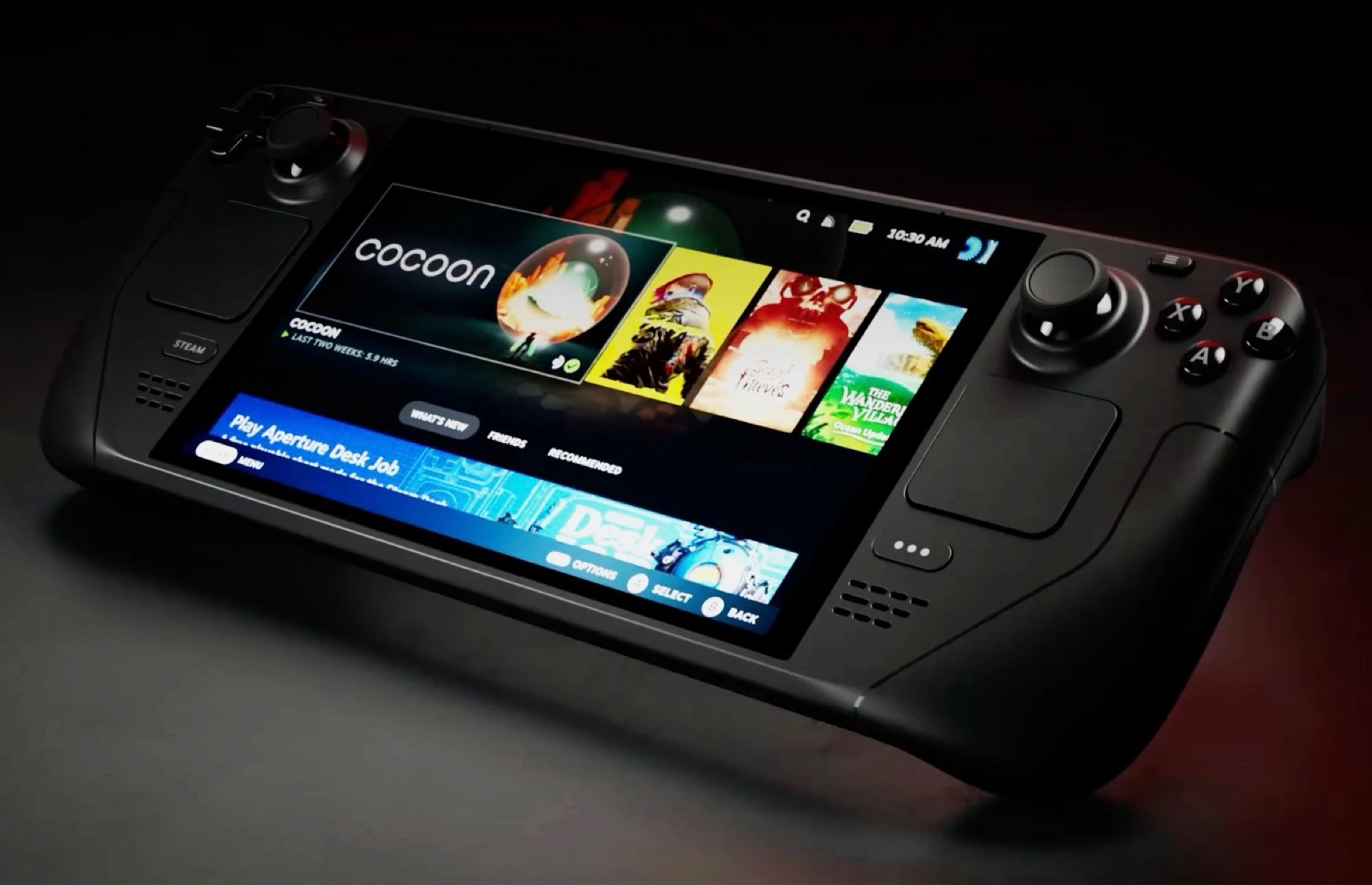
    In a recent update, the company revealed that the Steam Deck OLED is once again available after a period of being listed as sold out for several months. The handheld is now open for orders again directly through Valve, though the pricing has shifted upward from previous levels. The new power trio of models is presented with updated price points, and customers can expect the OLED option to arrive with the same core features that fans have come to anticipate, albeit at a higher cost than before. The news arrives as consumers weigh the benefits of OLED visuals against the push to economize in a fluctuating market.

    Pricing and stock details

    The newly available Steam Deck OLED lineup features two variants, each priced higher than in the past. Notably, the LCD version with a 256 GB SSD has been removed from Valve’s catalog, narrowing the entry points for new buyers. The refreshed price structure reflects an industry-wide shift in component costs, particularly for memory and storage, and it signals Valve’s stance on continuing to push premium screen technology alongside robust performance for handheld gaming. The refreshed pricing contrasts with the original launch price from 2022, which started at $399, showing a sizable increase over time with expectations of continued demand for portable power.

    Why costs rose, and how it compares to rivals

    The reason behind the hike is largely tied to the DRAM shortage and rising SSD costs driven by intense demand from AI sectors, including major players like OpenAI. This ripple effect has pushed up the cost to equip the Steam Deck with 16 GB RAM and higher-capacity SSDs, thereby elevating the overall price of the OLED model. In this context, Valve’s decision to price higher aligns with market realities and the premium feel of OLED technology, though it positions the Deck against other powerful handhelds such as the Asus ROG Xbox Ally, which is available for a higher price point with competitive specs, yet still represents a different value proposition for gamers.

    The corporate explanation stresses that supply chain pressures are a core driver of the revised cost structure, while the OLED variant is marketed as a premium experience that emphasizes display quality and performance. This shift also includes the discontinuation of the lower-cost LCD 256 GB option, which previously served as the most affordable entry, potentially affecting budget-minded enthusiasts who were counting on a broader range of choices. Consumers now weigh OLED’s advantages against the elevated price tag and the battery life trade-offs that often accompany brighter, more vibrant panels in handheld devices.


    Sources

  • Steam Machine Launches After Steam Controller Delay: Valve Explains Reasons

    Steam Machine Launches After Steam Controller Delay: Valve Explains Reasons

    Key Takeaway

    1. The Steam Controller will be launched on May 4 for $99, while the Steam Machine’s release is delayed to 2026 due to RAM shortages.
    2. The Steam Controller’s earlier release is primarily because it has no RAM, unlike the Steam Machine.
    3. Valve’s development of the Steam Controller took over ten years, focusing on ergonomics over design.
    4. The Steam Controller is compatible with Steam Deck, Windows PCs, and Macs, beyond just the Steam Machine market.

    Valve Announced Release Date for Steam Controller

    Valve has today confirmed that the Steam Controller will be launched on May 4 and will be offered for a recommended retail price of $99. But, still no signs of the Steam Machine, as the company states that the Linux console will only be available sometime in 2026. In an interview with Polygon, Valve’s hardware engineer Steve Cardinali commented on the delay of the Steam Machine’s launch.

    Reasons Behind the Launch Timing

    He explained that the Steam Controller’s early release compared to the Steam Machine was because it doesn’t contain any RAM components, so Valve didn’t see a reason to delay it. The company has once again pointed out that the ongoing DRAM crisis is behind the delay of the Steam Machine, as RAM prices are currently sky-high and its stock is quite scarce, making it difficult for small manufacturers like Valve to acquire enough to build their products.

    Design Choices and Compatibility

    Interestingly, Valve never intended to sell the Steam Controller and Steam Machine simultaneously. The main internal requirement was simply that the gamepad should come out before the console. Since the Steam Controller is compatible with Steam Deck as well as Windows PCs and Macs with Steam, it’s not just a product for Steam Machine fans. Valve mentioned that developing the Steam Controller took over ten years, and its angular shape was chosen mainly to prioritize ergonomics over aesthetics.


    Sources

  • PC Market Growth Driven by Tariff Fears and DRAM Prices, Lenovo Leads

    PC Market Growth Driven by Tariff Fears and DRAM Prices, Lenovo Leads

    Key Takeaways

    1. The worldwide PC industry grew by 9.6% in Q4 2025, with an annual growth of 8.1%, totaling 284.7 million units sold.
    2. Key growth factors included the end of Windows 10 support, prompting upgrades, and uncertainties from US tariffs.
    3. Lenovo led the market with 70.8 million units sold and a 24.9% market share, followed by HP and Dell.
    4. The shortage of DRAM contributed to increased sales as consumers rushed to buy PCs before price hikes.
    5. Predictions for 2026 indicate potential volatility due to rising DRAM costs, affecting both prices and RAM availability for consumers.


    According to recent findings from the International Data Corporation (IDC), the worldwide PC industry saw a rise of 9.6% in the last quarter of 2025. Overall, the market experienced an annual growth of 8.1%, totaling 284.7 million units sold. This growth can be attributed mainly to two factors during the first half of the year: the conclusion of support for Windows 10, which led many users to upgrade their PCs, and the uncertainty caused by US tariffs.

    Market Trends

    As the year progressed, the shortage of DRAM became a key reason for the surge in sales; consumers aimed to secure PCs before anticipated price hikes made them less affordable. Lenovo continues to be the top PC maker globally, with 70.8 million units sold, achieving a market share of 24.9% and a growth rate of 14.5%.

    In second place is HP, with 57.5 million units sold, capturing a 20.2% share of the market. Dell follows in third with 41.1 million units sold and a 14.4% market share. Apple comes in fourth with 25.6 million Macs sold, making up 9.0% of the market, but the competition with Asus has tightened, as Asus sold 20.5 million PCs and holds a 7.2% market share.

    Future Predictions

    Looking ahead to 2026, IDC analysts foresee a period of considerable volatility. Rising costs of DRAM and a restricted supply of RAM chips might not only drive up prices but also result in laptops and desktops being sold with less RAM. While large corporations will have the advantage in negotiations with DRAM suppliers, individual consumers, especially those building their own PCs, may find themselves spending significantly more.

    Source:
    Link


  • DRAM Crisis May Trigger New GPU Shortages, Nvidia Cuts RTX Production

    DRAM Crisis May Trigger New GPU Shortages, Nvidia Cuts RTX Production

    Key Takeaways

    1. Nvidia’s GeForce RTX 5000 Super series plans to enhance graphics memory by 50% have been canceled due to DRAM supply issues.
    2. Production of GeForce RTX 5000 graphics cards will be cut by 30-40% in the first half of 2026, affecting affordable models like the RTX 5060 Ti and RTX 5070 Ti.
    3. Nvidia will shift focus from consumer graphics cards to more profitable server and AI GPUs.
    4. Anticipated lower demand for graphics cards in 2026 could lead to limited availability and potential price increases.
    5. The ongoing DRAM crisis may result in a 20% price increase for laptops and a return of lower RAM configurations in devices like notebooks and smartphones.


    Nvidia’s GeForce RTX 5000 Super series was supposed to provide 50% additional graphics memory at the same price point, which would have greatly enhanced the appeal of Nvidia’s gaming graphics cards in 2026. Unfortunately, due to ongoing issues with DRAM supply, Nvidia has decided to scrap these plans. It seems the “Super” GPUs won’t be making an appearance in this generation for desktop or laptop users.

    Production Cuts Expected

    According to reports from Board Channels and Benchlife, Nvidia intends to cut down the production of GeForce RTX 5000 gaming graphics cards by about 30 to 40% in the first half of 2026. This reduction will likely hit the Nvidia GeForce RTX 5060 Ti 16 GB and the GeForce RTX 5070 Ti hard, as these are their more affordable options with 16 GB of graphics memory. Instead of focusing on these consumer cards, Nvidia will probably allocate their manufacturing resources to create more profitable server and AI GPUs.

    Anticipated Decrease in Demand

    Nvidia anticipates that the demand for graphics cards in 2026 will be lower compared to this year, mainly due to the absence of new product launches. However, such a significant cut in production could still lead to very limited availability. This situation could potentially trigger price hikes, which may mean that the GPU shortage we saw in 2020 could occur again just six years later.

    The ongoing DRAM crisis, primarily driven by OpenAI, is expected to have long-lasting consequences in 2026. Experts are forecasting that laptops might see at least a 20% price increase. Moreover, notebooks featuring just 8 GB of RAM and smartphones with 4 GB of RAM are likely to make a comeback in the market. Even new products like the Nintendo Switch 2 or the Steam Machine could face price increases due to the high costs associated with DRAM.

    Source:
    Link