
Key Takeaways
1. Nvidia’s GeForce RTX 5000 Super series plans to enhance graphics memory by 50% have been canceled due to DRAM supply issues.
2. Production of GeForce RTX 5000 graphics cards will be cut by 30-40% in the first half of 2026, affecting affordable models like the RTX 5060 Ti and RTX 5070 Ti.
3. Nvidia will shift focus from consumer graphics cards to more profitable server and AI GPUs.
4. Anticipated lower demand for graphics cards in 2026 could lead to limited availability and potential price increases.
5. The ongoing DRAM crisis may result in a 20% price increase for laptops and a return of lower RAM configurations in devices like notebooks and smartphones.
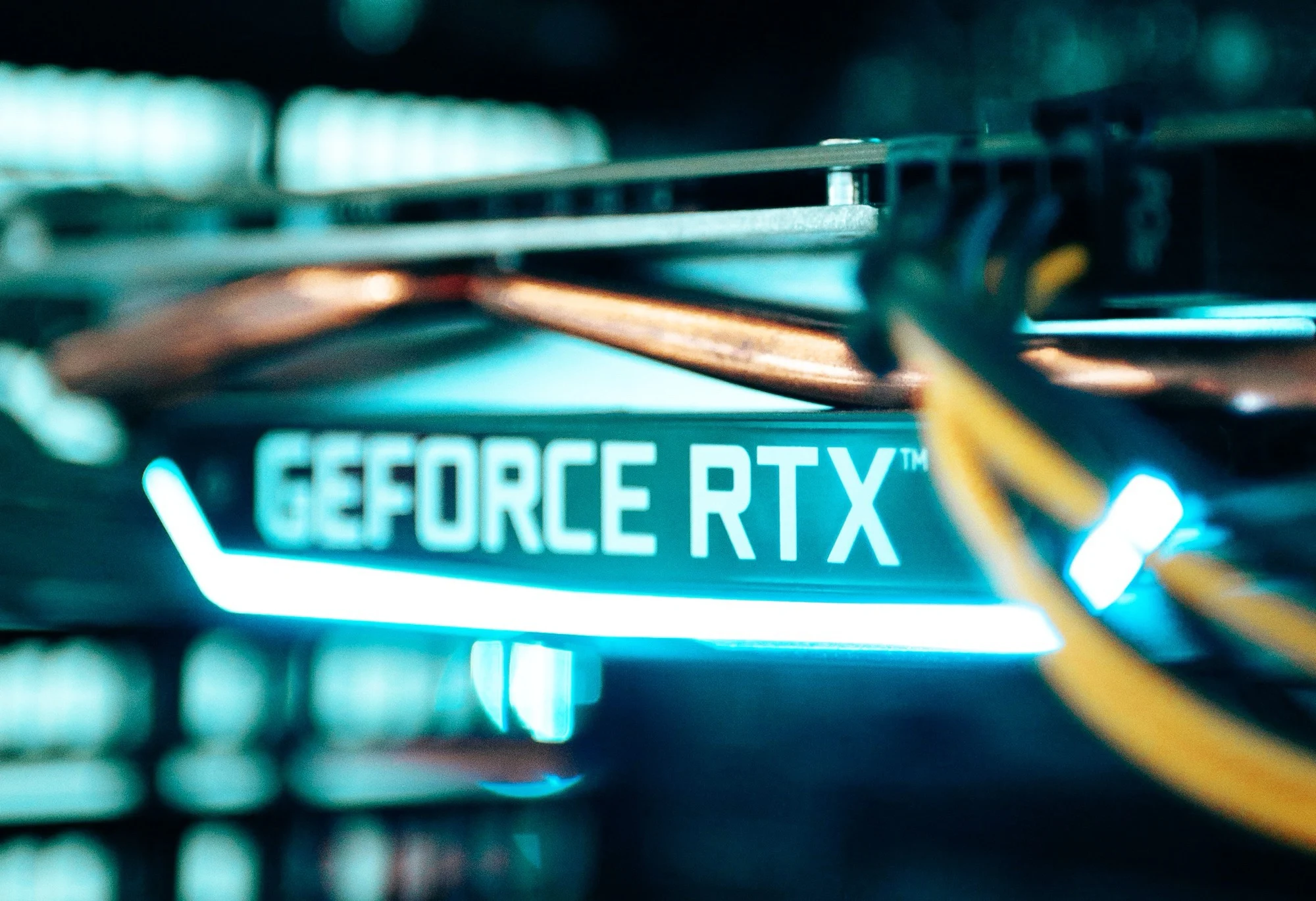
Nvidia’s GeForce RTX 5000 Super series was supposed to provide 50% additional graphics memory at the same price point, which would have greatly enhanced the appeal of Nvidia’s gaming graphics cards in 2026. Unfortunately, due to ongoing issues with DRAM supply, Nvidia has decided to scrap these plans. It seems the “Super” GPUs won’t be making an appearance in this generation for desktop or laptop users.
Production Cuts Expected
According to reports from Board Channels and Benchlife, Nvidia intends to cut down the production of GeForce RTX 5000 gaming graphics cards by about 30 to 40% in the first half of 2026. This reduction will likely hit the Nvidia GeForce RTX 5060 Ti 16 GB and the GeForce RTX 5070 Ti hard, as these are their more affordable options with 16 GB of graphics memory. Instead of focusing on these consumer cards, Nvidia will probably allocate their manufacturing resources to create more profitable server and AI GPUs.
Anticipated Decrease in Demand
Nvidia anticipates that the demand for graphics cards in 2026 will be lower compared to this year, mainly due to the absence of new product launches. However, such a significant cut in production could still lead to very limited availability. This situation could potentially trigger price hikes, which may mean that the GPU shortage we saw in 2020 could occur again just six years later.
The ongoing DRAM crisis, primarily driven by OpenAI, is expected to have long-lasting consequences in 2026. Experts are forecasting that laptops might see at least a 20% price increase. Moreover, notebooks featuring just 8 GB of RAM and smartphones with 4 GB of RAM are likely to make a comeback in the market. Even new products like the Nintendo Switch 2 or the Steam Machine could face price increases due to the high costs associated with DRAM.
Source:
Link
Leave a Reply