Tag: Gaming Hardware

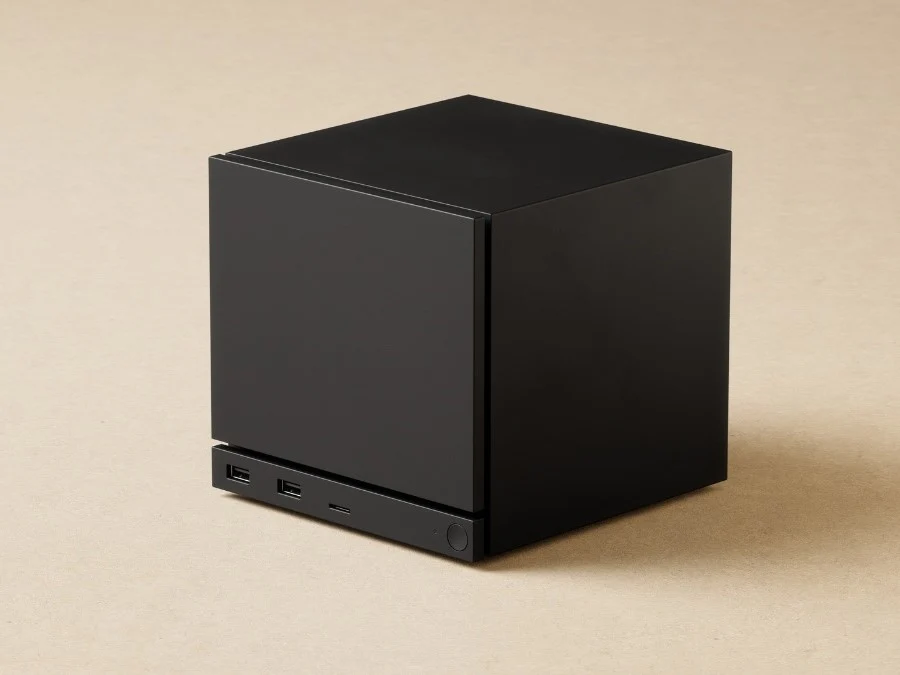
  • Valve Prepares for Steam Machine Launch with 50 Tons of Game Consoles Imported

    Valve Prepares for Steam Machine Launch with 50 Tons of Game Consoles Imported

    Key Takeaway

    1. Valve has significantly increased shipments of “Game Consoles,” potentially indicating preparation for the release of the Steam Machine or Steam Frame.
    2. Recent shipments differ in weight and packaging from previous ones, suggesting the contents might include new hardware like the Steam Machine.
    3. Valve plans to announce more details about the Steam Machine’s release date soon, with recent SteamOS updates hinting at an imminent launch.

    Steam Controller Launch and Speculations

    The Steam Controller has officially been launched, but there still many questions about when exactly the Steam Machine will be available and what the price will be. No definitive announcement has been made by Valve yet, but some new clues hint that the device might be arriving quicker than folks thought.

    Shipment Data and Possible Revelations

    Based on recent import records seen by a tech site, Valve shipped a huge amount of “Game Consoles” to the US. Over just two days, from April 30 to May 1, roughly 50 tons of these consoles were brought in. This increase in imports follows reports from insider Brad Lynch, who had earlier indicated that shipments were picking up again.

    What Could These Shipments Include?

    Most interestingly, these shipments might not only contain more Steam Deck units. Before, the Steam Deck was also categorized as a “Game Console” in shipping data, but the weight and shipment patterns now seem different. This has led many to believe that these containers might hold the anticipated Steam Machine, or potentially the Steam Frame.

    Valve’s Hardware Import Trends

    In recent months, Valve has imported close to 100 tons worth of hardware into the US, with shipping firms like Ever Logic and Ever Shine transporting numerous large containers from China to ports in Los Angeles and Tacoma. In total, these shipments have weighed more than 127,000 kilograms, although some of that is from the containers themselves.

    Shipment Weight Analysis

    Each container generally held around 42 packages with an overall weight of about 14,500kg. However, newer shipments seem to be lighter, averaging approximately 12,600kg even with the same number of packages. This suggests the contents might be different compared to earlier batches, possibly smaller or lighter devices.

    Estimation of Shipment Contents

    After removing the container weight, recent shipments appear to total around 50 tons of actual products, including packaging and accessories. Nevertheless, this doesn’t mean a massive number of units. Valve estimates the Steam Machine weighs roughly 2.6kg per unit, so these shipments could be fewer than 20,000 units altogether.

    Future Release Teasers

    Meanwhile, Valve’s programmer Pierre-Loup Griffais recently hinted that more details regarding the Steam Machine’s release date will be disclosed soon. Additionally, a recent SteamOS beta update has added support for the device, indicating that Valve might be getting ready to launch it shortly.

    Sources
  • Windows 11 Gains Popularity on Steam While Linux Declines

    Windows 11 Gains Popularity on Steam While Linux Declines

    Key Takeaway

    1. Windows 11 continues to gain popularity, now accounting for 67.74% of Steam users, with Windows overall holding a dominant 93.47% share.
    2. Windows 10 experienced slight growth, increasing to 25.63%, while Windows 7 remains minimally used at 0.07%.
    3. Linux usage declined slightly after surpassing 5% earlier, now representing 4.52% of Steam users.
    4. The most common RAM configuration remains 16GB, with a growing segment of users adopting 32GB.
    5. The RTX 3060 is the most prevalent GPU among Steam users, with 8GB VRAM still being the popular choice.

    Steam Hardware & Software Survey Updates

    Valve has released their latest report about the Steam user base and hardware distributions, and in April 2026, Windows 11 continues to grow. Remember, just last month in March 2026, Windows 11 had about 66.65% of all users, and now it has increased by approximately 0.89%, moving to a significant share.

    Operating System Preferences Among Users

    Now, roughly 67.74% of Steam gamers are running Windows 11. Meanwhile, Windows 10, the previous generation, also saw a slight uptrend, rising from 25.36% to 25.63%, adding just around 0.27%. Windows 7 is only used by 0.07% of users, which keeps the overall Windows share hovering at 93.47%.

    Linux and Hardware Trends

    Linux’s presence on Steam dropped back to 4.52% after briefly surpassing 5% in March 2026. Servers on Linux seem to be bouncing back from that high. When it comes to hardware, most users (around 40.86%) are sporting 16GB of RAM. However, there’s been a rise in the number of gamers using 32GB RAM kits, which now makes up about 37.55% of systems—one popular option being the Corsair Vengeance RGB DDR5 32GB kit, now priced at $439.99.

    GPU Usage and Final Notes

    On the graphic card front, the RTX 3060 remains the most common choice, especially among those with 8GB of VRAM. If you want to know more about the detailed survey stats, you should visit the official site or look at previous reports from March 2026 for a detailed comparison.


    Sources

  • Steam Machine Launches After Steam Controller Delay: Valve Explains Reasons

    Steam Machine Launches After Steam Controller Delay: Valve Explains Reasons

    Key Takeaway

    1. The Steam Controller will be launched on May 4 for $99, while the Steam Machine’s release is delayed to 2026 due to RAM shortages.
    2. The Steam Controller’s earlier release is primarily because it has no RAM, unlike the Steam Machine.
    3. Valve’s development of the Steam Controller took over ten years, focusing on ergonomics over design.
    4. The Steam Controller is compatible with Steam Deck, Windows PCs, and Macs, beyond just the Steam Machine market.

    Valve Announced Release Date for Steam Controller

    Valve has today confirmed that the Steam Controller will be launched on May 4 and will be offered for a recommended retail price of $99. But, still no signs of the Steam Machine, as the company states that the Linux console will only be available sometime in 2026. In an interview with Polygon, Valve’s hardware engineer Steve Cardinali commented on the delay of the Steam Machine’s launch.

    Reasons Behind the Launch Timing

    He explained that the Steam Controller’s early release compared to the Steam Machine was because it doesn’t contain any RAM components, so Valve didn’t see a reason to delay it. The company has once again pointed out that the ongoing DRAM crisis is behind the delay of the Steam Machine, as RAM prices are currently sky-high and its stock is quite scarce, making it difficult for small manufacturers like Valve to acquire enough to build their products.

    Design Choices and Compatibility

    Interestingly, Valve never intended to sell the Steam Controller and Steam Machine simultaneously. The main internal requirement was simply that the gamepad should come out before the console. Since the Steam Controller is compatible with Steam Deck as well as Windows PCs and Macs with Steam, it’s not just a product for Steam Machine fans. Valve mentioned that developing the Steam Controller took over ten years, and its angular shape was chosen mainly to prioritize ergonomics over aesthetics.


    Sources

  • Steam Games Estimate FPS on Store to Predict Steam Machine Performance

    Steam Games Estimate FPS on Store to Predict Steam Machine Performance

    Key Takeaway

    1. Valve is exploring ways to provide real-world performance data, such as estimated frame rates, based on user configurations to help buyers make informed decisions.
    2. Features include allowing users to input their PC specs for game performance estimates and attaching hardware details to Steam reviews.
    3. These tools aim to improve game compatibility understanding and enhance the shopping experience, especially for hardware like the Steam Deck and Steam Machines.

    Recent Developments in Steam Performance Tracking

    Even if developers release recommended PC requirements, there’s still no good substitute for actual testing in the real-world. Recently, Valve started asking owners of SteamOS devices if they agree to anonymous FPS tracking. This move could lead to showing this data directly on store pages for Steam games to help buyers make better decisions.

    Code Insights and Features

    Found by Dex3108 on ResetEra forums, an interesting update was spotted in the Steam client’s code. One line mentioned, “Select an App and a PC config to get a chart of estimated frame rates, based on the frame rates of other users.” This indicates players might soon be able to input their specs—like CPU, GPU, and RAM—to see how well a game will run on their hardware.

    Existing Performance Measurements

    Valve already rolled out a beta feature that tracks performance during gameplay in the background. This is designed to “learn about game compatibility and improve Steam,” collecting system info without linking to user accounts. However, this feature was mainly for SteamOS hardware such as the Steam Deck and new Steam Machines.

    Enhancing User Reviews and Compatibility Data

    Furthermore, users can now add their system specs directly to Steam reviews. Before, they had to manually type out their setup whenever they experienced drops in frame rate, making reviews more descriptive and useful. This change aims to offer more context for performance comments.

    Future Possibilities and Challenges

    It remains uncertain if Valve will show average FPS counts in Windows or other Steam clients. Knowing this is crucial especially for the Steam Deck, since its Verified program only uses basic metrics. The Steam Machine, being more powerful, can handle more demanding titles, but some of those games could stress the mini PC.

    Hardware Diversity and Performance Variability

    With the broad variety of hardware in gaming PCs, comparing results becomes more complex. Performance depends heavily on settings and mods, like DLSS or FSR upscaling, which can raise FPS but often at the cost of image quality. These factors make standard benchmarks less straightforward.

    Community Response and Market Impact

    Despite these hurdles, most gaming fans are positive about these changes. Ideally, this will help buyers find titles that are better suited to their specific hardware, making shopping for games more efficient.


    Sources