Tag: SteamOS

  • Xbox Co-Founder Says Project Helix Targets Console Gamers for PC

    Xbox Co-Founder Says Project Helix Targets Console Gamers for PC

    Key Takeaway

    – Laura Fryer was a skeptic of the original Xbox launch, fearing it would abandon Windows’ success.
    – She believes Microsoft will not sell its gaming brand but will pivot back to Windows and PC gaming after cost-cutting.
    – Project Helix is Microsoft’s strategy to retreat from direct console competition (e.g., PS6) and focus on a Windows-based system.
    – Key challenges for Xbox include driver conflicts, crashes, high costs, and competition from SteamOS/Linux.
    – The success of Project Helix depends on refining the PC gaming experience for living rooms without scaring off console loyalists.


    From Xbox Skeptic to Industry Insider: Laura Fryer’s Take on Project Helix

    After starting at Microsoft Game Studios in 1995, Laura Fryer helped launch the original Xbox console. At the time, she questioned whether a software giant could compete with hardware from rivals like PlayStation. Facing the same challenges, Fryer believes Project Helix is a way to retreat to Windows and PC gaming.

    Fryer’s Early Doubts and Microsoft’s Strategic Shift

    The podcaster recently shared her thoughts on reports of layoffs and studio closures. Unlike some followers, the former Microsoft executive doesn’t anticipate the company selling or killing off its gaming brand. After painful cost-cutting moves to reset the business, it will pivot “back to what they know.”

    Fryer admits that before the first Xbox console shipped, she was “one of the biggest skeptics on the team.” Windows had built momentum, and they feared they were “abandoning the most successful gaming platform in the world for a risky bet that we weren’t ready for.”

    Losing Ground and the Memory Shortage Challenge

    Microsoft’s earlier systems were popular, but it has lost ground to Sony and Nintendo. While other consoles have suffered price increases, the company is even less prepared to withstand the memory shortage. Rather than confronting the PS6 head-on, Fryer expects her one-time employer to take a different approach with Project Helix.

    Fryer explains that Microsoft doesn’t want to give up on couch-based gameplay. Yet the new Xbox console may rely more on Windows than on a streamlined operating system. Developers have optimized the OS with a full-screen, controller-accessible interface.

    The PC Gamers Trap and the Steam Machine Threat

    Unfortunately, obstacles remain when trying to lure PlayStation or Nintendo loyalists. The Xbox co-founder says driver conflicts and crashes inherent in gaming PCs will quickly scare off this audience. How well Helix can further refine the experience will determine the fate of Windows in living rooms. That’s not even considering the fears of an unaffordable price point.

    Another obstacle for Microsoft is the soon-to-be-released Steam Machine. SteamOS already offers a focused mode for TVs that’s light on resources. According to Fryer, Valve’s dominance in the PC market and the rise of Linux are reasons why a thriving Project Helix is vital to the future of Xbox.
    Sources
  • Steam Machine: Gamers Love Valve’s PC, But Won’t Buy It

    Key Takeaway

    – HDMI-CEC support for turning TV on/off
    – Reliable wake from standby via controller
    – HDR functionality
    – Console-like convenience and controller focus
    – High price over $1,000 may deter buyers


    Is the Steam Machine a Living Room Contender?

    You might wonder, if you already has a gaming PC or HTPC with a full Steam library hooked up to your TV, does the Steam Machine even make sence? This question is definately on many gamers minds as Valve’s console nears its release. Arguments for the Steam Machine often focus on its supposedly strong game compatability. According to a Reddit post by u/Whazor, that isn’t the issue with his gaming PC connected to the TV. Rather, the user points to several other aspects that could make the Steam Machine an interesting living-room alternative despite clear drawbacks even compared to a gaming rig.

    Convenience Features Over Raw Power

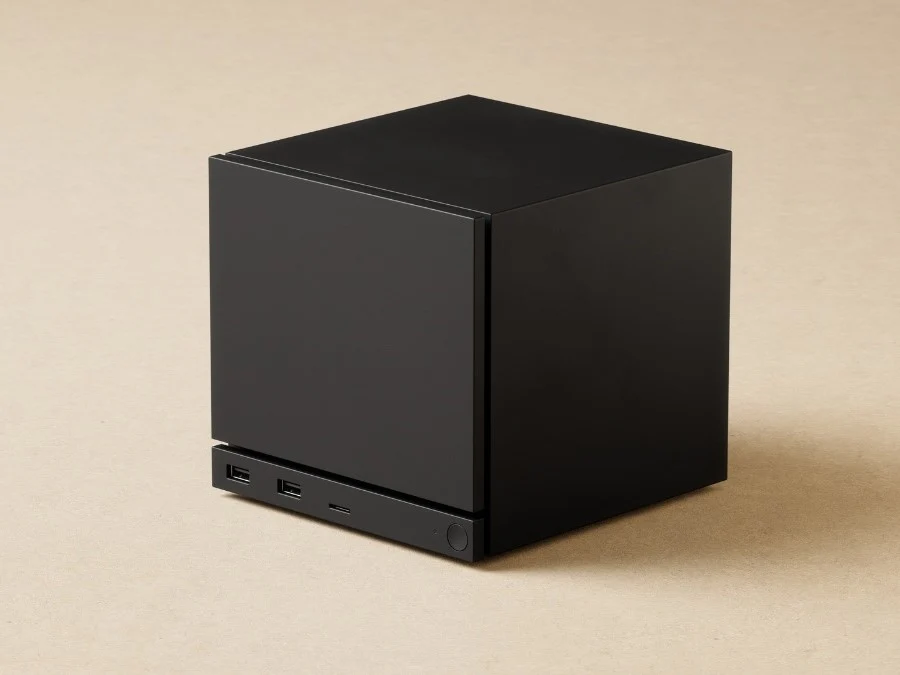
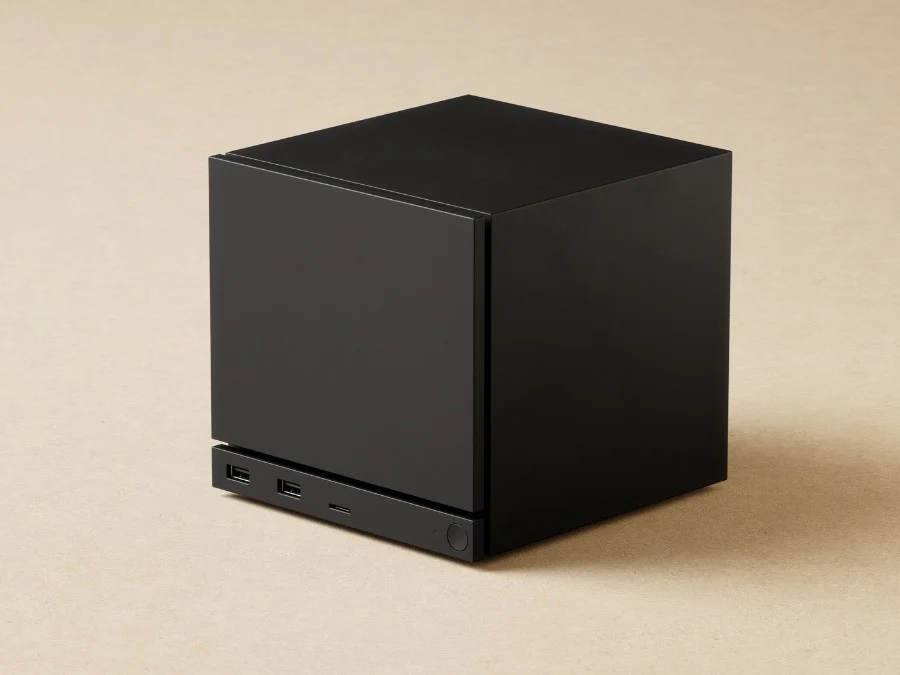
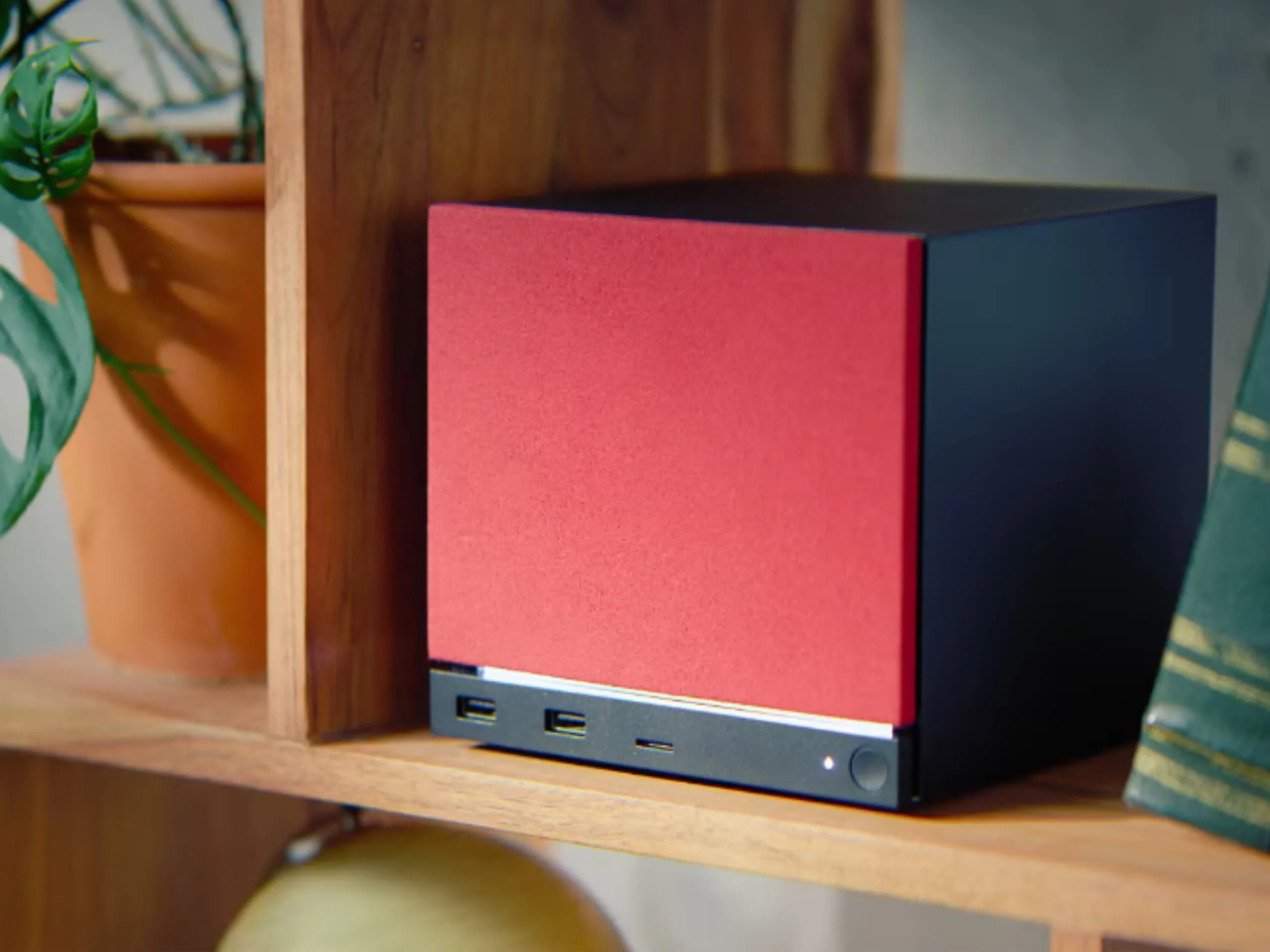
    He is not talking about the compact cube design or the user-friendliness of SteamOS, but about convenience features that a console typicaly offers in the living room. According to the Reddit user, his current gaming PC does not turn the TV on or off via HDMI-CEC. The computer also cannot be woke reliably from standby using the controller. On the couch, little things like this can quickly decide wether someone starts a game at all or simply keeps watching YouTube videos on the TV. The user also apperently has issues with HDR.

    Potential Living Room Solution

    As a dedicated living-room PC, the Steam Machine could eliminate all of these shortcomings. Combined with SteamOS, a controller focus, and console-like operation, it could be a more convinient solution for many in front of the TV – even if leaked benchmarks suggest that, in terms of raw performance, it cannot come close to matching a high-end gaming PC.

    Pricing and Doubts

    The only question is wether these advantages will be enough to convince enough gamers to buy one. According to current speculation, the Steam Machine could cost more than $1,000. On Reddit, many acknowledge the potential advantages of the living-room PC, but say they would probably still not buy a Steam Machine themselves. There could be more clarity on the price soon. Rumor has it that the Steam Machine could be unveiled on June 23.

    • User reports HDMI-CEC not working on PC
    • Controller wake from standby is unreliable
    • HDR issues present on current setup
    • Steam Machine priced over $1000 speculated
    Sources
  • Steam Machine Reviews Hinted by Two New Geekbench Listings

    Steam Machine Reviews Hinted by Two New Geekbench Listings

    Key Takeaway

    – Recent Geekbench listings show Steam Machine running SteamOS instead of Windows 11 Pro.
    – Hardware appears unchanged, with a custom AMD processor (AMD CPU 1772).
    – Performance scores are consistent: ~2,300 single-core and ~7,300 multi-core points.
    – Reports suggest a potential Steam Machine reveal on June 23, with reservations opening June 30.


    Fans around the world are eagerly waiting for Valve’s upcoming Steam Machine. While Valve has not officially revealed the device’s release date or price yet, recent reports suggest that it could arrive sometime this month. As excitement continues to build, the Steam Machine has once again appeared on Geekbench, suggesting reviews may be underway.

    Codename and Operating System Details

    For those unfamiliar, the Steam Machine is currently believed to be operating under the codename “Valve Fremont.” The device first showed up on Geekbench around 10 months ago. At the time, the benchmark listing revealed that the system was running Windows 11 Pro.

    New Geekbench Listings Show a Major Shift

    Now, Valve Fremont has appeared on Geekbench once again through two separate benchmark entries. This time, however, there is one major difference. Both new listings show SteamOS as the operating system instead of Windows 11 Pro.

    Same Hardware, Similar Performance

    Apart from the operating system change, the hardware specifications appear to remain the same as before. The listings continue to mention a custom AMD processor identified as the AMD CPU 1772. As for performance, the two benchmark results produced very similar scores. In the single-core tests, the system scored 2,334 points and 2,282 points. Meanwhile, the multi-core tests resulted in scores of 7,316 points and 7,392 points.

    Potential Launch Date Rumour

    That said, Steam Hardware Updates on X recently claimed that Valve is expected to reveal the Steam Machine’s price and release date on June 23. The same source also claims that reservations could open one week later, on June 30.


    Sources
  • Windows 11 Xbox Mode: Less RAM, No Gaming Boost

    Key Takeaway

    – Xbox mode for Windows 11 shows no gaming performance improvement over standard mode.
    – It does reduce RAM usage (about 600 MB less), but this doesn’t translate to higher FPS.
    – The feature is a positive sign that Microsoft is taking competition from SteamOS and Linux gaming seriously.
    – Future development is uncertain due to Microsoft’s history of abandoning features.


    Xbox Mode for Windows 11 Hits a Performance Snag

    Pressured by the growing popularity of SteamOS and increasing fan outcry over Windows 11’s bloatware problem, Microsoft officially began rolling out “Xbox mode” for Windows 11 at the end of April. Xbox mode logs users into a controller-friendly UI that makes it easy for gamers to jump strait into their games. On top of this, Xbox mode aims to deliver better gaming performance by only running critical Windows processes and unloading things like the Windows Desktop to free up recources.

    Testing Reveals No Real Gains in Frame Rates

    Linus Tech Tips has tested the Windows 11 Xbox mode to see how big or little of a performance gain you can expect from enabling the Xbox Mode. The answer? Xbox mode appears to make no difference at all while gaming. across a variety of games tested at 1080p and 1440p, gaming on Windows 11 with and without Xbox mode yielded practically the same results.

    Consistent Results Across Multiple Titles

    For instance, LTT ran Forza Horizon 5 on a PC in and outside of Xbox mode. In both cases, the results were 1% Lows of 108/109 FPS and an average FPS of 123. LTT saw the same pattern in games like Cyberpunk 2077, F1 24, and Doom: The Dark Ages. This is dissapointing to see, as Xbox mode does reportedly use less RAM than the standard Windows 11 UI.

    RAM Usage Shows a Noticable Reduction

    For instance, LTT measured that Windows 11 used only 4,493 MB of RAM in Xbox mode and 5,101 MB running the Xbox App outside of Xbox mode. So, we can conjectur that either Xbox mode frees up negligible resources for them to make a difference, or the results are highly dependent on the game you are running. Whatever the case may be, it can be argued that the mere existance of Xbox mode is a good thing for Windows gamers.

    Microsoft’s Move Signals a Positive Shift

    It shows that Microsoft is taking the threat of Linux gaming and SteamOS seriously. Fingers crossed that Microsoft keeps on working on the feature and does not abandon it halfway. But it is Microsoft we are talking about. So, we never know what they are going to do next. The Asus ROG Ally features a 7-inch 1080p display, AMD Ryzen Z1 Extreme processor, 16GB LPDDR5 RAM, and a 512GB SSD for $699.99.


    Sources

  • Steam Frame Leak: First Look at Valve VR Headset Tutorial

    Key Takeaway

    – Steam Frame “Welcome Tour” footage appears authentic and matches backend files, though unconfirmed.
    – Software interface is based on SteamOS, resembling Big Picture Mode.
    – Prompt about PC connection suggests Steam Frame will support standalone mode.
    – Headset still uses old codename “Deckard” in software, indicating active development.
    – Community reaction is positive despite placeholder text and unfinished UI elements.


    New Steam Frame Footage Surfaces

    Shortly after Valve confirmed that both the Steam Machine and Steam Frame are still planned for a summer launch, the first footage of the “Steam Frame Welcome Tour” appeared on Reddit. The video appears to show the initial setup tutorial users will see when setting up the headset for the first time. The authenticity of the footage has not been officially confirmed. According to thread creator u/Goggodboss, the video was captured using a Valve Index. However, since the material appears authentic and matches previously discovered Steam backend files, much of the community considers it genuine.

    A Detailed Look At The Software

    The footage provides the most detailed look yet at the headset’s software. The interface is clearly based on SteamOS and the Steam Deck experience, closely resembling Steam’s familiar Big Picture Mode. Part of the controller setup can be seen, followed by an explanation of how to open and dismiss the interface. One particularly notable detail is a prompt asking whether the VR headset should be connected to a PC. This supports the previous assumption that the Steam Frame will also work in standalone mode and will not require a computer at all times.

    Placeholder Details And Community Reaction

    It is also worth noting that the Steam Frame still appears in parts of the Welcome Tour under its old codename, “Deckard”, which has been circulating in leaks and datamines for years. Placeholder text and unfinished UI elements are visible as well, suggesting that the software is still in development. Even so, the community has reacted largely positively and seems pleased by the renewed interest surrounding the Steam Frame. The video does not reveal any major new information, but it does provide the clearest visual preview yet of Valve’s VR headset software.


    Sources

  • Steam hardware controversy: Valve hardware price and purpose divide players

    Steam hardware controversy: Valve hardware price and purpose divide players

    Key Takeaway

    – The debate centers on price versus value: can a Steam Machine justify a high price with modest performance, or is a traditional PC/console still a better deal?
    – Core appeal lies in a living-room, SteamOS experience with easy access to a user’s Steam library and minimal setup, rather than raw power.
    – Game compatibility and anti-cheat issues on Linux (via Proton) remain a major risk for mainstream multiplayer titles, affecting broad appeal.
    – Audience split: it may mainly attract existing Steam users rather than drawing new PC or console players.
    – Overall success hinges on achieving the right balance of price and broad game compatibility to satisfy both PC enthusiasts and living-room users.


    A heated debate about the Steam Machine has erupted on Reddit. In a thread titled “RANT: Steam gamers hate Valve hardware,” more than 170 comments were posted within five hours. The community is split into two camps. Thread creator u/Ayzuki criticizes what they see as many PC gamers reflexively dismissing Valve hardware. Instead of discussing the actual concept, the debate often comes down to whether a self-built gaming PC would be more powerful or cheaper.

    Different Perspectives emerge

    For many users, the Steam Machine is interesting less because of its price or raw performance and more because of its concept: a living-room PC with SteamOS and direct access to the user’s Steam library – without driver hassle or hours of optimization. Some would apparently be willing to pay a little more for that experience or accept some performance trade-offs. In this context, many also point to the Steam Deck, which is not the most powerful handheld compared with rivals such as the Asus ROG Ally X or Lenovo Legion Go but remains one of the most popular devices of its kind thanks to its ease of use and Steam integration.

    Price as a defining issue

    For the other side, however, the Steam Machine will ultimately stand or fall with its price. According to current rumors, the console could cost more than $1,000. If Valve actually charges a high three-digit or even four-digit price, the overall package would have to offer more than just a compact PC with SteamOS and 4K support. That is where many objections come in: users familiar with hardware could potentially build a more powerful living-room PC for similar money – or simply stick with a traditional console.

    Game compatibility concerns

    There is also the question of game compatibility. Valve has made major progress with Proton and the Steam Deck, but some popular multiplayer titles still have problems running on Linux, mainly because of anti-cheat systems. Fortnite, Apex Legends and Valorant are among the affected games. Some users therefore doubt that the Steam Machine will be attractive enough for mainstream gamers if many major online games do not run or only work with limitations.

    Audience and purpose

    The target audience is also controversial. Supporters see the Steam Machine as a simple bridge between console and PC. Others, however, question who exactly is supposed to buy the device: PC enthusiasts tend to already have more powerful hardware, while console gamers are often firmly tied into the PlayStation, Xbox or Nintendo ecosystems. In the end, the Steam Machine could primarily appeal to existing Steam fans – in other words, the very group that already uses gaming PCs or handhelds anyway.

    Conclusion and outlook

    Overall, the discussion shows less outright dislike of Valve hardware than a fundamental divide within the Steam community. While one side judges the Steam Machine by classic PC standards such as price and performance, the other primarily sees it as a convenient living-room solution for an existing Steam library. Whether Valve can reconcile both expectations will likely depend above all on price and game compatibility.

    Sources
  • Valve Prepares for Steam Machine Launch with 50 Tons of Game Consoles Imported

    Valve Prepares for Steam Machine Launch with 50 Tons of Game Consoles Imported

    Key Takeaway

    1. Valve has significantly increased shipments of “Game Consoles,” potentially indicating preparation for the release of the Steam Machine or Steam Frame.
    2. Recent shipments differ in weight and packaging from previous ones, suggesting the contents might include new hardware like the Steam Machine.
    3. Valve plans to announce more details about the Steam Machine’s release date soon, with recent SteamOS updates hinting at an imminent launch.

    Steam Controller Launch and Speculations

    The Steam Controller has officially been launched, but there still many questions about when exactly the Steam Machine will be available and what the price will be. No definitive announcement has been made by Valve yet, but some new clues hint that the device might be arriving quicker than folks thought.

    Shipment Data and Possible Revelations

    Based on recent import records seen by a tech site, Valve shipped a huge amount of “Game Consoles” to the US. Over just two days, from April 30 to May 1, roughly 50 tons of these consoles were brought in. This increase in imports follows reports from insider Brad Lynch, who had earlier indicated that shipments were picking up again.

    What Could These Shipments Include?

    Most interestingly, these shipments might not only contain more Steam Deck units. Before, the Steam Deck was also categorized as a “Game Console” in shipping data, but the weight and shipment patterns now seem different. This has led many to believe that these containers might hold the anticipated Steam Machine, or potentially the Steam Frame.

    Valve’s Hardware Import Trends

    In recent months, Valve has imported close to 100 tons worth of hardware into the US, with shipping firms like Ever Logic and Ever Shine transporting numerous large containers from China to ports in Los Angeles and Tacoma. In total, these shipments have weighed more than 127,000 kilograms, although some of that is from the containers themselves.

    Shipment Weight Analysis

    Each container generally held around 42 packages with an overall weight of about 14,500kg. However, newer shipments seem to be lighter, averaging approximately 12,600kg even with the same number of packages. This suggests the contents might be different compared to earlier batches, possibly smaller or lighter devices.

    Estimation of Shipment Contents

    After removing the container weight, recent shipments appear to total around 50 tons of actual products, including packaging and accessories. Nevertheless, this doesn’t mean a massive number of units. Valve estimates the Steam Machine weighs roughly 2.6kg per unit, so these shipments could be fewer than 20,000 units altogether.

    Future Release Teasers

    Meanwhile, Valve’s programmer Pierre-Loup Griffais recently hinted that more details regarding the Steam Machine’s release date will be disclosed soon. Additionally, a recent SteamOS beta update has added support for the device, indicating that Valve might be getting ready to launch it shortly.

    Sources
  • Steam Games Estimate FPS on Store to Predict Steam Machine Performance

    Steam Games Estimate FPS on Store to Predict Steam Machine Performance

    Key Takeaway

    1. Valve is exploring ways to provide real-world performance data, such as estimated frame rates, based on user configurations to help buyers make informed decisions.
    2. Features include allowing users to input their PC specs for game performance estimates and attaching hardware details to Steam reviews.
    3. These tools aim to improve game compatibility understanding and enhance the shopping experience, especially for hardware like the Steam Deck and Steam Machines.

    Recent Developments in Steam Performance Tracking

    Even if developers release recommended PC requirements, there’s still no good substitute for actual testing in the real-world. Recently, Valve started asking owners of SteamOS devices if they agree to anonymous FPS tracking. This move could lead to showing this data directly on store pages for Steam games to help buyers make better decisions.

    Code Insights and Features

    Found by Dex3108 on ResetEra forums, an interesting update was spotted in the Steam client’s code. One line mentioned, “Select an App and a PC config to get a chart of estimated frame rates, based on the frame rates of other users.” This indicates players might soon be able to input their specs—like CPU, GPU, and RAM—to see how well a game will run on their hardware.

    Existing Performance Measurements

    Valve already rolled out a beta feature that tracks performance during gameplay in the background. This is designed to “learn about game compatibility and improve Steam,” collecting system info without linking to user accounts. However, this feature was mainly for SteamOS hardware such as the Steam Deck and new Steam Machines.

    Enhancing User Reviews and Compatibility Data

    Furthermore, users can now add their system specs directly to Steam reviews. Before, they had to manually type out their setup whenever they experienced drops in frame rate, making reviews more descriptive and useful. This change aims to offer more context for performance comments.

    Future Possibilities and Challenges

    It remains uncertain if Valve will show average FPS counts in Windows or other Steam clients. Knowing this is crucial especially for the Steam Deck, since its Verified program only uses basic metrics. The Steam Machine, being more powerful, can handle more demanding titles, but some of those games could stress the mini PC.

    Hardware Diversity and Performance Variability

    With the broad variety of hardware in gaming PCs, comparing results becomes more complex. Performance depends heavily on settings and mods, like DLSS or FSR upscaling, which can raise FPS but often at the cost of image quality. These factors make standard benchmarks less straightforward.

    Community Response and Market Impact

    Despite these hurdles, most gaming fans are positive about these changes. Ideally, this will help buyers find titles that are better suited to their specific hardware, making shopping for games more efficient.


    Sources

  • Asus ROG Flow Z13-KJP: Fast 128GB RAM Gaming Tablet for AAA Games

    Asus ROG Flow Z13-KJP: Fast 128GB RAM Gaming Tablet for AAA Games

    Key Takeaways

    1. Powerful Specifications: The Acer ROG Flow Z13-KJP features 128 GB of LPDDR5 RAM, 1 TB of storage, and the Ryzen AI Max+ 395 Strix Halo APU, making it a high-performance gaming tablet.

    2. Impressive Gaming Performance: The tablet achieves over 80 FPS at 1440p in games like Arc Raider and God of War Ragnarok, demonstrating strong capabilities without using FSR.

    3. Game Optimization Variability: Performance varies between operating systems; some games run better on SteamOS, while others, like Death Stranding, may require driver optimization.

    4. Battery Life Insights: The ROG Flow Z13-KJP offers over 6 hours of battery life at 40% brightness for general use, but gaming significantly reduces runtime to about 1 hour and 30 minutes for AAA titles.

    5. High Price Point and Alternatives: The ROG Flow Z13-KJP is priced at $3,699.99, while the standard ROG Flow Z13 is available for $2,200 with 32 GB of RAM and a complimentary game.


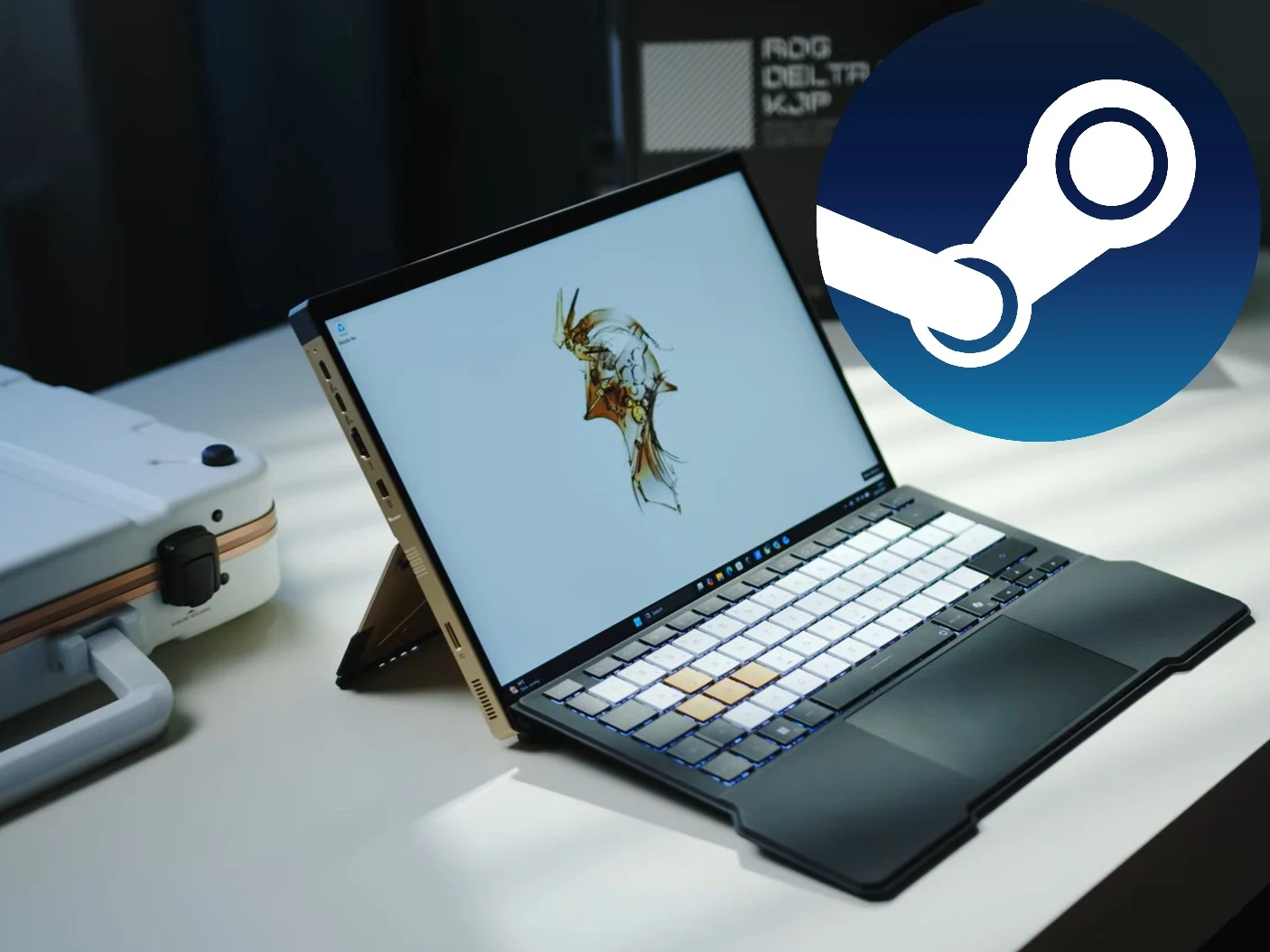
    The Acer ROG Flow Z13-KJP gaming tablet is a unique version of the ROG Flow Z13, drawing design inspiration from Hideo Kojima’s Death Stranding. This partnership has created a powerful gaming tablet featuring 128 GB of LPDDR5 RAM, 1 TB of storage, and the Ryzen AI Max+ 395 Strix Halo APU. Although the tablet ships with Windows 11, ETA Prime has tested it with SteamOS, showing impressive performance.

    Performance and Gaming Experience

    With a TDP of 70 W and 64 GB of RAM, the Ryzen AI Max+ 395 in the ROG Flow Z13-KJP tackled benchmark games effortlessly. In Arc Raider, the tablet achieved over 80 FPS at 1440p with high settings, without using FSR. The performance in Elden Ring was commendable too, running at 60 FPS at 1440p with max settings, also without FSR.

    Game Optimization Insights

    God of War Ragnarok also performed well on this device, reaching over 80 FPS at 1440p on ultra settings with FSR Quality enabled. As observed in earlier cases, some games seem to run better on SteamOS compared to Windows 11. For instance, ETA Prime found that Cyberpunk 2077 runs about 12 FPS faster on the ROG Flow Z13-KJP under SteamOS. However, Death Stranding’s performance declines on SteamOS, which suggests that the drivers for Strix Halo might need further optimization.

    Battery Life Testing

    In our earlier review of the standard ROG Flow Z13, we noted that Asus has enhanced the battery life by including a larger 70 Wh cell. In our tests, the ROG Flow Z13 managed to last over 6 hours during WLAN testing at 40% brightness. ETA Prime also conducted battery life evaluations while gaming at 50% brightness. When playing a lighter 2D game with an 8 W TDP, the ROG Flow Z13-KJP reportedly lasted around 5 hours. However, during gameplay of AAA titles, the runtime significantly dropped to 1 hour and 30 minutes at 45 W, and less than an hour at 70 W.

    In conclusion, the Asus ROG Flow Z13-KJP is an impressive gaming tablet, whether running Windows or not. Unfortunately, it is limited to 128 GB of RAM and 1 TB of storage, making it quite pricey. You can pre-order the ROG Flow Z13-KJP directly from Asus’ store for a staggering $3,699.99, with shipping starting on March 3rd.

    Alternative Options

    For those who are not interested in the Hideo Kojima edition or don’t require 128 GB of RAM, the standard Asus ROG Flow Z13 is available, offering 32 GB of RAM, 1 TB of storage, and the Ryzen AI Max+ 395 for $2,200 on Amazon. This version also includes a complimentary copy of Crimson Desert.

    Source:
    Link


  • Cyberpunk 2077 & Red Dead Redemption 2 4K Test on SteamOS & Windows 11

    Cyberpunk 2077 & Red Dead Redemption 2 4K Test on SteamOS & Windows 11

    Key Takeaways

    1. Linux desktop market share reached 5% in the US, driven by growth among gamers.
    2. Gaming distributions like SteamOS have improved user-friendliness for Linux gamers.
    3. ETA Prime tested an all-AMD gaming PC running both Windows 11 and SteamOS for game performance comparison.
    4. Game performance varied between operating systems, with neither consistently outperforming the other across all titles.
    5. Dual-booting allows users to choose the best OS for each game while maintaining access to Windows features.


    Last year, we shared that the Linux desktop hit a notable 5% of the US desktop market for the first time. This growth has solid reasons, especially among gamers. Furthermore, a member of the Notebookcheck team recently discussed switching from Windows 11 to Linux and expressed satisfaction with that choice.

    Growth of Linux in Gaming

    This situation underscores the advancements Linux has achieved, particularly gaming distributions like SteamOS, Bazzite, and others, which have made the open-source platform more user-friendly for gamers. To investigate this further, YouTuber ETA Prime tested an all-AMD gaming PC, dual-booting it with Windows 11 Pro and SteamOS to see how games perform on both systems.

    Specs of the Gaming PC

    In the video, ETA Prime outlines the specs of the all-AMD gaming rig. It features an AMD Ryzen 7 9800X3D processor, which has eight cores and 16 threads, along with 32 GB of DDR5 RAM operating at up to 7,000 MT/s in a dual-channel setup. The processor sells for $469 on Amazon. The rig is built on an ASRock B850 Challenger motherboard and includes an AMD Radeon RX 7900 XTX graphics card with 24 GB of VRAM, which is priced around $889 on Amazon. The storage consists of two 1 TB NVMe SSDs, one for Windows 11 Pro and the other for SteamOS. An 850 W Gold-rated power supply provides power.

    ETA Prime mentions that the components were chosen for their compatibility with SteamOS, ensuring all hardware functions smoothly with Valve’s system. The SteamOS used was version 3.7.17 and was installed from the stable channel, avoiding beta versions. Features like variable refresh rate (VRR), scaling options, and system tuning were enabled where possible, with CPU and GPU adjustments done directly through the BIOS instead of using third-party software.

    Game Performance Comparison

    To directly compare, ETA Prime played various games on both operating systems using the same settings. In Cyberpunk 2077 at 4K Ultra without FSR, Windows 11 managed 84 FPS, while SteamOS came in at 85 FPS, making both platforms quite equal.

    In Borderlands 4, Windows 11 had a slight edge, averaging 74 FPS compared to SteamOS’s 69 FPS at 4K Ultra with FSR Quality enabled. Forza Horizon 5 highlighted a more significant difference, with SteamOS averaging 157 FPS at 4K Extreme settings without FSR, while Windows 11 hit 191 FPS. ETA Prime speculated that this disparity might be due to the game’s strong connections to Microsoft’s ecosystem.

    On the other hand, Marvel’s Spider-Man 2 favored SteamOS, delivering an average of 111 FPS at 4K Very High with FSR set to Quality, while Windows 11 averaged 103 FPS. Red Dead Redemption 2 without FSR saw SteamOS average 88 FPS and Windows 11 at 96 FPS.

    The YouTuber also tested more popular games like Left 4 Dead 2, The Witcher 3: Wild Hunt, and Doom: The Dark Ages at 4K on SteamOS, with the complete tests available in the linked video.

    Conclusion

    In summary, the performance varies by game, with neither OS consistently outperforming the other across all titles. ETA Prime concludes that the dual-boot method provides flexibility, enabling users to select the OS that works best for each game while still having access to the comprehensive Windows ecosystem when necessary.

    ETA Prime via YouTube

    Source:
    Link