Tag: SteamOS

  • New Steam Deck Rival with SteamOS and AMD Ryzen Z2 GO Chipset

    New Steam Deck Rival with SteamOS and AMD Ryzen Z2 GO Chipset

    Yesterday, Evan Blass posted new pictures of the Legion Go S, which many think is Lenovo’s upcoming gaming handheld following last year’s Legion Go. He also gave a sneak peek at the Legion Glasses 2. Interestingly, Blass might have hinted that something a bit different is happening.

    New Colorway and Features

    At first sight, it seemed like Blass had introduced the Legion Go S in a new color for the first time. Sadly, the finer details were hard to distinguish. In contrast, Blass released clearer images of the same pictures shared with The Verge, where a button that seems to be specifically for Steam is noticeable.

    Software and Pricing Insights

    On the other hand, the white model features a shortcut for launching Lenovo‘s Legion Space software, similar to the original Legion Go (currently priced at $499.99 on Amazon). As a result, sources like The Verge and VideoCardz have suggested that this dark grey version will likely operate on a variant of SteamOS by default instead of Windows.

    Future of Gaming Handhelds

    So far, no solid evidence has come out to support this assumption. Nevertheless, it seems that Valve is getting closer to officially backing the ROG Ally with a version of SteamOS. This means it’s not entirely out of the question that this software support could also extend to other manufacturers of Windows gaming handhelds, including Lenovo. However, there has been no indication of dedicated SteamOS options for the Steam Deck appearing anytime soon.

    Source: Link


    Image 1
    Image 1
    Image 1
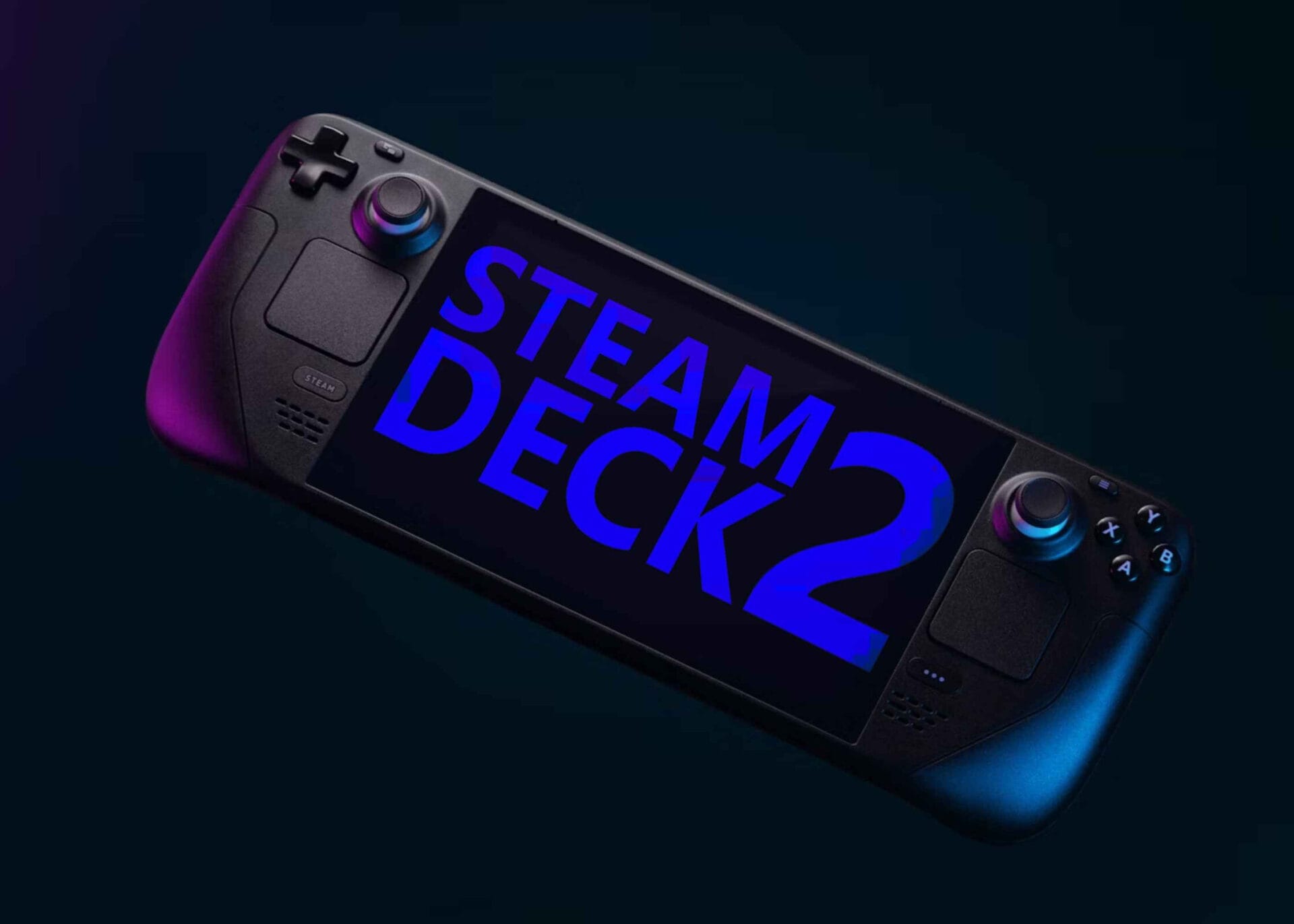
  • Steam Deck 2: Valve Fremont Promises Enhanced Performance

    Steam Deck 2: Valve Fremont Promises Enhanced Performance

    In recent days, there are signs that SteamOS might officially be coming to Windows gaming handhelds, such as the Asus ROG Ally (curr. $422.95 on Amazon). Moreover, there have been new reports of a Steam Controller 2, along with other controllers that Valve could launch with its much-anticipated Deckard VR headset.

    Speculation on New Hardware

    New information has come to light suggesting that Brad Lynch and others think there is new SteamOS hardware on the way. In particular, a device with the codename ‘Fremont’ has been detected in a recent update to the Steam Deck kernel. Initial analyses indicate that Valve Fremont uses the AMD Lilac platform, which seems to be associated with a version of AMD’s Ryzen 5 8540U APU. Regardless, one can reasonably conclude that Valve is working on something that involves Zen 4 CPU cores and AMD’s RDNA 3 architecture, especially since the Steam Deck’s custom APU employs Zen 2 and RDNA 2.

    Performance Expectations

    Even though AMD has progressed to Zen 5 and RDNA 3.5, the AMD Lilac performs at GPU OpenCL scores comparable to the AMD Radeon RX 6600S. Therefore, it should provide a significant performance enhancement for an upcoming Valve hardware launch. However, there’s no guarantee that Valve will use a standard APU design this time.

    Possibilities for Fremont

    There have been mentions of HDMI CEC support, leading many to believe that Valve Fremont could be a type of desktop machine. This brings to mind the unsuccessful Steam Machine project, and Valve Fremont might still be in the early development phases. Consequently, some, like The Phawx, have suggested that AMD Lilac could be the chipset for the long-discussed Steam Deck 2, which would support a more powerful docked mode similar to the Nintendo Switch, rather than shifting towards a console-like device. More details regarding Fremont’s specifications and how Valve plans to market it are likely still some time away from being disclosed.


    Image 1
    Image 1
  • SteamOS Enhances Third-Party Handhelds with Asus ROG Ally VRR

    SteamOS Enhances Third-Party Handhelds with Asus ROG Ally VRR

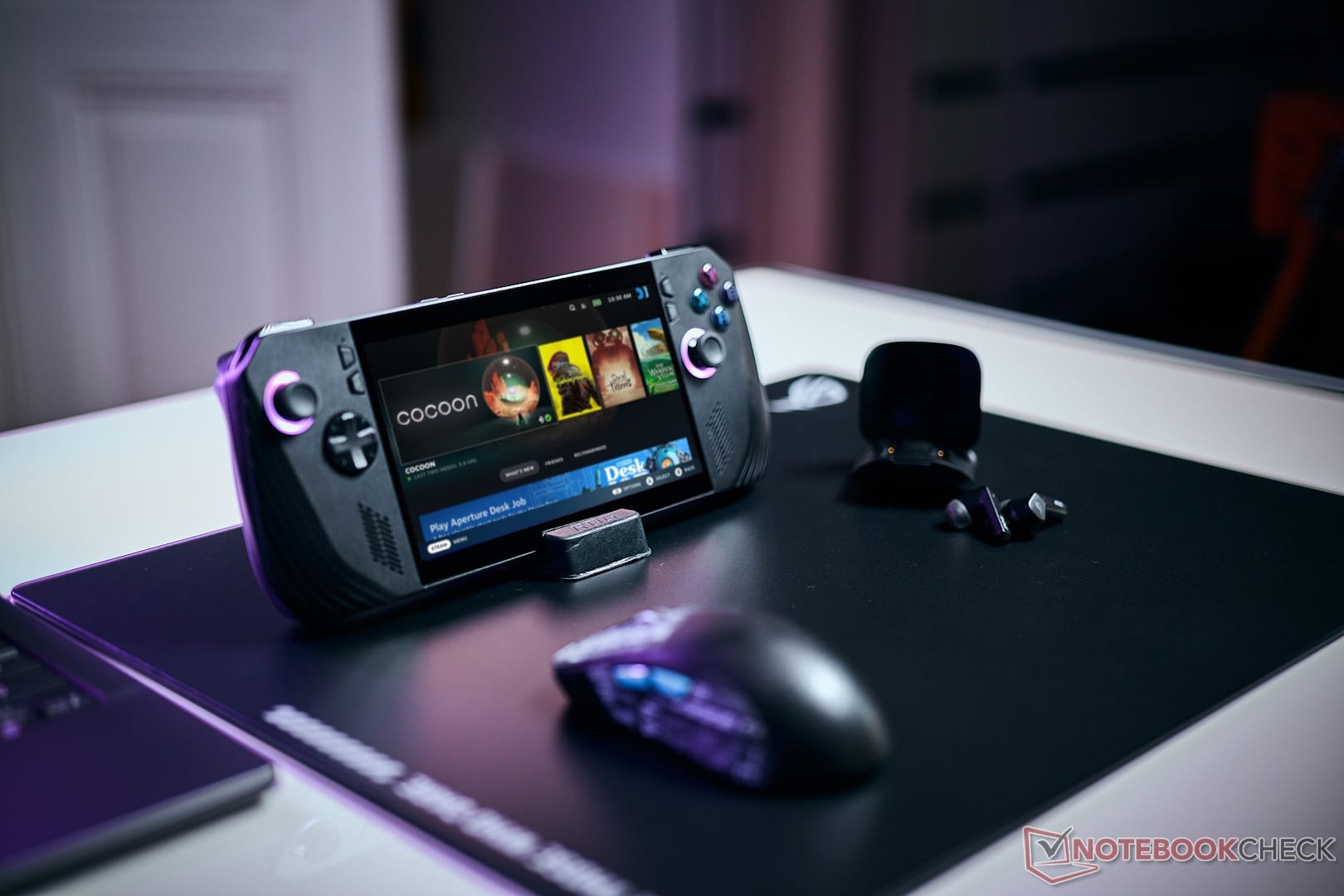
    Valve has long said it would make the SteamOS ISO available for anyone who wants to put it on any PC or handheld gaming console they prefer. Recently, they reaffirmed this promise and even added support for the extra buttons on the Asus ROG Ally in SteamOS. Now, Gamescope, which is Valve’s gaming micro-compositor, has made more progress in making SteamOS work with the Asus ROG Ally and Ally X.

    Recent Developments in Gamescope

    A contributor to the Gamescope project recently shared that they added a configuration for the Asus ROG Ally display during a recent merge. This configuration has been tested and confirmed to work with both the Asus ROG Ally X and the original Ally. The tests showed that the ROG Ally display configuration is compatible with various games and includes features like VRR and the ability to adjust the SteamOS refresh rate in the game overlay.

    Ongoing Improvements

    There’s probably still a significant amount of work needed before the Asus ROG Ally functions perfectly with SteamOS. However, it seems that much of the essential proprietary work is being completed first, such as customizing button mappings and screen configurations. Valve has mentioned before that they are steadily making headway in adding support and features for other gaming systems and handhelds, but they have not provided a specific timeline for release.

    The Asus ROG Ally X is currently priced at $799.99 at Best Buy and offers a notable performance boost compared to its earlier model.

    Alternatives to SteamOS

    If you are searching for a SteamOS-like experience with Gamescope, there are several alternatives available, such as Bazzite and ChimeraOS. Both options support a range of system configurations, largely due to their Linux base, which leads to speculation that Valve is working to optimize hardware and configuration support for these third-party devices. Valve has also stated multiple times that they do not view these handhelds as competition for the Steam Deck. This viewpoint is logical when you consider that it benefits Valve to have as many devices running SteamOS as possible, especially since they have historically sold the lower-end Steam Deck at a loss.