
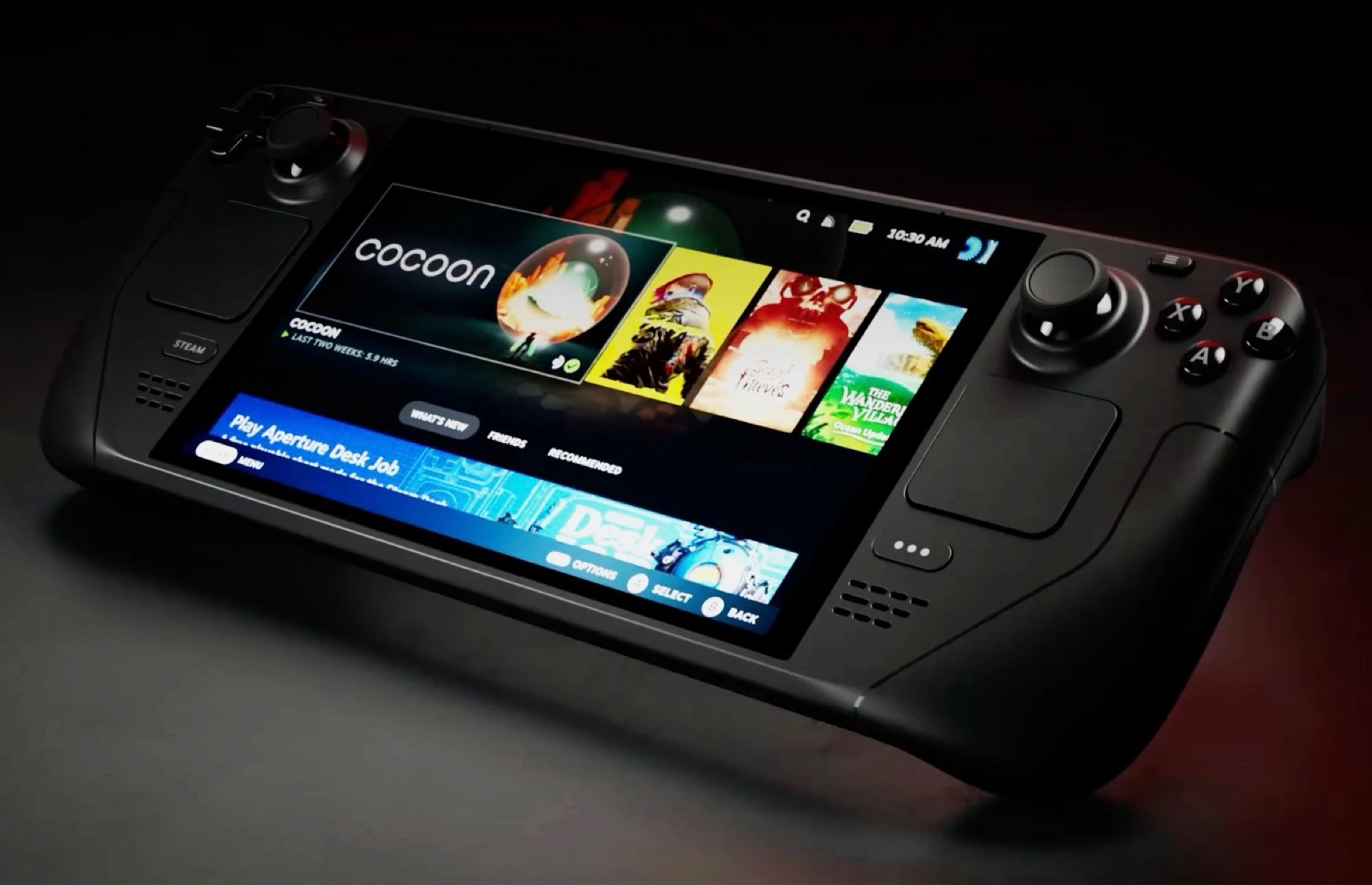
– Steam Deck OLED back in stock and available to order directly from Valve again, but at higher prices.
– The LCD 256 GB SSD variant has been removed from Valve’s lineup.
– Price surge driven by DRAM/SSD cost increases, making the OLED version notably more expensive than some competitors (e.g., Asus ROG Xbox Ally).
Valve announces Steam Deck OLED back in stock with price changes
In a recent update, the company revealed that the Steam Deck OLED is once again available after a period of being listed as sold out for several months. The handheld is now open for orders again directly through Valve, though the pricing has shifted upward from previous levels. The new power trio of models is presented with updated price points, and customers can expect the OLED option to arrive with the same core features that fans have come to anticipate, albeit at a higher cost than before. The news arrives as consumers weigh the benefits of OLED visuals against the push to economize in a fluctuating market.
Pricing and stock details
The newly available Steam Deck OLED lineup features two variants, each priced higher than in the past. Notably, the LCD version with a 256 GB SSD has been removed from Valve’s catalog, narrowing the entry points for new buyers. The refreshed price structure reflects an industry-wide shift in component costs, particularly for memory and storage, and it signals Valve’s stance on continuing to push premium screen technology alongside robust performance for handheld gaming. The refreshed pricing contrasts with the original launch price from 2022, which started at $399, showing a sizable increase over time with expectations of continued demand for portable power.
Why costs rose, and how it compares to rivals
The reason behind the hike is largely tied to the DRAM shortage and rising SSD costs driven by intense demand from AI sectors, including major players like OpenAI. This ripple effect has pushed up the cost to equip the Steam Deck with 16 GB RAM and higher-capacity SSDs, thereby elevating the overall price of the OLED model. In this context, Valve’s decision to price higher aligns with market realities and the premium feel of OLED technology, though it positions the Deck against other powerful handhelds such as the Asus ROG Xbox Ally, which is available for a higher price point with competitive specs, yet still represents a different value proposition for gamers.
The corporate explanation stresses that supply chain pressures are a core driver of the revised cost structure, while the OLED variant is marketed as a premium experience that emphasizes display quality and performance. This shift also includes the discontinuation of the lower-cost LCD 256 GB option, which previously served as the most affordable entry, potentially affecting budget-minded enthusiasts who were counting on a broader range of choices. Consumers now weigh OLED’s advantages against the elevated price tag and the battery life trade-offs that often accompany brighter, more vibrant panels in handheld devices.