Tag: handheld gaming

  • Why gamers choose an $800 Steam Deck over Xbox ROG Ally or Legion Go S

    Key Takeaway

    – Strong Steam integration and existing library convenience
    – OLED display, trackpads, battery life, and speakers as key advantages
    – Popularity persists despite higher price than more powerful competitors
    – Scalpers were initially suspected, but user preference explains demand
    – Valve must now prove value without previous price advantage


    Steam Deck OLED Still Flying Off Shelves Despite Price Hike

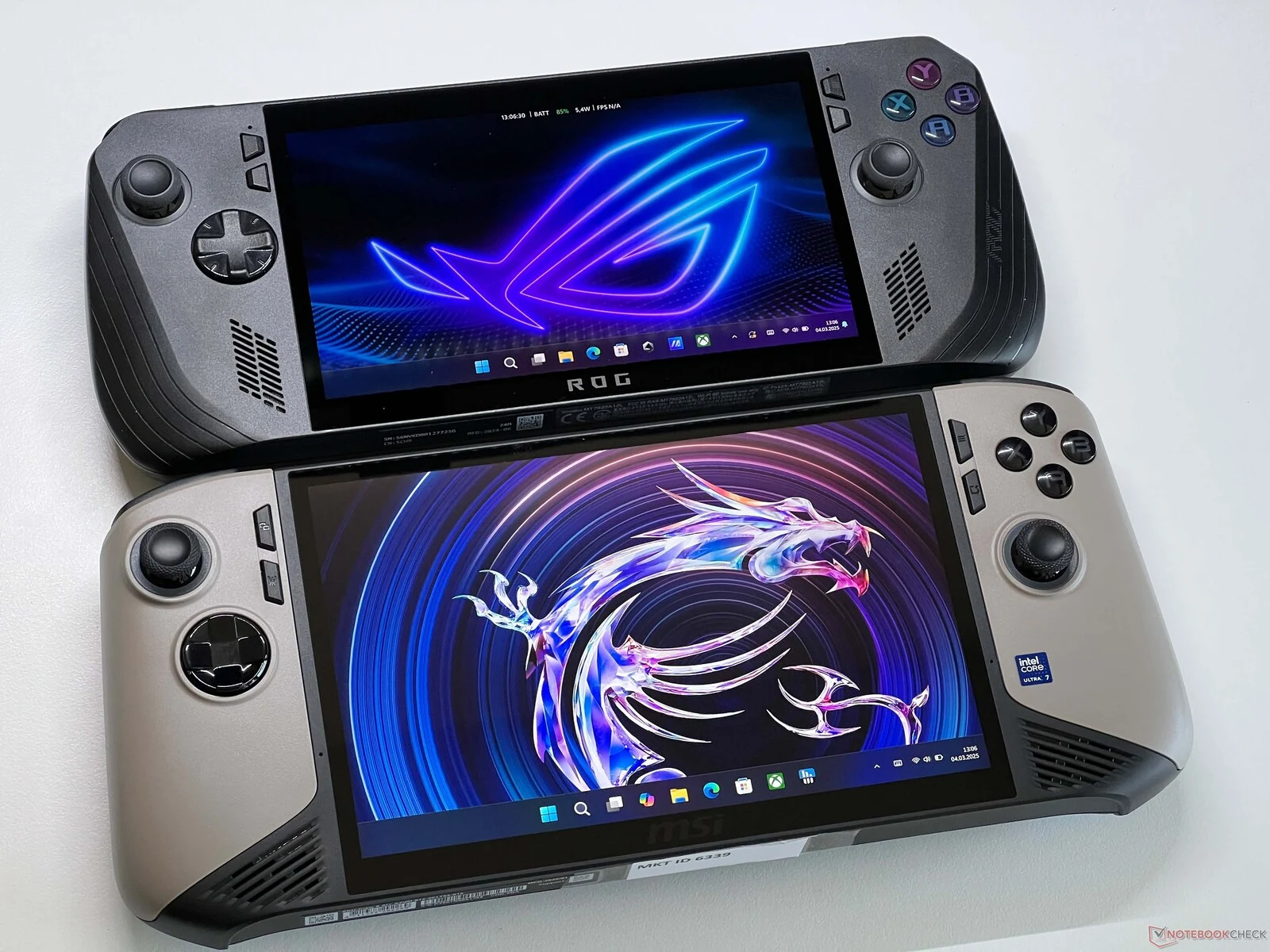
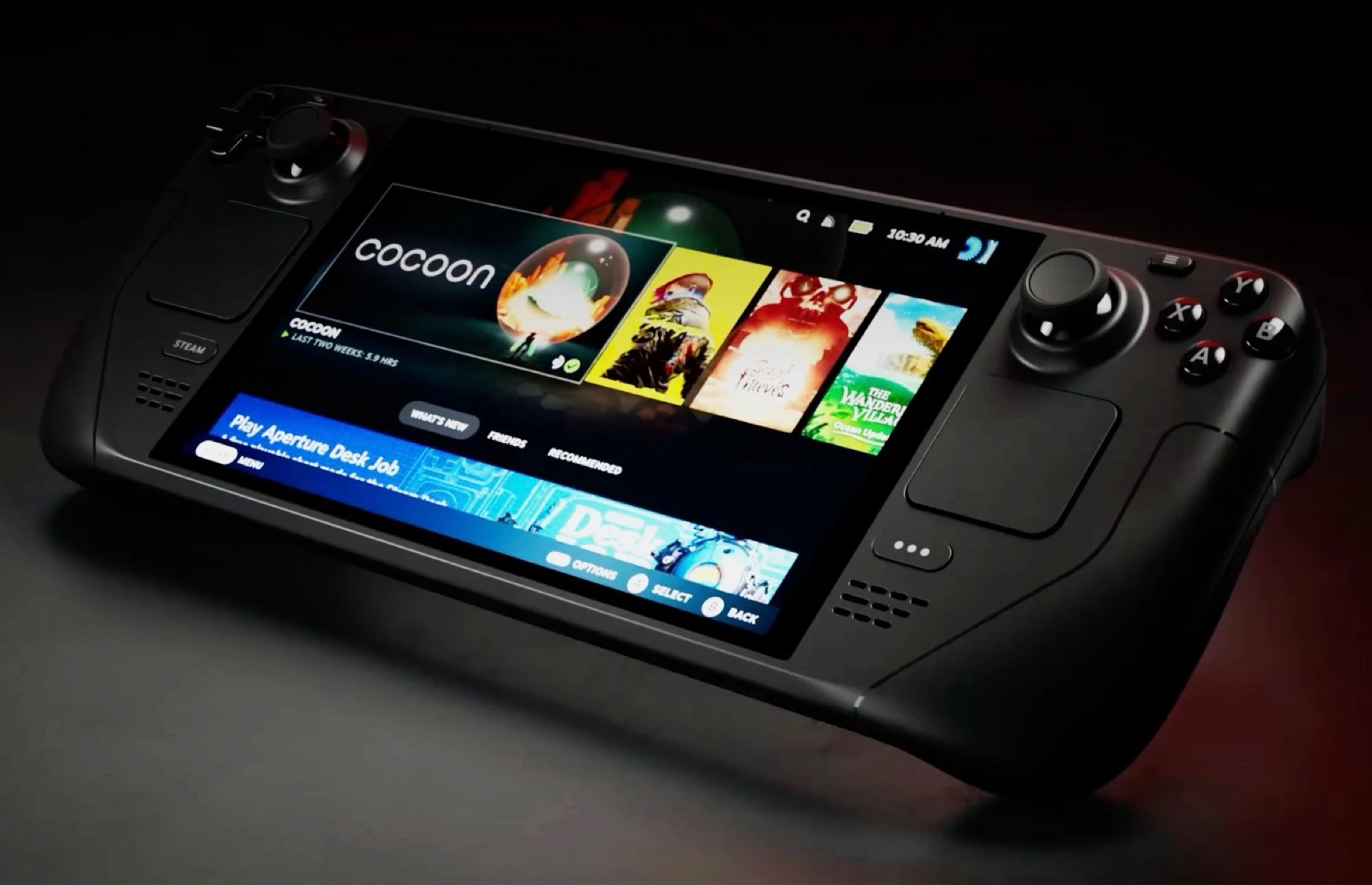
    Since the sudden price increase, the Steam Deck OLED has cost around $790. Nevertheless, the handheld sold out shortly after the adjustment. Reddit user Pretty_Trip_2215 raises an obvious question: why is Valve’s handheld still so popular when more powerful devices are available at lower prices? The Lenovo Legion Go S starts at $499.99, while the ASUS ROG Xbox Ally has an MSRP of $599.

    Community Reacts to Scalper Theory

    At first, the creator of the Reddit thread suspected that scalpers might be behind the rush for the expensive Steam Deck OLED. However, the discussion quickly took off. Many users explained why they still prefer Valve’s handheld. In a later edit, the thread creator summarized the most common reasons.

    Reading through the comments shows that users do not judge the Steam Deck by performance alone. Many simply like Valve and appreciate the seamless Steam integration. Anyone who already has a Steam library can simply switch on the device, log in and start playing right away – a clear convenience advantage over the competition.

    Technical Edge and Display Quality

    Although the Steam Deck cannot keep up in terms of raw performance, it still has several technical advantages – most notably the OLED display. In the Reddit discussion, the trackpads are also repeatedly mentioned as an argument in favor of the Steam Deck. They work like small touchpads and allow mouse-like control. This not only makes navigation easier, but also makes strategy games more comfortable to play. For many users, Valve’s handheld also has the edge when it comes to battery life and speakers.

    Valve’s Value Proposition Under Fire

    Critics argue that Valve has squandered the Steam Deck’s biggest advantage with the price increase: its strong value for money. On social media, the handheld is therefore repeatedly described as “dead.” The situation is not quite that dramatic, but after losing its previous price advantage, Valve now has to prove that the Steam Deck is still attractive enough even at significantly higher prices.
    Sources
  • AYN Dual-Screen Handheld Gets New Accessory

    AYN Dual-Screen Handheld Gets New Accessory

    Key Takeaway

    – AYN released the Thor Self-adhesive Stylus for the Thor, with an adhesive-sticker storage holder.
    – It costs $9.90 and comes in Black, Grey, White, and Purple.
    – It cannot be included in the $50 Thor Accessories Pack; available separately on AYN’s site.


    AYN Thor Accessory Overview

    When the AYN Thor was released in 2025, it launched alongside a handful of accessories that buyers can purchase separately or as a bundle. AYN has now released a brand new accessory for the dual screen Android-powered handheld.

    Introducing the Thor Self-adhesive Stylus

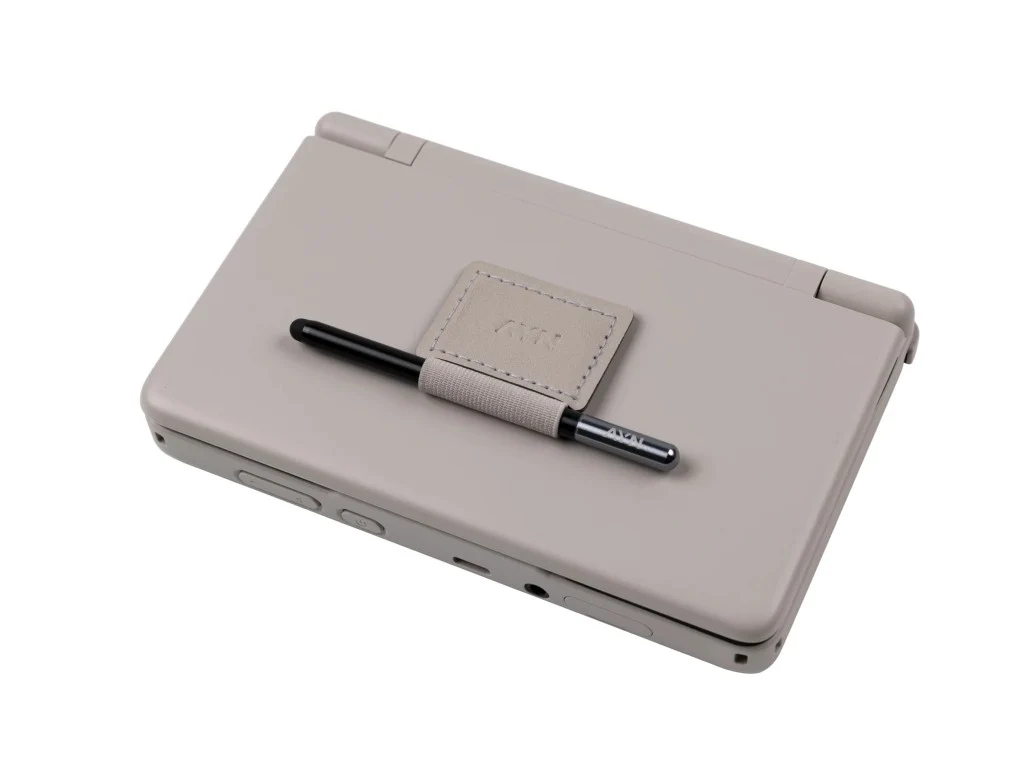
    The new accessory is called the Thor Self-adhesive Stylus, and if the name didn’t already give it away, it is a stylus for the Thor. The self-adhesive part of its name is due to AYN including a stylus holder with an adhesive that sticks to the Thor. This way, the stylus can be safely stored when not in use.

    Pricing and Design

    Priced at $9.90, the Thor Self-adhesive Stylus looks like a generic stylus with a soft rounded tip. AYN’s decision to launch a stylus follows the tradition of classic dual-screen handhelds such as the Nintendo DS and 3DS handhelds which shipped with a stylus. Rival handheld manufacturer, Anbernic, also ships its dual-screen handheld, the RG DS, with a capacitive stylus. With the stylus, users can play select games that require (precise) touch input.

    Availability and Colors

    Buyers can purchase the Thor Self-adhesive stylus from the AYN website in Black, Grey, White, and Purple. Unfortunately, it can’t be purchased as part of the $50 Thor Accessories Pack which includes a lanyard, grip case, screen protector, soft pouch, carrying case, and TPU shell.

    Sources
  • Steam Deck OLED Restocked: Price Up by $300 Now In Stock

    Steam Deck OLED Restocked: Price Up by $300 Now In Stock

    Key Takeaway

    – Steam Deck OLED back in stock and available to order directly from Valve again, but at higher prices.
    – The LCD 256 GB SSD variant has been removed from Valve’s lineup.
    – Price surge driven by DRAM/SSD cost increases, making the OLED version notably more expensive than some competitors (e.g., Asus ROG Xbox Ally).


    Valve announces Steam Deck OLED back in stock with price changes

    In a recent update, the company revealed that the Steam Deck OLED is once again available after a period of being listed as sold out for several months. The handheld is now open for orders again directly through Valve, though the pricing has shifted upward from previous levels. The new power trio of models is presented with updated price points, and customers can expect the OLED option to arrive with the same core features that fans have come to anticipate, albeit at a higher cost than before. The news arrives as consumers weigh the benefits of OLED visuals against the push to economize in a fluctuating market.

    Pricing and stock details

    The newly available Steam Deck OLED lineup features two variants, each priced higher than in the past. Notably, the LCD version with a 256 GB SSD has been removed from Valve’s catalog, narrowing the entry points for new buyers. The refreshed price structure reflects an industry-wide shift in component costs, particularly for memory and storage, and it signals Valve’s stance on continuing to push premium screen technology alongside robust performance for handheld gaming. The refreshed pricing contrasts with the original launch price from 2022, which started at $399, showing a sizable increase over time with expectations of continued demand for portable power.

    Why costs rose, and how it compares to rivals

    The reason behind the hike is largely tied to the DRAM shortage and rising SSD costs driven by intense demand from AI sectors, including major players like OpenAI. This ripple effect has pushed up the cost to equip the Steam Deck with 16 GB RAM and higher-capacity SSDs, thereby elevating the overall price of the OLED model. In this context, Valve’s decision to price higher aligns with market realities and the premium feel of OLED technology, though it positions the Deck against other powerful handhelds such as the Asus ROG Xbox Ally, which is available for a higher price point with competitive specs, yet still represents a different value proposition for gamers.

    The corporate explanation stresses that supply chain pressures are a core driver of the revised cost structure, while the OLED variant is marketed as a premium experience that emphasizes display quality and performance. This shift also includes the discontinuation of the lower-cost LCD 256 GB option, which previously served as the most affordable entry, potentially affecting budget-minded enthusiasts who were counting on a broader range of choices. Consumers now weigh OLED’s advantages against the elevated price tag and the battery life trade-offs that often accompany brighter, more vibrant panels in handheld devices.


    Sources

  • OneXPlayer 3 Global Launch June 2026: Intel Arc G3 Extreme & 144Hz OLED

    OneXPlayer 3 Global Launch June 2026: Intel Arc G3 Extreme & 144Hz OLED

    Key Takeaway

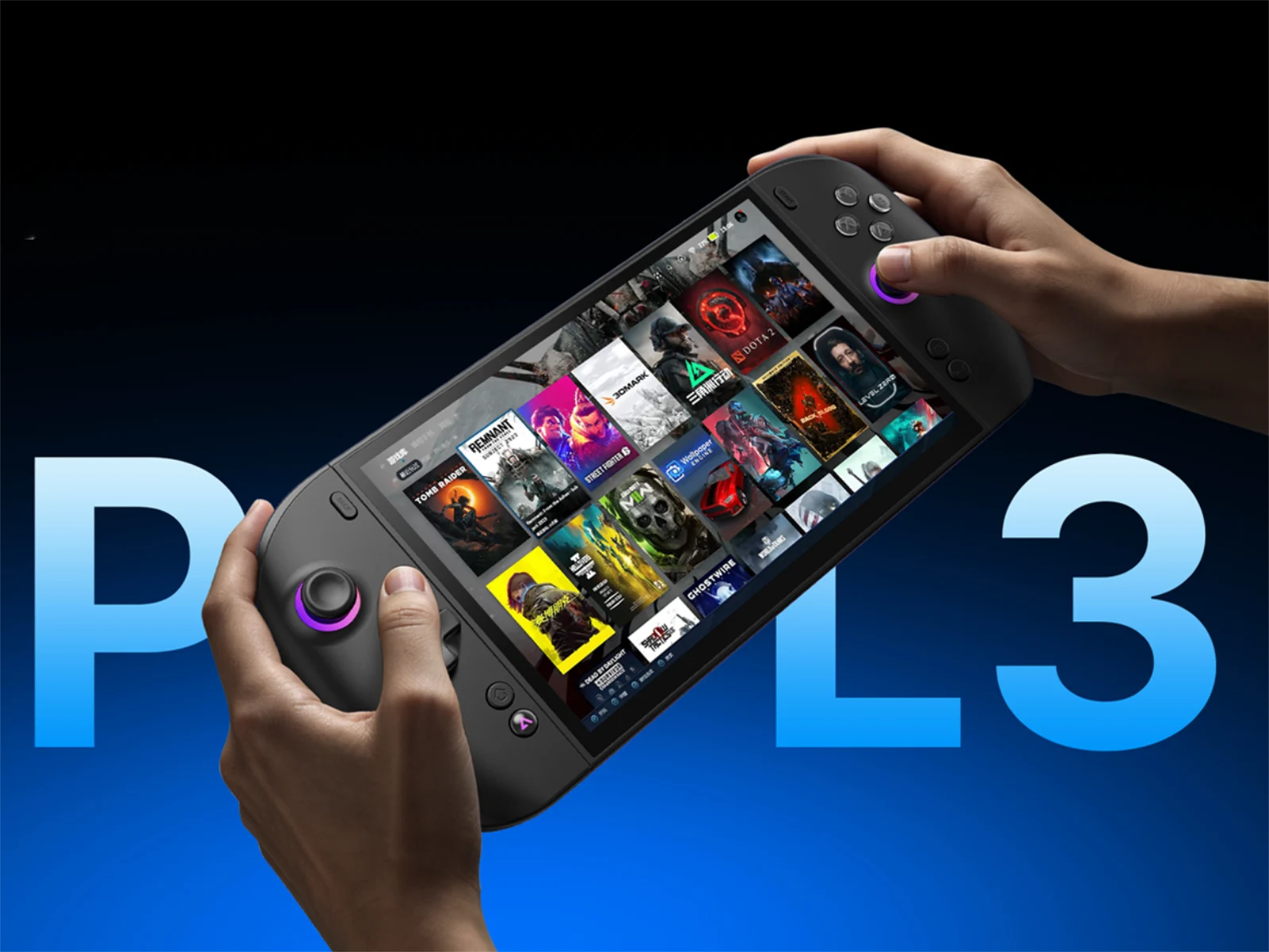
    – OneXPlayer launches Arc G3-based handheld (first to do so) with detachable controllers and built-in touchpad on the controller connector.
    – OneXPlayer 3 scheduled to launch on Indiegogo in mid-to-late June 2026, with a built-in battery and laptop-mode kickstand plus detachable keyboard accessory.
    – Pricing for OneXPlayer 3 and MSI’s Arc G3/Claw 8 EX alternatives are not yet disclosed; MSI reportedly aiming up to €1,599 in the Eurozone.


    OneXPlayer Announces Arc G3 Series Handheld

    OneXPlayer has become the first company to officially launch an Arc G3 series gaming handheld. To recap, details about the so-called Claw 8 EX emerged towards the end of last month powered by the Arc G3 Extreme. Reportedly, MSI may price its next gaming handheld for up to €1,599 in the Eurozone. The message here is that a new tier of portable gaming is coming, with design elements that aim to rival other high-end devices in the market, and pricing that hints at premium positioning.

    Pricing Uncertainty and Launch Timeline

    For the time being, OneXPlayer has not revealed how much its alternative will cost. However, it has confirmed that the OneXPlayer 3 is scheduled to launch on Indiegogo ‘in mid-to-late June 2026’. The schedule suggests a crowdfunding phase that could influence early access and regional availability, while the stated window hints at a summer release pace that fans have been eagerly awaiting.

    Hardware Specs Ahead of the Reveal

    Additionally, the company has outlined the following hardware specifications ahead of time: For reference, the OneXPlayer 3 has a built-in battery, unlike the recent OneXFly Apex (curr. $2,899 on Amazon). The new handheld supports detachable controllers to rival the Legion Go. Incidentally, the same is true for the OneXPlayer X2 Mini Pro, global launch details for which we have covered separately.

    Controller and Design Highlights

    Likewise, the OneXPlayer 3’s controller connector features a built-in touchpad too. As the picture below shows, OneXPlayer has also included a Nintendo Switch-like kickstand to use the device in laptop mode with a detachable keyboard accessory. Please see the company’s Indiegogo campaign page for more details. The overall emphasis here is on modularity and flexible use cases, pushing the handheld beyond traditional portable gaming into more laptop-like versatility.


    Sources

  • Intel Arc G3 Extreme and Arc G3 Release Ahead of Schedule

    Intel Arc G3 Extreme and Arc G3 Release Ahead of Schedule

    Key Takeaway

    – Arc G3 and Arc G3 Extreme debut on May 28, with early showings anticipated before Computex 2026; handheld devices from MSI and Acer expected to accompany the launch.
    – Both models use a 14-core CPU (2 P-cores, 8 E-cores, 4 LPE-cores); Extreme variant boosts to 4.7 GHz and pairs with a faster Arc B390 GPU (12 Xe cores) versus Arc B370 in the standard G3 (10 Xe cores).
    – Initial simulated benchmarks place Arc G3 Extreme ahead of AMD Ryzen Z2 Extreme, with Panther Lake positioned as power-efficient for handheld gaming where thermal/power limits matter.


    Intel Panther Lake handheld chips tease and rumors collide

    when intel showed off panther lake at ces 2026, it teased two unnamed handheld chips without divulging any specifics. initially thought to be the core g3 and core g3 extreme, subsequent leaks confirmed they’d launch as the arc g3 and arc g3 extreme. now, videocardz learned that intel could show both chips off earlier than their rumoured computex 2026 (june 2-5) release window.

    Arc G3 and Arc G3 Extreme launching date and devices

    intel will unveil the arc g3 and arc g3 extreme on may 28. msi is expected to show off a new 8-inch handheld console powered by the chips, likely a revision of the claw series. even acer is expected to join in on the fun with the predator atlas 8. one can only hope it actually launches, unlike the nitro blaze that never saw the light of day after a rather pompous reveal.

    Specs in brief and what differs

    specs-wise, both the arc g3 and arc g3 extreme come with a 14-core cpu with 2 p-cores, 8 e-cores and 4 lpe-cores. the ‘extreme’ variant has a slightly faster boost clock (4.7 ghz vs 4.6 ghz) and a faster arc b390 gpu with a 12-core gpu. the arc b370 used on the regular arc g3 comes with 10 xe cores. on paper, the spec differences are marginal, and it’ll be interesting to see how they fare against each other in the real world.

    Early benchmarks and power considerations

    initial benchmarks on simulated hardware show promising results, with the arc g3 extreme handily outperforming amd’s flagship ryzen z2 extreme. panther lake is a fairly power-efficient architecture, so it has the potential to shine in power-restricted environments—something that is a must in handheld gaming consoles.

    Sources
  • Ayaneo Pocket Air Mini Limited Edition with Arcade Classics Pre-installed

    Ayaneo Pocket Air Mini Limited Edition with Arcade Classics Pre-installed

    Key Takeaway

    – Limited edition Pocket Air Mini x Arcade Home in crimson red with gold controls, featuring licensed IGS classic arcade games via Ayaneo’s self-developed emulator.
    – Includes eight IGS titles (e.g., Knights of Valour, Oriental Legend, Demon Front) with a Steam collection planned later this year and online multiplayer support.
    – Two configurations available: 2GB/32GB ($129.99) and 3GB/64GB ($139.99); limited run of only several hundred units, shipping starts early June.


    The Ayaneo Pocket Air Mini originally launched in three colors, but a few months ago, it got a B.Duck Limited Edition. Ayaneo has now announced a second limited edition, and we dare say that it is the best looking of them all.

    Design and collaboration

    The new version is officially known as the Pocket Air Mini x Arcade Home Limited Edition. Made in collaboration with Arcade Home, this version of the handheld has a crimson red shell and gold control buttons and thumbsticks. Writing style shifts here, aiming to feel like a casual spec rundown with a touch of hype for the visual design, and it keeps at least fifty words while mixing in a few imperfect phrasings to sound more natural.

    Internal changes and games

    The Pocket Air Mini Arcade Home Limited Edition isn’t just a new paint job, as it is also different on the inside. This is because it comes with officially licensed IGS games such as Knights of Valour, Oriental Legend, Demon Front, The Killing Blade, and Martial Masters. All of these games are playable on the Pocket Air Mini Arcade Home Limited Edition thanks to Ayaneo’s self-developed emulator which makes its debut on the handheld.

    Steam collection and availability

    It is worth mentioning that 8 of these IGS Classic Arcade games will be available as a collection on Steam later this year. Players will not only be able to relieve the classic arcade experience, but will also be able to enjoy modern features such as online multiplayer support. So, if you can’t pick up Ayaneo’s new handheld, you should look out for the collection when it launches on Steam later this year. If you own a Nintendo Switch, you can purchase the collection now for $29.99.

    Configurations and pricing

    Like the other variants of the Pocket Air Mini, the Arcade Home Limited Edition is available in two configurations – 2GB RAM + 32GB for $129.99 and 3GB RAM + 64GB for $139.99. The handheld is available to buy now from Ayaneo’s website and will begin shipping in early June. Ayaneo says that this is a limited edition product with only several hundred units produced worldwide, so once it is out of stock, it will no longer be reproduced.

    Sources
  • Anbernic Unveils Budget Retro Handhelds with AMOLED Display and 8GB RAM

    Anbernic Unveils Budget Retro Handhelds with AMOLED Display and 8GB RAM

    Key Takeaway

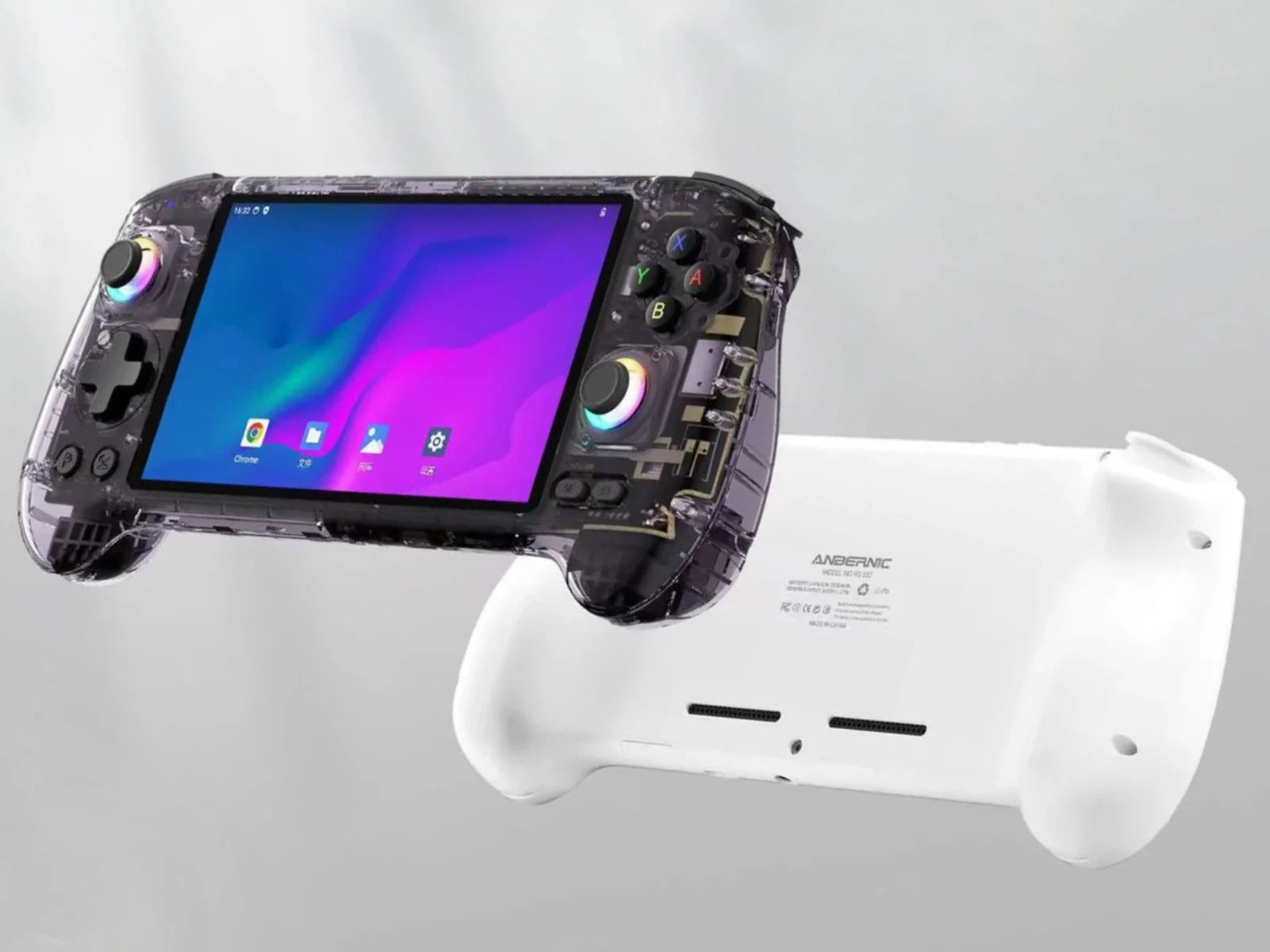
    – Anbernic has introduced cheaper RG557 SKUs with 8 GB RAM and 128 GB storage, while keeping the same core specs (Dimensity 8300, 5,500 mAh, 5.48″ AMOLED, Android 14).
    – The price points start at $229 (no microSD) and go up to $258 (8/128 + 128 GB microSD) and $299 (8/128 + 256 GB microSD).
    – Prices are set to rise by about $20 across the board on May 22 at 23:59:59.


    Overview

    The rate at which Anbernic has released new handhelds has dropped off lately. Earlier this month, the company started selling the RG Rotate globally. Before that, Anbernic’s most recent handheld releases were the RG Vita and RG Vita Pro (curr. $159 on Amazon) towards the end of March. There must be an effort to keep readers informed with the latest product updates and market positioning, even when the cadence slows down a bit. It seems like a transitional period for the brand as they refine their lineup while maintaining familiar core features that fans expect.

    New RG557 Entry Points

    Now, the company has refreshed one of its older handhelds with a new version. Specifically, it has updated the RG557 with cheaper versions. Previously, Anbernic sold the RG557 exclusively with 12 GB of LPDDR5X RAM and 256 GB of UFS 4.0 flash storage. From May 21, the handheld starts with 8 GB of RAM and 128 GB of storage in what Anbernic describes as a ‘more affordable entry point’. The shift to a leaner base configuration signals a strategy to broaden accessibility while keeping the model recognizable to long time supporters and new buyers alike.

    Core Experience and Specs

    In an email, Anbernic adds that this new release maintains the ‘same core experience’. Although it has not elaborated further, its website confirms that cheaper RG557 SKUs ship with the same Dimensity 8300 chipset, 5,500 mAh battery and 5.48-inch AMOLED display as their more expensive counterparts. However, Anbernic continues to install Android 14 on the RG557 even over a year after its initial release. The continuity of the core hardware and software stack is aimed at consistency across models, while the price adjustments help appeal to budget conscious buyers who still want solid performance and features.

    Pricing Options

    Cheaper RG557 variants start at $229 with no microSD card in a choice of Transparent Purple and White finishes. Alternatively, the handheld can be picked up with 8 GB of RAM, 128 GB of storage and 128 GB or 256 GB microSD cards for $258 and $299, respectively. Anbernic claims that prices will rise by just over $20 across the board on May 22 at 23:59:59. Please see the company’s website for more details. This pricing structure offers a tiered approach that can accommodate a range of budgets without sacrificing core capabilities that the RG557 family has been known for.

    Summary

    The RG557 refresh with lower RAM and storage configurations marks a practical reentry point for new customers while preserving the established performance envelope that enthusiasts expect. By maintaining the Dimensity 8300, the large battery, and the AMOLED display, Anbernic emphasizes a consistent user experience even as the price points shift with time. The anticipated price changes next day add a sense of urgency for buyers who want to lock in current pricing before any adjustments take effect.


    Sources

  • Ayaneo Horizontal handheld: cheaper alternative to Pocket Mini Classic

    Ayaneo Horizontal handheld: cheaper alternative to Pocket Mini Classic

    Key Takeaway

    – Ayaneo is allegedly developing multiple handhelds beyond the Pocket Block, including a horizontal variant and a cheaper vertical option.
    – The new devices may use a 4:3 120 Hz display and a cheaper plastic shell, positioning them as alternatives to Pocket Micro/Classic.
    – A May 21 sharing session is announced for official reveals, with branding cues like Bitwave and Retro Power appearing in leaks.


    Ayaneo reportedly expanding its line with new handheld forms, including a vertical Pocket Block and a horizontal variant. The leaks suggest the Pocket Block could be a cheaper option compared to the Pocket Vert, which currently lists around 369 on major retailers. There’s chatter that Ayaneo is cooking up more than just that model, hinting at additional devices in the works.

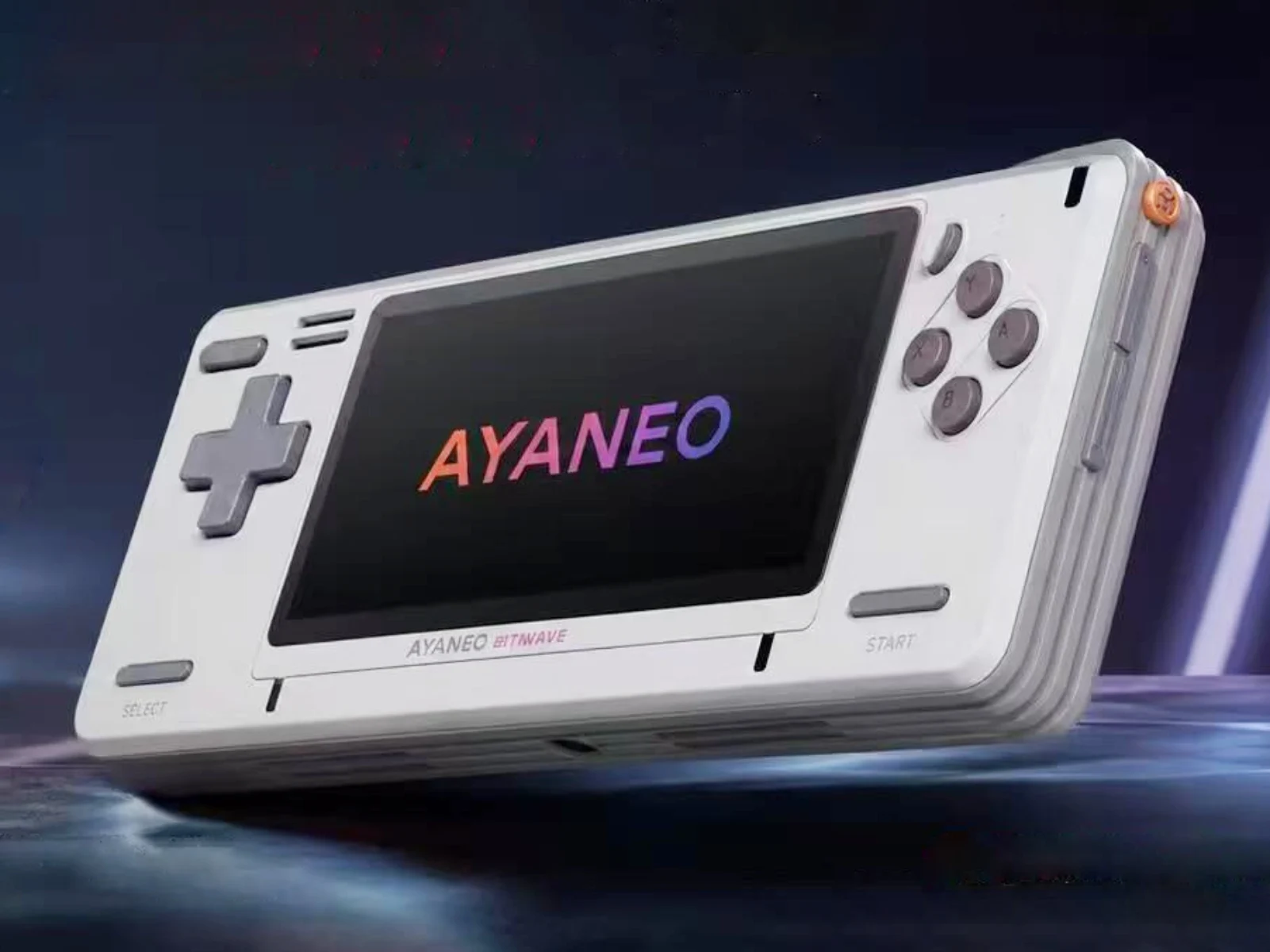
    Ayaneo has also shown indicators of a horizontal alternative to the Pocket Block, and the imagery includes the Bitwave branding alongside Retro Power marks. These tags are familiar from Ayaneo’s catalog across handhelds and accessories, reinforcing the company’s branding ethos. The visuals imply a broader strategy beyond a single device line, potentially signaling multiple launches.

    Footnotes in the leaked material point to a 120 Hz display with a 4:3 aspect ratio, though one control button near the ABXY cluster appears altered in the image. This raises questions about the legitimacy of the render and the final hardware design. If genuine, the shell material seems to lean toward plastic, which would position the device as a more affordable alternative to the Pocket Micro and Pocket Micro Classic, both of which sport glass fronts and metal chassis. A formal reveal was tentatively planned for May 21 during an official session.


  • New Ayaneo Vertical Handheld Surfaces: Cheaper than the Pocket Vert

    New Ayaneo Vertical Handheld Surfaces: Cheaper than the Pocket Vert

    Key Takeaway

    – Ark: A new Ayaneo handheld, the Pocket Block (also called Bitwave in renders), is emerging with a compact vertical form factor and a plastic shell.
    – Design cues suggest a cheaper Pocket Vert alternative, featuring marked ABXY buttons, a large D-Pad, three bottom pill buttons, and a likely Android OS with an overview/options button.
    – Hardware layout includes right-side power and volume, left-side two customizable buttons plus microSD, bottom-mounted speakers, USB-C, and a headphone jack; heat dissipation grille behind the display.

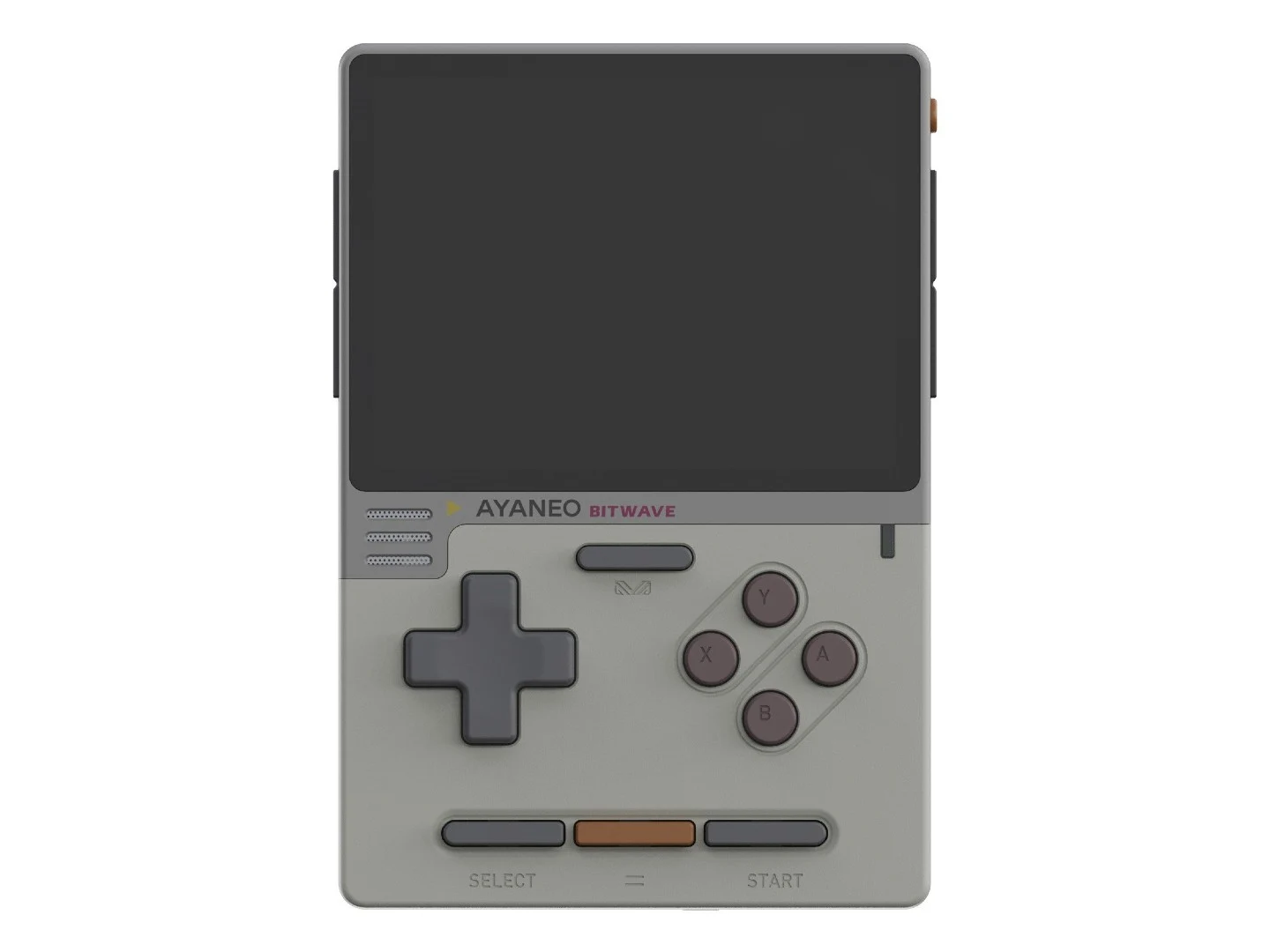
    Ayaneo hasn’t announced a new handheld in months, and that shouldn’t be surprising considering it is yet to begin shipping the Konkr Fit Windows handheld that was unveiled in January. However, that doesn’t mean it hasn’t been working on new products, as a report has revealed details of a new vertical handheld called the Ayaneo Pocket Block.

    Unconfirmed design details emerge for Ayaneo Pocket Block

    First reported by RetroDeadFred, evidence of the handheld was discovered on manuals.plus. The manual provides several images of the handheld, but for the real deal, RetroDeadFred was able to find renders of the handheld from another source, although the images show the handheld is called Bitwave and not Pocket Block. There’s a chance “Bitwave” is a codename, since Ayaneo handhelds that actually fit into the pocket have “Pocket” in their names.

    Cheaper feels, plastic shell and visible display glass

    With respect to the design, the Ayaneo Pocket Block seems like a cheaper alternative to the Pocket Vert. Its shell is made of plastic, and so are the buttons; and the only place that has glass is the display. Below the display is a triple-slit grille, which the manual says houses a microphone. Next to the microphone is the AYA button (AYAWindow interaction button) and on the far right is a power indicator LED.

    Controls hint at a familiar layout with a twist

    Unlike the Pocket Vert whose action buttons are not marked, the ABXY buttons are marked on the Pocket Block. There’s even a pill-shaped outline around the buttons that is reminiscent of the SNES controller. The D-Pad looks fairly large, and below it are three large pill-shaped buttons. Two of the buttons are Start and Select, while the third button is simply labelled as “=”. If we could take a guess, it would be that this is probably an overview button or options button considering the device runs Android.

    Front and side button placement described

    The Pocket Block has its power button and volume rocker on the right side while the left is home to two customizable buttons and the microSD card slot. The back of the handheld directly behind the display has a grille for heat dissipation. The shoulder buttons are placed where your fingers would naturally rest when holding the handheld. The images also show that the Ayaneo Pocket Block has its speakers at the bottom, and they flank the USB-C port and headphone jack.

    What we know about specs and timing

    There are no technical specifications of the Pocket Block yet, but it is only a matter of time before that surfaces.

    • No official specs released yet
    • Renders suggest a pocket-friendly vertical form
    • Android likely, given the overview button hypothesis

    RetroDeadFred on X

    Sources
  • Forza Horizon 6 Now Steam Deck Verified Ahead of Release Date

    Forza Horizon 6 Now Steam Deck Verified Ahead of Release Date

    Key Takeaway

    1. Forza Horizon 6 is Steam Deck verified and optimized for Valve’s hardware, supporting multiple devices within Microsoft’s Play Anywhere initiative.
    2. The game is “fully functional” on Steam Deck, with default graphics settings performing well, though detailed performance benchmarks are pending.
    3. The game requires over 156GB of storage and is expected to offer good performance at low to medium settings, potentially leveraging FSR to improve frame rates on the Steam Deck.

    Microsoft’s Next Racing Game Gets Steam Deck Approval

    When Microsoft announced the system requirements for its upcoming racing game, they said its gonna be playable on mobiles too. Now, everyone is more sure that Forza Horizon 6 will work fine on the Valve handheld device. The developers have officially confirmed that it’s Steam Deck verified, just in time for the early access starting on May 15th. Exciting news for fans wanting to explore the open-world streets anywhere they go!

    Playing Across Multiple Devices

    The game is part of Microsoft’s Play Anywhere feature, which means if you buy it once, you can play it on different Windows computers. And guess what? It’s not only compatible with Steam Deck, but other portable consoles like the ROG Xbox Ally are also in support plans. The company has made sure to point out that Forza Horizon 6 is optimized for Valve’s Linux-based hardware, giving PC gamers a seamless experience wherever they play.

    Performance Details and Expectations

    There isn’t a lot of in-depth info about how well Forza Horizon 6 runs on Steam Deck yet. The listing simply says the game is “fully functional” and works great using its controls and screen. Plus, with default graphics settings, most should find the game runs smoothly. But, since not all verified titles perform perfectly, waiting on user feedback and benchmarks is the smart thing to do. Thankfully, a playable version of the game leaked, so actual performance impressions might come sooner rather than later.

    Performance on Steam Deck

    If history repeats from Forza Horizon 5, the game’s visuals should be fairly smooth on Steam Deck, especially at lower resolutions. The last game in the series was mainly rated “playable,” mostly because of odd controller input issues. Still, at 1280 x 800 resolution, players could expect frame rates between 40 to 60 fps on low to medium settings, making the ride enjoyable. But, the newer version introduces advanced graphics features like ray-traced global illumination, which might make performance a bit more demanding.

    System Requirements and Storage Space

    To see the game at its best, it calls for at least a GeForce GTX 1650 or Radeon RX 6500 XT for 1080p visuals. With technologies like FSR, the Steam Deck should match these GPUs at lower resolutions, helping to deliver good performance. Also, keep in mind that Forza Horizon 6 requires over 156GB of free space on your drives. That’s a significant download, so gamers with limited storage need to prepare ahead of time. Luckily, the game preload is already available for those ready to jump in once early access begins.


    Sources