Category: Video / Photo

  • DJI Osmo Pocket 4 Pro Pro International Release Date Confirmed

    DJI Osmo Pocket 4 Pro Pro International Release Date Confirmed

    Key Takeaway

    – DJI launched the Osmo Pocket 4 Pro (Osmo Pocket 4P) in China, featuring a 3x zoom lens as its key differentiator.
    – No global availability has been announced, but DJI Japan confirmed a launch date of June 29 (local) / June 30 (UTC).
    – The June 30 date may apply globally, as DJI typically avoids regional-exclusive releases.


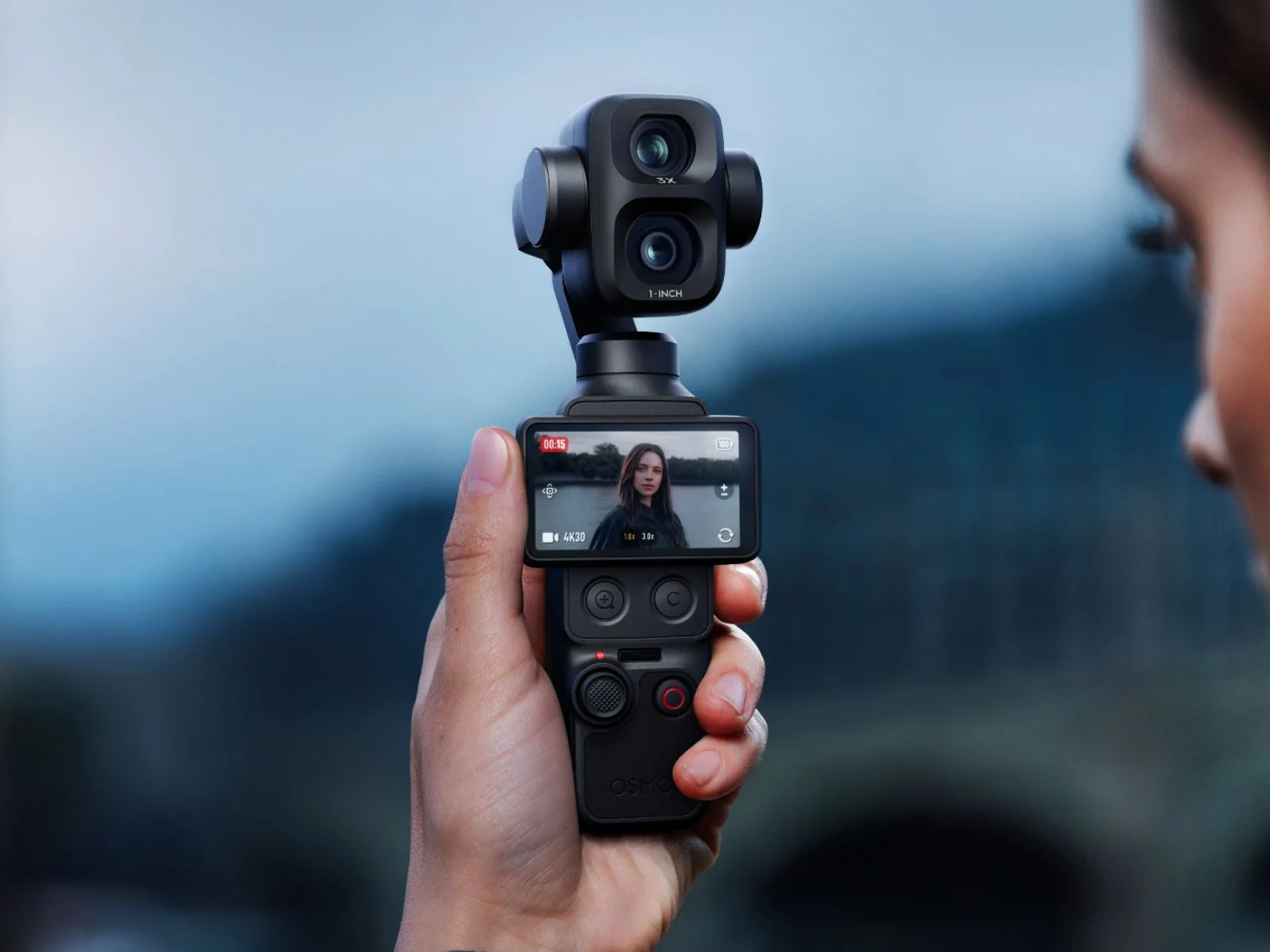
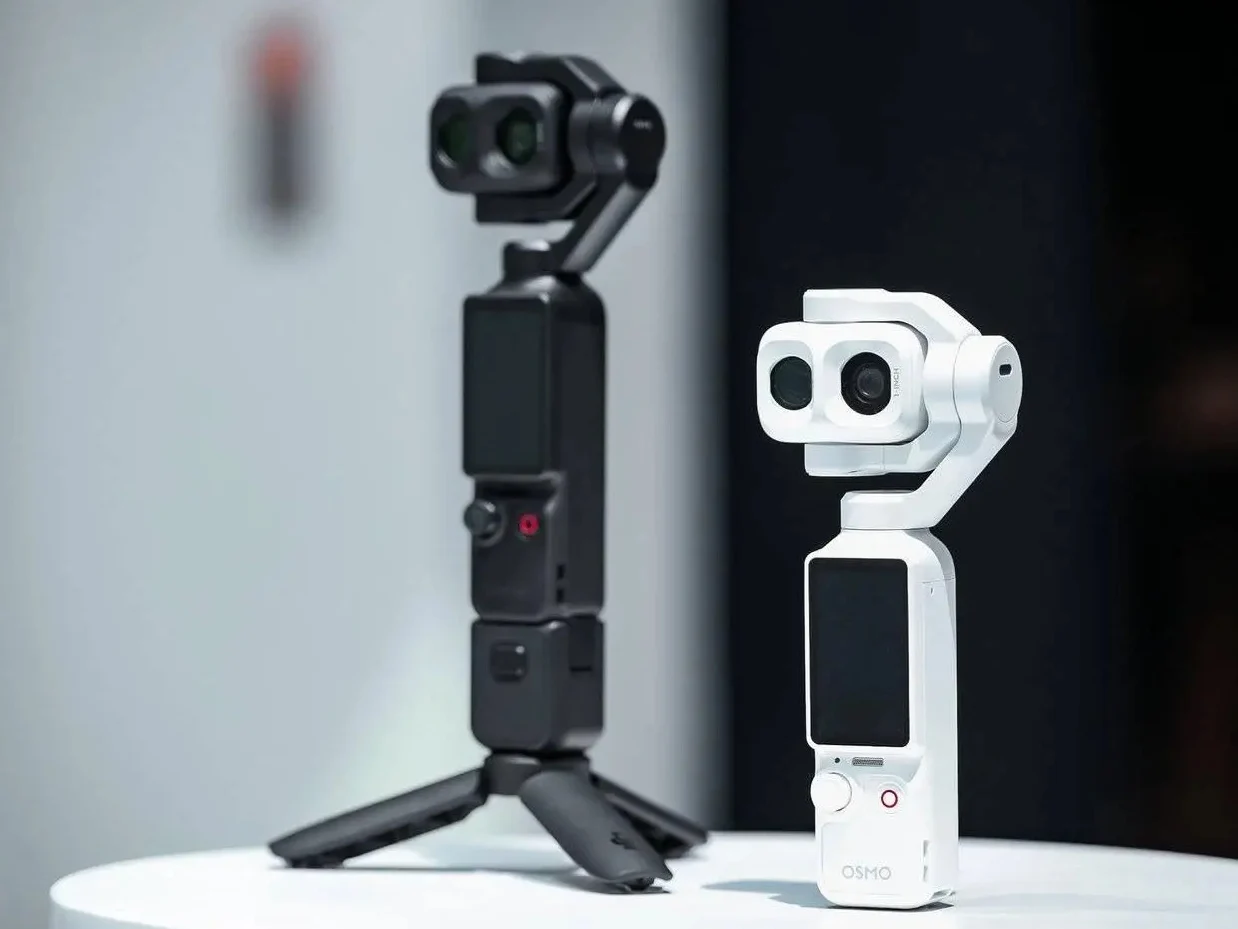
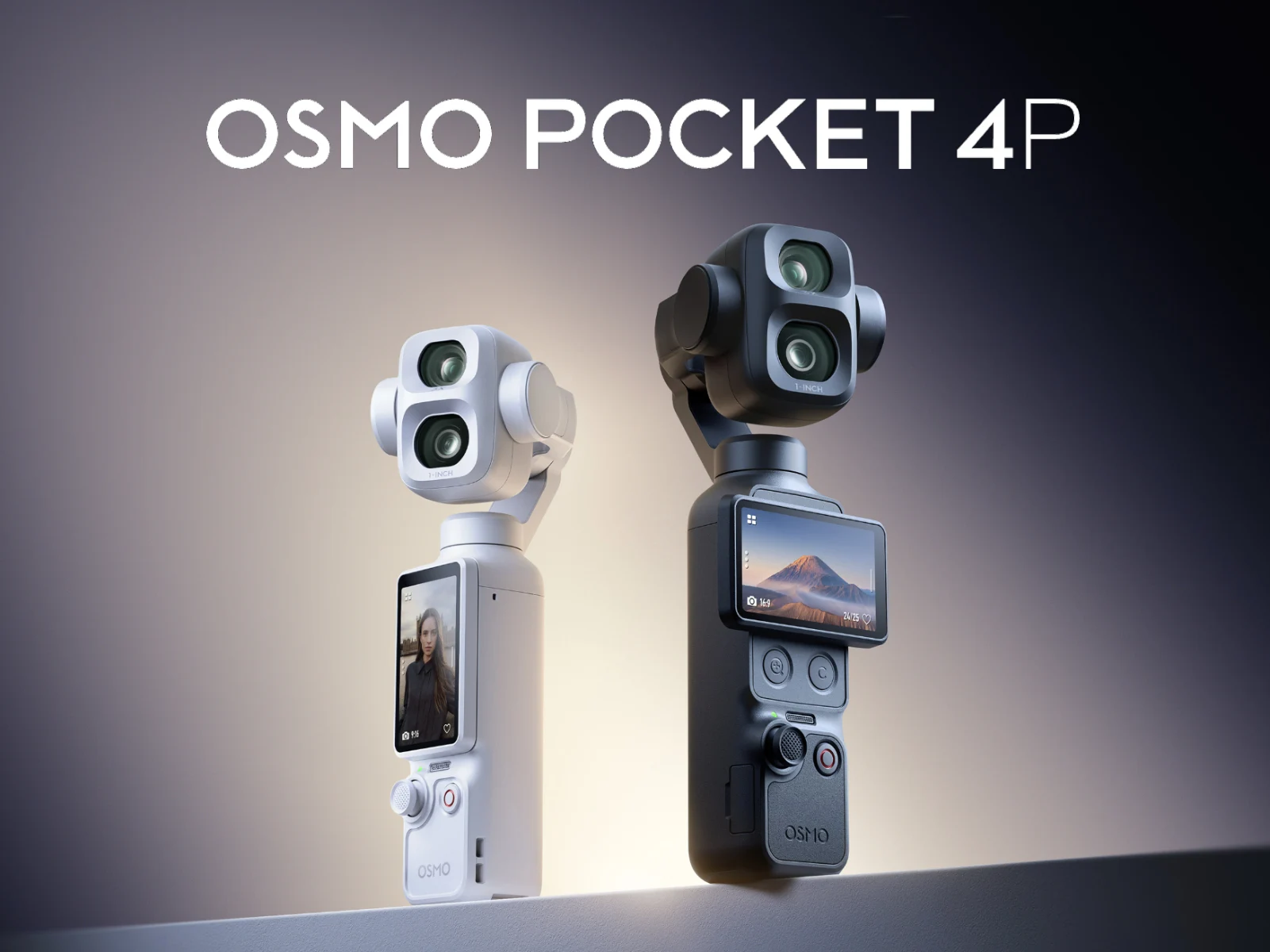
    A week has now passed since DJI launched the Osmo Pocket 4 Pro in China. Marketed as the Osmo Pocket 4P, the new vlogging camera distinguishes itself from the Osmo Pocket 4 and Osmo Pocket 3 sold in the US (curr. $512 on Amazon) with an additional camera lens.

    Pro zoom lens details

    Specifically, DJI includes its first Pro-branded vlogging camera with a 3x zoom lens. For the time being, the company has not commented on the Osmo Pocket 4P’s global availability. In the meantime, DJI Japan has offered a clue about when this could be.

    Release date timing in Japan

    Posting first on X and on its website simultaneously, the company has confirmed that the Osmo Pocket 4P will reach Japan on June 29 at 21:00 local time. For context, this time converts to 12:00 UTC on June 30.

    As far as we can tell, DJI is still referring to the Osmo Pocket 4P as ‘coming soon’ in other markets. Typically, DJI does not engage in regional releases like this. Hence, we would not be surprised if this June 30 date applies globally too. Please see DJI’s teaser below and our launch article for more details.

    Sources
  • FCC Eases Drone Import Rules, DJI Drones Not Toys

    FCC Eases Drone Import Rules, DJI Drones Not Toys

    Key Takeaway

    – FCC exemptions for “toy drones” do NOT apply to DJI, as DJI remains on the federal Covered List.
    – Qualifying toy drones must lack cameras, GPS, network connectivity, and brushless motors, with strict weight, altitude, and flight time limits.
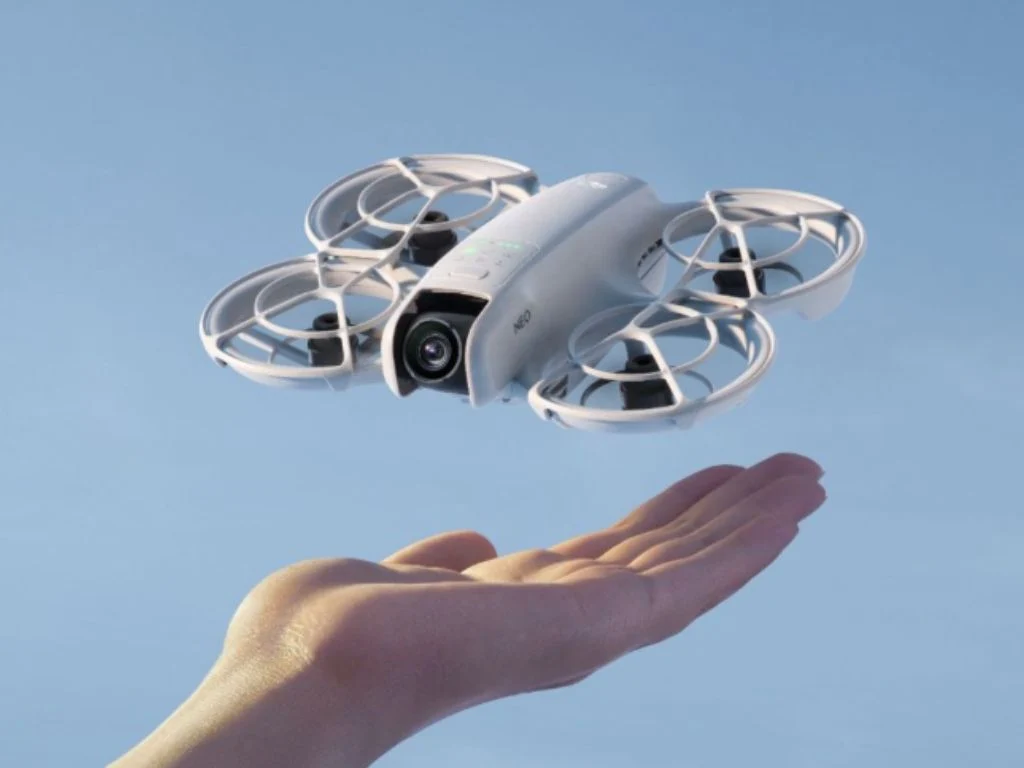
    – The new rules are so restrictive that even the lightest DJI drone (the Neo) fails to qualify due to its camera and advanced features.
    – The ban on DJI and similar drones remains effectively unchanged despite the narrow “toy” exception.


    Drones and new rules from the FCC

    Following the DJI and broader drone import ban, the Federal Communications Commission has allowed a few exceptions for small Chinese-made “toy” drones to enter the U.S. market again. While it seems like a step in the right direction for consumer drones, this should have allowed DJI drones to make a comeback in the market and thaw the strict import rules that have been keeping drones out of the U.S. since December. However, this is far from reality, as the import rules remain restrictive enough to apply to anything an average drone user would want to fly.

    Why the FCC decided this

    According to the FCC, the agency was acting on a Pentagon determination that national security risks are not posed by “unsophisticated low-risk toys” that lack the “organic capabilities and features in range, endurance, sensing payload, connectivity, and data collection and storage” found in regular consumer drones. The FCC implemented this order on June 15 as Public Notice DA-26-588, removing any qualifying toy drones and any foreign-made components they contain from the FCC’s Covered List.

    Exact rules for toy drones

    Under the FCC’s criteria, qualifying toy drones must weigh no more than 150 grams, operate within 100 meters and within direct line of sight, and carry no cameras or sensors that can gather data or information. Furthermore, these toy drones should have no network or connectivity features and should fly for 10 minutes or less on a single charge. Adding to the list of restrictions on “toy drones,” the FCC also requires no satellite or GPS navigation of any kind, no brushless motors, a maximum altitude of 300 feet, and a top speed of 22 miles per hour. In addition, these mini drones must be marketed and sold explicitly as toys. Furthermore, these toy drones cannot be manufactured or imported by any company named in Section 1709 of the 2025 Defense Authorization Act.

    What this means for DJI specifically

    So what does this mean for DJI? Currently, these stringent restrictions describe a category that hardly any DJI drones fit into. The lightest drone DJI currently sells is the DJI Neo, which weighs 135 grams, and considering it features a 12 MP camera, shoots 4K video, features a wireless link over several kilometers, GPS navigation, brushless motors, and 18 minutes of flight time, it fails to qualify for the “toy drone” category. Moreover, even if DJI creates a drone that falls under the FCC’s toy-drone requirements, the company and its products would still remain featured on the Covered List.

    Sources
    • Fujifilm X-T6 Leak Reveals Two Key Upgrades

      Fujifilm X-T6 Leak Reveals Two Key Upgrades

      Key Takeaway

      – New film simulation with deep, rich colors
      – Redesigned top control dials for improved comfort
      – Sixth-generation 40MP X-Trans sensor with stabilization
      – Multi-shot mode enabling 200MP images
      – 8K video recording and fully articulating display


      Leaked Details on Fujifilm’s Next Camera

      Earlier this year, the first details about the successor to the Fujifilm X-T5 ($1,899 on Amazon) had already been leaked. FujiRumors has now learned two new details about Fujifilm’s next-generation mirrorless camera from a reportedly reliable source.

      New Film Simulation and Redesigned Dials

      First, the camera is said to introduce a brand-new film simulation characterized by particularly deep, rich colors. Since film simulations are one of the most sought-after features of Fujifilm cameras, it’s hardly surprising that Fujifilm is stepping up its game in this area. In addition, the manufacturer is also said to be redesigning the control dials on the top of the camera, making them more comfortable to use compared to the Fujifilm X-T5.

      Control Dial Configurations and Uncertain Release

      It is unclear whether Fujifilm will, as before, include three control dials to directly adjust the sensor’s sensitivity (ISO), shutter speed, and exposure compensation, or whether Fujifilm will instead use one of the control dials to directly select film simulations. So far, there is no truly reliable information available regarding the Fujifilm X-T6’s features, price, or launch date.

      6th Generation Sensor and Video Upgrades

      If earlier rumors are correct, Fujifilm will include a new sixth-generation 40-megapixel X-Trans sensor, which, as usual, will be in the APS-C format, as well as an X-Processor 6. The sensor is said to be stabilized and, thanks to a multi-shot mode, is reportedly capable of capturing images with a resolution of 200 megapixels by combining multiple photos. The camera is also expected to support 8K video recording and feature a fully articulating display. As usual, such early rumors should be taken with a grain of salt.


      Sources

    • Viltrox AF 28mm F4.5 Chip L Lens Launches at $99

      Viltrox AF 28mm F4.5 Chip L Lens Launches at $99

      Key Takeaway

      – Viltrox AF 28mm F4.5 Chip L is a $99 compact autofocus pancake lens built specifically for the L-Mount ecosystem.
      – At 13.2mm thick and ~60g, it enables a pocketable full-frame setup, especially with cameras like the Panasonic Lumix S9.
      – Features a VCM autofocus motor for quiet, responsive performance, plus in-camera correction support for edge distortion.
      – Includes a built-in slide-lever lens cover and a polygonal aperture plate that creates starburst effects in backlit/night shots.


      Big News for tiny lenses

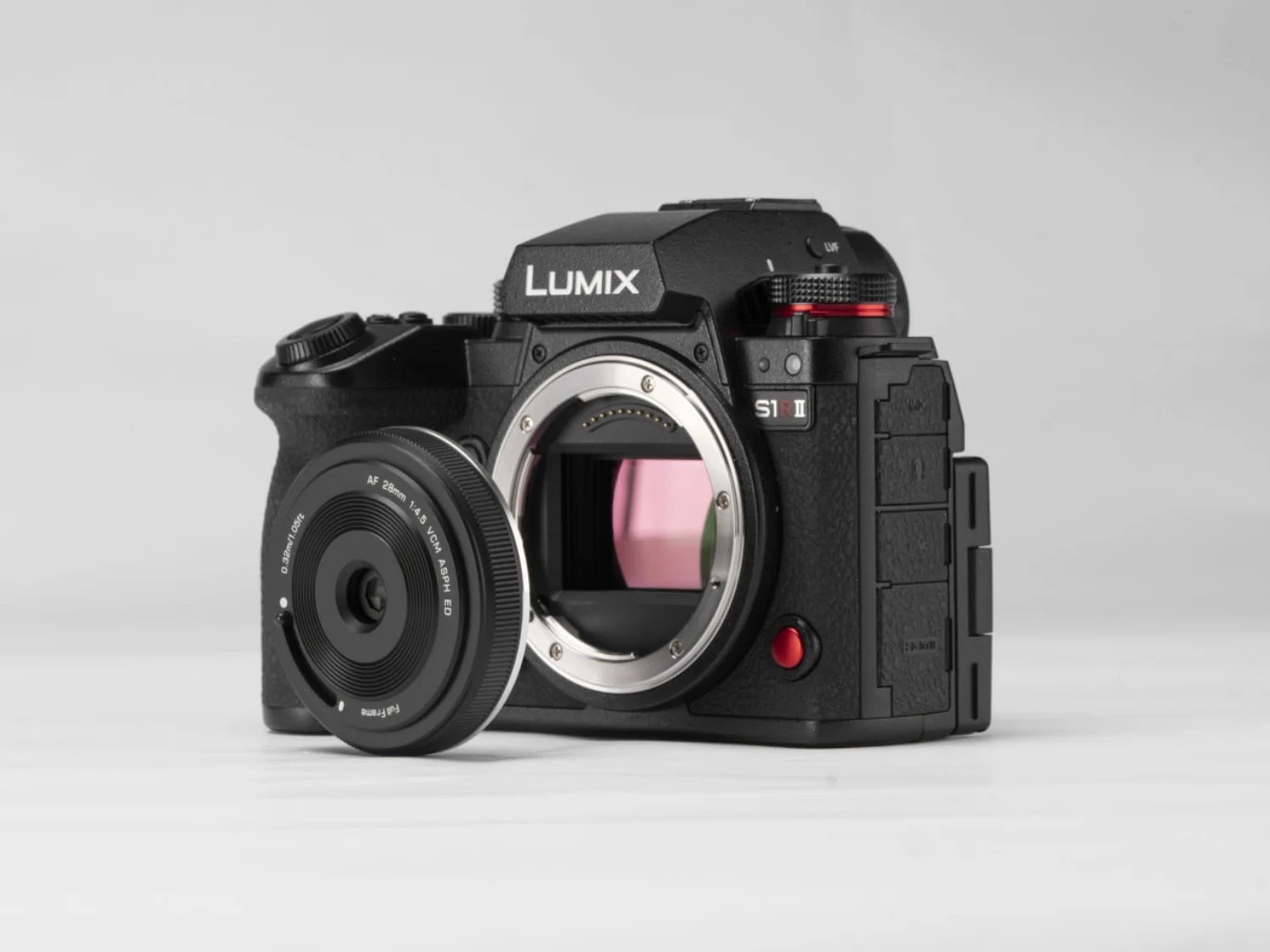
      Pancake lenses for mirrorless cameras has typically been the domain of manual focus or budget optics with slow autofocus. Viltrox’s new AF 28 mm F4.5 Chip L, announced yesterday (June 16), pushes back on that with a $99 autofocus pancake built specifically for the L-Mount ecosystem.

      Size and weight specs

      At 13.2 mm thick and approximately 60 g, the lens is quite tiny — comparable in footprint to a body cap, as Viltrox puts it. For L-Mount shooters, particularly those using the Panasonic Lumix S9, this creates a full-frame pocketable setup that isn’t easily attainable at this price point. Pricing is $99 / €109 / £90.

      Autofocus and optical design

      Autofocus is handled by a VCM (Voice Coil Motor) system, which should deliver quiet and responsive performance for both stills and video. The fixed F4.5 aperture is a practical compromise for the form factor — it’s not going to replace a fast prime, but at a minimum focusing distance of 0.32 m, the 28 mm field of view should give enough depth of field flexibility for everyday and street use. The lens also supports in-camera correction functions, which matters on L-Mount bodies that use software to compensate for edge distortion in compact optical designs.

      Interesting design features

      Two specific design details are interesting to note. The first is a built-in slide-lever lens cover. This mechanism opens and closes the integrated cap without needing a separate piece of glass protection. The second is a polygonal aperture plate that produces starburst effects around point light sources. It should add some visual character to backlit and night shots.

      Availability and final notes

      The Viltrox AF 28 mm F4.5 Chip L is available now via Amazon US and Europe at $99 / €109 / £90. This is a pretty exciting lens for anyone wanting a super compact full-frame setup without breaking the bank.


      Sources

    • DJI Osmo Pocket 4 Pro: 1000-Nit OLED & 3x Zoom

      DJI Osmo Pocket 4 Pro: 1000-Nit OLED & 3x Zoom

      Key Takeaway

      – 1-inch primary sensor with 20mm f/2.0 and 17-level UHD dynamic range
      – New 3x telephoto camera (60mm equivalent f/1.8, 1/1.28-inch sensor)
      – Supports D-Log 2 color and 4K slow-motion at 240 FPS
      – 20% heavier and 10% taller than Osmo Pocket 4, same 1,545 mAh battery
      – Starts at CNY 3,799 (~$562) in China; Vlog Set at CNY 4,299 (~$636)


      Finaly Here: The Osmo Pocket 4 Pro Arrives

      So the Osmo Pocket 4 Pro has finaly shown up after a real long wait. They shortened it to Osmo Pocket 4P and it was first teased back in mid-April before showing up at the Cannes Film Festival a month later. Even though we don’t know global release details yet DJI is now selling its first Pro-branded vlogging camera in China. The company has gone ahead and confirmed all the specs we were waiting for.

      Camera Sensor and Lens Upgrades

      The new camera keeps the same 1-inch style 20 mm and f/2.0 primary camera sensor from the Osmo Pocket 4 which is a improvement over the Osmo Pocket 3. This primary lens also boasts 17 levels of ultra-high dynamic range that surpasses what the Osmo Pocket 4 can do. Its pretty impressive how they managed to squeeze more performance out of the same sensor.

      Telephoto Camera and Video Features

      Arguably the biggest difference between the Osmo Pocket 4 and the Osmo Pocket 4P is the latter’s 3x telephoto camera. It packs an f/1.8 aperture with a 60 mm equivalent focal length and uses a smaller 1/1.28-inch optical format than the primary lens. The new telephoto camera delivers 100-25,600 ISO sensitivity in photography mode which increases to 100-51,200 for low-light videos. Plus it supports D-Log 2 colour and can capture slow-motion footage at 240 FPS and 4K.

      • Primary camera: 1-inch sensor, 20 mm, f/2.0, 17-level dynamic range
      • Telephoto camera: 3x zoom, 60 mm equivalent, f/1.8, 1/1.28-inch sensor
      • Video: 4K at 240 FPS slow-motion, D-Log 2 colour support
      • ISO range: 100-25,600 (photo), 100-51,200 (low-light video)

      Battery, Screen and Physical Changes

      Elsewhere the Osmo Pocket 4P keeps the same 1,545 mAh (11.95 Wh) battery as its non-Pro sibling along with a identical 2-inch and 1,000-nit touchscreen that outputs at 556 x 314 pixels. However the added telephoto camera and the three-axis gimbal make the Osmo Pocket 4P larger and heavier than the standard version. Specificly it is 20% heavier at 230 g while being 10% taller too. That might be a issue for people who loved the compact size of the previous model.

      Pricing and Availability Details

      The Osmo Pocket 4P starts at CNY 3,799 which is about $562 in China with a choice of Classic Black and Pearl White finishes. Alternatively DJI also sells a ‘Vlog Set’ with additional accessories for CNY 4,299 (around $636). For comparison the Osmo Pocket 4 starts at CNY 2,999 which is roughly $444 in the same market. So you are paying a premium for that telephoto lens and the Pro branding no doubt.


      Sources

    • Vintage Cage Turns Action Cams Into Retro Compact Cameras

      Vintage Cage Turns Action Cams Into Retro Compact Cameras

      Key Takeaway

      – Movmax Vintage Cage makes action cameras look and feel like classic compact cameras
      – Mechanical shutter button works without batteries or electronic connections
      – Includes faux leather shell, strap eyelets, tripod mount, and a non-electronic hot shoe
      – Compatible with DJI Osmo Action 3–6 and Insta360 Ace Pro 2
      – Available on Amazon for $79.99


      Action Cams Getting Fancier

      Action cameras have become increasingly feature-rich over the past few years. For example, the Insta360 Ace Pro 2 already features a 50-megapixel sensor in a 1/1.3-inch format, a Leica-branded lens, support for capturing DNG-RAW photos, and a flip-out display. Meanwhile, the DJI Osmo Action 6 boasts an even larger 1/1.1-inch sensor and a lens with a variable aperture ranging from f/2.0 to f/4.0.

      The Vintage Cage Solution

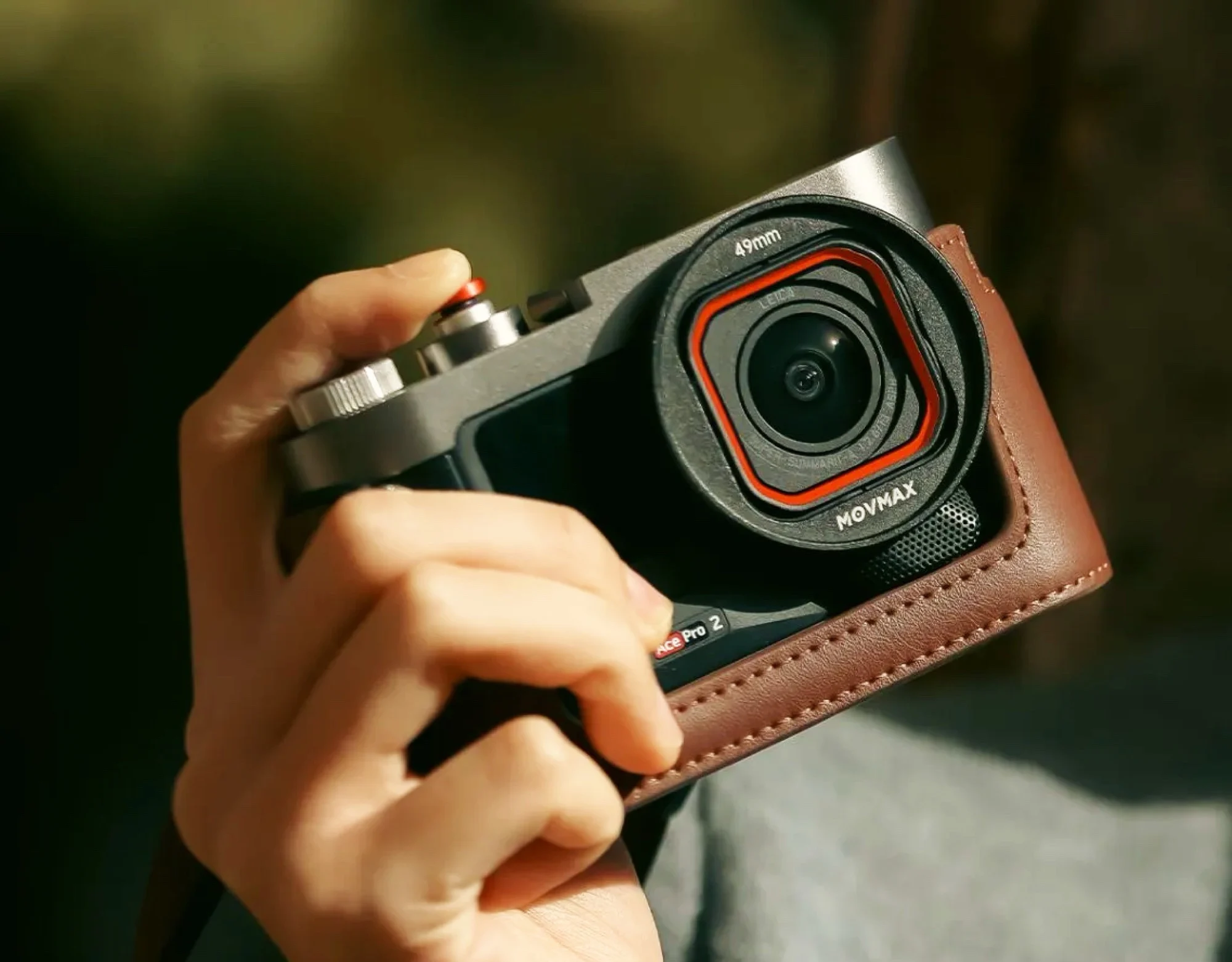
      The Movmax Vintage Cage is designed to provide these cameras with a housing that more closely resembles a traditional compact camera. This is because the camera cage features a more ergonomic shutter button that simply mechanically activates the camera’s shutter. It also comes with a faux leather shell reminiscent of traditional half-shells found on rangefinder cameras, as well as eyelets for attaching a camera strap.

      Build and Mounting Details

      The bottom features a threaded mount for attaching the camera to a standard tripod. The top, on the other hand, has a hot shoe that lacks electronic contacts but is still useful for attaching wireless microphones or LED lights. The cage is made of aluminum. To remove the camera from the cage, simply turn the wheel on top, after which the top can be flipped open.

      Availability and Pricing

      The Movmax Vintage Cage is now available for $79.99. Movmax offers versions for the DJI Osmo Action 6, the Insta360 Ace Pro 2, as well as for the DJI Osmo Action 3, Osmo Action 4, and Osmo Action 5 Pro.

      • Compatible with: DJI Osmo Action 6
      • Compatible with: Insta360 Ace Pro 2
      • Compatible with: DJI Osmo Action 3, 4, 5 Pro
      • Material: Aluminum body with faux leather
      • Price: $79.99
      • Mounting: Standard tripod thread and cold shoe

      Eliminating Electronic Hassles

      This design eliminates the need for either a battery or an electronic connection between the cage and the camera. The mechanical shutter button simply pushes the camera’s own button, which is a clever approach that keeps things reliable and simple for users who want that classic camera feel without any extra wiring.


    • Insta360 Countersues DJI Over Five Patents in Two Lawsuits

      Insta360 Countersues DJI Over Five Patents in Two Lawsuits

      Key Takeaway

      – Insta360 launched two countersuits against DJI, accusing it of infringing five utility patents covering core camera technologies.
      – DJI filed launch-day patent lawsuits targeting Insta360’s new Luna Ultra camera, seeking a permanent US market ban.
      – Insta360 categorically denies copying the Osmo Pocket series, asserting the Luna Ultra is the result of independent R&D since 2020.
      – Early consumer demand for the Luna Ultra was exceptionally high, becoming Amazon’s top-selling camcorder in North America within 24 hours.
      – DJI’s restricted US commercial presence due to government bans raises questions about the validity and motives behind its lawsuit.


      DJI and Insta360 Legal Battle Intensifies

      The legal battle between DJI and Insta360 is intensifying, with Insta360 responding just hours after DJI filed launch-day patent infringement lawsuits over the new Luna Ultra camera. Rather than playing defense, Insta360 has launched two countersuits of its own in the US, accusing DJI of violating five utility patents across several of its most popular product lines.

      Insta360’s Counterclaims and Patent Allegations

      Insta360’s legal offensive claims that DJI is infringing on its proprietary technology covering core camera functionalities. The disputed intellectual property includes patents for gimbal stabilization, directional controls, smooth camera stabilization, telemetry data overlays, and panoramic video stabilization. According to the complaints, these technologies are used across a wide swath of DJI’s catalog, including the Osmo Pocket line, the Ronin and RS professional stabilizer series, the Osmo Mobile smartphone gimbals, and the Osmo 360 camera.

      Company Stance and Founders Response

      In a public statement, Insta360 Founder JK Liu made it clear that the company would not back down, stating that while they prefer to let their products do the talking, they are fully committed to protecting their innovations and defending their intellectual property. The retaliatory filing follows a calculated strike by DJI on June 10, intentionally timed to coincide with the official launch of Insta360’s Luna Ultra. DJI’s lawsuits seek a permanent injunction to ban the Luna Ultra from the US market, a move Insta360 claims is an anti-competitive attempt to disrupt their product launch and limit consumer choice in the handheld gimbal category.

      Insta360 Rejects Copycat Claims

      Insta360 has categorically rejected DJI’s claims that the Luna Ultra copied the architecture of the Osmo Pocket series. The company maintains that the camera has a completely unique engineering footprint and is the culmination of years of independent research and development that began back in 2020. According to Liu, the design and technology behind the Luna Ultra naturally evolved from earlier in-house innovations, including the modular ONE R, the Link webcam series, and the Flow smartphone gimbals. He added that DJI’s decision to file lawsuits on launch day exposes a fear of facing a highly competitive product in the market.

      Consumer Demand and Market Impact

      Despite the immediate legal friction, Insta360 reports that early consumer demand for the Luna Ultra has been exceptionally high. Within its first 24 hours of availability, the device became the top-selling product in Amazon’s camcorder category in North America. The company has assured creators that it remains fully committed to ensuring the continued market availability of its products while the legal battle plays out in court.

      Political Irony and Corporate Catfight

      Ultimately, the whole dispute is starting to look like an intense corporate catfight and one dripping with political irony. Thanks to escalating US government restrictions and standing executive orders effectively targeting DJI over its Chinese state ties, the drone giant’s ability to freely sell new hardware in the American market has been severely choked. Because these bans heavily restrict DJI’s commercial presence in the US, it raises a glaring question about the validity of the lawsuit: if a company can barely sell its own competing products in the region, what actual “damages” can it realistically claim to have lost to a rival? For now, with a restricted DJI aggressively trying to leverage American courts to kneecap an unhindered competitor, we will just have to wait and see how all this pans out in front of a judge.

      Sources
    • DJI Sues Insta360 Over Luna Gimbals, Seeks US Sales Ban

      DJI Sues Insta360 Over Luna Gimbals, Seeks US Sales Ban

      Key Takeaway

      – DJI filed two patent infringement lawsuits against Insta360’s new Luna gimbal cameras.
      – The first lawsuit alleges Insta360 copied the physical design of DJI’s Osmo Pocket 3.
      – The second lawsuit alleges Insta360 infringed on utility patents for gimbal mechanics and tracking software.
      – DJI is seeking a permanent injunction to halt Luna sales, plus damages and penalties.
      – This is the second lawsuit DJI has filed against Insta360 this year, escalating their rivalry.


      DJI Takes Legal Action Against Insta360 Over Luna Gimbal Cameras

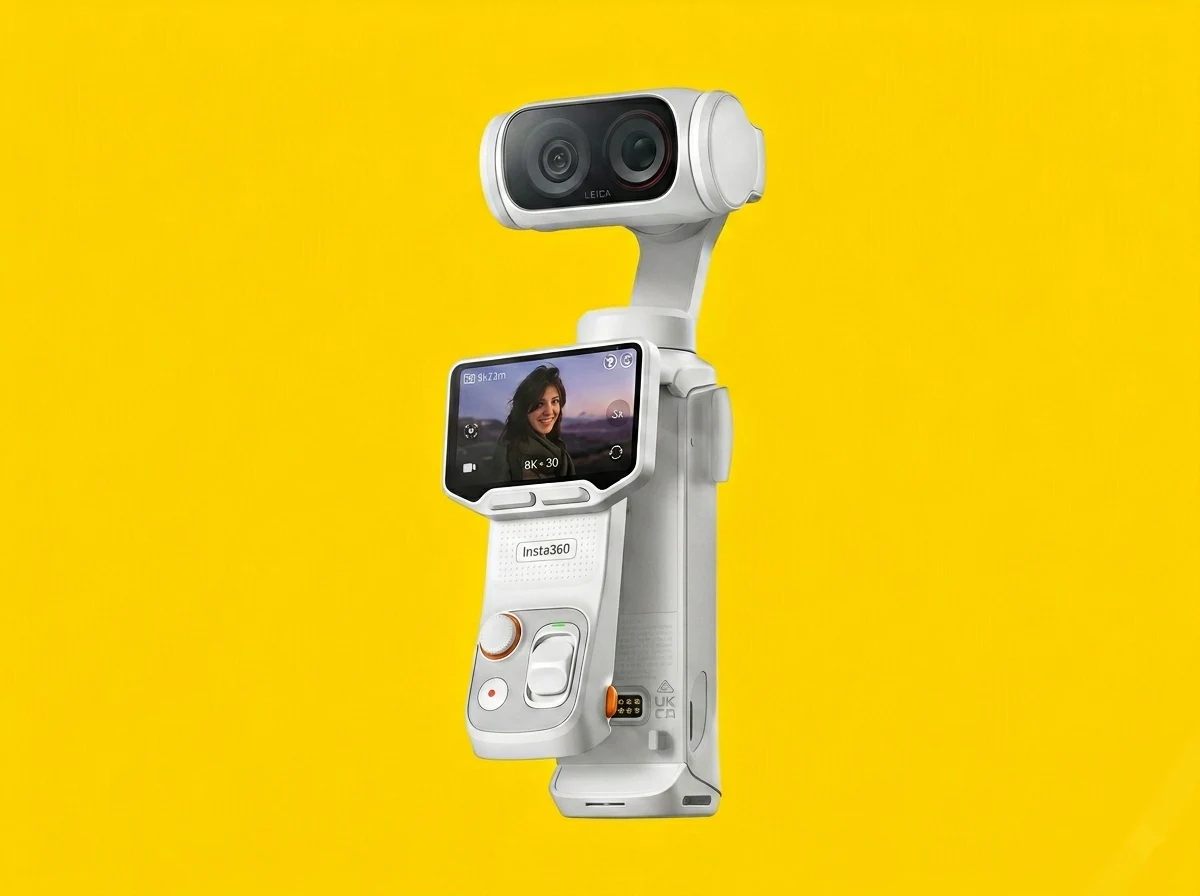
      DJI has recently initiated a significant legal maneuver against rival Insta360, filing two patent infringement lawsuits concerning the newly released Luna gimbal camera series in the United States. At the heart of this dispute lies the design and functionality of Insta360’s Luna Pro and Luna Ultra. The first lawsuit alleges that Insta360 shamelessly copied the physical architecture of DJI’s hugely popular Osmo Pocket 3, claiming patents on several specific design elements, such as the long, handheld body, the rotating display, the control area with a scroll wheel, and the gimbal arm connection.

      Claims of Design and Technology Infringement

      According to DJI, Insta360’s new Luna line is a direct copy of the design they invented, and is being marketed specifically to compete against the Osmo Pocket. Meanwhile, the second lawsuit targets internal technology, claiming that the Luna series infringes on four of DJI’s utility patents covering the underlying mechanics of how a handheld gimbal operates. DJI also asserts that Insta360 copied its methods for toggling between follow and locked modes using a single control, as well as its self-contained system for tracking a subject in real-time directly on the device’s screen, without requiring a separate smartphone app.

      • Patents cover physical design like body, display, and scroll wheel.
      • Utility patents involve gimbal mechanics and motor control software.
      • Infringement includes mode toggling and on-device tracking methods.

      Legal Actions and Damages Sought

      Both lawsuits were filed in the Eastern District of Texas, just after the Luna cameras officially went on sale in the US. DJI is pursuing aggressive action, seeking a permanent injunction to halt the sale of the accused cameras, along with damages, profit disgorgement, and extra penalties for what it describes as willful infringement. This latest legal battle further escalates the rivalry between the two camera makers, following a separate lawsuit DJI filed against Insta360 earlier this year over drone-based image processing technology.

      Pricing and Specification Details

      The Luna Pro gimbal camera retails for $499, featuring a 1-inch sensor, adjustable color temperature LED fill light, and 5K/30fps video recording. The Luna Ultra, priced at $699, offers a Micro Four Thirds sensor, interchangeable lens compatibility, and 6K/30fps video, both with 3-axis stabilization.

      Sources
    • Insta360 Go Ultra Hello Kitty Edition Launches With 200 Min Runtime

      Key Takeaway

      – Hello Kitty-themed limited edition action camera launches globally
      – Custom hardware, accessories, and exclusive app features included
      – Priced at $569.99 in a special gift box
      – Core specs match standard Go Ultra (4K/60fps, 50MP, 53g)
      – Adds portrait mode 2.0 and 11 vintage film-style filters


      Global Launch of Hello Kitty Insta360

      Following its China launch, Insta360 has officially launched its latest Go Ultra Hello Kitty limited edition action camera in the global market. Made in collaboration with Sanrio, the camera is based on the pop culture character Hello Kitty. Since its a limited edition, it’s obvious that you get custom hardware designs, themed accessories, and exclusive app features built around the character.

      Pricing and Gift Box Contents

      Insta360 offers a Go Ultra Hello Kitty limited edition gift box, which is priced at $569.99. Inside the box, you get a Go Ultra action camera finished in a Hello Kitty theme along with a wearable neck strap, a mini 2-in-1 tripod 2.0, a pink USB-C-to-C cable, a magnetic easy clip, a quick-release safety cord, and a Hello Kitty custom carry case for carrying the camera and its accessories on the go.

      Design and Custom Details

      Design-wise, the Go Ultra Hello Kitty edition features a lively two-tone sakura-pink finish. The standalone camera has an image of an iconic character in the bottom left corner on the front. The Action Pod’s shutter button has Hello Kitty’s polka-dot bow, while flipping open the touchscreen revealed custom character artwork.

      App and Software Features

      The company hasn’t stopped at hardware for the limited edition. The new camera also gets a special animation, which users can see while connecting it to the companion app. On top of these features, there are also four exclusive Hello Kitty-themed watermarks, and users can easily set their favorite watermark as the default export style in the app.

      Core Specifications and Battery Life

      Besides cosmetic changes, the Go Ultra Hello Kitty limited edition retains the core specs of the standard Go Ultra, featuring a 5 Nm AI chip and a 1/1.28-inch camera sensor. The 50 MP sensor can capture footage at up to 4K/60 fps within a housing that weighs just 53 grams (0.11 lbs). Furthermore, it is said to last up to 70 minutes on its 500 mAh battery or 200 minutes when paired with its Action Pod that adds another 1,450 mAh battery.

      New Imaging Features

      Insta360 has also added new imaging features into the Go Ultra Hello Kitty limited edition, including portrait mode 2.0 and 11 film-style filters, such as CC Film and NC Film, which is further said to give footage a classic, vintage camera look. The Insta360 Go Ultra Hello Kitty limited edition is now available at Insta360’s official website, Amazon, and other authorized retailers.


    • Vueroid Launches QHD Dash Cam with GPS & Plate Enhancement

      Vueroid Launches QHD Dash Cam with GPS & Plate Enhancement

      Key Takeaway

      – New Vueroid S1 QHD dash cam features Infinite Plate Capture (IPC) for enhanced license plate reading from HDR recordings.
      – Both front and rear cameras use Sony Starvis 2 sensors for clear 2,560 x 1,440 video at 30 fps in low light.
      – Includes 24-hour parking surveillance with ultra-low 1 mA power draw and auto-disable via geofencing.
      – Available in two-camera ($279.99) and three-camera ($309.99) models, with a $40 Amazon discount until June 15, 2026.


      Vueroid Expands Dash Cam Lineup

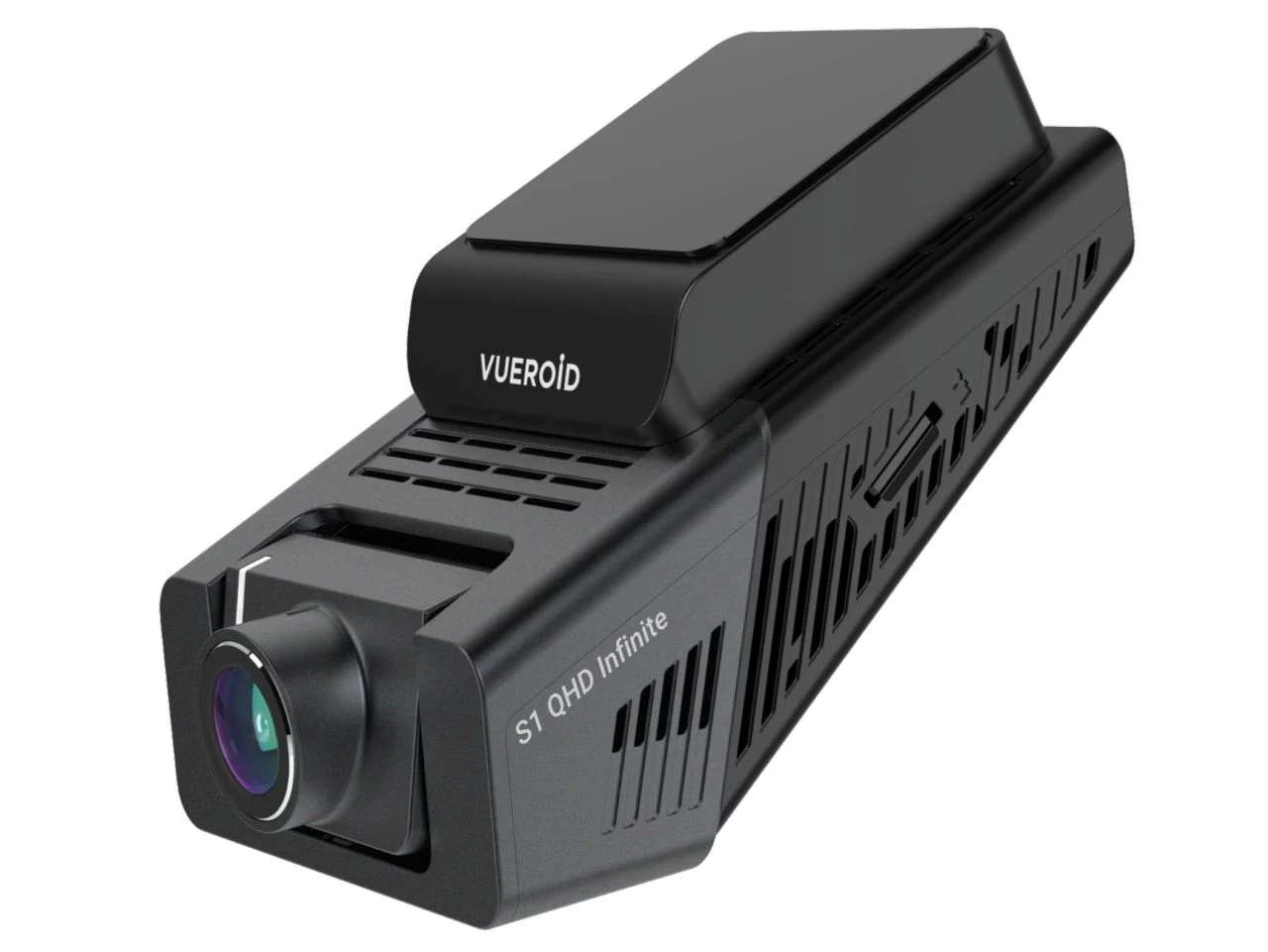
      Vueroid have added a new member to there existing dash cam lineup, the S1 QHD Infinite 2-Channel dash cam. This latest offering comes with Infinite Plate Capture (IPC) license plate enhancement, helping ensure that those involved in causing a crash can be tracked down from the HDR recordings. It features a built-in 2.3-inch LCD screen for easy viewing.

      Sensor and Camera Specifications

      Speaking of sensors, the S1 QHD comes with a front and rear camera. Both of them utilize Sony Starvis 2 sensors capable of clear low-light and nighttime recordings, according to the company. Both cameras capture 2,560 x 1,440 pixel videos at 30 fps through 160° wide-angle lenses. A three-camera variant is also offered with an interior camera for extra coverage.

      Advanced Features and Functionality

      Other features of the S1 QHD includes collision detection, time-lapse recording, and a built-in GPS for precise tracking. It also offers 24-hour parking surveillance, which uses just 1 mA of power when not recording. The dash cam can automatically disable parking surveillance when the car is parked within a safe, geofenced location, such as a secured garage.

      Pricing and Availability Information

      The S1 QHD dash cam is available from Vueroid for a MSRP of $279.99 for the two-camera model and $309.99 for the three-camera model. They are also available on Amazon with a $40 discount until June 15, 2026. This makes it a compelling option for those seeking high-quality dash cam recording capabilities.


      Sources