
Category: Video / Photo

  • Sony Explores Haptic Feedback for Camera Shutter Buttons: A New Era of User Interaction

    Sony Explores Haptic Feedback for Camera Shutter Buttons: A New Era of User Interaction

    Sony, a giant in the digital camera industry, is on the verge of revolutionizing the user experience with its recent patent application. The patent hints at a new feature where camera operation is conveyed to the user through vibrations, paving the way for more intuitive user interactions.

    A Vibrant Venture into Haptic Feedback

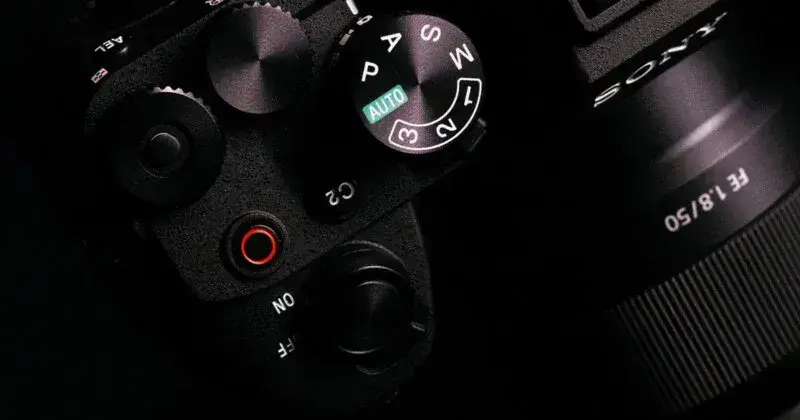
    Sony’s recent patent application, dated October 16, 2023, delves into a mechanism that transmits camera operations to the user through vibrations. The core idea revolves around embedding a vibration device in the camera, more specifically in the shutter button. This innovation aims at providing real-time feedback to the users while they interact with the camera, creating a more tactile user experience​1​.

    This isn’t Sony’s first foray into enhancing user interaction. Known for its mirrorless Alpha cameras that boast probably the fastest autofocus in the market, Sony’s venture into haptic feedback technology is a testament to its continuous strive for innovation. The patent describes a vibration motor connected directly to the shutter button, poised to provide real-time feedback for certain actions, making it a potentially invaluable addition for photographers and videographers alike​2​.

    Potential Applications and Benefits

    The integration of haptic feedback in shutter buttons opens up a realm of possibilities. The most straightforward application could be feedback on focus lock, a critical aspect in photography. However, the patent suggests that this technology could be highly customizable due to its software linkage, offering a range of feedback options. For instance, different vibration patterns could indicate various states like seeking focus, confirming focus lock, or notifying inability to find focus.

    Moreover, the vibrating shutter button could provide silent feedback on the number of snaps captured in a burst or changes in other settings like exposure, aperture, or shutter speed without requiring the user to look at the screen. This feature could significantly enhance user interaction, making camera operations more intuitive and less distractive, especially in scenarios demanding utmost concentration and minimal visual distractions​2​.

    The Road Ahead

    Although the patent application doesn’t provide a clear indication of when this feature will be introduced, or in which models, the potential benefits it harbors are palpable. It underlines Sony’s commitment to evolving the digital camera user experience, making it more intuitive and user-friendly.

    This innovation might just be the tip of the iceberg, heralding a new era of user interaction in the digital camera world. It also sets a precedent that other manufacturers might follow, elevating the overall user experience in the photography and videography domains.


    Sources: Asobinet NotebookCheck
  • DJI Osmo Pocket 3 Unveiling: A Glimpse into Enhanced Videography

    DJI Osmo Pocket 3 Unveiling: A Glimpse into Enhanced Videography

    The DJI Osmo Pocket 3, the latest iteration in DJI’s line of compact gimbal cameras, is set to redefine portable videography with its upgraded features and improved performance. As the excitement builds up towards its release on October 25th at 9:00 AM EDT, we delve into what makes this device a noteworthy addition to DJI’s remarkable lineup.

    Features and Specifications:

    Superior Imaging:

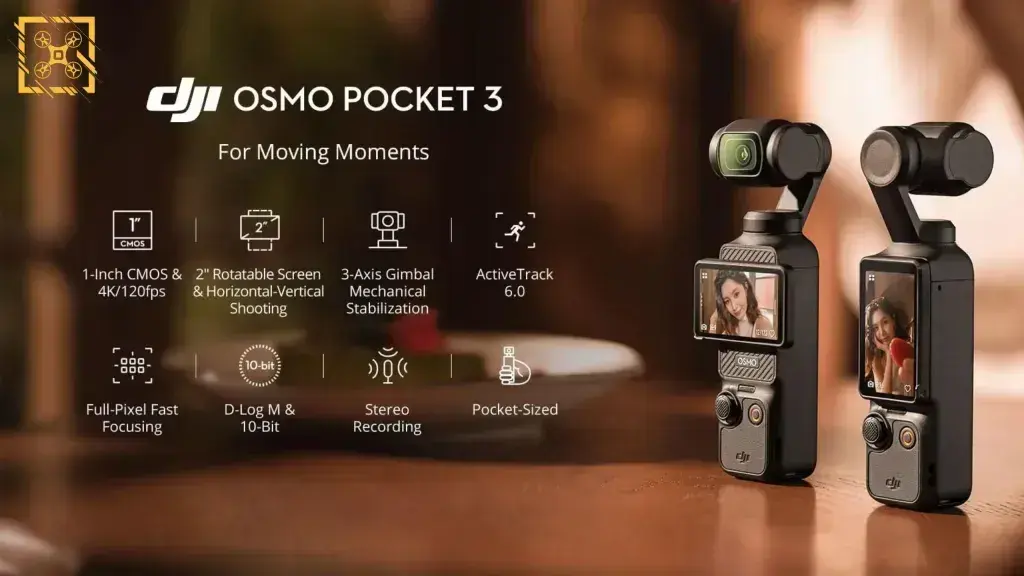
    The Osmo Pocket 3 boasts a new 1-inch camera sensor, a notable upgrade from the 1/1.7-inch sensor in the Osmo Pocket 2. This enhancement is poised to deliver better image quality, especially in challenging lighting conditions, making it a formidable tool for both amateur and professional videographers​1​.

    Enhanced Video Recording:

    The ability to record 4K video at a staggering 120 frames per second (fps) sets the Osmo Pocket 3 apart. This is a significant leap from the 60 fps recording of its predecessor, the Osmo Pocket 2, enabling creators to capture slow-motion footage with higher clarity and detail​1​.

    Intuitive Display and Control:

    A new 2-inch rotating display feature allows for more flexible shooting angles, catering to both horizontal and vertical orientations. This, along with the device’s rotating touchscreen that facilitates swift shooting actions, enhances the user experience, offering more creative freedom​2​​3​.

    Advanced Stabilization:

    The 3-axis gimbal stabilization system, a hallmark of the Osmo Pocket series, continues to ensure smooth and steady footage even in motion-intensive scenarios​3​.

    Tracking and Focusing:

    With the introduction of ActiveTrack 6.0, tracking moving subjects becomes more precise and effortless. Additionally, the full-pixel fast focusing feature ensures that users won’t miss capturing those fleeting moments​3​.

    Audio and Post-Production Flexibility:

    The device houses three built-in microphones for stereo audio recording, along with a 10-bit D-Log M color mode for post-production color grading, catering to the needs of advanced videography enthusiasts​2​​3​.

    Launch Anticipation:

    The DJI Osmo Pocket 3 is set to be officially unveiled on October 25th, bringing along a suite of features that promise to elevate the standards of portable videography. As we inch closer to the release date, the anticipation among the content creator community continues to soar, hinting at the significant impact the Osmo Pocket 3 is likely to make in the realm of videography​1​​3​.

    Sources:

    1. Gizmochina
    2. TudoCelular
    3. Sparrows News