
Tag: patent lawsuit

  • Insta360 Countersues DJI Over Five Patents in Two Lawsuits

    Insta360 Countersues DJI Over Five Patents in Two Lawsuits

    Key Takeaway

    – Insta360 launched two countersuits against DJI, accusing it of infringing five utility patents covering core camera technologies.
    – DJI filed launch-day patent lawsuits targeting Insta360’s new Luna Ultra camera, seeking a permanent US market ban.
    – Insta360 categorically denies copying the Osmo Pocket series, asserting the Luna Ultra is the result of independent R&D since 2020.
    – Early consumer demand for the Luna Ultra was exceptionally high, becoming Amazon’s top-selling camcorder in North America within 24 hours.
    – DJI’s restricted US commercial presence due to government bans raises questions about the validity and motives behind its lawsuit.


    DJI and Insta360 Legal Battle Intensifies

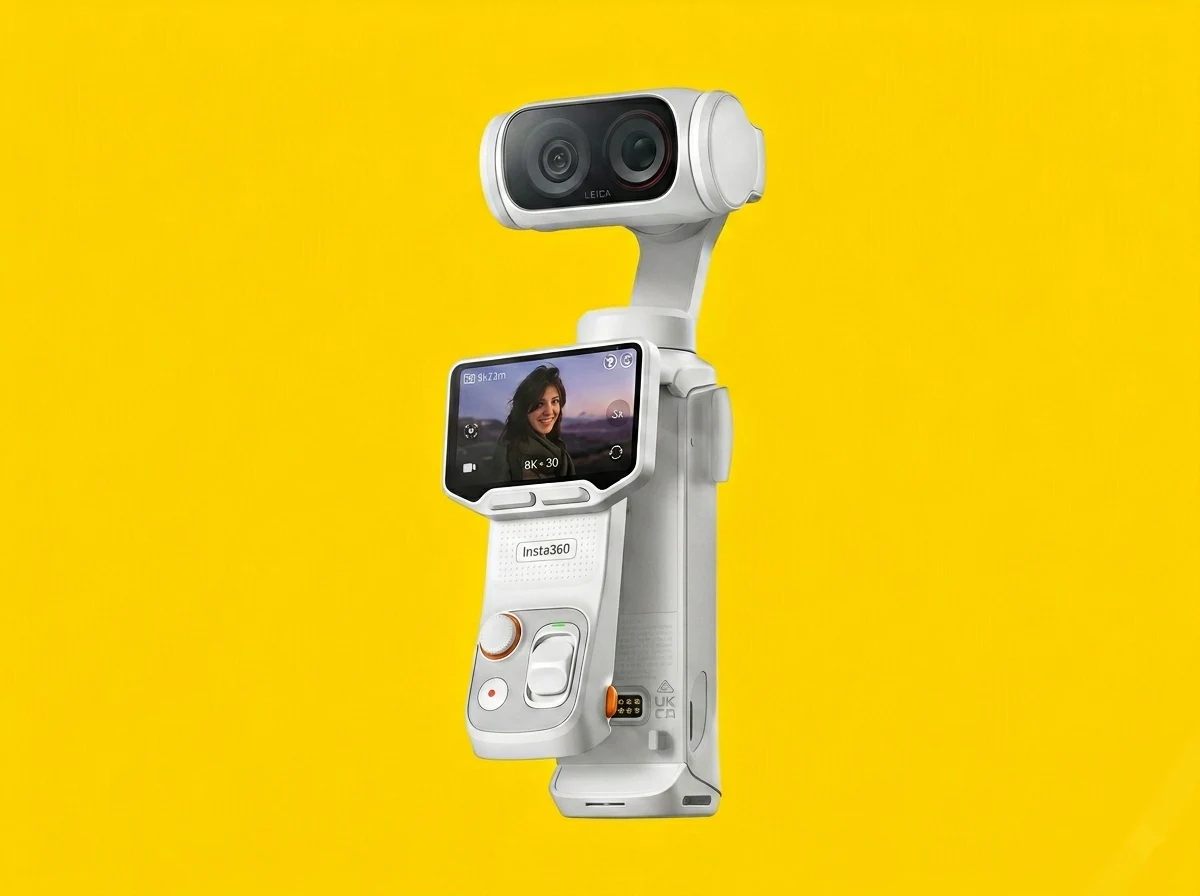
    The legal battle between DJI and Insta360 is intensifying, with Insta360 responding just hours after DJI filed launch-day patent infringement lawsuits over the new Luna Ultra camera. Rather than playing defense, Insta360 has launched two countersuits of its own in the US, accusing DJI of violating five utility patents across several of its most popular product lines.

    Insta360’s Counterclaims and Patent Allegations

    Insta360’s legal offensive claims that DJI is infringing on its proprietary technology covering core camera functionalities. The disputed intellectual property includes patents for gimbal stabilization, directional controls, smooth camera stabilization, telemetry data overlays, and panoramic video stabilization. According to the complaints, these technologies are used across a wide swath of DJI’s catalog, including the Osmo Pocket line, the Ronin and RS professional stabilizer series, the Osmo Mobile smartphone gimbals, and the Osmo 360 camera.

    Company Stance and Founders Response

    In a public statement, Insta360 Founder JK Liu made it clear that the company would not back down, stating that while they prefer to let their products do the talking, they are fully committed to protecting their innovations and defending their intellectual property. The retaliatory filing follows a calculated strike by DJI on June 10, intentionally timed to coincide with the official launch of Insta360’s Luna Ultra. DJI’s lawsuits seek a permanent injunction to ban the Luna Ultra from the US market, a move Insta360 claims is an anti-competitive attempt to disrupt their product launch and limit consumer choice in the handheld gimbal category.

    Insta360 Rejects Copycat Claims

    Insta360 has categorically rejected DJI’s claims that the Luna Ultra copied the architecture of the Osmo Pocket series. The company maintains that the camera has a completely unique engineering footprint and is the culmination of years of independent research and development that began back in 2020. According to Liu, the design and technology behind the Luna Ultra naturally evolved from earlier in-house innovations, including the modular ONE R, the Link webcam series, and the Flow smartphone gimbals. He added that DJI’s decision to file lawsuits on launch day exposes a fear of facing a highly competitive product in the market.

    Consumer Demand and Market Impact

    Despite the immediate legal friction, Insta360 reports that early consumer demand for the Luna Ultra has been exceptionally high. Within its first 24 hours of availability, the device became the top-selling product in Amazon’s camcorder category in North America. The company has assured creators that it remains fully committed to ensuring the continued market availability of its products while the legal battle plays out in court.

    Political Irony and Corporate Catfight

    Ultimately, the whole dispute is starting to look like an intense corporate catfight and one dripping with political irony. Thanks to escalating US government restrictions and standing executive orders effectively targeting DJI over its Chinese state ties, the drone giant’s ability to freely sell new hardware in the American market has been severely choked. Because these bans heavily restrict DJI’s commercial presence in the US, it raises a glaring question about the validity of the lawsuit: if a company can barely sell its own competing products in the region, what actual “damages” can it realistically claim to have lost to a rival? For now, with a restricted DJI aggressively trying to leverage American courts to kneecap an unhindered competitor, we will just have to wait and see how all this pans out in front of a judge.
    Sources
  • Huawei Sues MediaTek for Patent Infringement Over Chip Technology

    Huawei Sues MediaTek for Patent Infringement Over Chip Technology

    Huawei, the Chinese technology conglomerate, has initiated a patent infringement lawsuit against MediaTek, a prominent chip manufacturer, in a Chinese local court. The lawsuit alleges that MediaTek's technologies infringe upon Huawei's network communication patents, which encompass 5G, 4G, and possibly 3G.

    MediaTek acknowledged the lawsuit in a statement released this morning, recognizing Huawei's accusations of patent infringement. Nevertheless, MediaTek minimized the impact, mentioning that it is presently navigating the judicial process and chose not to provide additional comments.

    MediaTek's Role and Impact

    As a leading chipmaker, MediaTek supplies components to significant smartphone and tablet manufacturers, such as Samsung, Amazon, Oppo, Sony, Vivo, and Xiaomi. MediaTek was also a crucial supplier for Huawei's smartphone division until stricter US export controls were enforced in 2020.

    Sources close to the case indicate that Huawei's lawsuit against MediaTek is mainly driven by the desire to secure licensing fees to support its ongoing research and development (R&D) endeavors. Such lawsuits also enable Huawei to diversify its revenue streams, particularly after US sanctions heavily affected its previously dominant smartphone business.

    Huawei's Patent Portfolio and Licensing Efforts

    Huawei holds an extensive collection of standard-essential patents (SEPs) crucial for wireless communication technologies, including around 20% of the world's 5G-related patents.

    Since 2021, in response to intensified US restrictions, Huawei has increased its patent licensing activities. The company has obtained licensing and cross-licensing agreements with major European automakers, including Volkswagen, Mercedes-Benz, Audi, BMW, and Porsche.

    Additionally, in 2023, Huawei signed 5G technology agreements with Oppo and Samsung. The previous year, Huawei sought licensing fees from several Japanese companies, claiming that their technologies infringed its patents.

    Revenue from Patent Royalties

    In 2022, Huawei reported $560 million in revenue from patent royalties, with approximately 200 companies holding licensing agreements with the tech giant, as reported by Nikkei Asia. With the lawsuit against MediaTek, Huawei seems committed to enhancing its revenue streams through assertive patent enforcement and licensing strategies.

  • Settlement Reached by Google in Patent Lawsuit Involving Tensor Processing Unit (TPU) Technology

    Settlement Reached by Google in Patent Lawsuit Involving Tensor Processing Unit (TPU) Technology

    Google Settles Patent Infringement Lawsuit Over TPU Chips

    Google has reached a settlement in a patent infringement lawsuit over the Tensor Processing Units (TPUs) that power its artificial intelligence (AI) technology. The settlement was reached just hours before closing arguments were set to begin in the case filed by Massachusetts-based Singular Computing. The lawsuit alleged that Google used Singular’s technology in its TPUs and sought $1.67 billion in damages.

    What are TPUs?

    TPUs are specialized hardware accelerators designed specifically for machine learning and AI workloads. They are optimized to perform complex calculations involved in AI tasks and are significantly faster and more efficient than traditional CPUs or GPUs. TPUs are used to power AI features in popular Google services like Google Search, Gmail, and Translate.

    Settlement Details

    The details of the settlement between Google and Singular remain confidential. Both parties have confirmed the agreement but declined to provide further comment. Google spokesperson Jose Castaneda maintained the company’s innocence and stated that they were pleased to have resolved the matter.

    Singular’s Allegations

    Singular, founded by computer scientist Joseph Bates, claimed that Google used their technology in TPUs. Bates allegedly shared his ideas with Google between 2010 and 2014. The lawsuit argued that TPU versions 2 and 3, released in 2017 and 2018, infringed on two of Singular’s patents.

    Google’s Defense

    Google countered Singular’s claims by stating that the employees who designed their chip had never met Bates and that the technology was created independently. The company argued that their TPU technology differed significantly from Singular’s patents.

    Internal Emails Presented at Trial

    During the trial’s opening, internal Google emails were presented as evidence. The emails showed the company’s chief scientist, Jeff Dean, discussing with others how Bates’ ideas were “well-suited” for their chip development.

    While the exact terms of the settlement remain undisclosed, the resolution of this lawsuit brings an end to the legal dispute between Google and Singular over the alleged patent infringement related to TPUs.