Tag: Patent Infringement

  • DJI Sues Insta360 Over Luna Gimbals, Seeks US Sales Ban

    DJI Sues Insta360 Over Luna Gimbals, Seeks US Sales Ban

    Key Takeaway

    – DJI filed two patent infringement lawsuits against Insta360’s new Luna gimbal cameras.
    – The first lawsuit alleges Insta360 copied the physical design of DJI’s Osmo Pocket 3.
    – The second lawsuit alleges Insta360 infringed on utility patents for gimbal mechanics and tracking software.
    – DJI is seeking a permanent injunction to halt Luna sales, plus damages and penalties.
    – This is the second lawsuit DJI has filed against Insta360 this year, escalating their rivalry.


    DJI Takes Legal Action Against Insta360 Over Luna Gimbal Cameras

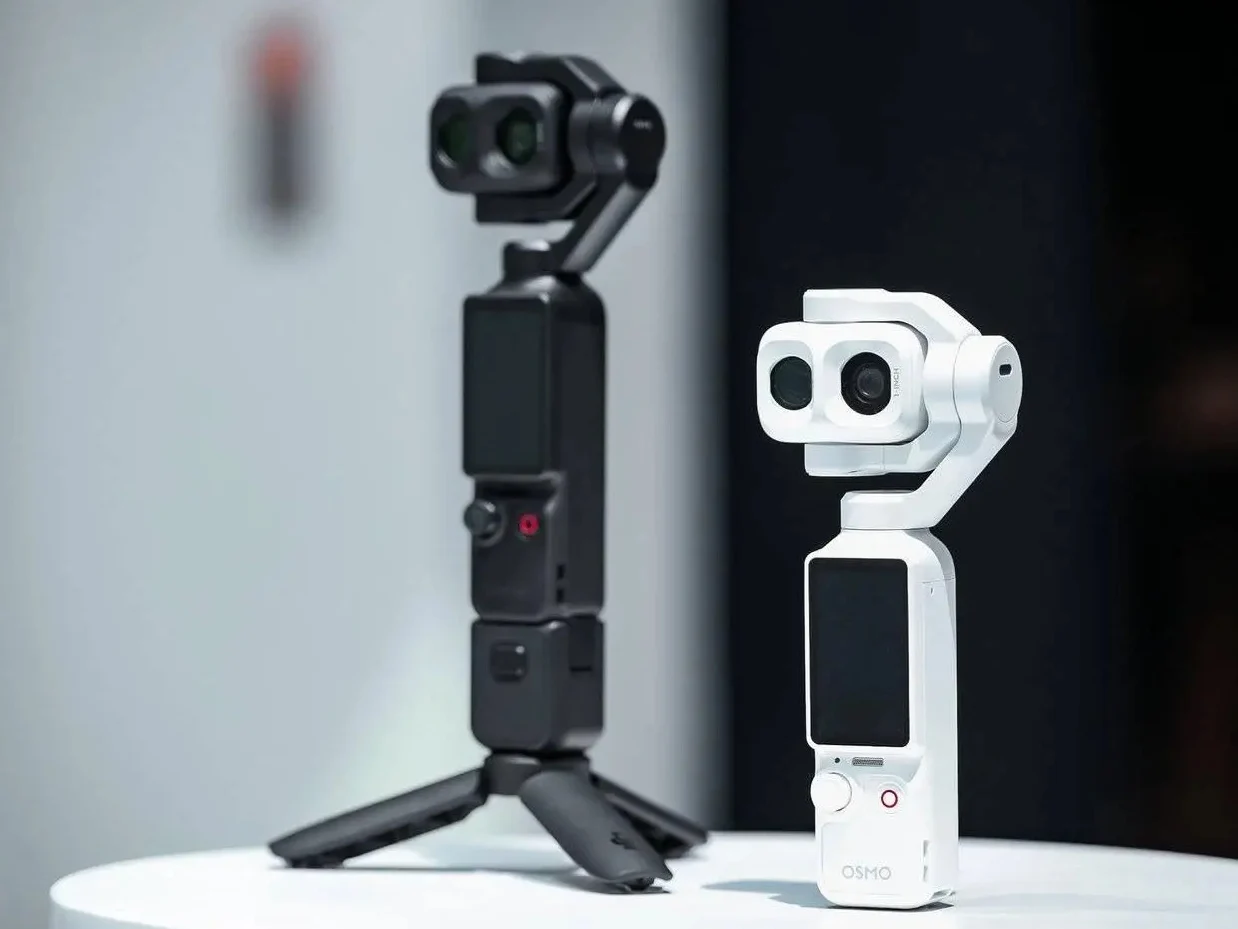
    DJI has recently initiated a significant legal maneuver against rival Insta360, filing two patent infringement lawsuits concerning the newly released Luna gimbal camera series in the United States. At the heart of this dispute lies the design and functionality of Insta360’s Luna Pro and Luna Ultra. The first lawsuit alleges that Insta360 shamelessly copied the physical architecture of DJI’s hugely popular Osmo Pocket 3, claiming patents on several specific design elements, such as the long, handheld body, the rotating display, the control area with a scroll wheel, and the gimbal arm connection.

    Claims of Design and Technology Infringement

    According to DJI, Insta360’s new Luna line is a direct copy of the design they invented, and is being marketed specifically to compete against the Osmo Pocket. Meanwhile, the second lawsuit targets internal technology, claiming that the Luna series infringes on four of DJI’s utility patents covering the underlying mechanics of how a handheld gimbal operates. DJI also asserts that Insta360 copied its methods for toggling between follow and locked modes using a single control, as well as its self-contained system for tracking a subject in real-time directly on the device’s screen, without requiring a separate smartphone app.

    • Patents cover physical design like body, display, and scroll wheel.
    • Utility patents involve gimbal mechanics and motor control software.
    • Infringement includes mode toggling and on-device tracking methods.

    Legal Actions and Damages Sought

    Both lawsuits were filed in the Eastern District of Texas, just after the Luna cameras officially went on sale in the US. DJI is pursuing aggressive action, seeking a permanent injunction to halt the sale of the accused cameras, along with damages, profit disgorgement, and extra penalties for what it describes as willful infringement. This latest legal battle further escalates the rivalry between the two camera makers, following a separate lawsuit DJI filed against Insta360 earlier this year over drone-based image processing technology.

    Pricing and Specification Details

    The Luna Pro gimbal camera retails for $499, featuring a 1-inch sensor, adjustable color temperature LED fill light, and 5K/30fps video recording. The Luna Ultra, priced at $699, offers a Micro Four Thirds sensor, interchangeable lens compatibility, and 6K/30fps video, both with 3-axis stabilization.


    Sources
  • Adeia Sues AMD for 3D Stacking Tech in Ryzen X3D CPUs Impact on Gamers

    Adeia Sues AMD for 3D Stacking Tech in Ryzen X3D CPUs Impact on Gamers

    Key Takeaways

    1. Adeia Inc. has filed two lawsuits against AMD for patent infringement related to semiconductor technologies, alleging unauthorized use of its innovations.
    2. The lawsuits involve ten patents, with seven focused on hybrid bonding, a key technology in AMD’s Ryzen X3D processors.
    3. Hybrid bonding improves chip performance by stacking cache memory directly on compute dies, enhancing gaming performance and reducing latency.
    4. If Adeia wins, AMD may face significant royalty payments or licensing fees for products using 3D-stacked packaging, impacting its Ryzen X3D and EPYC CPUs.
    5. TSMC, AMD’s contract manufacturer, is not part of the lawsuit, as the focus is solely on AMD as the design architect and main beneficiary of the disputed technologies.


    Adeia Inc., a firm specializing in intellectual property licensing, has initiated two lawsuits against AMD for patent infringement. The claims assert that the chip manufacturer has utilized its patented semiconductor technologies without obtaining proper authorization.

    Allegations of Extensive Use

    The technology licensing firm alleges that AMD has “made extensive use” of its innovations over the years, as documented in the lawsuits filed in the U.S. District Court for the Western District of Texas. The legal actions involve a total of ten patents, with seven related to hybrid bonding and three concerning other advanced semiconductor processing techniques.

    Focus on Hybrid Bonding

    At the heart of this legal battle is hybrid bonding, an advanced 3D stacking process employed by AMD in its Ryzen X3D processors. This technique allows cache memory to be stacked directly on top of compute dies, significantly contributing to the company’s gaming success since 2022. It enables chips like the Ryzen 7 5800X3D and Ryzen 9 7950X3D to achieve lower latency and higher frame rates in CPU-intensive games.

    Adeia argues that the Ryzen CPU developer has profited from its intellectual property without proper licensing, despite “years of negotiation” between the companies. The firm indicates that it is open to a settlement but is “fully prepared” to take the matter to court if necessary.

    Advantages of Hybrid Bonding

    Hybrid bonding, which is the focus of seven out of the ten patents involved, connects silicon layers using metal-to-metal contacts instead of traditional solder bumps. This method provides tighter interconnects, reduced resistance, and improved heat efficiency compared to older stacking methods.

    In AMD’s 3D V-Cache design, hybrid bonding permits the CPU’s L3 cache layer to be directly stacked above the compute die, which reduces the distance data must travel and greatly enhances bandwidth. This results in smoother frame delivery and better performance in games that depend heavily on cache throughput.

    If Adeia succeeds in its lawsuit, AMD may be liable for royalty payments or licensing fees for each product utilizing 3D-stacked packaging. Such a verdict could influence its Ryzen X3D and EPYC server CPUs.

    Contract Manufacturer Not Involved

    Although TSMC is the manufacturer of AMD’s chips, it is not included in the lawsuit, as it functions merely as a contract manufacturer. AMD, being the design architect and primary commercial beneficiary, is the main focus of Adeia’s legal claims.

    Patent conflicts are not unusual in the semiconductor sector, but this particular case comes at a particularly challenging time for AMD. The U.S. CPU and GPU manufacturer is gearing up for its next-generation Zen 5 and Zen 6 architectures. The outcome of this legal dispute could affect the speed of AMD’s innovations and the pricing of future gaming CPUs.

    Source:
    Link


  • Garmin Faces Setbacks from Suunto and Strava After Fenix 8 Pro Launch

    Garmin Faces Setbacks from Suunto and Strava After Fenix 8 Pro Launch

    Key Takeaways

    1. Suunto is requesting Garmin to stop selling its smartwatch models due to patent violations.
    2. Strava claims Garmin is misusing specific patents related to ‘user preference activity maps.’
    3. The legal actions may impact Garmin’s software and hardware, but the extent is currently uncertain.
    4. Strava’s Chief Product Officer hints that issues between Strava and Garmin extend beyond patent disputes.
    5. For further details, refer to the explanation by DC Rainmaker.


    Citing patent violations in both cases, the two companies are requesting that Garmin halt the sales of its smartwatch models, including the Approach, Epix, and Fenix series. For example, Suunto points out specific patents that Garmin is said to be infringing upon:

    Strava’s Claims

    On the other hand, Strava argues that Garmin is misusing patents 9297651 and 9778053, which they assert pertain to the creation of ‘user preference activity maps’. At this moment, it’s uncertain what impact, if any, this legal action will have on Garmin’s products, both software and hardware. Nonetheless, a recent comment on Reddit from Strava’s Chief Product Officer suggests that the problems between Strava and Garmin go beyond just patent issues. In the event that the post is taken down later, refer to the detailed explanation by DC Rainmaker below for more information.

    Source:
    Link


  • Nintendo Patent May Limit Creature Summons Amid Palworld Lawsuit

    Nintendo Patent May Limit Creature Summons Amid Palworld Lawsuit

    Key Takeaways

    1. Nintendo’s new U.S. patent focuses on mechanics for summoning creatures and engaging in battles, potentially impacting many games.
    2. The lawsuit against Palworld involves Japanese patents related to capturing monsters and riding mechanics, with Nintendo defending its intellectual property.
    3. The newly filed patent could lead to claims against any game featuring pets or creatures that assist players.
    4. There are concerns that Nintendo’s patent may limit competition for The Pokémon Company’s titles, although larger competitors may be less affected.
    5. Indie game developers may struggle to defend their creations against Nintendo’s patents due to limited resources.


    As the situation with Palworld develops, new patents from Nintendo have come to light that might impact many games. The recent filing in the U.S. specifically addresses the mechanics of summoning creatures and engaging in battles. Florian Mueller from Games Fray thinks that any game using this type of system could potentially face a patent infringement lawsuit.

    Details of the Lawsuit

    Nintendo’s lawsuit regarding Palworld pertains to Japanese patents that involve mechanics for capturing monsters and the way players can ride these creatures. If Nintendo succeeds, these mechanics might be restricted to their own games or those of The Pokémon Company. Although Pocketpair has modified aspects of its game, Nintendo is still adamant in defending its claimed intellectual property.

    New Patent Information

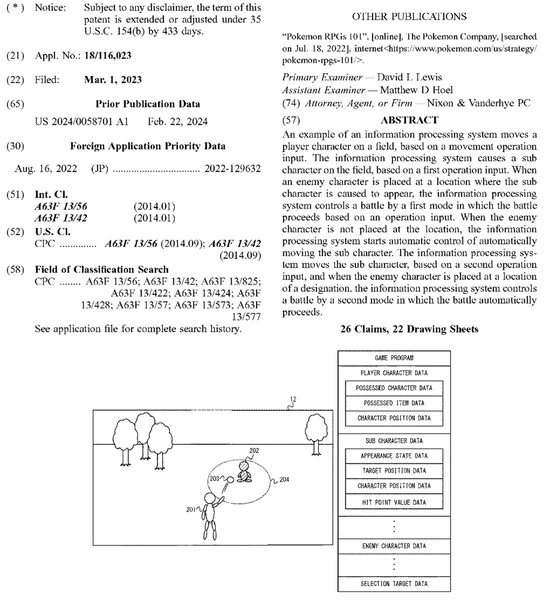
    The recently filed U.S. patent number 12,403,397 outlines a well-known process for summoning a “sub character.” Once summoned, this character can participate in battles against enemies, either right away or at a later point. This patent could lead to claims against any console or PC game that features pets or creatures that help players.

    Nintendo’s discussed patent, unlike past cases, will be limited to the United States. Since Pocketpair’s main office is in Japan, it raises the question of whether Nintendo will take action against other games under patent law.

    Market Reactions

    It might seem absurd that Nintendo could own such basic game mechanics. Some analysts think the company is attempting to reduce competition for The Pokémon Company’s titles. Nevertheless, competitors with sufficient resources may not worry about the extensive U.S. or Japanese patents.

    In the past, Nintendo secured a patent concerning mount transition mechanics. This gameplay system is present in HoYoverse’s upcoming game, Honka: Nexus Anima. However, the Chinese firm could easily engage lawyers skilled in patent law. Once the case is in court, judges might see how far-reaching Nintendo’s patent really is. Sadly, indie game developers may not possess the same resources to protect their creations.

    Source:
    Link


  • Qualcomm Sues Transsion, Maker of Infinix, Tecno, and itel

    Qualcomm Sues Transsion, Maker of Infinix, Tecno, and itel

    In an unexpected development, Qualcomm has initiated legal action against Transsion, the fourth-largest smartphone maker globally, citing alleged infringements on four of its patents.

    According to IP Fray on LinkedIn, the lawsuit concerns four unspecified non-standard essential patents owned by Qualcomm. What makes this situation particularly unique is that Transsion does not incorporate Qualcomm’s Snapdragon processors in any of its current smartphone models.

    A Different Approach

    Qualcomm usually uses its significant influence in the mobile chip industry to negotiate licensing agreements when its patents are breached. However, this approach isn’t applicable to Transsion, which primarily uses processors from MediaTek and Unisoc, as reported by WinFuture.

    Despite not utilizing Qualcomm’s chips, Transsion boasts popular brands such as Tecno, Itel, and Infinix. These brands focus on the budget and mid-range smartphone markets, a strategy that has led Transsion to become the fourth-largest smartphone manufacturer globally, following Samsung, Apple, and Xiaomi, according to Statista.

    Potential Impact

    This rapid growth seems to have attracted Qualcomm’s scrutiny, resulting in this lawsuit over unspecified “non-standard essential patents.” The lawsuit’s outcome is still uncertain, but it could compel Transsion to pay licensing fees, which might significantly affect their already thin profit margins on budget devices.

    Qualcomm’s new lawsuit comes amid pressure from other major tech companies. The Financial Times reports that Philips has also sued Transsion, while Nokia is seeking licensing fees for its patented technologies used in Transsion’s phones.

    Ongoing Developments

    Interestingly, a Transsion spokesperson stated in the Financial Times report that the company has signed a “5G standard patent license agreement” with Qualcomm and asserts that it is meeting its obligations under that agreement. This raises questions about why Qualcomm chose to file a lawsuit if that is indeed the case.

    The resolution of this legal battle and its impact on Transsion remains uncertain. We will continue to provide updates as new information becomes available.


    Qualcomm Sues Transsion, Maker of Infinix, Tecno, and itel
  • Jury Fines Microsoft $242 Million for Cortana Patent Infringement

    Jury Fines Microsoft $242 Million for Cortana Patent Infringement

    A US jury has imposed a substantial fine of $242 million (approximately ¥1.75 billion) on Microsoft for infringing on a patent. The ruling, delivered in Delaware on May 10, resulted from a lawsuit brought by IPA Technologies in 2018.

    Microsoft to Challenge Jury's Decision

    Microsoft intends to challenge the jury's decision, which alleged that Microsoft's Cortana voice assistant violated IPA's patent related to voice recognition technology in computer communication software. Initially, the lawsuit encompassed multiple IPA patents, but eventually focused on a specific one. Microsoft contended that they did not breach the patent and that the patent itself was invalid.

    Background and Acquisition of Patents

    IPA Technologies, a subsidiary of Wi-LAN, obtained the disputed patent from SRI International's Siri Company. Subsequently, Apple acquired Siri Company and its technology in 2010, incorporating it into their Siri voice assistant.

    Microsoft's Response and Future Actions

    Microsoft has expressed its intention to appeal the verdict, stating, "We firmly believe we did not infringe." IPA and Wi-LAN have yet to provide any public statements regarding the matter.

    IPA Technologies has a history of legal action in this domain, having previously sued Google and Amazon over comparable patents. Amazon effectively defended itself in 2021, whereas the case involving Google remains ongoing.