Tag: Qualcomm

  • Qualcomm takes subtle dig at Nvidia’s new RTX Spark

    Qualcomm takes subtle dig at Nvidia’s new RTX Spark

    Key Takeaway

    – Qualcomm welcomes Nvidia to ARM-based PC chips but implies it pioneered the ecosystem.
    – Qualcomm highlights its years of investment in ARM compatibility for Windows.
    – Nvidia’s RTX Spark promises full Windows app compatibility, a key challenge for ARM.
    – Both companies see Nvidia’s entry as positive for the ARM PC ecosystem’s growth.


    Nvidia’s RTX Spark Announcement Shocks the Industry

    Nvidia’s announcement of the RTX Spark “Superchip” SoC based on the ARM platform took the internet by storm. It aims to usher in a new era of Windows PCs aside from traditional x86 chips. Qualcomm, being the company that sort of pioneered ARM-based laptop chip development many years ago, naturally had something to say about it.

    Qualcomm’s Response and the Statement

    Through a statement shared with Windows Central, SVP of Computing at Qualcomm, Kedar Kondap, gave a seemingly backhanded compliment to Nvidia, welcoming the new chip to the family. Here’s the full quote:

    Welcome to the family. We are, you know, we’re excited. When you think about the investments that we’ve made over the last several years, it’s a good endorsement of the fact that there is an ecosystem that’s growing outside of x86. We invested many years ago, driving the ecosystem and driving the entire platform story, whether it is getting the printers to work, whether it’s getting the software apps to be compatible, whether it is getting the docks and peripherals to work, or whether it’s getting more than 2,500 games to be compatible with Snapdragon. We led the way in driving that ecosystem, and I think this is positive tailwinds for the entire ecosystem. It will tell us how we’re all taking the ball forward in the trajectory that we started.

    Superiority Hints and ARM Progress

    Its hard to glean the exact tone from text, but there seem to be hints of superiority baked into the welcoming message. Qualcomm made quite a few advancements with ARM through the Snapdragon X Elite, X Plus, C, and the upcoming X2 series chips. But it took them quite a few years to reach this point. That said, the efficiency gains that come from the platform are nothing to shirk at. Even Apple’s M-series chips are ARM-based, and thanks to the software and hardware level optimizations, they are extremely capable.

    Windows on ARM Compatibility Concerns

    The major concern with Windows on ARM is compatibility, but both Qualcomm and app developers have made solid headway in that department, as well. With RTX Spark, Nvidia seems to have made it a non-issue, promising compatibility with every Windows app.
    Sources
  • Snapdragon 6 Gen 5 & 4 Gen 5: Upgrades, Wi-Fi 7 & 4K Video Boost

    Snapdragon 6 Gen 5 & 4 Gen 5: Upgrades, Wi-Fi 7 & 4K Video Boost

    Key Takeaway

    1. Qualcomm’s Snapdragon 6 Gen 5 and Snapdragon 4 Gen 5 chipsets offer improved efficiency and thermals due to their 4nm process but feature trade-offs in premium features to prioritize cost-effectiveness.
    2. The Snapdragon 6 Gen 5 introduces support for Wi-Fi 7 and Bluetooth 6.0 but removes mmWave 5G support, L2 GPS band, and downgrades USB capabilities to USB 2.0.
    3. The Snapdragon 4 Gen 5 significantly boosts GPU performance by 77% and enables 4K video recording but reduces memory speed support to LPDDR4X and adds Dual SIM Dual Active 5G support.

    New Qualcomm Chips Introduction

    Qualcomm has just made a big move in the mobile processor world by launching new chips for mid-range and entry-level phones. They introduced the Snapdragon 6 Gen 5, replacing the 6 Gen 4, and the Snapdragon 4 Gen 5 which takes over from the 4 Gen 2. These chips will soon find their way into some budget-friendly Android mobiles.

    Technology and Manufacturing Process

    Both these new processors are made using TSMC’s 4nm process, which is known for being more efficient. This means better heat management and longer battery lives for devices using them. The “Gen 5” label hints at improvements, but if you look at the full specs, you’ll see a mix of ups and downs – some features improved, others taken away to fit the budget category.

    Features of Snapdragon 6 Gen 5

    The Snapdragon 6 Gen 5 aims to be the top of the 6-series lineup, boosting performance with Qualcomm’s “Snapdragon Smooth Motion UI.” They say it launches apps 20% faster and reduces stuttering by 18%, compared to older models. It also keeps support for quick RAM (LPDDR5 at 3,200MHz) and fast storage (UFS 3.1).

    Controversial Upgrades and Downgrades

    Now here’s where it gets tricky. This new chip supports Wi-Fi 7 and Bluetooth 6.0, which are the latest wireless standards. But, in a surprising move, Qualcomm has dropped support for mmWave 5G and the L2 GPS band – features that were in previous chips. Even more, it has been downgraded to USB 2.0, which is much slower than the previous USB 3.2 Gen 1. Some users might find this disappointing.

    Highlights of Snapdragon 4 Gen 5

    The Snapdragon 4 Gen 5 makes a big splash with its GPU, improving performance by 77%. It’s now capable of running games at a smooth 90 fps, a first for the 4-series. Camera lovers will be happy to see support for shooting 4K videos, an upgrade from the 1080p support on the older 4 Gen 2.

    Trade-offs in Memory and Connectivity

    The downside here is the memory support. While the previous Snapdragon 4 Gen chips supported faster LPDDR5 RAM, the new 4 Gen 5 sticks with LPDDR4X (2,133MHz). On the positive side, it introduces Dual SIM Dual Active (DSDA) 5G, so the device can connect to two networks at the same time without disconnecting.

    Why These Changes Were Made

    Qualcomm seems to be trying to find a middle ground—saving some of the high-end features like mmWave 5G and high-speed USB, while adding big improvements in GPU, AI camera tech, and new connectivity options like Wi-Fi 7. This way, budget phones can offer better performance without costing much more. It’s a strategic move to attract more buyers.

    Upcoming Devices and Market Launch

    Devices from brands such as Honor, Oppo, Realme, and Redmi are expected to showcase these new chips. They are planned to be available to consumers in the summer of 2026, marking an exciting milestone for affordable smartphones powered by Qualcomm’s latest technology.

    Sources
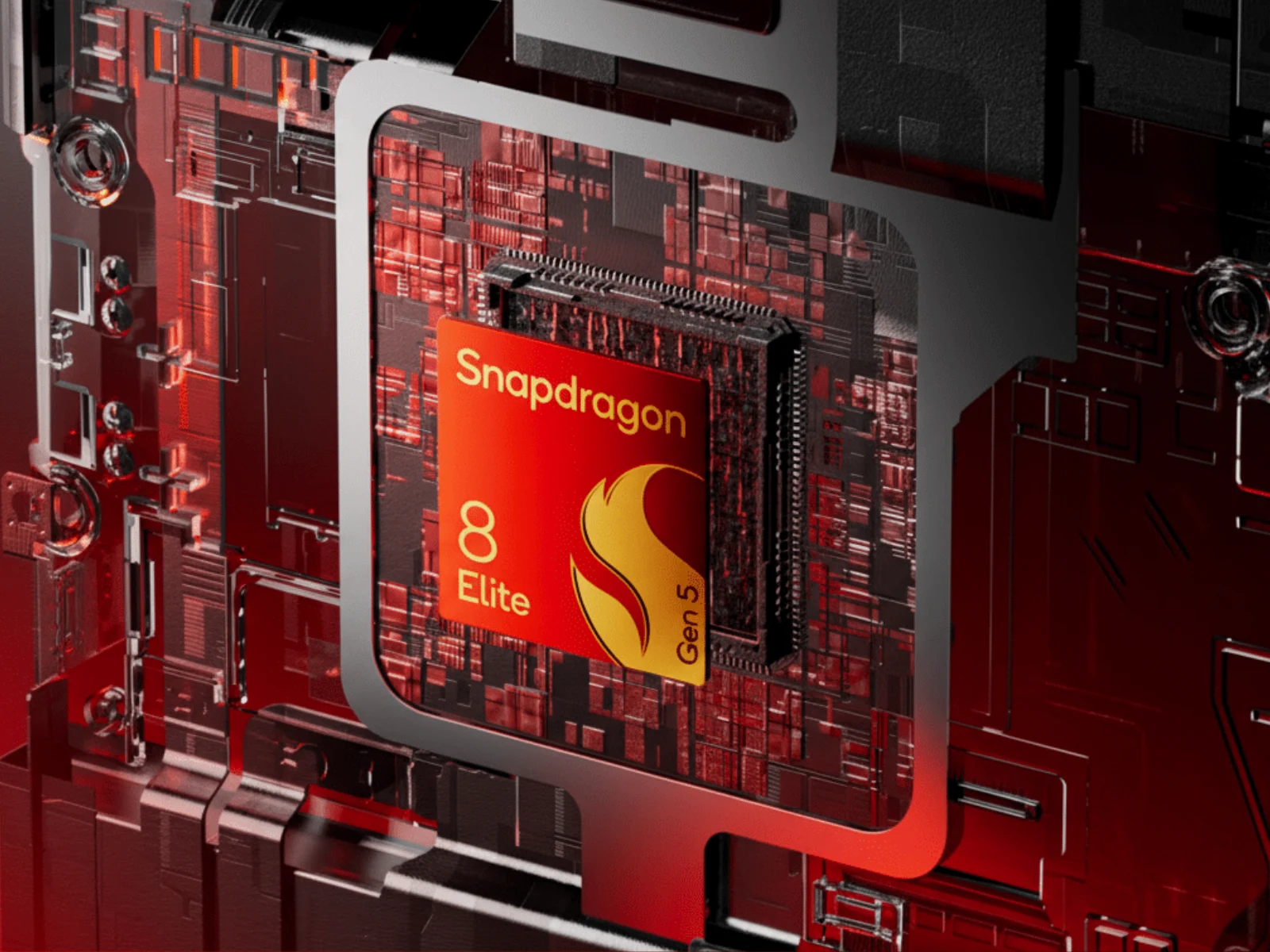
    • Snapdragon 8 Elite Gen 6 Details Leak Revealing New Features

      Snapdragon 8 Elite Gen 6 Details Leak Revealing New Features

      Key Takeaway

      1. The Snapdragon 8 Elite Gen 6 is expected to succeed the Snapdragon 8 Elite Gen 5, manufactured on TSMC’s 2nm process with a model number SM8950.
      2. It will feature a 2+3+3 CPU configuration with a new generation Qualcomm Oryon CPU architecture and an Adreno 845 GPU.
      3. The chipset will support LPDDR5X RAM, UFS 5.0 storage, and include substantial cache memory, though slightly reduced compared to the Snapdragon 8 Elite Gen 6 Pro.

      It has been over six months since Qualcomm announced the Snapdragon 8 Elite Gen 5, it’s current top processor for smartphones and tablets. Since the launch, the SoC has been seen in various gadgets from a bunch of brands like Honor, OnePlus, Oppo, Xiaomi, and Samsung. Now, some new info about its successor which likely will be called Snapdragon 8 Elite Gen 6 is starting to come out.

      The Leak from Digital Chat Station

      The source of this juicy info is from the trustworthy leaker Digital Chat Station, and this follows an early leak from late March. In that earlier leak he revealed some specs like the model number being SM8950 and the chipset being made on TSMC’s 2nm process. He also said it’ll have a 2+3+3 CPU setup and an Adreno 845 GPU.

      Additional Details and Improvements

      In his recent post, Digital Chat Station confirms some of those details but also add that this new chip will use a fresh generation of Qualcomm’s Oryon CPU architecture. Also, the Snapdragon 8 Elite Gen 6 is said to include a 16MB L2 cache, an Adreno 845 GPU configured with 6 slices, a 12MB GMEM, a 6MB SLC, and support for LPDDR5X RAM and UFS 5.0 storage. Plus, its cache has been somewhat reduced compared to the more powerful Snapdragon 8 Elite Gen 6 Pro, which might be launched at the same time.

      Final Notes on the Processor

      According to Digital Chat Station on Weibo, these tidbits give us a peek into what’s coming, but some features are different in the standard model versus the Pro. The Pro version is expected to be more advanced in terms of cache and overall performance, hinting at a high-end flagship future device line.

      Sources
    • New Leak Reveals Next-Gen Snapdragon 8 Elite Gen 6 Details

      New Leak Reveals Next-Gen Snapdragon 8 Elite Gen 6 Details

      Key Takeaways

      1. Qualcomm launched the Snapdragon 8 Elite Gen 5 chipset in September 2025, featured in premium smartphones like Xiaomi 17 Ultra and OnePlus 15.
      2. Upcoming chipsets include Snapdragon 8 Elite Gen 6 and 8 Elite Gen 6 Pro, with the latter rumored to have a codename “SM8975” and advanced 2nm manufacturing.
      3. Snapdragon 8 Elite Gen 6 Pro may feature a 2+3+3 CPU arrangement, A850 GPU, and compatibility with LPDDR6 memory.
      4. The standard Snapdragon 8 Elite Gen 6, known as “SM8950,” will also use 2nm technology but with an A845 GPU and LPDDR5X memory.
      5. Qualcomm may introduce a mid-range Snapdragon 8 Gen 6, but specific details on its specifications remain undisclosed.


      In September 2025, Qualcomm introduced its top-tier chipset, the Snapdragon 8 Elite Gen 5. This powerful chipset is at the heart of several premium smartphones, including the Xiaomi 17 Ultra, OnePlus 15, and gaming-focused devices like the RedMagic 11 Pro (currently priced at $799 on Amazon). There are whispers of two new versions coming in the next flagship series: the standard 8 Elite Gen 6 and the 8 Elite Gen 6 Pro.

      Details on Upcoming Chipsets

      Trusted leaker Digital Chat Station on Weibo has shared insights about both chipsets. The Snapdragon 8 Elite Gen 6 Pro is rumored to go by the codename “SM8975.” According to the tipster, it will be manufactured using TSMC’s advanced 2nm process and will feature a 2+3+3 CPU arrangement. On the graphics side, it could incorporate an A850 GPU along with 18MB of GMEM. It’s anticipated to be compatible with LPDDR6 memory, although LPDDR5X might also be available, featuring an 8MB last-level cache.

      Differences Between the Models

      On the other hand, the regular Snapdragon 8 Elite Gen 6 is expected to be known as “SM8950.” This version is said to also utilize the 2nm technology and the same CPU structure but will have variances in other specifications. It might use an A845 GPU with just 12MB of GMEM, coupled with LPDDR5X memory, and a smaller 6MB last-level cache. The crucial distinction between the two chipsets appears to be in the GPU and memory configurations.

      Potential New Releases

      Additionally, the leak hints that Qualcomm might unveil a mid-range Snapdragon 8 Gen 6. The leaker mentioned that its specifications aren’t as impressive but did not disclose any further information. The Snapdragon 8 Elite Gen 6 series is anticipated to be launched later this year, yet Qualcomm has not officially confirmed any details.

      Source:
      Link


    • Qualcomm Launches Arduino Ventuno Q SBC for AI Projects

      Qualcomm Launches Arduino Ventuno Q SBC for AI Projects

      Key Takeaways

      1. Qualcomm’s Arduino Ventuno Q is a single-board computer powered by the Dragonwing IQ8, priced under $300, and set for release in Q2 2026.
      2. It features an 8-core Kryo Gen 6 CPU, Adreno 623 GPU, 16 GB LPDDR5 RAM, and 64 GB eMMC storage, along with an STM32H5 microcontroller for real-time control.
      3. The SBC supports various connectivity options, including USB-C, USB-A, Ethernet, HDMI, Wi-Fi, and Bluetooth, along with external inputs via MIPI-CSI and other expansion headers.
      4. Compatible with Debian or Ubuntu Linux, it offers up to 40 TOPS processing power, allowing developers to create applications using Python and Docker for AI and sensor control.
      5. The Ventuno Q enables development of diverse AI applications, including robotics, voice assistants, and smart home devices, appealing to developers and hobbyists.


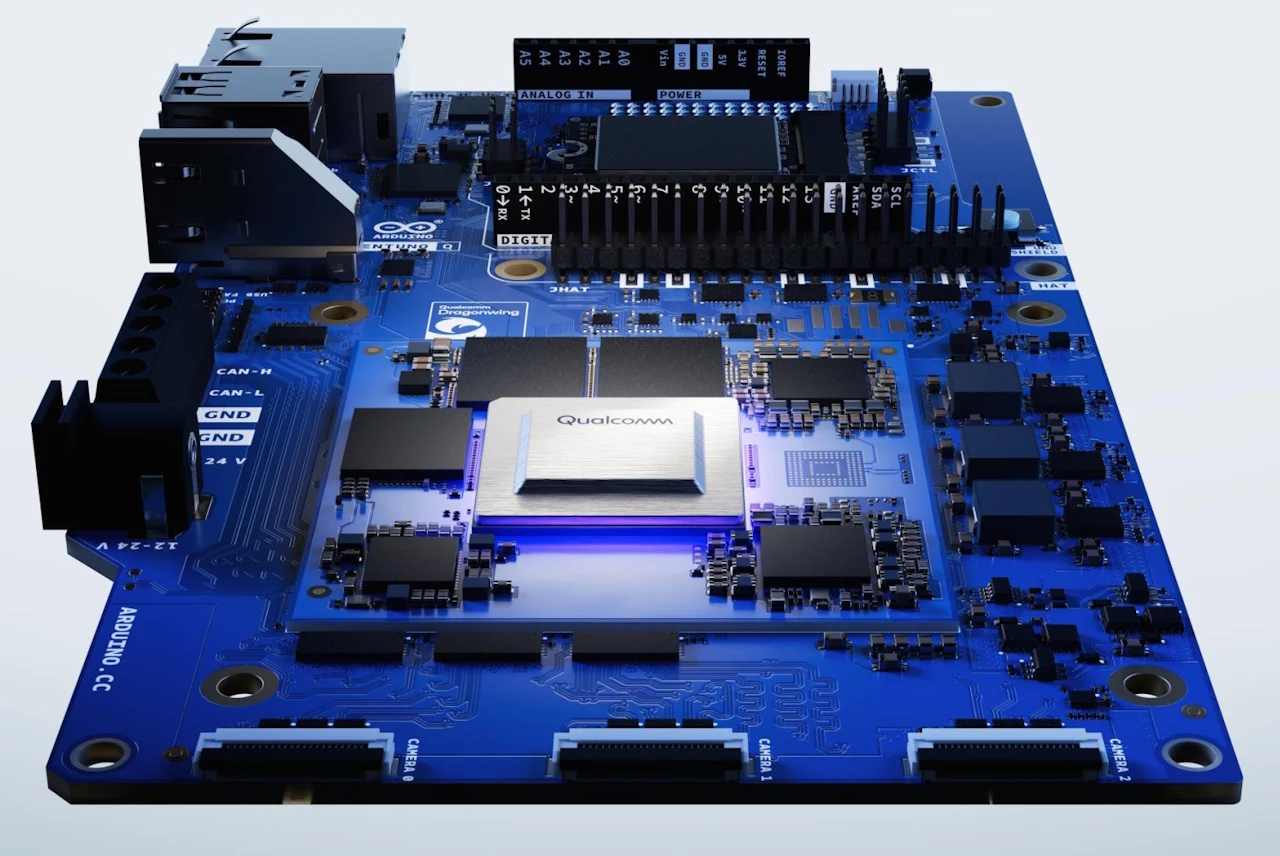
      Qualcomm has introduced the Arduino Ventuno Q, a single-board computer powered by the Dragonwing IQ8, designed for developers and hobbyists interested in physical AI projects. This SBC is available for under $300, with plans for release in the second quarter of 2026.

      Specifications and Features

      The IQ8 SoC consists of an 8-core Kryo Gen 6 CPU and Adreno 623 GPU, along with 16 GB of LPDDR5 RAM and 64 GB of eMMC storage. To enable real-time motor and sensor control, it comes with an STM32H5 microcontroller that has an Arm Cortex-M33 CPU. The SBC also features USB-C, USB-A, Ethernet, and HDMI ports, along with Wi-Fi and Bluetooth capabilities.

      Expansion Options

      Developers can utilize external inputs and expansion cards via the MIPI-CSI camera input, RPi connector, and UNO and expansion headers, which facilitate access to camera and sensor inputs while managing motors and other peripherals.

      The Ventuno Q is compatible with AI software that operates on Debian or Ubuntu Linux, boasting up to 40 TOPS (trillion operations per second) of processing power. Developers can leverage the Arduino App Lab to create applications using Python and modular services involving networking, AI, and vision sensing, which can be containerized using Docker, ensuring deterministic and real-time hardware control.

      Versatile AI Applications

      This SBC caters to modular AI services that offer capabilities in computer vision, speech, language, and sensor intelligence, enabling the development of various AI-driven hardware devices like robots, voice assistants, industrial inspection tools, and smart home gadgets.

      Source:
      Link


    • Samsung Exynos 2700 Chip Enters Production with 2nm Technology

      Samsung Exynos 2700 Chip Enters Production with 2nm Technology

      Key Takeaways

      1. Samsung is testing its new Exynos 2700 chip, with design completion expected by late 2025.
      2. Production-ready samples of the Exynos 2700 are anticipated between May and June, ahead of the next Galaxy S series launch.
      3. Samsung aims to regain market share from Qualcomm, which currently supplies 75% of the Galaxy S26 chipsets.
      4. The Exynos 2700 is expected to improve heat management and reduce Samsung’s reliance on Qualcomm chips to 50% for the Galaxy S27 series.
      5. There is limited evidence of the Exynos 2700’s performance, as current benchmarks show a prototype with low OpenCL scores.


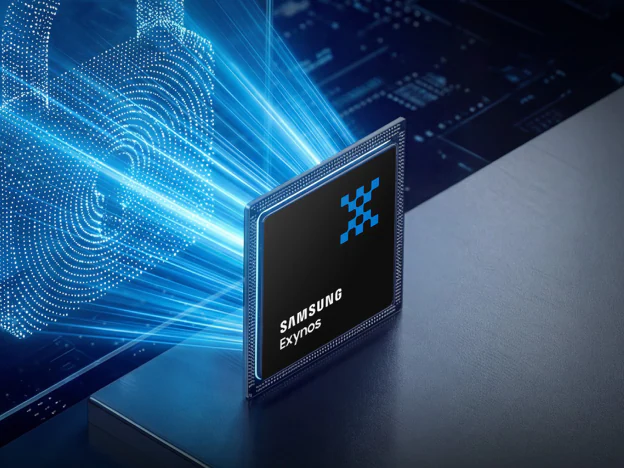
      As early as January of this year, a listing on Geekbench from a well-known tipster suggested that Samsung had started testing its upcoming Exynos chip. While many were doubtful about this leak, new updates seem to lend it some credibility.

      Development Progress

      Per the Yonhap News Agency, the design of the Exynos 2700 was reportedly completed by late 2025. Samsung MX is currently in the testing phase, with production-ready samples anticipated between May and June, which is well in advance of the launch of the next Galaxy S series.

      Market Strategy

      Currently, it is widely known that Samsung is aiming to regain market share from Qualcomm’s Snapdragon processors, which currently power about 75% of the Galaxy S26 lineup.

      To achieve projected cost savings of over $7.8 billion (11 trillion won), Samsung is relying on the second-gen Samsung Foundry 2nm process (SF2P) to provide the yield and efficiency that companies like TSMC are recognized for. The Exynos 2700 is expected to enhance the heat management technology seen in its predecessor. Thus, Kiwoom Securities analyst Park Yu-ak predicts that Samsung’s reliance on Qualcomm chipsets will decrease to 50% in the Galaxy S27 series.

      Evidence and Expectations

      These financial goals are just one aspect of the project. The only tangible proof of this chip’s existence appears to be an ERD board on Geekbench, which features a peculiar 10-core prototype with lackluster OpenCL scores. While it could be a falsified listing, the burden of proof remains on Samsung until further leaks arise that show the Exynos 2700 achieving competitive clock speeds. As things stand, Qualcomm seems to have no immediate cause for concern.

      The Korea Herald, Yonhap News’

      Source:
      Link


    • Snapdragon X2E-96-100 CPU & GPU Shine in Geekbench with Asus Laptop

      Snapdragon X2E-96-100 CPU & GPU Shine in Geekbench with Asus Laptop

      Key Takeaways

      1. Asus, HP, and other brands showcased laptops with Snapdragon X2 Elite at CES 2026, but they are not yet available globally.
      2. Snapdragon X2 Elite shows strong single-core performance (4,033) surpassing Apple’s M4 Max, but trails in multi-core performance (23,198).
      3. The Snapdragon X2 Elite outperforms AMD’s Strix Halo and Intel’s Core Ultra X9 in various benchmarks.
      4. The Adreno X2-90 GPU scores 44,786 in OpenCL, nearly doubling the performance of the previous Adreno X1-85 GPU.
      5. Qualcomm’s promises on GPU performance are notable, but gaming benchmarks are needed for a complete assessment, highlighting a potential impact in the Windows-on-Arm market.


      Even though Asus, HP, and several other brands presented a variety of laptops powered by the Snapdragon X2 Elite at CES 2026, they have not yet become available in global markets. Qualcomm made some bold assertions regarding the CPU and GPU capabilities of the Snapdragon X2 Elite, but the absence of devices ready for production has made it a bit tricky to confirm those claims. Now, we can check out the Snapdragon X2 Elite Extreme X2E-96-100 on Geekbench.

      Performance Insights

      It achieves scores of 4,033 in single-core and 23,198 in multi-core tests on Geekbench 6.5. These figures are consistent with Qualcomm’s previous first-party data, which indicated that it surpasses Apple’s M4 Max in single-core performance (3,880) but falls behind in multi-core performance (25,760). Additionally, it leaves AMD’s Strix Halo flagship chip (2,947/18,481) and the Ryzen AI Max+ 395 far behind. As expected, Intel’s top-tier Core Ultra X9 388H (3,066/17,809) Panther Lake also does not measure up.

      GPU Performance Overview

      Another listing offers a look into the Snapdragon X2 Elite Extreme X2E-96-100’s GPU capabilities. The Adreno X2-90 GPU records a score of 44,786 in Geekbench’s OpenCL benchmark. Although Geekbench states that it has 16 CUs, the score might not be reliable due to the reported clock speed being only 1 MHz. Still, it nearly doubles the performance of the previous-gen Adreno X1-85 GPU, which only managed 23,854 points in the same benchmark.

      Future Outlook

      Qualcomm has made significant promises regarding the GPU performance of the Snapdragon X2 Elite, and it’s still too soon to draw firm conclusions, especially without gaming benchmarks available. However, its CPU strength appears to be impressive, giving Qualcomm a real opportunity to make its mark in the Windows-on-Arm space. This development comes at just the right time, as Nvidia’s N1X chips are also expected to be released sometime in 2026.

      Source:
      Link


    • Qualcomm Launches Snapdragon Wear Elite: 5G, NPU, Satellite Features

      Qualcomm Launches Snapdragon Wear Elite: 5G, NPU, Satellite Features

      Key Takeaways

      1. Snapdragon Wear Elite features on-device AI processing with Qualcomm’s Hexagon NPU, enabling powerful AI capabilities.
      2. The platform delivers up to 5 times single-core CPU performance and 7 times GPU performance compared to Snapdragon W5+ Gen 2, with multi-day battery life.
      3. It supports rapid charging, reaching up to 50% charge in about 10 minutes.
      4. Connectivity includes six wireless technologies: 5G RedCap, micro-power Wi-Fi, Bluetooth 6.0, ultra-wideband, GNSS, and NB-NTN satellite connectivity.
      5. Major partners like Google, Motorola, and Samsung support the platform, with devices expected to launch soon.


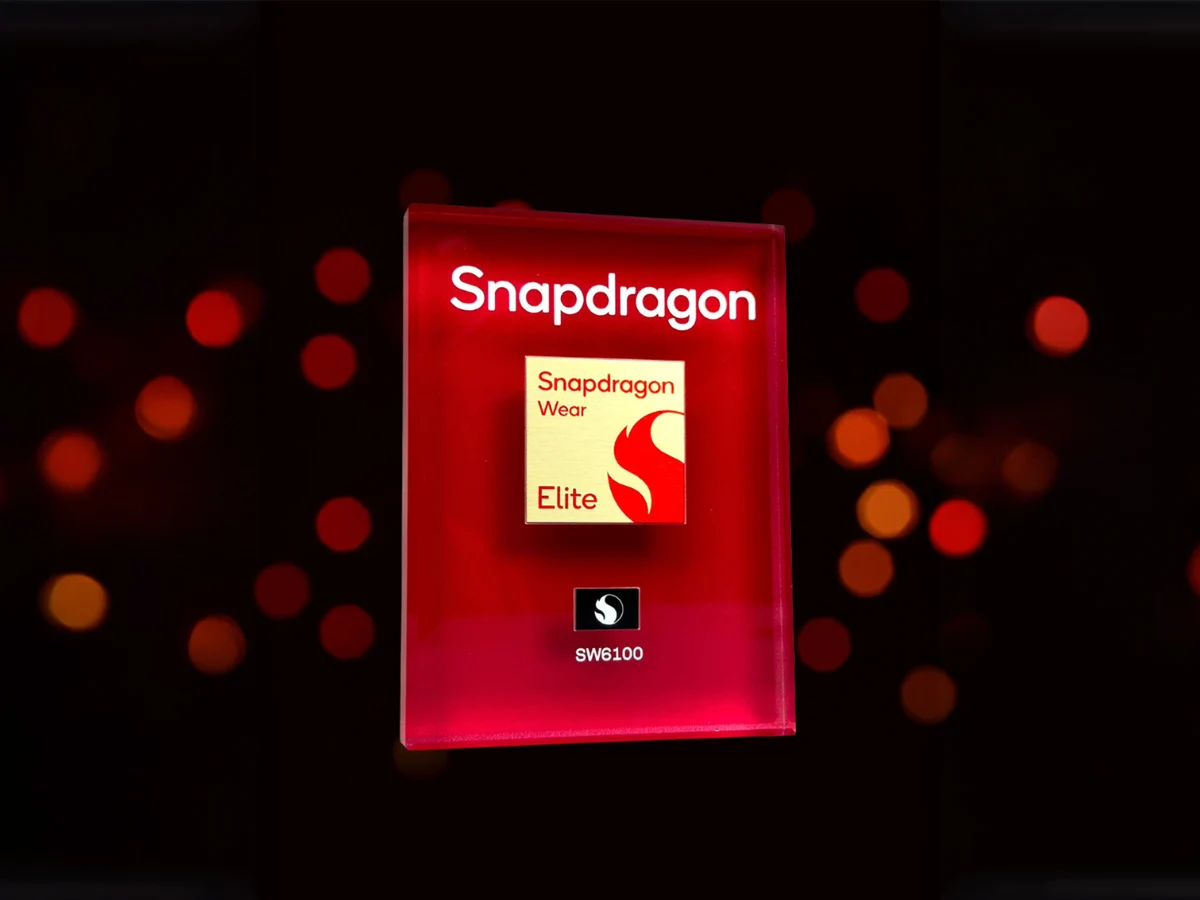
      Qualcomm has unveiled the Snapdragon Wear Elite platform at MWC 2026, marking its first wearable platform that focuses on personal AI with built-in on-device AI processing.

      Enhanced AI Capabilities

      Snapdragon Wear Elite features Qualcomm’s Hexagon NPU, which allows powerful AI processing right on the device, capable of handling billion-parameter models at the edge. This platform is made to be used in various forms, like smartwatches, pins, pendants, and hubs, and is compatible with Wear OS by Google, Android, and Linux.

      Performance Improvements

      When it comes to performance, Qualcomm claims that this new platform delivers up to 5 times the single-core CPU performance and up to 7 times the GPU performance compared to the older Snapdragon W5+ Gen 2 platform. Additionally, it offers multi-day battery life, which is a 30% increase in daily usage compared to the last generation, along with the ability to reach up to 50% charge in about 10 minutes.

      Connectivity Features

      Connectivity is a key highlight of the Snapdragon Wear Elite. It incorporates six wireless technologies: 5G RedCap, micro-power Wi-Fi, Bluetooth 6.0, ultra-wideband (UWB), GNSS, and NB-NTN satellite connectivity. The NB-NTN feature allows for satellite-based two-way messaging when there is no cellular or Wi-Fi signal, in partnership with companies like Skylo.

      Qualcomm mentioned that the platform is supported by big names such as Google, Motorola, and Samsung. The first devices that will use this platform are expected to launch in the near future.


    • Qualcomm Confirms No Updates for Snapdragon G or X at GDC 2026

      Qualcomm Confirms No Updates for Snapdragon G or X at GDC 2026

      Key Takeaways

      1. Qualcomm will not announce updates to its Snapdragon G Series gaming chips at GDC 2026, despite earlier expectations.
      2. The event will not feature hands-on testing for the recently announced Snapdragon X updates.
      3. GDC 2026 is scheduled for March 9 to March 13 in San Francisco.
      4. The anticipation for news on Snapdragon-based Windows gaming handhelds has significantly decreased.
      5. The absence of announcements at GDC halts progress in Windows-on-Arm gaming and leaves developers and OEM partners waiting for future opportunities.


      Qualcomm has decided not to use GDC 2026 to showcase any updates related to Windows gaming handhelds, even though there were earlier indications that the event could be significant for devices powered by Snapdragon.

      No Announcements at GDC

      Reports from outside sources indicate that Qualcomm has confirmed it will not be announcing any updates to its Snapdragon G Series gaming chips during the March conference. Furthermore, journalists will not have the opportunity to test the recently announced Snapdragon X updates at the event.

      GDC 2026 is scheduled to take place from March 9 to March 13 at the Moscone Center in San Francisco.

      Shift in Expectations

      Earlier this year, Qualcomm hinted that while there would be no major announcements at CES, GDC could be a more appropriate platform for news in March. However, that anticipation has now been tempered significantly.

      At this time, there is no updated timeline for when developments related to Snapdragon-based Windows gaming handhelds might be revealed.

      Implications for Windows-on-Arm Gaming

      The lack of an announcement at GDC eliminates what many considered to be the next logical milestone for Windows-on-Arm gaming. Snapdragon G chips are aimed at dedicated gaming devices, while the Snapdragon X platform is designed for a broader range of Windows PCs. An announcement at GDC would have clarified performance goals, partnerships with OEMs, and provided gaming benchmarks for Arm-based handheld devices.

      Now, progress seems to have come to a halt.

      With no display planned and no hands-on demos arranged, developers and OEM partners may have to wait for another coordinated launch opportunity down the line.

      Source:
      Link


    • Vivo Launches V70 Elite to Compete with OnePlus Nord 5

      Vivo Launches V70 Elite to Compete with OnePlus Nord 5

      Key Takeaways

      1. Powerful Specifications: The Vivo V70 Elite features up to 12 GB of LPDDR5X RAM and 512 GB UFS 4.1 storage, ensuring high performance.

      2. Long-lasting Battery: It is equipped with a robust 6,500 mAh silicon carbon battery that supports 90 W wired charging.

      3. High-Quality Display: The smartphone has a 6.59-inch AMOLED display with a 120 Hz refresh rate and peak brightness of 5,000 nits, protected by IP69 dust and water resistance.

      4. Advanced Camera System: The device includes a 50 MP primary camera, a 50 MP telephoto lens with 3x optical zoom, and an 8 MP ultra-wide-angle camera.

      5. Pricing Options: The starting price is INR 51,999 (approx. $571) for 8 GB RAM and 256 GB storage, and INR 61,999 (approx. $680) for 12 GB RAM and 512 GB storage.


      Vivo has teamed up with Qualcomm to deliver a powerful smartphone that features up to 12 GB of LPDDR5X RAM and 512 GB UFS 4.1 storage. The device is equipped with a robust 6,500 mAh silicon carbon battery that supports 90 W wired charging. Additionally, it sports a 6.59-inch AMOLED display, which is protected by IP69 dust and water resistance. This display refreshes at 120 Hz and reaches a peak brightness of 5,000 nits. It also includes a 32 MP front-facing camera and an ultrasonic fingerprint scanner embedded within the screen.

      Impressive Camera Setup

      In terms of photography, the Vivo V70 Elite features a 50 MP Sony LYT-700V primary camera (1/1.56-inch) along with a telephoto lens that also boasts 50 MP and provides 3x optical zoom. An 8 MP ultra-wide-angle camera is integrated into the squircle-shaped camera design. The images displayed above and below demonstrate how Vivo presents all this technology in two color options: Black Red and Sand Beige, both of which have matching frames and camera sections.

      Pricing and Availability

      The starting price for the V70 Elite is INR 51,999 (approximately $571) for the version with 8 GB of RAM and 256 GB of storage. If you’re looking for more power, the model with 12 GB of RAM and 512 GB of storage is available for INR 61,999 (around $680). For additional information, visit Vivo’s official website.

      Source:
      Link