Tag: Single-board Computer

  • Aaeon UP WCL: Powerful Raspberry Pi Alternative with Windows

    Key Takeaway

    – 40 TOPS AI acceleration enables demanding AI workloads on-device.
    – Intel Core processors (i7/i5/i3) with up to 24GB LPDDR5 RAM.
    – Lacks a 40-pin GPIO header; offers a 10-pin connector for basic I/O.
    – Supports Windows 11 LTSC and Ubuntu 24.04 LTS.
    – Targets professional/business customers, not the general maker market.


    New single-board computer from Aaeon

    Weve reported several times here on the manufacturer Aaeon, which also offers compact computer systems. With the UP WCL, the company are now offering a new single-board computer that can very well serve as an alternative to the Raspberry Pi. However, there are still some differences in terms of specific focus: the UP WCL is significantly more powerfull than the Raspberry Pi when comparing prices and is said to be capable of accelerating AI models with up to 40 TOPS. Accordingly, even highly demanding AI workloads can be run directly on the UP WCL.

    Processor and memory configurations

    Depending on the model version selected, the UP WCL come with the Intel Core 7 350, Intel Core 5 320 or Intel Core 3 304 and up to 24 gigabytes of LPDDR5 RAM. It supports up to 256 gigabytes of UFS storage and features a single M.2 2230 slot that is Key E. Video output is available via HDMI 2.1, supporting 4K resolution. Compared to a Raspberry Pi, the UP WCL lacks the virtually iconic 40-pin header.

    Connectivity and expansion options

    A 10-pin connector provides access to eight GPIO pins, I2C, PWM, and SPI, allowing for the connection of sensors and actuators. Connecting peripherals or external mass storage devices should be completely hassle-free via three USB 3.2 Gen 2 Type-A ports. The 85 x 56-millimeter board is powerd by 12 volts. Network connectivity is available via Ethernet at speeds of up to 2.5 Gbit/s.

    Software and target audience

    According to Aaeon, the supported operating systems are Windows 11 LTSC and Ubuntu 24.04 LTS. Aaeon has not commented on pricing. The company is primarily targeting professional customers or, more simply, businesses. The UP WCL is built for demanding workloads and offers substantial processing power for AI tasks, making it a strong contender for industrial applications.
    Sources

  • Tiny Single-Board Computer with Surprising Features (Not Raspberry Pi)

    Tiny Single-Board Computer with Surprising Features (Not Raspberry Pi)

    Key Takeaway

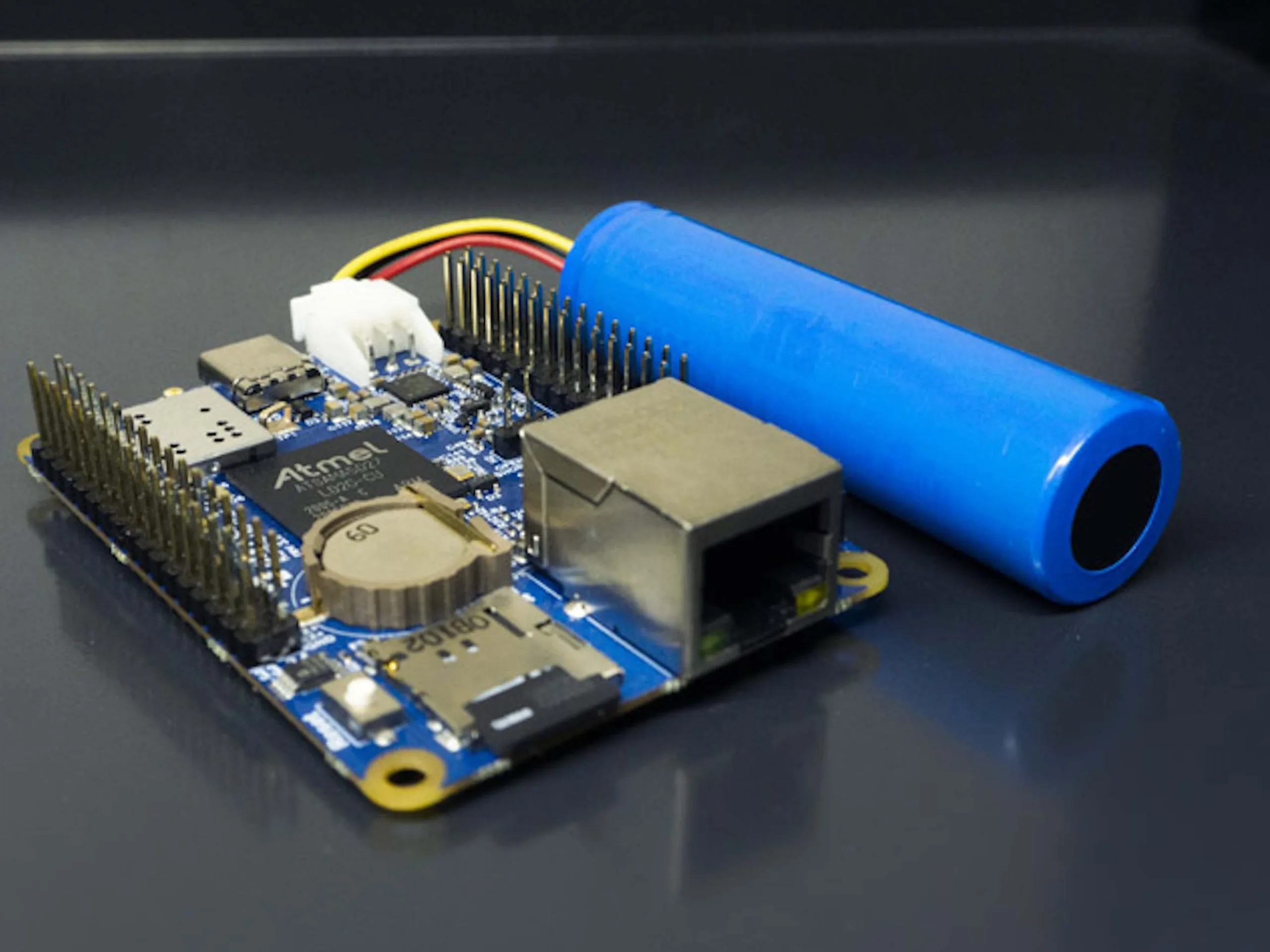
    1. The KSTR-SAMA5D27 is a compact, low-power single-board computer based on the SAMA5D27 SoC with limited processing and no HDMI output.
    2. It features minimal onboard storage, relying on memory cards, and has basic connectivity options including Ethernet, Wi-Fi, Bluetooth 4.1, and USB-C.
    3. The board is highly expandable with 64 GPIO pins and a QWIIC interface, and can operate directly from a rechargeable battery.
    4. Its small size (50 × 70 mm) and embedded power management make it suitable for specialized applications rather than media center use.

    Compact Design but Limited Multimedia Capabilities

    The Conclusive Engineering KSTR-SAMA5D27 has been designed as a tiny marvel, measuring just 50 by 70 millimeters, making it perfect for projects where space is at a premium. Its small size is disguising a basic mantra; it’s not built for multimedia entertainment, since there’s no HDMI port & its processor is quite humble. Made with the SAMA5D27 SoC, the system has only one Cortex-A5 core which runs at a modest 500 MHz, and it comes with 256 MB of LPDDR2 RAM. Onboard storage? Nope, just a memory card support, typical of similar small nods.

    Connectivity & Power Management

    Connectivity options on this little device are decent for its class, offering Ethernet at up to 100 Mbit/s, alongside Wi-Fi and Bluetooth 4.1. It includes a USB Type-C port for both supplying power and connecting peripherals, which is convenient for various applications. One cool feature is the power management system, it enables the board to be powered directly from a rechargeable battery, offering more mobile use. The design also boasts 64 GPIO pins, which means you can hook up a bunch of sensors and controls or LEDs, plus a QWIIC interface for easier sensor connections. It prices around $119, but potential buyers should check shipping & distribution info before they buy.

    Summary and Final Words

    Overall, the KSTR-SAMA5D27 is a neat, tiny board with a decent set of connection options. It’s more suited for embedded projects or sensor-based applications where size & power efficiency are critical, rather than media-rich uses. Its modest processor & lack of onboard storage mean it’s not for heavy computing or multimedia tasks, but it’s a good choice for specialized uses.


    Sources

  • Compact PCIe-enabled SBC as a powerful Raspberry Pi alternative

    Compact PCIe-enabled SBC as a powerful Raspberry Pi alternative

    Key Takeaway

    1. Compact size (65 × 32 mm) suitable for space-constrained projects.
    2. Powered by Allwinner A733 SoC with multi-core CPU and NPU for sensor data processing tasks.
    3. Supports up to 16GB LPDDR5 RAM, with options for eMMC storage, microSD, and various display outputs.
    4. Features WiFi 6, USB Type-C display, MIPI-DSI, MIPI-CSI, and PCIe 3.0 expansion for versatile connectivity.

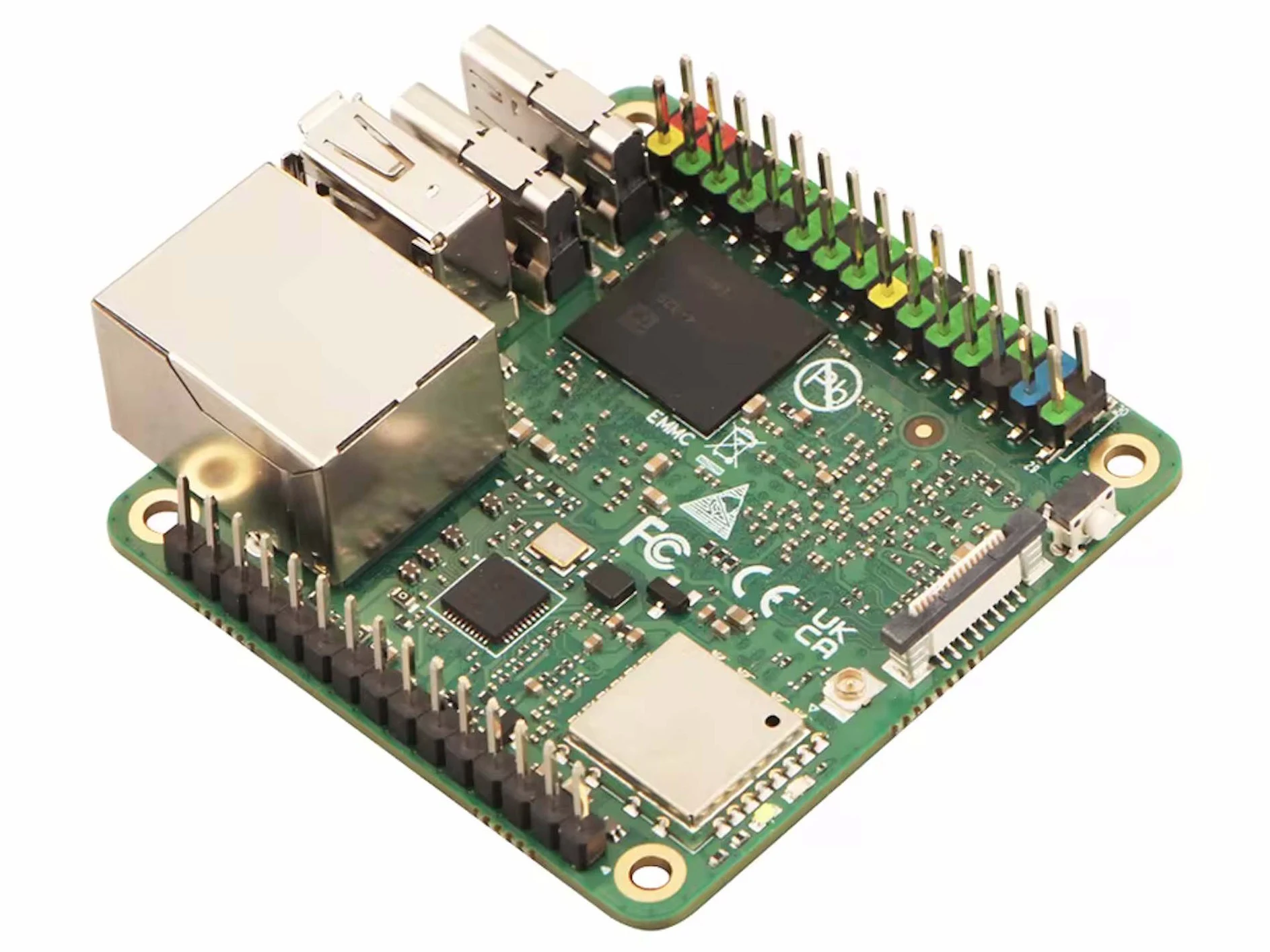
    Compact Size and Powerful Processor

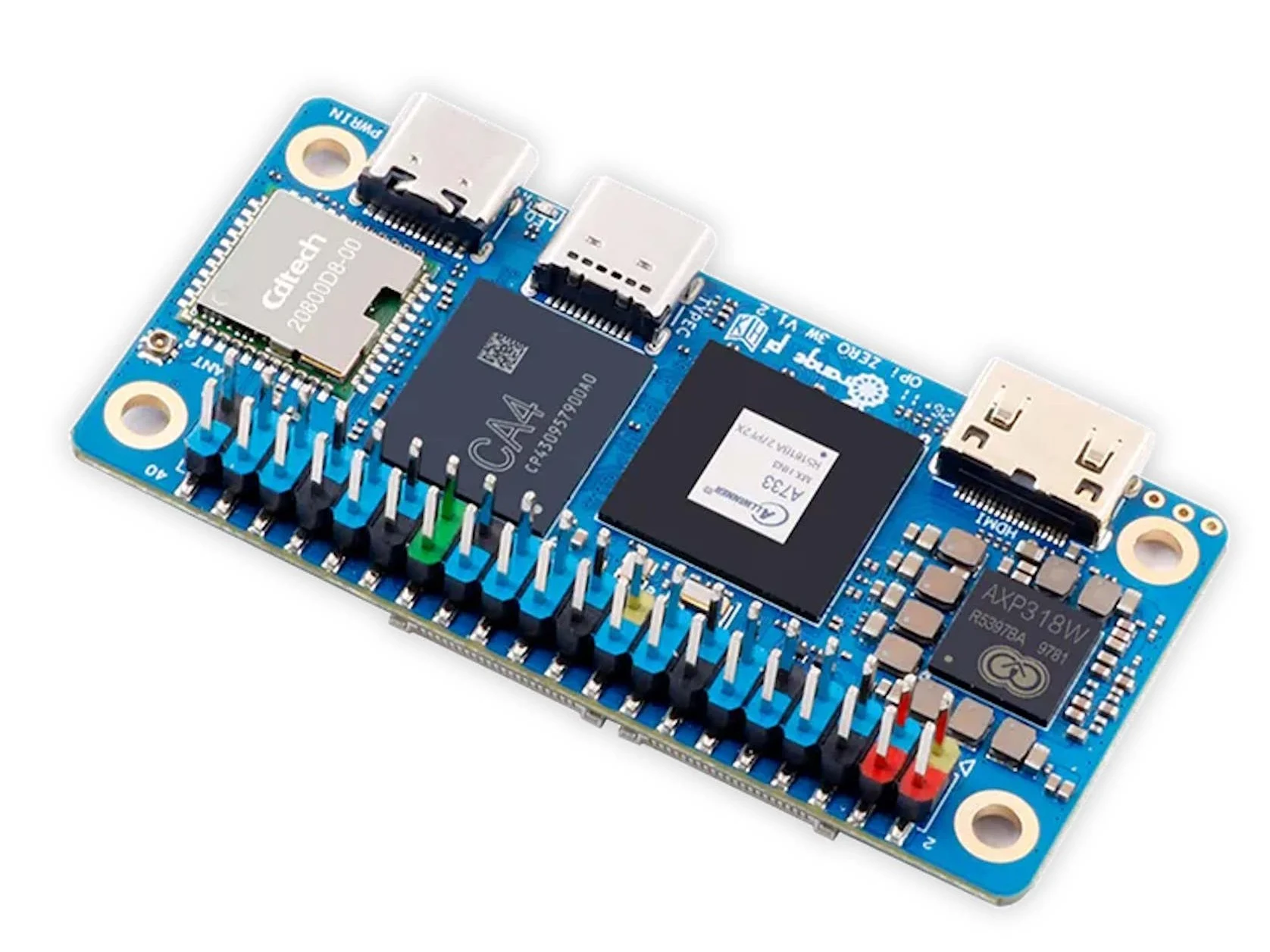
    The Orange Pi Zero 3W is a tiny but mighty developer board, totaly small size of just 65 by 32 millimeters. it’s a great choice for projects where space is very tight. The brain behind this board is the Allwinner A733 SoC, featuring a mix of cores: 2 Cortex-A76 for heavy lifting and 6 Cortex-A55 for efficiency. Plus, it includes a Neural Processing Unit that can do 3 TOPS (INT8), which means it can handle some AI tasks, but not enough for big language models at local level. Still, it’s good for sensor data processing and evaluation, making it a versatile little tool for many small projects.

    Memory, Storage, and Video Capabilities

    This tiny marvel packs LPDDR5 RAM and options up to 16GB, depending on what version you get. You can add storage internally via an eMMC module or use a microSD card for extra space. When it come to display output, it supports HDMI 2.0, allowing you to connect a 4K monitor at 60 FPS, and there’s also a USB Type-C port that can support a second display with the same resolution and refresh rate. For those who want to connect displays directly, MIPI-DIS is supported too. The board also has WiFi 6 for fast wireless network access, and you can connect external antennas for better signal. Cameras are manageable via MIPI-CSI, and for cooling, there’s a fan connector. For expansion, a PCIe 3.0 lane is available through an FPC connector.

    Alternative Options and Final Thoughts

    One option you might consider instead of the Orange Pi Zero 3W is the Raspberry Pi Zero 2W. It’s widely known, has similar small size, and supports a broad ecosystem, but it might have different specs and performance levels. Overall, the Orange Pi Zero 3W is a nice choice for compact projects needing decent processing power and extensive connectivity features, especially if you need a tiny footprint with expandable options.


    Sources

  • Qualcomm Launches Arduino Ventuno Q SBC for AI Projects

    Qualcomm Launches Arduino Ventuno Q SBC for AI Projects

    Key Takeaways

    1. Qualcomm’s Arduino Ventuno Q is a single-board computer powered by the Dragonwing IQ8, priced under $300, and set for release in Q2 2026.
    2. It features an 8-core Kryo Gen 6 CPU, Adreno 623 GPU, 16 GB LPDDR5 RAM, and 64 GB eMMC storage, along with an STM32H5 microcontroller for real-time control.
    3. The SBC supports various connectivity options, including USB-C, USB-A, Ethernet, HDMI, Wi-Fi, and Bluetooth, along with external inputs via MIPI-CSI and other expansion headers.
    4. Compatible with Debian or Ubuntu Linux, it offers up to 40 TOPS processing power, allowing developers to create applications using Python and Docker for AI and sensor control.
    5. The Ventuno Q enables development of diverse AI applications, including robotics, voice assistants, and smart home devices, appealing to developers and hobbyists.


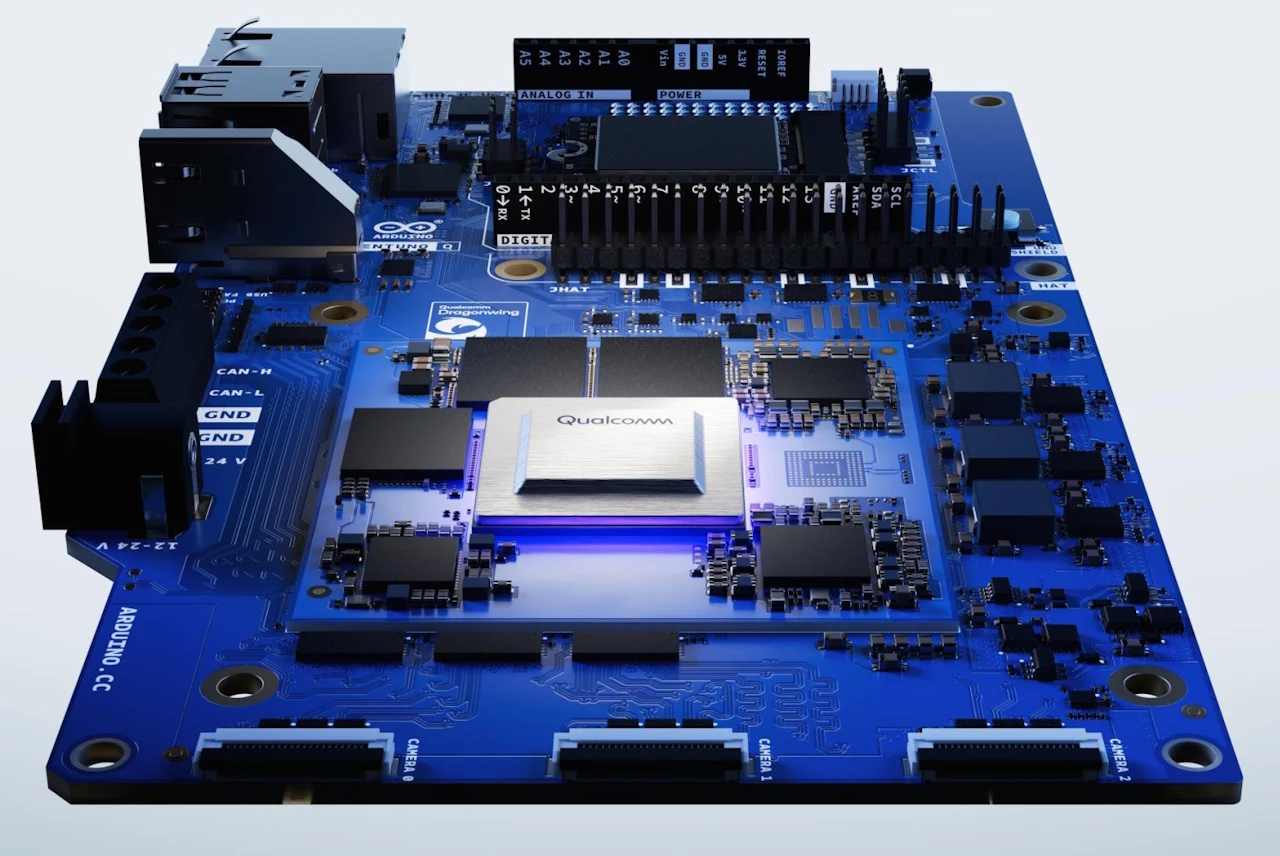
    Qualcomm has introduced the Arduino Ventuno Q, a single-board computer powered by the Dragonwing IQ8, designed for developers and hobbyists interested in physical AI projects. This SBC is available for under $300, with plans for release in the second quarter of 2026.

    Specifications and Features

    The IQ8 SoC consists of an 8-core Kryo Gen 6 CPU and Adreno 623 GPU, along with 16 GB of LPDDR5 RAM and 64 GB of eMMC storage. To enable real-time motor and sensor control, it comes with an STM32H5 microcontroller that has an Arm Cortex-M33 CPU. The SBC also features USB-C, USB-A, Ethernet, and HDMI ports, along with Wi-Fi and Bluetooth capabilities.

    Expansion Options

    Developers can utilize external inputs and expansion cards via the MIPI-CSI camera input, RPi connector, and UNO and expansion headers, which facilitate access to camera and sensor inputs while managing motors and other peripherals.

    The Ventuno Q is compatible with AI software that operates on Debian or Ubuntu Linux, boasting up to 40 TOPS (trillion operations per second) of processing power. Developers can leverage the Arduino App Lab to create applications using Python and modular services involving networking, AI, and vision sensing, which can be containerized using Docker, ensuring deterministic and real-time hardware control.

    Versatile AI Applications

    This SBC caters to modular AI services that offer capabilities in computer vision, speech, language, and sensor intelligence, enabling the development of various AI-driven hardware devices like robots, voice assistants, industrial inspection tools, and smart home gadgets.

    Source:
    Link


  • INR556: Compact Single-Board Computer Alternative to Raspberry Pi

    INR556: Compact Single-Board Computer Alternative to Raspberry Pi

    Key Takeaways

    1. The DFI INR556 is a new single-board computer featuring various Intel processors, including Atom and Core series options.
    2. It supports DDR5 RAM with a capacity of up to 16 GB and clock speeds of 4,800 MHz, surpassing the Raspberry Pi’s 8 GB limit.
    3. The board has multiple M.2 slots for expansion, including ports for PCIe and SATA connections, and a nano-SIM card slot for mobile networks.
    4. It offers HDMI and LVDS video output capabilities, along with dual Gigabit Ethernet ports and USB 3.2 for connectivity.
    5. The device can run Windows or various Linux distributions and does not have a standard 40-pin header, but includes RS232/422/485 interfaces and GPIO connectors.


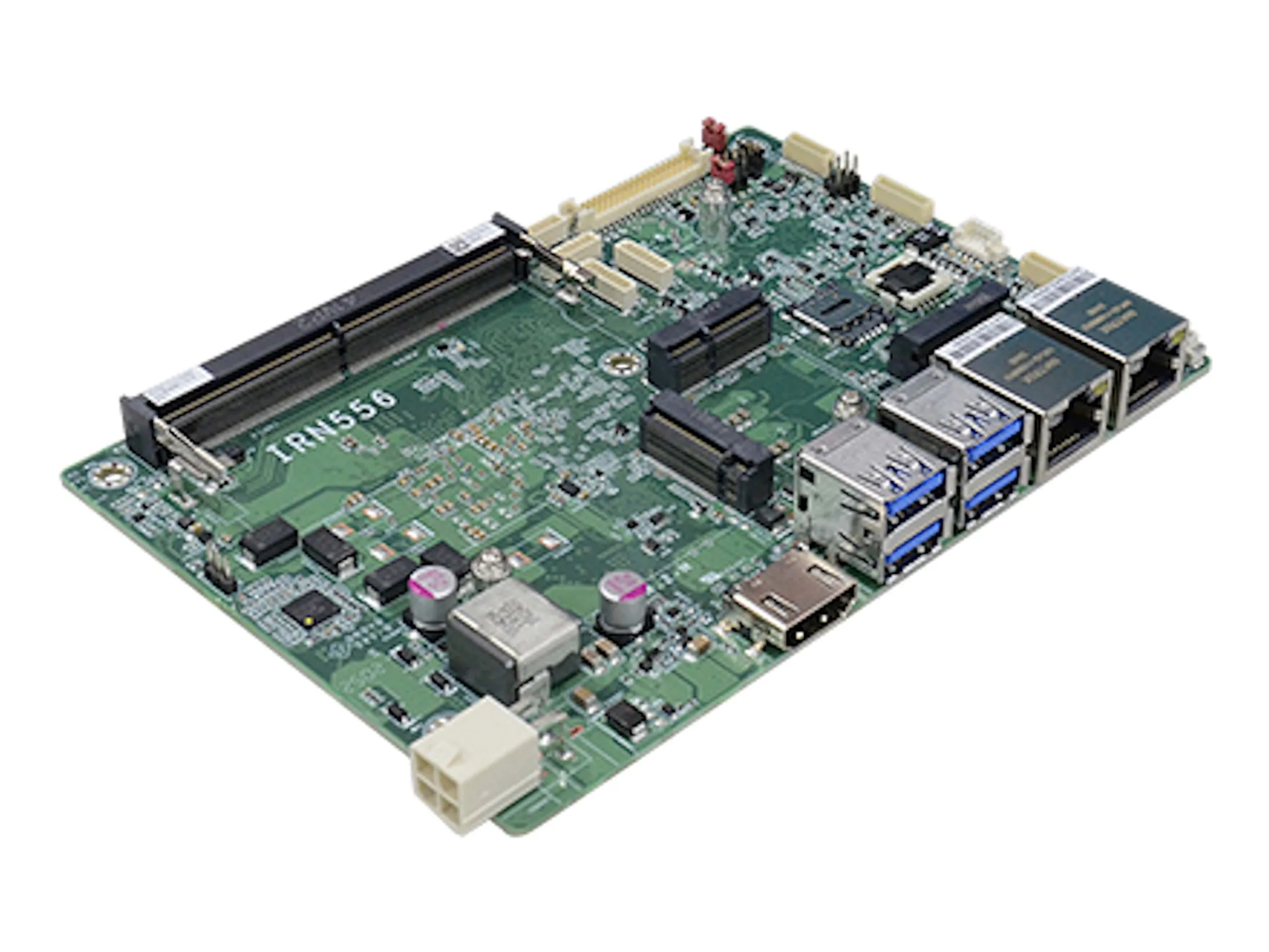
    The DFI INR556 is a fresh single-board computer that comes with a range of Intel processors or APUs. Among these options are the Intel Atom x7211RE, x7433RE, x7835RE, Intel N150, and the Intel Core 3 N355. It has a DDR5 RAM capability, supporting up to 16 GB and clock speeds reaching 4,800 MHz, which is more than the Raspberry Pi’s 8 GB limit.

    Board Specifications

    Measuring 146 × 102 millimeters, the board is equipped with multiple M.2 slots. It features an M.2 2242 port that connects through two PCIe 3.0 lanes and SATA 3.0, alongside an M.2 3052 slot accessed via one PCIe lane. Additionally, an M.2 2230 slot supports Key E format cards, USB 2.0, and one PCIe lane. For mobile network connections, it also includes a nano-SIM card slot.

    Connectivity Options

    The HDMI port on the board supports video output at a resolution of 4096 × 2160 and 24 Hz. There’s also LVDS capability for images up to 1920 × 1200 at 60 Hz. For network connectivity, the device has two Gigabit Ethernet ports. It includes USB 3.2 for external storage devices. Unlike the Raspberry Pi, this board lacks a standard 40-pin header but provides RS232/422/485 interfaces along with GPIO connectors for linking external sensors and actuators. Since it uses standard processors, users can run Windows or various Linux distributions.

    Source:
    Link


  • Zeta 3950 Rugged SBC: Quad-Core CPU & Dual Gigabit Ethernet

    Zeta 3950 Rugged SBC: Quad-Core CPU & Dual Gigabit Ethernet

    Key Takeaways

    1. Winsystems produces industrial and edge computers, including the ZETA 3950 single-board computer (SBC) designed for extreme temperatures (-104° F to 185° F).
    2. The ZETA 3950 has a compact design, measuring 2.1 x 3.3 x 1.84 inches and operates on an Intel Atom x7-E3950 processor.
    3. The E3950 is a quad-core processor with low power consumption (12 watts) but lower performance compared to newer processors like the Ryzen 3 3200U.
    4. The SBC includes 8 GB of LPDDR4 RAM, 128 GB of eMMC storage, and has a mini PCIe slot for additional storage expansion.
    5. It supports Ubuntu and Windows 10 IoT, with pricing available upon request from Winsystems, while the Raspberry Pi 5 is a more affordable option for casual enthusiasts.


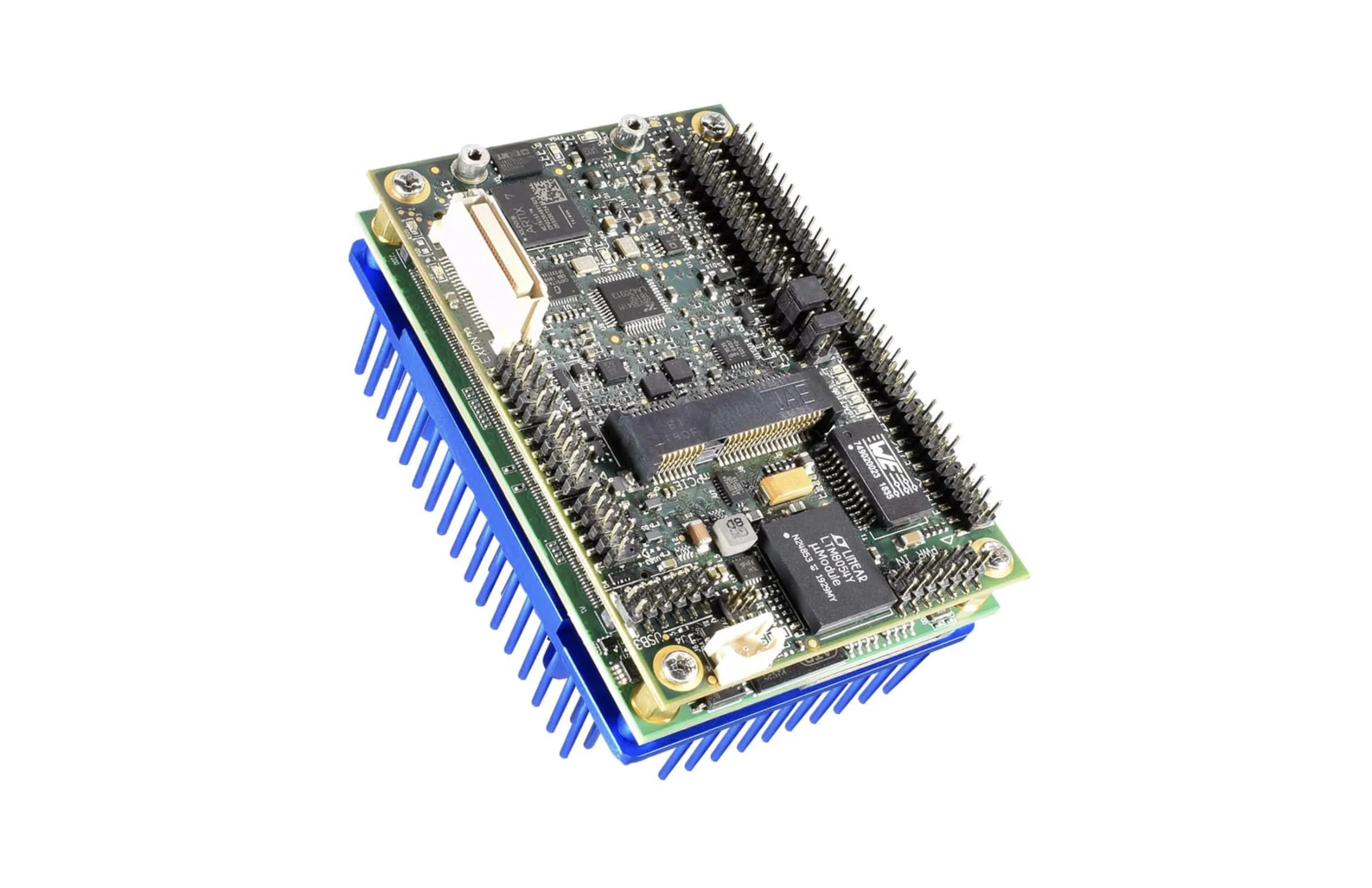
    Winsystems is well-known for producing both industrial and edge computers, along with a wide range of single-board computers (SBCs). One of their offerings is the ZETA 3950, a robust SBC that can endure temperatures ranging from -104° F (-40° C) to 185° F (85° C).

    Compact Design

    Measuring at only 2.1 x 3.3 x 1.84 inches (5.5 x 8.4 x 4.7 cm), this SBC is quite small, which is normal for this type of device. It operates on an x86 processor, specifically the Intel Atom x7-E3950.

    Performance Specs

    The E3950 is a quad-core chip that’s been around for nearly ten years, delivering a power consumption of 12 watts which means it has relatively low performance. For comparison, the Ryzen 3 3200U is more than twice as fast as the E3950 in various benchmarks.

    The processor also includes an integrated Intel HD 505 iGPU, which is quite basic and is suitable for only the least demanding tasks. Nevertheless, for users in hobbyist or industrial settings, the Atom SoC is likely to perform adequately.

    I/O and Memory

    The specifications for its I/O capabilities are listed below:

    This SBC features 8 GB of soldered LPDDR4-2400 RAM and needs an additional header board to access most of its I/O features. It has 128 GB of eMMC storage, with the option to expand storage via the mini PCIe slot. Its operating system support is fairly good, with out-of-the-box compatibility for Ubuntu and Windows 10 IoT, along with other x86 systems.

    For details on pricing and availability, interested buyers should reach out to Winsystems for quotes. Like other industrial devices, the cost may vary based on the size of the order. For casual enthusiasts, the ARM-based Raspberry Pi 5, priced at $134.48 on Amazon, might be a more suitable choice.

    Source:
    Link


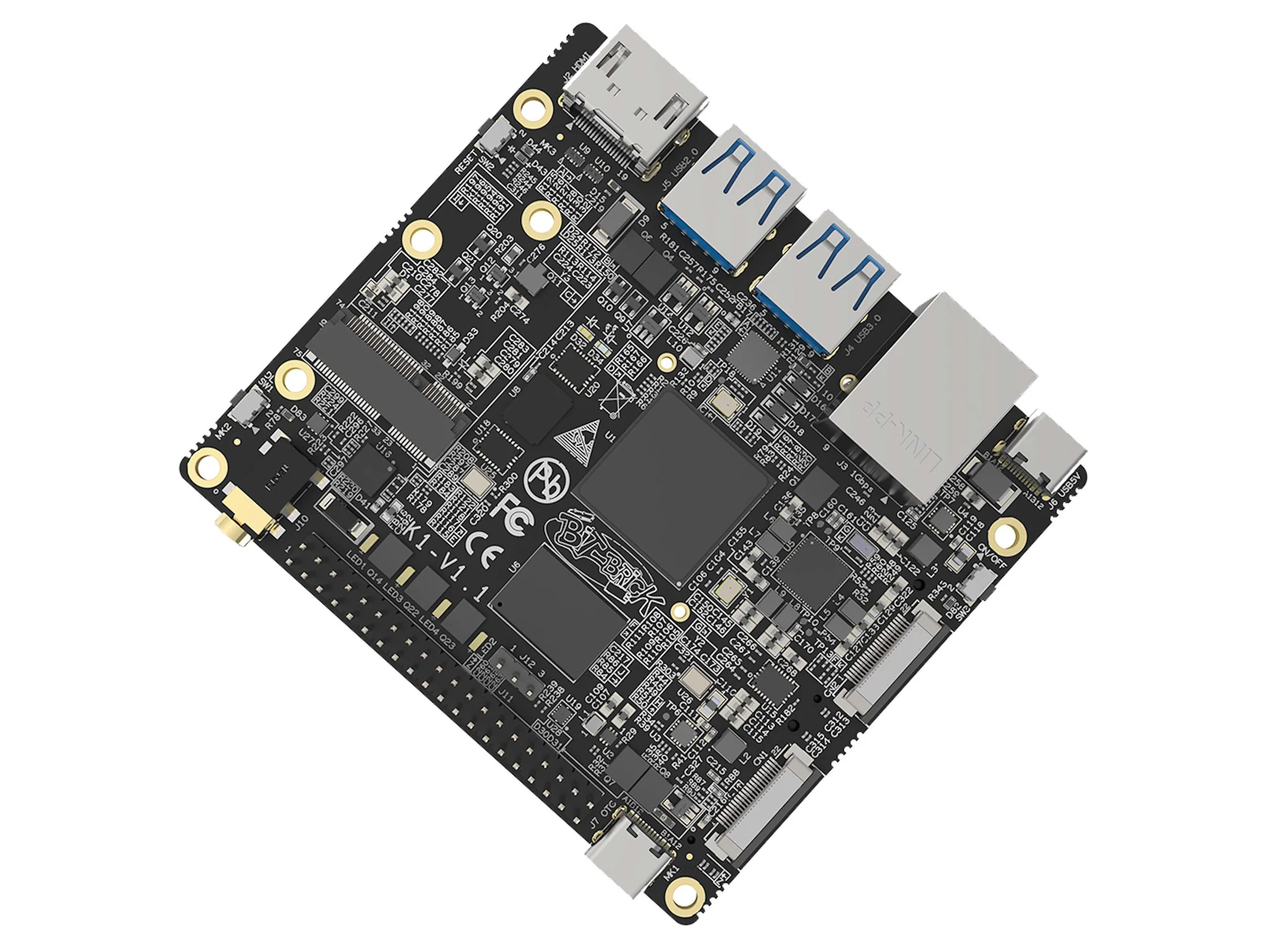
  • Bit-Brick K1: Raspberry Pi 5 Alternative with M.2 and PCIe Support

    Bit-Brick K1: Raspberry Pi 5 Alternative with M.2 and PCIe Support

    Key Takeaways

    1. The Bit-Brick K1 is a single-board computer powered by a RISC-V SpacemiT K1 chipset with eight X60 CPU cores and an IMG BXE-2-32 GPU, achieving 2 TOPS of AI performance.
    2. It supports various operating systems, including Bianbu OS and Open Harmony, but has less compatibility than x86 and ARM devices.
    3. The board measures 3.5 x 3.1 inches, features a Gigabit Ethernet port, and offers display connections via HDMI 1.4 (up to 1080p) and DSI, but lacks built-in WiFi.
    4. It includes multiple ports for connectivity, such as USB 3.0, USB 2.0, a 3.5 mm headphone jack, MIPI CSI for cameras, and three M.2 slots.
    5. The Bit-Brick K1 is priced around €80 on Aliexpress, with options for higher-priced packages that include additional accessories like a memory card and WiFi module.


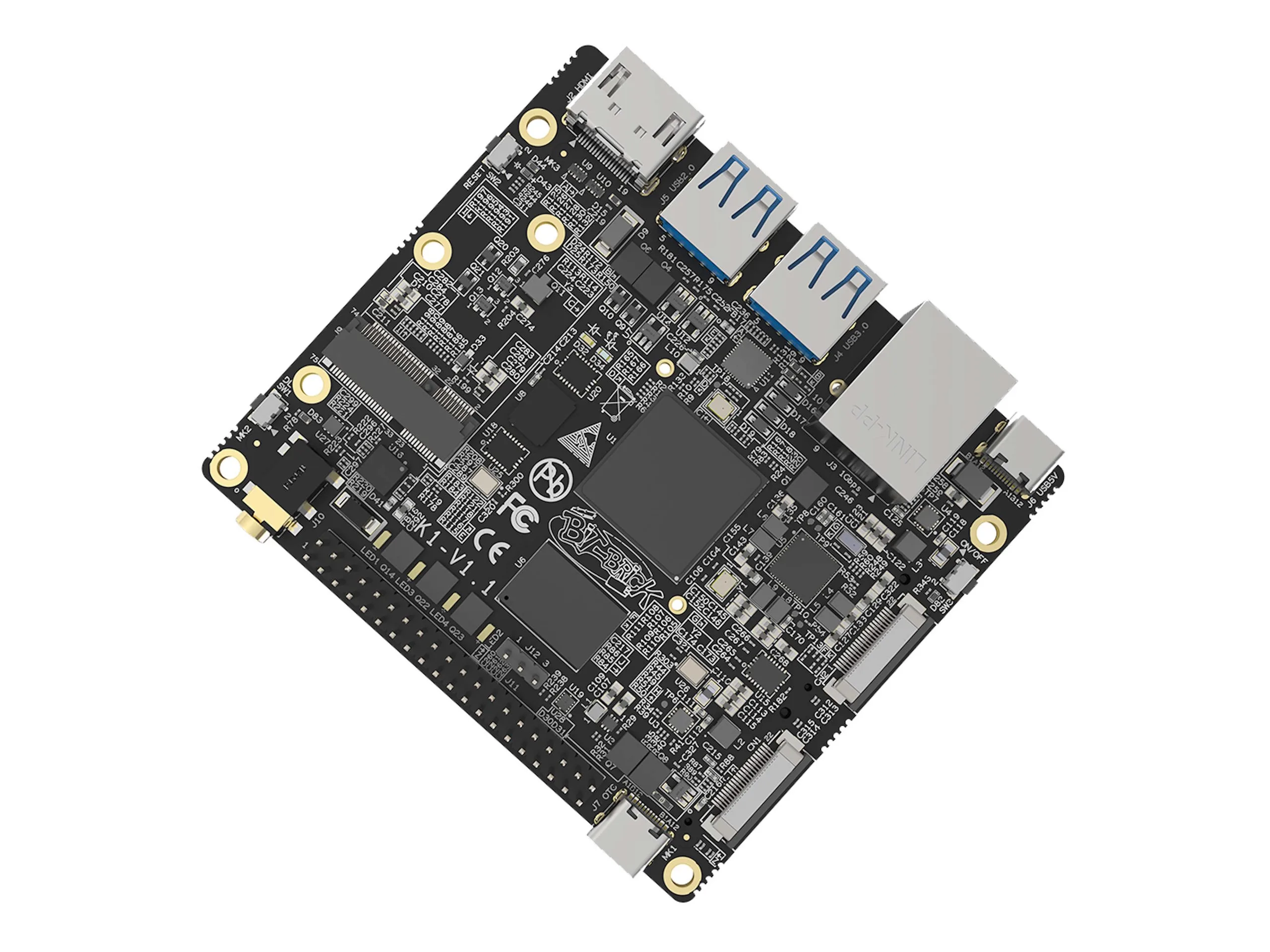
    We recently shared news about the Bit-Brick K1 Pro. The K1 is also a new single-board computer that is based on a similar idea as the Pro version, but it has some differences. Instead of using an ARM-based SoC, this SBC is driven by a RISC-V chipset known as the SpacemiT K1. This processor has eight X60 CPU cores and an IMG BXE-2-32 GPU, providing a total AI performance of 2 TOPS. The manufacturer claims that several operating systems can be used, although the compatability is not as broad as that of x86 and ARM-based devices. For example, Bianbu OS and Open Harmony are among the supported systems.

    Specs and Features

    The board measures 3.5 x 3.1 inches and features a Gigabit Ethernet port; however, unlike the Raspberry Pi 5, it lacks built-in WiFi. Displays can be connected through HDMI 1.4 or DSI, but the HDMI connection is restricted to a resolution of 1920 x 1080 pixels at 60Hz. Cameras can be linked using MIPI CSI, while the USB 3.0 and USB 2.0 ports are available for connecting other devices. It also includes a 3.5 mm headphone jack and has two microphones integrated. Additionally, the SBC features three M.2 slots in total—one Key E and two Key M. There’s also a 40-pin header for connecting different sensors and motors.

    Pricing and Availability

    Currently, the Bit-Brick K1 is available via direct import from Aliexpress for approximately €80. It comes with 4GB LPDDR4X RAM. For those looking for more, higher-priced packages include a memory card, heatsink, and a WiFi module.

    AliExpress, Bit-Brick

    Source:
    Link


  • K1 Pro: Fast Raspberry Pi 5 Alternative with Dual NVMe SSDs

    K1 Pro: Fast Raspberry Pi 5 Alternative with Dual NVMe SSDs

    Key Takeaways

    1. The Bit-Brick K1 Pro is a compact single-board computer (3.54 x 3.15 inches) with multiple M.2 slots for SSDs and WiFi cards, but lacks built-in WiFi and Bluetooth.
    2. It supports 4K resolution at 120Hz via HDMI 2.1 and includes MIPI-DSI and MIPI-CSI for display and camera interfaces.
    3. The board is powered by an RK3576 SoC with eight Cortex-A72 cores and a neural processing unit offering 6 TOPS (INT8), with memory options of 4GB to 8GB LPDDR4X.
    4. External storage can be connected through USB 3.0, and the board includes a USB-C power input and a 40-pin GPIO header, operating in extreme temperatures (-40° to 185°F).
    5. The Bit-Brick K1 Pro is available on AliExpress starting at around $160, with potential additional costs for shipping and import duties, and warranty enforcement may be challenging.


    The Bit-Brick K1 Pro is a fresh single-board computer that’s not just for connecting sensors and actuators, thanks to its diverse range of connectivity options. The board measures 3.54 x 3.15 inches and comes equipped with several M.2 slots—two Key-M and one Key-E, to be precise. These slots can fit M.2-2280 SSDs and WiFi cards. However, it’s worth noting that the SBC does not come with built-in WiFi or Bluetooth capabilities. Instead, users can connect to wired networks through Gigabit Ethernet.

    Connecting Displays

    For display purposes, the board features HDMI 2.1, which allows for 4K resolution at 120Hz, along with MIPI-DSI. While MIPI-DSI might not be of great interest to the average user, it is quite recognizable among makers. The same goes for MIPI-CSI, which is designed for camera interfaces. Depending on what you need, images can even be processed instantly with AI. The RK3576 SoC comes with eight Cortex-A72 CPU cores and has a neural processing unit that offers 6 TOPS (INT8). Additionally, users can choose between 4GB to 8GB of LPDDR4X memory, and the onboard eMMC storage options range from 32GB to 64GB.

    Storage and Power Options

    You can hook up external storage using USB 3.0, and there’s also USB 2.0 available for other accessories and input devices. The USB-C port serves as the power source for this alternative to the Raspberry Pi 5. Plus, the SBC is equipped with a 40-pin GPIO header, and it operates effectively in temperatures ranging from -40° to 185°F. Currently, the Bit-Brick K1 Pro is up for grabs on AliExpress, with prices starting around $160, though keep in mind that shipping costs and possible import duties might apply. Customers should also be cautious, as warranty rights may not be easily enforceable.

    AliExpress, Bit-Brick

    Source:
    Link


  • Affordable Raspberry Pi Alternative with Multiple USB-C Ports

    Affordable Raspberry Pi Alternative with Multiple USB-C Ports

    Key Takeaways

    1. The Radxa Cubie A7S is a new single-board computer priced around $44 on AliExpress and $25 from Araca Tech, offering 4 GB of RAM with options for 8 or 16 GB.
    2. It features an Allwinner A733 processor with two Cortex-A76 cores and six Cortex-A55 cores, supporting NPU performance of 3 TOPS.
    3. Video output is via USB-C, supporting DisplayPort and 4K resolution at 60 frames per second, along with MIPI CSI for video input.
    4. Connectivity options include Gigabit Ethernet, WiFi 6, and Bluetooth 5.4 for easy device pairing.
    5. The board has 45 GPIO headers, measures 51 x 51 mm, and supports NVMe SSD connection through an FPC connector with a PCIe 3.0 interface.


    A new, smaller substitute for the Raspberry Pi has hit the market. The Radxa Cubie A7S can be found on AliExpress for about $44, not including shipping costs, while Araca Tech offers it for approximately $25. At that lower price, buyers get a single-board computer equipped with just 4 GB of RAM; however, the model can also be found with options of 8 or 16 GB of LPDDR5 RAM. Additionally, there is an option for 256 GB of eMMC storage. Like most single-board computers, it comes with a microSD card slot to make installing the operating system simple.

    Performance and Connectivity

    The processor is an Allwinner A733, which features two Cortex-A76 cores and six Cortex-A55 cores. The NPU performance is rated at 3 TOPS. For video output, the setup is simple, but instead of HDMI, it uses USB-C, which can support DisplayPort and 4K resolution at 60 frames per second. The Cubie A7S can also accept video input through MIPI CSI, mainly from specific cameras, making it useful for automated image processing tasks. For networking, it includes Gigabit Ethernet and WiFi 6 support. There’s also Bluetooth 5.4, which allows for easy pairing with devices such as keyboards and mice.

    Power and Expansion Options

    Power is delivered through USB-C, with support also for USB 2.0 and USB OPT. Additionally, there are 45 GPIO headers, and the board measures 51 x 51 mm, featuring an FPC connector with a PCIe 3.0 interface (one lane). This setup permits the connection of NVMe SSDs, expanding the storage capabilities even further.

    Source:
    Link


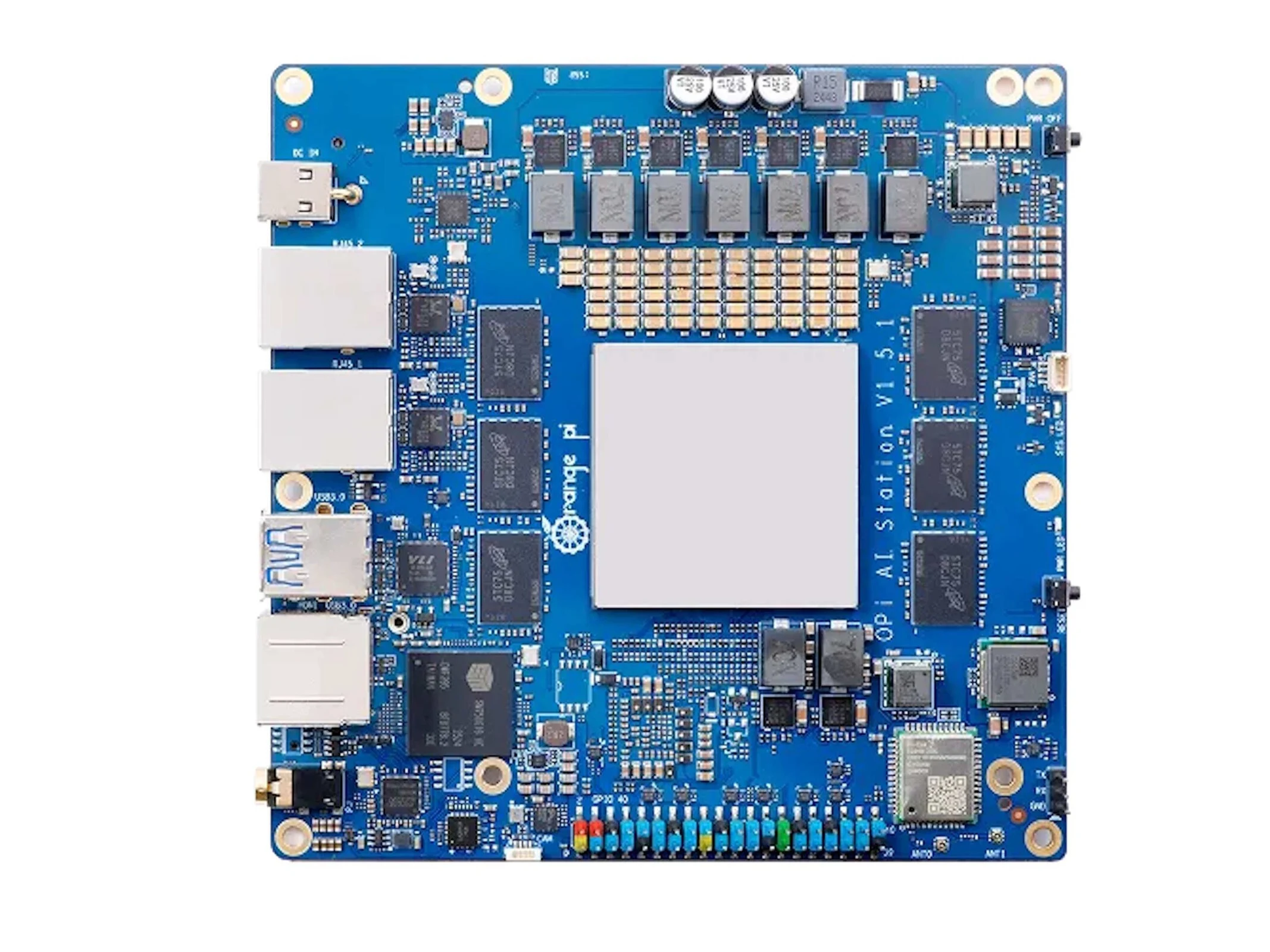
  • Orange Pi: Powerful SBC with 96GB RAM Outperforms Raspberry Pi 5

    Orange Pi: Powerful SBC with 96GB RAM Outperforms Raspberry Pi 5

    Key Takeaways

    1. The Orange Pi AI Station is a compact single-board computer (SBC) aimed at the DIY market for custom projects.
    2. It is powered by a Huawei Ascend 310 SoC with 10 AI cores, 16 CPU cores at 1.9 GHz, and 8 vector cores, offering an AI performance of 176 TOPS.
    3. The device runs on openEuler 22.03 and supports HDMI output with FHD resolution at 60 frames per second.
    4. Memory options include 48 or 96 GB of LPDDR4X RAM, with storage options up to 256GB eMMC, microSD cards, and PCIe SSDs.
    5. Connectivity features include two Gigabit Ethernet ports, built-in WiFi, and a 40-pin GPIO header for various controls; pricing and availability are not yet disclosed.


    The newly released Orange Pi AI Station is a compact single-board computer, which the maker refers to as a mini PC. In reality, it’s more of an SBC that serves as a base for creating a mini PC. This system is aimed at the DIY market and is designed for custom projects, meaning it might not be ready to go right out of the box. It runs on openEuler 22.03, and it features HDMI output capable of delivering FHD resolution at 60 frames per second.

    Powerful Hardware

    This fresh Orange Pi mini PC is powered by a Huawei Ascend 310 SoC, which includes an NPU boasting 10 AI cores, in addition to 16 CPU cores running at 1.9 GHz and 8 vector cores. The device claims an AI performance of 176 TOPS, indicating that it is tailored for applications requiring significant AI processing that can occur directly on the device. There are numerous potential applications, including real-time image analysis for crowd monitoring and swift identification of dangerous areas.

    Flexible Memory and Storage Options

    Depending on the setup, the LPDDR4X RAM comes in either 48 or 96 GB versions. This single-board computer can also accommodate up to 256GB of eMMC storage, plus microSD cards and a PCIe SSD. For connectivity, it includes two Gigabit Ethernet ports and built-in WiFi. An active fan can be added for cooling as well. Lastly, the Orange Pi SBC features a 40-pin GPIO header, which can be utilized for various controls like motors or alarms. Orange Pi has not yet disclosed the specific pricing or availability information.