Tag: 50 MP Camera

  • Vivo Launches V70 Elite to Compete with OnePlus Nord 5

    Vivo Launches V70 Elite to Compete with OnePlus Nord 5

    Key Takeaways

    1. Powerful Specifications: The Vivo V70 Elite features up to 12 GB of LPDDR5X RAM and 512 GB UFS 4.1 storage, ensuring high performance.

    2. Long-lasting Battery: It is equipped with a robust 6,500 mAh silicon carbon battery that supports 90 W wired charging.

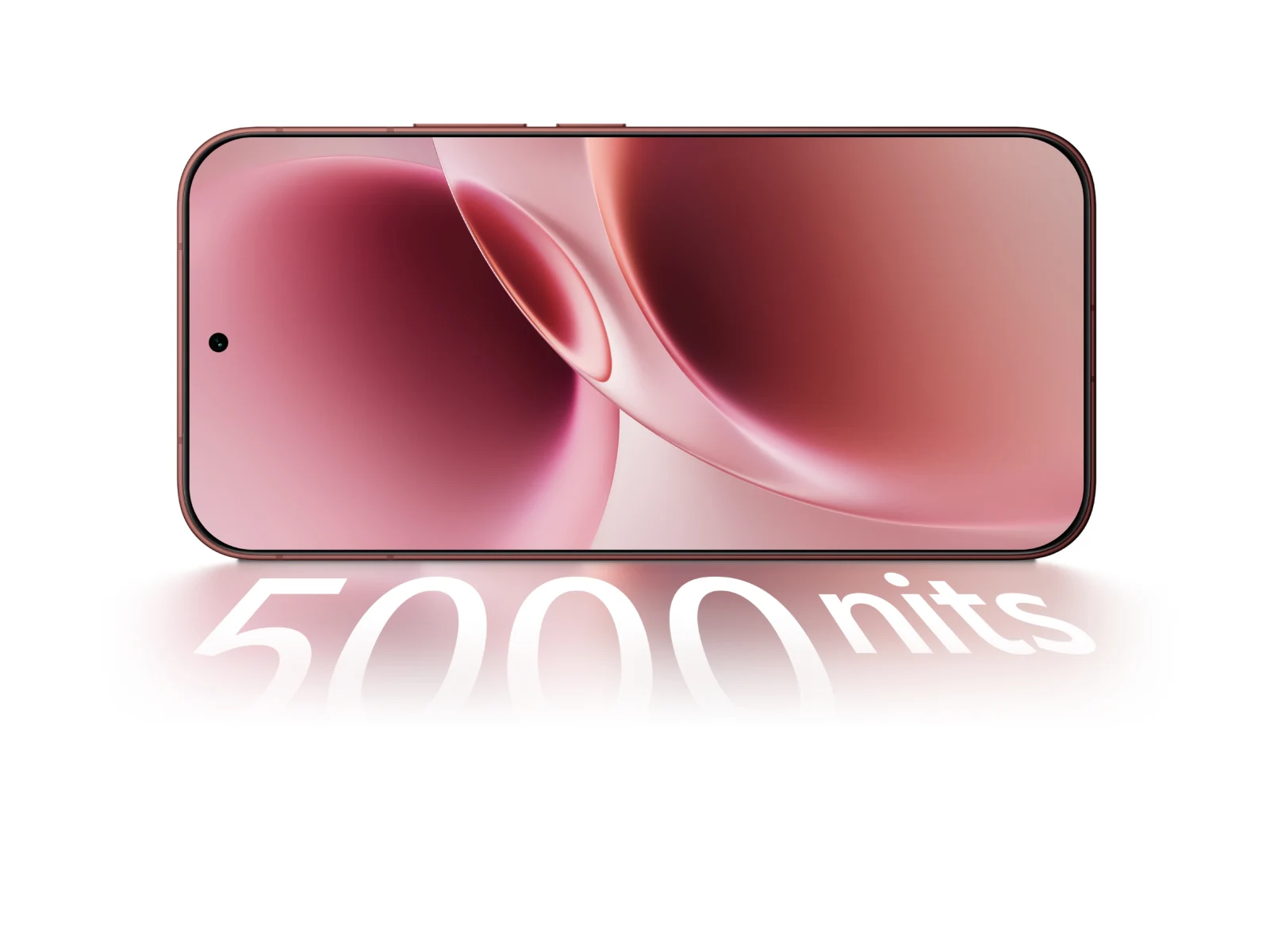
    3. High-Quality Display: The smartphone has a 6.59-inch AMOLED display with a 120 Hz refresh rate and peak brightness of 5,000 nits, protected by IP69 dust and water resistance.

    4. Advanced Camera System: The device includes a 50 MP primary camera, a 50 MP telephoto lens with 3x optical zoom, and an 8 MP ultra-wide-angle camera.

    5. Pricing Options: The starting price is INR 51,999 (approx. $571) for 8 GB RAM and 256 GB storage, and INR 61,999 (approx. $680) for 12 GB RAM and 512 GB storage.


    Vivo has teamed up with Qualcomm to deliver a powerful smartphone that features up to 12 GB of LPDDR5X RAM and 512 GB UFS 4.1 storage. The device is equipped with a robust 6,500 mAh silicon carbon battery that supports 90 W wired charging. Additionally, it sports a 6.59-inch AMOLED display, which is protected by IP69 dust and water resistance. This display refreshes at 120 Hz and reaches a peak brightness of 5,000 nits. It also includes a 32 MP front-facing camera and an ultrasonic fingerprint scanner embedded within the screen.

    Impressive Camera Setup

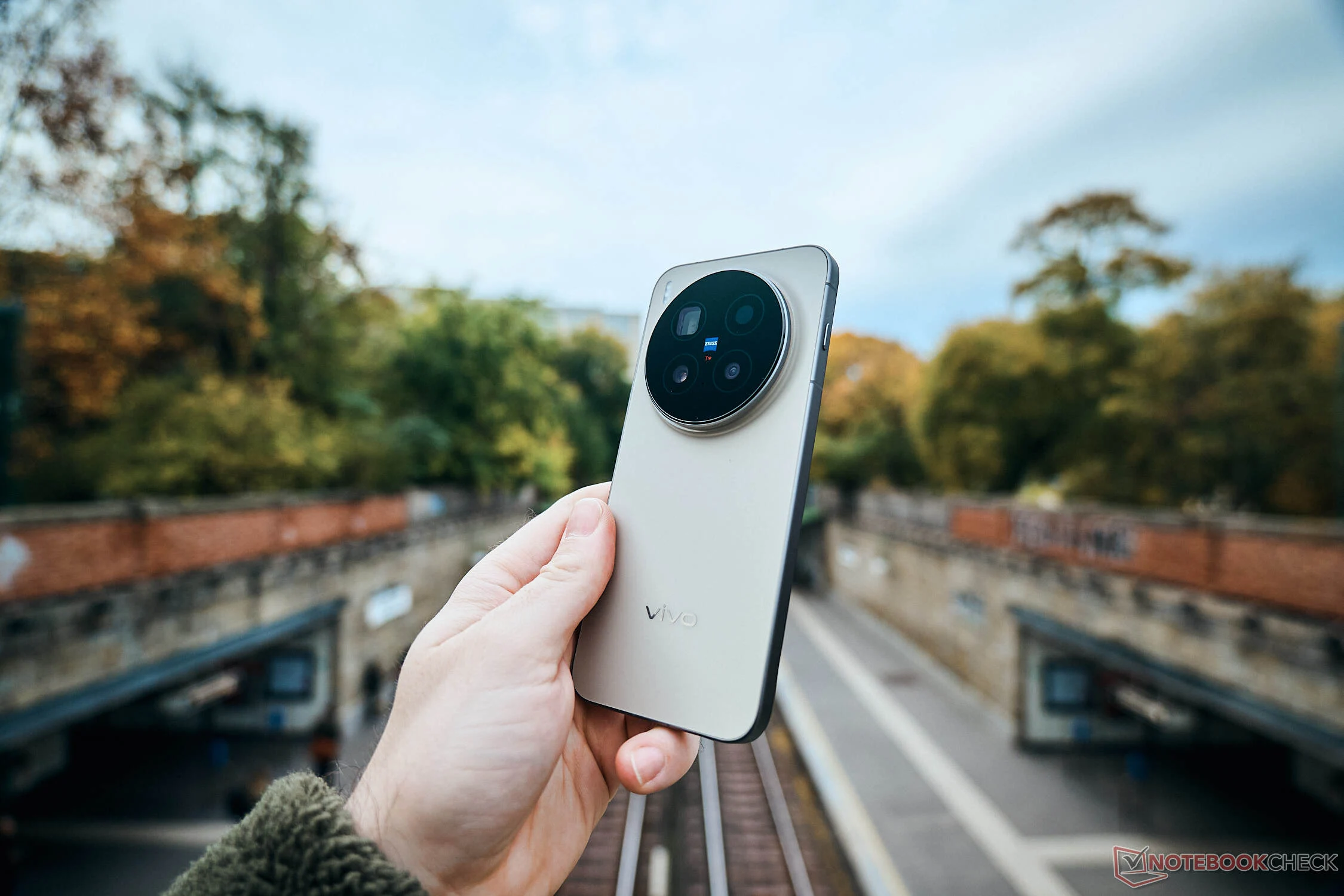
    In terms of photography, the Vivo V70 Elite features a 50 MP Sony LYT-700V primary camera (1/1.56-inch) along with a telephoto lens that also boasts 50 MP and provides 3x optical zoom. An 8 MP ultra-wide-angle camera is integrated into the squircle-shaped camera design. The images displayed above and below demonstrate how Vivo presents all this technology in two color options: Black Red and Sand Beige, both of which have matching frames and camera sections.

    Pricing and Availability

    The starting price for the V70 Elite is INR 51,999 (approximately $571) for the version with 8 GB of RAM and 256 GB of storage. If you’re looking for more power, the model with 12 GB of RAM and 512 GB of storage is available for INR 61,999 (around $680). For additional information, visit Vivo’s official website.

    Source:
    Link



  • OnePlus 15T: Key Features of Upcoming Compact High-End Phone

    OnePlus 15T: Key Features of Upcoming Compact High-End Phone

    Key Takeaways

    1. The OnePlus 15T will maintain the 6.31-inch display and 165 Hz refresh rate from the OnePlus 13T.
    2. It is expected to be powered by Qualcomm’s Snapdragon 8 Elite Gen 5 for improved performance.
    3. The camera setup includes a 50 MP main camera and a 50 MP telephoto lens, addressing previous criticisms of the 13T’s camera.
    4. The OnePlus 15T will feature a 3D ultrasonic fingerprint sensor for enhanced security.
    5. The battery capacity is rumored to increase significantly to around 7,000 mAh, compared to the 13T’s 6,260 mAh.


    OnePlus introduced the OnePlus 13T earlier this year in China. This phone is a small, budget-friendly high-end option designed to compete with devices such as the Oppo Find X8s and Vivo X200 Pro Mini. Now, a successor called the OnePlus 15T is coming, and new information has surfaced about it.

    Display and Design

    As per well-known leaker Digital Chat Station, the OnePlus 15T will keep the same 6.31-inch display as the 13T. Following the trend set by the larger OnePlus 15, the 15T’s screen will have a 165 Hz refresh rate and will be completely flat, featuring slim, uniform bezels around the edges.

    Performance and Camera

    The phone is expected to be powered by Qualcomm’s Snapdragon 8 Elite Gen 5, making it a strong contender in its category. It is also rumored to come with a 50 MP main camera and a 50 MP telephoto lens. The OnePlus 13T faced criticism for its mediocre cameras, so fans are looking forward to improvements in the upcoming 15T.

    Features and Battery Life

    In an interesting shift, the OnePlus 15T will replace the 13T’s optical fingerprint reader with a 3D ultrasonic sensor, which should enhance security. There are also rumors of a significant boost in battery capacity, with the 15T expected to have a battery in the 7,000 mAh range, compared to the 13T’s 6,260 mAh battery.

    Source:
    Link


  • Vivo S50 Pro Mini: Snapdragon 8 Gen 5 Flagship with iPhone Air Design

    Vivo S50 Pro Mini: Snapdragon 8 Gen 5 Flagship with iPhone Air Design

    Key Takeaways

    1. The Vivo S50 Pro mini features the Snapdragon 8 Gen 5 processor, making it a powerful successor to the S30 Pro mini.
    2. The design includes a rear camera layout similar to the iPhone Air, with a horizontal camera island.
    3. The camera setup remains largely unchanged, with a 50 MP main sensor and a 50 MP front camera suitable for social media.
    4. It has a 6.31-inch display with a 120 Hz refresh rate and a 6,500 mAh battery that supports fast and wireless charging.
    5. Pricing starts at approximately $524 for the base model, with higher configurations available, but global launch details are not yet announced.


    Vivo has officially launched the S50 series in China, with the S50 Pro mini being the standout model among the two devices. This smartphone is one of the first to feature the Snapdragon 8 Gen 5, a top-tier SoC that is just below the Elite version. This powerful processor makes the new compact phone a true successor to the S30 Pro mini, which has the Dimensity 9300+ chip.

    Design Changes

    One of the significant updates from its predecessor is the rear design. The Vivo S50 Pro mini now has a back that closely resembles the iPhone Air, showcasing a horizontal camera island that looks like Apple’s “camera plateau.” It’s worth noting that Vivo isn’t alone in this design trend, as the Honor 500 series has also drawn on similar inspiration.

    Camera Features

    However, the camera setup on the S50 Pro mini doesn’t show much improvement compared to the previous model. It still features a Sony 50 MP main sensor, along with a 50 MP periscope telephoto lens and an enhanced ultrawide camera. For selfies, there’s a 50 MP front camera, and the samples released by the brand seem ready for social media.

    Display and Battery

    On the front side, the Vivo S50 Pro mini sports a 6.31-inch flat display that offers a variable refresh rate of 120 Hz and 100% P3 color coverage. It is powered by a 6,500 mAh battery, identical to its predecessor, and supports 90 W fast charging (the 140 W Anker Prime charger is currently priced at $64.99 on Amazon). Additionally, it allows for 40 W wireless charging.

    Pricing Options

    In terms of price, the model with 12 GB of RAM and 256 GB of UFS 4.1 storage is priced at CNY 3,699, which is approximately $524. There are also two other configurations available, with the mid-tier version offering 512 GB of storage for CNY 3,999, around $567. The top-tier model, featuring 16 GB of RAM and 1 TB of storage, costs CNY 4,299, roughly $609. The S50 Pro mini comes in three color options, but Vivo has not yet announced when this Snapdragon 8 Gen 5 flagship will launch globally.

    Source:
    Link


  • Motorola Moto G57: New Mid-Range Smartphone with 4nm Snapdragon Chip

    Motorola Moto G57: New Mid-Range Smartphone with 4nm Snapdragon Chip

    Key Takeaways

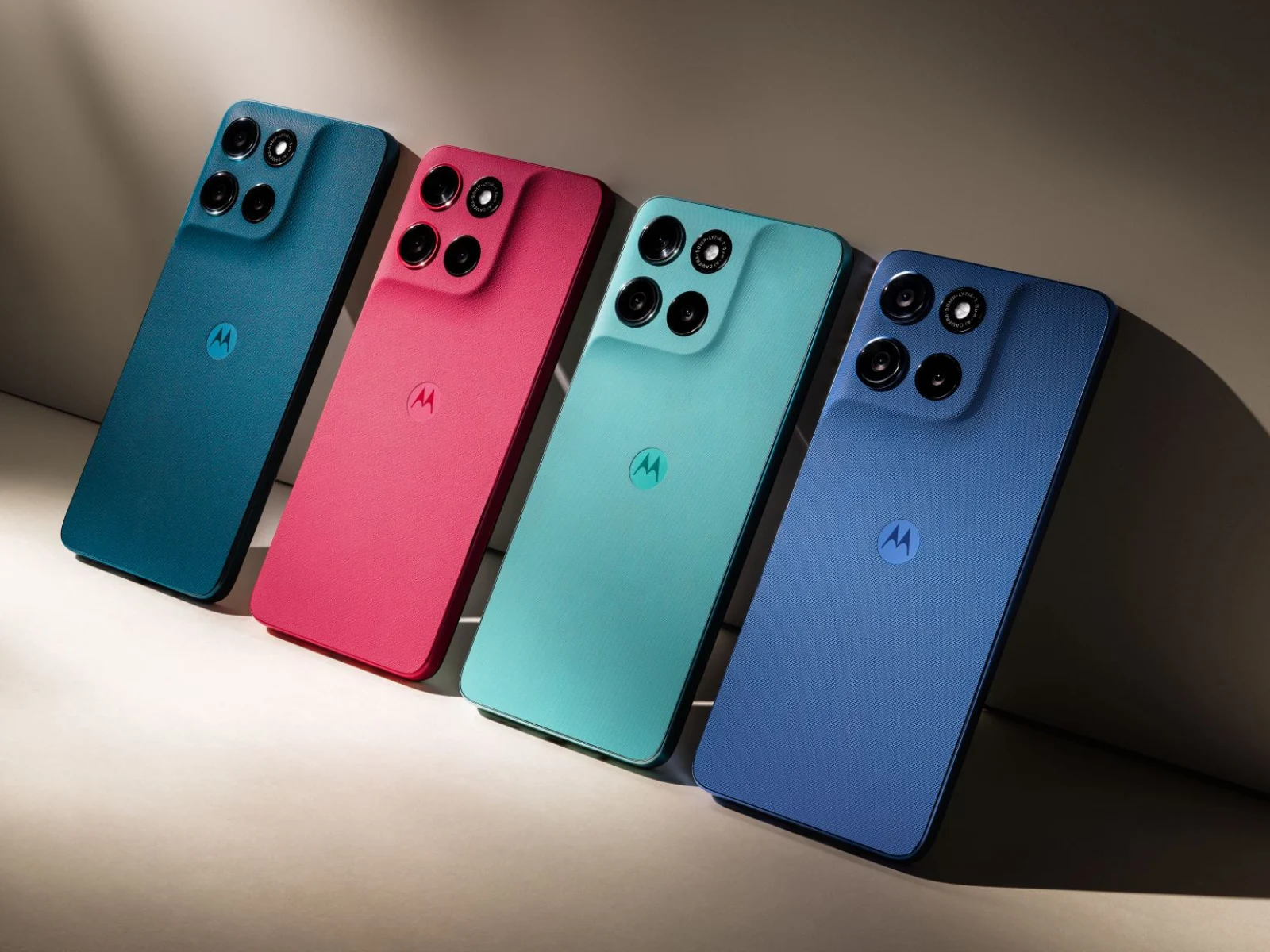
    1. The Moto G57 is a more affordable option compared to the Moto G57 Power, with some similarities to the Moto G56.
    2. It features a 5,200 mAh battery, 30 W wired charging, and a 6.72-inch IPS display with 1080p resolution, 1,050 nits brightness, and 120 Hz refresh rate.
    3. The camera setup includes a 50 MP main camera and an 8 MP ultra-wide camera, but the front camera has been downgraded to 8 MP from 32 MP in the Moto G56.
    4. The Moto G57 runs on the Snapdragon 6s Gen 4 chipset, which may offer better performance than the Dimensity 7060 in the Moto G56.
    5. The device is available for purchase in the Middle East and will launch in the Eurozone at a price of €249.


    The Moto G57 has been introduced as the more affordable option among two new smartphones from Motorola today. The other device, the Moto G57 Power, has its own details shared separately. While the Moto G57 Power has notable differences from the Moto G56, not all of these changes apply to the Moto G57.

    Battery and Display Features

    The Moto G57 maintains the same 5,200 mAh battery and 30 W wired charging capability as the previous model. This battery is said to last up to 47 hours on a single charge and retain over 80% of its health after 1,000 cycles. Additionally, the phone showcases a 6.72-inch IPS screen that has a resolution of 1080p, peak brightness of 1,050 nits, and a refresh rate of 120 Hz. In essence, it seems that Motorola has kept the display from the Moto G56 (currently priced at $229 on Amazon).

    Camera Specifications

    Motorola continues to equip the Moto G57 with a 50 MP main camera (Sony LYT-600) and an 8 MP ultra-wide camera. However, in a surprising move, the Moto G57 has been reduced to an 8 MP front camera, a downgrade from the 32 MP camera found in the Moto G56. On a different note, Motorola now pre-installs Android 16 over Android 15, but they haven’t specified how many major updates the Moto G57 will get.

    Performance and Availability

    Furthermore, the Moto G57 is powered by the Snapdragon 6s Gen 4, a 4 nm chipset that Qualcomm revealed earlier this month. Theoretically, the Snapdragon 6s Gen 4 offers more power than the Dimensity 7060 in the Moto G56, though it’s not clear just how much better it is. The Moto G57 is already up for purchase in the Middle East and is expected to hit the Eurozone at a price of €249, aligning it with the launch price of the Moto G56.

    Source:
    Link


  • Vivo X300 Pro Global Launch: Pro Camera and Telephoto Kit

    Vivo X300 Pro Global Launch: Pro Camera and Telephoto Kit

    Key Takeaways

    1. Vivo launched the X300 series globally, with the X300 Pro as the flagship model featuring the Dimensity 9500 chip.
    2. The global version of the X300 Pro has a smaller battery (5,440 mAh) compared to the Chinese version (6,510 mAh), but supports 40 W wireless and 90 W wired fast charging.
    3. The camera setup includes a 50 MP main camera, a 200 MP telephoto lens, and a 50 MP ultrawide lens, enhanced by the Pro Imaging Chip VS1 for better photo quality.
    4. Vivo offers a photography kit outside China, including a ZEISS 2.35x telephoto extender for improved zoom capability.
    5. The X300 Pro features a 6.78-inch display with a 120 Hz refresh rate, IP68/69 water and dust resistance, and comes with 16 GB of RAM and 512 GB of storage, priced at €1,399 in Europe.


    Vivo has launched the X300 series worldwide, with the X300 Pro being the brand’s top flagship smartphone. It runs on the Dimensity 9500, which is the latest high-performance chip from MediaTek. However, the global version has a smaller battery compared to the Chinese variant.

    Battery Specifications

    To give you some context, the Chinese Vivo X300 Pro comes with a 6,510 mAh battery, whereas the international version has a 5,440 mAh battery. On the bright side, the global model still supports 40 W wireless charging and 90 W wired fast charging (145 W Baseus 20K power bank currently priced at $69.99 on Amazon).

    Camera Features

    The camera setup is identical to its Chinese counterpart. It includes a 50 MP Sony LYT-828 main camera on the rear, alongside a 200 MP Samsung HPB telephoto lens and a 50 MP JN1 ultrawide lens. Vivo emphasizes that these cameras are powered by the Pro Imaging Chip VS1, which is designed to deliver sharp details, brighter low-light photos, and high-quality videos. The images we took with this phone (shown below) are indeed quite impressive.

    Photography Kit

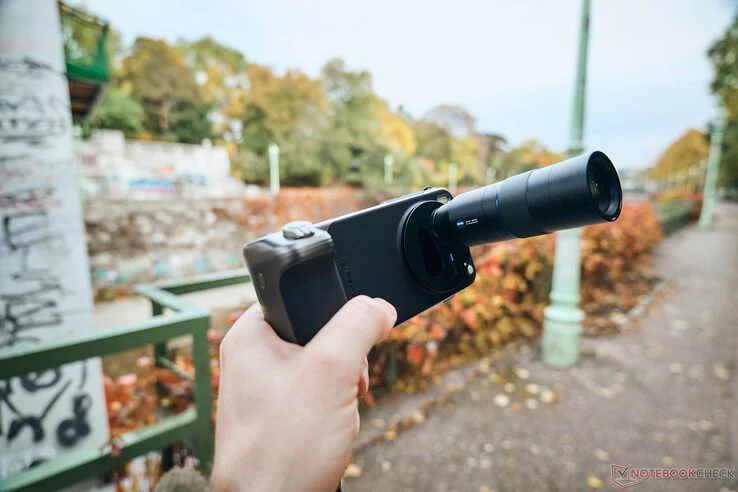
    Moreover, Vivo has made its photography kit available outside of China. One option includes the ZEISS 2.35x telephoto extender kit, which, as its name implies, enhances the zoom capability of the telephoto sensor. Based on our experiments, the teleconverter does provide detailed zoomed images, particularly in bright daylight.

    Additional Features

    On the front side, the Vivo X300 Pro sports a 50 MP Samsung JN1 selfie camera. Other notable features of this flagship smartphone are its 6.78-inch display with a 120 Hz refresh rate, USB 3.2 Gen 1 Type-C connection, IP68/69 ratings for water and dust resistance, and it comes pre-installed with Android 16.

    In the European market, the Vivo X300 Pro is offered with 16 GB of RAM and 512 GB of storage, retailing at €1,399. Don’t miss our hands-on video review below for more details on this new flagship camera device.

    Source:
    Link


  • OnePlus Ace 6: Affordable Sub-Flagship with Impressive Camera Features

    OnePlus Ace 6: Affordable Sub-Flagship with Impressive Camera Features

    Key Takeaways

    1. The OnePlus Ace 6 will debut in China alongside the OnePlus 15, featuring the Snapdragon 8 Elite Gen 5 processor as a budget-friendly sub-flagship phone.
    2. It includes a Sony 50 MP primary camera sensor, promising “crystal-clear” images with vibrant colors and good detail in bright conditions.
    3. The primary camera has a 24 mm focal length and an f/1.8 aperture, but its low-light performance is still uncertain.
    4. The Ace 6 is expected to have an 8 MP ultrawide secondary camera, but it will not include a telephoto lens, which may be a drawback compared to competitors.
    5. Other notable features include a 165 Hz display, a metal mid-frame, and a 7,800 mAh battery with 120 W fast charging, with a global release anticipated as the OnePlus 15R.


    The OnePlus Ace 6 is set to debut in China, alongside the OnePlus 15, which is powered by the Snapdragon 8 Elite Gen 5. This upcoming device aims to be a budget-friendly sub-flagship phone, and recent teasers have hinted at impressive specifications for its price range. The company’s latest teasers have highlighted the smartphone’s camera features.

    Camera Specifications

    According to OnePlus, the Ace 6 will be equipped with a Sony 50 MP primary sensor, using the same technology that its sister brand, Oppo, employs for its premium devices. This blend is said to deliver “crystal-clear” images, with well-defined shadows and highlights, along with bright colors.

    Sample Photos and Performance

    OnePlus has provided sample photos taken with the Ace 6’s cameras. These samples indicate that the primary sensor will have a 24 mm focal length and an f/1.8 aperture. They show the phone’s ability to capture detailed and vibrant images in bright conditions, but it remains uncertain how well it will perform in low-light situations.

    Additional Camera Features

    Moreover, there appears to be a secondary camera on the back, rumored to be an 8 MP ultrawide sensor. If this is correct, the Ace 6 will lack a telephoto camera, which could be seen as a downside when compared to the camera configuration of the newly launched Redmi K90, which also uses the Snapdragon 8 Elite.

    On the bright side, other specifications look promising. The device will feature a 165 Hz display, a metal mid-frame, and a robust 7,800 mAh battery that supports 120 W fast charging (the 140 W Anker Prime charger is currently priced at $79.99 on Amazon). The Ace 6 is anticipated to be released globally as the OnePlus 15R, positioned below the OnePlus 15. More information will be revealed at the launch event on October 27, 2025.


  • Xiaomi Reveals Redmi Note 15 Pro Plus Design Before Launch

    Xiaomi Reveals Redmi Note 15 Pro Plus Design Before Launch

    Key Takeaways

    1. Launch Date: The Redmi Note 15 series will be unveiled in China on August 21, 2025.

    2. Design Features: The Redmi Note 15 Pro+ retains a similar rear design to the Redmi Note 14 Pro Plus, featuring a 50 MP main camera with OIS and two additional cameras, including a 50 MP telephoto lens.

    3. Durability: The phone has a “double-side drop-resistant” design, can endure a 2-meter drop test 50 times, and has an IP69K rating for waterproof capabilities.

    4. Expected Specifications: It is rumored to have an OLED display with “1.5K” resolution, a Snapdragon 7s Gen 4 processor, up to 16 GB of RAM, and a 7,000 mAh battery with 90 W fast charging.

    5. Updates: More official information will be shared through teasers on Weibo leading up to the launch.


    Xiaomi is all set to introduce the Redmi Note 15 series in China, with the latest announcements confirming that the series will be unveiled on August 21, 2025. Just days ahead of the full reveal, the company has shared a glimpse of the design for the Pro+ model, which appears to be quite similar to its predecessor.

    Design Similarities

    The rear design features a camera island akin to that of the Redmi Note 14 Pro Plus, though it lacks the dual-tone aesthetic. Xiaomi has also revealed that the back will incorporate a 50 MP sensor with Optical Image Stabilization (OIS), along with two additional cameras. One of these is anticipated to be a 50 MP telephoto lens, while the other is likely an ultrawide sensor. Furthermore, Xiaomi points out that the Redmi Note 15 Pro+ boasts a fully curved display, which is designed to provide a premium look and comfortable feel in hand.

    Durability and Build Quality

    Xiaomi highlights that the Redmi Note 15 Pro Plus features a “double-side drop-resistant” design and utilizes “flagship Dragon Crystal Glass.” The device is claimed to withstand a 2-meter drop test 50 times, indicating that this mid-range smartphone is built to be quite durable against drops.

    In addition to its robust build, the phone has received an IP69K rating, which the company asserts grants it “true waterproof” capabilities, adding to its appeal for users seeking durability.

    Expected Specifications

    While Xiaomi has not disclosed extensive specifications for the Redmi Note 15 Pro Plus, recent leaks suggest that it will come with an OLED display featuring a “1.5K” resolution. It is believed to be powered by the Snapdragon 7s Gen 4 processor, paired with up to 16 GB of RAM. The mid-range device is also rumored to be equipped with a large 7,000 mAh battery that supports 90 W fast charging (150 W Anker 747 currently priced at $99.99 on Amazon). More official information is anticipated to be shared through teasers leading up to the August 21 launch.

    Source:
    Link


  • Motorola Moto G96 Launch: Four Pantone Colors & 144Hz OLED Display

    Motorola Moto G96 Launch: Four Pantone Colors & 144Hz OLED Display

    Key Takeaways

    1. The Moto G96 features a Qualcomm Snapdragon 7s Gen 2 chipset, similar to the Edge 50 Fusion.
    2. It includes a 50 MP primary camera with a Sony LYT-700C sensor and a 32 MP front camera, supporting 4K video recording.
    3. The smartphone has a 5,500 mAh battery with 33 W wired charging and a 6.67-inch pOLED display with 1080p resolution and a 144 Hz refresh rate.
    4. Motorola promises one Android update and three years of security patches for the Moto G96.
    5. The device offers 8 GB of RAM with storage options of 128 GB or 256 GB and comes in multiple colors, with sales starting on July 9 in India.


    Motorola has introduced the Moto G96 in India following a brief teaser campaign. This new model comes after several other Moto G smartphones such as the Moto G56, Moto G66j, and Moto G86. The Moto G96 uses the Qualcomm Snapdragon 7s Gen 2 chipset, which was also featured in last year’s Edge 50 Fusion (currently priced at $299.99 on Amazon). It appears that the Moto G96 shares many similarities with the Edge 50 Fusion in various aspects.

    Camera Features

    For example, the Moto G96 is equipped with the same Sony LYT-700C sensor found in its primary camera, allowing for a 50 MP native output and featuring a 1/1.56-inch optical size. Additionally, there is a 32 MP front camera, but the Moto G96 only has an 8 MP ultra-wide-angle camera. It’s noteworthy that the device supports video recording up to 4K at 30 FPS for both front and rear cameras.

    Battery and Display

    The Moto G96 is fueled by a 5,500 mAh battery, which supports 33 W wired charging. Additionally, it features a 6.67-inch pOLED display that boasts a native 1080p resolution, a 144 Hz refresh rate, and a maximum brightness of 1,200 nits, or 1,600 nits in HDR mode. Interestingly, Motorola only promises one Android update along with three years of security patches for this 7.9 mm thick and 178 g heavy smartphone.

    Motorola is set to reveal pricing on July 9, coinciding with the start of sales in India. Currently, the company has confirmed that the Moto G96 will come with 8 GB of RAM and options for 128 GB or 256 GB of storage, available in colors like Pantone Ashleigh Blue, Cattleya Orchid, Dresden Blue, and Greener Pastures. Motorola has not specified if the Moto G96 will be available outside of India.

    Source:
    Link


  • Nothing Phone (3) Launch: Unique Design and Price Revealed

    Nothing Phone (3) Launch: Unique Design and Price Revealed

    Key Takeaways

    1. Design and Display: The Nothing Phone (3) features a dot-matrix display with 489 individually controllable LED lights and comes in Black and White color options.

    2. Unique Glyph Button: A special Glyph button allows users to switch between various widgets, including a battery display, mirror, digital clock, games, and more, with future functionalities expected through updates.

    3. Camera Capabilities: The device has three 50 MP camera modules (wide-angle, telephoto, ultra-wide) and a 50 MP front camera, all capable of recording 4K video using XDR technology.

    4. Performance and Battery: Powered by Qualcomm’s Snapdragon 8s Gen 4 SoC, it offers up to 16 GB RAM, 512 GB storage, a 5,100 mAh battery (5,500 mAh in India), and supports 65 Watts charging and wireless charging.

    5. Software and Pricing: The phone will receive seven years of software support with five major Android updates, and the base model starts at €799, while the higher-spec model costs €899.


    After a long wait filled with leaks and rumors, the Nothing Phone (3) has officially launched. This model comes in two color options: Black and White. The famous glyph interface has been swapped out for a dot-matrix display that includes 489 individually controllable LED lights, similar to those found in premium Asus ROG laptops.

    New Features

    The Phone (3) introduces a special Glyph button that allows users to switch between various widgets. These include a battery level display, a mirror for perfect selfies, a digital clock, a stopwatch, a magic 8-ball, a spin-the-bottle game, and a leveller for checking alignment. More functionalities are expected to be added through an OTA update in the future.

    Camera Specifications

    Nothing has already shown nearly everything about the Phone (3) through leaks and teasers. The device features three camera modules placed asymmetrically— a 50 MP wide-angle lens with OIS, a 50 MP periscope telephoto lens with OIS and 6x optical zoom, plus a 50 MP ultra-wide-angle lens. For selfies and video calls, there’s a smaller 50 MP camera at the front.

    The cameras are capable of recording 4K video using XDR technology, which is unique to Nothing. The Nothing Phone (3) boasts a 6.7-inch FHD+ (1,260 x 2,800) AMOLED display with an adaptive 120 Hz refresh rate, peak brightness of 4,500 nits while displaying HDR content, full-screen brightness of 1,600 nits, a 1,000 Hz touch sampling rate, and a PWM dimming frequency of 2,160 Hz.

    Performance and Battery

    Inside, the Phone (3) is powered by Qualcomm’s Snapdragon 8s Gen 4 SoC and can be equipped with up to 16 GB of LPDDR5X RAM and 512 GB of UFS 4.0 storage. It is fueled by a 5,100 mAh battery that supports 65 Watts charging. Interestingly, the version sold in India ups the battery capacity to 5,500 mAh. The device also includes Qi 1.3 wireless charging.

    Finally, the Nothing Phone (3) is set to receive an impressive seven years of software support, which includes five major Android updates, all featuring NothingOS. An under-display fingerprint sensor provides biometric security. Connectivity options are comprehensive, featuring Bluetooth 5.0, Wi-Fi 6, NFC, and 5G. The smartphone is protected by a layer of Corning Gorilla Glass and holds an IP68 rating.

    Pricing Details

    Now, let’s talk about the price. The Nothing Phone (3) is not exactly cheap; the base model with 12 GB RAM and 256 GB storage will cost you €799. If you opt for the higher-spec model that has 16 GB RAM and 512 GB storage, it will set you back €899 EUR.

  • Vivo Confirms Specs for New X200 FE Compact Sub-Flagship Phone

    Vivo Confirms Specs for New X200 FE Compact Sub-Flagship Phone

    Key Takeaways

    1. The Vivo X200 FE is set to launch on June 23, 2025, featuring a design similar to the S30 Pro mini.
    2. It will have a triple-camera setup with a 50 MP Sony IMX882 telephoto lens, a 50 MP IMX921 main camera, and an 8 MP ultrawide sensor, enhanced by ZEISS tuning.
    3. The smartphone will include AI Image Studio and Image Expander for improved image quality, with a likely 50 MP front camera.
    4. It will have a large 6,500 mAh battery supporting 90 W fast charging, allowing for extensive gaming and video playback.
    5. The device will measure 7.9 mm in thickness and weigh 186 grams, featuring the Dimensity 9400e chipset instead of the Dimensity 9300+.


    The Vivo X200 FE is all set to be officially launched on June 23, 2025. Teasers released by the company have already indicated that the phone will feature a design akin to the S30 Pro mini. The latest promotional page also reveals some key specifications of this upcoming sub-flagship device.

    Camera Features

    With this update, Vivo has confirmed that the rear of the X200 FE will include a triple-camera arrangement. This setup features a 50 MP Sony IMX882 telephoto lens, a 50 MP IMX921 main camera, and an 8 MP ultrawide sensor. This compact smartphone will also come with ZEISS tuning, which includes Multifocal Portrait packages.

    Additional Features

    Vivo emphasizes that the X200 FE will be equipped with AI Image Studio and Image Expander. These functions will allow users to enhance the images taken with the smartphone. Although the company has not disclosed specifics about the front camera, it is anticipated to be a 50 MP sensor.

    Battery and Dimensions

    In addition to the rear cameras, Vivo has announced that the X200 FE will house a 6,500 mAh battery that supports 90 W fast charging (200 W Ugreen Nexode 25k power bank currently priced at $99.99 on Amazon). The company suggests that this large battery can deliver up to 9.55 hours of gaming and 25.44 hours of YouTube video playback.

    The revealed specs also include the dimensions of the device. The Vivo X200 FE is expected to measure 7.9 mm in thickness and weigh just 186 grams, which aligns with the S30 Pro mini. However, instead of featuring the Dimensity 9300+, this upcoming compact sub-flagship is likely to be equipped with the Dimensity 9400e.

    Source:
    Link