Tag: Vivo X300 Pro

  • Vivo X300 Ultra vs Pro: Surprising Dxomark Camera Test

    Vivo X300 Ultra vs Pro: Surprising Dxomark Camera Test

    Key Takeaway

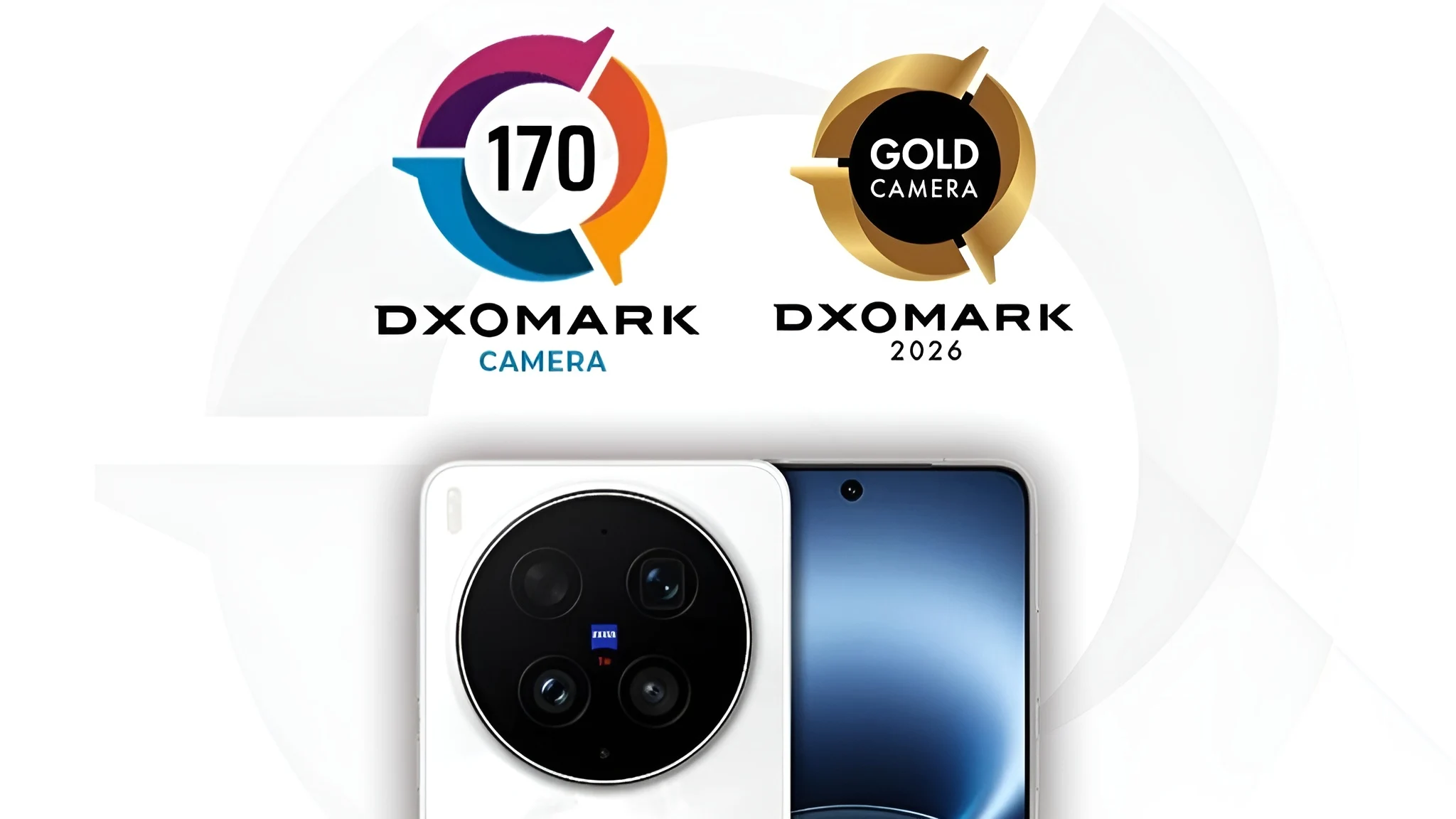
    – Vivo X300 Pro ranks 2nd in DxOMark, ahead of the more expensive X300 Ultra by just one point.
    – X300 Ultra loses 10 points in main camera video rating, causing its lower overall score.
    – X300 Pro outperforms X300 Ultra in low-light performance.
    – X300 Ultra excels in ultra-wide, telephoto, bokeh, and zoom, but struggles with video and low-light consistency.
    – Overprocessing leads to unnatural photos and artifacts, especially in darkness.


    Vivo X300 Ultra Camera Test Results

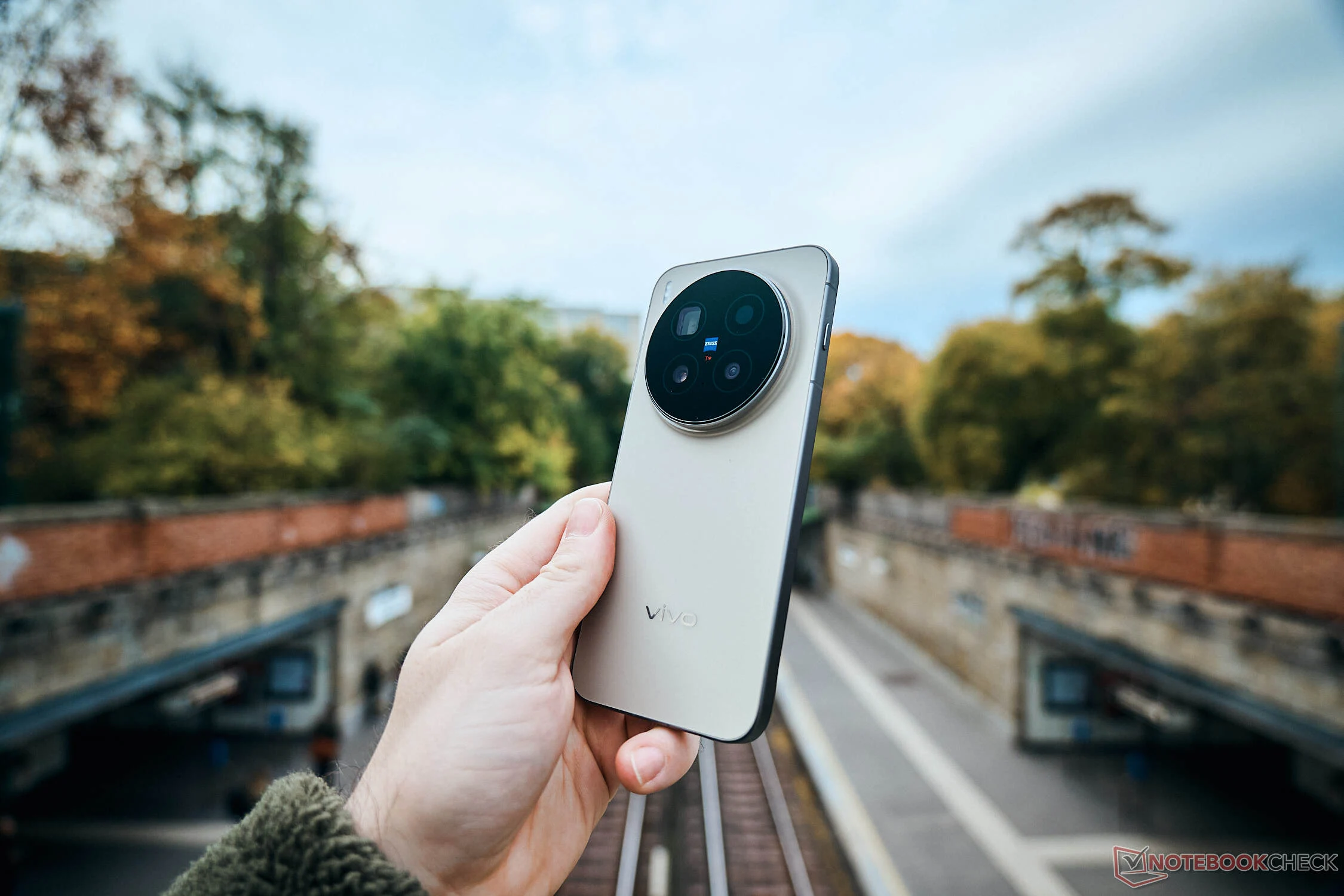
    The Vivo X300 Pro reached second place in in DxoMark camera test at the end of 2025, a position it still holds today, directly behind the Huawei Pura 80 Ultra, which has topped the ranking of the best smartphone cameras for months. There has been little movement among the top three until now: DxOMark has just published its Vivo X300 Ultra camera test, and it ends with a small surprise.

    Point Distribution and Surprising Rankings

    The current Zeiss camera flagship, which is around €600 more expensive than last year’s Pro model, lands in third place behind the Vivo X300 Pro in terms of points, which is somewhat surprising. So let’s take a look at where the Vivo X300 Ultra’s camera fell short in DxOMark’s eyes and why the more affordable Vivo flagship apparently received a slightly better rating overall.

    Video Performance and Low Light Issues

    By just a single point, the Vivo X300 Pro’s lead isn’t huge, but one could be forgiven for expecting a clear victory for the Ultra model. Looking at the point distribution between the two Vivo contenders, one outlier stands out in particular. While the X300 Ultra scores more or at least as many points as the Pro model in virtually all categories, the Vivo X300 Ultra falls short by a full 10 points in the main camera’s video rating, which apparently tipped the scales in favor of the overall score.

    In terms of usage scenarios, the Vivo X300 Pro still maintains its top position in low-light performance, ahead of the Vivo X300 Ultra. The rather negative assessment of video performance by DxoMark is likely to hurt Vivo, as the Vivo X300 Ultra was specifically developed and marketed for this area. After all, the Zeiss Ultra flagship still achieves top scores in ultra-wide-angle, telephoto, bokeh and zoom.

    Test Comments and Final Rankings

    In the test comments, the camera testers mention inconsistent performance in challenging situations, particularly during video recording and in low light. In darkness, the testers also apparently struggled with increased noise, artifacts and unnatural AI textures. In general, the testers note that the somewhat excessive overprocessing can result in unnatural photos. Nevertheless, the Vivo X300 Ultra currently dominates our list of the top camera phones, followed closely by the Vivo X300 Pro and the Oppo Find X9 Ultra in third place.

    • Vivo X300 Pro: 2nd place overall, strong low-light performance
    • Vivo X300 Ultra: 3rd place overall, 10 points lower in video rating
    • Huawei Pura 80 Ultra: 1st place, holds top ranking for months


  • Oppo Find X9 Ultra: 10x Optical Zoom vs Teleconverter Setup

    Oppo Find X9 Ultra: 10x Optical Zoom vs Teleconverter Setup

    Key Takeaways

    1. The Oppo Find X9 Ultra features a built-in 10x zoom module that allows for high-quality photos without the need for additional gear like teleconverters.
    2. The new zoom module includes a compact design with a five-reflection, W-shaped light path, enhancing optical performance while minimizing stray light.
    3. Oppo uses advanced ND filter coatings and precision-crafted prisms to improve light control and ensure consistent color across its camera system.
    4. Marketing tactics may exaggerate the capabilities of the Find X9 Ultra compared to competitors, like the Vivo X300 Pro, which may offer superior image quality with its dedicated teleconverter.
    5. Early sample images suggest that the Find X9 Ultra’s 10x optical zoom can provide satisfactory results for most users, even if it doesn’t match dedicated teleconverter setups.


    Even though external lenses like teleconverters made for the Vivo X200 Ultra or X300 Pro can provide excellent performance, they usually need a special case and extra gear to carry if you want to take high-quality pictures of faraway subjects. The new Oppo Find X9 Ultra, set to launch globally in April, could be a great choice for those who like to travel light.

    Innovative Zoom Module

    Oppo has recently released teasers on Weibo and through Pete Lau on X to highlight its built-in 10x zoom module. In China, the company has given a pretty detailed view of the design and how the system works. Oppo has introduced a new mirror assembly that is only 29 mm long, which has a five-reflection, W-shaped light path to achieve excellent optical performance with a focal length of 230 mm.

    Improved Light Control

    This module is reportedly designed to produce much less stray light compared to a traditional four-reflection system. Oppo credits this, in part, to ND filter coatings along the light path and prisms crafted with nano-level precision. Although the Samsung ISOCELL JN5 (1/2.76-inch, 50 MP) isn’t the latest sensor, Oppo mentioned on Weibo that it has been fine-tuned for the optical zoom system, helping to keep color consistent with the other cameras on the Find X9 Ultra. A triple-calibration process is also used during production to ensure each module performs at its best.

    Marketing vs Reality

    A teaser video from China shows a hefty teleconverter vanishing into the Find X9 Ultra, which is more of a clever marketing tactic than an accurate depiction. In contrast, the Vivo X300 Pro combined with its 200 mm teleconverter utilizes a 1/1.4-inch, 200 MP sensor, which theoretically should provide much better image quality than the Find X9 Ultra’s native 10x periscope zoom, no matter how impressive Oppo’s solution is compared to past attempts.

    Sample Images and Performance

    The sample image below is meant to show what the Oppo Find X9 Ultra’s 10x optical zoom can achieve when placed next to an unnamed flagship that has an external telephoto extender. If Oppo’s system can come close to the quality that a dedicated teleconverter setup provides, it should be good enough for most users. At the very least, it’s a handy option when you lack a teleconverter.

    In the comparison shown above, the photographer was understandably quite distant from the subject, as evident in this photo taken at 1x zoom.

    Previous Generations

    Referring to earlier models, the next clip compares the Find X9 Ultra’s native 10x zoom with that of an unnamed previous-generation phone that offers the same zoom level. This likely points to either the Samsung Galaxy S23 Ultra or the Huawei Pura 80 Ultra, as no other devices seem to fit the description.

    OPPO Zhuo Shijie Weibo, Pete Lau auf X, Oppo Weibo.

    Source:
    Link


  • Vivo X300 Pro Named Best Camera Phone of 2025 in Blind Test

    Vivo X300 Pro Named Best Camera Phone of 2025 in Blind Test

    Key Takeaways

    1. The blind camera test featured 12 top smartphones, including the iPhone 17 Pro Max and Galaxy S25 Ultra, with voting for daytime and low-light photography.
    2. The iPhone 17 Pro Max and Pixel 10 Pro XL both achieved 67% of the votes in their initial matchups, while the Nothing Phone (3) surprisingly eliminated the Huawei Pura 80 Ultra.
    3. In the second round, the Pixel 10 Pro XL advanced by defeating the iPhone, and the Nothing Phone (3) shocked many by eliminating the Galaxy S25 Ultra with 86% of the votes.
    4. The final round saw the Vivo X300 Pro narrowly win against the Pixel 10 Pro XL, with 47% of the votes compared to the Pixel’s 45%.
    5. The Vivo X300 Pro was ultimately declared the best camera phone of 2025, based on the results of the blind test conducted by the Versus community.


    Versus has released the results of its blind camera test for the end of the year, featuring 12 top-tier smartphones: iPhone 17 Pro Max, Galaxy S25 Ultra, Pixel 10 Pro XL, Sony Xperia 1 VII, OnePlus 15, Xiaomi 17 Pro Max, Asus Zenfone 12 Ultra, Oppo Find X9 Pro, Vivo X300 Pro, Motorola Edge 70, Huawei Pura 80 Ultra, and the Nothing Phone (3).

    The Test Format

    The blind test was conducted by pairing the phones into six matchups, allowing fans to vote on which device should move forward. Voting was divided into two photography categories: daytime shots and low-light photography.

    Matchups and Surprises

    In the first pairing, the iPhone 17 Pro Max triumphed over the Xiaomi 17 Pro Max, garnering 67% of the votes. Following Apple’s trend, the Pixel 10 Pro XL also achieved 67% of the votes, while the OnePlus 15 only managed a lowly 33%. A big shocker happened during the fourth test, where the Nothing Phone (3) eliminated the cutting-edge Pura 80 Ultra.

    Advancing Rounds

    In the opening test of the second round, the Pixel secured 65% of the votes, eliminating the iPhone from the contest. In another surprise, the Nothing Phone (3) took down the Galaxy, receiving 86% of the votes. The final match of this round had the X300 Pro (currently priced at $1,099 on Amazon) sending the Asus flagship packing.

    The Final Clash

    During the final round, the impressive run of the Nothing Phone (3) came to an abrupt halt, as it only captured 8% of the votes. The Vivo X300 Pro emerged victorious in a close finish, claiming 47% of the votes, while the Pixel had to settle for 45%. After extensive reviews, we also declared the Vivo X300 Pro as the top camera phone of 2025.

    Please note that these blind tests were conducted with input from the Versus community and not by professional photographers. Additionally, they were quite limited, focusing solely on the primary camera.

  • Vivo X300 Pro Challenges iPhone 17 Pro in Camera Rankings

    Vivo X300 Pro Challenges iPhone 17 Pro in Camera Rankings

    Key Takeaways

    1. The Vivo X300 Pro ranks second in DxOMark’s smartphone camera ratings, surpassing the Vivo X200 Ultra and competing closely with the Huawei Pura 80 Ultra and iPhone 17 Pro.
    2. The photo score of the Vivo X300 Pro is 171, slightly below the Vivo X200 Ultra’s score of 173, while its video score has significantly improved to 169, making it the top Android choice for video recording.
    3. The camera excels in telephoto, bokeh, zoom, and low-light performance, with commendable exposure, dynamic range, and accurate skin tone representation.
    4. Video stabilization and natural bokeh effects in portrait shots are highlighted as strong points of the Vivo X300 Pro.
    5. Areas for improvement include contrast issues in HDR images, a limited field of view in the ultra-wide camera, potential artifacts, and occasional overexposure of darker skin tones in low-light images.


    The camera specialists at DxOMark have been busy at the end of 2025, finalizing their review of the Vivo X300 Pro, and the findings are quite impressive. For the first time, a flagship phone with a Zeiss camera has claimed a spot in the top three smartphone cameras, landing in second place just behind the Huawei Pura 80 Ultra and outpacing both the Oppo Find X8 Ultra and Apple’s iPhone 17 Pro. This achievement means the Vivo X300 Pro has also surpassed the Vivo X200 Ultra, although the specific scores reveal some intriguing differences between the two flagship models from Vivo.

    Performance Comparison

    For instance, the photo score is 171 points, which is just shy of the 173 scored by the Vivo X200 Ultra, indicating that the latter still holds an edge in that area. Nevertheless, the video performance has seen a significant enhancement, with the Vivo X300 Pro earning 169 points compared to its predecessor’s 156. In the realm of video, the Vivo X300 Pro ranks second, right behind the iPhone 17 Pro, making it the top Android choice for video recording according to DxOMark.

    Areas of Excellence

    Unlike the recent camera assessment of the Honor Magic 8 Pro, which failed to achieve any leading scores, the Vivo X300 Pro excels in the photo subcategories of telephoto, bokeh, zoom, and low-light conditions. Reviewers commend the camera for its consistently precise exposure and dynamic range, along with accurate white balance that captures natural skin tones in both photos and videos. The detail captured in all scenarios is impressive, particularly in zoom shots. Additionally, the video stabilization is commendable, and the natural bokeh effect in portrait shots is noted as a strong point.

    Points for Improvement

    That said, there are still some aspects that Vivo could enhance. Notably, there are contrast challenges in HDR images with strong backlighting, a relatively limited field of view from the ultra-wide camera, and potential artifacts like ghosting, color fringing, or texture issues that may arise in certain situations. Furthermore, low-light images can sometimes portray unnatural details, and the skin tones of individuals with darker skin might appear slightly overexposed. The complete review can be accessed here. I have also conducted an in-depth evaluation of the Vivo X300 Pro, and part one of my personal experience with the camera during a trip to Cyprus is available here.

    Source:
    Link


  • Xiaomi 17 Ultra Leaked Specs: Exclusive Physical Zoom Camera Details

    Xiaomi 17 Ultra Leaked Specs: Exclusive Physical Zoom Camera Details

    Key Takeaways

    1. The Xiaomi 15 Ultra faces strong competition from newer flagship cameras like the Oppo Find X9 Pro and Vivo X300 Pro.
    2. The upcoming Xiaomi 17 is expected to feature a 1-inch Omnivision sensor with innovative LOFIC technology for improved versatility.
    3. Enhanced zoom capabilities will include strong in-sensor zoom and a 200 MP Samsung ISOCELL HPE sensor for lossless crop zoom.
    4. The Xiaomi 17 Ultra may offer a premium model with an external zoom lens for true optical zoom with adjustable focal lengths.
    5. New features such as a multispectral color sensor and a zoom flash function similar to competitors are anticipated in the Xiaomi 17 Ultra.


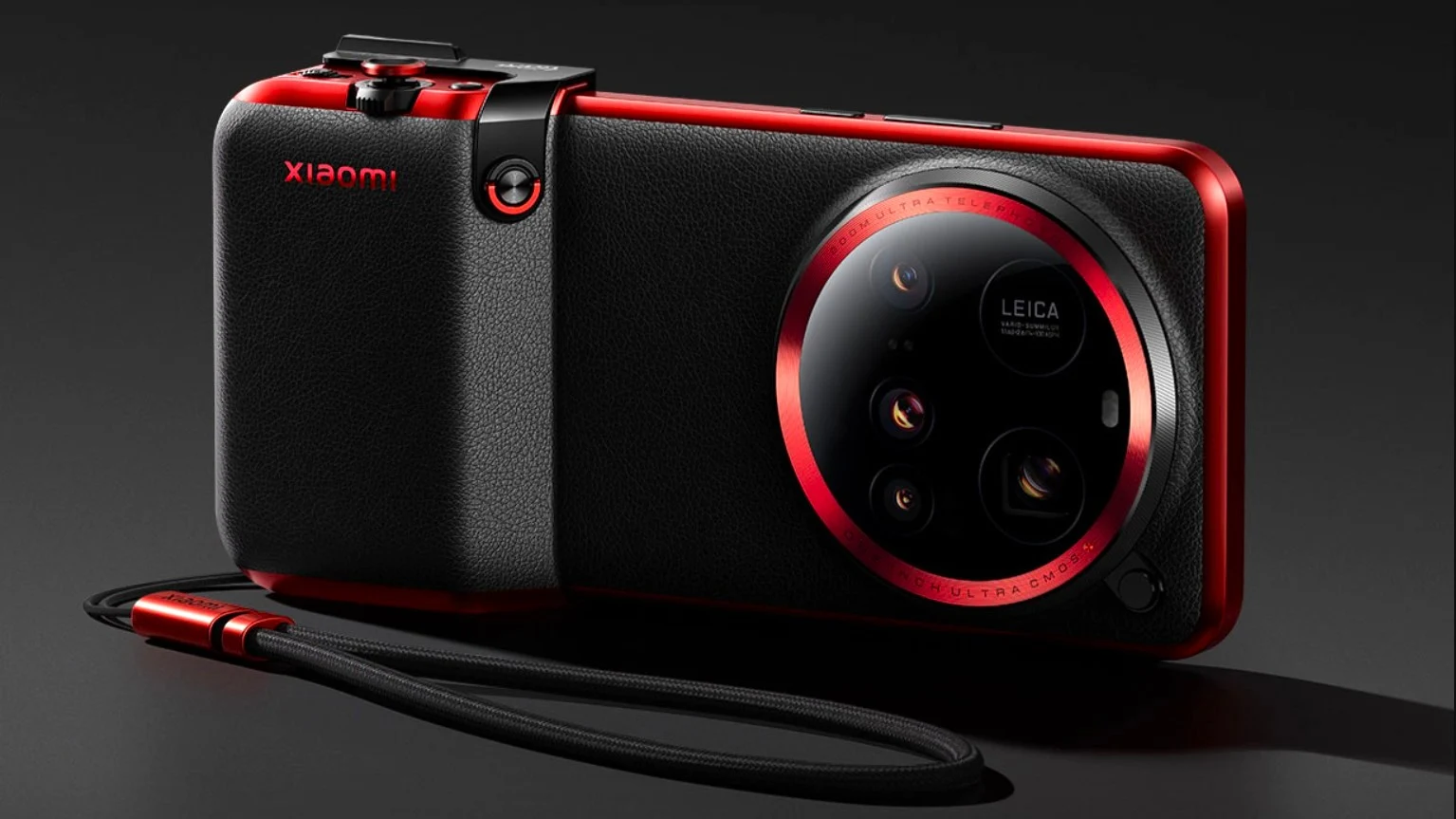
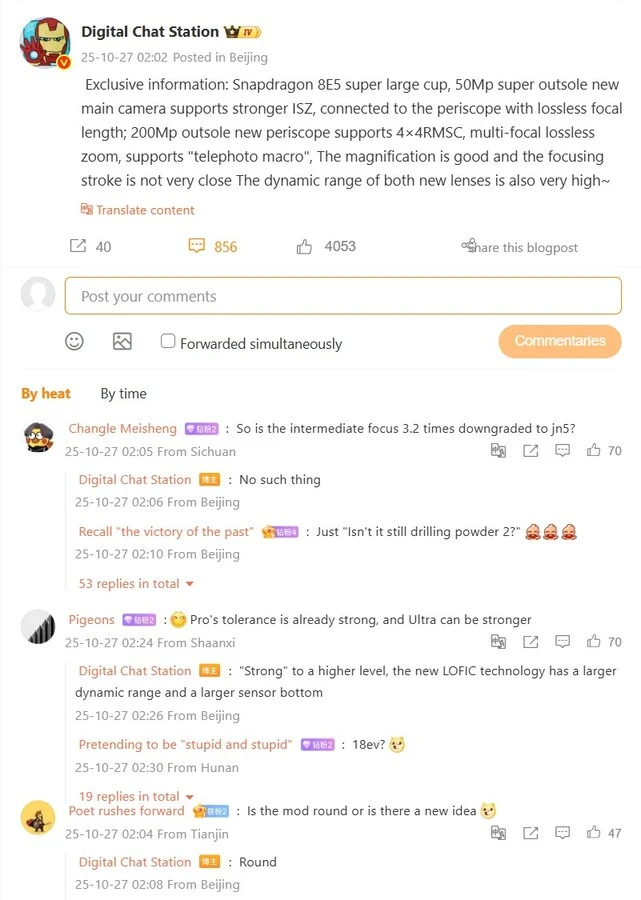
    The Xiaomi 15 Ultra now encounters tough rivalry from newer flagship cameras like the Oppo Find X9 Pro and the Vivo X300 Pro. However, its upcoming successor, probably named the Xiaomi 17, seems poised to outshine the competition, as noted by leaker Digital Chat Station in two posts on Weibo.

    Traditional Flagship Camera

    In the first leak, a more conventional flagship camera is outlined, resembling the offerings from rivals in their Pro models. The standout feature here is the main camera, which is expected to retain a 1-inch sensor, specifically an Omnivision sensor. Digital Chat Station mentions that this sensor will not only be bigger than those used by competitors but also more versatile, thanks to the innovative LOFIC technology.

    Enhanced Zoom Capabilities

    With this technology, “stronger in-sensor zoom” for close-up shots will be possible, creating a smooth transition across various focal lengths up to periscope telephoto. It is based on a 200 MP sensor, likely Samsung’s ISOCELL HPE, which can cover multiple zoom focal lengths by using lossless crop zoom. The magnification is reported to be impressive, with both sensors demonstrating high dynamics. Telephoto macro support is also expected, according to the leaker. Similar to the Xiaomi 15 Ultra, the camera design remains round, making a second display like the one on the Xiaomi 17 Pro seem unlikely.

    Promising Features Ahead

    What Digital Chat Station describes in his first post about the Xiaomi 17 Ultra appears to be promising, though not ground-breaking. It remains unclear how the information shared in another Weibo post correlates with the previously mentioned Xiaomi 17 Ultra. The current assumption is that there will be two models of the Xiaomi 17 Ultra; the premium version may feature an external zoom lens capable of true optical zoom with adjustable focal lengths.

    This idea is supported by Digital Chat Station, who refers to the feature as an “exclusive physical zoom,” claiming it will be well ahead of the competition. He also mentions two additional camera features that are already present in the Oppo Find X9 Pro and Vivo X300 Pro: for the first time, Xiaomi is expected to incorporate a separate color sensor in the form of a multispectral sensor. Additionally, the zoom flash function, known from the Vivo X300 Pro and Vivo X200 Ultra, is likely to be included, which can modify the intensity and color temperature based on the selected focal length.

    Source:
    Link


  • Vivo X300 Pro Global Launch: Pro Camera and Telephoto Kit

    Vivo X300 Pro Global Launch: Pro Camera and Telephoto Kit

    Key Takeaways

    1. Vivo launched the X300 series globally, with the X300 Pro as the flagship model featuring the Dimensity 9500 chip.
    2. The global version of the X300 Pro has a smaller battery (5,440 mAh) compared to the Chinese version (6,510 mAh), but supports 40 W wireless and 90 W wired fast charging.
    3. The camera setup includes a 50 MP main camera, a 200 MP telephoto lens, and a 50 MP ultrawide lens, enhanced by the Pro Imaging Chip VS1 for better photo quality.
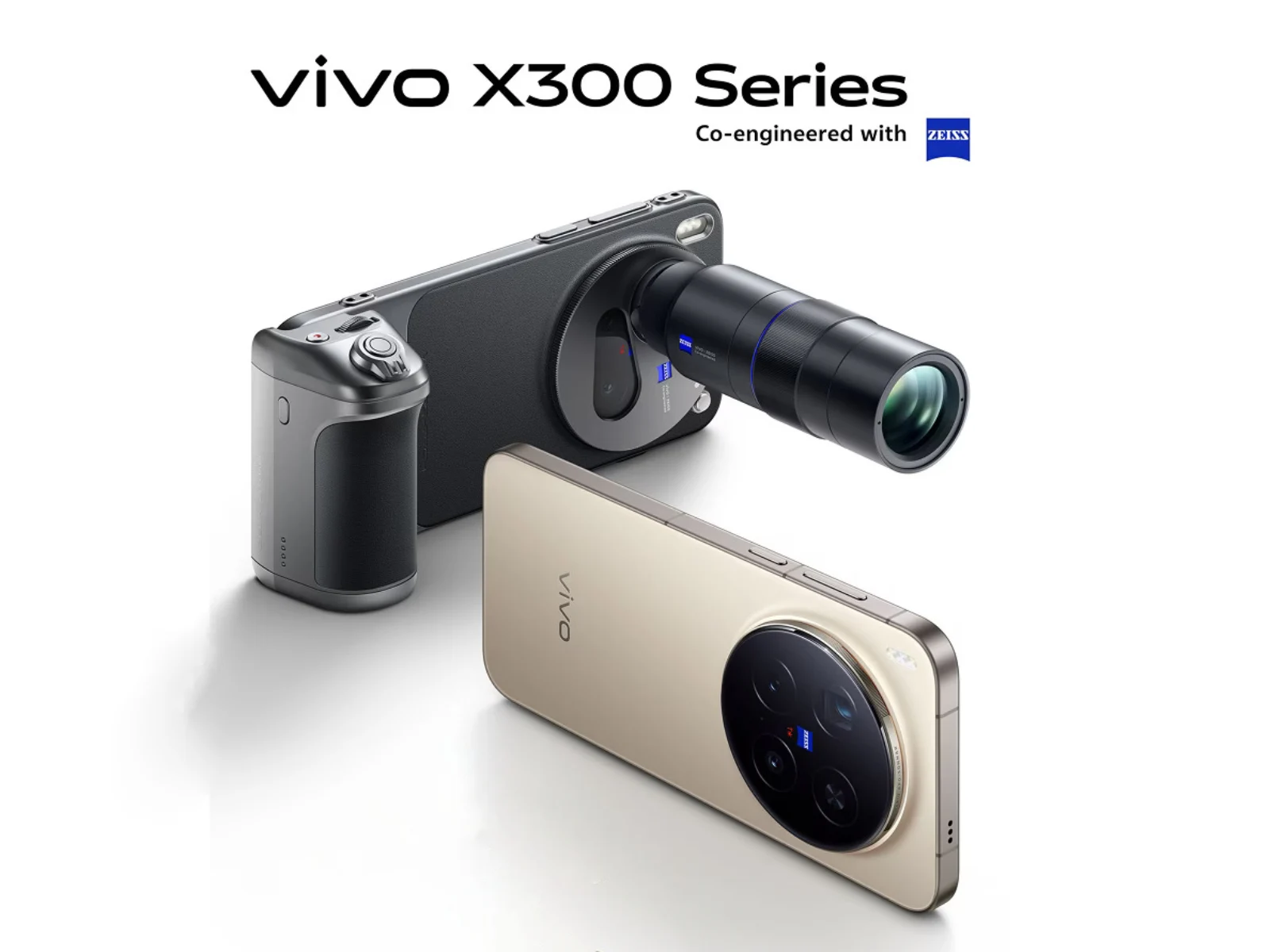
    4. Vivo offers a photography kit outside China, including a ZEISS 2.35x telephoto extender for improved zoom capability.
    5. The X300 Pro features a 6.78-inch display with a 120 Hz refresh rate, IP68/69 water and dust resistance, and comes with 16 GB of RAM and 512 GB of storage, priced at €1,399 in Europe.


    Vivo has launched the X300 series worldwide, with the X300 Pro being the brand’s top flagship smartphone. It runs on the Dimensity 9500, which is the latest high-performance chip from MediaTek. However, the global version has a smaller battery compared to the Chinese variant.

    Battery Specifications

    To give you some context, the Chinese Vivo X300 Pro comes with a 6,510 mAh battery, whereas the international version has a 5,440 mAh battery. On the bright side, the global model still supports 40 W wireless charging and 90 W wired fast charging (145 W Baseus 20K power bank currently priced at $69.99 on Amazon).

    Camera Features

    The camera setup is identical to its Chinese counterpart. It includes a 50 MP Sony LYT-828 main camera on the rear, alongside a 200 MP Samsung HPB telephoto lens and a 50 MP JN1 ultrawide lens. Vivo emphasizes that these cameras are powered by the Pro Imaging Chip VS1, which is designed to deliver sharp details, brighter low-light photos, and high-quality videos. The images we took with this phone (shown below) are indeed quite impressive.

    Photography Kit

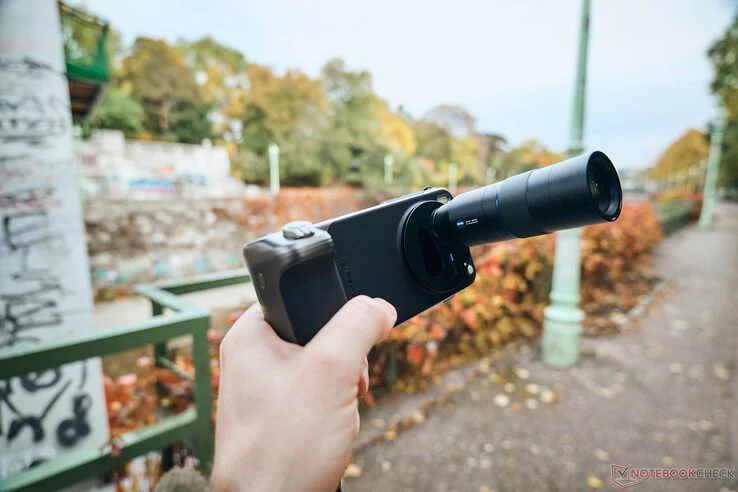
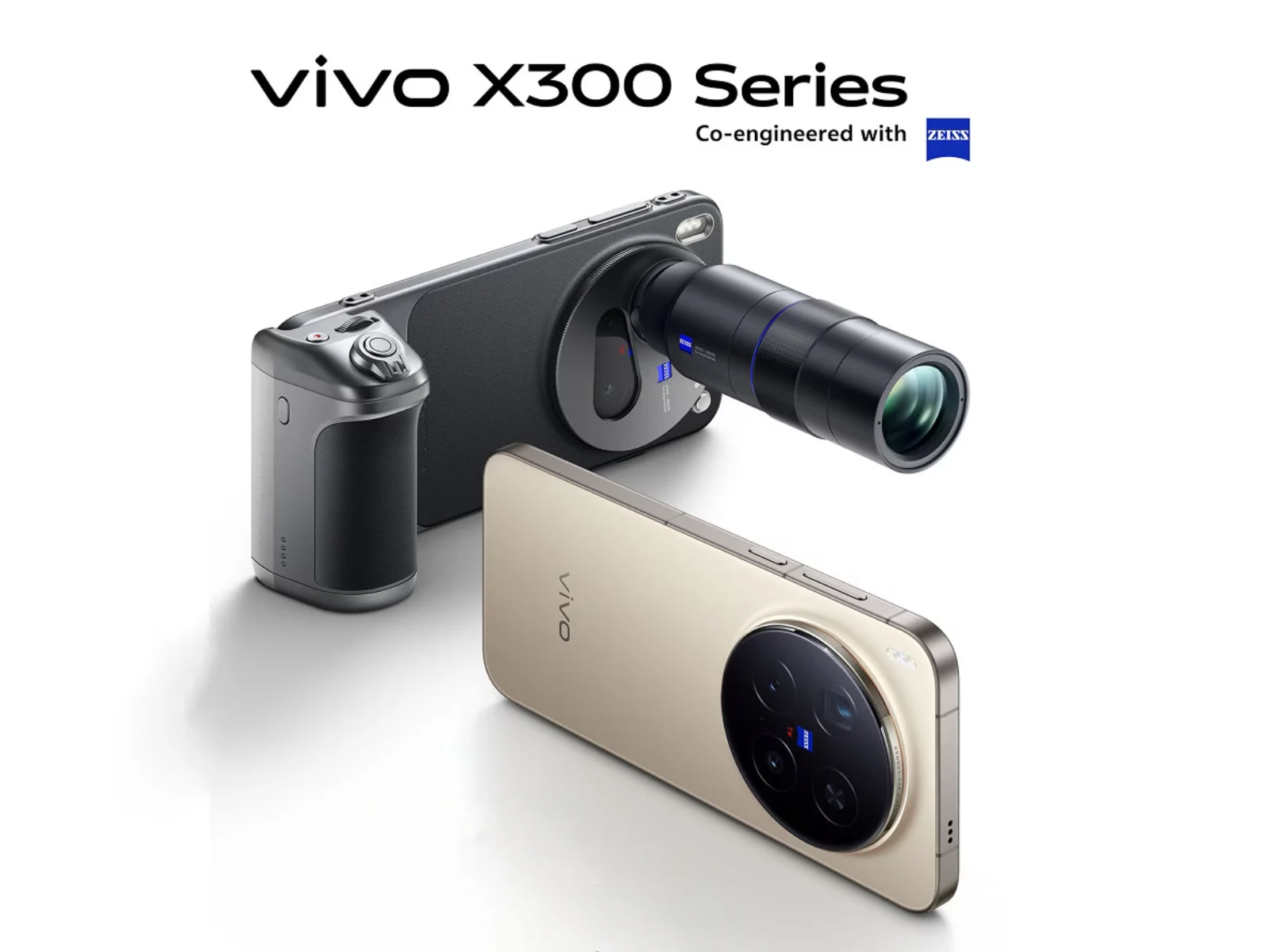
    Moreover, Vivo has made its photography kit available outside of China. One option includes the ZEISS 2.35x telephoto extender kit, which, as its name implies, enhances the zoom capability of the telephoto sensor. Based on our experiments, the teleconverter does provide detailed zoomed images, particularly in bright daylight.

    Additional Features

    On the front side, the Vivo X300 Pro sports a 50 MP Samsung JN1 selfie camera. Other notable features of this flagship smartphone are its 6.78-inch display with a 120 Hz refresh rate, USB 3.2 Gen 1 Type-C connection, IP68/69 ratings for water and dust resistance, and it comes pre-installed with Android 16.

    In the European market, the Vivo X300 Pro is offered with 16 GB of RAM and 512 GB of storage, retailing at €1,399. Don’t miss our hands-on video review below for more details on this new flagship camera device.

    Source:
    Link


  • Vivo X300 and X300 Pro EU Release Details Leaked Before Launch

    Vivo X300 and X300 Pro EU Release Details Leaked Before Launch

    Key Takeaways

    1. The Vivo X300 and X300 Pro will be launched globally after their initial release in China.
    2. Pricing for the Eurozone has been confirmed, starting at €1,049 for the X300 series, which is €50 higher than Oppo’s similar models.
    3. The battery capacities of the Vivo models exceed those of Samsung’s Galaxy S25 series.
    4. Vivo plans to implement a higher pricing strategy similar to Samsung, rather than following Oppo’s pricing model.
    5. Discounts will be offered at launch to help reduce overall prices for consumers.


    The Vivo X300 and X300 Pro are set to be unveiled worldwide soon after their release in China earlier this month. Meanwhile, Vivo has confirmed pricing details for the Eurozone ahead of time.

    Pricing Details and Battery Specs

    Recently, pricing for the Czech Republic surfaced, along with battery details for both models. Although the battery capacities do not quite match those of the models sold in China, they do exceed those found in Samsung’s Galaxy S25, Galaxy S25 Plus, and Galaxy S25 Ultra flagships (currently priced at $949 on Amazon). Sadly, it appears that Vivo is opting to adopt a higher pricing strategy similar to Samsung’s rather than following Oppo’s lead, making their new flagships more costly in the Eurozone.

    Comparison with Oppo

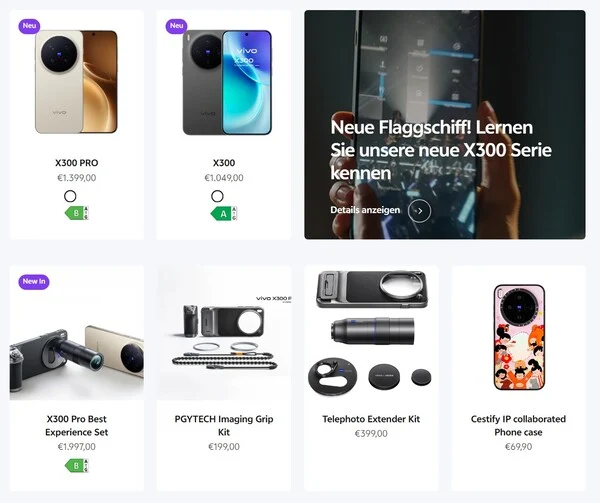
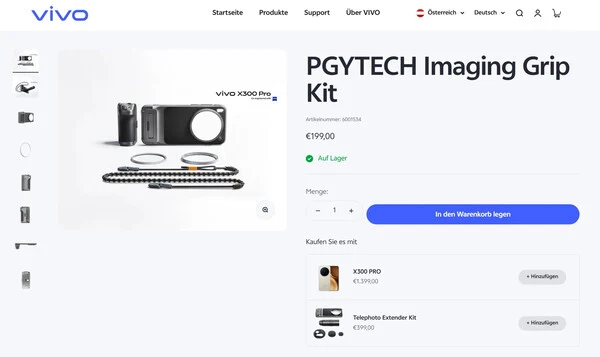
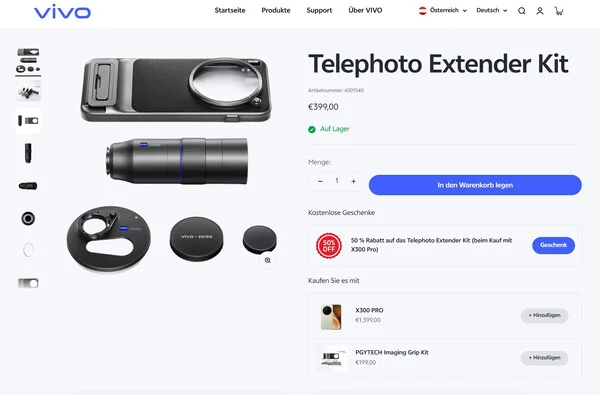
    Earlier this week, we noted that Oppo has set the prices for the Find X9 and Find X9 Pro at €999 and €1,299 in the Eurozone. Interestingly, Vivo has chosen to add a €50 premium to its similar devices, even though they are launching after Oppo. Consequently, the X300 series will kick off at €1,049 in the Eurozone, not including additional accessories such as the Telephoto Extender Kit, which will be priced at €399—€50 less than Oppo’s equivalent. However, Vivo plans to offer a range of discount codes at launch, which should help lower prices overall. More details can be found in the images below.

    Conclusion

    Vivo’s upcoming X300 and X300 Pro are poised to make a splash, but their Eurozone pricing strategy raises some eyebrows. With a slight increase compared to Oppo’s offerings and a few discounts on the horizon, it remains to be seen how consumers will respond.

    Source:
    Link


  • Vivo X300 & X300 Pro: Battery Issues and Pricing Leak Revealed

    Vivo X300 & X300 Pro: Battery Issues and Pricing Leak Revealed

    Key Takeaways

    1. The Vivo X300 and X300 Pro were launched in China on October 13 and will be released globally on October 30.
    2. Pricing for the global X300 is CZK 26,990 (around $1,293) and for the X300 Pro is CZK 34,990 (about $1,676), both including a 21% VAT.
    3. The global versions of the X300 and X300 Pro will have smaller battery capacities than the Chinese models, decreasing by 11.25% and 16.43%, respectively.
    4. The Chinese versions of the X300 and X300 Pro feature battery capacities of 6,040 mAh and 6,510 mAh, while global models will have 5,360 mAh and 5,440 mAh.
    5. Other hardware features from the Chinese launches will be retained in the global versions of the X300 and X300 Pro.


    The Vivo X300 and X300 Pro have been on the market in China for nearly two weeks now. They were introduced on October 13 and are set to rival Oppo’s newly launched Find X9 and Find X9 Pro. Just to remind you, Vivo plans to release its first X300 series smartphones globally on October 30.

    Pricing and Specifications

    In the meantime, details about the global versions have leaked, thanks to Sudhanshu Ambhore and XpertPick. As a reminder, the color and memory choices for the global X300 and X300 Pro have surfaced online. Moreover, Ambhore and XpertPick have revealed that the prices for these models in the Czech Republic are CZK 26,990 (around $1,293) for the X300 and CZK 34,990 (about $1,676) for the Pro model, each featuring 16 GB of RAM and 512 GB of storage.

    It’s important to mention that these prices include a 21% VAT. Generally, smartphone prices in the Czech Republic are higher compared to other regions. For example, Apple sells the iPhone 17 Pro for at least CZK 32,990 (approximately $1,580) in the Czech Republic, which is about CZK 4,817 (roughly $231) more than US prices after adjusting for VAT and currency rates.

    Battery Capacities

    Nonetheless, Ambhore and XpertPick state that the global editions of the X300 and X300 Pro will have smaller battery sizes compared to their Chinese versions. To give you an idea, the X300 and X300 Pro in China come with battery capacities of 6,040 mAh and 6,510 mAh, respectively. Reportedly, these capacities are expected to decrease by 11.25% and 16.43%, resulting in 5,360 mAh and 5,440 mAh for the global models. However, it seems that Vivo will retain all other hardware features from the recent Chinese launches of the X300 and X300 Pro.

    Source:
    Link


  • Vivo X300 and X300 Pro Leaked Colors and Specs Ahead of Launch

    Vivo X300 and X300 Pro Leaked Colors and Specs Ahead of Launch

    Key Takeaways

    1. Vivo is set to launch the X300 and X300 Pro globally on October 30, after debuting in China earlier this month.
    2. The X300 and X300 Pro will feature the MediaTek Dimensity 9500 processor and will initially use the Chinese version of OriginOS.
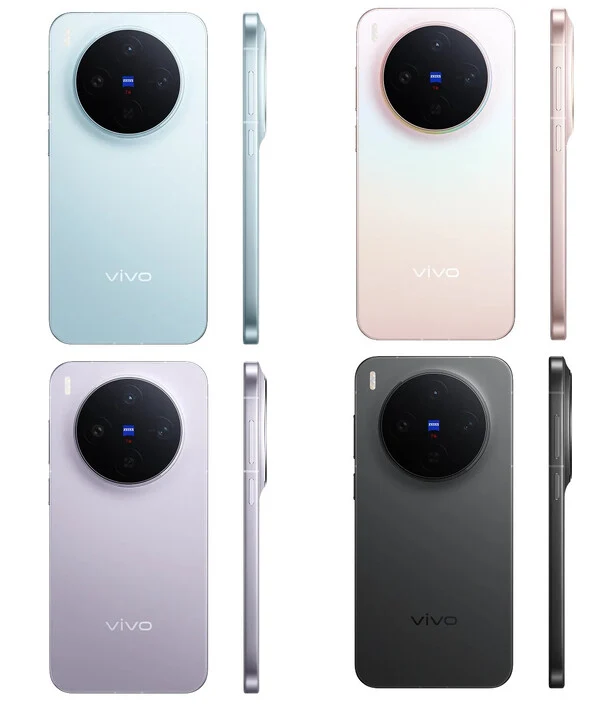
    3. The X300 will be available in four colors: Halo Pink, Iris Purple, Mist Blue, and Phantom Black, with up to 16 GB RAM and 512 GB storage.
    4. The X300 Pro will also have four colors: Mist Blue, Phantom Black, Cloud White, and Dune Brown, with similar RAM and storage options as the X300.
    5. The X300 Pro’s specifications are comparable to the OnePlus 13, which is priced at $849 on Amazon.


    Vivo is getting ready to launch the X300 and X300 Pro worldwide, having already shown off these devices earlier this month in China. As we have mentioned in another piece, Vivo plans to unveil the two models outside of China on October 30. Until then, customers can import either or both of Vivo’s first smartphones powered by the MediaTek Dimensity 9500, although they will be using the Chinese version of OriginOS.

    Details on Global Release

    While Vivo hasn’t officially disclosed much about its global release plans for the X300 and X300 Pro, Paras Guglani has provided some insights by sharing information about the available storage and color options before the launch. His leaks, shared on X and included below, reveal more details than what is currently available on Vivo’s international websites.

    Color and Storage Options

    According to Guglani, the X300 will be available in Europe and other regions in four color choices: Halo Pink, Iris Purple, Mist Blue, and Phantom Black. The image below shows these colors, and it’s reported that the X300 will come with a maximum of 16 GB of RAM and 512 GB of storage, excluding the 1 TB version that’s offered in China.

    X300 Pro Specifications

    In a similar vein, the X300 Pro will also launch in four different colors. While it shares the Mist Blue and Phantom Black options with the X300, it replaces Halo Pink and Iris Purple with Cloud White and Dune Brown. Guglani has also indicated that the X300 Pro will be available with a maximum of 16 GB of RAM and 512 GB of storage, mirroring the OnePlus 13’s global offerings (currently priced at $849 on Amazon).


  • Vivo X300 Pro Beats Snapdragon 8 Elite Gen 5 in Benchmarks

    Vivo X300 Pro Beats Snapdragon 8 Elite Gen 5 in Benchmarks

    Key Takeaways

    1. Vivo launched the X300 series with the MediaTek Dimensity 9500 flagship chipset.
    2. Recent benchmarks show the Vivo X300 Pro outperformed the Xiaomi 17 Pro Max in AnTuTu scores.
    3. The Vivo X300 Pro excelled in CPU, GPU, and Memory tests, despite a smaller battery.
    4. Both devices experienced a 5% drop in battery life during testing.
    5. Other brands, like OnePlus and Honor, will soon release devices featuring the Snapdragon 8 Elite Gen 5 chipset.


    Vivo introduced the Vivo X300 series this week, marking the debut of the MediaTek Dimensity 9500 flagship chipset in smartphones. Although initial benchmarks from MediaTek’s test device suggested it fell short compared to Qualcomm’s offerings, more recent tests show the situation may not be so straightforward.

    Benchmark Results

    AnTuTu benchmark scores for the Vivo X300 Pro and the Xiaomi 17 Pro Max, which runs on the Snapdragon 8 Elite Gen 5, have been released. Both phones were evaluated under similar conditions, and surprisingly, the Vivo X300 Pro outperformed the Xiaomi with a score of 3,956,885 compared to the Xiaomi’s 3,731,077. Notably, this Xiaomi score is even higher than its ranking on AnTuTu’s current leaderboard.

    Performance Comparison

    The Vivo X300 Pro achieved better results in CPU, GPU, and Memory assessments, though the differences were minimal. Interestingly, both devices experienced a 5% drop in battery life, even though the Vivo has a notably smaller battery. On the plus side, the Xiaomi 17 Pro Max maintained a cooler temperature during testing.

    As previously mentioned, the new Xiaomi 17 series may not fully showcase the capabilities of Qualcomm’s Snapdragon 8 Elite Gen 5. Fortunately, other brands like OnePlus and Honor are set to launch devices featuring this chipset this month. Honor has even provided a sneak peek of the Snapdragon 8 Elite Gen 5’s true capabilities in the MagicPad3 Pro.

    Source:
    Link