Tag: smartphone camera

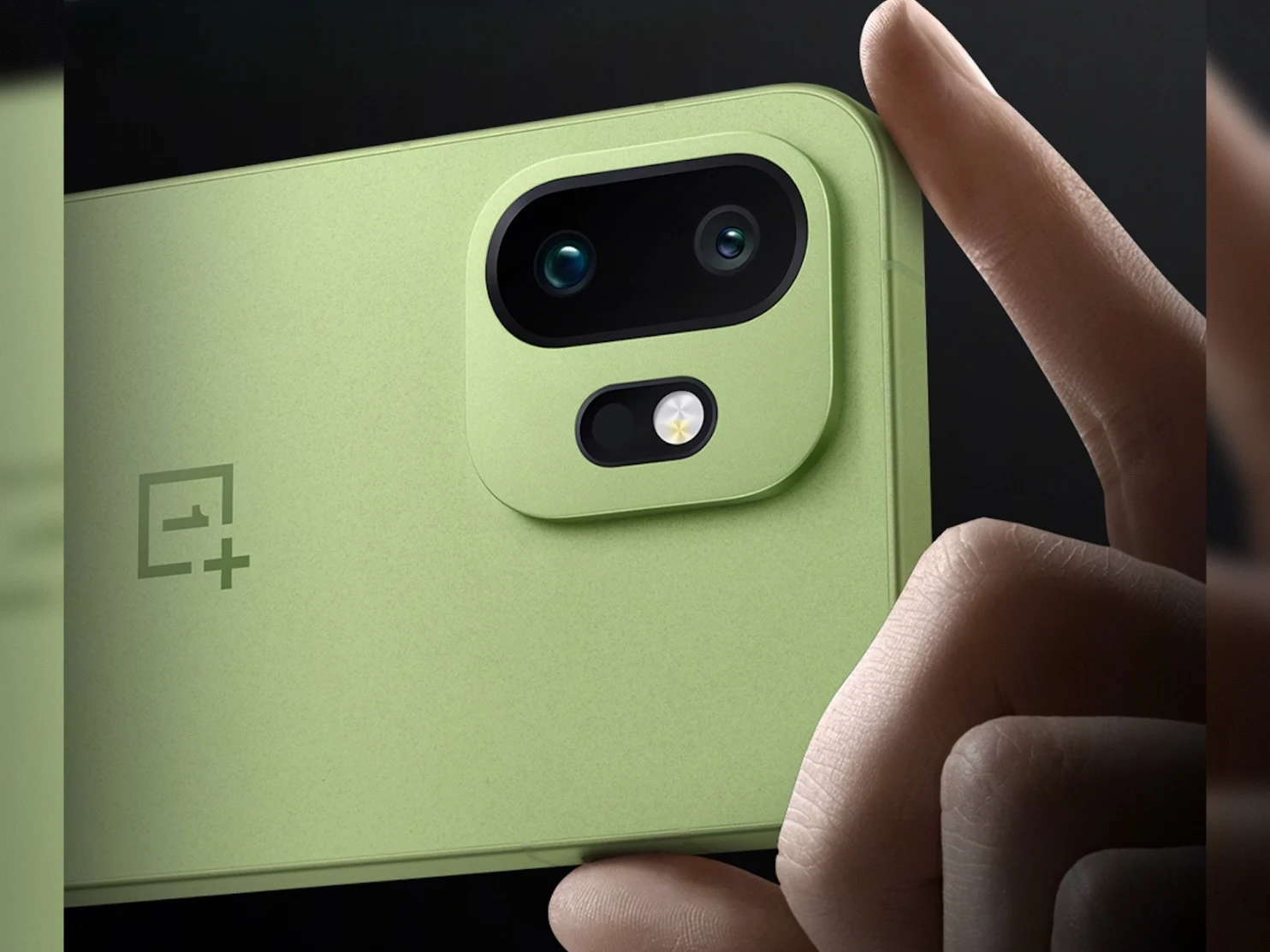
  • Nothing Phone (4a): Hidden gem in the mid-range category

    Nothing Phone (4a): Hidden gem in the mid-range category

    Key Takeaway

    – Nothing Phone (4a) excels with a bright 120Hz OLED display, strong performance from the Snapdragon 7s Gen 4, and a standout periscope zoom camera, plus a distinctive Glyph LED design and solid battery life.
    – Key trade-offs include a short three-version Android update guarantee and heat buildup under heavy use.
    – Compared to Redmi Note 15 5G, it offers superior camera quality, software experience (Nothing OS vs HyperOS), and design, at the expense of value-for-money emphasis.
    – Compared to Samsung Galaxy A37 5G, it delivers better vibrancy and design flair but lags in long-term software updates, where the Galaxy has a clear advantage.

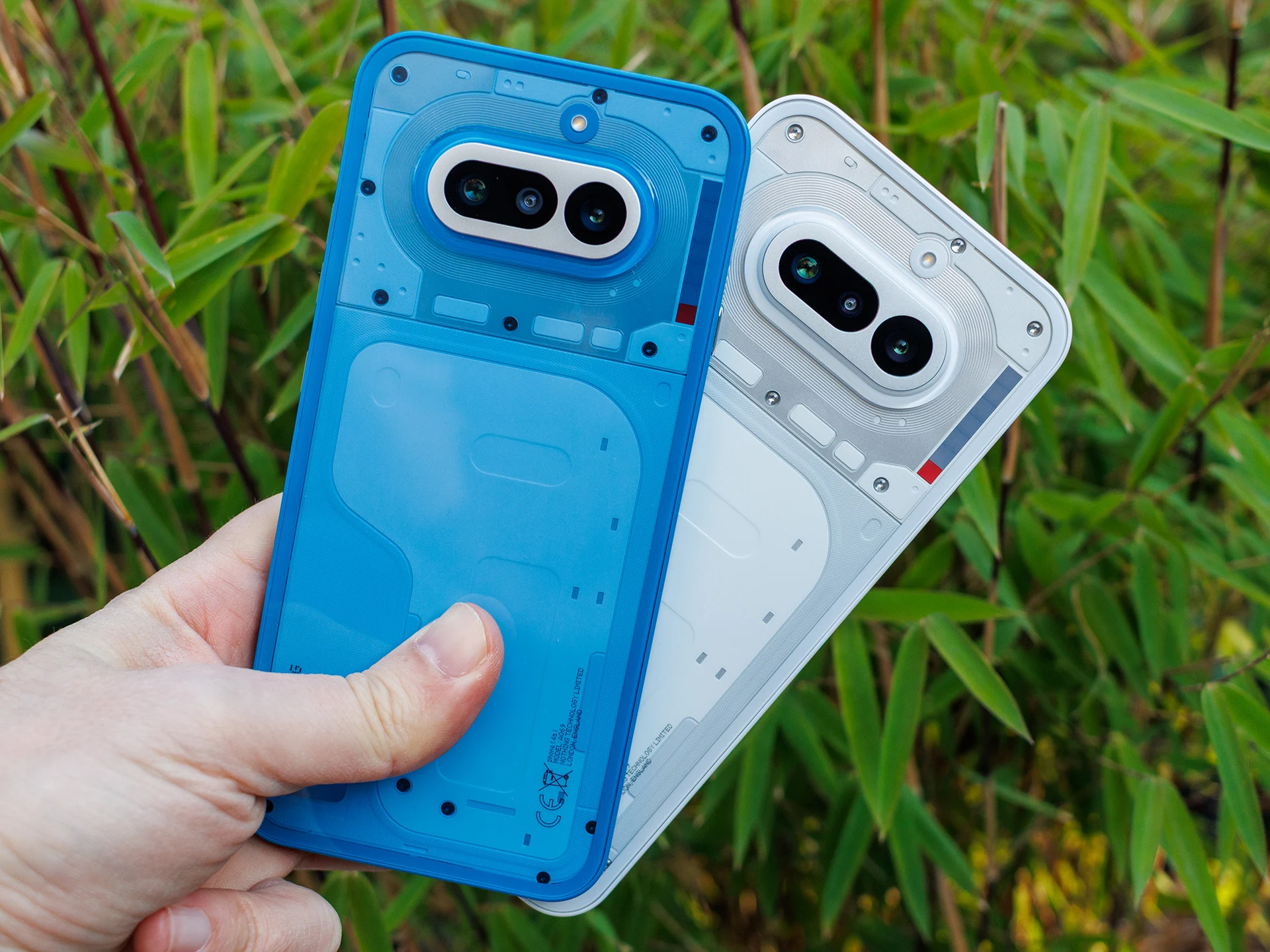
    The Nothing Phone (4a) builds on the strengths of its predecessor and improves the overall package in all the right places. Particularly notable are the significantly brighter 120Hz OLED display, the smooth everyday performance of the new Snapdragon 7s Gen 4 SoC, and the revamped camera setup. Above all, the new periscope zoom camera sets the smartphone apart from many mid-range competitors. Photos appear detailed and natural in good lighting conditions, while the optical zoom also delivers surprisingly strong results.

    Design and Battery

    Added to this is the signature transparent Nothing design with the eye-catching Glyph LEDs on the back, which can be customized and give the device a high recognition factor. The battery life is also impressive in everyday use, as is the clean and pleasantly minimalist Nothing OS interface. The device’s main weaknesses lie in the comparatively short update guarantee of only three Android versions and the heat buildup under heavy load.

    Comparison with Redmi Note 15 5G

    In a direct comparison with the Redmi Note 15 5G, the Nothing Phone feels significantly higher-quality and more modern. While the Redmi traditionally stands out for its strong value for money, large battery, and equally bright AMOLED display, the Nothing model clearly leads the way in terms of camera quality, software experience, and design. HyperOS, in particular, feels much more cluttered and less elegant compared to Nothing OS. The Redmi is therefore aimed more at price-conscious users who are primarily looking for a lot of features for little money.

    Galaxy A37 5G Perspective

    The Samsung Galaxy A37 5G, on the other hand, takes a different approach. Samsung focuses less on extravagant design or technical highlights and more on balance and long-term usability. Performance is solid, the cameras are reliable, and the Super AMOLED display is high-quality, even if it doesn’t quite match the vibrancy of the Nothing Phone. The biggest advantage of the Galaxy A37, however, lies in its software policy: Samsung offers significantly longer Android and security updates, making the device particularly attractive for users who want to use their smartphone for many years.
    Sources
    • iPhone 18 Pro & Max New Colors and Camera Design Leak – Apple Risks?

      iPhone 18 Pro & Max New Colors and Camera Design Leak – Apple Risks?

      Key Takeaway

      1. The iPhone 18 Pro lineup will introduce a new Dark Cherry color, replacing Cosmic Orange, with other options including Light Blue, Dark Gray, and Silver.
      2. The cameras are expected to have a slightly thicker plate for a new 48MP variable aperture sensor, along with an upgraded iOS 27 camera app.
      3. Internal upgrades include the new 2nm A20 Pro chip and enhanced Apple Intelligence features like a revamped Siri.
      4. Leaked designs show a smaller Dynamic Island cutout on the new Pro models.
      5. The upcoming foldable iPhone Ultra may overshadow the Pro launch during the same event.

      Upcoming iPhone 18 Pro Series and Leaked Details

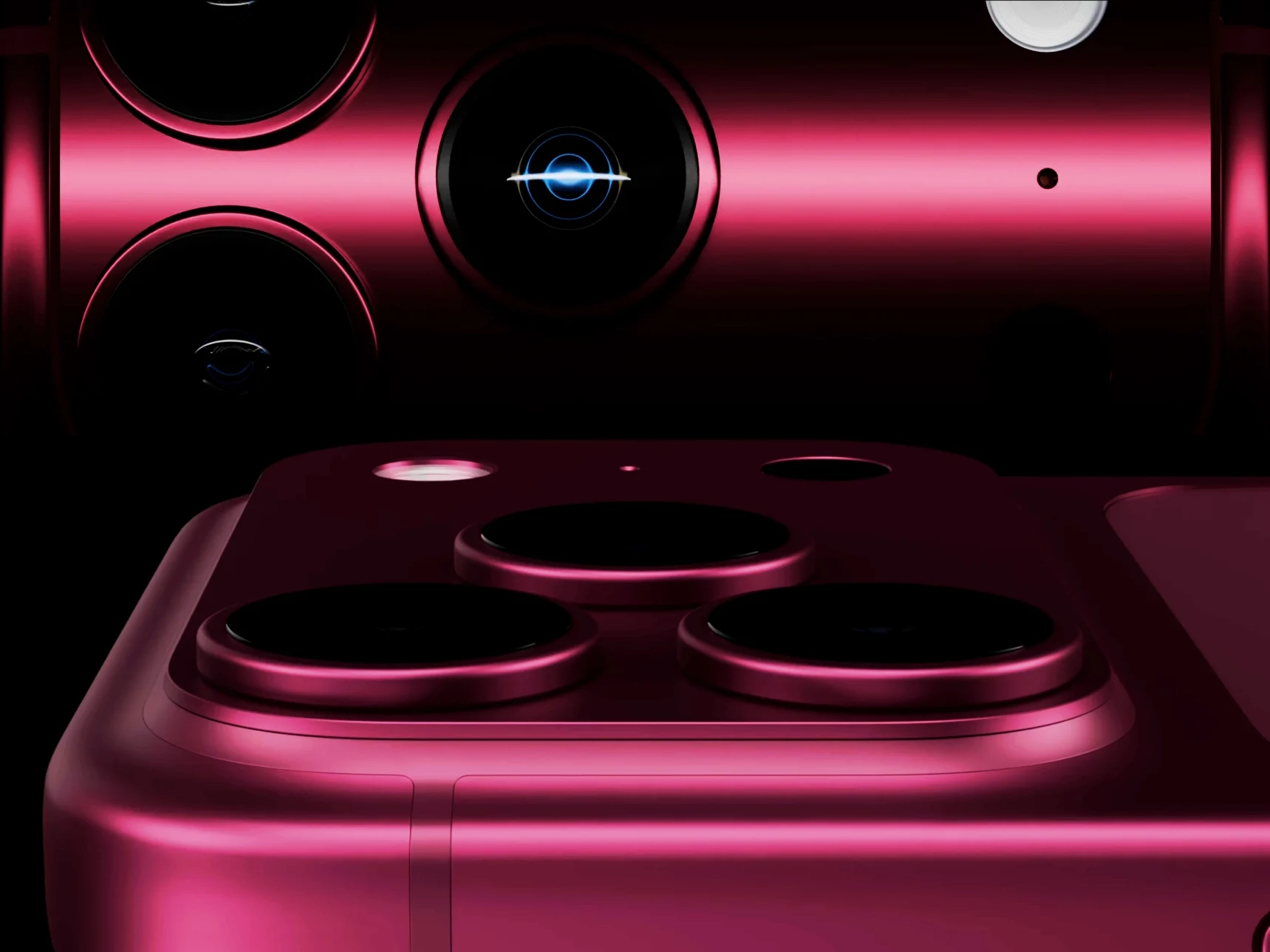
      We are just a summer away from the launch of Apple’s latest flagship, the iPhone 18 Pro series. Recent social media leaks showcase protective covers for the iPhone 18 Pro and iPhone 18 Pro Max cameras, giving us a glimpse at the final color options we can expect from Apple’s new lineup. The leaks suggest the design is nearing its final form, and fans are eager for more details.

      Color Options and Design Changes

      Apple is set to introduce a new signature color, Dark Cherry, a deep wine-red shade replacing the popular Cosmic Orange seen in previous models. The overall camera layout keeps consistent with the iPhone 17 Pro, which received a rare design upgrade. Besides Dark Cherry, the lineup is rumored to include Light Blue, Dark Gray, and Silver. The colors aren’t as bold or eye-catching as the Cosmic Orange, hinting that Apple might be saving the more playful colors for the upcoming iPhone 18, which could arrive in Spring 2027.

      Camera and Internal Upgrades

      Leaked camera covers confirm the familiar triple-lens setup but suggest a slight thickness increase around the camera area. This change could be to house a new 48MP primary camera with variable aperture functionality. Reports indicate that iOS 27 will feature an upgraded, professional-grade camera app, likely to debut with these new devices. These upgrades aim to improve photo quality and user experience significantly.

      Design Tweaks and Internal Powerhouses

      While the front design might see a smaller Dynamic Island cutout, the real focus is on the internal specs. Leaks point to the inclusion of the new 2nm A20 Pro chip, offering faster processing and efficiency. Additionally, Apple’s new Intelligence features and Siri updates are expected to enhance overall device performance and user interaction. Everything seems geared toward making the next iPhone a powerhouse in hardware and software.

      Competition and Anticipation

      Finally, it’s worth noting that alongside the iPhone 18 Pro series, a foldable iPhone Ultra might be unveiled during the same event. This could overshadow the Pro models, making it less likely for the iPhone 18 Pro to be the main star of Apple’s September reveal. Even with a colorful makeover, the foldable phone’s arrival might steal all the spotlight from the standard flagship lineup, especially if it features the latest technology and innovative foldable design.


      Sources

    • Sony Xperia 1 VII Camera Upgrades Teased Ahead of Launch

      Sony Xperia 1 VII Camera Upgrades Teased Ahead of Launch

      Key Takeaway

      1. Sony will announce its next Xperia product on May 13 at 02:00 UTC, with a likely short event focused on new camera features.
      2. The teasers suggest a significant camera upgrade, possibly involving multiple lenses, highlighted by the phrase “a new trinity has awoken.”
      3. The Xperia 1 VIII is expected to debut with advanced camera capabilities, and its release is anticipated in late June 2026, bundled with WH-1000XM6 headphones.

      Upcoming Sony Xperia Launch Event

      Sony is all set to unveil its latest Xperia device on May 13, with the announce happening at exactly 02:00 UTC. The event, based on previews, looks like it’ll be pretty brief and straight to the point, unlike some of the longer presentations we’ve seen before. Sony hasn’t shared many details yet, but fans are excited about the potential new features and design changes this year.

      Teasers and Hints

      Recently, Sony sent out a teaser that hyped up a “seismic shift”. Although it didn’t specify what that meant, the 21-second video seemed to focus mainly on the rear cameras of the rumored Xperia 1 VIII. Now, they’ve dropped another short teaser on social media, giving us a quick glimpse of what’s to come. The shorter 15-second clip ties in with previous teasers and hints that something big is happening, especially with camera technology.

      Speculative Features and Leaks

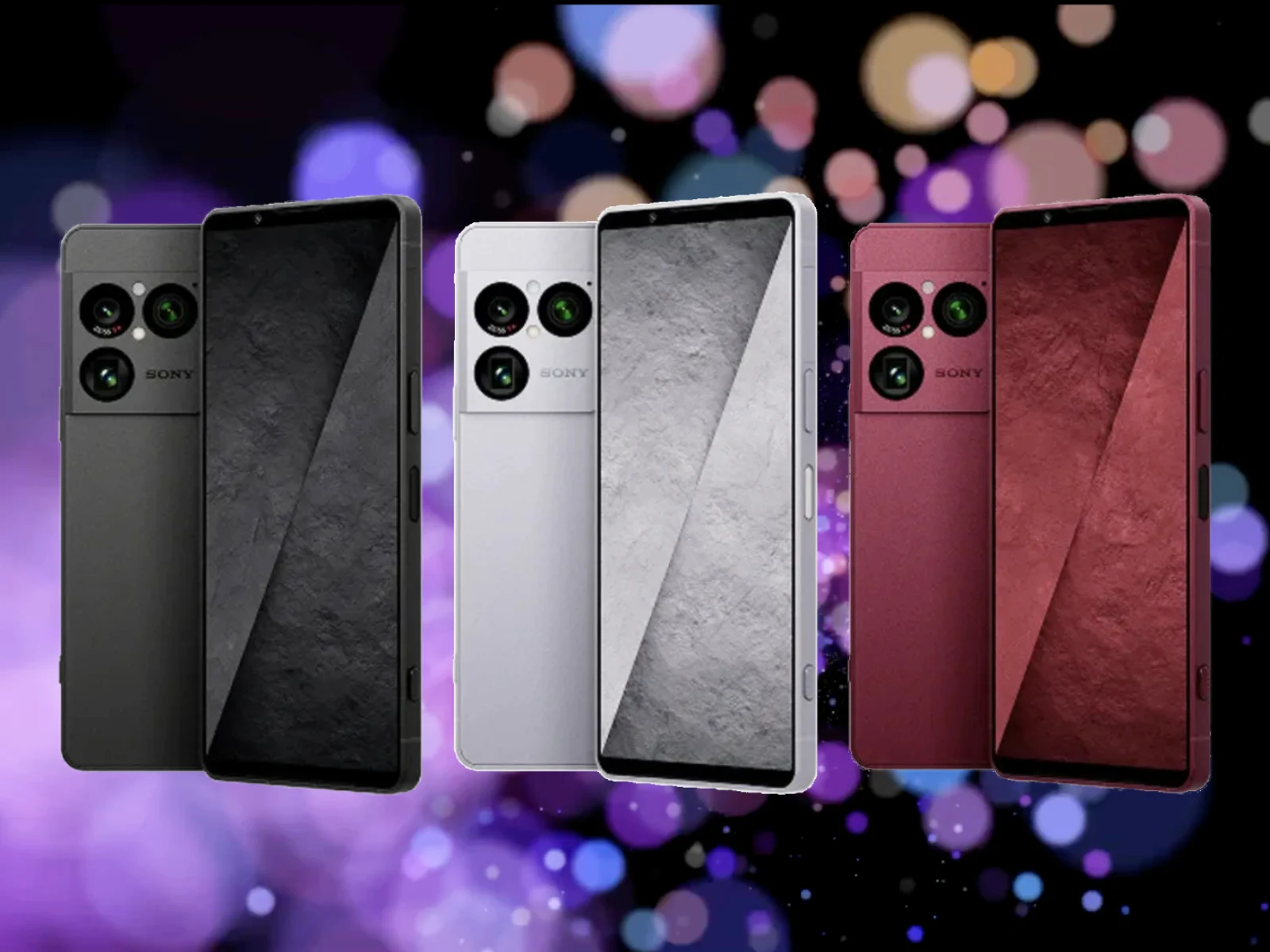
      Sony is suggesting with their tagline ‘a new trinity has awoken’ that the upcoming Xperia 1 could see multiple camera upgrades. Up until now, the company just last year improved its ultra-wide-angle camera from Xperia 1 VI to Xperia 1 VII. The model expected next, the Xperia 1 VIII, is rumored to feature a 48 MP telephoto camera with a 1/1.56-inch sensor. Rumors imply significant hardware upgrades this time around, making it an interesting device to watch.

      Design and Release Details

      Design leaks have already appeared, courtesy of Roland Quandt, revealing some potential aesthetic details. Moreover, there are hints from Amazon UK that the Xperia 1 VIII might be released late next June, with an added gift of a pair of WH-1000XM6 headphones, currently retailing for around $458. Overall, Sony’s packing some interesting hardware upgrades and possibly a bold new look for this year’s Xperia line.


      Sources

    • Apple Center Stage-style Camera to Launch on Android with 5× Resolution

      Apple Center Stage-style Camera to Launch on Android with 5× Resolution

      Key Takeaway

      – The iPhone 17 features an 18 MP Center Stage front camera with a square sensor for flexible orientation and dynamic subject tracking.
      – No current Android flagship offers a comparable Center Stage-style front camera, but Oppo is reportedly testing a similar feature with a higher 100 MP sensor.
      – The potential adoption of this feature in upcoming Android devices remains uncertain, with possibilities including Oppo’s Find X10 or later series.

      Upcoming Camera Trends in Smartphones

      The iPhone 17 currently packs a impressive feature in their camera system, with an 18 MP Center Stage front camera which uses a square image sensor. This allows the users to switch between landscape and portrait modes very smoothly, whether they taking selfies or capturing groups. The tech behind the Center Stage is quite clever because it can move the camera dynamically to keep people in frame even if they are moving around.

      Potential Competitors and Future Innovations

      No Android flagship has yet to match this feature, but whispers in the tech world suggest that might change soon. A well-known leaker named Digital Chat Station, who often shares insights about upcoming devices, hinted on Weibo that at least one Android manufacturer is testing a similar front camera. There are strong hints pointing towards Oppo, especially since the prototype being tested reportedly has a 100 MP sensor, a huge leap from Apple’s current 18 MP sensor. If this goes into production, it could give Oppo a real edge in camera technology.

      Speculative Launches and Industry Changes

      It’s not yet confirmed whether the next wave of smartphones, expected later this year, will bring this Center Stage-like front camera to market. Oppo’s upcoming lineup may include models such as the Find X10 and Find X10 Pro, but there’s also the chance that the new tech might appear only with the X11 series or an Ultra version next year. They seem to be planning to offer similar features to Apple, possibly borrowing ideas to stay competitive. As for other brands like Samsung, there’s no news yet if they are working on this type of front camera technology, but it’s clear that innovation is ongoing in smartphone photography.


      Sources

    • Honor 600 Pro Camera Review: Impressive Features and Performance

      Honor 600 Pro Camera Review: Impressive Features and Performance

      Key Takeaway

      1. The Honor 600 Pro features a flagship-like design and performance with a Snapdragon 8 Elite chipset and a large 6,400 mAh battery.
      2. Its camera system includes a 200 MP primary sensor, a 50 MP telephoto lens with 3.5x zoom, and a 12 MP ultrawide/macro, delivering impressive photo quality across various lighting conditions.
      3. The phone excels in good lighting and low-light scenarios, though it struggles slightly in very dark environments.
      4. The telephoto lens offers good detail and edge detection at up to 7x zoom, with noticeable quality degradation beyond 10x.
      5. Overall, the Honor 600 Pro presents a compelling, affordable option with excellent camera capabilities, comparable to higher-end flagship devices.

      Review of the Honor 600 Pro: A Budget Smartphone That Packs a Punch

      I usually review wide range of smartphones every year, from low-budget to top-tier flagship models. In the budget and mid-range segment, very few phones manage to impress me, especially when it comes to specifications, performance, and build quality. However, the recent Honor 600 Pro really did turn my expectations upside down as it stands out in many ways.

      Design and Performance Features

      The Honor 600 Pro feels like way more than a basic midrange device, and honestly, it’s almost close to flagship level. It has a completely new look compared to the Honor 400 Pro, and it comes with a powerful Snapdragon 8 Elite chipset, versatile cameras, and a massive 6400mAh battery. We already did a firsthand look at this model, and you can check that out if you want to see more details.

      Real-World Usage Experience

      I’ve used this phone as my daily driver for nearly two weeks, and I gotta say, it’s as impressive as the Samsung Galaxy S26—something I didn’t expected for a phone in this upper-mid-range category. The device runs on Android, with impressive hardware for its class, especially in the camera department. I took it on a trip to Malaysia to test it against some heavy hitters in the industry. Let’s get into the details, starting with the camera.

      Camera System Overview

      • Triple-camera setup inspired by Magic 8 Pro
      • 200 MP main sensor with a max aperture of f/1.9
      • CIPA 6.5 image stabilization technology
      • 50 MP telephoto lens with 3.5x optical zoom
      • 12 MP ultrawide and macro shooter

      Compared to the Honor 400 Pro, the 600 Pro’s photographic skills got a major upgrade. The primary camera houses a huge 200 MP sensor, making it capable of capturing lots of fine detail. The telephoto lens offers a 3.5x zoom, and there’s also an ultrawide that doubles as a macro lens, which is pretty versatile for a mid-range phone.

      Photo Quality and Real-World Testing

      The main camera is especially strong in daylight, producing images with vibrant colors and sharp detail. When I used it during my trip, the photos popped with natural shadows and the colors were balanced nicely. The camera’s experience in low-light conditions was good, capturing night scenes with decent details and colors. That’s quite remarkable given the price range. Still, obviously, it struggles a little bit in very dim light, resulting in some mediocre pictures.

      Zoom and Portrait Capabilities

      Next, the telephoto lens, increased from 3x on the Honor 400 Pro to 3.5x on the 600 Pro, offers sharp, clear shots with rich detail. The 80mm focal length helps zoomed-in shots stay crisp. The camera performs well even at 7x zoom, but once you go beyond 10x, the image quality starts to degrade significantly. Portrait shots benefit from the telephoto lens, producing nice bokeh effects and sharp outlines around subjects.

      The ultrawide lens, which is also used for macro photography, does a decent job. The photos are detailed enough for casual use, with consistent color science matching the main sensor. Macro images are quite pleasing too, with punchy colors and good sharpness, though not quite as refined as the main camera.

      Selfie and Final Thoughts

      The selfie camera, with 50 MP resolution, captures fairly detailed and clear images. I noticed that selfies tend to have a cooler tone, similar to the main camera. Overall, I am seriously impressed by what the Honor 600 Pro offers. Its ultrawide lens is slightly weaker compared to the primary and telephoto, but the main and telephoto cameras are fantastic for this price point, producing high-quality photos across various lighting conditions. At £799 with early bird offers, this phone is a solid choice for those who want a capable camera phone without spending flagship money.


      Sources

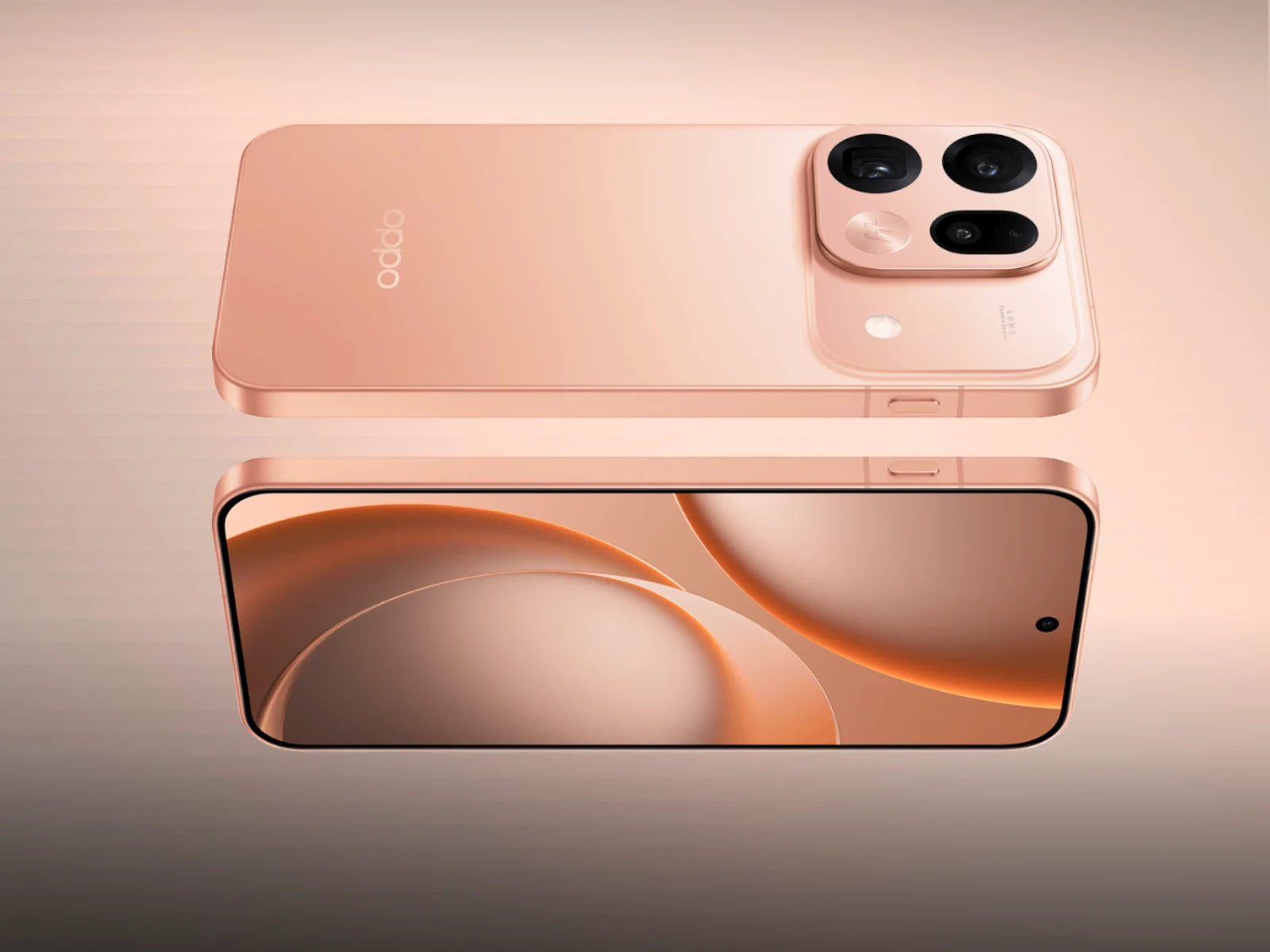
      • Oppo Announces Camera-Focused Compact Phone Ahead of Launch

        Oppo Announces Camera-Focused Compact Phone Ahead of Launch

        Key Takeaway

        1. The Oppo Find X9s Pro features a 200MP dual-camera system with Hasselblad tuning, a 6.3-inch display with 144Hz refresh rate, and supports low-light brightness and eye-care certification.
        2. It is powered by the Dimensity 9500 chipset, offers multiple high-capacity memory configurations, and includes a 7,025mAh battery with 80W wired and 50W wireless charging.
        3. The device has an IP66/IP68/IP69 rating for dust and water resistance and will be available in several color options, including White, Titanium, Orange, and Blue.

        Upcoming Oppo Devices Scheduled for April 21

        The tech world is buzzing with excitement as Oppo prepares to launch their latest flagship smartphones, the Find X9 Ultra and the Find X9s Pro, on April 21. Oppo has already shared some sneak peeks about the new models, especially highlighting the impressive camera setups and display features of the Find X9s Pro.

        Design and Display Features

        From the teaser images shared by Oppo on their official Weibo account, it’s clear that the Find X9s Pro will sport a 6.3-inch U9 Pro screen. The bezel around the display is really thin at just 1.1mm, giving it a sleek, modern look. The screen supports a 144Hz refresh rate which makes scrolling and gaming way smoother, and it can adjust brightness down to a very low 1-nit, perfect for night time use. Plus, this display got the TÜV Rheinland eye-care certification, so your eyes are gonna thank you for that.

        Power and Hardware Specifications

        The phone will run on MediaTek’s Dimensity 9500 chipset, promising good speed and efficiency. You’ll be able to choose among four different storage and RAM options: 12GB of RAM with 256GB or 512GB storage, and 16GB of RAM with 512GB or 1TB storage, which should cater to various user needs. The battery is quite massive at 7,025mAh, similar to the Find X9, and supports fast charging—80W wired and 50W wireless. The device is rated IP66, IP68, and IP69, so it’s well protected from dust and water—making it suitable for outdoor adventures or rainy weather.

        Camera Capabilities and Colors

        The Find X9s Pro’s rear camera setup is extremely powerful. It holds a 200MP sensor for both the main and periscope telephoto lenses, along with a 50MP ultrawide camera. Oppo claims this combo will capture some serious high-resolution images with great detail. The device will come in several stylish color options including Free White, Natural Titanium, Energetic Orange, and Wind Blue, giving users a variety of choices to suit their personal style.

        Additional Information on Oppo’s New Flagship

        Furthermore, Oppo has also talked about the upcoming Find X9 Ultra, although specific details about this model are still under wraps. Fans and tech lovers are eagerly awaiting the official launch, expecting these devices to push the boundaries of mobile photography and performance. With such impressive specifications and designs, these Oppo phones are surely going to be a huge hit in the market soon.


      • OnePlus 15T Camera Specs Revealed with Real-Life Sample Photos

        OnePlus 15T Camera Specs Revealed with Real-Life Sample Photos

        Key Takeaways

        1. The OnePlus 15T is a compact flagship smartphone with a 6.32-inch display, launching on March 24.
        2. It features a 50 MP main camera and a 50 MP periscope telephoto lens with 3.5x optical zoom.
        3. Real-life camera samples have been shared, but they may be compressed and require further testing for accurate evaluation.
        4. There are concerns about the portrait mode’s edge-detection algorithm, which needs improvement.
        5. The device includes a 7,500-mAh battery, 165 Hz refresh rate, 100-watt fast charging, and is expected to be priced lower than the OnePlus 15 at $899.


        The OnePlus 15T, a new compact flagship smartphone, has been in the spotlight with numerous teasers over the past weeks. Following the trend set by the 13T, this 6.32-inch phone is scheduled to launch early next week on March 24.

        Camera Features Revealed

        Recently, OnePlus shared some insights about the camera setup on the device. A post on Weibo confirms that the OnePlus 15T will come with a 50 MP main camera that has an f/1.8 aperture. Additionally, there is a 50 MP periscope telephoto lens with an f/2.8 aperture and 3.5x optical zoom. Furthermore, the primary camera is said to use a Sony-made 1/1.56-inch sensor.

        Real-Life Samples Shared

        Some real-life images taken with the OnePlus 15T have also been released, which you can see above. However, since these are first-party samples shared on social media, they may be compressed, so it’s wise to approach them with caution and not jump to conclusions just yet.

        An accurate evaluation of the smartphone will only come from hands-on testing in real-world conditions.

        Portrait Mode Concerns

        That being said, there are some issues with the portrait mode. For example, in the second image, the girl wearing a red dress has her hat partially blurred incorrectly, indicating that the edge-detection algorithm could use some improvement.

        On top of that, the OnePlus 15T boasts a 6.32-inch display with a 165 Hz refresh rate, a robust 7,500-mAh battery, and support for 100-watt fast charging as well as 50-watt wireless charging, among other features.

        Given that the OnePlus 15 starts at a price of $899, it’s reasonable to expect that the compact version will be priced a bit lower.

        OnePlus via Weibo

        Source:
        Link


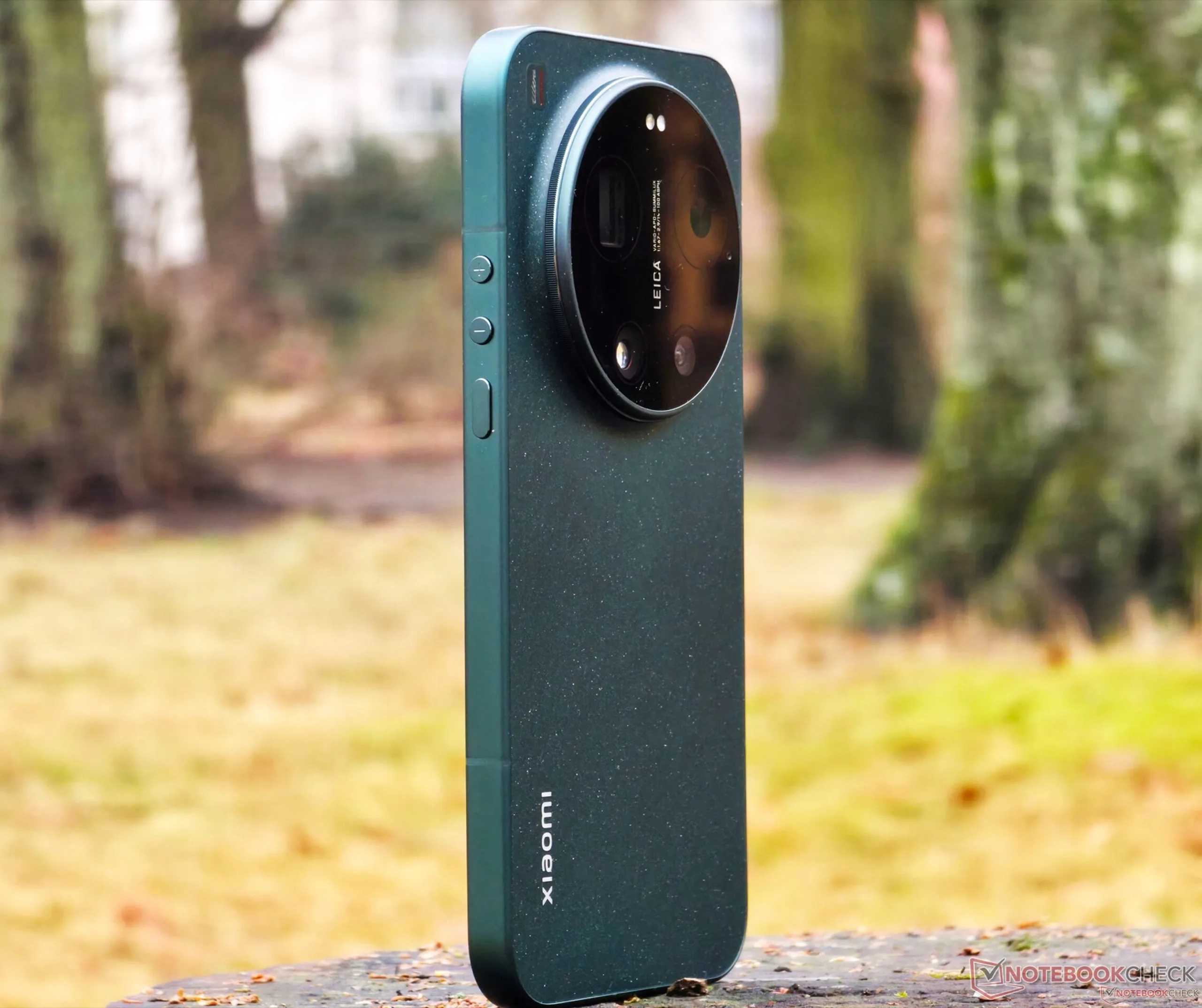
      • Xiaomi 17 Ultra vs Apple iPhone 17 Pro: Camera Test Results

        Xiaomi 17 Ultra vs Apple iPhone 17 Pro: Camera Test Results

        Key Takeaways

        1. The Xiaomi 17 Ultra is set to launch in Europe in March and features a strong camera but has some shortcomings.
        2. It received a rating of 166 points from DxOMark, placing it sixth in smartphone rankings, behind the Apple iPhone 17 Pro and Huawei Pura 70 Ultra.
        3. The camera struggles with auto exposure, white balance fluctuations, and autofocus issues, leading to inconsistent image quality.
        4. Group photos often lack sharpness due to a shallow depth of field from its 50MP main camera, which lacks a variable aperture.
        5. Despite its drawbacks, the camera performs well overall, producing detailed images with natural colors and impressive telephoto capabilities from its 200MP periscope lens.


        The Xiaomi 17 Ultra is anticipated to debut in Europe come March. In our thorough analysis, the smartphone impressed with its capable camera, although it did reveal a few shortcomings. DxOMark has conducted its own review and assessment of the phone’s triple-camera setup. The final rating of 166 points is decent, yet it does not set a new high.

        Rankings Overview

        This score places the device in sixth position among the current smartphone rankings, trailing behind the Apple iPhone 17 Pro, which holds fourth place with 168 points, and significantly behind the Huawei Pura 70 Ultra, which leads with a score of 175 points. Notably, Xiaomi did not achieve a top score in any specific category. The iPhone 17 Pro mainly outperforms it due to video performance issues found in the Xiaomi 17 Ultra.

        Camera Performance Insights

        The auto exposure and white balance can fluctuate between different frames, and the autofocus does not allow for smooth transitions, making images sometimes appear jittery. Additionally, DxOMark points out that group photos often have issues with focus, where not everyone is sharp. This is largely because of the shallow depth of field created by the 50MP f/1.7 main camera that features a large 1-inch sensor. Implementing a variable aperture could address this issue, but Xiaomi chose not to include that feature.

        Overall Impression

        In spite of these slight drawbacks, the camera on the Xiaomi 17 Ultra performs admirably in most scenarios. The images captured exhibit fine details with minimal noise, colors appear natural, and the bokeh effect in Portrait mode is quite convincing. The 200MP periscope telephoto lens is also commendable, as its continuous zoom range from 75mm to 100mm, along with the relatively large 1/1.4-inch sensor, yields exceptional telephoto images within that focal-length range.

        Source:
        Link


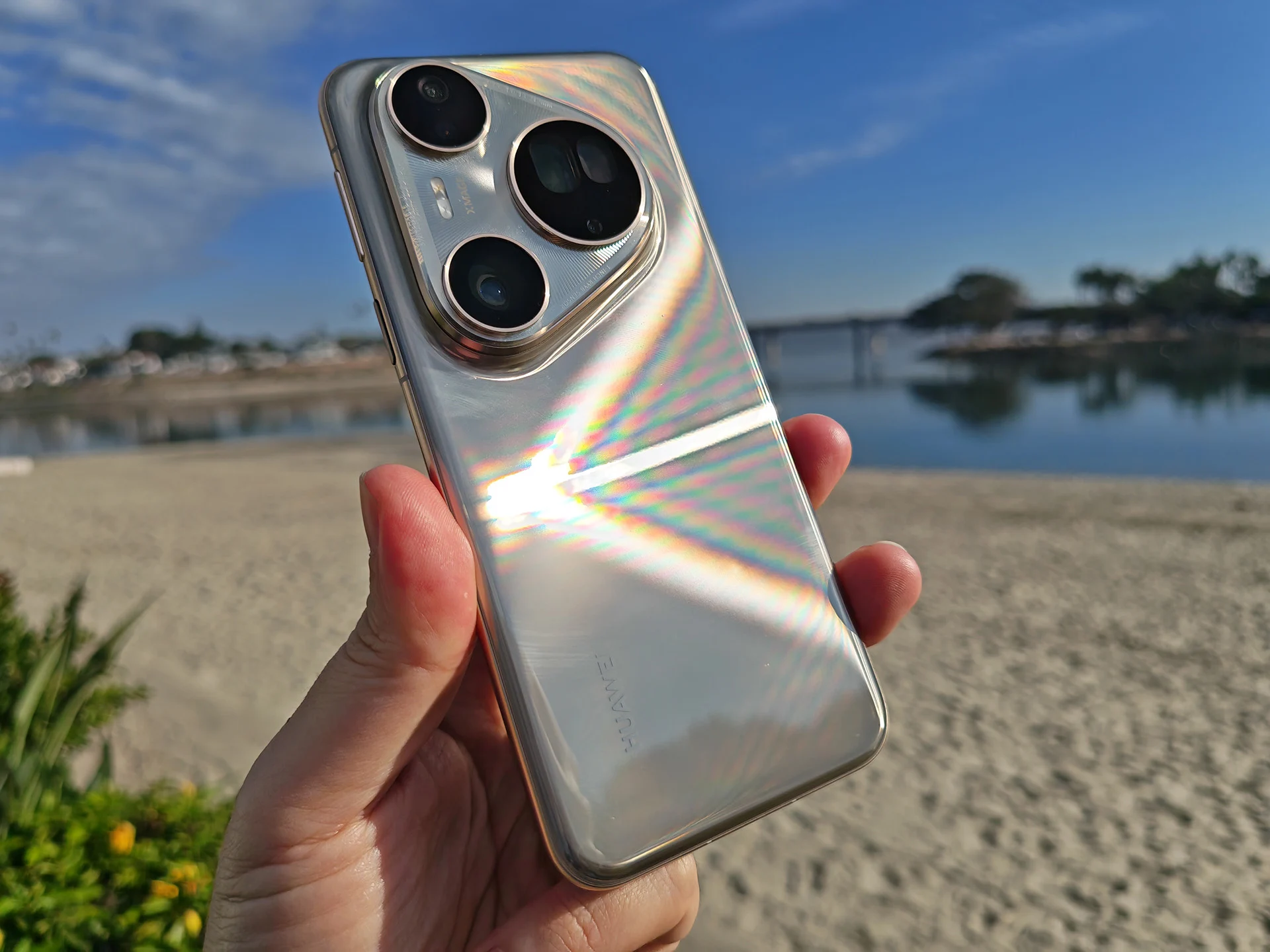
      • Is the Huawei Pura 80 Ultra the Best Smartphone Camera?

        Is the Huawei Pura 80 Ultra the Best Smartphone Camera?

        Key Takeaways

        1. The Huawei Pura 80 Ultra features a top-tier camera system, including a 50 MP primary camera and two telephoto lenses, positioning it as a strong competitor to the iPhone 17 Pro Max and Samsung Galaxy S25 Ultra.

        2. The smartphone is heavy and bulky, measuring 15.7 mm thick and weighing 234 grams, which may deter some users.

        3. The performance of the HiSilicon Kirin 9020 SoC is not as strong as other flagship devices, although it is sufficient for everyday tasks.

        4. The device lacks a 5G module and operates on Open Android 12 with EMUI 15, which does not support Google services, requiring an alternative app store for users.

        5. The Pura 80 Ultra has a retail price of €1,399, which may be considered high given its mixed performance in areas outside the camera.


        To cut to the chase, the Huawei Pura 80 Ultra boasts one of the top cameras found in smartphones today. This feature makes it a strong competitor to models like the Apple iPhone 17 Pro Max and the Samsung Galaxy S25 Ultra, but this comparison holds true only if the camera is the primary focus.

        Camera Features

        Similar to its smaller counterpart, the Pura 80 Pro, the Pura 80 Ultra includes a 50 MP primary camera equipped with a sizeable 1-inch sensor along with a 40 MP ultra-wide camera. In contrast to the Pura 80 Pro’s 48 MP telephoto camera, the Ultra variant is fitted with two OIS-stabilized telephoto lenses. These come with resolutions of 50 MP and 12.5 MP and utilize a shared sliding 1/1.28-inch sensor. This combination allows for an impressive optical zoom of up to 9.4x, resulting in a broad focal length range from 22.5 to 212 millimeters.

        Design and Build

        Despite its outstanding camera capabilities, the high-end smartphone, which has a retail price of €1,399, is only somewhat impressive in other areas. One notable drawback is its size and weight; the well-constructed Pura 80 Ultra feels heavy and bulky, measuring 15.7 millimeters at its thickest point and weighing in at 234 grams, making it rather cumbersome.

        Performance Concerns

        Another issue is the performance of the Pura 80 Ultra’s SoC, which doesn’t match other flagship devices. The HiSilicon Kirin 9020 can sometimes fall behind compared to other high-end smartphones. Nevertheless, its performance is adequate for daily activities, and with 16 GB of LPDDR5 RAM and 512 GB of UFS 4.0 storage, the memory and storage setup is commendable.

        On the downside, potential buyers might be put off by the absence of a 5G module and the fact that it runs on Open Android 12 with EMUI 15, for which Huawei promises five years of updates. The operating system does not support Google services, requiring users to rely on the manufacturer’s Aurora Store to access the complete Play Store library.

      • Honor Magic8 Pro Enters Top 5 in DxOMark Camera Rankings

        Honor Magic8 Pro Enters Top 5 in DxOMark Camera Rankings

        Key Takeaways

        1. The Honor Magic8 Pro launched in the UK, achieving a score of 165 points in camera rankings, placing it fifth overall.
        2. The competition for smartphone cameras is strong in 2025, with other top contenders including the Vivo X200 Ultra and Apple’s iPhone 17 Pro.
        3. The Magic8 Pro shows strong performance across various categories but does not lead in any specific area on DxOMark.
        4. Testers praised the photo quality, noting excellent lighting, dynamic range, and pleasing skin tones, but raised concerns about video quality.
        5. Issues with video include inaccurate colors, inconsistent lighting, noise, and reduced detail in low-light situations.


        The Honor Magic8 Pro has recently launched in the UK and its European release is anticipated shortly. A test unit was evaluated at DxOMark’s lab in France, where it impressively displaced the Google Pixel 10 Pro XL from the top 5 rankings for best smartphone cameras, earning a score of 165 points. In contrast, its predecessor, the Honor Magic7 Pro, has slipped down the list, while the Honor Magic6 Pro achieved the top rank in 2024. Therefore, the Magic8 Pro’s fifth-place finish is commendable, though it doesn’t set any new records for Honor.

        Strong Competition Ahead

        The competition in 2025 is fierce, with the top 5 list featuring the Vivo X200 Ultra, Oppo Find X8 Ultra, Huawei Pura 80 Ultra, and Apple’s iPhone 17 Pro. Notably, the detailed scoring reveals that while Honor does not lead in any specific DxOMark categories, it shows strong performance across nearly all areas, even if it doesn’t secure any new high scores. For video capabilities, the Magic8 Pro scored 154 points, placing it at 15th in rankings for the best smartphones for video, where the iPhone 17 Pro stands out.

        Mixed Reviews from Testers

        The testers highlighted the generally excellent lighting and dynamic range in photos and videos across various scenarios, noting the impressive detail in bright environments and the accurate white balance, which resulted in pleasing skin tones. They also praised the bokeh in portrait shots and reported low noise levels. However, a significant list of concerns arose, particularly regarding video quality, which contributed to the relatively low overall score.

        Some issues include inaccurate colors, inconsistent lighting in videos, and noticeable noise, as well as a reduction in detail in low-light or indoor video situations, especially with moving subjects. Testers also pointed out problems like ghosting and color fringing in videos. When capturing group photos, it’s important to ensure proper focus, as the depth of field seems somewhat limited. For a comprehensive overview of the test, which includes numerous photos and videos, click here.

        DxoMark.

        Source:
        Link