Tag: DxOMark

  • Vivo X300 Ultra vs Pro: Surprising Dxomark Camera Test

    Vivo X300 Ultra vs Pro: Surprising Dxomark Camera Test

    Key Takeaway

    – Vivo X300 Pro ranks 2nd in DxOMark, ahead of the more expensive X300 Ultra by just one point.
    – X300 Ultra loses 10 points in main camera video rating, causing its lower overall score.
    – X300 Pro outperforms X300 Ultra in low-light performance.
    – X300 Ultra excels in ultra-wide, telephoto, bokeh, and zoom, but struggles with video and low-light consistency.
    – Overprocessing leads to unnatural photos and artifacts, especially in darkness.


    Vivo X300 Ultra Camera Test Results

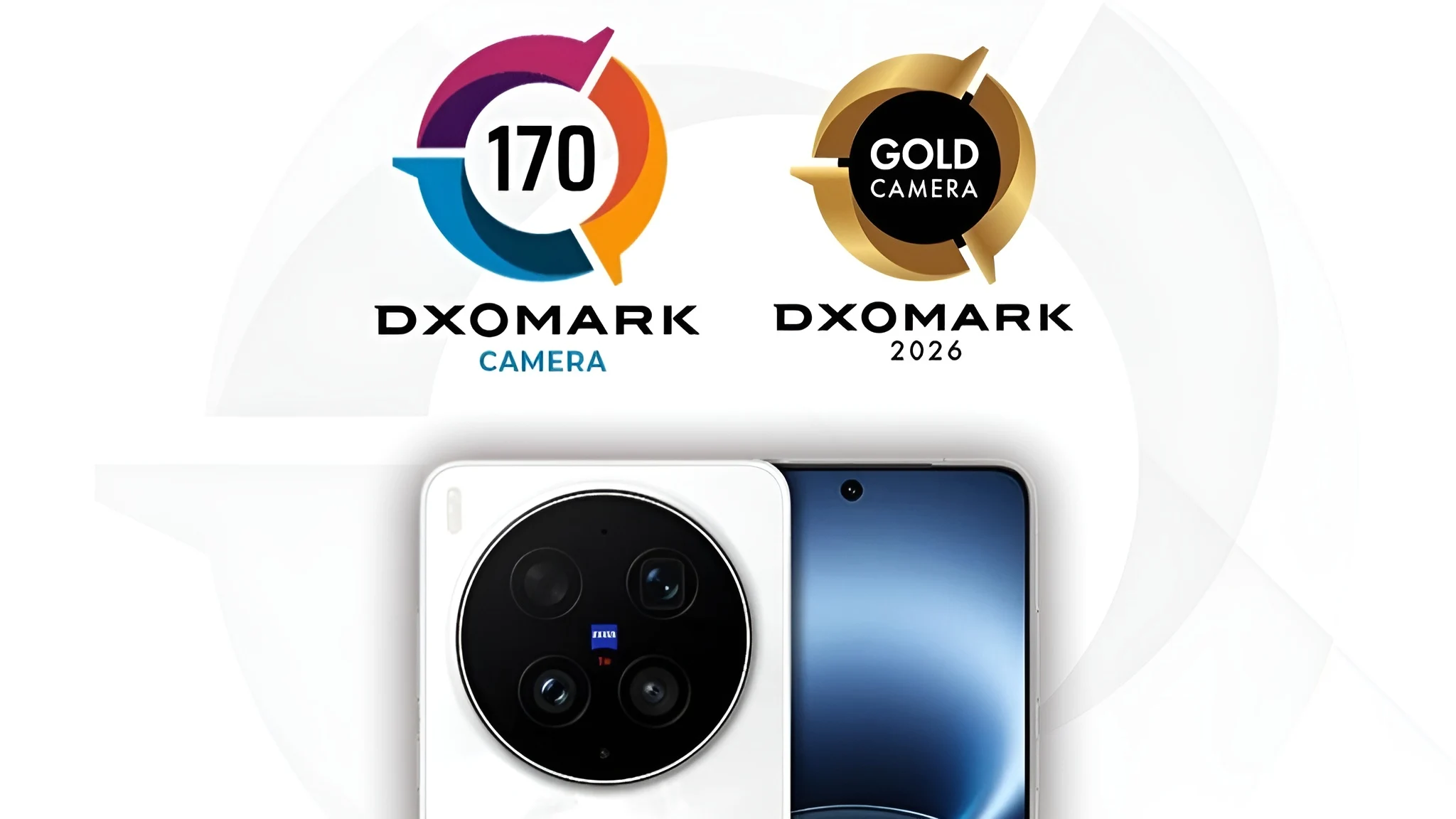
    The Vivo X300 Pro reached second place in in DxoMark camera test at the end of 2025, a position it still holds today, directly behind the Huawei Pura 80 Ultra, which has topped the ranking of the best smartphone cameras for months. There has been little movement among the top three until now: DxOMark has just published its Vivo X300 Ultra camera test, and it ends with a small surprise.

    Point Distribution and Surprising Rankings

    The current Zeiss camera flagship, which is around €600 more expensive than last year’s Pro model, lands in third place behind the Vivo X300 Pro in terms of points, which is somewhat surprising. So let’s take a look at where the Vivo X300 Ultra’s camera fell short in DxOMark’s eyes and why the more affordable Vivo flagship apparently received a slightly better rating overall.

    Video Performance and Low Light Issues

    By just a single point, the Vivo X300 Pro’s lead isn’t huge, but one could be forgiven for expecting a clear victory for the Ultra model. Looking at the point distribution between the two Vivo contenders, one outlier stands out in particular. While the X300 Ultra scores more or at least as many points as the Pro model in virtually all categories, the Vivo X300 Ultra falls short by a full 10 points in the main camera’s video rating, which apparently tipped the scales in favor of the overall score.

    In terms of usage scenarios, the Vivo X300 Pro still maintains its top position in low-light performance, ahead of the Vivo X300 Ultra. The rather negative assessment of video performance by DxoMark is likely to hurt Vivo, as the Vivo X300 Ultra was specifically developed and marketed for this area. After all, the Zeiss Ultra flagship still achieves top scores in ultra-wide-angle, telephoto, bokeh and zoom.

    Test Comments and Final Rankings

    In the test comments, the camera testers mention inconsistent performance in challenging situations, particularly during video recording and in low light. In darkness, the testers also apparently struggled with increased noise, artifacts and unnatural AI textures. In general, the testers note that the somewhat excessive overprocessing can result in unnatural photos. Nevertheless, the Vivo X300 Ultra currently dominates our list of the top camera phones, followed closely by the Vivo X300 Pro and the Oppo Find X9 Ultra in third place.

    • Vivo X300 Pro: 2nd place overall, strong low-light performance
    • Vivo X300 Ultra: 3rd place overall, 10 points lower in video rating
    • Huawei Pura 80 Ultra: 1st place, holds top ranking for months


  • Samsung Galaxy S26 Ultra Falls Short of iPhone 16 Pro Max on DxOMark

    Samsung Galaxy S26 Ultra Falls Short of iPhone 16 Pro Max on DxOMark

    Key Takeaways

    1. The Samsung Galaxy S26 Ultra’s camera score improved from 151 to 157, but it ranks 18th overall, behind competitors like the iPhone 16 Pro Max and Google Pixel 10 Pro XL.
    2. Key camera specifications include a 200 MP main camera with improved aperture, a 50 MP ultra-wide camera, and a 50 MP periscope telephoto camera, with some features carried over from the S25 Ultra.
    3. The camera has a limited focus distance of 52 centimeters, which is double that of its predecessor, impacting close-up shots.
    4. The Galaxy S26 Ultra excels in white balance accuracy, dynamic range, and video stabilization, with good detail in macro photography.
    5. Despite improvements, low-light performance still shows noticeable noise, inconsistent auto-exposure, and issues with detail and autofocus in portrait mode.


    The in-depth camera evaluation from DxOMark for the Samsung Galaxy S26 Ultra ($1,299 on Amazon) has arrived, revealing that Samsung has indeed made enhancements to the camera system when compared to the Galaxy S25 Ultra, with the score increasing from 151 to 157. Nevertheless, this improvement only secures the 18th position on the chart, trailing behind the Apple iPhone 16 Pro Max (161 points), the Google Pixel 10 Pro XL (163 points), and the Huawei Pura 80 Ultra (175 points).

    Camera Specifications

    The slight upgrade isn’t unexpected, considering Samsung has maintained the 50 MP f/1.9 ultra-wide-angle camera featuring a 1/2.5-inch sensor and the 10 MP f/2.4 telephoto camera with triple zoom and a 1/3.52-inch sensor from the Galaxy S25 Ultra. The main camera boasts a 200 MP resolution with a 1/1.3-inch sensor, which benefits from a quicker lens with an aperture shift from f/1.7 to f/1.4, while the 50 MP periscope telephoto camera with a 1/2.52-inch sensor sees an enhancement from f/3.4 to f/2.9.

    Focusing Limitations

    On the downside, the camera’s focus distance is limited to objects that are at least 52 centimeters away, roughly doubling the minimum focus distance. Despite this, the Samsung Galaxy S26 Ultra shines in several areas during the camera evaluation, thanks to its largely accurate white balance, expansive dynamic range, and effective video stabilization. Furthermore, macro photographs are captured with impressive detail.

    Performance Issues

    While the main camera and periscope telephoto camera exhibit reduced image noise due to the higher-quality lenses, noticeable noise persists in low-light situations. The auto-exposure feature does not perform consistently under various conditions. In portrait mode, DxOMark points out that faces tend to lack fine detail, and the autofocus struggles to consistently target a person’s eyes accurately.

    Source:
    Link


  • Samsung Galaxy S26 Ultra Camera Upgrades vs iPhone 17 Pro

    Samsung Galaxy S26 Ultra Camera Upgrades vs iPhone 17 Pro

    Key Takeaways

    1. The Samsung Galaxy S26 Ultra retains the same camera setup as the Galaxy S25 Ultra, with four rear cameras including a 50 MP ultra-wide and a 10 MP telephoto lens.
    2. The main camera has been upgraded to 200 MP with a faster f/1.4 lens that allows 47% more light, improving low-light performance.
    3. The 50 MP periscope telephoto camera features a quicker f/2.9 lens, enhancing background highlights.
    4. Camera performance shows improvements in detail and low-light noise, with better skin tone accuracy compared to the S25 Ultra, but still lags behind the iPhone 17 Pro.
    5. Areas needing improvement include the autofocus system’s face detection and the quality of bokeh simulation, which can produce artifacts.


    The Samsung Galaxy S26 Ultra, priced at $1,299 on Amazon, mirrors its predecessor, the Galaxy S25 Ultra, with four rear cameras. It features a 50 MP f/1.9 ultra-wide camera with a 1/2.5 inch sensor and a 10 MP f/2.4 telephoto camera equipped with a 3x optical zoom and a small 1/3.94 inch sensor. These specifications remain unchanged from the earlier version.

    Enhanced Main Camera

    The standout feature is the 200 MP main camera, now sporting a faster f/1.4 lens, which, according to Samsung, allows 47% more light to hit the sensor compared to the last model. The 50 MP periscope telephoto camera also benefits from a quicker f/2.9 lens and incorporates a smaller ALoP module. This upgrade modifies the appearance of highlights in the background, making them round instead of square. However, it’s worth noting that the minimum focus distance has increased to 52 centimeters.

    Camera Performance Insights

    DxOMark tested the Galaxy S26 Ultra’s camera and observed notable enhancements in two specific areas. First, the 200 MP main camera captures more detailed images with reduced noise in low light, confirming that the faster lens indeed makes a difference. Second, the device records skin tones more accurately in dim conditions compared to the Galaxy S25 Ultra. Nevertheless, DxOMark points out that the Apple iPhone 17 Pro’s main camera outshines the Galaxy S26 Ultra by capturing even more detail and exhibiting less noise.

    Areas for Improvement

    Despite these advancements, DxOMark criticizes the autofocus system for not consistently detecting faces precisely, and notes that the bokeh simulation is not always perfect, leading to noticeable artifacts in some images.

    Source:
    Link


  • Google Pixel 10a Lags Behind Pixel 8a and iPhone 15 in DxOMark

    Google Pixel 10a Lags Behind Pixel 8a and iPhone 15 in DxOMark

    Key Takeaways

    1. The Google Pixel 10a is priced at $499 and is designed to be sturdy and compact.
    2. It features a 48-megapixel main camera with Optical Image Stabilization and a 13 MP ultra-wide camera.
    3. The Pixel 10a scored 134 points in the DxOMark camera test, showing improved image processing over the Pixel 9a.
    4. It performs better than models like the iPhone 14 and Pixel 6, but struggles with low-light image quality and video detail.
    5. The lack of a telephoto camera results in a low telephoto score, but the device maintains decent dynamic range and effective portrait mode in bright conditions.


    The Google Pixel 10a, priced at $499 on Amazon, is marketed as a sturdy and durable smartphone that’s not too big. One of the standout features of this mid-range device is its cameras, which are level with the back of the phone. The main camera is a 48-megapixel f/1.7 lens with a 1/2.0 inch sensor and Optical Image Stabilization (OIS). It also includes a 13 MP f/2.2 ultra-wide camera that has a smaller 1/3.1 inch sensor, both of which have been kept the same from the previous Pixel 9a.

    Camera Performance Overview

    It’s not surprising that the Pixel 10a scored 134 points in the DxOMark camera test, which is an improvement of six points over the Pixel 9a, mostly due to better image processing. This score places it at 75th on the DxOMark charts. In comparison, the Pixel 8a scored 136 points because it has a 64 MP main camera with a larger 1/1.73 inch sensor that was introduced two years ago. The older Apple iPhone 15 is ahead with a score of 145 points.

    Comparison with Other Models

    However, the Pixel 10a does perform better than the iPhone 14, Google Pixel 6, and Samsung Galaxy S23. The main issue is the noticeable image noise in low-light situations, which is expected given the smaller sensors. The auto-exposure and white balance features can be unreliable in dim lighting. When shooting videos, the Pixel 10a tends to show less detail, and its autofocus sometimes struggles to focus correctly.

    Telephoto Capability and Dynamic Range

    The absence of a telephoto camera has led to a low telephoto score of 25 points, which is no surprise—currently, the highest score in this category is 140 points. Despite this, the Google Pixel 10a can still capture photos and videos with a decent dynamic range, and its exposure and white balance perform well in bright conditions. The portrait mode is quite effective and works smoothly.

    Source:
    Link


  • Xiaomi 17 Ultra vs Apple iPhone 17 Pro: Camera Test Results

    Xiaomi 17 Ultra vs Apple iPhone 17 Pro: Camera Test Results

    Key Takeaways

    1. The Xiaomi 17 Ultra is set to launch in Europe in March and features a strong camera but has some shortcomings.
    2. It received a rating of 166 points from DxOMark, placing it sixth in smartphone rankings, behind the Apple iPhone 17 Pro and Huawei Pura 70 Ultra.
    3. The camera struggles with auto exposure, white balance fluctuations, and autofocus issues, leading to inconsistent image quality.
    4. Group photos often lack sharpness due to a shallow depth of field from its 50MP main camera, which lacks a variable aperture.
    5. Despite its drawbacks, the camera performs well overall, producing detailed images with natural colors and impressive telephoto capabilities from its 200MP periscope lens.


    The Xiaomi 17 Ultra is anticipated to debut in Europe come March. In our thorough analysis, the smartphone impressed with its capable camera, although it did reveal a few shortcomings. DxOMark has conducted its own review and assessment of the phone’s triple-camera setup. The final rating of 166 points is decent, yet it does not set a new high.

    Rankings Overview

    This score places the device in sixth position among the current smartphone rankings, trailing behind the Apple iPhone 17 Pro, which holds fourth place with 168 points, and significantly behind the Huawei Pura 70 Ultra, which leads with a score of 175 points. Notably, Xiaomi did not achieve a top score in any specific category. The iPhone 17 Pro mainly outperforms it due to video performance issues found in the Xiaomi 17 Ultra.

    Camera Performance Insights

    The auto exposure and white balance can fluctuate between different frames, and the autofocus does not allow for smooth transitions, making images sometimes appear jittery. Additionally, DxOMark points out that group photos often have issues with focus, where not everyone is sharp. This is largely because of the shallow depth of field created by the 50MP f/1.7 main camera that features a large 1-inch sensor. Implementing a variable aperture could address this issue, but Xiaomi chose not to include that feature.

    Overall Impression

    In spite of these slight drawbacks, the camera on the Xiaomi 17 Ultra performs admirably in most scenarios. The images captured exhibit fine details with minimal noise, colors appear natural, and the bokeh effect in Portrait mode is quite convincing. The 200MP periscope telephoto lens is also commendable, as its continuous zoom range from 75mm to 100mm, along with the relatively large 1/1.4-inch sensor, yields exceptional telephoto images within that focal-length range.

    Source:
    Link


  • Xiaomi 17 Pro Max Camera Analysis Reveals Two Key Drawbacks

    Xiaomi 17 Pro Max Camera Analysis Reveals Two Key Drawbacks

    Key Takeaways

    1. The Xiaomi 17 Pro Max features a triple camera system with three 50MP lenses: a main camera, an ultrawide lens, and a periscope telephoto lens with 5x optical zoom.
    2. Despite good image quality, the Xiaomi 17 Pro Max ranks 13th in DxOMark’s evaluations with a score of 159, lower than competitors like the iPhone 17 Pro and Vivo X300 Pro.
    3. Significant weaknesses include a narrower ultrawide lens field of view (17mm) compared to competitors and video quality issues such as noise and shaky stabilization.
    4. Minor issues were noted, such as imperfect bokeh effects in portrait mode, particularly with thin objects.
    5. Overall, the Xiaomi 17 Pro Max performs well in photo mode, delivering detailed images with excellent color accuracy and minimal noise.


    Despite being marketed as a top-tier camera phone, the Xiaomi 17 Pro Max has a spec list that resembles that of many other similar devices. It features a 50MP f/1.7 main camera with a 1/1.28-inch sensor, a 50MP f/2.4 ultrawide lens with a 1/2.88-inch sensor, and a 50MP f/2.6 periscope telephoto lens that has a 1/1.95-inch sensor, offering 5x optical zoom and macro capabilities.

    Performance Analysis

    The camera system generally provided good image quality during DxOMark’s thorough evaluation, but a few issues led to some point losses. The Xiaomi 17 Pro Max ended up ranking 13th in DxOMark’s list with a total score of 159, which is significantly lower than the Apple iPhone 17 Pro at 168 points, the Vivo X300 Pro at 171 points, and the Huawei Pura 80 Ultra at 175 points.

    Weaknesses Identified

    DxOMark pointed out two significant flaws of the Xiaomi 17 Pro Max when compared to its better-rated competitors. Firstly, the ultrawide camera has an equivalent focal length of just 17mm. In contrast, the iPhone 17 boasts a 13mm ultrawide camera, which allows it to capture a broader field of view. Secondly, the video function is plagued by noisy images, inconsistent white balance and exposure, along with shaky image stabilization, even if the user is holding the Xiaomi 17 Pro Max steadily.

    Additional Issues

    The review also found a few minor problems, like imperfect bokeh effects in portrait mode. Very thin objects, such as single hair strands, were sometimes not isolated correctly. However, the Xiaomi 17 Pro Max largely performed well in photo mode, creating detailed images with excellent color accuracy and minimal noise. For more details, check our comprehensive review on the Xiaomi 17 Pro Max.

    Source:
    Link


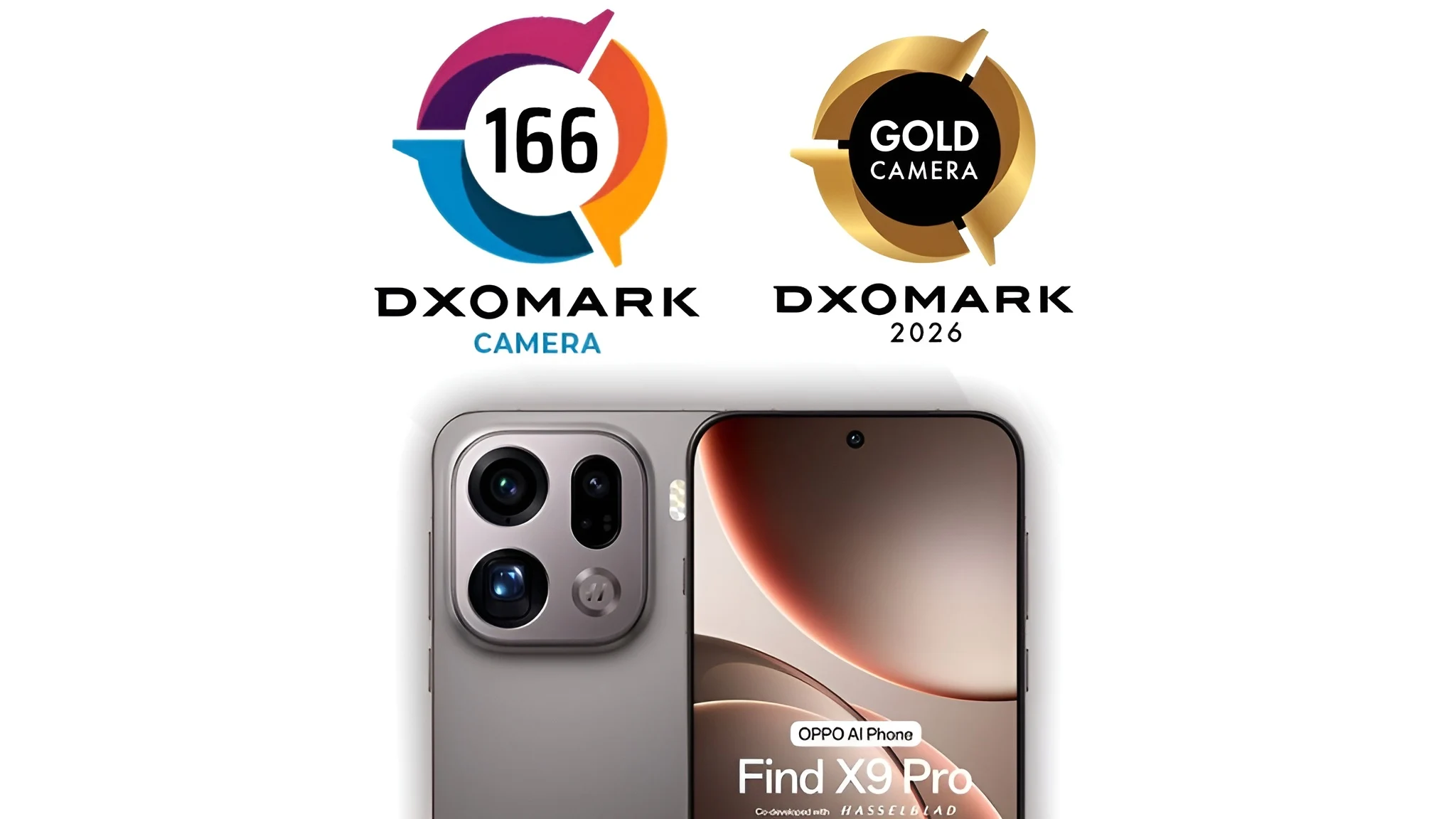
  • Oppo Find X9 Pro vs Honor Magic 8 Pro: DxOMark Camera Test Results

    Oppo Find X9 Pro vs Honor Magic 8 Pro: DxOMark Camera Test Results

    Key Takeaways

    1. DxOMark has been rating smartphone cameras for years, providing a dynamic ranking of top models.
    2. The Oppo Find X9 Pro recently moved to seventh place, closely following the Honor Magic8 Pro.
    3. No current flagship cameras, including the Oppo and Honor, achieved new top scores in any category this year.
    4. The Vivo X300 Pro set new benchmarks in bokeh, telephoto, zoom, and low-light performance, ranking second in evaluations.
    5. The Oppo Find X9 Pro is praised for exposure, dynamic range, and color accuracy, but has issues with slower autofocus and video noise.


    Whether the quality of a camera can be evaluated in points remains a topic of debate. Nevertheless, DxOMark has been rating them for years and, much like our list of the finest smartphone cameras, provides an ever-changing roster of leading smartphone cameras. Recently, the Oppo Find X9 Pro surpassed the Honor Magic8 Pro, shifting from sixth to seventh position. When examining the scores, it seems that Oppo and Honor are very close this year.

    Notable Scoring Trends

    What stands out about the score distribution in both cases is that neither of the current flagship cameras achieved new top marks in any category. This is in stark contrast to the Vivo X300 Pro, which has recently claimed second place in the DxOMark evaluation, establishing new benchmarks for bokeh, telephoto, zoom, and low-light capabilities. In comparison, the Oppo Find X9 Pro performs well across the board but is missing any truly exceptional characteristics, based on the test findings from our colleagues in France.

    Testers’ Insights

    The evaluators commend the Oppo Find X9 Pro for its generally high-quality exposure, dynamic range, and color accuracy, featuring a neutral white balance and realistic skin tones, along with efficient video stabilization, even during moments of active movement. Both videos and photographs are rich in detail. However, there are some drawbacks, such as slower autofocus when set against competitors and increased noise in videos, even under bright lighting. Autofocus also seems to struggle often while filming videos.

    Source:
    Link


  • Honor Magic8 Pro Enters Top 5 in DxOMark Camera Rankings

    Honor Magic8 Pro Enters Top 5 in DxOMark Camera Rankings

    Key Takeaways

    1. The Honor Magic8 Pro launched in the UK, achieving a score of 165 points in camera rankings, placing it fifth overall.
    2. The competition for smartphone cameras is strong in 2025, with other top contenders including the Vivo X200 Ultra and Apple’s iPhone 17 Pro.
    3. The Magic8 Pro shows strong performance across various categories but does not lead in any specific area on DxOMark.
    4. Testers praised the photo quality, noting excellent lighting, dynamic range, and pleasing skin tones, but raised concerns about video quality.
    5. Issues with video include inaccurate colors, inconsistent lighting, noise, and reduced detail in low-light situations.


    The Honor Magic8 Pro has recently launched in the UK and its European release is anticipated shortly. A test unit was evaluated at DxOMark’s lab in France, where it impressively displaced the Google Pixel 10 Pro XL from the top 5 rankings for best smartphone cameras, earning a score of 165 points. In contrast, its predecessor, the Honor Magic7 Pro, has slipped down the list, while the Honor Magic6 Pro achieved the top rank in 2024. Therefore, the Magic8 Pro’s fifth-place finish is commendable, though it doesn’t set any new records for Honor.

    Strong Competition Ahead

    The competition in 2025 is fierce, with the top 5 list featuring the Vivo X200 Ultra, Oppo Find X8 Ultra, Huawei Pura 80 Ultra, and Apple’s iPhone 17 Pro. Notably, the detailed scoring reveals that while Honor does not lead in any specific DxOMark categories, it shows strong performance across nearly all areas, even if it doesn’t secure any new high scores. For video capabilities, the Magic8 Pro scored 154 points, placing it at 15th in rankings for the best smartphones for video, where the iPhone 17 Pro stands out.

    Mixed Reviews from Testers

    The testers highlighted the generally excellent lighting and dynamic range in photos and videos across various scenarios, noting the impressive detail in bright environments and the accurate white balance, which resulted in pleasing skin tones. They also praised the bokeh in portrait shots and reported low noise levels. However, a significant list of concerns arose, particularly regarding video quality, which contributed to the relatively low overall score.

    Some issues include inaccurate colors, inconsistent lighting in videos, and noticeable noise, as well as a reduction in detail in low-light or indoor video situations, especially with moving subjects. Testers also pointed out problems like ghosting and color fringing in videos. When capturing group photos, it’s important to ensure proper focus, as the depth of field seems somewhat limited. For a comprehensive overview of the test, which includes numerous photos and videos, click here.

    DxoMark.

    Source:
    Link


  • Vivo X300 Pro Challenges iPhone 17 Pro in Camera Rankings

    Vivo X300 Pro Challenges iPhone 17 Pro in Camera Rankings

    Key Takeaways

    1. The Vivo X300 Pro ranks second in DxOMark’s smartphone camera ratings, surpassing the Vivo X200 Ultra and competing closely with the Huawei Pura 80 Ultra and iPhone 17 Pro.
    2. The photo score of the Vivo X300 Pro is 171, slightly below the Vivo X200 Ultra’s score of 173, while its video score has significantly improved to 169, making it the top Android choice for video recording.
    3. The camera excels in telephoto, bokeh, zoom, and low-light performance, with commendable exposure, dynamic range, and accurate skin tone representation.
    4. Video stabilization and natural bokeh effects in portrait shots are highlighted as strong points of the Vivo X300 Pro.
    5. Areas for improvement include contrast issues in HDR images, a limited field of view in the ultra-wide camera, potential artifacts, and occasional overexposure of darker skin tones in low-light images.


    The camera specialists at DxOMark have been busy at the end of 2025, finalizing their review of the Vivo X300 Pro, and the findings are quite impressive. For the first time, a flagship phone with a Zeiss camera has claimed a spot in the top three smartphone cameras, landing in second place just behind the Huawei Pura 80 Ultra and outpacing both the Oppo Find X8 Ultra and Apple’s iPhone 17 Pro. This achievement means the Vivo X300 Pro has also surpassed the Vivo X200 Ultra, although the specific scores reveal some intriguing differences between the two flagship models from Vivo.

    Performance Comparison

    For instance, the photo score is 171 points, which is just shy of the 173 scored by the Vivo X200 Ultra, indicating that the latter still holds an edge in that area. Nevertheless, the video performance has seen a significant enhancement, with the Vivo X300 Pro earning 169 points compared to its predecessor’s 156. In the realm of video, the Vivo X300 Pro ranks second, right behind the iPhone 17 Pro, making it the top Android choice for video recording according to DxOMark.

    Areas of Excellence

    Unlike the recent camera assessment of the Honor Magic 8 Pro, which failed to achieve any leading scores, the Vivo X300 Pro excels in the photo subcategories of telephoto, bokeh, zoom, and low-light conditions. Reviewers commend the camera for its consistently precise exposure and dynamic range, along with accurate white balance that captures natural skin tones in both photos and videos. The detail captured in all scenarios is impressive, particularly in zoom shots. Additionally, the video stabilization is commendable, and the natural bokeh effect in portrait shots is noted as a strong point.

    Points for Improvement

    That said, there are still some aspects that Vivo could enhance. Notably, there are contrast challenges in HDR images with strong backlighting, a relatively limited field of view from the ultra-wide camera, and potential artifacts like ghosting, color fringing, or texture issues that may arise in certain situations. Furthermore, low-light images can sometimes portray unnatural details, and the skin tones of individuals with darker skin might appear slightly overexposed. The complete review can be accessed here. I have also conducted an in-depth evaluation of the Vivo X300 Pro, and part one of my personal experience with the camera during a trip to Cyprus is available here.

    Source:
    Link


  • Samsung Galaxy S25 FE Falls Short in DxOMark Camera Test

    Samsung Galaxy S25 FE Falls Short in DxOMark Camera Test

    Key Takeaways

    1. The Samsung Galaxy S25 FE is a budget-friendly alternative to the Galaxy S25+, starting at about $475.
    2. It features a slower Exynos 2400 processor and has reduced camera capabilities to maintain a lower price.
    3. The camera setup includes a 50 MP main camera, a 12 MP ultrawide camera, and an 8 MP telephoto camera but scores low in independent reviews.
    4. Photography performance is limited, with issues in HDR videos, white balance, and noise in images, even in good lighting.
    5. Portrait mode struggles with detail loss and artifacts, leading to recommendations for other mid-range options like Xiaomi and Google Pixel.


    The Samsung Galaxy S25 FE, which starts at about $475 on Amazon, is designed to be a more affordable option than the Galaxy S25+. To achieve this lower price, Samsung has made two major compromises. The phone is equipped with a slower Exynos 2400 processor and features reduced camera capabilities.

    Camera Specifications

    The Galaxy S25 FE has a main camera with 50 MP and an f/1.8 aperture, paired with a 1/1.57-inch sensor. It also includes a 12 MP f/2.2 ultrawide camera that uses a small 1/3-inch sensor, and an 8 MP f/2.2 telephoto camera, which has an even smaller 1/4.4-inch sensor and offers 3x optical zoom. An in-depth camera review by DxOMark has highlighted the true limitations of this triple-camera arrangement. With a score of 118, the Galaxy S25 FE is ranked 123rd globally, falling behind even the five-year-old Apple iPhone 12 Pro Max (which scored 131 points) and the more affordable Google Pixel 6a (with 122 points).

    Performance in Photography

    While the camera setup does provide mostly correct exposure and color in photos, it fails to impress in almost every other aspect. HDR videos often suffer from underexposure and sometimes show a pink tint, revealing issues with white balance. The small sensors also lead to noisy images and videos, even when shooting in bright daylight.

    Issues with Portrait Mode

    When using portrait mode that simulates bokeh, there was a clear loss of detail throughout the image. Additionally, unwanted artifacts appeared regularly when trying to capture moving subjects. DxOMark suggests that anyone looking for a quality camera system at a mid-range price should consider alternatives like the Xiaomi 15, Google Pixel 10, or Xiaomi 14T instead of opting for the Samsung Galaxy S25 FE.

    Source:
    Link