Tag: Camera Performance

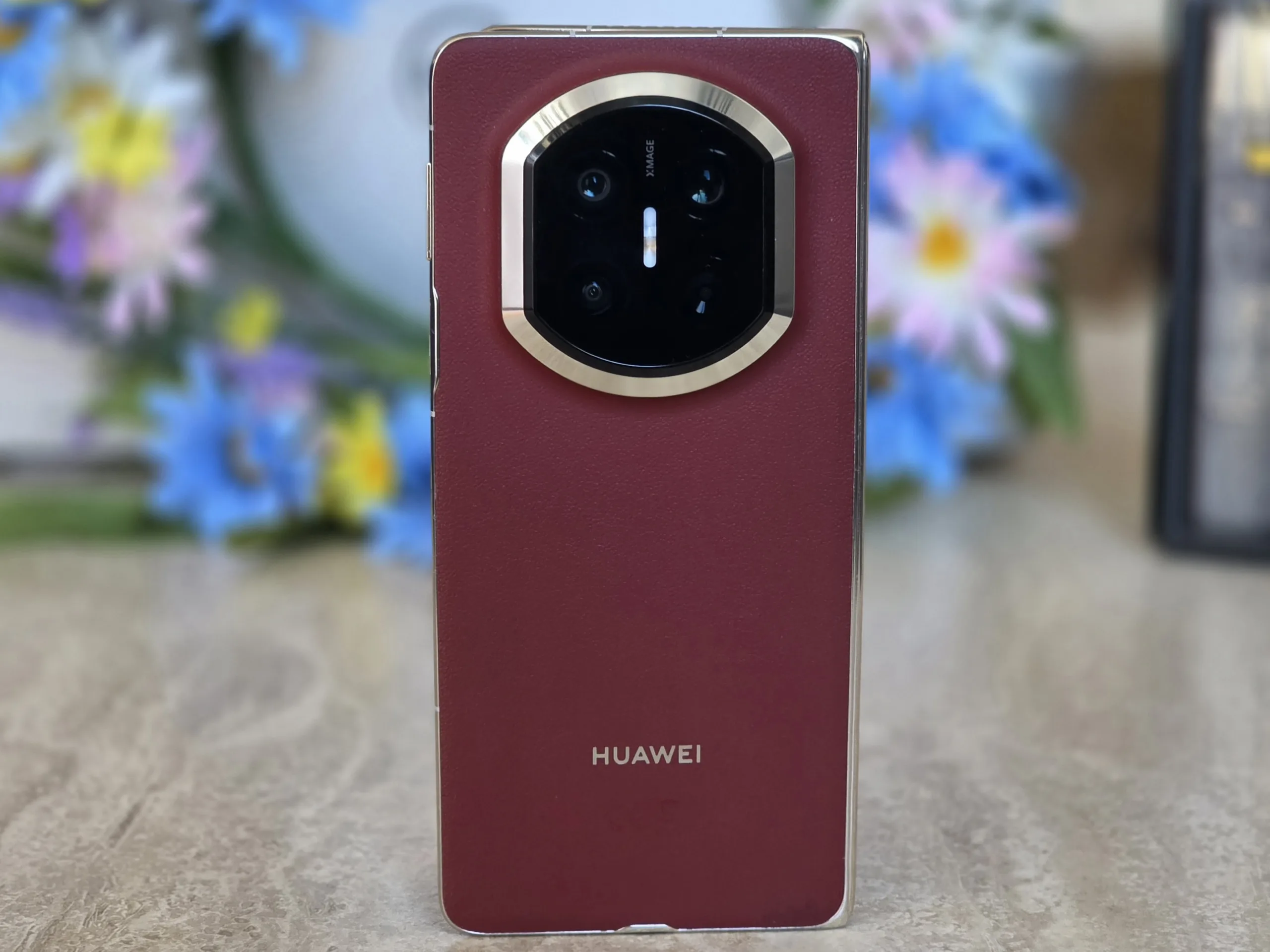
  • Huawei Mate X7 Challenges Galaxy S26 Ultra Camera Performance

    Huawei Mate X7 Challenges Galaxy S26 Ultra Camera Performance

    Key Takeaways

    1. The Huawei Mate X7 has limitations in cellular connection and overall performance compared to other premium foldable devices.
    2. The 50 MP primary camera with a large sensor and variable aperture is a standout feature, providing excellent image quality.
    3. The Mate X7 differentiates itself from competitors like Samsung and Honor through its unique camera capabilities.
    4. In a comparison with the Samsung Galaxy S25 Ultra, the Mate X7 excelled in image clarity and low-light performance.
    5. The Huawei Mate X7’s strong dynamic range puts it ahead of the Galaxy S25 Ultra, challenging Samsung’s future models.


    During our evaluation, the Huawei Mate X7 revealed some limitations in technology when compared to other premium foldable devices, especially in cellular connection and overall performance. Check out our review to see if the device, priced at approximately €1,900 ($2,175), is still a viable option despite these issues.

    Camera Performance

    The image quality from the camera is where the Huawei Mate X7 really shines. It features a 50 MP primary camera that boasts a 1/1.28-inch sensor, which is quite large for a foldable smartphone. Additionally, its variable aperture ranges from f/1.49 to f/4.0, making it a standout feature in this category.

    Comparison with Rivals

    However, the phone’s main strength goes beyond just its primary camera. In our thorough review, we investigate how the Mate X7 differentiates itself from competitors like Samsung and Honor.

    Imaging Analysis

    Even with its thin design, the Huawei Mate X7’s primary camera has what it needs to create appealing photos. To assess its photography capabilities better, we compared it with the Samsung Galaxy S25 Ultra. This comparison allowed us to evaluate how the Mate X7’s 50 MP RYYB sensor performs against the Galaxy S25 Ultra’s impressive 200 MP sensor, in both bright and dim lighting.

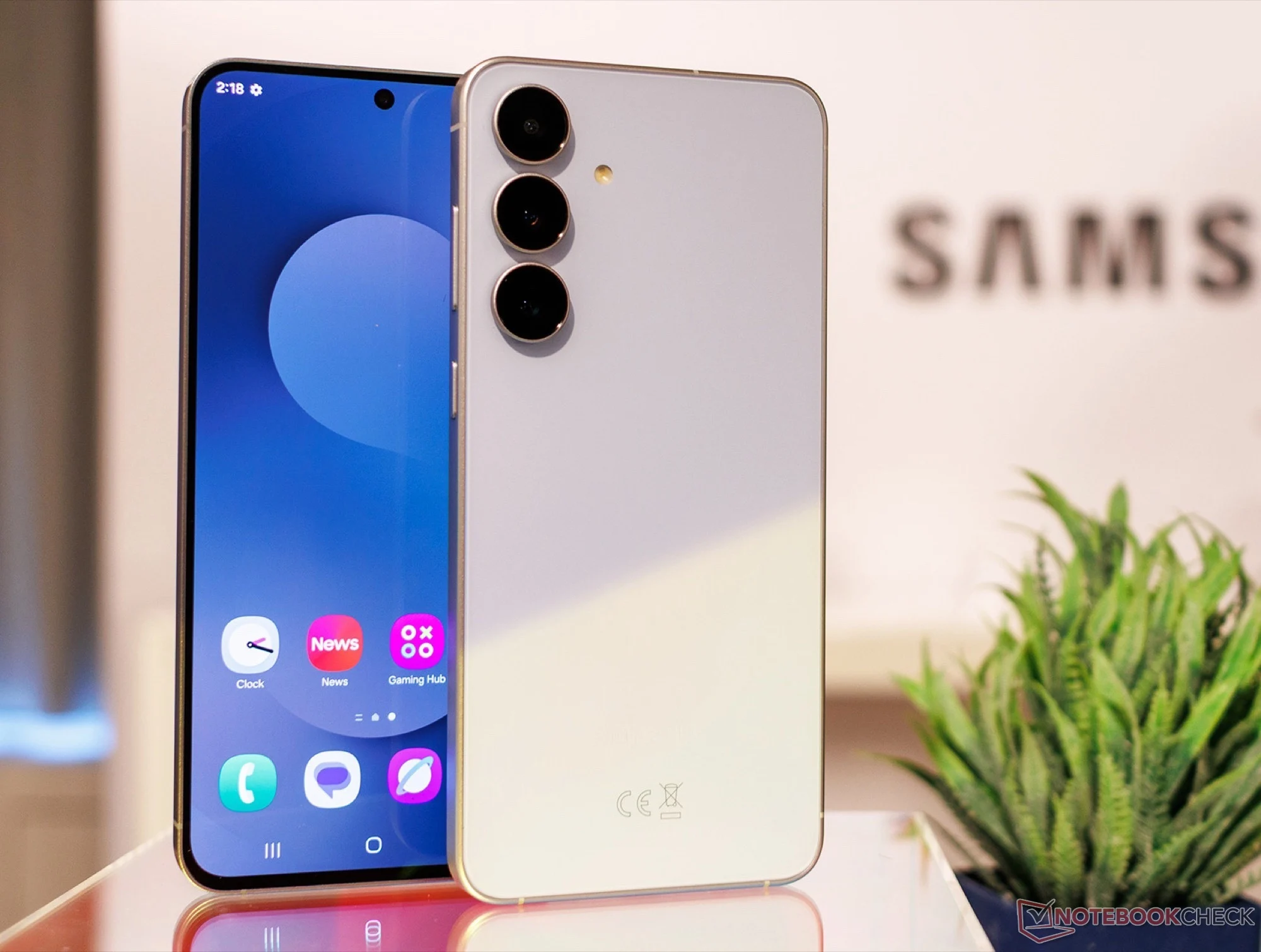
    In terms of dynamic range, the Huawei Mate X7 performs excellently. According to the comparison images, the foldable surprisingly outperformed the Galaxy S25 Ultra in image clarity and low-light capabilities, leaving little room for Samsung to compete. With the Galaxy S26 Ultra not significantly improving beyond a quicker lens, it may find it tough to match the impending models from Oppo or Vivo.
  • Google Pixel 10a Lags Behind Pixel 8a and iPhone 15 in DxOMark

    Google Pixel 10a Lags Behind Pixel 8a and iPhone 15 in DxOMark

    Key Takeaways

    1. The Google Pixel 10a is priced at $499 and is designed to be sturdy and compact.
    2. It features a 48-megapixel main camera with Optical Image Stabilization and a 13 MP ultra-wide camera.
    3. The Pixel 10a scored 134 points in the DxOMark camera test, showing improved image processing over the Pixel 9a.
    4. It performs better than models like the iPhone 14 and Pixel 6, but struggles with low-light image quality and video detail.
    5. The lack of a telephoto camera results in a low telephoto score, but the device maintains decent dynamic range and effective portrait mode in bright conditions.


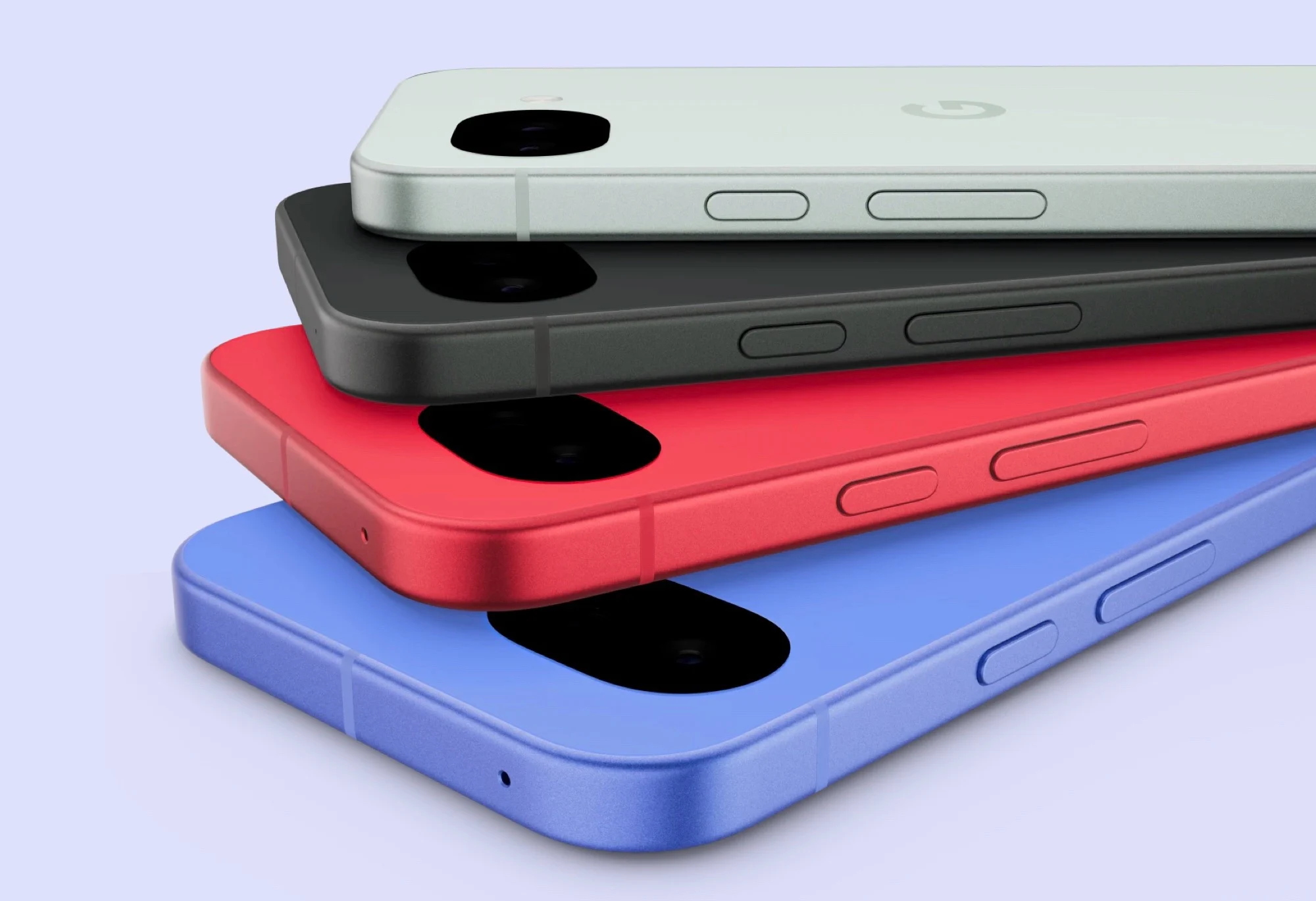
    The Google Pixel 10a, priced at $499 on Amazon, is marketed as a sturdy and durable smartphone that’s not too big. One of the standout features of this mid-range device is its cameras, which are level with the back of the phone. The main camera is a 48-megapixel f/1.7 lens with a 1/2.0 inch sensor and Optical Image Stabilization (OIS). It also includes a 13 MP f/2.2 ultra-wide camera that has a smaller 1/3.1 inch sensor, both of which have been kept the same from the previous Pixel 9a.

    Camera Performance Overview

    It’s not surprising that the Pixel 10a scored 134 points in the DxOMark camera test, which is an improvement of six points over the Pixel 9a, mostly due to better image processing. This score places it at 75th on the DxOMark charts. In comparison, the Pixel 8a scored 136 points because it has a 64 MP main camera with a larger 1/1.73 inch sensor that was introduced two years ago. The older Apple iPhone 15 is ahead with a score of 145 points.

    Comparison with Other Models

    However, the Pixel 10a does perform better than the iPhone 14, Google Pixel 6, and Samsung Galaxy S23. The main issue is the noticeable image noise in low-light situations, which is expected given the smaller sensors. The auto-exposure and white balance features can be unreliable in dim lighting. When shooting videos, the Pixel 10a tends to show less detail, and its autofocus sometimes struggles to focus correctly.

    Telephoto Capability and Dynamic Range

    The absence of a telephoto camera has led to a low telephoto score of 25 points, which is no surprise—currently, the highest score in this category is 140 points. Despite this, the Google Pixel 10a can still capture photos and videos with a decent dynamic range, and its exposure and white balance perform well in bright conditions. The portrait mode is quite effective and works smoothly.

    Source:
    Link


  • Xiaomi Smartphone Camera Test: Affordable Quality or Disappointment?

    Xiaomi Smartphone Camera Test: Affordable Quality or Disappointment?

    Key Takeaways

    1. Budget smartphones are becoming more powerful and have better battery life, making them suitable for daily tasks.
    2. Security updates for budget smartphones are improving, approaching the level of more expensive devices due to new EU regulations.
    3. The Xiaomi Redmi Note 15 4G features a bright display with HDR support and offers convenient wired reverse charging.
    4. While camera sensors in budget smartphones have improved, they often struggle to match the image quality of higher-end models; the 108 MP camera primarily produces 12.5 MP images due to pixel merging.
    5. The Xiaomi Redmi Note 15 4G can take decent photos, but image quality and consistency may vary, often requiring more effort for satisfactory results.


    Budget smartphones are really impressing nowadays. They often have enough power for daily tasks, and their battery life keeps getting better. In terms of security updates, they are getting closer to pricier devices, thanks in part to new regulations from the EU.

    Display and Features

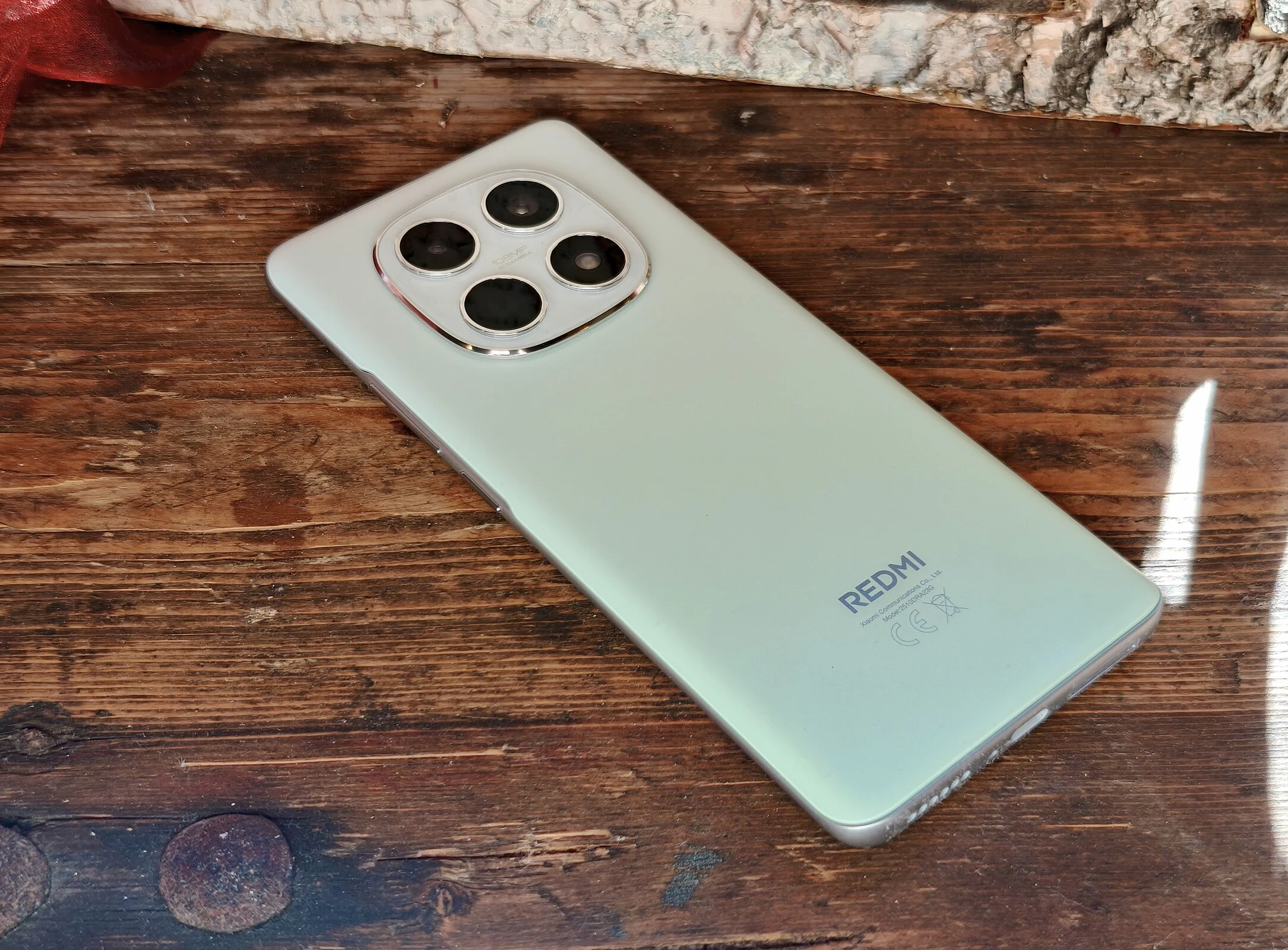
    We recently looked at the Xiaomi Redmi Note 15 4G, which has a very bright display and even supports HDR. It covers a wide range of 4G frequencies and provides wired reverse charging, which is pretty handy.

    Camera Quality

    However, to keep prices low, manufacturers usually use cheaper camera sensors. These have seen improvements over the years, but they often can’t match the image quality and flexibility of higher-end models.

    Let’s examine some images from the main camera of the Xiaomi Redmi Note 15 4G to see how the picture quality stacks up.

    A 108 MP camera looks impressive at first glance, but you can only use the full resolution in a special mode. The sensor’s small individual pixels mean you lose light sensitivity. Typically, 9 pixels merge to form larger, more light-sensitive pixels, creating a 12.5 MP image that is good enough for most needs.

    Additional Camera Specs

    There’s a second camera sensor on the back, but it acts merely as a backup and doesn’t take photos on its own. Additionally, the front houses a 20 MP camera for selfies.

    The Xiaomi Redmi Note 15 4G is capable of taking nice pictures, though it can sometimes depend on luck. For instance, while the photo of the streetlight is quite detailed, the image of the river is oddly blurry with the background trees losing contrast. The close-up of the flowers looks nice, but a pricier camera would likely capture more details.

    The dynamic range, sharpness, and overall consistency of the images from the Xiaomi Redmi Note 15 4G can’t match those of high-end smartphones. You can still grab some decent shots, but it might take more time and effort.

    For those interested, you can find more information about the camera performance, additional sample photos, and our overall rating in our complete review of the Xiaomi Redmi Note 15 4G.

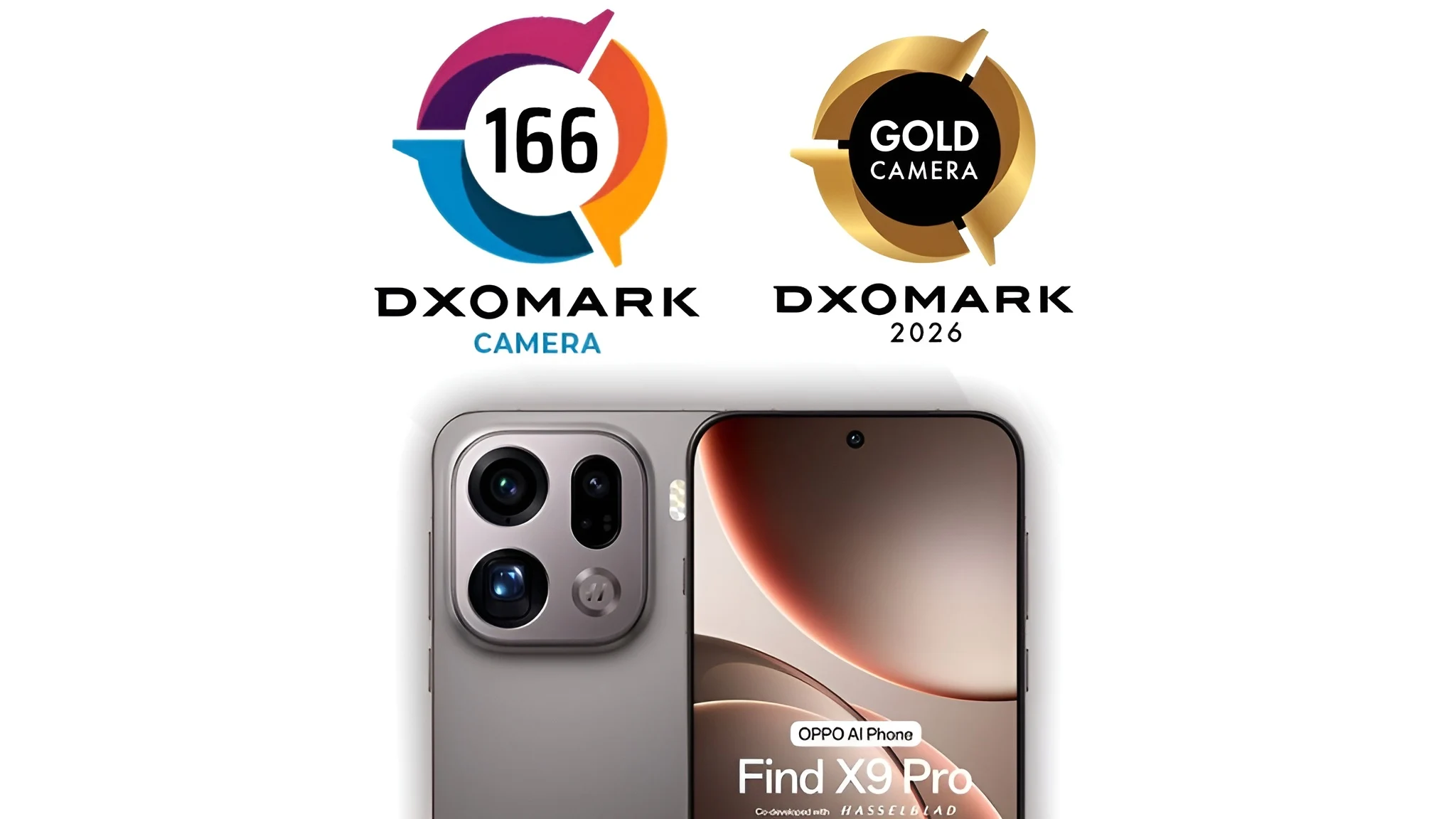
  • Oppo Find X9 Pro vs Honor Magic 8 Pro: DxOMark Camera Test Results

    Oppo Find X9 Pro vs Honor Magic 8 Pro: DxOMark Camera Test Results

    Key Takeaways

    1. DxOMark has been rating smartphone cameras for years, providing a dynamic ranking of top models.
    2. The Oppo Find X9 Pro recently moved to seventh place, closely following the Honor Magic8 Pro.
    3. No current flagship cameras, including the Oppo and Honor, achieved new top scores in any category this year.
    4. The Vivo X300 Pro set new benchmarks in bokeh, telephoto, zoom, and low-light performance, ranking second in evaluations.
    5. The Oppo Find X9 Pro is praised for exposure, dynamic range, and color accuracy, but has issues with slower autofocus and video noise.


    Whether the quality of a camera can be evaluated in points remains a topic of debate. Nevertheless, DxOMark has been rating them for years and, much like our list of the finest smartphone cameras, provides an ever-changing roster of leading smartphone cameras. Recently, the Oppo Find X9 Pro surpassed the Honor Magic8 Pro, shifting from sixth to seventh position. When examining the scores, it seems that Oppo and Honor are very close this year.

    Notable Scoring Trends

    What stands out about the score distribution in both cases is that neither of the current flagship cameras achieved new top marks in any category. This is in stark contrast to the Vivo X300 Pro, which has recently claimed second place in the DxOMark evaluation, establishing new benchmarks for bokeh, telephoto, zoom, and low-light capabilities. In comparison, the Oppo Find X9 Pro performs well across the board but is missing any truly exceptional characteristics, based on the test findings from our colleagues in France.

    Testers’ Insights

    The evaluators commend the Oppo Find X9 Pro for its generally high-quality exposure, dynamic range, and color accuracy, featuring a neutral white balance and realistic skin tones, along with efficient video stabilization, even during moments of active movement. Both videos and photographs are rich in detail. However, there are some drawbacks, such as slower autofocus when set against competitors and increased noise in videos, even under bright lighting. Autofocus also seems to struggle often while filming videos.

    Source:
    Link


  • Samsung Galaxy S25 FE Falls Short in DxOMark Camera Test

    Samsung Galaxy S25 FE Falls Short in DxOMark Camera Test

    Key Takeaways

    1. The Samsung Galaxy S25 FE is a budget-friendly alternative to the Galaxy S25+, starting at about $475.
    2. It features a slower Exynos 2400 processor and has reduced camera capabilities to maintain a lower price.
    3. The camera setup includes a 50 MP main camera, a 12 MP ultrawide camera, and an 8 MP telephoto camera but scores low in independent reviews.
    4. Photography performance is limited, with issues in HDR videos, white balance, and noise in images, even in good lighting.
    5. Portrait mode struggles with detail loss and artifacts, leading to recommendations for other mid-range options like Xiaomi and Google Pixel.


    The Samsung Galaxy S25 FE, which starts at about $475 on Amazon, is designed to be a more affordable option than the Galaxy S25+. To achieve this lower price, Samsung has made two major compromises. The phone is equipped with a slower Exynos 2400 processor and features reduced camera capabilities.

    Camera Specifications

    The Galaxy S25 FE has a main camera with 50 MP and an f/1.8 aperture, paired with a 1/1.57-inch sensor. It also includes a 12 MP f/2.2 ultrawide camera that uses a small 1/3-inch sensor, and an 8 MP f/2.2 telephoto camera, which has an even smaller 1/4.4-inch sensor and offers 3x optical zoom. An in-depth camera review by DxOMark has highlighted the true limitations of this triple-camera arrangement. With a score of 118, the Galaxy S25 FE is ranked 123rd globally, falling behind even the five-year-old Apple iPhone 12 Pro Max (which scored 131 points) and the more affordable Google Pixel 6a (with 122 points).

    Performance in Photography

    While the camera setup does provide mostly correct exposure and color in photos, it fails to impress in almost every other aspect. HDR videos often suffer from underexposure and sometimes show a pink tint, revealing issues with white balance. The small sensors also lead to noisy images and videos, even when shooting in bright daylight.

    Issues with Portrait Mode

    When using portrait mode that simulates bokeh, there was a clear loss of detail throughout the image. Additionally, unwanted artifacts appeared regularly when trying to capture moving subjects. DxOMark suggests that anyone looking for a quality camera system at a mid-range price should consider alternatives like the Xiaomi 15, Google Pixel 10, or Xiaomi 14T instead of opting for the Samsung Galaxy S25 FE.

    Source:
    Link


  • iPhone Air Lags Behind iPhone 15 and Pixel 8 in DxOMark Camera Test

    iPhone Air Lags Behind iPhone 15 and Pixel 8 in DxOMark Camera Test

    Key Takeaways

    1. The iPhone Air has a single 48 MP rear camera with a f/1.6 lens, sacrificing ultra-wide and telephoto options for a thinner design.
    2. The Motorola Edge 70 features three rear cameras in a slightly thicker body, providing more versatile photography options.
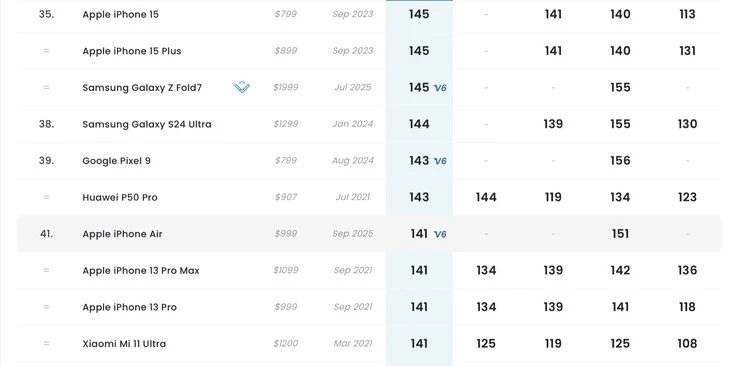
    3. The iPhone Air scores 141 points in DxOMark’s camera evaluation, ranking 41st and falling behind competitors like Google Pixel 8 and iPhone 15.
    4. The iPhone Air’s autofocus can be slow, and it struggles with white balance and exposure in video recordings, though it has strong video stabilization.
    5. While the primary camera performs well in general, the portrait mode can struggle with complex scenes, affecting clarity.


    The Apple iPhone Air is equipped with a single rear camera that features a 48 MP sensor housed in a 1/1.56-inch format, paired with a speedy f/1.6 lens. To achieve its sleek 5.6-millimeter-thin design, Apple has chosen to forgo an ultra-wide-angle or telephoto camera, which is a notable decision given its premium price.

    Comparison with Motorola Edge 70

    On the other hand, the Motorola Edge 70 proves that having more than one rear camera is possible, fitting three cameras into a slim 5.99-millimeter body. According to DxOMark’s thorough camera evaluation, the absence of specialized cameras leads to a significant reduction in points, as features like digital zoom and panorama modes can’t truly substitute for dedicated ultra-wide-angle and telephoto lenses. With a score of 141 points, the iPhone Air finds itself in the 41st position on the ranking list, trailing behind competitors such as the Google Pixel 8, iPhone 15, and Xiaomi 15.

    Other Limitations of the iPhone Air

    The iPhone Air also faces other challenges apart from its camera limitations. The autofocus sometimes tends to be sluggish, causing high-contrast scenes to appear too dark, and details can be lost when using portrait mode. Moreover, issues with white balance and exposure can be observed during video recordings. Nevertheless, the iPhone Air does excel in terms of its impressive video stabilization capabilities.

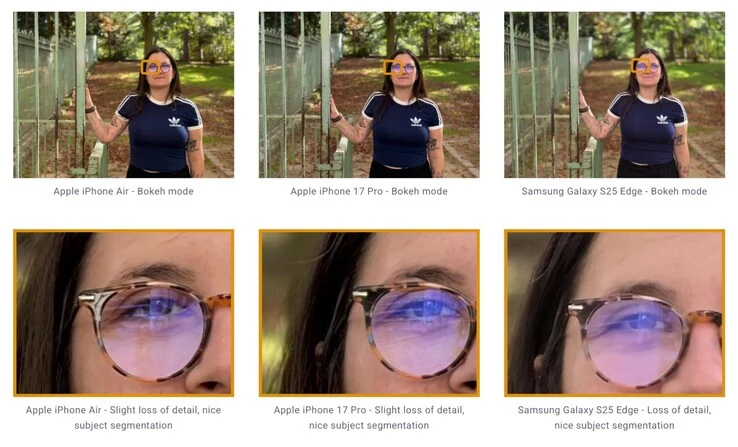
    In many scenarios, the primary camera performs well, offering accurate exposure and color fidelity along with a broad dynamic range and an efficient night mode. While the portrait mode frequently does a good job of distinguishing the background, it can falter in more complex scenes, leading to some parts of the subject becoming unclear.

    Source:
    Link


  • Moderators Delete Reddit Post Criticizing Camera Performance

    Moderators Delete Reddit Post Criticizing Camera Performance

    Key Takeaways

    1. Users express disappointment with the camera quality of the Galaxy Flip 7, feeling it is worse than the Flip 5.
    2. Many comments highlight grainy photos and washed-out images from the Flip 7, despite its higher megapixel specs.
    3. Reviews from multiple platforms, including CNET and The Guardian, echo user frustrations about the camera performance.
    4. The original Reddit post voicing dissatisfaction was removed by moderators, raising questions about subreddit rules.
    5. Widespread discontent about the Galaxy Flip 7’s camera capabilities is noted across various social media platforms.


    In a recent discussion on the subreddit r/samsung, a frustrated user expressed his dissatisfaction with the camera quality of the Galaxy Flip 7. The post, which simply stated, “Disappointed with Flip 7 cam,” was removed by moderators, but not before several other users shared their agreement with the sentiment.

    Users Share Similar Concerns

    Many comments echoed the same concerns — users noted that photos taken with the Samsung Galaxy Z Flip 7 appeared grainy, leading them to feel that the camera’s performance was a step back. This sentiment is particularly significant considering that many commenters had switched from the Galaxy Z Flip 5, which they felt offered better quality.

    “I’m trading in my Flip 5, and after comparing the cameras side by side, I am really let down. The 12 MP and 50 MP specs didn’t seem to change anything. The Flip 5 produced better images and captured more details, while the Flip 7’s photos often feel washed out,” shared a user under the name Careless_Ad3940 on Reddit.

    Broader Disappointment

    These feelings of disappointment are not isolated, as the unsatisfactory camera performance of the Galaxy Flip 7 (currently priced at $1,099.99 on Amazon) has been noted in various reviews from platforms such as CNET, The Guardian, and GSMArena. Additionally, users on X have voiced similar frustrations, with one user going so far as to label the Flip 7 cameras as “horrible.” The reason for the removal of the original Reddit post remains a mystery, as it did not seem to breach any subreddit rules.

    Reddit, X, and GSMArena are buzzing with content on this subject, highlighting the widespread discontent with the Galaxy Flip 7’s camera capabilities.

    Source:
    Link

  • DxOMark Names Oppo Find X8 Ultra Best Camera Phone

    DxOMark Names Oppo Find X8 Ultra Best Camera Phone

    Key Takeaways

    1. Oppo’s Find X8 Ultra achieved the top spot in DxOMark’s camera rankings with a score of 169.
    2. The device offers a well-balanced camera experience, with strong performance in Photo Portrait mode and realistic Bokeh effects.
    3. It excels in HDR performance and color rendering, providing vibrant and natural colors in various lighting conditions.
    4. The zoom capabilities are praised for maintaining high detail at long and medium distances, despite some color inconsistencies.
    5. Challenges include occasional ghosting and image artifacts in demanding test scenarios.


    Oppo’s Find X8 Ultra has now taken the lead in DxOMark’s rankings for the best camera phones. This achievement follows the introduction of a new V6 testing protocol by DxOMark, which also resulted in some shifts in the rankings of other flagship models on the list.

    Impressive Score

    The Find X8 Ultra secured an overall score of 169 in DxOMark’s camera evaluation. This impressive score has propelled the Oppo flagship, powered by the Snapdragon 8 Elite chip, ahead of the previously leading Huawei Pura 70 Ultra, which now holds the second position with a score of 163 points.

    Well-Balanced Performance

    According to DxOMark, the Find X8 Ultra delivers a well-rounded camera experience. In their evaluation, the flagship device consistently produced strong results. The Photo Portrait mode was highlighted for its accurate subject separation, and the Bokeh effect was noted for its realism.

    Excellent HDR and Color Rendering

    Additionally, the smartphone performed well in HDR tests for both video and photos across various lighting situations. DxOMark further emphasized that the Find X8 Ultra provides vibrant yet natural color reproduction in both portrait and landscape shots, maintaining consistency even in moderately difficult conditions.

    The zoom capabilities of the phone also received commendation from the DxOMark team, which reported that the cameras preserved high detail at both long and medium distances. However, there were some areas where the Find X8 Ultra did not meet expectations, as the team noted occasional color inconsistencies.

    Challenges and Additional Insights

    Furthermore, the team encountered ghosting and image artifacts in particularly demanding testing scenarios. A comprehensive review of the Find X8 Ultra’s camera performance is available on DxOMark, and you can delve deeper into the phone’s features through our extensive review.

    Source:
    Link


  • Samsung Galaxy A56 5G Review: Mid-Range King Losing Ground

    Samsung Galaxy A56 5G Review: Mid-Range King Losing Ground

    Key Takeaways

    1. Storage Options and Pricing: The Samsung Galaxy A56 5G comes in 128 GB and 256 GB storage options, priced at approximately $370 and $410, respectively, with a fresh design and an IP67 rating.

    2. Technical Features: The device operates on Android 15 with One UI 7.0, supports Wi-Fi 6, NFC, Bluetooth 5.3, and USB 2.0, but lacks a microSD card slot. It offers software updates until March 2032.

    3. Camera Performance: The front camera has improved for selfies, but the rear triple-camera setup remains unchanged, offering decent quality that struggles in low-light conditions and features HDR video support.

    4. Display and Battery: The 6.67-inch display is bright (up to 2,001 cd/m²) and sharp, powered by the Exynos 1580 processor and 8 GB of RAM. The 5,000 mAh battery ensures long usage times and charges quickly at 45 watts, though it lacks wireless charging.

    5. Market Competition: While the Galaxy A56 5G has strengths, it may not fully compete with brands like Xiaomi, Apple, and Google, particularly in performance and camera quality, but becomes more appealing as its price decreases.


    The Samsung Galaxy A56 5G is a notable upgrade in the mid-range smartphone category. It offers two storage options: 128 GB and 256 GB, priced at approximately $370 and $410, respectively, though it initially had a higher suggested retail price. The design is fresh and appealing, featuring a brushed aluminum frame, Gorilla Glass Victus+ on both the front and back, and it boasts an IP67 rating. While it is a bit larger, the A56 is also slimmer and lighter than its predecessor, achieving a better display-to-surface ratio of 88% due to its narrower bezels.

    Technical Features

    On the technical side, the A56 lacks a microSD card slot but compensates with features like Wi-Fi 6, NFC, Bluetooth 5.3, and USB 2.0. It operates on Android 15 with One UI 7.0, and users can expect updates until March 2032. The device includes a streamlined AI function called “Awesome Intelligence,” which offers image editing options and features such as Circle to Search and Gemini.

    Camera Performance

    Sadly, the camera setup hasn’t really improved much. The front camera takes better selfies due to a new sensor, but the rear triple-camera remains unchanged from the previous model. The picture quality is decent, yet the lens struggles with capturing details and performs poorly in low-light situations. It now offers HDR video support for both front and back cameras. The digital zoom functions adequately up to 2x, but beyond that, the image quality declines significantly.

    Display and Battery

    The display size has increased to 6.67 inches, with impressive brightness levels reaching up to 2,001 cd/m². Even with a slightly lower pixel density, the screen remains very sharp. The Galaxy A56 is equipped with the Exynos 1580 processor and 8 GB of LPDDR5 RAM. It shows noticeable performance gains in daily tasks and outperforms many competitor devices in benchmarks, although it still trails behind premium processors like the Apple A18. The phone is powered by a 5,000 mAh battery, ensuring long usage times, and it can be charged in about 71 minutes at 45 watts via cable, but it does not support wireless charging.

    Conclusion

    So, can it compete with brands like Xiaomi, Apple, and Google? The answer is both yes and no. Given its original price, Samsung should deliver more, especially regarding performance and the main camera. However, as the price continues to drop, the Galaxy A56 becomes a very appealing offer overall.

    Source:
    Link


  • Moto X50 Ultra 12GB+512GB Now Available for 3999 Yuan (~US$557)

    Moto X50 Ultra 12GB+512GB Now Available for 3999 Yuan (~US$557)

    Lenovo introduced the Moto X50 Ultra in May this year, incorporating the Snapdragon 8s Gen 3 chip. Recently, the company has revealed a price reduction for the device. The 12GB+512GB variant is now available for 3999 yuan, while the 16GB + 1TB model is priced at 4299 yuan.

    The company stated that this move is intended to enable more consumers to experience the advancements they have made in their imaging system.

    Advanced Imaging Capabilities

    According to company officials, the phone features an "AI imaging architecture," which enhances the camera system’s ability to capture vibrant and colorful photographs. Impressively, the Moto X50 Ultra has outperformed the Galaxy S24 Ultra and iPhone 15 in the DxoMark camera test.

    The device boasts a glass front, a wooden or silicone polymer back, and an aluminum frame. It is also IP68 dust and water-resistant. Weighing 197 g and measuring 8.6mm in thickness, the phone has curved front and back panels with slightly rounded edges, providing a premium feel in hand.

    Moto X50 Ultra Specifications

    The Moto X50 Ultra is equipped with a 6.7” P-OLED display that supports a peak brightness of 2500 nits, a 144Hz refresh rate, and HDR10+. The screen has a resolution of 1220 x 2712 pixels and a pixel density of 444ppi.

    In terms of camera hardware, the phone features a triple-camera setup on the rear: a 50 MP 1/1.3" (1.2µm pixels) main sensor with an f/1.6 aperture, a 64 MP 3x telephoto lens (0.7µm), and a 50 MP ultrawide lens. For selfies, there is a 50 MP centered punch-hole camera on the front.

    The device is powered by the Snapdragon 8s Gen 3 chip and comes with UFS 4.0 storage. It includes a 4500 mAh battery that supports 125W wired and 50W wireless charging.