Key Takeaways
1. The Xiaomi Redmi Note 15 4G is a budget-friendly smartphone that does not support 5G connectivity.
2. In daily usage, the lack of 5G is not immediately noticeable, with 4G still providing decent coverage.
3. Theoretical speeds of 5G are much higher than real-world speeds, with users typically experiencing around 100 Mbit/s.
4. 5G technology offers benefits like lower latency and better performance in crowded areas but may not show significant advantages in everyday use.
5. The Redmi Note 15 4G is a reliable choice for budget-conscious users, featuring a long-lasting battery and security updates, despite the performance gap compared to 5G devices.
In 2019, mobile networks began adopting the new 5G technology, and since then, high-end smartphones have integrated this latest mobile technology. However, with many LTE networks being branded as 5G and the noticeable price gap between 5G and non-5G models, an important question arises: Is there a real difference between 5G and 4G in daily usage?
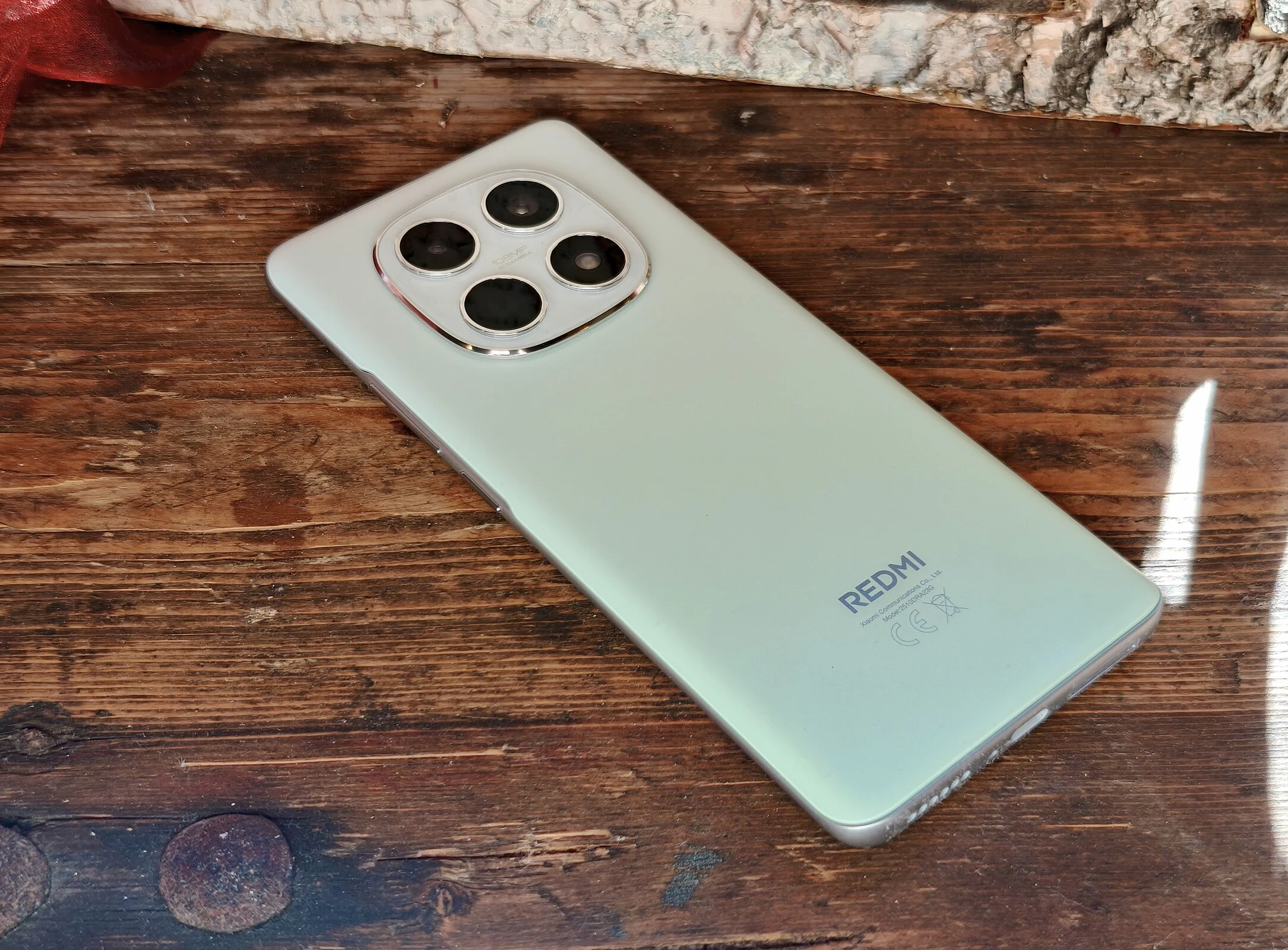
The Redmi Note 15 4G
We explored this question using the Xiaomi Redmi Note 15 4G. This model comes from the well-known Redmi Note series by Xiaomi, which typically caters to the mid-range smartphone market. The Redmi Note 15 4G is considered the budget-friendly option and, as its name suggests, it does not support 5G connectivity.
In everyday scenarios, the lack of 5G isn’t immediately obvious, aside from seeing “4G” instead of “5G” next to the signal indicator in the status bar. During our testing in Germany, we found that 5G coverage is relatively decent, although 4G still fills in some larger gaps in connectivity.
Theoretical vs. Practical Speed
Theoretically, 5G technology can achieve speeds up to 20 Gbit/s, but in real life, most users experience around 100 Mbit/s. When compared to LTE Advanced, the real-world benefits of 5G are more theoretical than practical, though it may provide slightly lower latency during actual use.
Another advantage of 5G is its capacity to handle more users at once, which is particularly beneficial in crowded areas. Additionally, the reliability of the network is reported to be excellent, making it a good fit for applications like autonomous driving.
Performance Comparison
So, how does the Xiaomi Redmi Note 15 4G stack up against a 5G device? The difference is clear. We conducted tests with the Redmi Note 15 4G and the Redmi Note 15 Pro 5G using the same SIM card and in the same area. The 5G network was noticeably faster, indicating that the extra expense is justified. However, keep in mind that these results are based on a single test, and outcomes may differ in other locations or times.
Even without 5G capability, the Redmi Note 15 4G remains a reliable option, especially for those who are budget-conscious. It boasts a long-lasting battery, a very bright display, and offers six years of security updates.