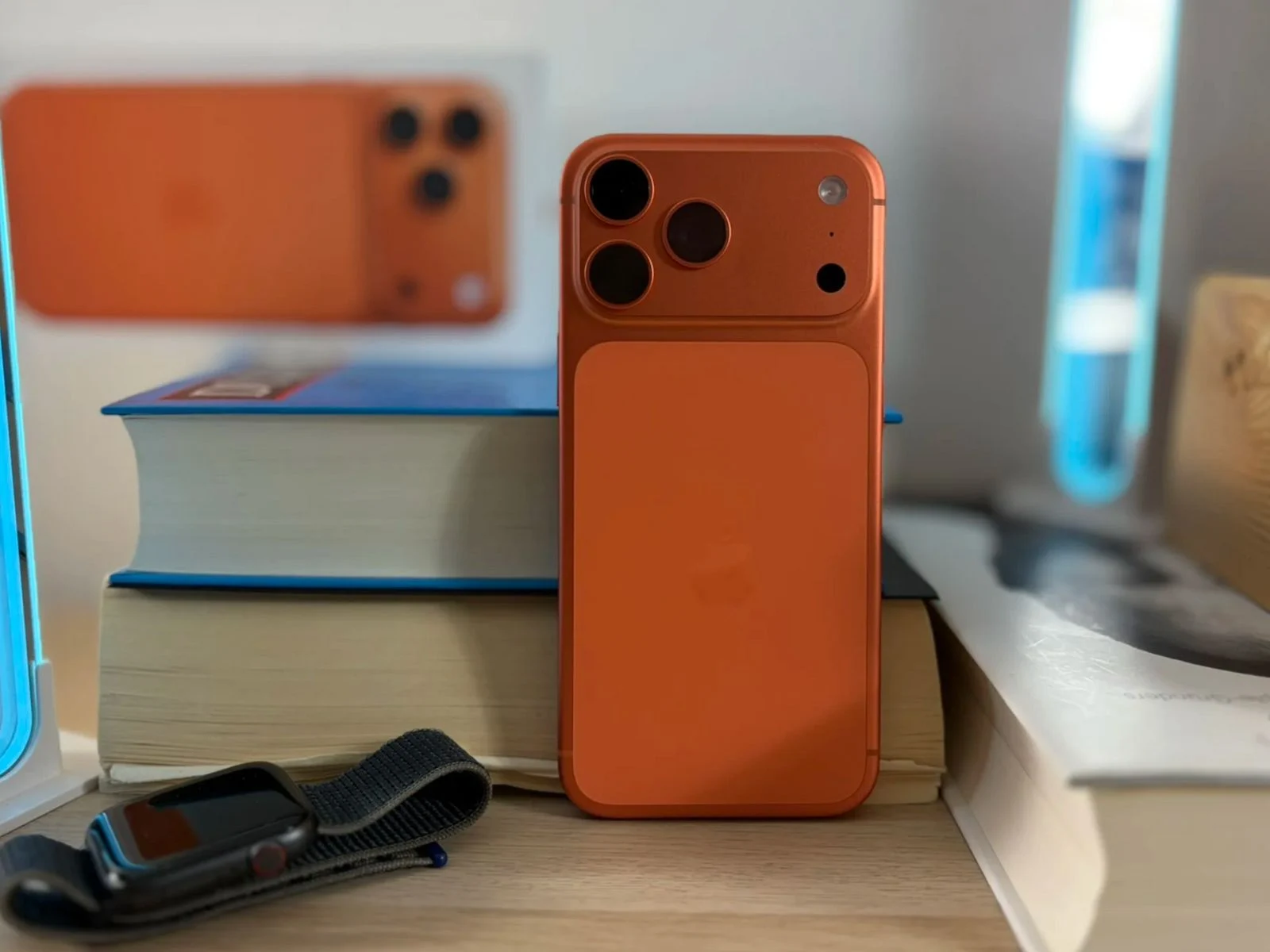
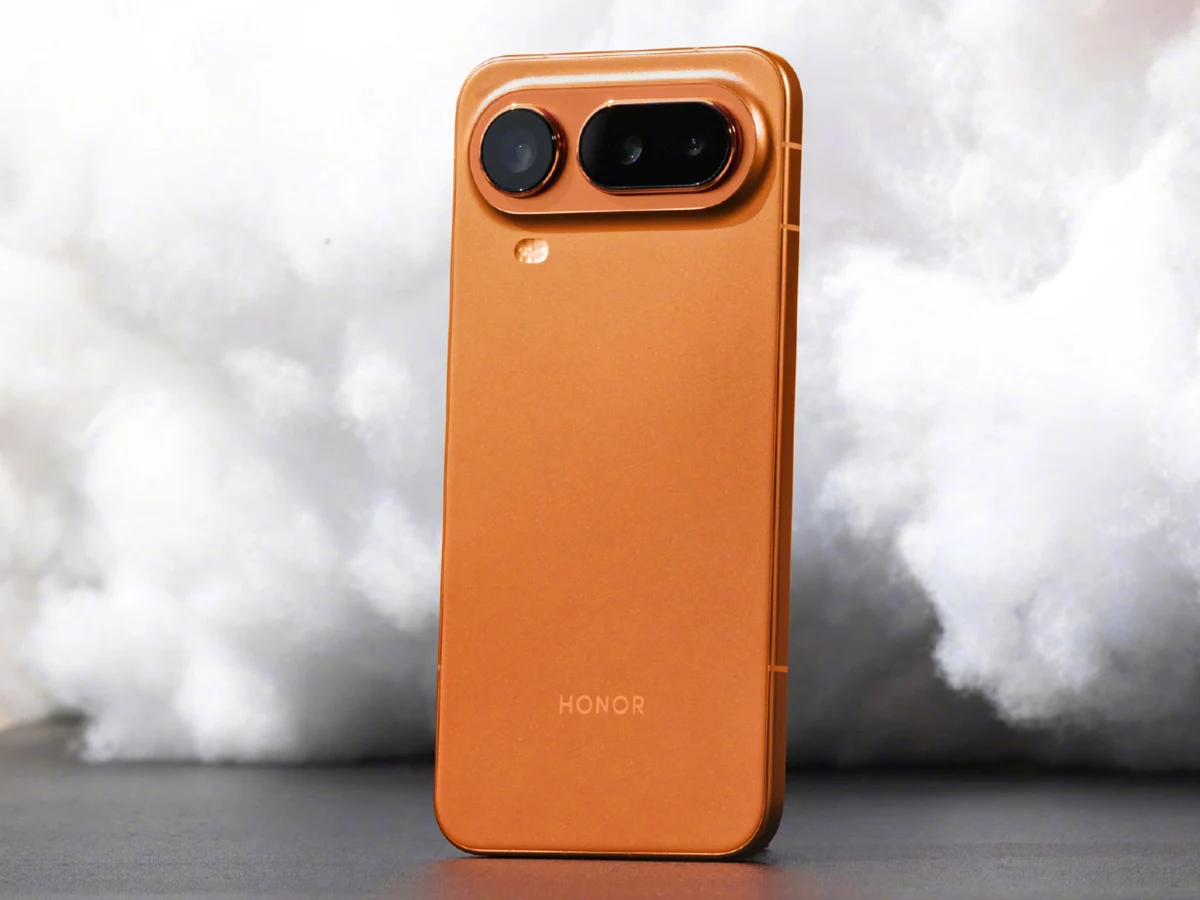
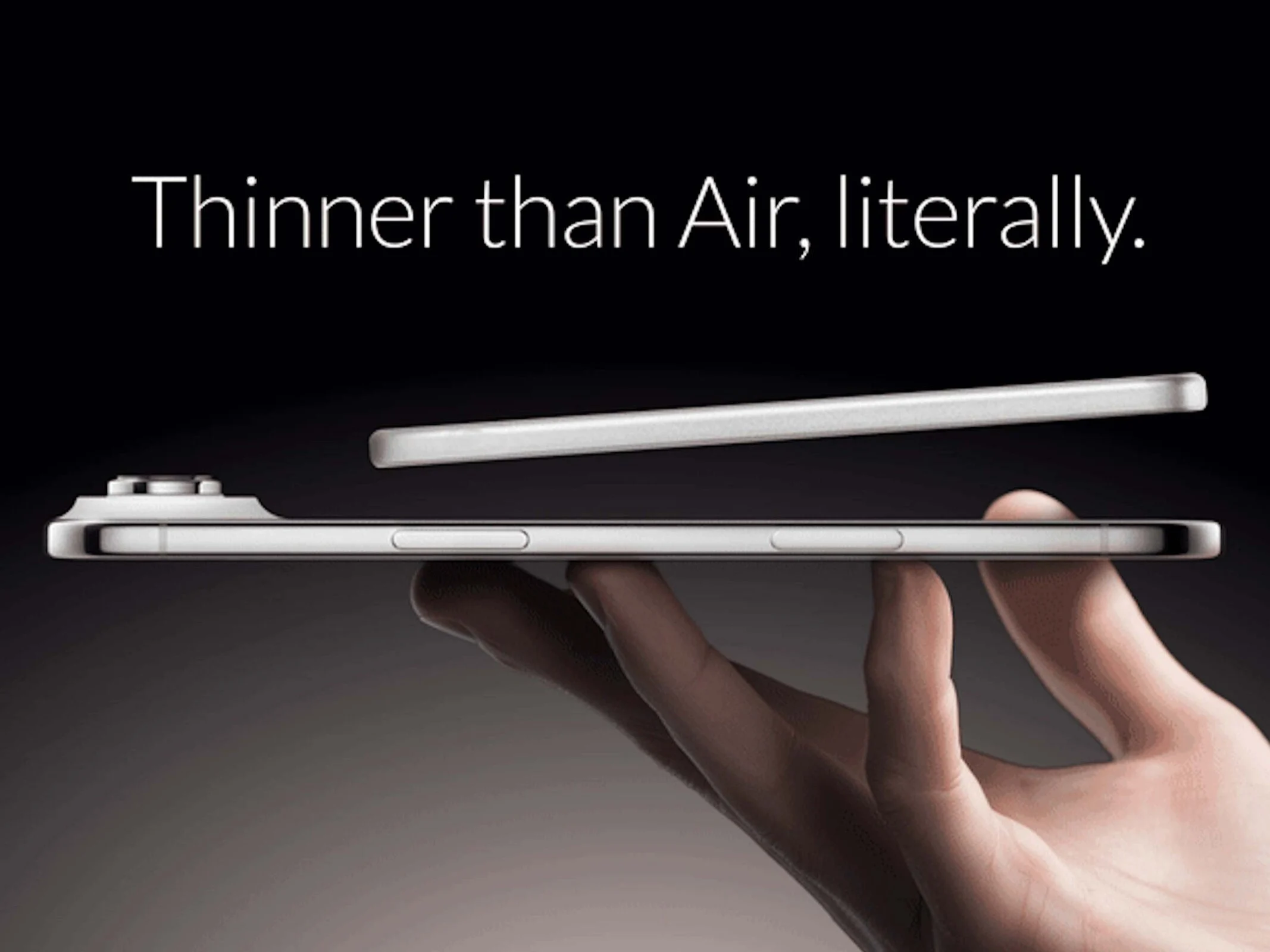
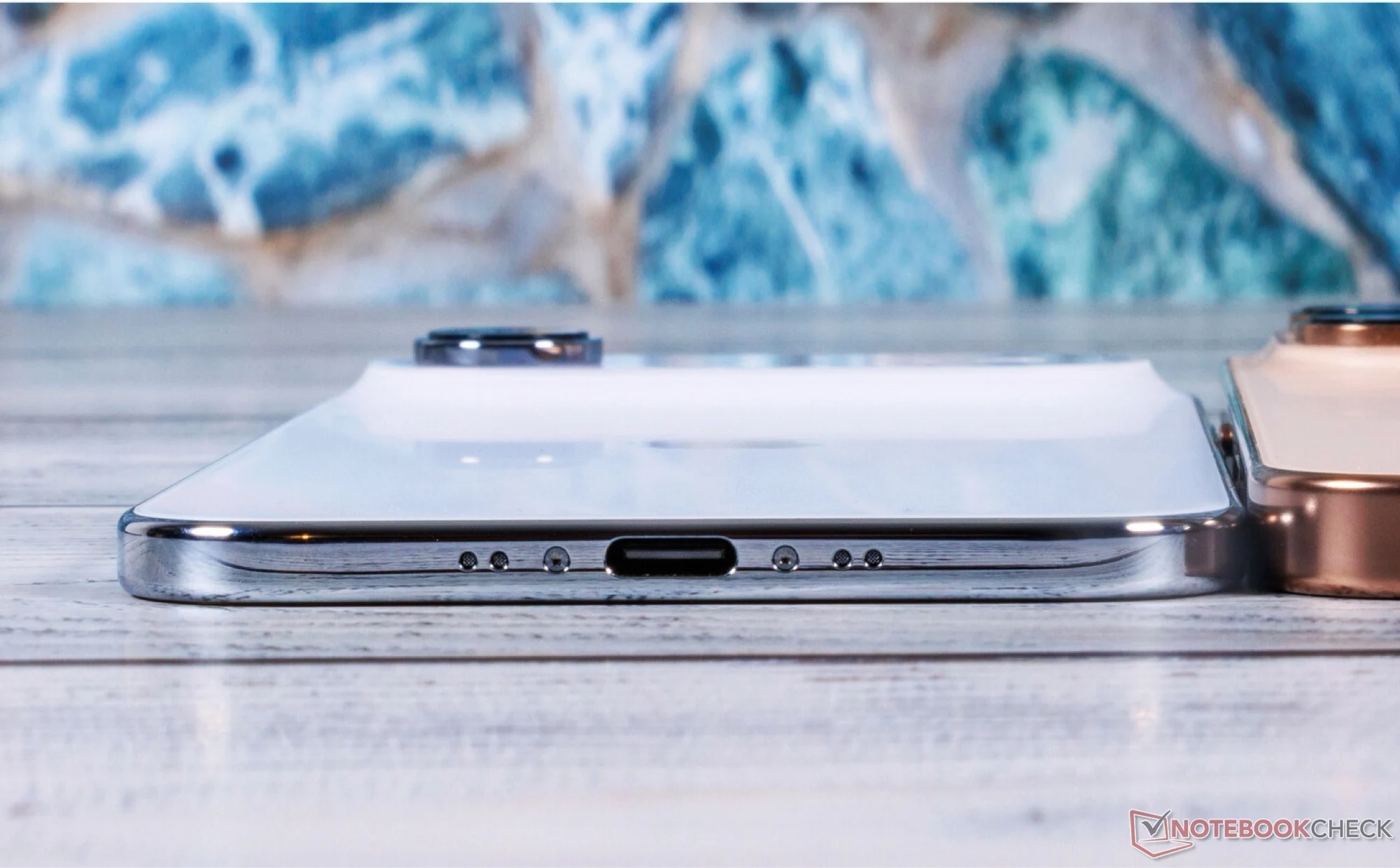
Tag: iPhone Air

  • Apple iPhone Air 2: 3 Major Upgrades from Bloomberg

    Key Takeaway

    – iPhone Air inferior to iPhone 17 in battery life and single rear camera
    – Second-gen iPhone Air to get three major upgrades: extended battery life, ultra-wide-angle camera, and A20 Pro chip
    – Second-gen model launching spring 2027, not alongside iPhone 18 Pro in September


    Apple’s Slimmest iPhone Gets a Second Chance

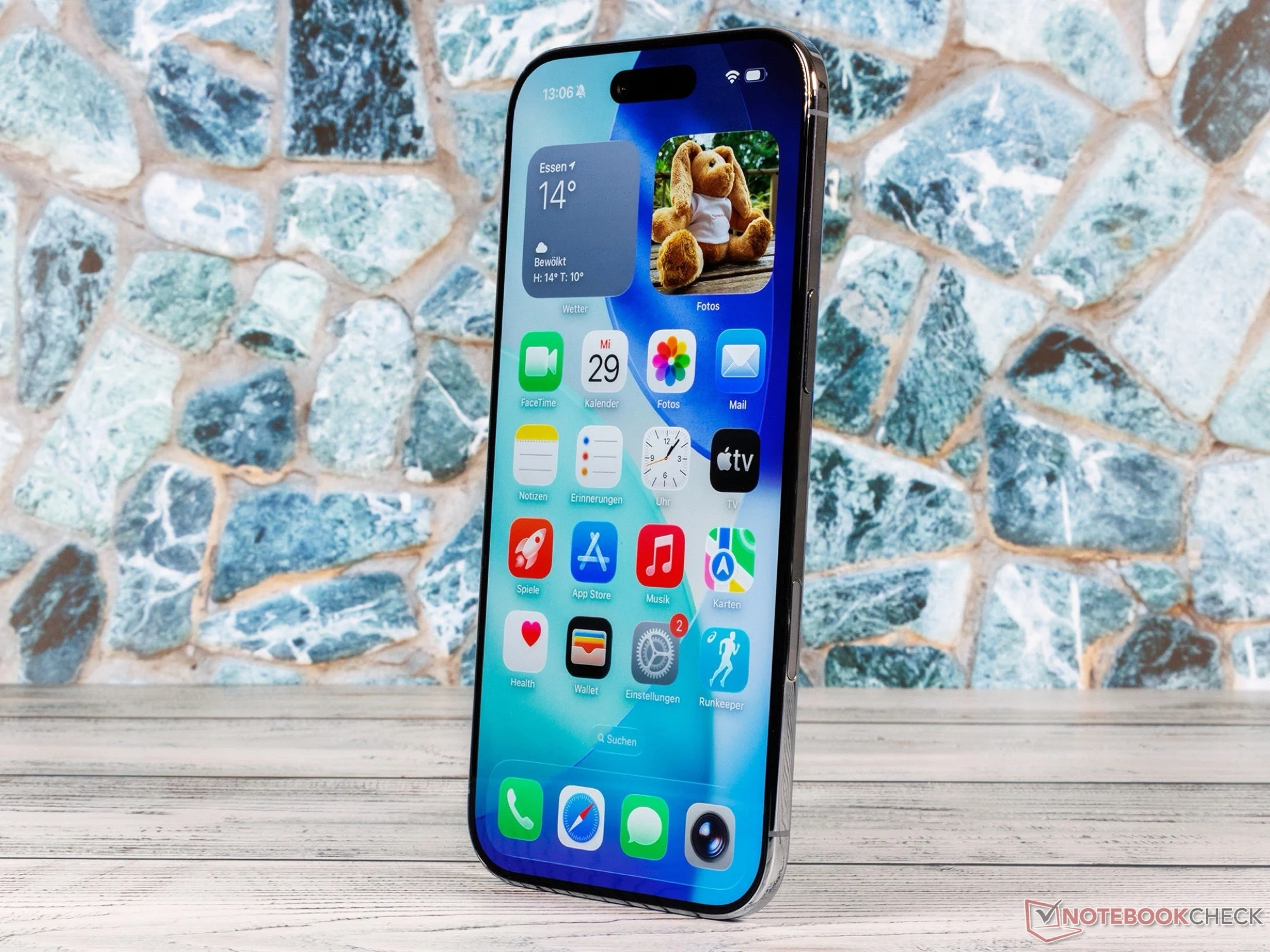
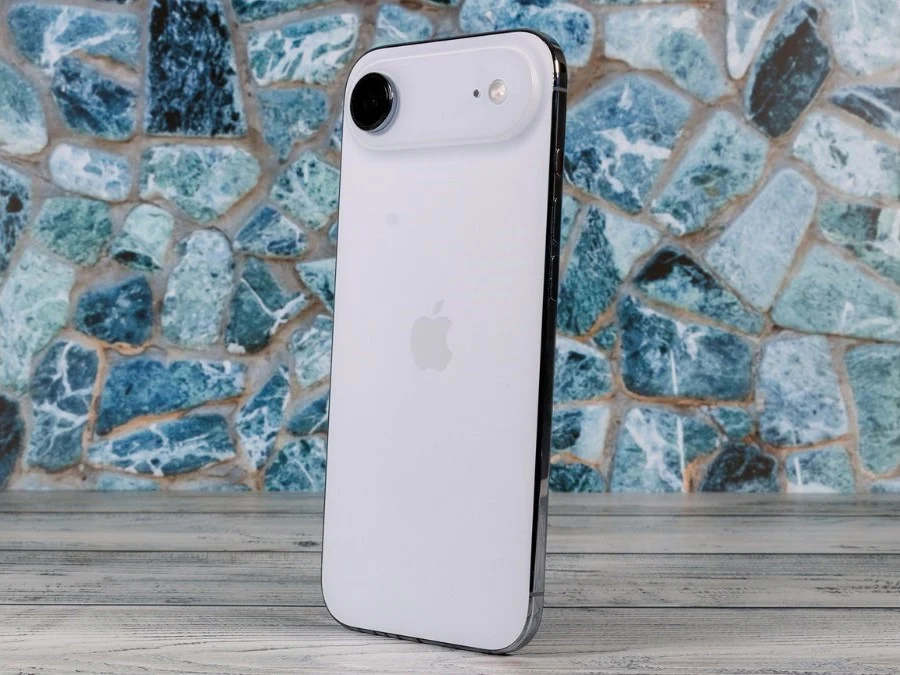
    The Apple iPhone Air (priced at $744 on Amazon) includes some of the iPhone 17 Pro’s features, like the Apple A19 Pro ARM processor. However, this ultra-thin flagship smartphone is actually inferior to the more affordable iPhone 17 in certain areas, particularly regarding its significantly smaller battery and single rear camera.

    Three Major Upgrades Coming to the iPhone Air

    According to the latest information from Bloomberg, Apple is planing to make improvements to the second-generation iPhone Air, as the smartphone is set to receive three major upgrades. First, Apple is expected to extend the battery life, though it is not yet known whether the smartphone will simply operate more efficiently or if a larger battery will be installed. In our in-depth test, the iPhone Air couldn’t quite keep up with the battery life of the thicker iPhone 17 Pro, but it did outperformed slightly older models like the iPhone 15 Pro.

    Camera and Processor Enhancements

    Second, Apple is said to be adding an ultra-wide-angle camera, which should address the second major point of criticism from customers. And third, the iPhone Air 2 is reportedly getting an upgrade to a variant of the Apple A20 Pro, the same ARM chip that is also expected to be used in the iPhone 18 Pro (Max) and the iPhone Ultra.

    Launch Timeline for the iPhone Air 2

    The second-generation iPhone Air is not expected to be unveiled alongside the iPhone 18 Pro in September, but rather in the spring of 2027, around the same time as the base model iPhone 18, just under a year and a half after the launch of the first-generation iPhone Air.
    Sources
  • iOS 17 & iPhone Air Update Fixes Major Charging Bug

    iOS 17 & iPhone Air Update Fixes Major Charging Bug

    Key Takeaway

    – iPhone 17 and iPhone Air models had a bug preventing wired charging after the battery fully died.
    – Affected devices would remain unresponsive when plugged into a wired charger.
    – A temporary workaround was using a wireless charger to revive the phone.
    – Apple released iOS 26.5.1 with a fix specifically for this wired charging issue.
    – Users can install the update via Settings > General > Software Update.


    iPhone Charging Bug Finally Fixed

    Back in April, several iPhone 17 and iPhone Air users started reporting a serious issue after their phones died completly. In many cases, the devices would not turn back on once the battery hit zero. This issue was not limited to a single model, as it was effecting the entire iPhone 17 lineup, including the iPhone 17, iPhone 17 Pro, and iPhone 17 Pro Max, as well as the iPhone Air.

    How the Problem Manifested

    Basically, when the phone shut down due to low battery, plugging it into a wired charger did nothing. The phone would stay completly unresponsive, as if it was still powered off. This issue was first reported over six months ago, and since then, more users have continued to face the same situation. The lack of any visual response was deeply concerning.

    Temporary Workaround Discovered

    Some users found a temporary work around. They were able to bring their phones back to life using a wireless charger. Once the phone started charging wirelessly, it would eventually boot up again. But this was not a proper solution, as many users who only had wired chargers were left stuck with a phone that would not turn on at all. Thankfully, Apple has now finally acknowledged the issue and released a fix through a software update.

    Apple’s Official Fix

    Today, Apple released a new iOS update, 26.5.1, and compared to some previous updates, this one is very small. In fact, it only includes one key fix: “This update addresses an issue for a small number of users that may prevent wired charging on iPhone Air and iPhone 17 models when the battery is nearly drained.” The update is avaliable for all affected devices.

    How to Install the Update

    The update is available for all affected devices, and if you havent already, you can install it by going to Settings > General > Software Update. Apple recommends all users with these models to download this patch imediately to avoid being stuck with a dead phone. The download size is minimal and requires no special steps.

    Sources
  • iPhone Air with Transparent Back Reveals Cool Internals and SIM Slot

    iPhone Air with Transparent Back Reveals Cool Internals and SIM Slot

    Key Takeaways

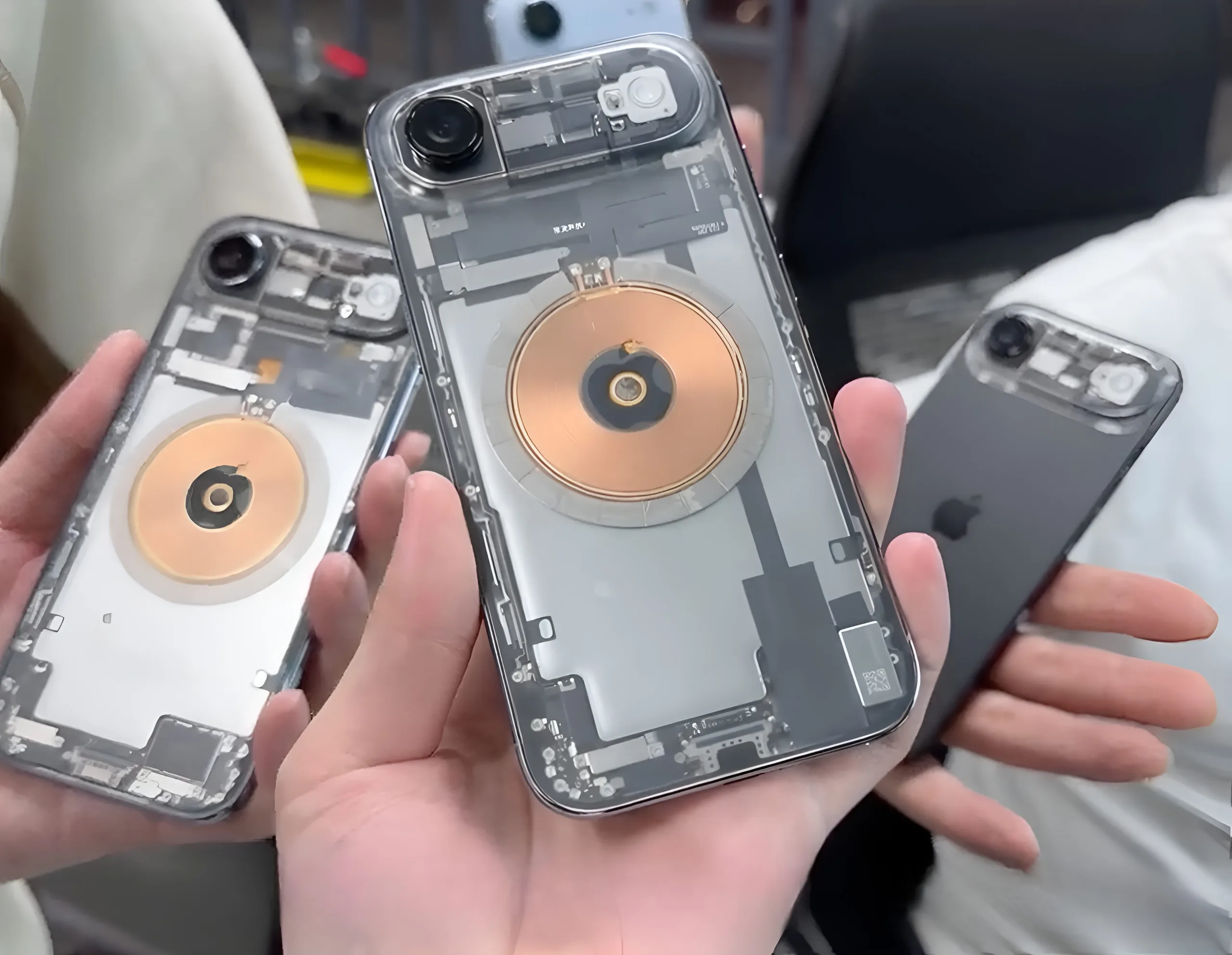
    1. Linzin modified the iPhone Air to have a transparent back and a functional physical SIM slot, building on previous work by Phone Repair Guru.
    2. The modification process involved complex tasks, including using a laser to peel off paint without damaging the MagSafe charging coil.
    3. A significant alteration included cutting a hole for the SIM slot, which required replacing the original haptic engine with a smaller version.
    4. The modifications led to issues such as reduced thermal performance, loss of dust and water resistance, and a loose microphone cable.
    5. Linzin’s project resulted in a unique iPhone Air design, but with trade-offs like poor thermal management, decreased durability, and voided warranty.


    We have seen a thrilling modification of the Apple iPhone Air that was transparent, made possible by the popular YouTube channel Phone Repair Guru. However, a new YouTuber, Linzin, has taken this concept to a whole new level. He not only added a transparent back to his iPhone Air with the assistance of modding experts in the Huaqiangbei market in China but also included a fully functional physical SIM slot.

    Challenging Modifications

    The task was not simple, as one might guess. The hardest part wasn’t merely peeling off the paint layers from the iPhone Air’s rear glass; the real struggle was using a laser for this task while making sure not to harm the MagSafe charging coil. After all, the MagSafe battery pack is crucial for many users. Once the glass was cleared, the back of the iPhone Air turned transparent, revealing its stunning internal components.

    Further Improvements

    Linzin’s ambitions didn’t stop there; the skilled modders were then given the job of cutting a sizable hole in the iPhone Air’s body to accommodate the physical SIM slot. This alteration meant that the original haptic engine from Apple had to be removed, replaced by a smaller third-party version. After some intricate soldering on the board, the SIM slot was operational, and the device powered up without issues.

    Resulting Issues

    Nonetheless, some problems arose as expected. The thermal performance of the iPhone Air took a hit due to the removal of the heat pads from the back panel during the paint stripping. Additionally, the device lost its dust and water resistance. To make matters worse, a microphone ribbon cable became loose later, necessitating a return for repairs.

    In conclusion, it seems Linzin achieved his goal—transforming an Apple iPhone Air into a model with a transparent back and a SIM slot that makes switching eSIMs easier. The trade-offs? Poor thermal management, reduced durability, and a warranty that is voided.

    Source:
    Link


  • iPhone 17 Pro Leads Early Sales; Top 3 Best-Selling Models Revealed

    iPhone 17 Pro Leads Early Sales; Top 3 Best-Selling Models Revealed

    Key Takeaways

    1. The iPhone 17 Pro Max accounts for 27% of early sales in the iPhone 17 series, highlighting strong demand for Apple’s premium models.
    2. Together, the Pro models (iPhone 17 Pro and Pro Max) make up 52% of total early sales, a significant increase from 39% in the iPhone 16 series.
    3. The standard iPhone 17 holds a 22% share, indicating it remains popular among general consumers.
    4. The iPhone Air has only captured 6% of early sales, suggesting challenges in marketing this fourth model effectively.
    5. Features like larger screens, better cameras, and longer battery life are more appealing to buyers than sleek design or mid-range options.


    New sales information released by Consumer Intelligence Research Partners (CIRP) shows that customers are more and more choosing Apple’s top-tier iPhones, with the iPhone 17 Pro Max standing out as the most favored model in the series.

    Sales Breakdown

    As per the findings, the iPhone 17 Pro Max makes up 27% of the initial sales of the iPhone 17 series, with the iPhone 17 Pro not far behind at 25%. Together, the Pro models now account for 52% of total early sales, which is a significant rise from the iPhone 16 series, where both Pro and Pro Max models only represented 39% of the sales.

    In contrast, the standard iPhone 17 holds a 22% share, remaining a strong choice for general consumers. However, the report also reveals Apple’s ongoing difficulties in effectively marketing a fourth model. The iPhone Air, despite being highly publicized during its launch, only makes up 6% of early sales, falling short of the iPhone 16 Plus, which captured 8% in the same timeframe last year.

    Historical Context

    Looking back at the iPhone 16 series, the iPhone 16 Pro Max was the top seller with 23%, followed by the iPhone 16 and the iPhone 16 Pro, which both stood at 21% and 16%, respectively. The changes seen in the iPhone 17 series imply that buyers are increasingly willing to invest more for Apple’s premium models, even though the design and materials have sparked some discussions. However, as previously noted, the aluminium body and new vapor chamber technology in the iPhone 17 Pro series deliver enhanced thermal efficiency, particularly beneficial for gaming.

    The data suggest that features usually linked with the Pro lineup, such as bigger screens, advanced cameras, and longer battery life, continue to be more important for many buyers than factors like sleekness or mid-range positioning. At the same time, Apple’s efforts to introduce a high-end option below the Pro range seem to appeal to a much smaller segment of the market.

    Sales Trends

    While CIRP’s statistics show early sales instead of long-term trends, the pattern reflects a recurring theme Apple has observed over the past few generations: strong demand for Pro and Pro Max models, consistent interest in the standard iPhone, and variable success for other options placed in the middle.

    CIRP – Apple Report

    Source:
    Link


  • Honor Magic 8 Pro Air: Slim 6.1mm Flagship with 5500mAh Battery

    Honor Magic 8 Pro Air: Slim 6.1mm Flagship with 5500mAh Battery

    Key Takeaways

    1. Honor has launched the Magic 8 Pro Air in China, competing with the iPhone Air and Galaxy S25 Edge, and offers better specifications than Samsung’s flagship.
    2. The device features the MediaTek Dimensity 9500 chipset, up to 16GB of RAM, and 1TB of storage, all in a slim design of 6.1mm and weighing 155g.
    3. It boasts a premium display with ultra-narrow bezels of 1.08mm and a peak brightness of 6,000 nits, along with a 3D ultrasonic fingerprint sensor.
    4. The camera system includes a 50MP main lens, a 64MP telephoto lens with 3.2x optical zoom, a 50MP ultrawide camera, and a 50MP front-facing camera.
    5. The phone has a 5,500mAh battery, IP68/IP69 dust and water resistance, 120Hz refresh rate, 50W wireless charging, and a starting price of approximately $645 in China.


    After several days of anticipation, Honor has formally revealed the Magic 8 Pro Air in China. This new device competes with popular models like the iPhone Air and Galaxy S25 Edge. Notably, Honor’s sleek phone boasts a superior set of specifications compared to Samsung’s recent flagship.

    Specifications and Performance

    The device is powered by the Dimensity 9500, which is MediaTek’s latest flagship SoC. Honor has equipped the Magic 8 Pro Air with up to 16GB of RAM and 1TB of storage. However, these performance-driven features are not the only impressive aspects; the design is also a key selling point. The smartphone is advertised as being 6.1mm thick and weighing a mere 155g, though it remains uncertain if this thickness includes the camera bump.

    Display Features

    On the front side, Honor emphasizes that the Magic 8 Pro Air showcases a premium display with “ultra-narrow” bezels. The bezels are said to be just 1.08mm thick, and the screen is capable of reaching a peak brightness of 6,000 nits. Additionally, it includes a 3D ultrasonic fingerprint sensor and various screen protection features to enhance durability.

    Camera Capabilities

    Honor also draws attention to the camera arrangement of the Magic 8 Pro Air. The rear camera setup consists of three lenses, with the primary one being a 50MP shooter that has a size of 1/1.3 inches and an f/1.6 aperture. Accompanying it is a 64MP telephoto lens with 3.2x optical zoom, and a 50MP ultrawide camera. For selfies, there’s a 50MP front-facing camera as well.

    Battery and Additional Features

    Despite its thin and lightweight design, the phone is equipped with a substantial battery rated at 5,500mAh. For comparison, the iPhone Air measures 5.6mm at its thinnest and is fitted with a 3,124mAh battery that, based on user feedback, often fails to deliver all-day battery life.

    The Magic 8 Pro Air also boasts IP68 and IP69 ratings for dust and water resistance, a 120Hz refresh rate along with 4320Hz PWM dimming, 50W wireless charging, and support for 80W wired charging (with the 160W Anker Prime Charger currently priced at $115.99 on Amazon). The starting price in China is CNY 4,499, which is approximately $645, while the highest-end version is priced at CNY 5,499, roughly $789. Honor has not yet confirmed when the Magic 8 Pro Air will be available globally.

    Source:
    Link


  • Compact Magnetic Power Bank for iPhone Air – Ozone

    Compact Magnetic Power Bank for iPhone Air – Ozone

    Key Takeaways

    1. The Ozone power bank comes in two models: 3,000mAh (4.29 x 2.78 x 0.20 inches) and 5,000mAh (4.07 x 2.78 x 0.26 inches), with various color options.
    2. The smaller model weighs 2.72 oz and provides up to 7.5 watts wirelessly for iPhone Air, while the larger model weighs 3.42 oz and can charge iPhone Air fully.
    3. The USB-C port allows for charging the power bank at 10 to 15 watts and can output 15 watts for the smaller model and 20 watts for the larger model.
    4. The power banks are available for pre-order at $45 during the crowdfunding campaign, excluding shipping and potential import duties.
    5. There is no guarantee of product quality as the campaign has not met its funding target, and customers may want to explore alternatives like the Anker Nano MagSafe power bank.


    The Ozone is a modern and stylish power bank, specially made for the Apple iPhone Air. The sizes vary based on the two options available; the 3,000mAh model has dimensions of 4.29 x 2.78 x 0.20 inches, while the 5,000mAh version measures 4.07 x 2.78 x 0.26 inches. Customers can choose from a range of colors for both models.

    Weight and Power Output

    In terms of weight, the smaller version weighs 2.72 oz, and the larger one is 3.42 oz. They provide energy capacities of 11.55 Wh and 17.75 Wh, correspondingly. Both models can wirelessly deliver power up to 7.5 watts to an iPhone Air, and they can reach up to 15 watts for Android devices. The USB-C port enables charging of the power bank at 10 to 15 watts. Additionally, it can charge other devices through a cable, with the bigger model offering 20 watts output and the smaller one only 15 watts. The manufacturer claims that the compact version can charge an iPhone Air to about 62%, whereas the larger option can fully recharge it.

    Crowdfunding Details

    Currently, during the crowdfunding campaign, interested buyers can pre-order the 3,000mAh and 5,000mAh Ozone power banks for $45. However, this price does not include shipping costs or any possible import duties and taxes. The campaign has not met its funding target yet, and potential customers should keep in mind that there is no guarantee of receiving a product of satisfactory quality, which is a common issue with all Kickstarter projects.

    Source:
    Link


  • iPhone Air’s Failure Could End Ultra-Thin Xiaomi and Vivo Phones

    iPhone Air’s Failure Could End Ultra-Thin Xiaomi and Vivo Phones

    Key Takeaways

    1. The Apple iPhone Air is one of the thinnest smartphones at 5.6 mm, but compromises on battery size and camera features.
    2. Sales for the iPhone Air have been disappointing, leading to potential production ending by November.
    3. Apple may not release a second-generation iPhone Air until 2027, following its current struggles.
    4. Competitors like Xiaomi have halted the development of ultra-slim devices due to poor market performance of similar models.
    5. The Motorola Edge 70 offers a larger battery and dual cameras at a lower price, positioning it as a potentially better option for buyers.


    At a mere 5.6 mm (0.22 in) in thickness, the Apple iPhone Air stands out as one of the slimmest smartphones on the market currently, just edging out the Samsung Galaxy S25 Edge (around $820 on Amazon) and the Motorola Edge 70. Nevertheless, Apple made some major sacrifices to reach this sleek design. For example, the phone is equipped with a smaller 3,149 mAh battery compared to nearly all its rivals, and it also lacks ultrawide or telephoto cameras, which are features available on the Pro versions.

    Sales Struggles

    These drawbacks seem to have led to disappointing sales for the iPhone Air, with production likely to end by the close of November. While there are whispers about Apple working on a second-gen iPhone Air, it may not see the light of day until 2027. According to unnamed sources in the industry, DigiTimes has reported that this recent failure might influence other companies; Xiaomi, Vivo, Oppo, and other smartphone brands may have either scrapped or altered their plans for ultra-slim devices.

    Competitors Reassess

    Reports suggest that Xiaomi was in the process of creating a smartphone almost as thin as the iPhone Air, but it appears that development on this model has been halted. Given that both the iPhone Air and the Samsung Galaxy S25 Edge – which has a sequel that has also reportedly been abandoned – haven’t performed well in the market, it’s not surprising that manufacturers are reconsidering their approaches. The burning question now is whether the Motorola Edge 70 will connect better with buyers, especially since it not only comes at a lower price compared to Apple’s and Samsung’s ultra-thin offerings, but also boasts a larger 4,800 mAh battery along with dual 50 MP rear cameras.

    Source:
    Link


  • iPhone Air Lags Behind iPhone 15 and Pixel 8 in DxOMark Camera Test

    iPhone Air Lags Behind iPhone 15 and Pixel 8 in DxOMark Camera Test

    Key Takeaways

    1. The iPhone Air has a single 48 MP rear camera with a f/1.6 lens, sacrificing ultra-wide and telephoto options for a thinner design.
    2. The Motorola Edge 70 features three rear cameras in a slightly thicker body, providing more versatile photography options.
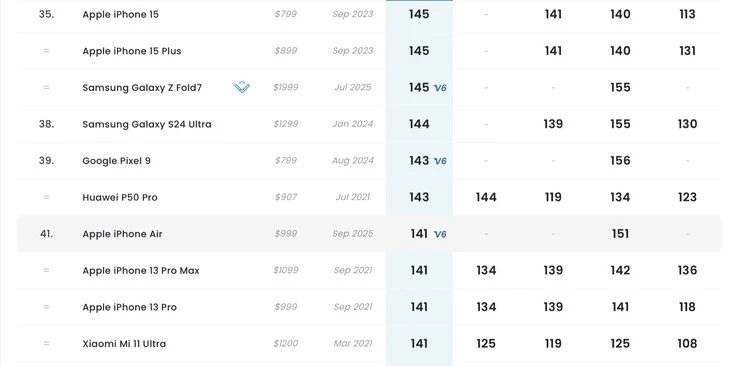
    3. The iPhone Air scores 141 points in DxOMark’s camera evaluation, ranking 41st and falling behind competitors like Google Pixel 8 and iPhone 15.
    4. The iPhone Air’s autofocus can be slow, and it struggles with white balance and exposure in video recordings, though it has strong video stabilization.
    5. While the primary camera performs well in general, the portrait mode can struggle with complex scenes, affecting clarity.


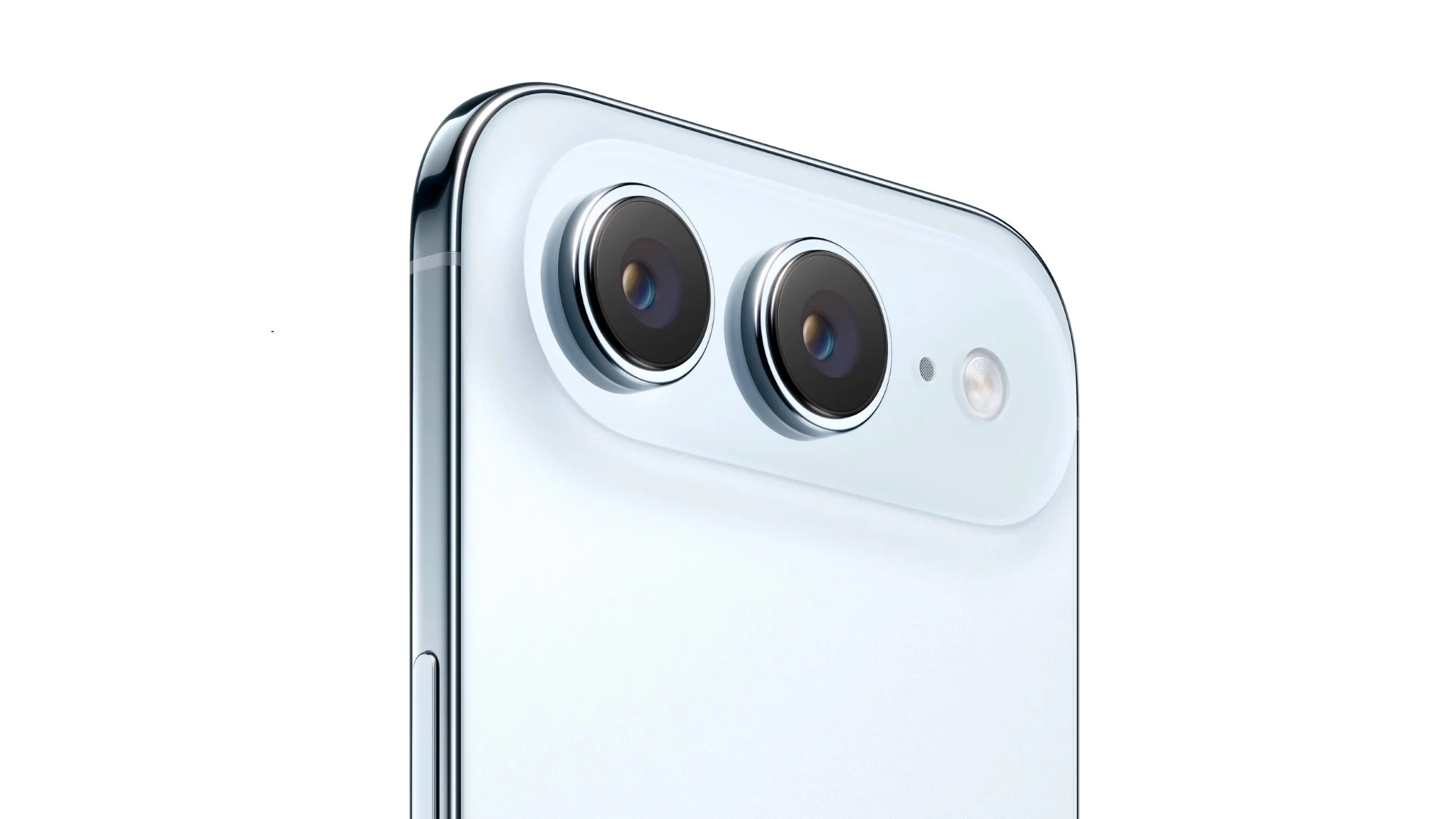
    The Apple iPhone Air is equipped with a single rear camera that features a 48 MP sensor housed in a 1/1.56-inch format, paired with a speedy f/1.6 lens. To achieve its sleek 5.6-millimeter-thin design, Apple has chosen to forgo an ultra-wide-angle or telephoto camera, which is a notable decision given its premium price.

    Comparison with Motorola Edge 70

    On the other hand, the Motorola Edge 70 proves that having more than one rear camera is possible, fitting three cameras into a slim 5.99-millimeter body. According to DxOMark’s thorough camera evaluation, the absence of specialized cameras leads to a significant reduction in points, as features like digital zoom and panorama modes can’t truly substitute for dedicated ultra-wide-angle and telephoto lenses. With a score of 141 points, the iPhone Air finds itself in the 41st position on the ranking list, trailing behind competitors such as the Google Pixel 8, iPhone 15, and Xiaomi 15.

    Other Limitations of the iPhone Air

    The iPhone Air also faces other challenges apart from its camera limitations. The autofocus sometimes tends to be sluggish, causing high-contrast scenes to appear too dark, and details can be lost when using portrait mode. Moreover, issues with white balance and exposure can be observed during video recordings. Nevertheless, the iPhone Air does excel in terms of its impressive video stabilization capabilities.

    In many scenarios, the primary camera performs well, offering accurate exposure and color fidelity along with a broad dynamic range and an efficient night mode. While the portrait mode frequently does a good job of distinguishing the background, it can falter in more complex scenes, leading to some parts of the subject becoming unclear.

    Source:
    Link


  • Bloomberg Unveils iPhone Air 2 Update and iPhone 18 Launch Details

    Bloomberg Unveils iPhone Air 2 Update and iPhone 18 Launch Details

    Key Takeaways

    1. The iPhone Air has not improved sales trends for the iPhone Mini and iPhone Plus models.
    2. The iPhone Air serves as a test for the upcoming iPhone Fold, expected in 2026.
    3. The next significant upgrade for the iPhone Air 2 will be the new Apple A20 chipset for better battery life.
    4. The iPhone 18 series will launch in two phases: the first in September 2026 and the second in spring 2027.
    5. Apple’s naming strategy allows flexibility for future releases, with the iPhone Air 2 likely coming about a year and a half after the first model.


    The iPhone Air has not reversed the downward trend seen with the iPhone Mini and iPhone Plus models, as indicated by multiple recent reports. Despite this, Bloomberg’s Apple expert Mark Gurman views the iPhone Air, which is the slimmest iPhone to date, as more of a test for the upcoming iPhone Fold. This device is likely set to release in 2026 along with the iPhone 18 Pro and iPhone 18 Pro Max, and will utilize several of the technologies and components seen in the iPhone Air. Gurman suggests that while the sales figures are low, they are not a major concern for Apple’s supply chain, which is why the pricing of the device was not especially competitive compared to the iPhone 17 Pro.

    Future Upgrades

    In addition, Gurman has rejected speculation regarding a dual-camera system for the next model. He reports that the most significant enhancement for the iPhone Air 2 will be the new Apple A20 chipset, which is built on a 2nm process that should lead to improved battery life. He does not foresee the dual-camera feature being added to the Air until it can be sourced from the iPhone Fold. Furthermore, he emphasizes that the iPhone 18 will be introduced in two phases. The first phase will feature the iPhone 18 Pro, iPhone 18 Pro Max, and the iPhone 18 Fold, all likely launching in September 2026. The second phase will include the iPhone 18, iPhone 18e, and iPhone Air 2, which are expected to be released in the spring of 2027.

    Strategic Naming

    The decision not to label the iPhone Air as the iPhone 17 Air grants Apple greater flexibility to launch a successor on a different timeline, with the second generation likely to arrive about a year and a half after the first. Gurman emphasizes that this schedule change was not a reaction to poor sales but was part of the original plan. This staggered release strategy is anticipated to persist for several years, including the anniversary year 2027, when a redesigned iPhone, possibly called the iPhone 20, featuring curved glass and an under-display camera, is expected to be introduced.


    Source:
    Link


  • iPhone Air Production Halt Raises Concerns for iPhone Air 2 Release

    iPhone Air Production Halt Raises Concerns for iPhone Air 2 Release

    Key Takeaways

    1. The Apple iPhone Air has strong performance, display quality, and design but suffers from a small battery, single back camera, and USB 2.0 connectivity issues.
    2. Sales of the iPhone Air have been disappointing, leading to a reduction in production shortly after its release.
    3. Apple is considering developing one or two successors to the iPhone Air, but the next model will not launch with the iPhone 18 series in September 2026.
    4. Production of the current iPhone Air is set to pause at Foxconn by the end of November, following a previous halt at Luxshare.
    5. The future timeline for the iPhone Air 2’s launch remains uncertain due to low sales and production concerns.


    The Apple iPhone Air had a decent performance in our thorough review, showcasing robust capabilities, a remarkable display, and a slim, high-quality design. However, at this price range, the small battery, single back camera, and USB 2.0 connectivity are significant drawbacks. These issues have reportedly led to disappointing sales, prompting a notable reduction in production shortly after its initial release.

    Reports of Future Generations

    Despite the challenges, Apple may be looking at developing at least one successor, or possibly even two upcoming versions. A recent report from The Information states that Apple has told its engineers and suppliers that the next iPhone Air model has been taken off the current timetable. This implies that it won’t be launched alongside the iPhone 18 series in September 2026. At this moment, only the planned release date has been scrapped, not the iPhone Air 2 itself, as some engineers continue to work on the sleek smartphone.

    Production Halt and Uncertain Future

    This choice by Apple is said to arise from the alarmingly low sales figures. The manufacturing of the current iPhone Air at Foxconn, Apple’s production partner, is anticipated to be paused temporarily by the end of November, following a stoppage at Luxshare in late October. It remains uncertain if production will restart after the current inventory is sold out, and the timeline for the iPhone Air 2’s launch is also uncertain.

    Source:
    Link