Tag: iPhone Air

  • Apple Plans Multiple iPhones Before 2027, No iPhone 19 Expected

    Apple Plans Multiple iPhones Before 2027, No iPhone 19 Expected

    Key Takeaways

    1. Apple has launched four flagship iPhones this year: iPhone 17, iPhone Air, iPhone 17 Pro, and iPhone 17 Pro Max.
    2. The iPhone 17 series may be the last set of models released together for a few years.
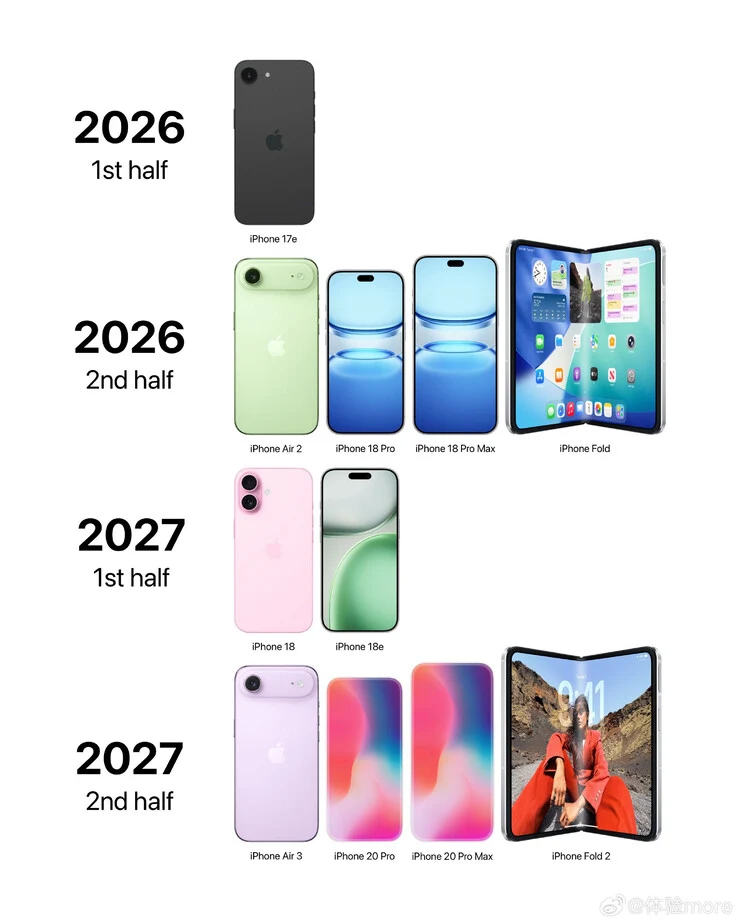
    3. In 2026, Apple plans to release only the iPhone 17e in the first half, followed by a quadruple launch in the fall featuring the iPhone 18 series.
    4. The iPhone Fold will replace the iPhone 18, which will still be available alongside the iPhone 18e in 2027.
    5. Apple is rumored to have around nine new devices set for release before mid-next year.


    Apple has maintained its tradition of launching four flagship iPhones this year, unveiling the iPhone 17, iPhone Air, iPhone 17 Pro, and iPhone 17 Pro Max. These new models come about six months after the launch of the iPhone 16e, which is currently priced at $421 on Amazon. The iPhone 17 series is believed to be the last set of models that Apple will release together for a few years.

    Future Releases

    Recent rumors indicate that Apple made its plans for the 2026 and 2027 release timelines several months ago. A well-known Weibo account, Experience More, has reported that Apple plans to launch only the iPhone 17e in the first half of next year. Then, in the fall of 2026, Apple is expected to host another quadruple flagship launch event featuring the iPhone 18 Pro, iPhone 18 Pro Max, and the possibly named iPhone Air 2.

    Changes Ahead

    Interestingly, the iPhone Fold will take the place of the iPhone 18, but it won’t completely replace it. Instead, the iPhone 18 will be available alongside the iPhone 18e in the first half of 2027. It seems that the iPhone Air 3 and iPhone Fold 2 are set to debut in the fall of 2027, along with the iPhone 20 Pro and iPhone 20 Pro Max, skipping over the iPhone 19 series entirely. In the meantime, Apple is also rumored to have around nine other new devices scheduled for release before mid-next year.

    Source:
    Link


  • Lenovo Teases Slim and Lightweight New Motorola Phone Design

    Lenovo Teases Slim and Lightweight New Motorola Phone Design

    Key Takeaways

    1. Apple has launched the iPhone Air, emphasizing strong performance and a lightweight design, similar to Samsung’s Galaxy S25 Edge.
    2. Tecno has introduced the Pova Slim, a budget-friendly smartphone with a very slim profile, indicating a new trend in the smartphone market.
    3. Lenovo is teasing the Moto X70 Air for the Chinese market, promoting it as “as light as Air” with a focus on AI capabilities.
    4. The Moto X70 Air is expected to be marketed globally as the Motorola Edge 70, with a similar design but different color choices.
    5. Recent leaks indicate that the Motorola Edge 70 will feature a flat display, moving away from the curved screen seen in previous models.


    Following the introduction of the Galaxy S25 Edge, Apple has unveiled the iPhone Air. This new device, like Samsung’s model, maintains strong performance while featuring a sleek and lightweight design. The recent launches seem to signal the beginning of a new trend in the smartphone market. Tecno has also entered this space with the Pova Slim, a budget-friendly phone that boasts a very slim profile. Now, Lenovo is getting involved as well.

    Teasing the Moto X70 Air

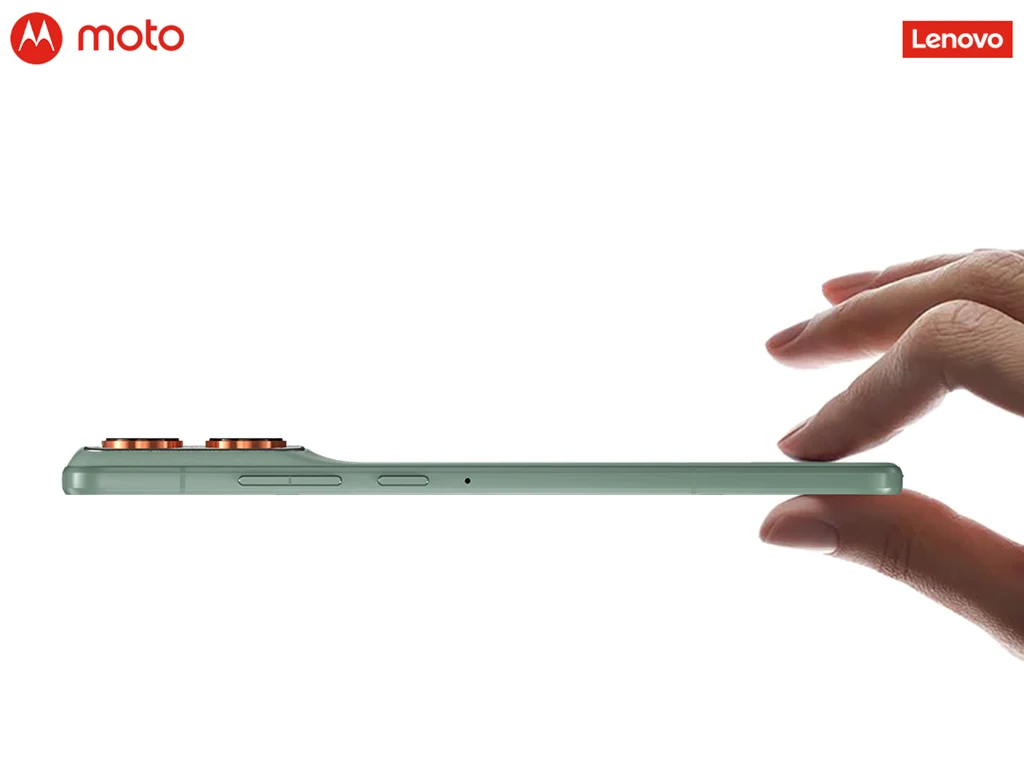
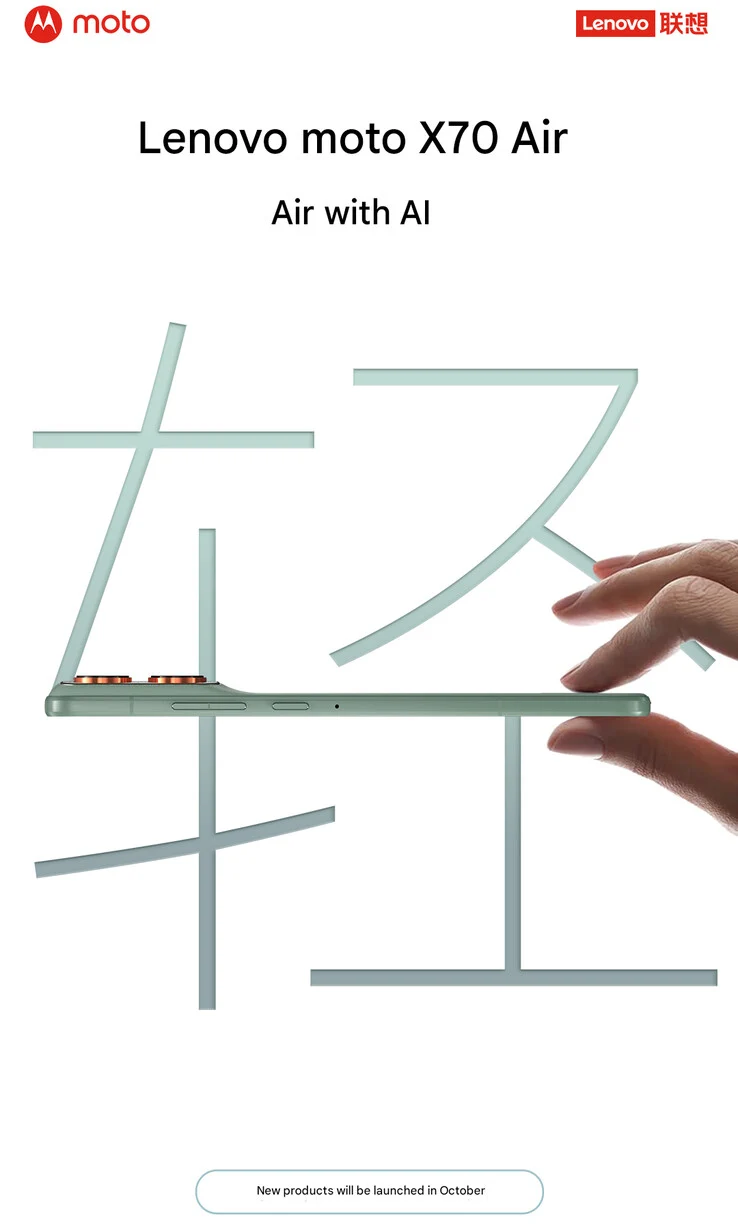
    Lenovo has officially teased the Moto X70 Air, aimed at the Chinese market. The teaser image released shows off an impressively slim device. Lenovo claims that this smartphone will be “as light as Air” and will focus heavily on AI capabilities.

    Marketing Strategy

    Interestingly, the Moto X70 Air is being promoted under the tagline “Air with AI.” While the company has only shared the teaser image so far, it seems likely that the Moto X70 Air will also make its way to the global market as the Motorola Edge 70.

    In fact, a promotional image of the Edge 70 has recently leaked, and its side design looks strikingly similar to what Lenovo has presented in the teaser. While the two models may differ in color choices, their internal components and overall design are likely to be quite similar.

    Expectations for the Edge 70

    Recent leaks suggest that the Motorola Edge 70 will feature a flat display, moving away from the curved screen seen in the Edge 2025. Lenovo is anticipated to provide more official information about this upcoming slim device in the near future.

    Source:
    Link


  • iPhone Air and 17 Pro Drop Test: Surprising Shatter Results

    iPhone Air and 17 Pro Drop Test: Surprising Shatter Results

    Key Takeaways

    1. Both the iPhone Air and iPhone 17 Pro can crack their screens when dropped face-first from six feet, despite remaining functional after impacts.
    2. The iPhone 17 Pro and iPhone Air bent under 200 and 190 pounds of pressure, respectively, but both still worked afterward.
    3. The new Ceramic Shield 2 front displays are more vulnerable to face-down drops, while the new Ceramic Shield rear panels offer better protection.
    4. The iPhone 17 Pro Max has a higher resistance of 240 pounds, making it slightly more durable than the other two models.
    5. Users are advised to use protective accessories, as repair costs for damages can be very high, reaching up to $749 for the 17 Pro.


    Post a successful bend test by well-known YouTuber JerryRigEverything, Allstate Protection Plans carried out independent breakability tests that showed Apple’s latest iPhone Air and iPhone 17 Pro can still get quite damaged due to gravity. The tests utilized robotic tools such as the “DropBot” and “BendBot” to mimic everyday accidents. Both phones passed controlled bending tests without losing their functionality, yet both screens cracked when dropped face-first from a height of six feet.

    Drop Tests Reveal Weaknesses

    In the drop tests, both the iPhone Air and iPhone 17 Pro remained functional after the impact, but their new Ceramic Shield 2 front displays broke instantly when dropped face-down. When dropped back-side down, the iPhone 17 Pro only suffered minor cosmetic damage, while the Air showed cracks on its back panel but continued to work. According to Allstate, this is due to the new Ceramic Shield rear panels that have taken the place of the older glass backs on earlier iPhone models.

    Bend Test Performance

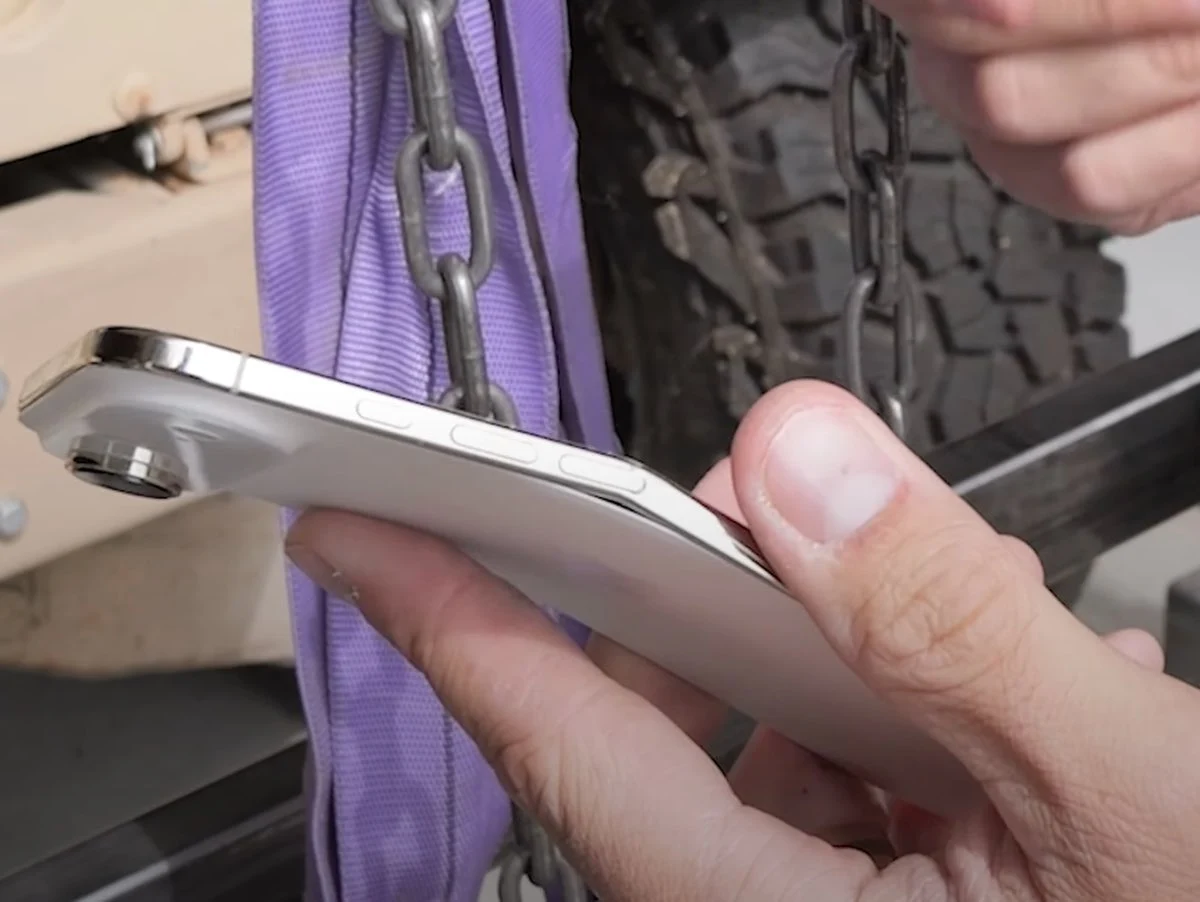
    During the bend tests conducted by Allstate, the iPhone 17 Pro bent under 200 pounds of pressure, whereas the iPhone Air bent at 190 pounds. However, both devices were still operational afterward. Although these numbers are lower than the iPhone 17 Pro Max’s impressive 240-pound resistance, they still surpass the durability standards set by the industry. The iPhone Air, which is almost 35 percent thinner than the iPhone 17 Pro, came close to matching its strength, likely thanks to its rectangular camera housing and titanium frame, as noted by Allstate.

    As stated by Jason Siciliano, who is the VP of marketing at Allstate Protection Plans, it is recommended that iPhone 17 users utilize protective accessories for their devices, since repair costs can reach as high as $749 for the 17 Pro and $699 for the Air (not including AppleCare).

    Accessory Recommendation

    Consider purchasing the Spigen tempered glass screen protector for the iPhone 17 Pro on Amazon, to help prevent damage to your device.

    Source:
    Link


  • iPhone Air Bends in JerryRigEverything Test but Avoids Bendgate 2.0

    iPhone Air Bends in JerryRigEverything Test but Avoids Bendgate 2.0

    Key Takeaways

    1. The iPhone Air is Apple’s slimmest phone at just 5.6mm thick, raising durability concerns due to past bending issues with earlier models.
    2. The new Ceramic Shield 2 glass shows impressive scratch resistance, with minimal marks at level 7 on the Mohs hardness scale.
    3. The iPhone Air struggles with screen reflections, performing worse than older Samsung models despite claims of improved anti-reflection coating.
    4. Its grade 5 titanium frame is significantly more rigid and elastic than aluminum, making it less prone to bending during stress tests.
    5. The iPhone Air withstood up to 216 pounds of pressure before damage occurred, indicating it can handle everyday accidents without severe issues.


    At just 5.6mm thick, the iPhone Air has become Apple’s slimmest phone to date, sparking curiosity among smartphone fans about its durability, especially in light of the notorious bending issues with the iPhone 6 Plus. Zack Nelson, who is more commonly known as JerryRigEverything, has put this device to the test in his signature durability challenge. The findings reveal that the iPhone Air is indeed quite robust.

    Durability Tests

    Zack kicked off his highly anticipated video on the iPhone Air’s durability with a scratch test, showcasing the impressive strength of Apple’s new Ceramic Shield 2. Typically, smartphone glass begins to show scratches at a level 6 on the Mohs hardness scale, but Zack’s tools hardly marked the surface even at level 7. “Apple ruined my line,” he humorously remarked, pointing out that Corning’s new Ceramic Shield 2 represents a significant leap forward compared to last year’s iPhone 16 series and even surpasses the Galaxy S25 Ultra’s Gorilla Armor 2, which had visible scratches at level 6 in a previous test.

    Screen Reflection Issues

    However, the iPhone Air didn’t perform as well when it came to reducing screen reflections. Despite Apple’s claims that their newer phones come with an “Apple-designed coating for better anti-reflection,” it was less effective at minimizing glare under bright lighting compared to Samsung’s older Galaxy S24 Ultra.

    Bend Test Results

    In contrast to the iPhone 17 and 17 Pro, the Air features a grade 5 titanium frame, which Apple asserts is much less prone to bending. This titanium is twice as rigid as aluminum and 60% more elastic. This elasticity proved essential when Zack conducted the notorious bend test. Initially, he pressed down from the back with both thumbs, and the phone hardly moved. When he bent it from the front, there was some noticeable bend, but it returned to its original shape “just like it was out of the box a few minutes ago.”

    Feeling adventurous, Zack upped the ante. Using a crane scale in his garage, he applied pressure directly to the center of the iPhone Air until it finally buckled. The device withstood an impressive amount of pressure, reaching up to 216 pounds (about 98 kg) before the front glass cracked and the titanium frame bent beyond repair. Interestingly, the back glass remained intact, and the phone was still operational after the tests. This should alleviate any worries regarding “Bendgate 2.0.” At the very least, everyday accidents—such as sitting on your phone—are unlikely to result in severe damage to the iPhone Air. As Zack quipped, “your pants pockets would rip off before the Air would.”


  • iPhone Air Teardown Reveals Details of MagSafe Power Bank

    iPhone Air Teardown Reveals Details of MagSafe Power Bank

    Key Takeaways

    1. The iPhone Air has a 3,149mAh battery, slightly smaller than the iPhone 15 Pro’s 3,274mAh battery.
    2. Early reviews indicate decent battery life, but heavy users may need additional power support.
    3. Apple offers a MagSafe battery for $99, claiming to increase the iPhone Air’s battery life by 65%.
    4. The MagSafe battery is thicker than the iPhone Air and makes the combined thickness 48% greater than a Samsung Galaxy Z Fold 7.
    5. The MagSafe battery uses the same 12.26Wh battery as the iPhone Air, but energy loss limits its charging capability to 65%.


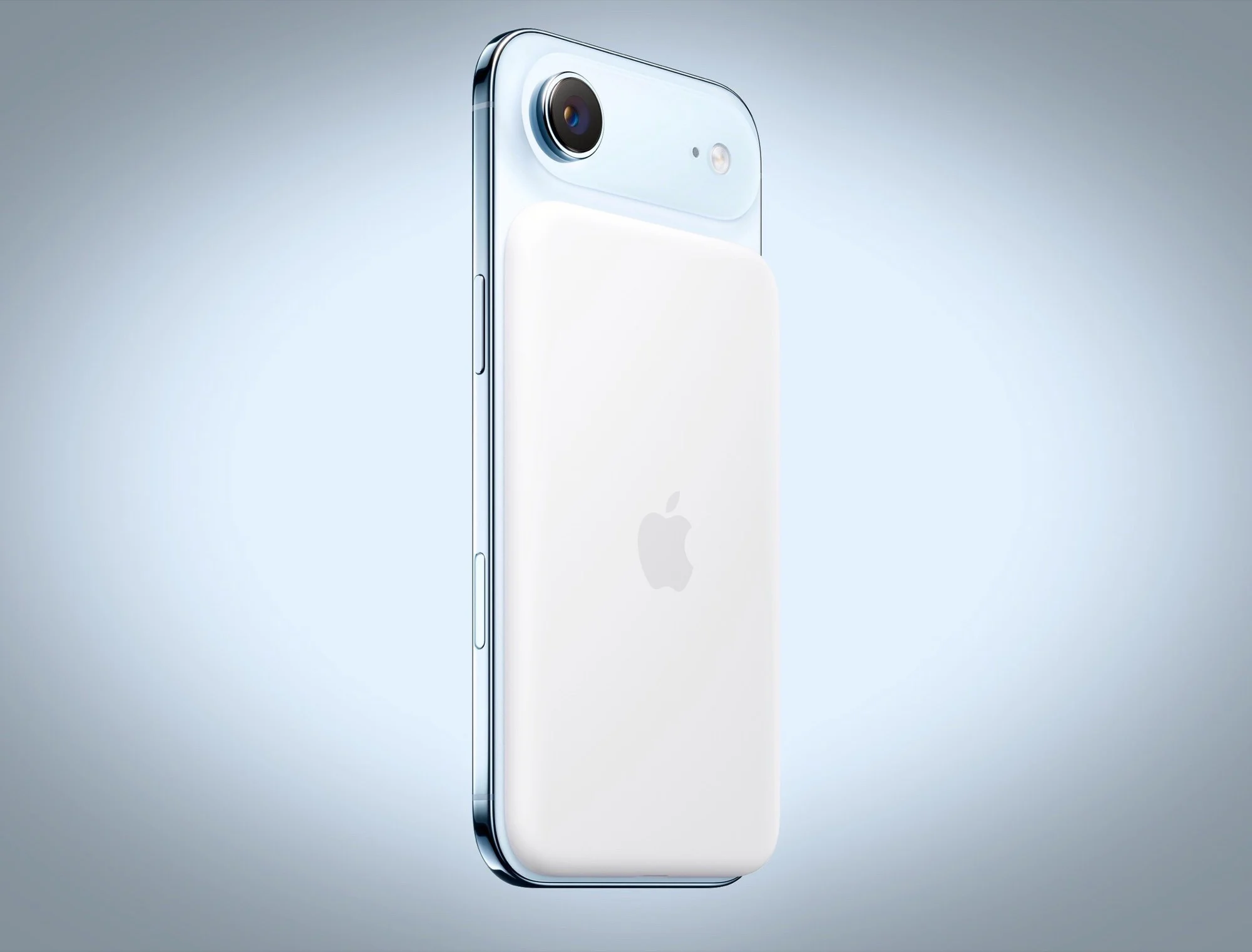
    The iPhone Air has a battery with a capacity of only 3,149mAh. While this amount is lower than most other smartphones on the market, it’s just slightly less than the iPhone 15 Pro’s 3,274mAh battery. Early reviews suggest that the slim smartphone offers reasonably good battery life, but users who rely heavily on their phones may struggle to make it through the day. For those users, Apple sells an iPhone Air MagSafe battery priced at $99, which claims to boost the phone’s battery life by 65%.

    Disassembly Insights

    iFixit has recently taken apart this pricey magnetic power bank, and the video linked below reveals that the MagSafe battery, measuring about 0.3 inches in height, is actually thicker than the iPhone Air. When paired with the smartphone, the total thickness hits 0.52 inches, making the combined device 48% thicker than a Samsung Galaxy Z Fold 7. To access the power bank, the glued back cover must be ripped off, complicating the repair process significantly. The battery itself is secured in the housing with the same adhesive used in the iPhone, allowing it to be released through voltage application.

    Battery Specs Surprises

    Interestingly, Apple has used the same 12.26Wh battery in the power bank as in the iPhone Air. This could simplify the process for obtaining replacement parts. However, the reason the power bank can only charge the iPhone Air up to 65% is due to energy loss during wireless charging. Notably, the power bank is nearly three times thicker than the 0.11-inch battery, as the plastic casing would not be sturdy enough if it were any thinner.

    Source:
    Link


  • Apple iPhone Air: Indestructible Challenge Surpasses JerryRigEverything

    Apple iPhone Air: Indestructible Challenge Surpasses JerryRigEverything

    Key Takeaways

    1. The iPhone 17, also known as the iPhone Air, is the slimmest iPhone ever at 5.6 mm, sparking comparisons with the thicker iPhone 6.
    2. The iPhone 6 faced issues with bending, leading to the “Bendgate” scandal for Apple.
    3. Durability tests for the iPhone Air are being conducted, with positive early results shared by HowToHacks on YouTube.
    4. A TikTok video shows a tester bending the iPhone Air and striking it with a hammer, with no damage reported so far.
    5. The iPhone Air is reinforced with titanium, but a crack is heard in the TikTok video, indicating potential vulnerabilities.


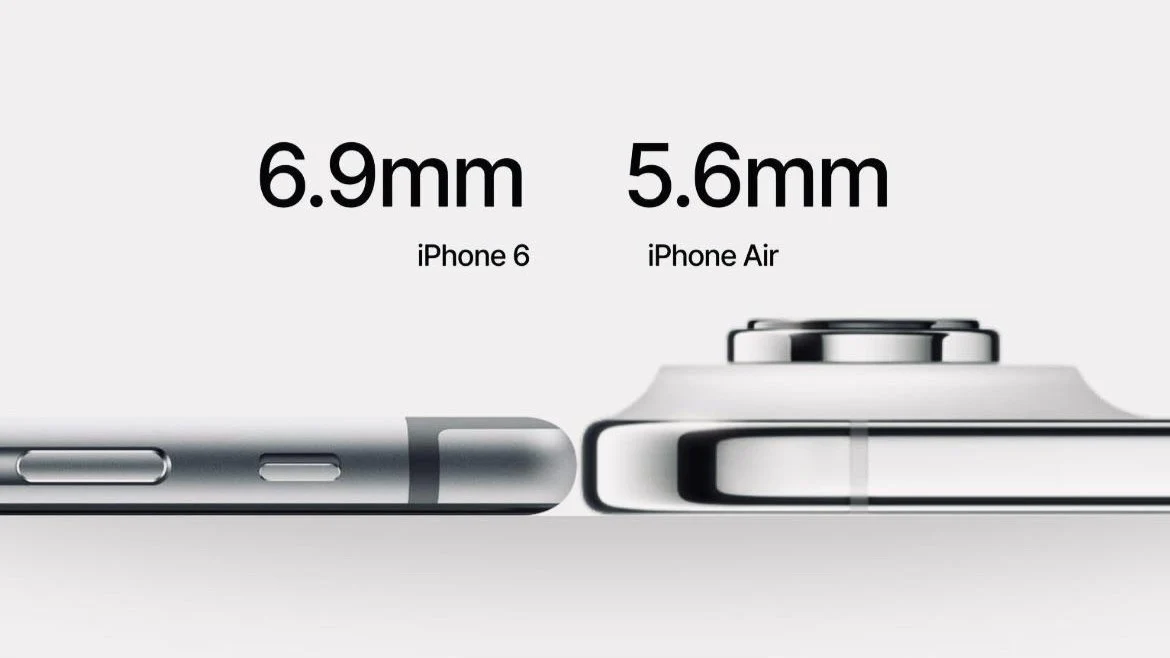
    Starting today, September 19, 2025, Apple’s latest iPhone, the 17th generation, is now officially for sale. Apple boasts that this is the slimmest iPhone ever created. In fact, the iPhone Air, measuring just 5.6 mm, looks almost clumsy next to the notorious iPhone 6 from 2014. This comparison has sparked a lot of interest on social media platforms like Reddit, particularly in the MathJokes subreddit. The iPhone 6, which is notably thicker at 6.9 mm, unfortunately, proved to be too bendable, leading to the embarrassing Bendgate scandal for Apple.

    Durability Tests on the Horizon

    There are signs that Zack Nelson will soon release his durability evaluation of the iPhone Air. Meanwhile, several other durability tests are already available online. A YouTube channel called HowToHacks has shared a brief video where they perform a bend test, and thankfully, the outcome appears to favor Apple.

    Tension Builds with TikTok

    For fans of the iPhone Air, there’s a shorter video on TikTok that might raise the tension. Lasting only 18 seconds, the tester not only attempts to bend the ultra-slim phone over a table edge but also strikes it with a hammer. It seems the online community is eager to put the iPhone Air to the test. So far, they have not succeeded in damaging it. Clearly, Apple anticipated these challenges and has reinforced the device with titanium. However, a crack can be heard at the end of the video. Perhaps a follow-up test is on the way?

    Source:
    Link


  • iPhone 17 Pro and iPhone Air: Scratch Issues with Dark Colors

    iPhone 17 Pro and iPhone Air: Scratch Issues with Dark Colors

    Key Takeaways

    1. Apple launched the iPhone 17 series on September 9, introducing the slim iPhone Air alongside Pro and Pro Max versions.
    2. Display units in multiple countries showed noticeable scratches after a few hours of use, raising concerns about durability.
    3. A scratch test by YouTuber Wylsacom revealed significant vulnerability to scratches, especially on the Deep Blue iPhone 17 Pro.
    4. Scratches were commonly found around the MagSafe charging area of the iPhone Air and on the back of the iPhone 17 Pro models.
    5. Apple claims the iPhone’s front is three times more resistant to scratches and the back is four times less prone to cracking than previous models, though scratch resistance on the back is not emphasized.


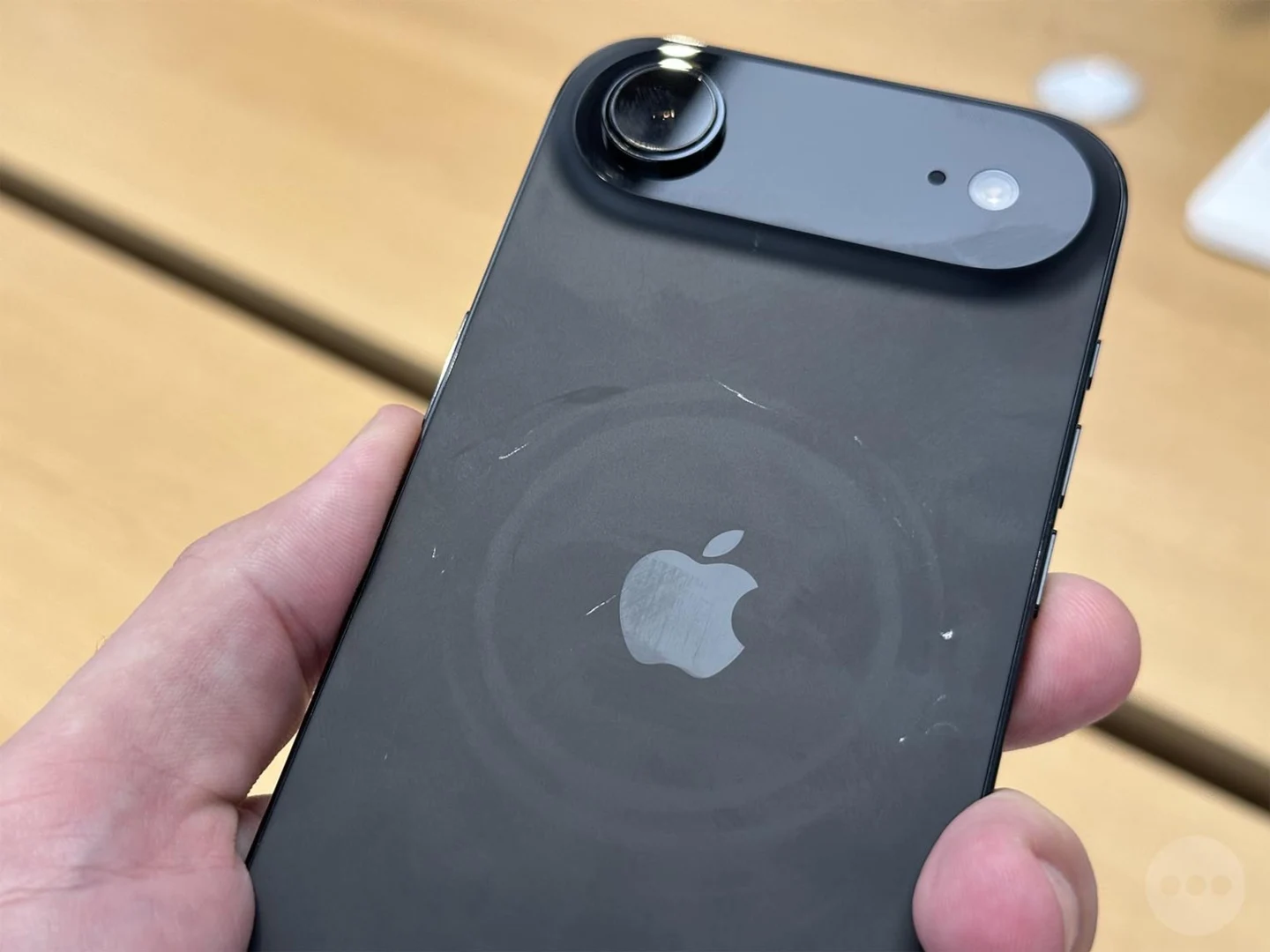
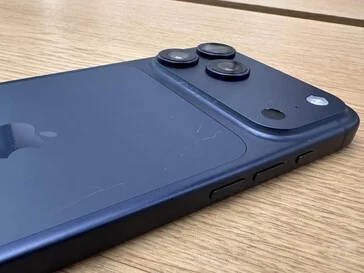
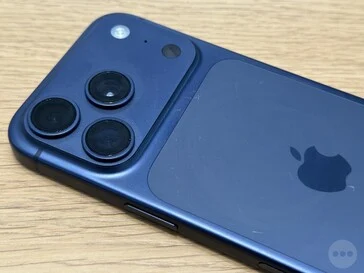
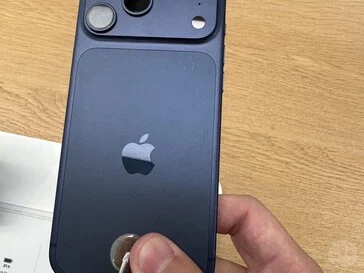
    Apple introduced the iPhone 17 series on September 9, bringing forth the slimmest model yet, called the iPhone Air, along with the familiar Pro and Pro Max versions. The iPhone 17 Pro features an aluminum body, while the iPhone Air has a ceramic shield on both the front and back. Nevertheless, display units at Apple Stores in China, France, and London have been observed to have noticeable scratches and marks after just a few hours of use.

    YouTuber’s Scratch Test

    On September 18, Russian YouTuber Wylsacom released a video where he conducted a scratch test on the iPhone 17 Pro. He pointed out that the Deep Blue iPhone 17 Pro showed a significant vulnerability to scratches. This observation was supported by French publication Consomac, which confirmed similar issues during their hands-on experience at the Apple Store in Lyon Confluence. The dark-colored variants, like the iPhone 17 Pro Max and Space Black iPhone Air, also experienced these problems.

    Findings on Scratches

    Scratches were especially common around the MagSafe charging area of the iPhone Air and throughout the back of the iPhone 17 Pro models. Mark Gurman from Bloomberg similarly reported finding scratches on demo units in cities like Shanghai, Hong Kong, and London. The Pro models feature an aluminum unibody, a choice made by Apple to incorporate a vapor chamber for better heat dissipation.

    The iPhone Air, in contrast, features a ceramic shield that is fairly resistant to bending, but struggles with color retention. According to Apple, the front of the phone is three times more resistant to scratches and the back is four times less prone to cracking than earlier iPhone models, though they do not emphasize the back’s scratch resistance. Many enthusiasts are eagerly awaiting the well-known JerryRigEverything to test the durability of the iPhone 17 series, particularly the iPhone Air. Meanwhile, several bend tests available online demonstrate the strength of the iPhone Air.

    Wylsacom’s YouTube channel, along with reports from Consomac and Bloomberg, highlight these concerns regarding the iPhone 17 series.

    Source:
    Link


  • Apple iPhone Air Battery Life Test Reveals Impressive Performance

    Apple iPhone Air Battery Life Test Reveals Impressive Performance

    Key Takeaways

    1. The iPhone Air is ultra-thin at 5.6 mm and lightweight at 165 g, showcasing advanced technology in its design.
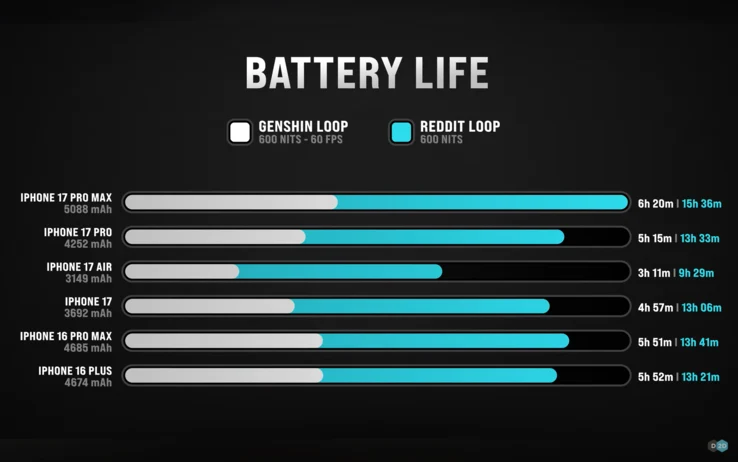
    2. It has a smaller 3,149 mAh battery compared to the standard iPhone 17’s 3,692 mAh and the Samsung Galaxy S25 Edge’s 3,900 mAh.
    3. Battery performance is decent, lasting about 3 hours and 11 minutes while gaming and up to 9.5 hours for social media usage.
    4. Users may sacrifice battery life and features like dual cameras and stereo speakers for the sleek design of the iPhone Air.
    5. The Samsung Galaxy S25 Edge offers a larger battery and more features at a competitive price, making it a potentially better choice for performance-focused users.


    The latest Apple iPhone Air, often referred to as the iPhone 17 Air by many, is generating a lot of buzz as one of Apple’s most thrilling devices in recent years. With a thickness of just 5.6 mm and weighing only 165 g, the iPhone Air is filled with advanced technology in a remarkably slim and lightweight design. However, physics has its limits, and Apple made some compromises along the way. The battery capacity is one of the most noticeable sacrifices.

    Battery Specifications

    The iPhone Air features a smaller 3,149 mAh battery. For comparison, the standard iPhone 17 has a 3,692 mAh battery, while the Samsung Galaxy S25 Edge boasts a 3,900 mAh power source. Nonetheless, even with its relatively modest battery size, the iPhone Air is said to provide decent battery performance.

    According to Dave2D, the Apple iPhone Air can last about 3 hours and 11 minutes while playing Genshin Impact at 600 nits brightness. In more everyday usage, such as browsing social media apps like Reddit, Dave2D found that it can provide up to 9.5 hours of active use. In contrast, the standard iPhone 17, equipped with its larger 3,692 mAh battery, lasts around 5 hours while gaming and just over 13 hours for social media use.

    Trade-offs in Design

    Opting for the iPhone Air means sacrificing a significant amount of battery life for the sake of its ultra-thin design. However, this reduced longevity might not be a major concern for users who don’t rely heavily on their devices. On the other hand, the lack of features such as dual cameras and stereo speakers could be a drawback. The Samsung Galaxy S25 Edge includes these features, comes with a battery that is 24% larger, and is currently available for only $699.99 on Amazon. In fact, we awarded the Galaxy S25 Edge a Top-Rated Award in our review.

    So, while it’s almost certain that Apple will have strong sales for the iPhone Air, if you’re in the market for a super slim and lightweight smartphone, the Galaxy S25 Edge appears to be the superior option, at least theoretically.

    Conclusion

    In summary, the Apple iPhone Air is an impressive feat of engineering, making sacrifices in battery life and features for a sleek design. Many users will find it attractive, but for those who value performance and features, the Galaxy S25 Edge may be the better choice.

    Source:
    Link


  • iPhone 17 Demand Surpasses iPhone 16, Pro Max Leads Preorders

    iPhone 17 Demand Surpasses iPhone 16, Pro Max Leads Preorders

    Key Takeaways

    1. Apple launched the iPhone 17 lineup, with preorders starting on September 12, showing greater interest than the iPhone 16 series.
    2. Production for the iPhone 17 Pro Max, Pro, and standard versions is set to increase by 25% in Q3 2025, with longer wait times for these models.
    3. The iPhone 17 Pro Max is the standout model, with production targets expected to rise by 60% compared to the iPhone 16 Pro Max.
    4. The iPhone Air is experiencing a slower launch due to eSIM regulation issues in China, with lower demand indicated by shorter delivery times.
    5. Current wait times for the iPhone 17 Pro and Pro Max are up to three and four weeks, while the iPhone Air and base iPhone 17 are expected to ship on launch day, September 19.


    Apple recently revealed its latest iPhone 17 lineup last Tuesday. Preorders began on Friday, September 12. According to analyst Ming-Chi Kuo, initial preorder figures indicate that these new models are garnering greater interest than the iPhone 16 series did last year.

    Production Plans Increase

    Kuo mentions that the anticipated production for the iPhone 17 Pro Max, Pro, and standard versions in Q3 2025 is set to increase by 25% compared to the previous year. Additionally, the wait times for these three variants are slightly longer, which aligns with the insights from JP Morgan.

    Pro Max Takes the Lead

    JP Morgan has pointed out a growing interest in the standard iPhone 17, but Kuo emphasizes that the iPhone 17 Pro Max is the standout model in this collection. Production targets for this flagship device are expected to rise by around 60% when compared to the iPhone 16 Pro Max, despite similar delivery timelines. For context, JP Morgan reported that customers can expect to wait about four days for the iPhone 17 Pro and around 21 days for the iPhone 17 Pro Max, contrasting with the six and 20 days for the iPhone 16 Pro and 16 Pro Max in their initial preorder week.

    Slower Start for iPhone Air

    Interestingly, the new iPhone Air, which is thinner and lighter, has not seen as strong of a launch as the other models. This could be partly attributed to its postponed release in China due to eSIM regulation problems. Currently, preorders for the iPhone Air are set to ship on the launch day, suggesting demand may be lower compared to the iPhone 16 Plus, which had a two-week delivery time, according to Kuo. Nonetheless, Apple’s production strategy for the Air is about three times that of the iPhone 16 Plus, hinting that the company anticipates increased demand in the future.

    The iPhone 17 series is still available for preorder on the Apple Store. In the United States, both the iPhone Air and the base iPhone 17 are expected to be delivered on launch day, September 19. However, the iPhone 17 Pro and iPhone 17 Pro Max are now experiencing wait times of up to three and four weeks, respectively.

    Ming-Chi Kuo shared this information on X (as referenced above), with additional insights coming from JP Morgan via Investing, and Apple.

    Source:
    Link


  • iPhone Air Offers All Apple Portrait Photo Features

    iPhone Air Offers All Apple Portrait Photo Features

    Key Takeaways

    1. The iPhone Air is impressively thin at 5.6mm, significantly slimmer than the iPhone 17 Pro and Pro Max at 8.8mm.
    2. Despite having a single wide-angle 48MP rear camera, the iPhone Air effectively utilizes next-generation portrait features from the iPhone 15 series.
    3. The Air can create proper bokeh effects for a wider range of subjects compared to previous models like the iPhone 16e and SE series.
    4. It automatically saves depth-of-field information, allowing users to convert standard photos into portrait images post-capture.
    5. There is a special offer on a clear ESR Classic Hybrid Magnetic Case for the iPhone Air, now priced at $24.99 after a 24% discount.


    Apple claims the iPhone Air embodies “what the future looks like” due to its impressive thinness, measuring around 5.6mm, especially when compared to the roughly 8.8mm thickness of the iPhone 17 Pro and Pro Max. Although it has a single wide-angle 48MP rear camera, some potential buyers might worry about its capability to take convincing portrait shots.

    However, a recent article from 9to5Mac suggests otherwise. The blog reports that they have tested an Air unit and found it can effectively utilize the “next-generation” portrait features that were introduced with the iPhone 15 series.

    Impressive Bokeh Effects

    Interestingly, the Air seems capable of creating ‘proper’ bokeh effects in the right situations. Unlike the iPhone 16e, SE 2022, and SE 2020, which limit this mode to people or animals, the Air allows for a wider range of subjects. This means users could finally showcase their culinary creations on Instagram with a professional touch.

    Automatic Depth-of-Field Capture

    The smartphone, which is only about 5.6mm thick, has a unique feature that automatically saves depth-of-field information with each photo taken. This functionality enables users to transform a standard shot into a portrait image after capturing it.

    In addition, the Air supports various advanced tools typically associated with the 17 or 17 Pro models, such as Depth Control, Focus Adjustment, and HDR in Portrait mode.

    Source:
    Link