Tag: iPhone Air

  • iPhone Air Success Leads to Sequel and Potential Future Models

    iPhone Air Success Leads to Sequel and Potential Future Models

    Key Takeaways

    1. The iPhone Air’s initial sales were disappointing, raising concerns about its future, but sales figures are enough for Apple to consider iPhone Air 2 and Air 3 development.
    2. Industry expert Max Weinbach noted that JP Morgan’s insights suggest suppliers are preparing for upcoming models, despite the original iPhone Air’s performance.
    3. The iPhone Air 2 is expected to launch in late 2026, and the iPhone Air 3 in late 2027, with both rumored to feature a 24 MP front-facing camera.
    4. Foldable iPhones are also anticipated to be released during this timeframe, including advanced selfie camera technologies.
    5. There is ongoing uncertainty in the market regarding the trend for slim and lightweight smartphones, with major brands like Apple and Samsung testing consumer preferences.


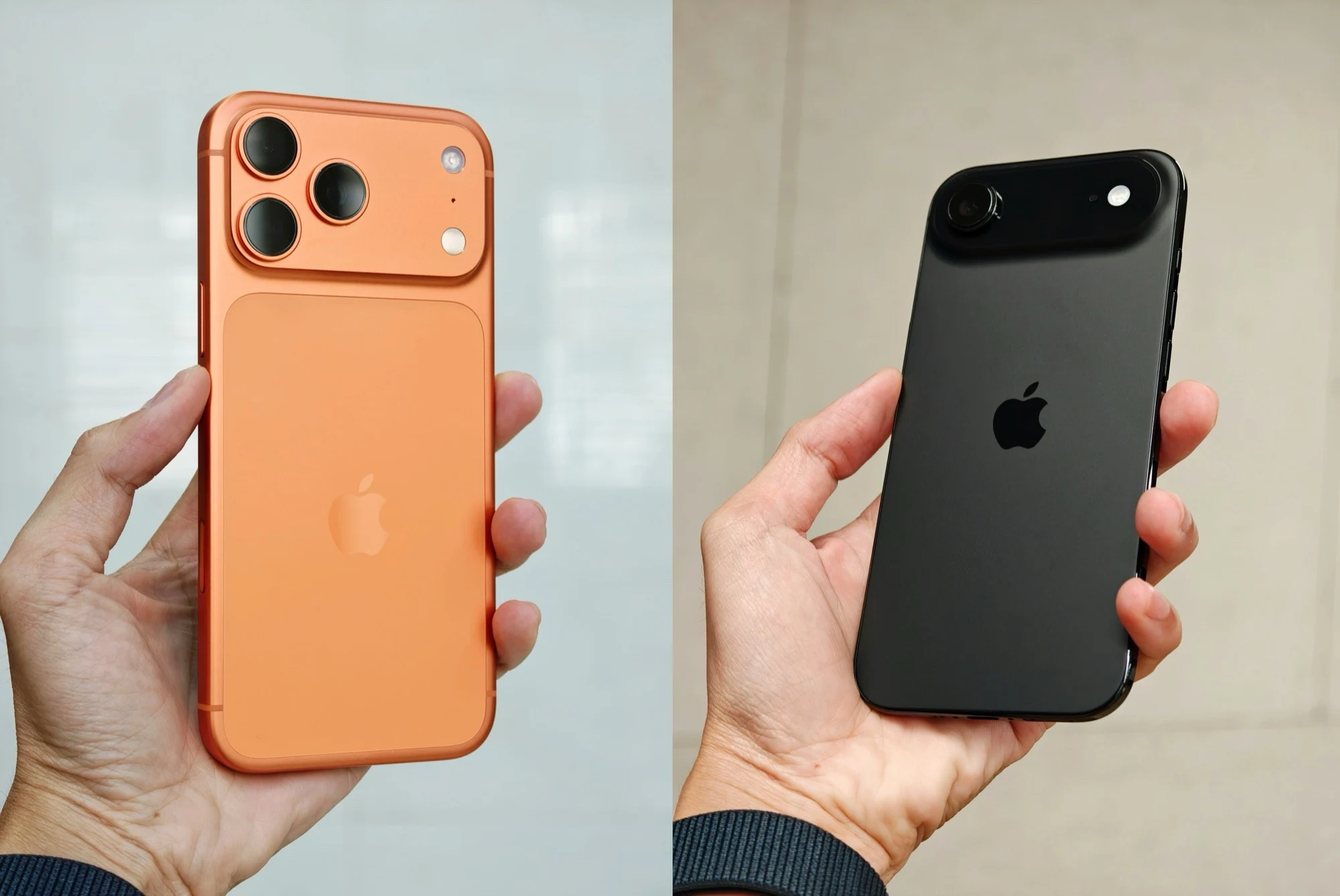
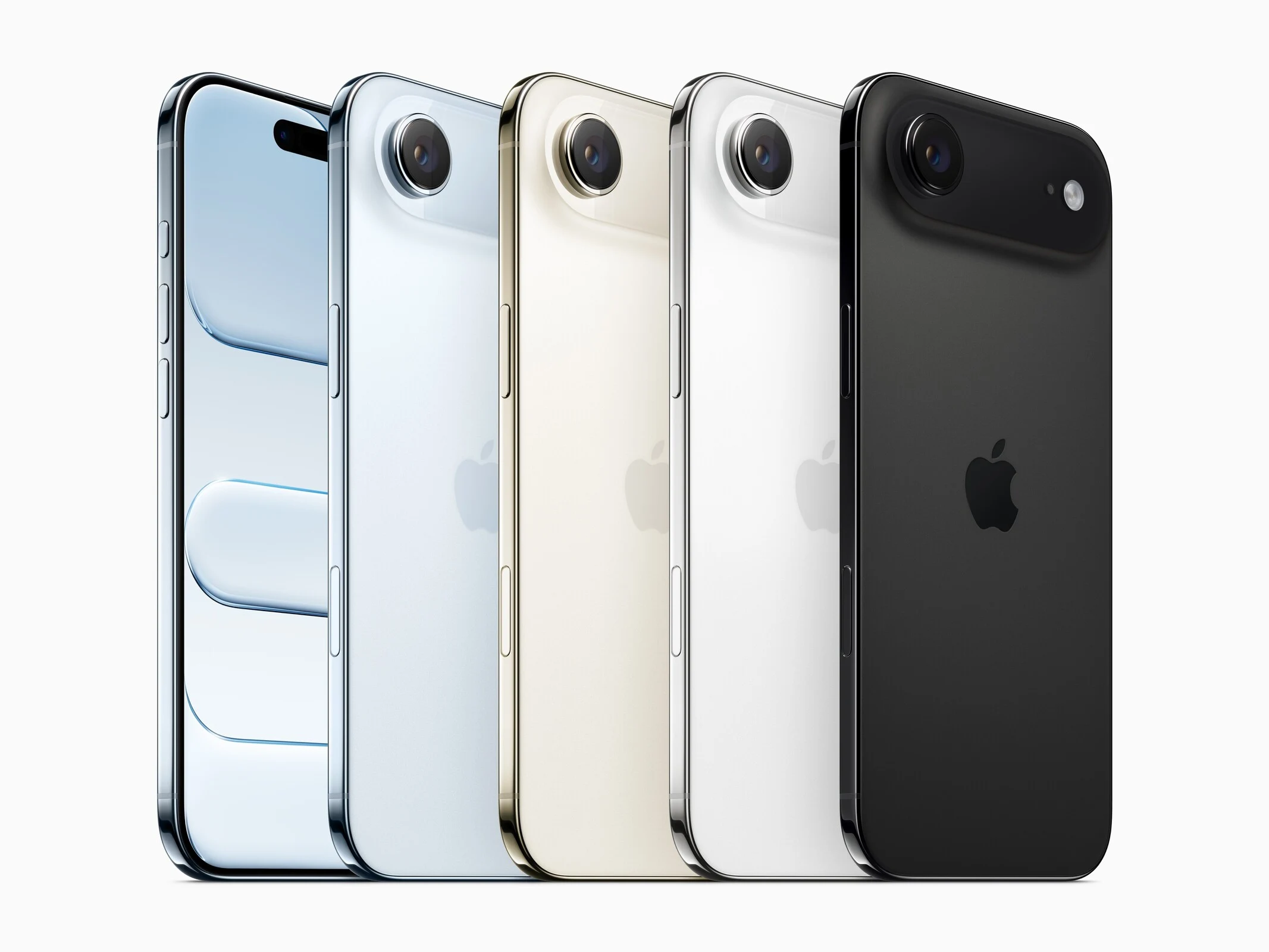
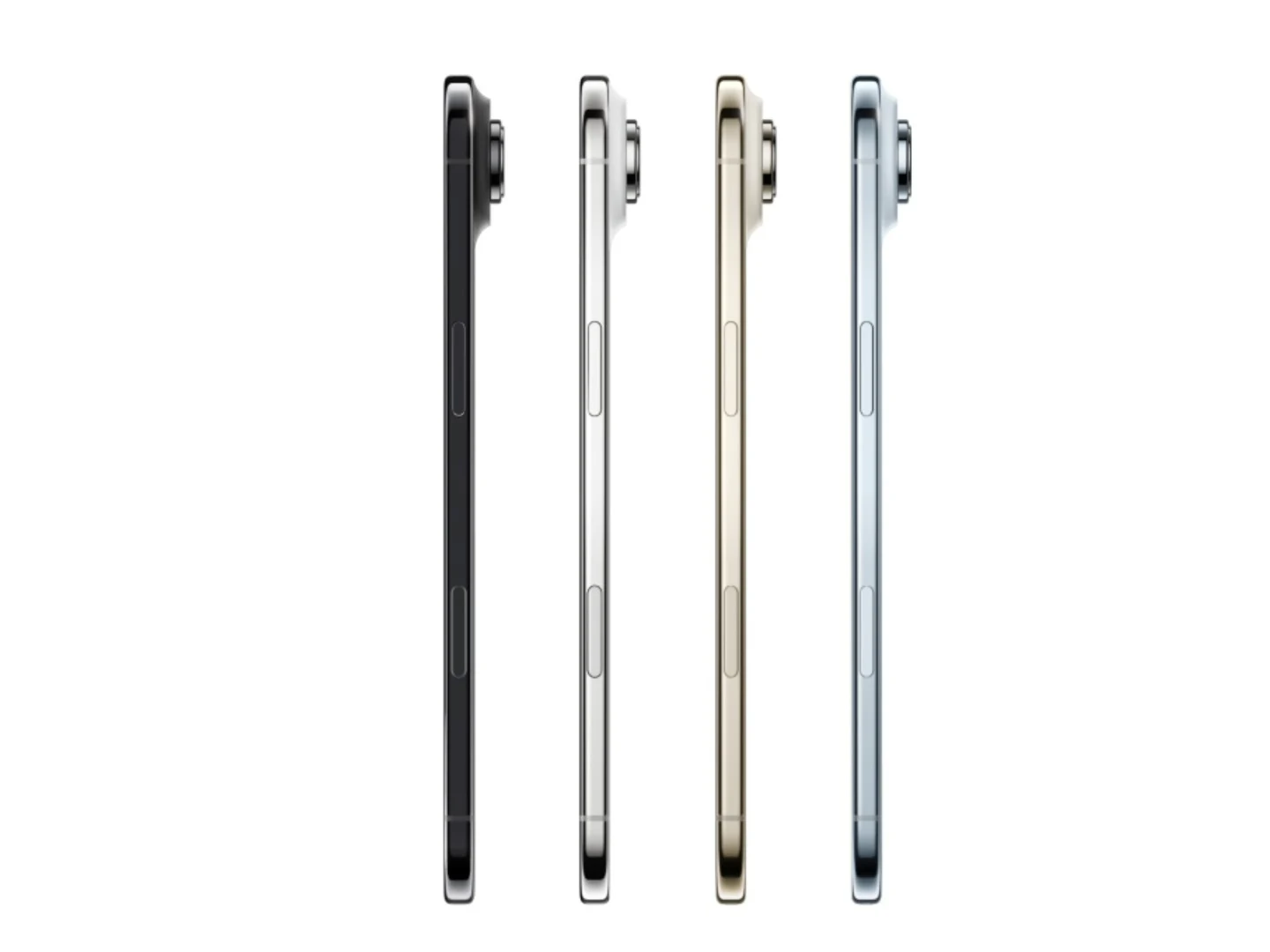
    Apple introduced the iPhone Air along with the iPhone 17 series in September, but the excitement surrounding the lightweight smartphone faded quickly. Many reports indicated that the device wasn’t performing well in terms of sales, raising concerns about its potential discontinuation. However, it appears that the sales figures were sufficient for Apple to consider developing an iPhone Air 2 and iPhone Air 3.

    Analyst Insights

    Industry expert Max Weinbach shared a specification comparison from JP Morgan regarding future iPhone models, which includes both the iPhone Air 2 and iPhone Air 3. Weinbach notes that JP Morgan and similar financial institutions are “very good” at gathering such information from the supply chain. This implies that Apple’s suppliers are gearing up for the iPhone Air 2 and Air 3, regardless of the disappointing sales of the original iPhone Air.

    Upcoming Releases

    According to the image, the iPhone Air 2 is expected to launch in the latter half of 2026, while the iPhone Air 3 is anticipated for the second half of 2027. In terms of specifications, the iPhone Air 2, or iPhone 18 Air, is rumored to come with a 24 MP front-facing camera, an improvement over the original iPhone Air’s selfie shooter. The iPhone Air 3, also referred to as iPhone 19 Air in the spec chart, will likely feature the same enhancement. Additionally, the image hints at foldable iPhones expected to be released during the same timeframe. These models are said to include a 24 MP selfie camera on the cover display, as well as an under-display 24 MP selfie camera on the larger, unfolded screen.

    Market Dynamics

    There has been some uncertainty regarding the trend towards slim and lightweight smartphones that many major brands are pursuing. Recent reports suggested that the iPhone Air might be phased out, similar to the Samsung Galaxy S26 Edge. However, newer updates indicate that a sleek and lightweight Galaxy S26 could still be in development. It seems that these tech giants might be making one last attempt to gauge market interest in this design, possibly as a final test for consumer preferences.

    Max Weinbach on X

    Source:
    Link


  • Apple Sells Replacement Parts for iPhone 17 and iPhone Air

    Apple Sells Replacement Parts for iPhone 17 and iPhone Air

    Key Takeaways

    1. Apple now offers replacement components for all iPhone 17 models and the iPhone Air through its Self Service Repair Store.
    2. The price of a replacement display for the basic iPhone 17 model has increased from $279 to $329 due to the upgraded 120Hz LTPO AMOLED screen.
    3. The cost for the back cover remains unchanged at $159, while the 48MP main camera for the iPhone Air and the dual-camera setup for the iPhone 17 are both priced at $169.
    4. The ultra-wide camera for the iPhone 17 is not available for individual purchase.
    5. DIY repairs may not be cost-effective, as many parts (like batteries) have prices similar to those at Apple Stores.


    Apple has begun offering replacement components for every iPhone 17 model and the iPhone Air through its Apple Self Service Repair Store. Most of the parts are priced similarly to those for the previous iPhone 16 series, but there’s one significant difference.

    Price Changes for Displays

    The cost of a replacement display for the basic model has risen from $279 to $329. This increase is likely because of the iPhone 17’s 120Hz LTPO AMOLED screen, unlike the iPhone 16’s 60Hz display. The price for the back cover remains unchanged at $159. Interestingly, Apple asks for $169 for the 48MP main camera of the iPhone Air, which is also the same price as the dual-camera setup for the iPhone 17. However, the ultra-wide camera is not available for individual purchase.

    DIY Repairs Not Worth It

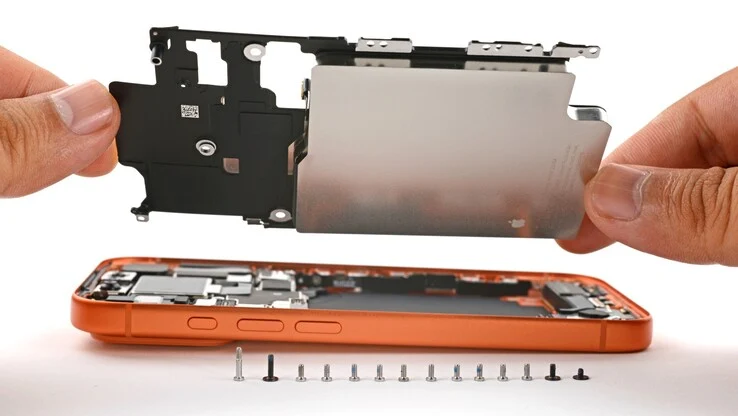
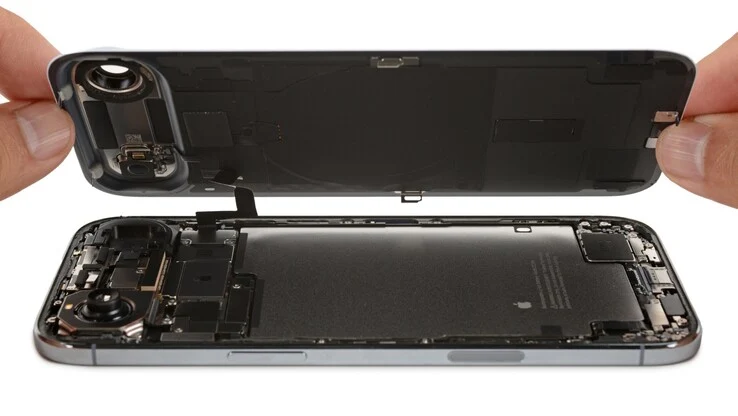
    In many instances, though, doing the repairs by yourself may not be the best choice. For instance, a new battery is priced at $99 for the basic model and $119 for the higher-end models, which is the same cost if you go to an Apple Store for battery replacement. This also applies to the back glass, display, and camera repairs. Because of this, DIY repairs can be financially unappealing, which is unfortunate, since iFixit’s teardown shows that even the slim iPhone Air is fairly simple to repair.

    Source:
    Link


  • iPhone 17 Series Fails to Rank in DxOMark Display Top 20

    iPhone 17 Series Fails to Rank in DxOMark Display Top 20

    Key Takeaways

    1. The iPhone 17 series features LTPO OLED screens with a 120 Hz refresh rate and impressive brightness levels (1,600 nits full-screen, 3,000 nits peak HDR).

    2. All models in the iPhone 17 lineup have similar display quality, with precise color accuracy and excellent readability, despite their different price points.

    3. The average touch response time for the iPhone 17 is 35 ms, making it faster than the Galaxy S25.

    4. Some drawbacks include low contrast at 1 nit brightness, which can hinder readability in dark settings and make videos appear overly dark in low light.

    5. The iPhone 17 series scores 151 in DxOMark’s rankings, placing it 25th, significantly behind competitors like the Google Pixel 10 Pro XL and Samsung Galaxy S25 Ultra.


    The Apple iPhone 17, iPhone Air, and iPhone 17 Pro Max come equipped with LTPO OLED screens that boast a refresh rate of 120 Hz. They also achieve a full-screen brightness of 1,600 nits and peak HDR brightness reaching 3,000 nits. A detailed analysis by DxOMark reveals that there is no significant difference in display quality among the entire iPhone 17 series, no matter the price.

    Display Quality Insights

    The evaluation of the iPhone 17, iPhone Air, and iPhone 17 Pro Max confirmed that all three devices provide precise color accuracy, even at elevated brightness levels. They also deliver excellent readability, thanks in part to an enhanced display surface that minimizes distracting reflections. Additionally, DxOMark found a PWM frequency of 480 Hz, which is generally not expected to create problems for most users.

    Performance Comparison

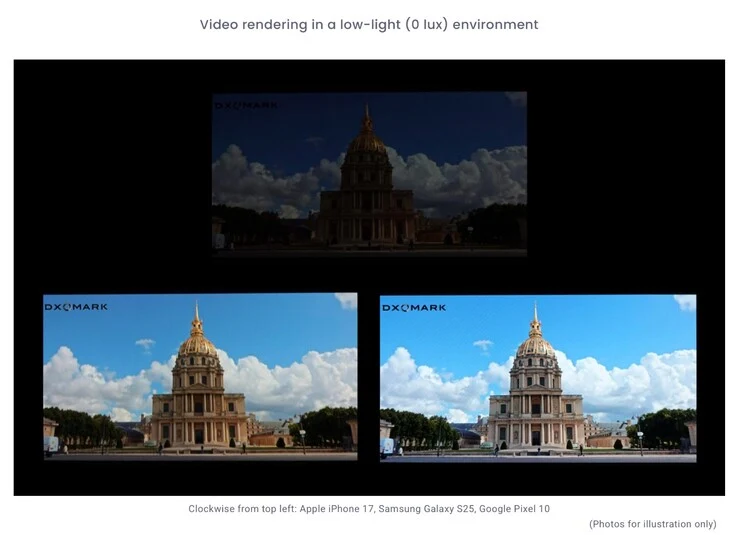
    The average response time for touch inputs on the iPhone 17 is 35 ms, enabling it to respond to touches twice as quickly as the Galaxy S25. However, the displays in the iPhone 17 series do have some drawbacks. DxOMark pointed out that content can be displayed at just 1 nit, resulting in low contrast in darker settings, which makes reading difficult unless brightness is adjusted manually. Moreover, videos can seem overly dark in low-light situations.

    Rankings and Scores

    With an overall score of 151, the trio of devices ranks 25th in DxOMark’s listings. This places Apple’s latest smartphones significantly behind other high-performing models like the Google Pixel 10 Pro XL (161 points), Pixel 10, Samsung Galaxy S25 Ultra, Pixel 9 Pro XL, and Galaxy S25 Edge.

    Source:
    Link


  • Apple iPhone Air Faces Flop: Low Demand and Rumors of Discontinuation

    Apple iPhone Air Faces Flop: Low Demand and Rumors of Discontinuation

    Key Takeaways

    1. Apple is reportedly halting production of the iPhone Air due to lower-than-expected demand outside China, with a possibility of discontinuation by 2026.
    2. Suppliers for the iPhone Air may cut production capacity by up to 80% by early 2026, as Apple focuses on its more popular standard and Pro models.
    3. The smartphone market may see the introduction of the Galaxy S26 Plus from Samsung, replacing the Galaxy S25 Edge, while Apple’s plans for the iPhone Plus remain uncertain.
    4. The potential discontinuation of the iPhone Air could discourage Chinese brands from launching ultra-slim smartphones, limiting innovation in the market.
    5. These developments are speculative, and the future decisions of Samsung and Apple should be viewed with caution.


    It appears that Samsung is not alone in struggling with the ultra-slim smartphone vision, as new rumors are popping up indicating that the Apple iPhone Air is not performing as well as Apple expected outside of China. This follows the news that Samsung will not be launching a new version of the Galaxy S25 Edge in 2026.

    Rumors from Weibo

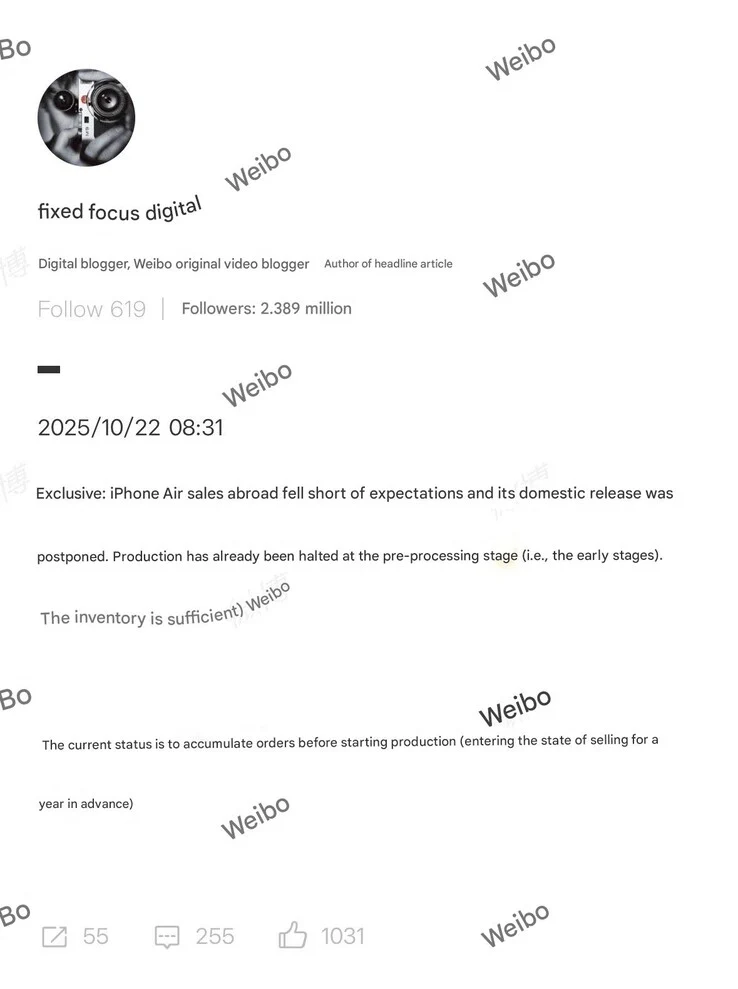
    The latest buzz surrounding the Apple iPhone Air comes from a rumor shared on Weibo, as reported by Jukan on X. This rumor suggests that due to demand being colder than anticipated, Apple has changed its production plans for the iPhone Air. The production has reportedly been “halted” at the pre-processing phase because there’s enough stock, and it will only pick up again when orders increase.

    In simpler terms, Apple isn’t making iPhone Air units continuously like it does for its more sought-after models. If demand doesn’t pick up, this could mean the end of the iPhone Air by 2026, a possibility pointed out by well-known analyst Ming-Chi Kuo on X.

    Supplier Adjustments

    According to Ming-Chi Kuo, a large number of iPhone Air suppliers are “expected to cut capacity by as much as 80%” by the first quarter of 2026. Furthermore, Apple is likely to cease sourcing components that have long lead times, which can include critical items like SoCs and rare earth minerals used in internal hardware, by the end of 2025. Kuo believes that this is because the standard and Pro iPhone models can meet most of the demand, which “leaves little opportunity to create new market segments,” a situation Apple has previously faced with the iPhone Mini and Plus.

    The Future of Smartphones

    So, what does this mean for the smartphone industry? To begin with, there are rumors that Samsung plans to introduce the Galaxy S26 Plus to take the place of the Galaxy S25 Edge next year. While it’s uncertain if Apple will also reconsider its decision to discontinue the iPhone Plus, there is a possibility that the company might take a similar approach. Additionally, we have the iPhone Fold to anticipate, with rumors hinting at a possible release in 2026 or 2027.

    This discontinuation may also imply that many Chinese brands will steer clear of launching their ultra-slim smartphones. This is unfortunate since the smartphone market has matured, and genuinely exciting launches are increasingly rare.

    As usual, all of this remains speculative, and we cannot be certain about the paths Samsung and Apple will choose. Therefore, it’s wise to consider this information with a bit of skepticism.

    Source:
    Link


  • Apple Cuts iPhone Air Orders to End of Production Levels

    Apple Cuts iPhone Air Orders to End of Production Levels

    Key Takeaways

    1. The iPhone Air is underperforming in various markets, leading to significant production cuts shortly after its release.
    2. iPhone Air now accounts for less than 10% of Apple’s smartphone orders, down from 15%.
    3. Total iPhone production remains stable due to strong sales of the iPhone 17 and iPhone 17 Pro models.
    4. The iPhone 17 features a new 120 Hz ProMotion display and has received a positive review rating of 88%.
    5. The iPhone Air’s decline may indicate a shift towards developing a foldable iPhone expected to launch in 2026.


    The slimmest iPhone of this generation might soon disappear.

    Reports indicate that the iPhone Air is not performing well in various markets, leading Apple to significantly cut production orders for this new model just about a month after it was released. Sources close to Apple’s production lines, as reported by Nikkei Asia, suggest that the iPhone Air now represents under 10% of all smartphone orders from Apple, a noticeable drop from its earlier 15% share in iPhone manufacturing.

    Production Levels Decline

    One insider mentioned that this diminished figure suggests the Air is nearing its “end of production” phase.

    In a twist, total iPhone production orders are mostly stable. This is largely due to the overwhelming success of the base iPhone 17 and the iPhone 17 Pro, both of which have surpassed sales predictions. The iPhone 17 features a new 120 Hz ProMotion display, a technology that used to be exclusive to the pricier Pro and Pro Max versions, along with other attractive features like enhanced storage for the base model. For context, the iPhone 17 earned an impressive 88% rating in our review.

    Future Prospects

    While the reduced orders for the iPhone Air might hint at no future models, Nikkei cites three insiders who claim the main aim of the iPhone Air was to “strategically pave the way for the first foldable iPhone,” which is expected to launch in 2026.

    On a brighter note, Nikkei reports that there are no wait times for the iPhone Air, unlike the several weeks consumers are facing for other models.

  • Huawei Mate 70 Air vs Galaxy S25 Edge & iPhone Air: A New Rival

    Huawei Mate 70 Air vs Galaxy S25 Edge & iPhone Air: A New Rival

    Key Takeaways

    1. Samsung launched the Galaxy S25 Edge with a slim profile of 5.8 mm, starting a trend in smartphone design.
    2. Apple countered with the iPhone Air, measuring just 5.6 mm, indicating strong competition in the market.
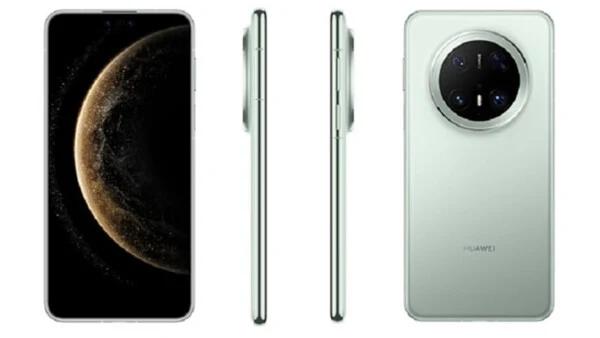
    3. Huawei is expected to release the Mate 70 Air, although they have not officially confirmed it yet.
    4. The Mate 70 Air is rumored to have 12 GB of RAM and storage options of 256 GB or 512 GB.
    5. The device may feature three rear cameras, dual front-facing cameras for 3D facial recognition, and a 6.9-inch display.


    Samsung has kicked off a new trend with the Galaxy S25 Edge, which was released in May and sports a slim profile at just 5.8 mm thick. Now, Apple has taken the lead with its iPhone Air, measuring only 5.6 mm. Following this competition, it looks like Huawei is gearing up to introduce its own Air-branded smartphone. Meanwhile, Motorola has started teasing its upcoming Edge 70, details of which have been separately discussed.

    Leaked Information on Mate 70 Air

    Currently, Huawei hasn’t officially acknowledged the anticipated Mate 70 Air. However, China Telecom has shared multiple images and some specifications regarding the rumored device. Identified by the model number SUP-AL90, the Mate 70 Air is expected to come equipped with 12 GB of RAM and storage options of either 256 GB or 512 GB, similar to the Galaxy S25 Edge, which is currently priced at $689 on Amazon.

    Design and Features

    The Mate 70 Air is rumored to have three rear cameras and a duo of front-facing cameras that might enable 3D facial recognition. Furthermore, China Telecom suggests that this device will feature a 6.9-inch display with a resolution of 1,920 x 1,200 pixels, although this detail seems off based on the smartphone’s aspect ratio. Overall, the design of the Mate 70 Air is said to align with the Mate 70’s aesthetics but with an even slimmer profile. As of now, there is no information on when it will be released.


  • iPhone 17 Pro Sales Outperform iPhone 16 as iPhone Air Struggles

    iPhone 17 Pro Sales Outperform iPhone 16 as iPhone Air Struggles

    Key Takeaways

    1. Apple may reduce iPhone Air production due to low sales, contributing only 3% of total sales in the first ten days after the iPhone 17 launch.
    2. The iPhone 16 Plus outperformed the iPhone Air, securing 4% of sales, while the iPhone Air’s sales in China will start in late October.
    3. The iPhone Air’s MSRP of $999 is only $100 less than the iPhone 17 Pro, potentially affecting its sales appeal.
    4. iPhone 17 series sales increased by 14% compared to the iPhone 16 series during the same period last year, with the base model being a standout.
    5. The iPhone 17 Pro and Pro Max continue to dominate, making up 75% of iPhone sales, reflecting typical post-launch consumer behavior.


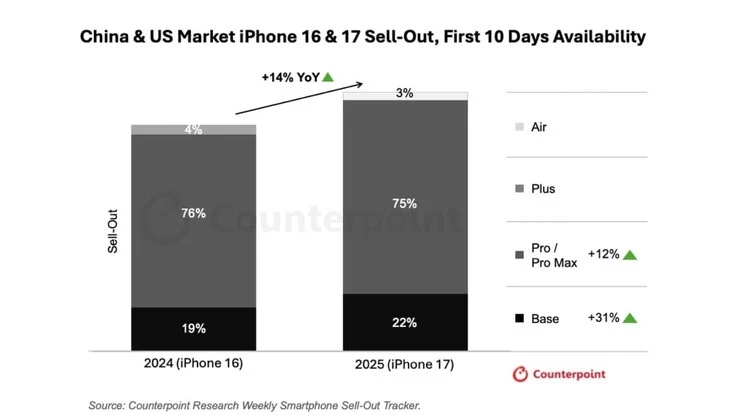
    Rumors have recently emerged indicating that Apple might significantly reduce the production of the iPhone Air. Sales figures from Counterpoint Research highlight a clear reason for this decision. It appears that the iPhone Air only contributed to 3% of total sales during the first ten days following the launch of the iPhone 17 series in both China and the US.

    Sales Comparison

    In contrast, the iPhone 16 Plus managed to secure 4% of the sales. It’s worth noting that the sales of the iPhone Air in China won’t commence until late October, suggesting that Apple’s slim flagship could potentially surpass the iPhone 16 Plus in popularity. The current low sales figures are somewhat expected, given that the iPhone Air has a manufacturer’s suggested retail price (MSRP) of $999, making it just $100 less expensive than the iPhone 17 Pro. Additionally, the battery capacity is 3,149mAh, which is a significant 26% lower than the 4,252mAh found in the eSIM-only version of the iPhone 17 Pro available in the US.

    Positive Trends

    On a brighter note, the sales of the iPhone 17 series have seen a 14% increase in the first ten days compared to the iPhone 16 series during the same timeframe last year. The standout performer this year is the base model of the iPhone 17, which features a substantial display enhancement. Apple has chosen to include a 120Hz OLED screen with an always-on functionality and has increased the storage capacity of the lowest configuration to 256GB. Despite this, the iPhone 17 Pro and iPhone 17 Pro Max continue to dominate the market, representing 75% of all iPhone sales. This trend is typical post-launch, as many enthusiasts usually place their orders for a new iPhone immediately upon its release.

    Source:
    Link


  • Apple iPhone Air in Gold and Crocodile Leather – Caviar Limited Edition

    Apple iPhone Air in Gold and Crocodile Leather – Caviar Limited Edition

    Key Takeaways

    1. Caviar has released limited edition models of the iPhone 17 lineup, including the iPhone Air, iPhone 17, iPhone 17 Pro, and iPhone 17 Pro Max.
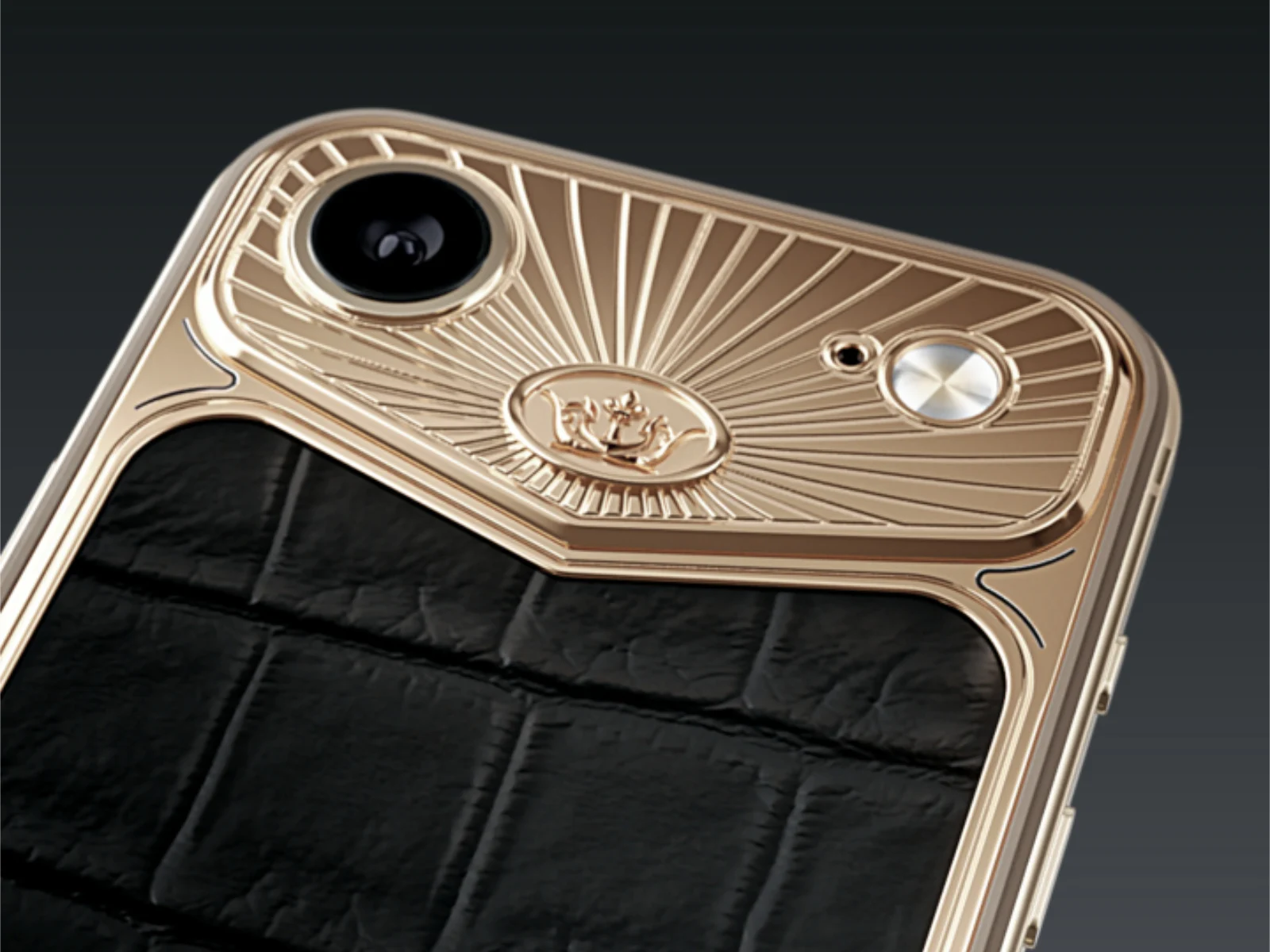
    2. The new Caviar Airline collection features luxurious materials like 24k gold, crocodile leather, and aviation-grade titanium.
    3. The performance specifications of the Caviar Airline series remain the same as the standard iPhone Air.
    4. The starting price for the Caviar iPhone Air ‘Airline’ collection is $7,610, while the Zenith edition costs $38,930.
    5. These models are compatible with MagSafe accessories, including the iPhone Air MagSafe Battery.


    Caviar has made a comeback with Apple’s newest iPhone lineup, unveiling a fresh selection of limited edition models. To summarize, the tech giant recently launched various custom versions of the iPhone Air, iPhone 17, iPhone 17 Pro, and iPhone 17 Pro Max, just a month after their initial release. One standout model even featured an integrated Omega Seamaster watch within the iPhone 17 Pro Max.

    New Limited Editions

    This time around, Caviar has turned its attention to the iPhone Air, presenting a new set of limited edition variants known as the Airline collection. True to form, Caviar boasts about using luxurious materials such as 24k gold, crocodile leather, and aviation-grade titanium, alongside other high-end materials. In terms of performance, the Caviar Airline series keeps the same specifications as the standard iPhone Air, which includes a 6.5-inch AMOLED screen, an Apple A19 Pro processor, a 3,149 mAh battery, and a single 48 MP rear camera.

    Pricing and Compatibility

    From what we can see, these latest models still support MagSafe accessories, including the iPhone Air MagSafe Battery (currently priced at $99 on Amazon). The starting price for the Caviar iPhone Air ‘Airline’ collection is $7,610, excluding taxes and shipping fees. However, the Zenith edition is priced at an impressive $38,930. For further information, please visit Caviar’s official website.

    Source:
    Link


  • Apple iPhone Air Transparent Back Mod Goes Viral for Stunning Design

    Apple iPhone Air Transparent Back Mod Goes Viral for Stunning Design

    Key Takeaways

    1. iPhone Air sales are disappointing, prompting Apple to reduce production.
    2. The device has received praise for its durability from creators like Zack Nelson.
    3. A YouTuber created a transparent back panel for the iPhone Air to showcase its internal engineering.
    4. The process of making the back panel transparent is complex due to the phone’s curved design.
    5. The final product is a fully functional, transparent iPhone Air that highlights its internal components.


    A new report shows that the iPhone Air is not selling very well, leading Apple to reportedly reduce its production. Even with the lackluster sales, the device has gained admiration from various creators. Zack Nelson, who runs the well-known YouTube channel JerryRigEverything, recently praised the iPhone Air for its remarkable durability, especially given its super-slim design.

    Transparent Innovation

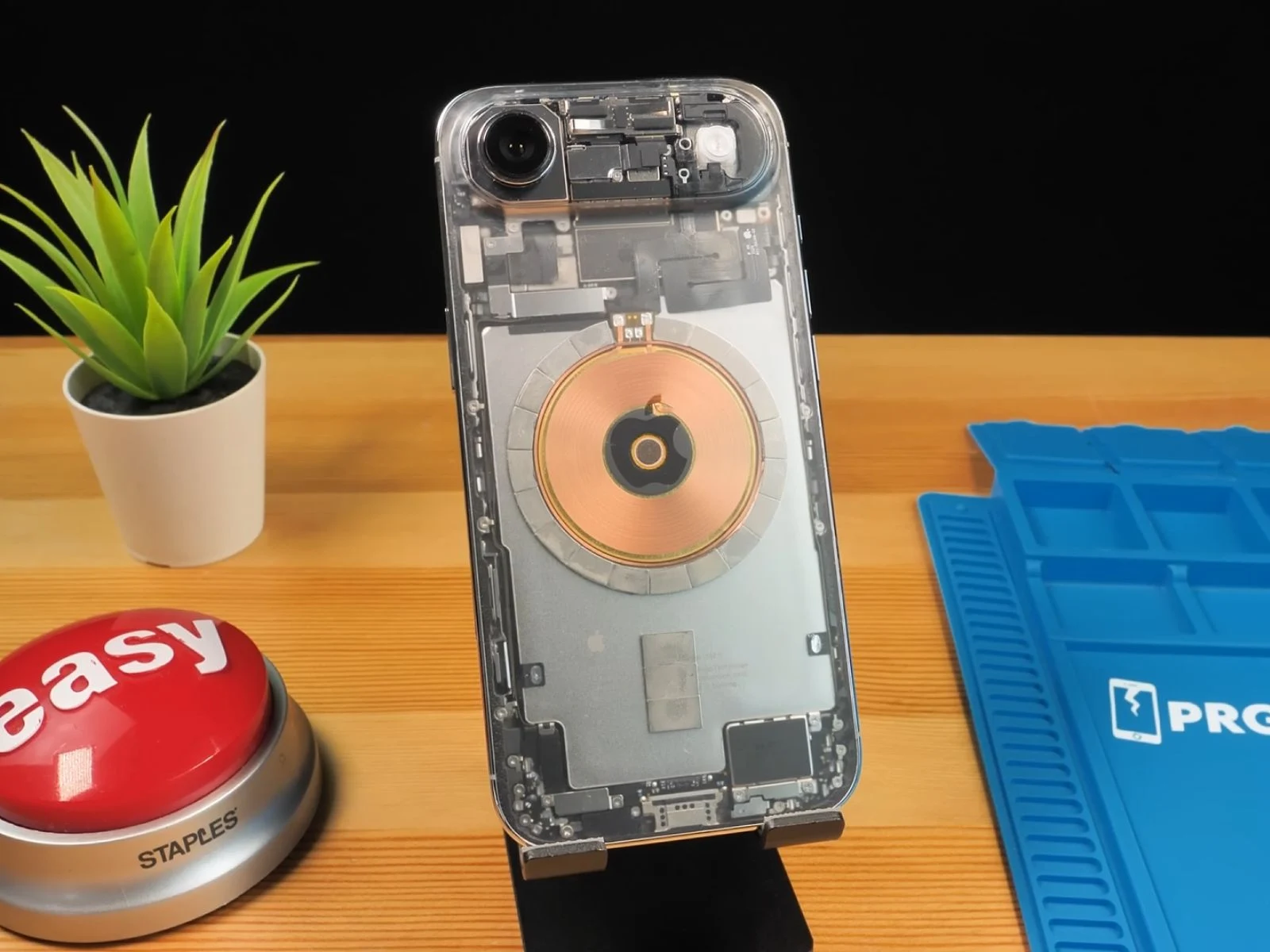
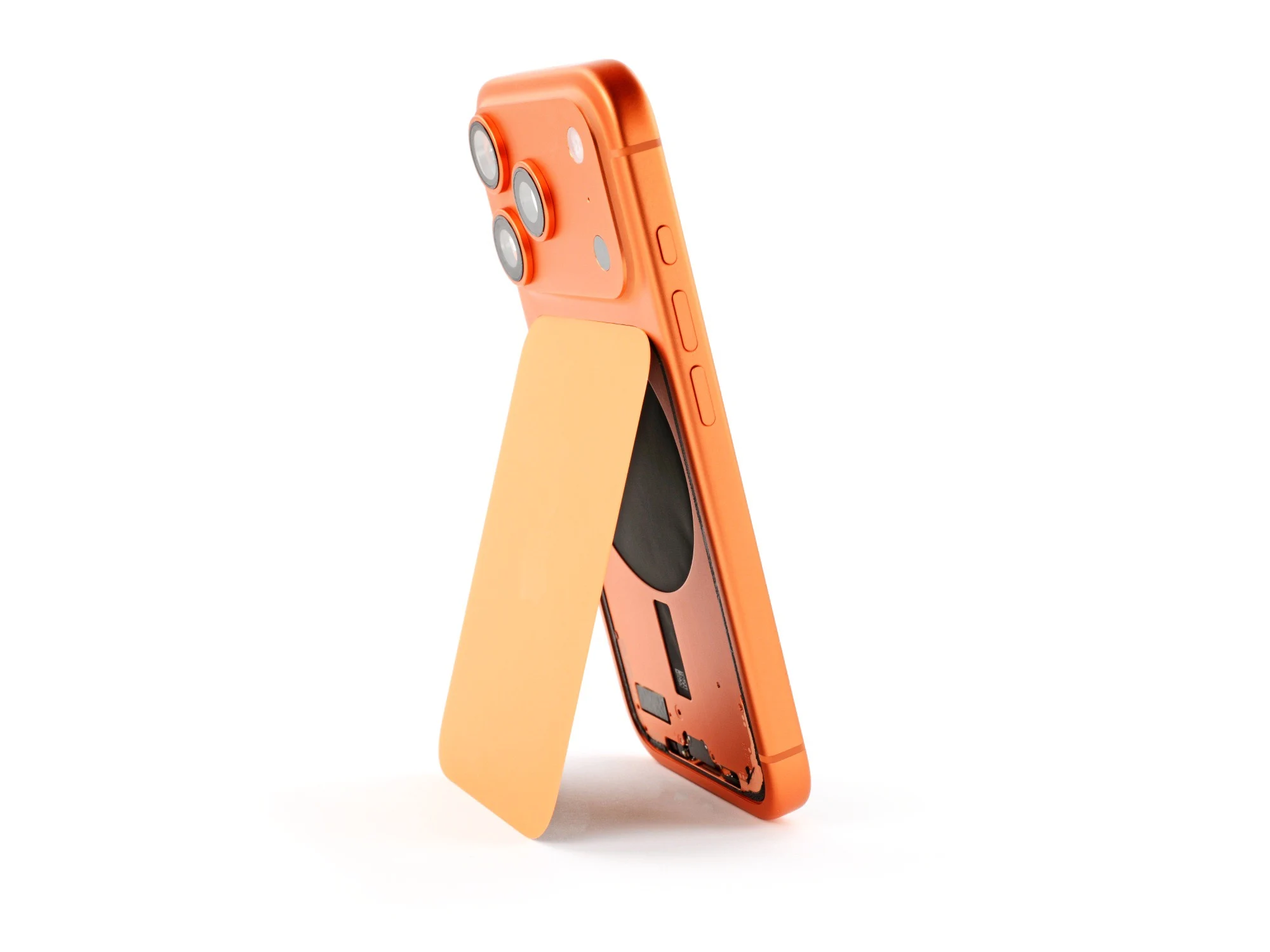
    In an interesting turn, another YouTube channel, Phone Repair Guru, has successfully crafted a completely clear back panel for the iPhone Air to highlight the careful engineering that went into packing powerful parts inside such a slender body.

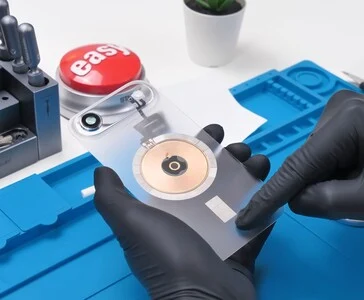
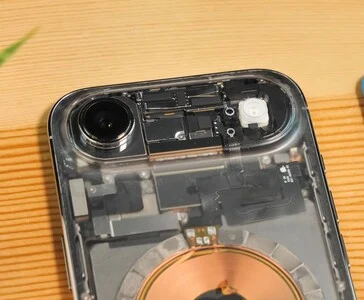
    Suhaib El-Komy, who hosts the channel, explains that while the internal layout of the iPhone Air is impressive enough to warrant a transparent design, the process is more complicated than with earlier iPhones. They mention that unlike older models, the rear glass of the iPhone Air is not flat; its curved “camera plateau” makes removing the paint much more perilous. The YouTuber starts taking apart the phone, extracting the wireless charging coil, magnets, flash, and rear microphone, carefully applying heat and peeling each layer to keep the parts intact.

    Engineering Marvels

    During the teardown, they highlight several engineering features, such as the noticeably thicker MagSafe magnets and the detailed layering under the curved camera bump. By using a mix of heat, isopropyl alcohol, and a lot of patience, they successfully separate the metal plates and strip away the paint to show off the clean, minimalist internals of the phone. After a few trials, including an attempt to use gallium to dissolve metal plates that weren’t actually aluminium, they manage to restore the components and put the phone back together.

    The end result is a completely functional, transparent iPhone Air that displays its artistically arranged internals, a feat that even Suhaib describes as one of their best modifications to date. The YouTuber excels in making the iPhone Air’s back panel see-through. Be sure to check out the full teardown video below for a detailed glimpse into the process.

    Phone Repair Guru

    Source:
    Link


  • Apple to Cut iPhone Air Production Significantly, Rumors Say

    Apple to Cut iPhone Air Production Significantly, Rumors Say

    Key Takeaways

    1. The iPhone Air is underperforming, leading to a potential production cut of 1 million units next year.
    2. Apple plans to increase production of the iPhone 17, 17 Pro, and 17 Pro Max by a total of 7 million units.
    3. Overall iPhone production is expected to rise from 88 million to 94 million units.
    4. The anticipated foldable iPhone may be delayed, impacting future product releases.
    5. The iPhone Air has received mixed reviews, with concerns about battery life and overheating, while its sales lag behind other models.


    The iPhone Air might be in serious trouble.

    Apple’s latest slim and lightweight iPhone is not meeting the company’s expectations, which could lead to a significant decrease in its production in the next year. This information comes from Mizuho Securities, a Japanese investment bank. Their report also mentions that the anticipated foldable iPhone is likely to be postponed, with the firm predicting that Apple will cut its production forecast for the iPhone Air by 1 million units.

    Production Changes Ahead

    In contrast, the iPhone 17, iPhone 17 Pro, and iPhone 17 Pro Max are doing much better than Apple had anticipated. As a result, the investment firm believes that Apple will boost production for these models by 2 million, 1 million, and 4 million units, respectively. These adjustments are expected to happen before the year ends, as stated by Mizuho Securities.

    Overall, the total iPhone production is projected to increase from 88 million to 94 million units, according to the firm’s estimates.

    More Issues for Slim Phones

    This news coincides with rumors about another lightweight phone, the Samsung Galaxy S25 Edge, possibly being scrapped. Reports suggest that Samsung may be halting any plans for a successor to the S25 Edge.

    The iPhone Air has mostly received positive yet somewhat tepid reviews. Some critics have raised issues about the device’s battery life and overheating problems, but it has still managed to perform better than some expected. However, its sales trail behind those of its more successful counterparts, the iPhone 17, 17 Pro, and 17 Pro Max.

    Source:
    Link