Key Takeaways
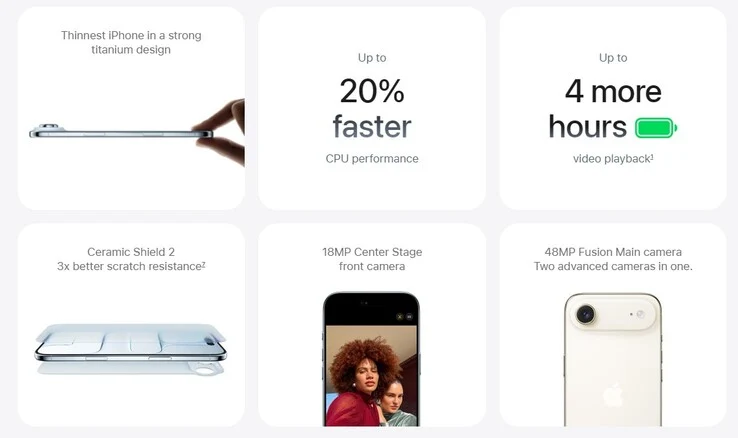
1. All-Day Battery Life: The iPhone Air promotes an impressive battery life with four additional hours of video playback compared to the iPhone 15 Pro.
2. Slim Design with High Capacity: At only 0.22 inches thick, the iPhone Air houses a 3,149 mAh battery, addressing previous concerns about battery performance in compact phones.
3. Innovative Engineering: Apple created the iPhone Air with a new “plateau” design, integrating advanced technologies like the A19 Pro chipset and high-density battery solutions.
4. Enhanced Battery Technology: The iPhone Air utilizes a “high-density” battery, allowing for more efficient space usage, particularly by adopting an eSIM-only format to free up room for additional battery cells.
5. Performance Parity: Despite its slim profile, the iPhone Air’s battery performance matches that of the iPhone 16 Pro, achieving up to 27 hours of video playback.
Apple promotes the iPhone Air as having a battery life that lasts “all-day,” boasting four extra hours of video playback compared to the iPhone 15 Pro.
Focus on Battery Life
This strong emphasis on the iPhone Air’s battery performance in advertisements is clearly aimed at alleviating worries about the longevity of Apple’s slimmest iPhone to date.
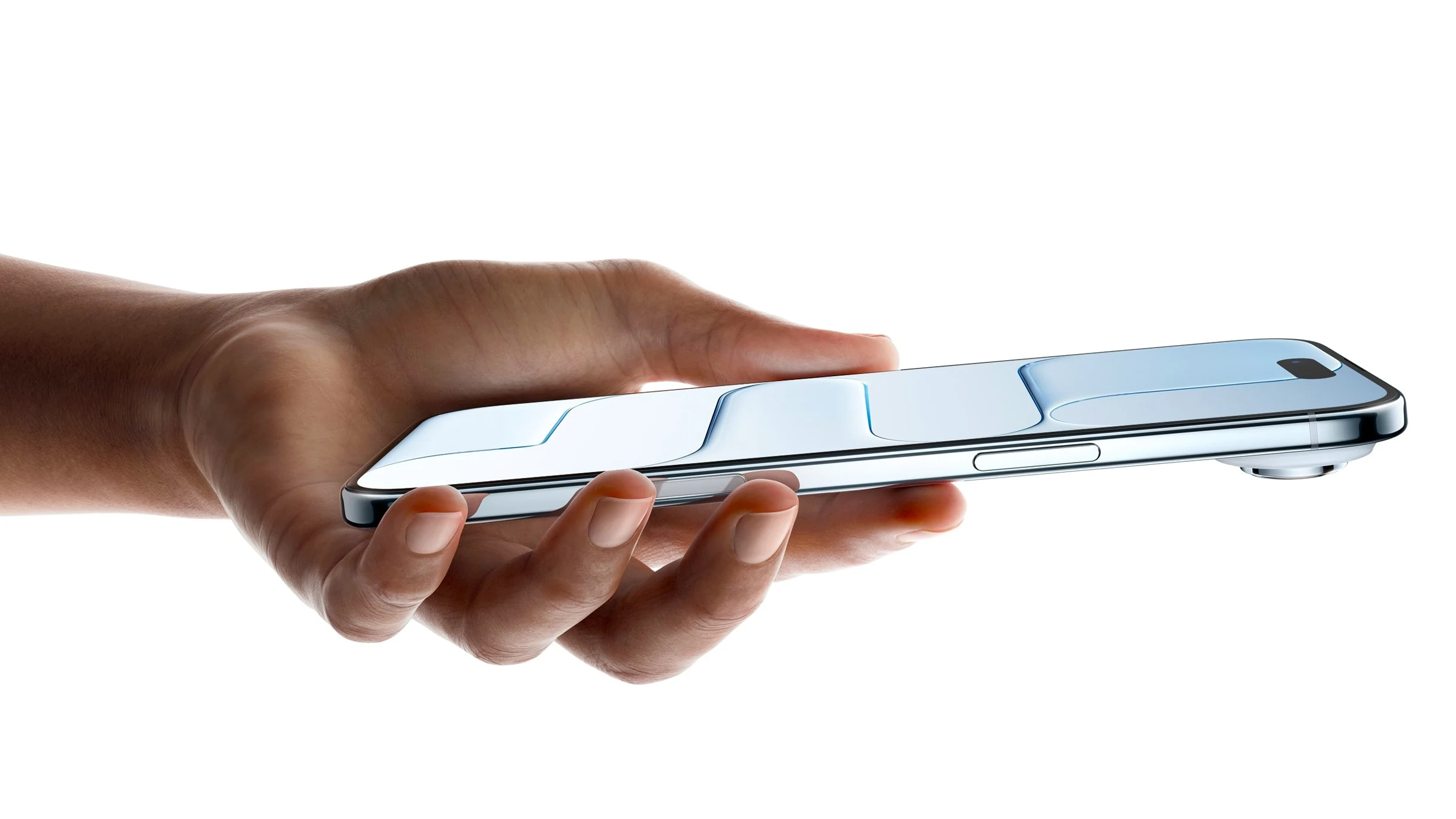
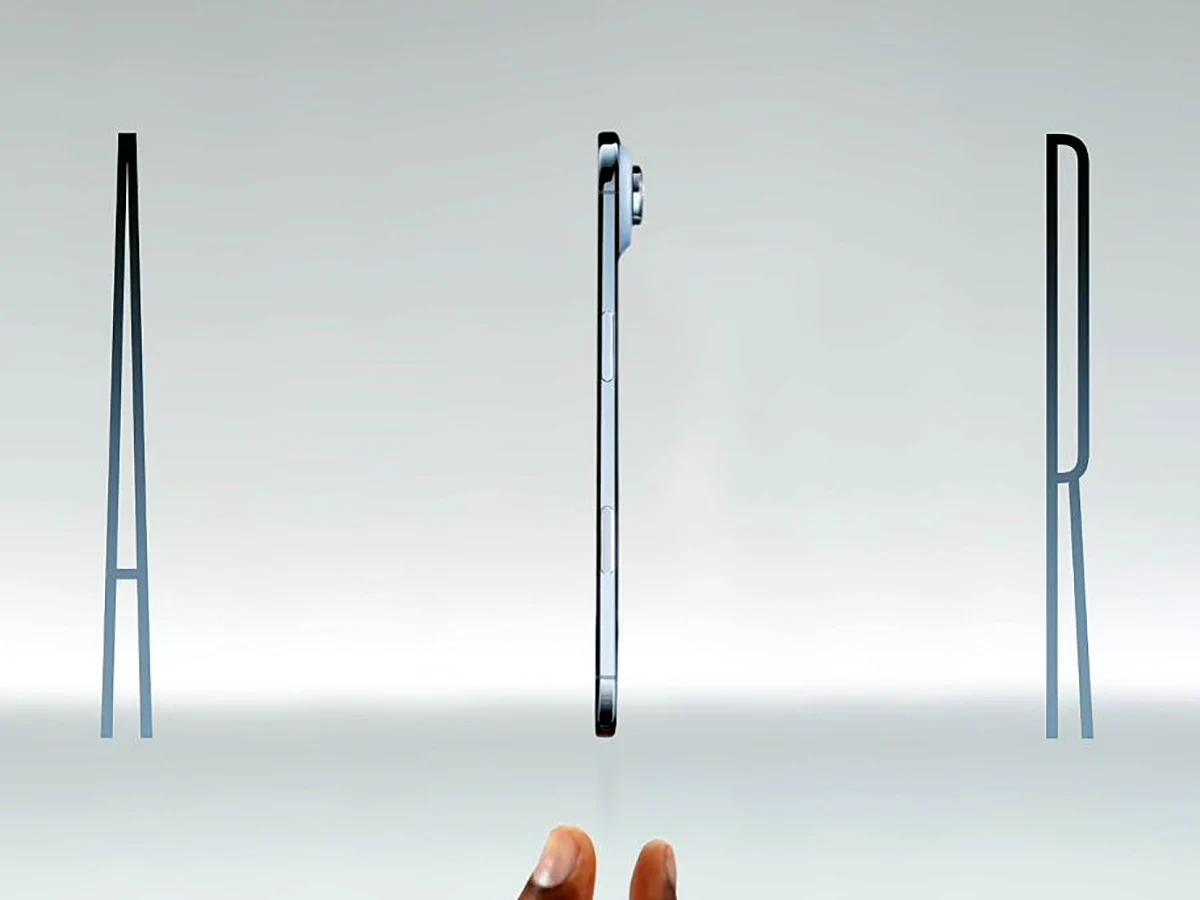
At a mere 0.22 inches (5.64 mm) thick, the iPhone Air has a battery capacity of 3,149 mAh, while earlier compact models haven’t been known for their battery prowess.
Innovative Design and Technology
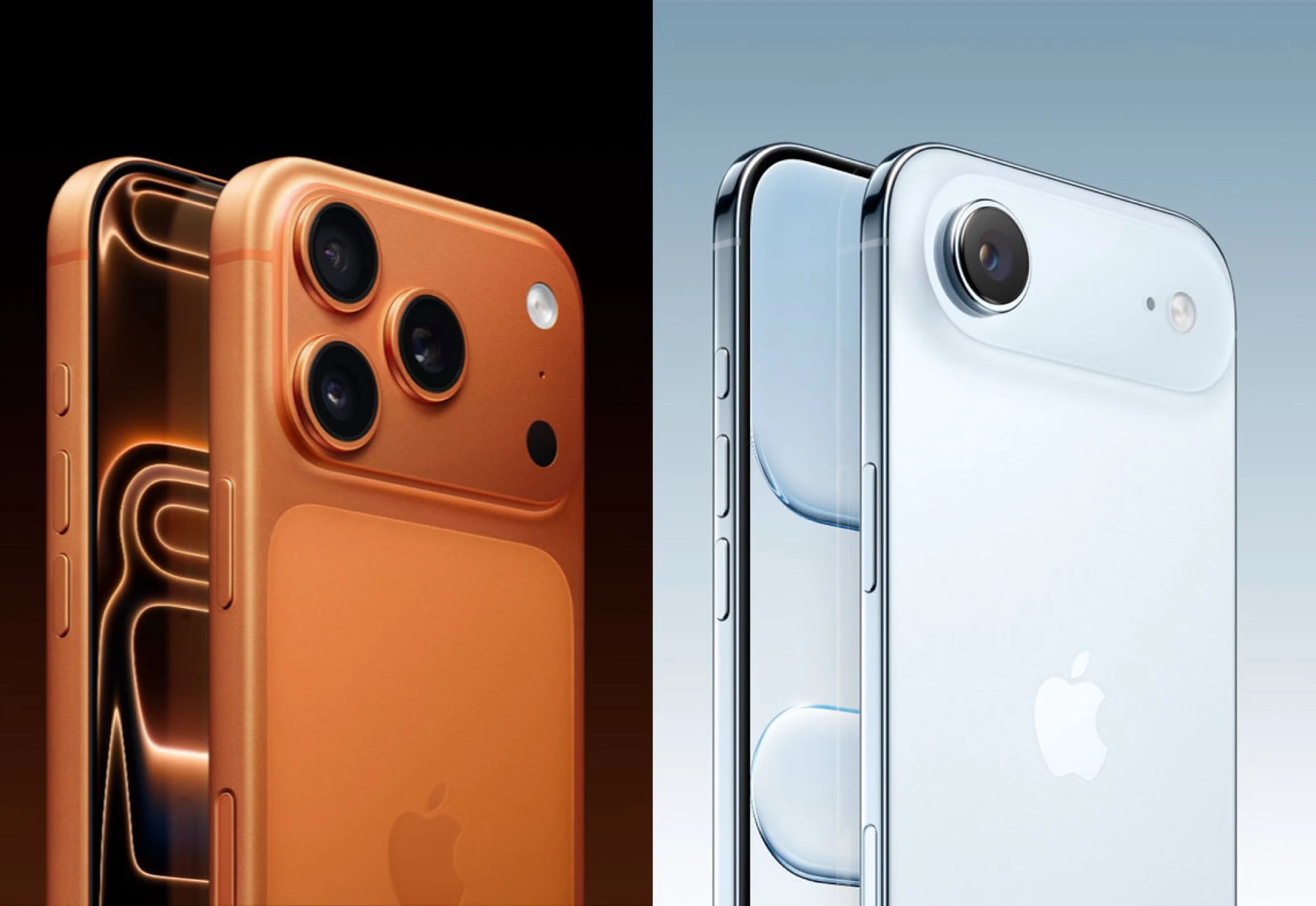
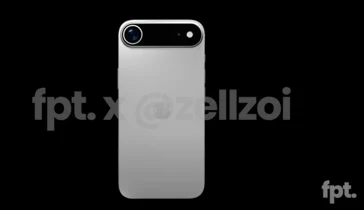
Apple claims to have created the iPhone Air entirely from the ground up, successfully incorporating “multiple technologies” into the brand new “plateau” design. This likely includes the Apple A19 Pro chipset, a 48MP Fusion camera, and the new 18 MP Center Stage front camera, as well as connectivity features like eSIM and 5G modem.
According to Apple, the centralized layout of the iPhone Air’s components has created space for a “high-density battery,” which probably refers to the silicon carbon electrode technology that many Chinese phone manufacturers have started using in recent years. For example, in phones like the foldable Oppo Find N5, this technology has boosted cell energy density by adding a remarkable 6% silicon, allowing for a massive 5,600 mAh battery in one of the slimmest devices available.
Evolving Battery Technology
It seems Apple has taken a similar approach with the “high-density” battery in the iPhone Air, concentrating all other components within the camera plateau. Tim Cook recently revealed another innovative strategy that Apple employed to ensure an all-day battery life for the iPhone Air.
To begin with, Apple was able to allocate more space for the iPhone Air’s larger battery by using its latest A19 Pro chipset instead of the A19 chip found in the iPhone 17. Built on TSMC’s third-generation 3nm process, the A19 Pro provides higher transistor density, allowing for better performance in the same space or maintaining the same performance in a more compact size. For the iPhone Air, Apple likely opted for the latter, also freeing up more space by omitting the physical SIM card slot and tray.
As Tim Cook explained, transitioning to an eSIM-only format for the iPhone Air permitted Apple to utilize every available space below the components in the camera plateau for battery cells, even in the area where the SIM card slot would have been located.
While Apple is cautious not to draw direct comparisons between the iPhone Air’s battery life and that of the iPhone 17 Pro, the 27 hours of video playback achieved in tests far exceed what one might expect from its 0.22-inch titanium frame. This performance aligns with the battery life of the iPhone 16 Pro, even with the thinner design and larger ProMotion display.
The impressive battery life of the iPhone Air seems to stem from the successful extension of the battery into areas that were previously occupied by the physical SIM card, as Tim Cook highlighted while praising the features of its first iPhone without a SIM card slot.
Source:
Link