
Key Takeaways
1. The iPhone Air is part of a trend started by the Samsung Galaxy S25 Edge, aiming to attract new buyers and set the stage for future models.
2. The iPhone Air has trade-offs, including a single camera and less battery life than expectations, despite claims of parity with the iPhone 16 Plus.
3. Samsung’s Galaxy S25 Edge offers an extra camera and a larger battery, but still lacks a telephoto lens compared to other competitors.
4. Chinese smartphone brands are developing ultra-thin flagship models with substantial battery capacity, expected to be released in 2026.
5. Future flagship smartphones will likely feature advanced cameras and new chipsets, with their global availability depending on the success of the iPhone Air.
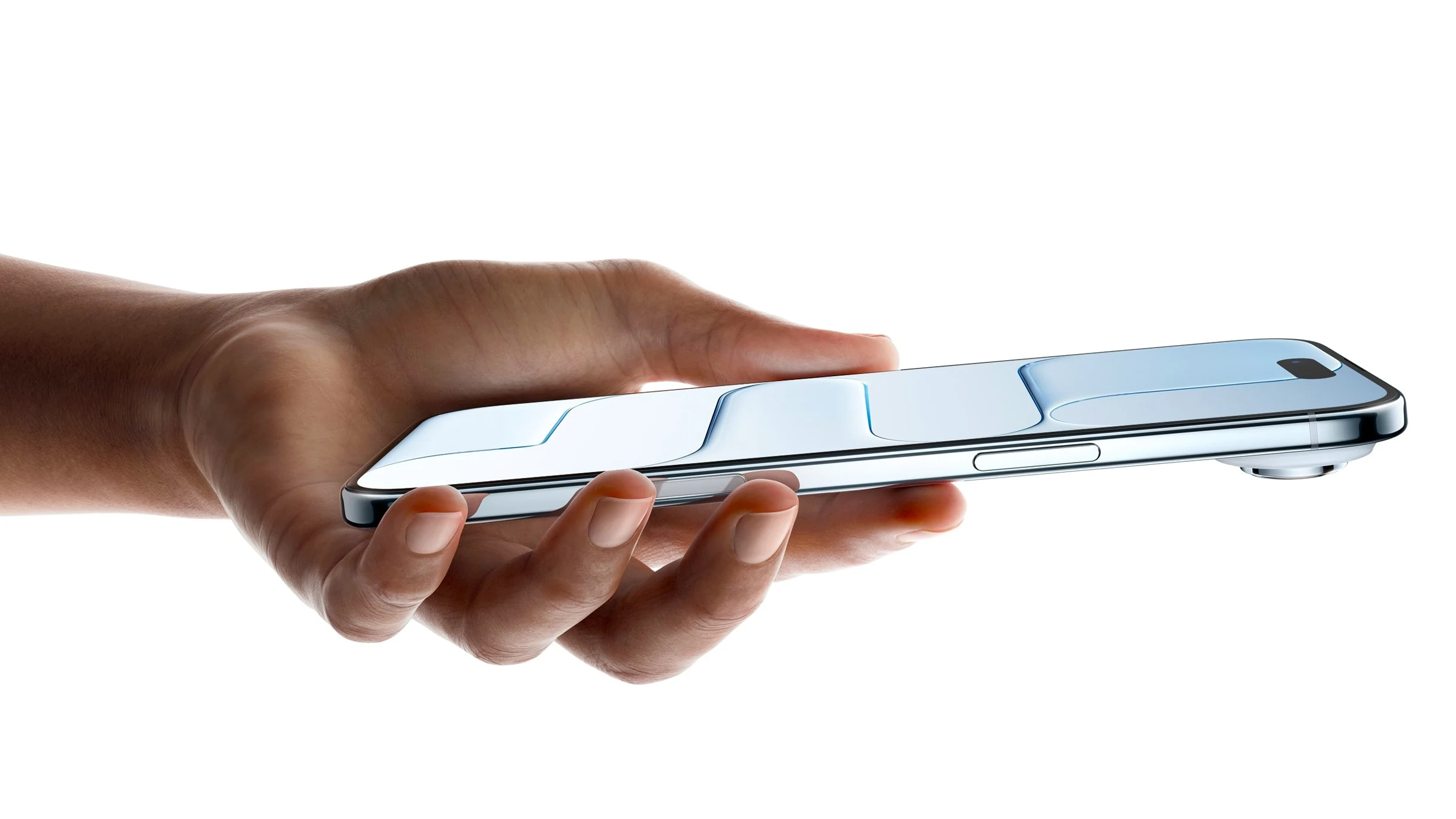
The iPhone Air, which Apple unveiled last week, represents the latest chapter in a trend that started months ago with the Samsung Galaxy S25 Edge. These sleek smartphones are designed to attract new buyers and, at least for Apple, serve as a foundation for entirely new models in the years ahead. However, the initial iPhone Air comes with quite a few trade-offs. While Apple assures users of battery life comparable to that of the iPhone 16 Plus, it is doubtful that the iPhone Air can last multiple days on a single charge. Additionally, with only one camera, it falls short in features compared to the iPhone 17 Pro.
Competing Features
Samsung steps up by providing an extra camera and a bigger 3,900 mAh battery. However, the thin design has led to a reduction in raw battery capacity and the absence of a telephoto lens—a gap not expected from the upcoming Chinese smartphone brands. Chinese leaker Digital Chat Station posted on Weibo, revealing that the top five smartphone makers in China are developing ultra-thin and lightweight flagship models. These phones, like those from Apple and Samsung, will measure between 5 and 6 mm thick, yet they will come equipped with a substantial 6,000 mAh battery.
Future Innovations
The upcoming flagship smartphones are also anticipated to feature advanced cameras with next-generation chipsets such as the Snapdragon 8 Elite Gen 5 or the Mediatek Dimensity 9500, likely to debut in the first half of 2026. The leading brands in China include Huawei, Xiaomi, Vivo, Oppo, and Honor. Whether these smartphones will be available globally in 2026 could largely hinge on the market demand for the iPhone Air, which, as per reports, is currently facing restrictions in China due to its exclusive use of eSIM technology.
Source:
Link
Leave a Reply