Tag: Vivo X300 Ultra

  • Xiaomi, Vivo, Oppo: 2027 Ultra-Camera Flagship Prices & Leaks

    Xiaomi, Vivo, Oppo: 2027 Ultra-Camera Flagship Prices & Leaks

    Key Takeaway

    – European consumers may face high-end smartphone prices exceeding €2,000 in 2027 due to rising component costs.
    – Vivo X500 Ultra and Oppo Find X10 Ultra are expected to launch in March/April 2027, targeting a 10,000 yuan price point in China.
    – Xiaomi’s next ultra-Leica flagship (Mi 18 Ultra) development remains on hold indefinitely.
    – Chinese manufacturers (Oppo, Vivo) are pushing camera innovation (35mm main lens, 10x telephoto) but struggling with market conditions.
    – Apple’s upcoming iPhone Ultra could set a new price ceiling, influencing the entire premium segment.


    European Smartphone Market Shifts

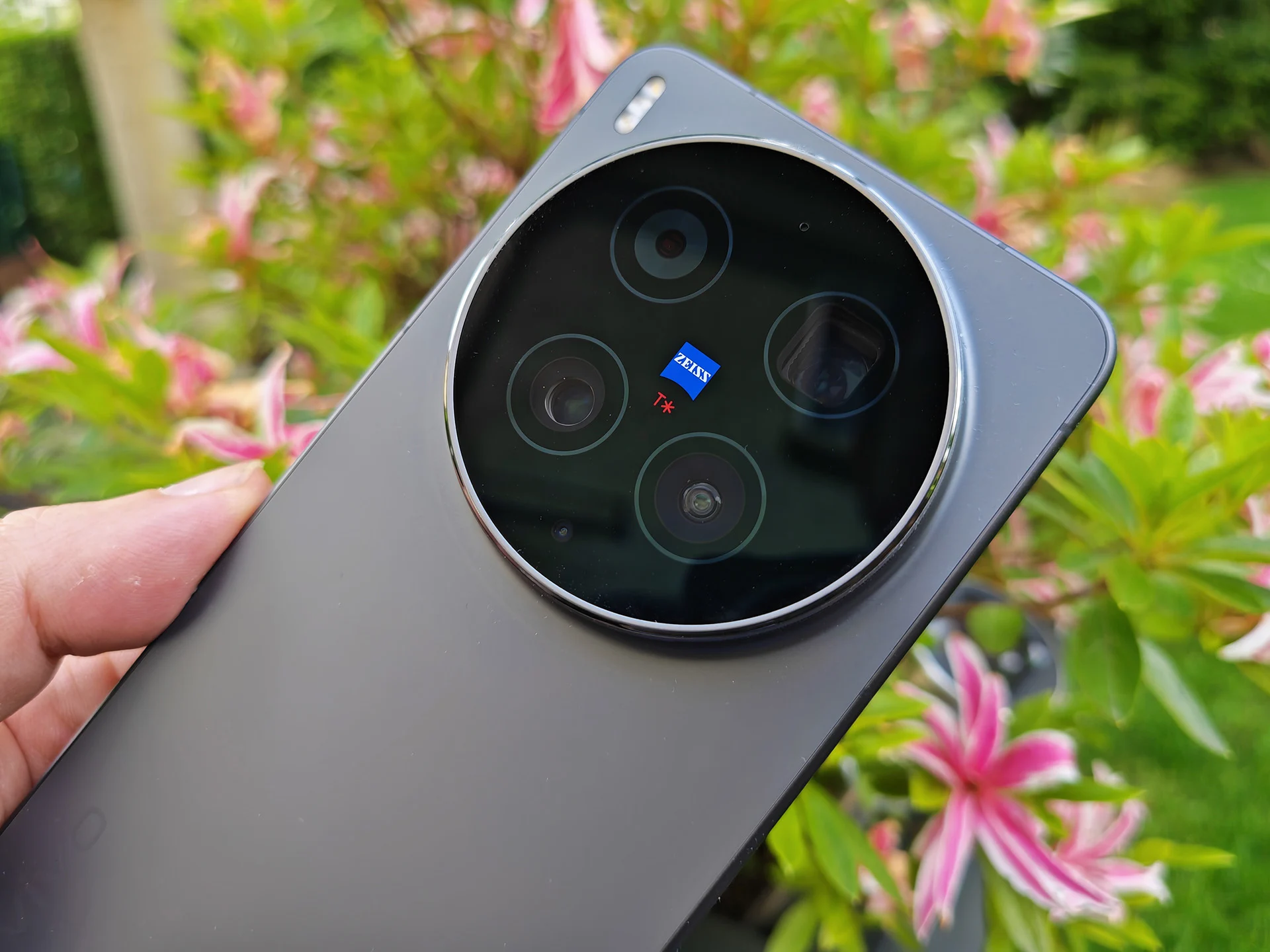
    Unlike in the US, where there is hardly any serious competition in the high-end smartphone segment aside from Apple and Samsung, Europeans were able to choose between the Xiaomi 17 Ultra, the Vivo X300 Ultra or the Oppo Find X9 Ultra for the first time this year, provided they were willing to spend between about €1,500 and €2,000. While all three models are significantly cheaper as imports, consumers will have to brace for significant price increases in 2027 if the claims made by reliable leaker Digital Chat Station prove to be true.

    Upcoming Flagship Developments

    On June 16, 2026, he posted on Weibo that development of the next generation of flagship cameras from Oppo and Vivo is on track, with the launch of the Vivo X500 Ultra and the Oppo Find X10 Ultra expected in March and April 2027, respectively, barring any unforeseen circumstances. The leaker anticipates that Vivo will stick with the 35mm main camera and a high-quality camera setup across all focal lengths, while Oppo is likely to further develop its 10x telephoto lens. However, as the Xiaomi Mi 18 Ultra demonstrates, market conditions — with sharply rising component prices — are anything but ideal for manufacturers.

    Market Conditions and Delays

    According to previous hints, the development of the next ultra-Leica flagship has been put on hold until further notice, and a recent comment from Kartikey Singh on X confirms that this remains unchanged. Whether Chinese consumers are willing to absorb significant price increases in the high-end market remains to be seen. According to Digital Chat Station, Oppo and Vivo appear to be aiming for a price point of 10,000 yuan, which is roughly equivalent to €1,273.

    Pricing Comparisons and Predictions

    For comparison, the Oppo Find X9 Ultra launched in China at 7,500 yuan and the Vivo X300 Ultra at 7,000 yuan, both with 12/256 GB of storage. Comments on Weibo question whether the 10,000 yuan price tag will apply to the entry-level configuration or the 16/1TB variant. Even in the best-case scenario, it will likely be more expensive, as the top-of-the-line model currently costs up to 9,300 yuan, respectively. Hence, the next ultra-camera flagship phones may fall into the foldable price range in 2027, which could also mean prices exceeding €2,000 in Europe.

    Potential Market Impact

    Apple could well pave the way here, as it is expected to unveil the most expensive iPhone of all time with the iPhone Ultra. Consumers and industry watchers alike are left speculating about the final pricing structures, with many hoping the baseline configs remain accessible. The shift towards higher costs could redefine the premium segment in both China and Europe, potentially narrowing the gap between traditional flagships and foldables.
    Sources

  • Best Vacation Phone with Macro Camera, Avoid Sand

    Key Takeaway

    – Versatile Hasselblad camera system with ultra-wide to dual telephoto lenses
    – Excellent macro and 50MP periscope 10x optical zoom for close-ups and distant subjects
    – Long-lasting 7,050 mAh silicon-carbon battery for all-day use
    – Bright OLED display but weaker in direct sunlight
    – Starts at ~$1,200 from Trading Shenzhen


    Typically, many people are drawn to the great outdoors during their summer vacation. But whether for extended hikes or spontaneous discovery tours in the city, the Oppo Find X9 Ultra is the ideal companion for capturing the best photographic moments. Prices for the flagship start at around $1,200 for our review sample from Trading Shenzhen. You can find all the information, photos and video recordings in our review.

    Hasselblad Cameras and Versitile Zoom

    The Find X9 Ultra is particularly versatile thanks to its Hasselblad cameras and wide range of focal lengths. From an ultra-wide-angle camera to two telephoto lenses, everything is on board and delivers really good photo quality. However, the most interesting things are often in the distance or very close up. One feature that often gets lost among the multitude of features on Ultra smartphones is their macro quality. The Find X9 Ultra also performs very well here, and the Oppo flagship has everything it needs for top-class close-ups.

    Macro and Telephoto Comparason

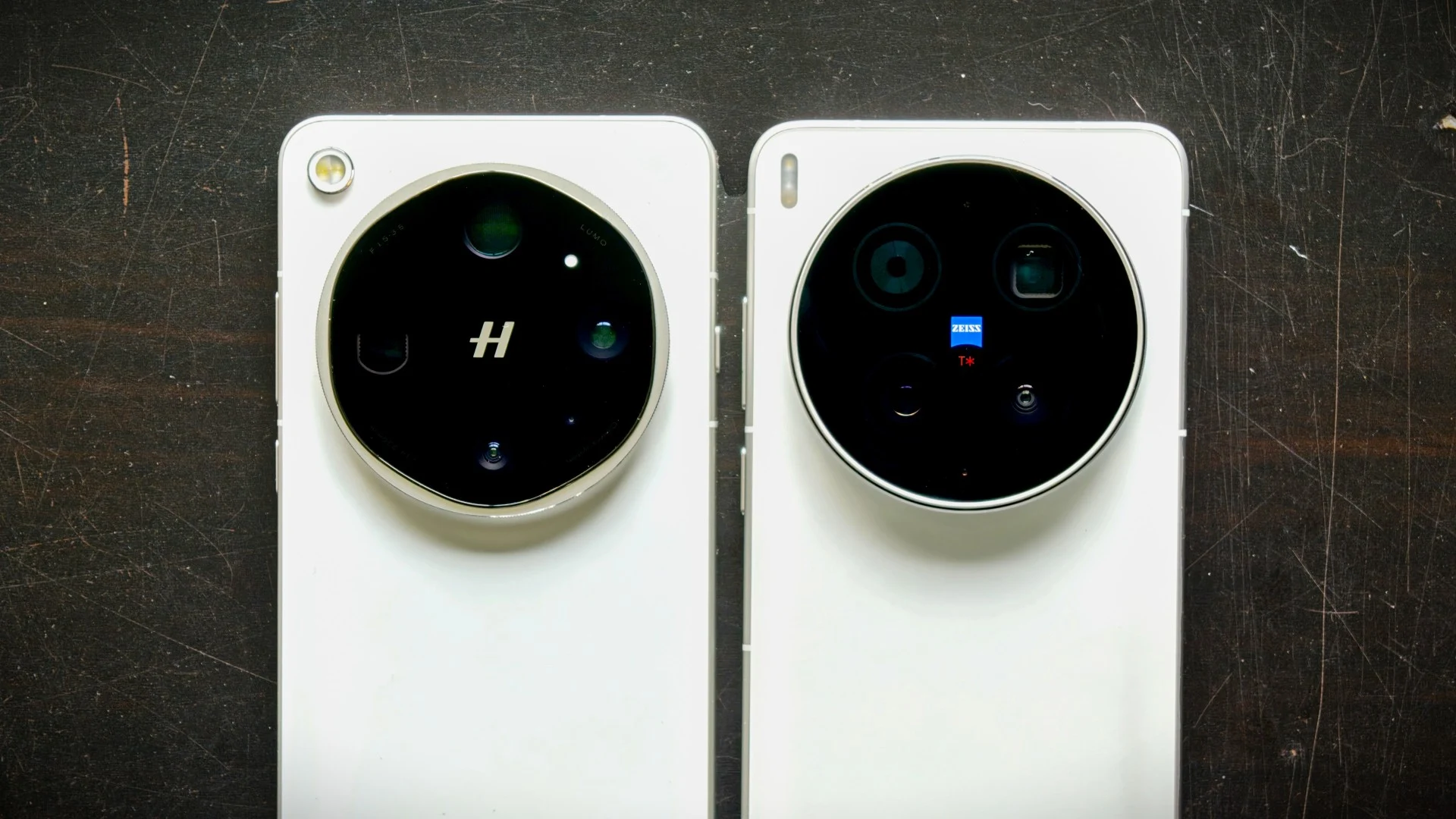
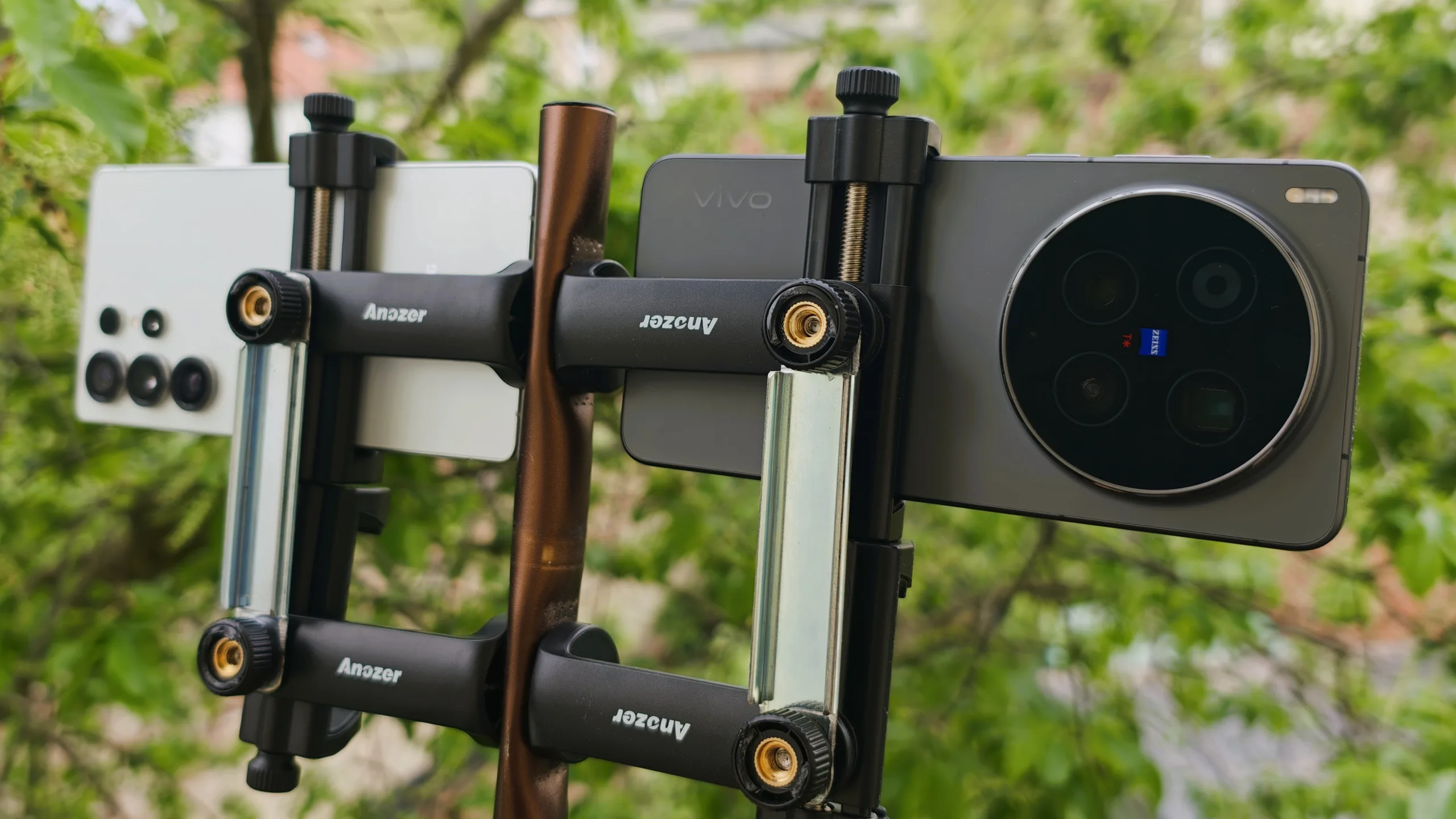
    To better evaluate the photo quality of our macro shots, we also used a Vivo X300 Ultra for comparason. We were also impressed by the 50-megapixel periscope lens with the 10x optical zoom. If you want to take pictures of distant subjects on your vacation trip, the Find X9 Ultra is probably the best companion at the moment. This is especially true because the Oppo flagship can be equipped with a teleconverter.

    But its not just the camera that makes the Oppo smartphone a vacation pro. A long-lasting battery is crucial for long trips so that users can easily get through the day even with intensive use. In our WLAN battery test, the Oppo Find X9 Ultra’s 7,050 mAh silicon-carbon battery lasts a very long time. The bright OLED display also remains easy to read outdoors for the most part.

    Display Limitations in Sunlight

    However, the Find X9 Ultra is weaker in direct sunlight – especially at the height of summer. If you only go on beach, you should read our review and consider the disadvantages of display dimming before making a purchase. The Oppo flagship offers a premium experiance for photographers but has this one notable comprimise when used outdoors in bright conditions.

    Sources
  • Vivo X300 Ultra vs Pro: Surprising Dxomark Camera Test

    Vivo X300 Ultra vs Pro: Surprising Dxomark Camera Test

    Key Takeaway

    – Vivo X300 Pro ranks 2nd in DxOMark, ahead of the more expensive X300 Ultra by just one point.
    – X300 Ultra loses 10 points in main camera video rating, causing its lower overall score.
    – X300 Pro outperforms X300 Ultra in low-light performance.
    – X300 Ultra excels in ultra-wide, telephoto, bokeh, and zoom, but struggles with video and low-light consistency.
    – Overprocessing leads to unnatural photos and artifacts, especially in darkness.


    Vivo X300 Ultra Camera Test Results

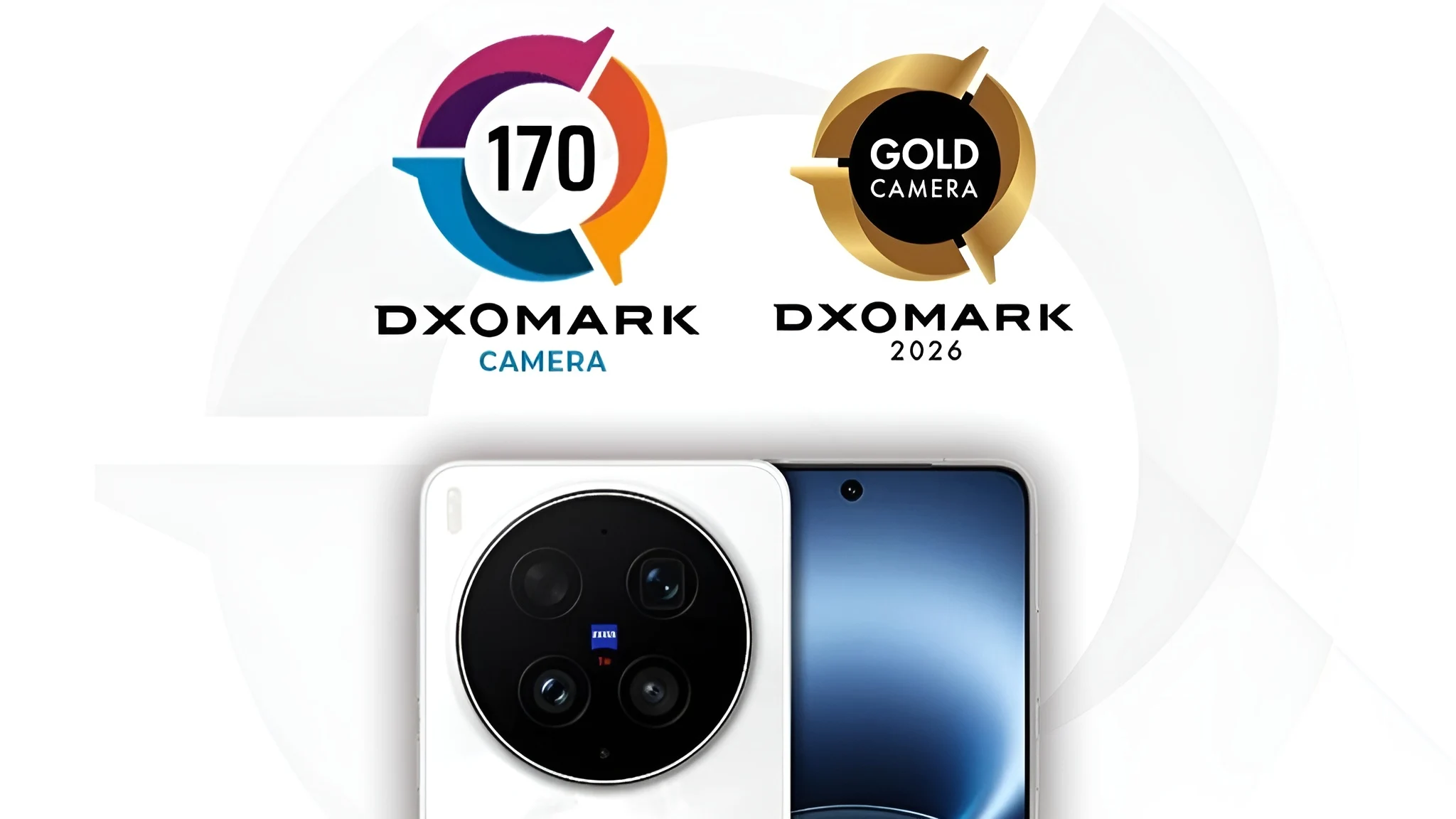
    The Vivo X300 Pro reached second place in in DxoMark camera test at the end of 2025, a position it still holds today, directly behind the Huawei Pura 80 Ultra, which has topped the ranking of the best smartphone cameras for months. There has been little movement among the top three until now: DxOMark has just published its Vivo X300 Ultra camera test, and it ends with a small surprise.

    Point Distribution and Surprising Rankings

    The current Zeiss camera flagship, which is around €600 more expensive than last year’s Pro model, lands in third place behind the Vivo X300 Pro in terms of points, which is somewhat surprising. So let’s take a look at where the Vivo X300 Ultra’s camera fell short in DxOMark’s eyes and why the more affordable Vivo flagship apparently received a slightly better rating overall.

    Video Performance and Low Light Issues

    By just a single point, the Vivo X300 Pro’s lead isn’t huge, but one could be forgiven for expecting a clear victory for the Ultra model. Looking at the point distribution between the two Vivo contenders, one outlier stands out in particular. While the X300 Ultra scores more or at least as many points as the Pro model in virtually all categories, the Vivo X300 Ultra falls short by a full 10 points in the main camera’s video rating, which apparently tipped the scales in favor of the overall score.

    In terms of usage scenarios, the Vivo X300 Pro still maintains its top position in low-light performance, ahead of the Vivo X300 Ultra. The rather negative assessment of video performance by DxoMark is likely to hurt Vivo, as the Vivo X300 Ultra was specifically developed and marketed for this area. After all, the Zeiss Ultra flagship still achieves top scores in ultra-wide-angle, telephoto, bokeh and zoom.

    Test Comments and Final Rankings

    In the test comments, the camera testers mention inconsistent performance in challenging situations, particularly during video recording and in low light. In darkness, the testers also apparently struggled with increased noise, artifacts and unnatural AI textures. In general, the testers note that the somewhat excessive overprocessing can result in unnatural photos. Nevertheless, the Vivo X300 Ultra currently dominates our list of the top camera phones, followed closely by the Vivo X300 Pro and the Oppo Find X9 Ultra in third place.

    • Vivo X300 Pro: 2nd place overall, strong low-light performance
    • Vivo X300 Ultra: 3rd place overall, 10 points lower in video rating
    • Huawei Pura 80 Ultra: 1st place, holds top ranking for months


  • Oppo Find X9 Ultra vs Vivo X300 Ultra: Best Value

    Key Takeaway

    – Oppo Find X9 Ultra wins on battery life, audio quality, and connectivity speed.
    – Vivo X300 Ultra has a superior display, better cameras, and more powerful haptics.
    – Oppo runs cooler under load, while Vivo’s software and brightness control are more polished.
    – Vivo is significantly more expensive in Europe (€2,000 vs. €1,500), but prices drop as imports.
    – Choice depends on priorities: performance & endurance (Oppo) vs. display & photography (Vivo).


    Comparing the Oppo Find X9 Ultra and Vivo X300 Ultra

    In our reviews of the Oppo Find X9 Ultra and Vivo X300 Ultra, both smartphones, powered with the Snapdragon 8 Elite Gen 5, present themselves as strong companions for everyday use. However, a direct comparison between the Oppo and Vivo phones reveals that both flagships have different strengths and weaknesses and therefore appeal to different types of users. Their pricing also realy differs right from the start.

    Pricing and Storage Configurations

    There are already clear price differences. In Europe, the Find X9 Ultra is available for an RRP of just under €1,500, while the X300 Ultra is more expensive. The RRP for the only storage option with 16 GB of RAM and 1 TB of storage, is just under €2,000. As imports, however, the prices already start noticeably lower for both flagships (around $1,100). This makes the Oppo a considerably more affordable option, but the Vivo’s premium price tag may be justified by some high-end features.

    Audio and Battery Performance

    The difference between the Oppo Find X9 Ultra and Vivo X300 Ultra is clear when it comes to audio quality. The Oppo phone delivers more powerful and balanced speakers and the drivers offer more depth, more stable highs as well as a significantly more linear frequency response in our measurements. The SPL value is also around 4.5 dBA higher than that of the Vivo phone, which sounds flatter in direct comparison and drops more sharply at high frequencies. Another advantage of the Find X9 Ultra is its battery life.

    The 7,050 mAh silicon-carbon battery lasts over five hours longer in the Wi-Fi battery test than the 6,600 mAh battery of the Vivo X300 Ultra. This is a difference that is definitely noticeable in everyday use. The slightly lower temperature development also speaks in favor of the Oppo flagship. Both top phones struggle with the high heat output of the Snapdragon 8 Elite Gen 5 under continuous load, but the Vivo phone reaches almost 55 °C in our measurements, while the Find X9 Ultra’s case remains slightly cooler at around 50 °C.

    Connectivity and Storage Speed

    The Find X9 Ultra is also ahead in terms of connectivity and storage performance. It even sets new records in our Wi-Fi measurements, while the Vivo flagship only achieves around half the speed. However, the approximately 2,000 Mbit/s of the Vivo phone is more than sufficient in everyday use, so the Find X9 Ultra’s advantage is more theoretical. The situation is similar with UFS storage. Here, the Oppo flagship is almost twice as fast in our review but the practical added value is likely to be rather small. For most users, the Vivo’s slower speeds will not be a hinderance.

    Display and Camera Advantages of the Vivo

    On the other hand, the Vivo X300 Ultra has noticeable advantages when it comes to the display and cameras. The 6.82-inch OLED panel is significantly brighter in everyday use than the Oppo phone’s 144 Hz screen. While the Find X9 Ultra only achieves around half of the advertised maximum brightness and cannot maintain it for long, the Vivo phone remains stable in our measurements and impresses with better automatic brightness control. Oppo’s automatic brightness control often sets it too low in everyday use. The vibration motor also seems more powerful on the Vivo phone, a point that is often underestimated in everyday use.

    The Vivo X300 Ultra is also ahead in terms of camera quality. The ultra-wide-angle camera delivers visibly better results thanks to its larger sensor, and the main camera also benefits from Vivo’s truly excellent, probably industry-leading software. The Oppo Find X9 Ultra can keep up here, but in our opinion, it does not quite reach the level of the Vivo flagship. On the other hand, the Oppo flagship offers practical special buttons, including for camera functions, which the Vivo model completely lacks.


  • Vivo X300 Ultra: 2026’s Best Videography Phone

    Vivo X300 Ultra: 2026’s Best Videography Phone

    Key Takeaway

    – Robust video capabilities: up to 8K, 4K120 across all focal lengths, plus 120fps in Dolby Vision with 10-bit Log.
    – Pro video suite and cinematic presets: Pro Video controls with white balance/ISO and Film Look/Film Style profiles.
    – Strong stabilization: excellent OIS + EIS, comparable to the 2025 Galaxy flagships in motion testing.
    – Autofocus caveat and versatile zoom: autofocus can struggle during fast movement; 14mm–230mm range with multiple zoom levels tested.

    In our Vivo X300 Ultra review, we’ve already discussed the flagship phone’s excellent camera capabilities – setting aside its weaknesses in color reproduction for the moment. Nevertheles, for a high-end device to claim an outstanding camera system, the ability to capture high-quality video remains essential, not optional. The X300 Ultra leans into this expectation with a refined approach to motion recording, promising that the best moments can be preserved with pleasn detail, stability, and nuance even in challenging lighting.

    Video capabilities and format

    On the video front, the X300 Ultra doesn’t disappoint. It offers a 4K120 option across all focal lengths, and it can also record at 120 fps in Dolby Vision and 10-bit Log. As any flagship expected, the ability to capture video up to 8K is also supported, though real-world workflows may vary. Pricing details are not provided in this extract.

    Pro Video features and modes

    Vivo has equipped the X300 Ultra with a new Pro Video mode that offers comprehensive control over parameters such as white balance and ISO. Other additions highlighted by Vivo include Film Look and Film Style modes, which use film-inspired color profiles to help create professional-looking cinematic footage.

    Stability and testing setup

    In the video below, we set out to evaluate the Vivo X300 Ultra’s image quality and stabilization (OIS + EIS) in motion by subjecting the phone to a very challenging scenario involving rapid pans and shakes. For this test, we used the 4K30 option with Dolby Vision, which is supported by all sensors. For a more complete picture, we also compared the main camera’s image stabilization with what the Samsung Galaxy S25 Ultra offers.

    Footage context

    Check out our full review of the Vivo X300 Ultra for more details and access to all the footage we captured with the Zeiss camera system. The combination of these tests and the accompanying clips provide a broad view of how the device handles real-world video tasks, from steady family moments to fast-paced action scenes, all while maintaining a premium feel that elevates mobile videography.

    Zoom range and focus issues

    With the Vivo X300 Ultra, videography enthusiasts can look forward to highly detailed footage across a range of 14 mm to 230 mm. In our test videos, we used zoom levels of 0.6x, 1.5x, 3.7x, 7.4x and 10x. Image stabilization is excellent and roughly on par with the 2025 Galaxy flagship. However, the X300 Ultra’s autofocus exhibited noticeable issues during fast movements, which we demonstrated by running in the second video. The second clip was captured in Film Look.

    Final thoughts and test note

    Test Vivo X300 Ultra. To wrap up, the final evaluation reflects a blend of strengths and caveats that videographers will weigh against their needs. The 4K120 across focal lengths, 120 fps Dolby Vision, 10-bit Log, and the Pro Video options offer meaningful creative leverage, even if autofocus can stumble during rapid motion. In controlled scenarios, the X300 Ultra proves itself as a capable tool for cinematic ambitions.


    Sources

  • Vivo X300 Ultra Update Fixes Major Issues

    Vivo X300 Ultra Update Fixes Major Issues

    Key Takeaway

    – Stellar camera system with three large sensors, Zeiss optics, 200 MP zoom, and 25 MP native output for more detail; excellent in challenging lighting, though colors can be overly vivid at times.
    – Impressive 144 Hz LTPO OLED display, high brightness, strong color reproduction, paired with Snapdragon 8 Elite Gen 5, long battery life, and fast charging.
    – Early drawbacks included heat under heavy load causing throttling, higher idle power consumption, average speakers, and occasional oversaturated color in photos.
    – Post-update improvements (Build PD2547GF_EX_A_16.0.6.5.W30) reduced power consumption under load and improved color reproduction, leading to a revised, very positive overall verdict for photography/video enthusiasts.

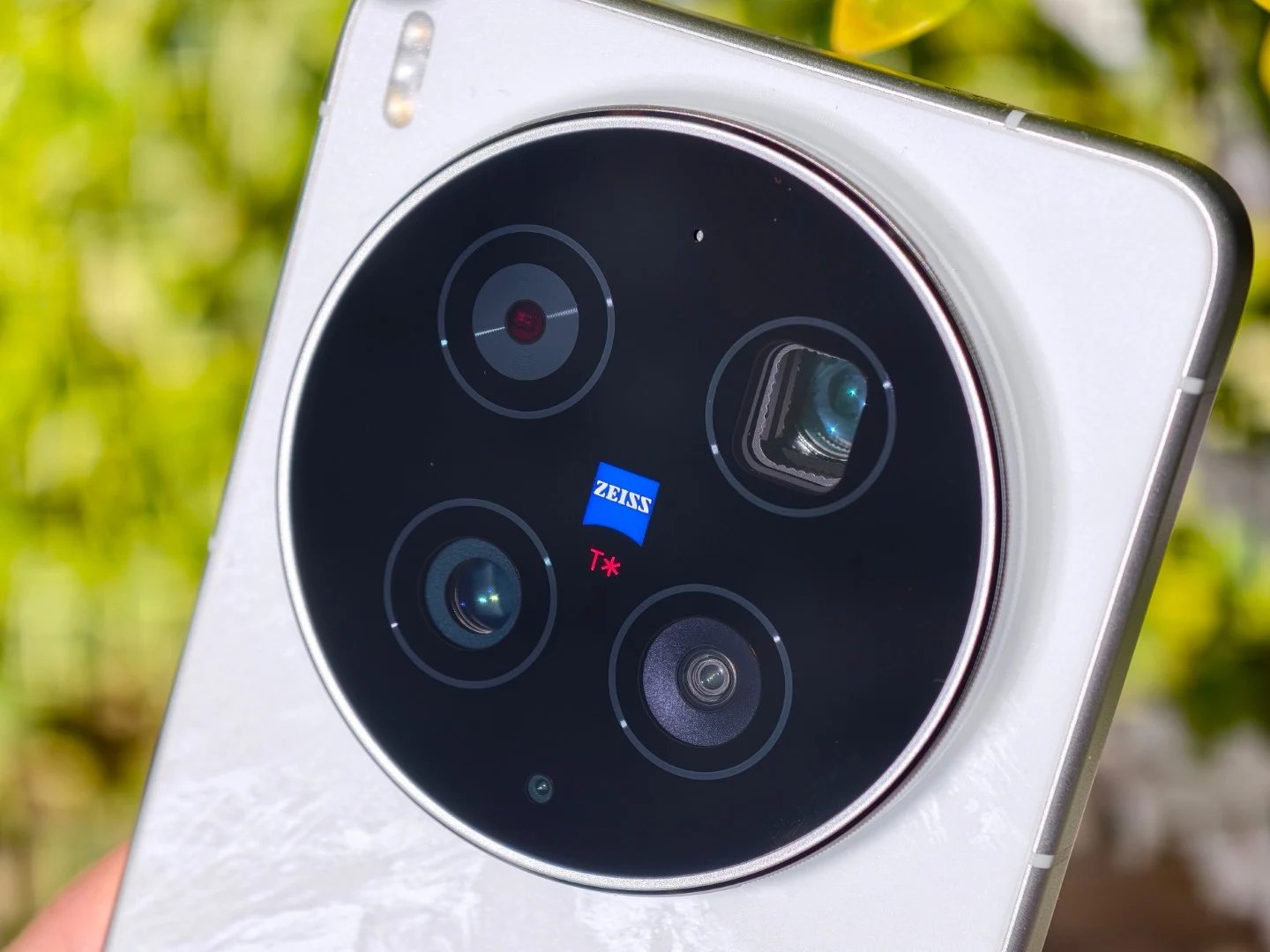
    The Vivo X300 Ultra bursts onto the market as one of the most impressive new smartphones of 2026 so far, aimed primarily at people who place a high value on photography. The focus of this review is on the sophisticated camera system, which features three large sensors and Zeiss optics and is designed to deliver outstanding performance, especially in challenging lighting conditions. We appreciate the high level of detail, the powerful 200-megapixel zoom camera, and the overall versatility of the shooting options. Vivo is setting a new standard in pixel binning: instead of outputting photos at 12 megapixels by default, as many competitors do, the device captures 25-megapixel images, which is intended to preserve more detail.

    Camera system and pixel binning

    Beyond the camera, the device makes a strong impression with its display and performance. The large 144 Hz LTPO OLED panel delivers high brightness and excellent color reproduction, which helps the camera work feel more capable in real life scenarios. Add to that a powerful Snapdragon 8 Elite Gen 5, long battery life, and fast charging that keeps you moving. Nevertheless, our review isn’t without criticism: under heavy load the smartphone generates a lot of heat and noticeably throttles its performance. We also note comparatively high power consumption in idle mode and only average speakers. In some cases, the colors in photos also appear a bit too vivid or artificial. Despite these weaknesses, the overall verdict remains very positive: especially for photo and video enthusiasts, the X300 Ultra sits among the top tier.

    Display and performance

    Vivo has now made significant improvements to two of our points of criticism via an update (Build PD2547GF_EX_A_16.0.6.5.W30): first, power consumption under load, and second, the camera’s color reproduction. The update is said to carry practical gains and a promise of more consistent performance under heavy workflows, which is exactly why we retest these aforementioned features and compare the before-and-after results with some patience and curiosity.

    In terms of power consumption at idle, the Vivo X300 Ultra now performs at a level befitting a top-tier smartphone. Vivo has done an excellent job of optimizing this aspect. The idle state now feels less wasteful and cooler, which translates into longer standby times and a more pleasant experience when the device sits on a desk or in a pocket for hours. While the changes are not earth-shattering, they are noticeably practical and reflect a thoughtful approach to energy efficiency across software and hardware integration.

    The smartphone’s camera also exhibited some serious shortcomings in color reproduction at launch, particularly with brown and green tones. Here, too, the X300 Ultra shows significant improvement. The firmware adjustments seem to have tightened the sensor pipeline and tuned the color science for more natural transitions, reducing the occasional over-saturation that previously crept into scenes with tricky lighting. While not perfect in every shot, the progress is plainly visible and helps the overall camera experience.

    We have incorporated these changes into our review and adjusted the rating for the Vivo X300 Ultra. The revised assessment factors in the more efficient power behavior under load and the more consistent color rendering across a range of scenes. It remains clear that the device excels in photography-oriented use cases, even as you still push it to the limits and test for long sessions and demanding video work. This combination of strengths and improvements keeps the X300 Ultra competitive in its class and makes the case for serious everyday reliance on its camera systems.


    Sources

    • Vivo X300 Ultra Review: Efficiency Problems or Just a Rocky Launch

      Vivo X300 Ultra Review: Efficiency Problems or Just a Rocky Launch

      Key Takeaway

      1. The Vivo X300 Ultra is a top-performing smartphone that rivals high-end models like the Xiaomi 17 Ultra and Samsung Galaxy S26 Ultra, especially in camera performance.
      2. It has notable weaknesses in power efficiency, showing significantly higher idle power consumption compared to competitors.
      3. The device’s energy inefficiency may stem from software or firmware issues, with ongoing testing of updated firmware to assess improvements.

      Performance and Camera Improvements

      During our evaluation, the Vivo X300 Ultra showed some serious promise being a top contender amongst the high-end smartphones. It’s on par with other premium devices like the Xiaomi 17 Ultra and Samsung Galaxy S26 Ultra, which are starting at $1,099. When compared to their earlier models, the X300 Ultra’s camera capabilities really stand out. Our review found that the Ultra slightly edged out its predecessor, the Vivo X300 Pro, in camera quality, making it one of the best in its class. The conclusions are clear – this device is a solid piece of tech with impressive specs.

      Battery Life and Power Consumption Concerns

      Now, while it boasts many strengths, the Vivo X300 Ultra does have some flaws that cannot be ignored. One noticeable area is its battery efficiency, particularly during Wi-Fi tests. At a standard display brightness of 150 cd/m², the phone drained a lot of power, hinting that its stamina is not quite up to the mark compared to models like the Find X9 Pro. Even though the device provides decent overall battery life in everyday use, its performance lags behind some competitors.

      Efficiency and Software Challenges

      This raises a question about whether vivo is facing a fundamental issue with energy efficiency. When we previously reviewed the Vivo X200 Ultra, it was already known for high idle power consumption. Now with the newer model, this issue persists, despite having a Snapdragon 8 Elite Gen 5 chip, which is considered quite advanced. Our tests confirmed how inefficient the device really is, with an average power draw of 4.5 watts at idle — significantly higher than its rivals, which typically use around 1.0 to 1.2 watts. Additionally, the X300 Ultra consumes approximately 70% more energy than the earlier X200 Ultra, which is quite surprising. Whether these problems are due to software bugs or firmware issues remains uncertain, but Vivo has been updating their devices regularly, with a new firmware version approaching soon. So, users might need to wait for further optimizations.


      Sources

      • Ultra-Premium Smartphone Launch with Global Discounts

        Ultra-Premium Smartphone Launch with Global Discounts

        Key Takeaway

        1. Vivo has launched the X300 Ultra globally, featuring the same hardware as in China, including a Snapdragon 8 Elite Gen 5 chip, a 6,600 mAh battery, and advanced camera capabilities.
        2. The device is positioned as a high-end alternative to flagship models like the iPhone 17 Pro Max, Xiaomi 17 Ultra, and Galaxy S26 Ultra, with a starting price of around €1,999 ($2,359) globally.
        3. Vivo promises long-term software support, with 5 years of OS updates from Android 16 and security patches for 7 years.
        4. The X300 Ultra offers notable accessories and incentives for pre-orders, including a Pro Video Rig Kit, warranties, and discounts on accessories.

        Vivo X300 Ultra Launch And International Availability

        Vivo has officially launched their highly anticipated X300 Ultra in the global market after initially presenting it in China last month. This device is bein compared to some big giants like the iPhone 17 Pro Max, Xiaomi 17 Ultra and Galaxy S26 Ultra (which costs around $1,299). The X300 Ultra has even managed to beat the Oppo Find X9 Ultra, which will be launching worldwide on April 21. The core features remain exactly the same as the Chinese release, making it a strong competitor globally.

        Specifications And Hardware

        The phone is powered by a Snapdragon 8 Elite Gen 5 chipset, ensuring fast performance. It boasts a huge 6,600 mAh battery supporting 40 W wireless charging and 100 W wired charging, making sure you stay powered up all day. The camera setup is quite advanced, including a 400 mm telephoto extender, an impressive feature for zoom and photography enthusiasts. Unfortunately, the 200 mm telephoto lens that was available in China isn’t included in the international model. Vivo is also promising a lengthy software support period—5 years of OS upgrades from Android 16 and security patches for 7 years, which is pretty impressive for consumers looking for longevity in a device.

        Pricing Details And Global Price Point

        In China, the X300 Ultra starts at CNY 6,999, which is about $1,025, for the version with 12 GB RAM and 256 GB storage. If you prefer more storage and RAM, the price jumps to CNY 8,999 (~$1,320), with a configuration of 16 GB RAM and 1 TB storage. For international markets, Vivo has set the price at €1,999, approximately $2,359, for the more equipped variant with 16 GB RAM and 1 TB storage. This pricing puts it in the premium flagship category, competing with the best phones on the market today.

        Pre-Order Bonuses And Additional Offers

        Vivo is offering some exciting deals for those who preorder the X300 Ultra before April 23. Buyers will get a Pro Video Rig Kit, a 1-year screen protection plan, and a €150 voucher for future purchases. Besides, the company is throwing in a 3-year warranty for the device and a 5-year warranty for the battery, which is quite generous. Accessories like a Photography Set, Tote Bag, and a 100 W Fast Charger are also available at 50% off. These offers aim to make the purchase more appealing to consumers and photographers alike. For more details, you should check the official Vivo website.

        Sources
      • Vivo X300 Ultra Discount Available Before Global Launch

        Vivo X300 Ultra Discount Available Before Global Launch

        Key Takeaway

        1. The Vivo X300 Ultra is available at a discount shortly after its announcement, with prices starting around $1,150 for the Zeiss-branded camera flagship model.
        2. Multiple configurations, including higher storage options and the Ultimate Photography Edition, are in stock with varying prices.
        3. The global version of the Vivo X300 Ultra is expected to retail at a similar price range, with official European pricing to be announced on 16 April, and shipments beginning on 24 April.

        Vivo X300 Ultra Gets Quick Discount

        The Vivo X300 Ultra was introduced recently, on 30 March, and it didn’t take long for prices to reduce at all. Those looking to buy a Chinese import might be pleased to know that you can now grab one at a lower cost. The flagship with Zeiss branding, 12 GB of RAM and 256 GB of storage is now listed at about $1,150 at Tradingshenzhen, saving a little from the original $1,173. However, this offer might not last long, and pricing details are quite attractive right now.

        Pricing Details for Different Variants

        For folks who need more space, there’s the 12 GB/512 GB model available for around $1,232. The higher-end options with 16 GB RAM combined with bigger storage are also dropped in price – the 16 GB/512 GB variant is now about $1,349, and the 16 GB/1 TB version is roughly $1,478. All these models are currently in stock, including a special white color option only available in China. Additionally, the Ultimate Photography Edition, which features a camera kit with telephoto extenders, is also ready to ship but still listed at its original price of $2,172.

        Global Release Expectations

        Based on trusted leaks, the international version of the Vivo X300 Ultra will probably sell for approximately the same prices listed here, but likely without the photography accessories. The deal from Tradingshenzhen is temporary, and it’s clear that this sale is just ahead of the pre-order phase opening in many European countries. The official price for these European markets will be announced on April 16, and the phone is set to begin shipping on April 24, marking an exciting timeline for buyers.


        Sources

      • Vivo X300 Ultra International Release Date & Pricing for Photography & Video Kits

        Vivo X300 Ultra International Release Date & Pricing for Photography & Video Kits

        Key Takeaway

        1. The Vivo X300 Ultra is initially launched in China and is expected to expand to the Eurozone, including Spain, by late April.
        2. Spain will receive the X300 Ultra a week after Austria, with a product launch event scheduled for April 24.
        3. The device is priced at €1,999 in Austria, with potential higher costs (€2,300) including a teleconverter kit; accessories are also available separately.
        4. Importing the Chinese version of the X300 Ultra is possible at a lower cost, but may involve limitations due to software differences.

        Introduction to the Vivo X300 Ultra Launch

        It’s been almost two weeks since Vivo introduced their new flagship, the X300 Ultra, in China. The smartphone remains exclusive to the domestic market for now, but expectations are high that it will soon hit international markets within a few weeks. The anticipation around this release is fueled by Vivo’s rapid development and market expansion plans, aiming to capture more consumers worldwide.

        Details and Launch Plans

        Vivo had initially announced that pre-orders in the Eurozone would start on April 16, with the shipments scheduled to begin on April 24. Interestingly, while Austria will see the device’s release as planned, the company has scheduled a later release for Spain. The X300 Ultra will arrive in Spain on April 24, accompanied by a special launch event. The timing suggests Vivo wants to build hype through events, similar to the other markets they are targeting.

        Pricing and Competitive Positioning

        The device alledged to be priced at around €1,999, positioning itself against Samsung’s Galaxy S26 Ultra, which costs roughly $1,299 on Amazon currently. Rumors also hint that the price with the teleconverter kit might reach €2,300. Vivo has set its Photography Kit at €599, its Pro Video Rig Kit at €499, and the Life Bag at €99, showing a diverse accessory lineup for the device. The pricing strategy indicates Vivo’s focus on high-end, professional-grade features.

        Buying Options and Importing

        For those looking to get an early or more affordable option, importing the X300 Ultra from China is already a possibility. The imported units are available at a significantly lower cost compared to the expected international pricing. However, consumers should be cautious about compatibility issues and the software differences that might accompany Chinese models. It’s always good to weigh the benefits of importing against possible drawbacks, like warranty concerns or language barriers.

        Conclusion

        Vivo’s upcoming launch of the X300 Ultra in Spain and other parts of Europe marks an exciting move in their global expansion. The device’s premium specs with high pricing will attract tech enthusiasts, especially those interested in professional photography and videography. Keep an eye on official updates for confirmed details and availability as they roll out.