Tag: Battery Efficiency

  • Vivo X300 Ultra Review: Efficiency Problems or Just a Rocky Launch

    Vivo X300 Ultra Review: Efficiency Problems or Just a Rocky Launch

    Key Takeaway

    1. The Vivo X300 Ultra is a top-performing smartphone that rivals high-end models like the Xiaomi 17 Ultra and Samsung Galaxy S26 Ultra, especially in camera performance.
    2. It has notable weaknesses in power efficiency, showing significantly higher idle power consumption compared to competitors.
    3. The device’s energy inefficiency may stem from software or firmware issues, with ongoing testing of updated firmware to assess improvements.

    Performance and Camera Improvements

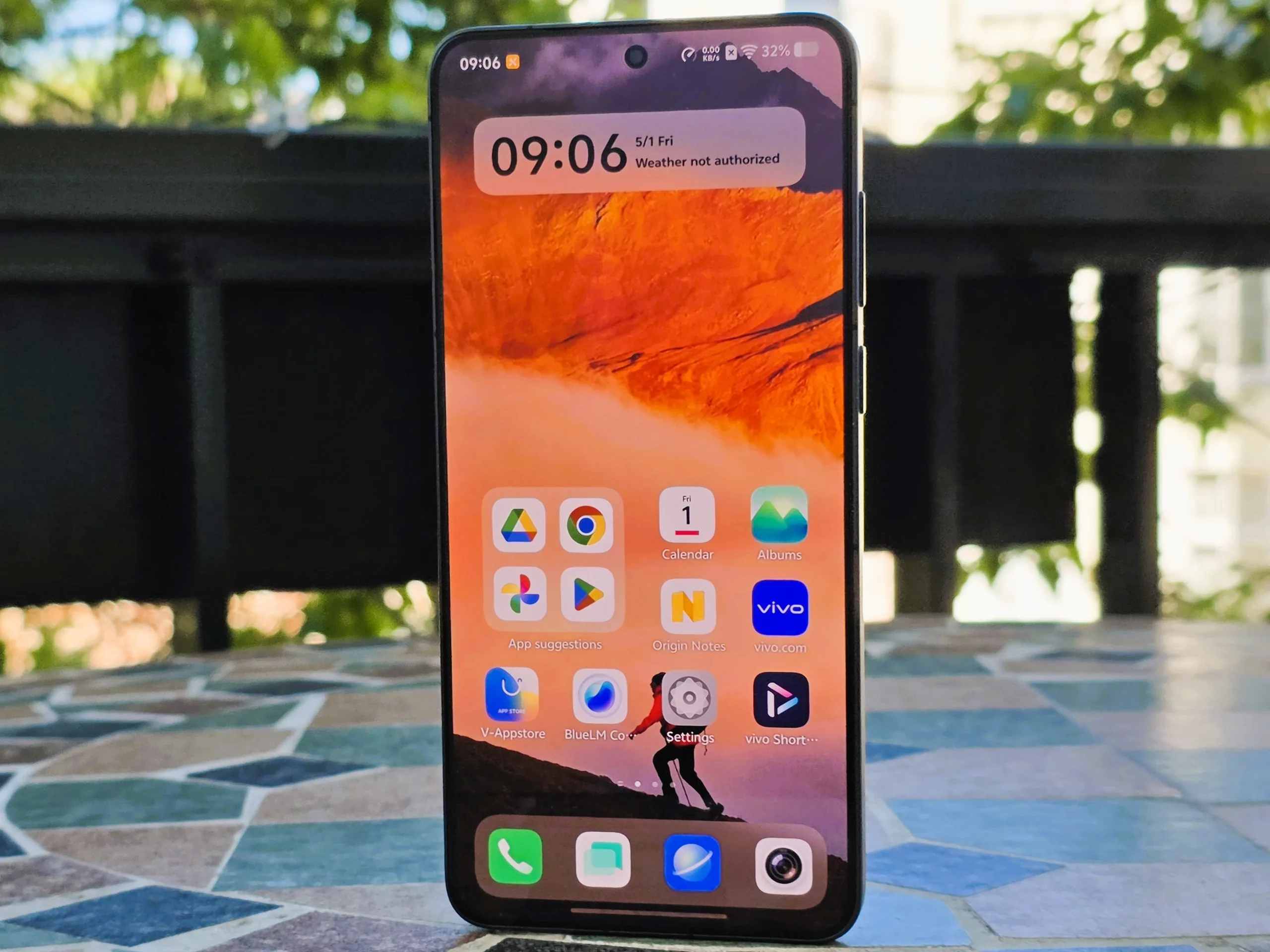
    During our evaluation, the Vivo X300 Ultra showed some serious promise being a top contender amongst the high-end smartphones. It’s on par with other premium devices like the Xiaomi 17 Ultra and Samsung Galaxy S26 Ultra, which are starting at $1,099. When compared to their earlier models, the X300 Ultra’s camera capabilities really stand out. Our review found that the Ultra slightly edged out its predecessor, the Vivo X300 Pro, in camera quality, making it one of the best in its class. The conclusions are clear – this device is a solid piece of tech with impressive specs.

    Battery Life and Power Consumption Concerns

    Now, while it boasts many strengths, the Vivo X300 Ultra does have some flaws that cannot be ignored. One noticeable area is its battery efficiency, particularly during Wi-Fi tests. At a standard display brightness of 150 cd/m², the phone drained a lot of power, hinting that its stamina is not quite up to the mark compared to models like the Find X9 Pro. Even though the device provides decent overall battery life in everyday use, its performance lags behind some competitors.

    Efficiency and Software Challenges

    This raises a question about whether vivo is facing a fundamental issue with energy efficiency. When we previously reviewed the Vivo X200 Ultra, it was already known for high idle power consumption. Now with the newer model, this issue persists, despite having a Snapdragon 8 Elite Gen 5 chip, which is considered quite advanced. Our tests confirmed how inefficient the device really is, with an average power draw of 4.5 watts at idle — significantly higher than its rivals, which typically use around 1.0 to 1.2 watts. Additionally, the X300 Ultra consumes approximately 70% more energy than the earlier X200 Ultra, which is quite surprising. Whether these problems are due to software bugs or firmware issues remains uncertain, but Vivo has been updating their devices regularly, with a new firmware version approaching soon. So, users might need to wait for further optimizations.


    Sources

    • Chevy Silverado EV Breaks Range Record with 1,059 Miles on Charge

      Chevy Silverado EV Breaks Range Record with 1,059 Miles on Charge

      Key Takeaways

      1. The Chevy Silverado EV Max Range Work Truck successfully traveled over 1,000 miles on a single charge, achieving 1,059.2 miles in a controlled test.
      2. Engineers improved efficiency by maintaining proper tire pressure, lowering windshield wipers, removing the spare tire, using a tonneau cover, and keeping speeds between 20-25 mph.
      3. The Silverado EV’s record surpassed Lucid’s 749-mile achievement with the Air Grand Touring sedan, although Lucid’s record reflected more typical driving conditions.
      4. GM’s VP of Battery, Kurt Kelty, emphasized that achieving such a range requires advanced integration of battery technology, vehicle design, and software.
      5. The Silverado EV has an EPA-estimated maximum range of 493 miles, 760 hp, and a starting price of $52,800, excluding incentives.


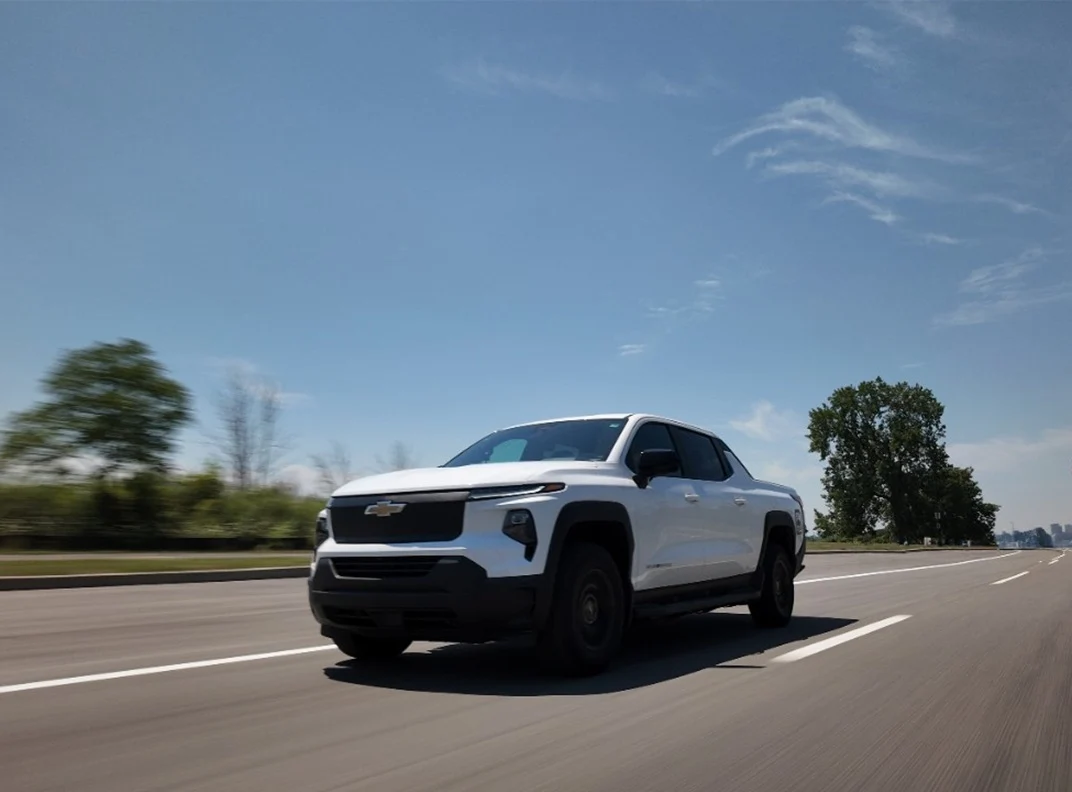
      Just how far can an electric vehicle travel on a single charge? The Chevy Silverado EV underwent a rigorous test and managed to go over 1,000 miles.

      Testing the Silverado EV

      Chevy’s engineers chose a Silverado EV Max Range Work Truck for this experiment on the streets of Detroit, Michigan. They made some slight adjustments to enhance efficiency and successfully drove 1,059.2 miles, pushing the truck to use every last bit of battery power. This resulted in an average consumption of 4.9 miles per kilowatt-hour.

      Tips for Truck Owners

      For those truck owners who want to try to achieve similar results, the engineers followed a few strategies. They maintained specific tire pressure, lowered the windshield wipers, took out the spare tire, and put on a tonneau cover. They also kept their speed within 20 to 25 mph and turned off both the lights and air conditioning.

      Comparing Records

      In comparison to Lucid’s record, the Silverado EV far surpassed the 749 miles achieved by the Air Grand Touring sedan on its trip from St. Moritz, Switzerland, to Munich, Germany. However, the startup’s accomplishment was more in line with common driving conditions, as it included aspects like highway cruising.

      Kurt Kelty, GM’s VP of Battery, Propulsion, and Sustainability, praised the team behind this record, stating, “Achieving this level of range on a full charge isn’t just luck. It requires a deep integration of battery chemistry, drive unit efficiency, software, and vehicle engineering, which is exactly what the team accomplished.”

      Specifications and Pricing

      The Chevy Silverado EV boasts a maximum driving range of up to 493 miles (based on EPA estimates) and offers 760 hp and 785 lb-ft of torque. The starting price is $52,800, not including incentives.

      Source:
      Link


    • Samsung Galaxy S25 Edge Outperforms Flagships in Battery Test

      Samsung Galaxy S25 Edge Outperforms Flagships in Battery Test

      Key Takeaways

      1. The Galaxy S25 Edge has a 3,900 mAh battery, which is smaller than competitors, leading to shorter battery life.
      2. In a battery endurance test, the Galaxy S25 Edge lasted 7 hours and 57 minutes, ranking last among flagship smartphones.
      3. The iPhone 16 Pro Max, despite being known for good battery life, placed fifth with a run time of 9 hours and 33 minutes.
      4. The Galaxy S25 Edge matched the iPhone 16 Pro Max’s efficiency, achieving 8.2 mAh per minute, ranking second in this category.
      5. The most efficient device in the test was the Vivo X200 Pro, while the Xiaomi 15 Ultra had the lowest efficiency at 10.1 mAh per minute.


      The Galaxy S25 Edge has made a notable sacrifice when it comes to battery life. This 6.7-inch smartphone is equipped with a modest 3,900 mAh battery. While it operates reasonably well, a recent battery endurance test has revealed how it compares to other high-end smartphones.

      Battery Endurance Test Results

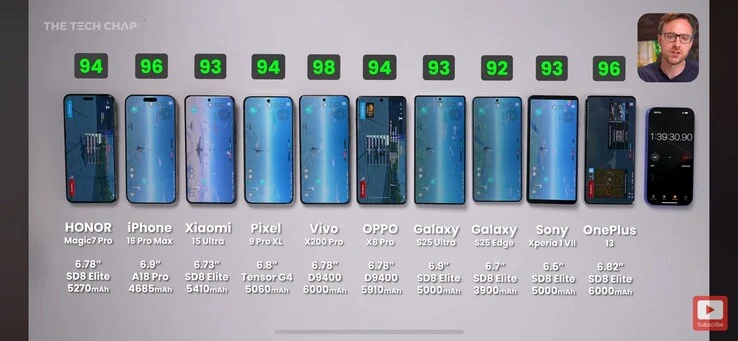
      In a comparison conducted by The Tech Chap on YouTube, the Galaxy S25 Edge was tested alongside other flagship models, such as the Xiaomi 15 Ultra, Pixel 9 Pro XL, OnePlus 13, and iPhone 16 Pro Max. Unsurprisingly, the Galaxy S25 Edge came in last place, achieving a total run time of just 7 hours and 57 minutes. This can be attributed to its smaller battery, especially since all other Android devices in the test had batteries with a minimum capacity of 5,000 mAh.

      Interestingly, while Apple tends to lead these tests, the iPhone 16 Pro Max landed in fifth place, relatively average, with a run time of 9 hours and 33 minutes. The full results are as follows:

      Efficiency Rankings

      When looking at performance in terms of mAh per minute, the Galaxy S25 Edge actually performed quite well. It matched the iPhone 16 Pro Max’s efficiency of 8.2 mAh per minute, placing both phones second in this category. The Vivo X200 Pro was the most efficient at 7.6 mAh per minute, while the Xiaomi 15 Ultra had the lowest efficiency at 10.1 mAh per minute.

      Other devices ranked by efficiency, from best to least efficient, include the Honor Magic7 Pro at 8.9 mAh per minute, the Oppo Find X8 Pro at 9.0 mAh per minute, and the Galaxy S25 Ultra, Xperia 1 VII, and OnePlus 13 all at 9.2 mAh per minute. The Google Pixel 9 Pro XL rounded out the list at 9.7 mAh per minute.

      Source:
      Link


    • OnePlus 13 Battery Drain Test Shows Poor Efficiency Results

      OnePlus 13 Battery Drain Test Shows Poor Efficiency Results

      Key Takeaways

      1. Battery drain tests revealed the iPhone 16 Pro Max has the longest battery life at 12 hours and 44 minutes, followed by the Vivo X200 Pro and iPhone 16e.
      2. The iPhone 16e is the most efficient device at 6.068mAh/min, while the Vivo X200 Pro leads among Android devices at 8.130mAh/min.
      3. The OnePlus 13 exhibits significant efficiency challenges, being 20% less efficient than Snapdragon 8 Elite competitors.
      4. The OnePlus 13 also suffers from poor thermal performance, reaching the highest temperature of 63.5°C during testing.
      5. OnePlus plans to address these issues with the upcoming OnePlus 13T, which will feature a larger battery and improved heat management.


      Equipping a smartphone with a larger battery is often seen as a sure way to boost its battery life, but the pursuit of bigger batteries may have negatively impacted efficiency. A recent battery drain test has compared various flagship smartphones currently available, shedding light on their efficiency, with the OnePlus 13 not making a favorable impression.

      Testing Process and Results

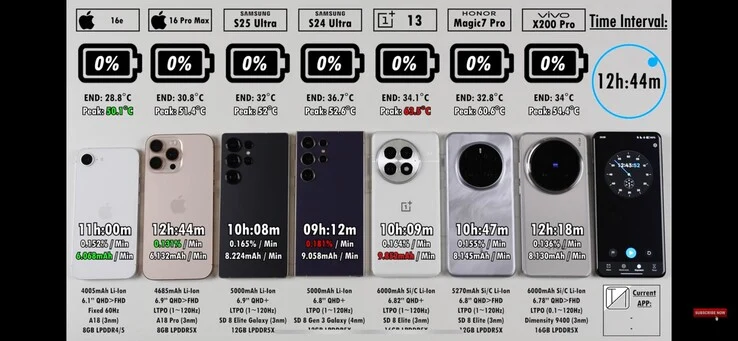
      In an experiment conducted by TechNick, the iPhone 16 Pro Max, Galaxy S25 Ultra, OnePlus 13, Vivo X200 Pro, among other high-end devices, were evaluated, resulting in some intriguing findings. As is typically the case, the iPhone 16 Pro Max exhibited the longest battery life in the group, lasting 12 hours and 44 minutes. The Vivo X200 Pro came in second with 12 hours and 18 minutes, while the iPhone 16e took third place, lasting precisely 11 hours.

      Next in line are the Honor Magic7 Pro, followed by the OnePlus 13, Galaxy S25 Ultra, and Galaxy S24 Ultra, in that sequence. While these results establish a basic understanding of battery performance, the analysis becomes even more compelling when evaluating the battery capacities of these devices.

      Efficiency Insights

      The tested iPhones are clearly leading the race, demonstrating top-tier efficiency on a mAh/min basis. The iPhone 16e stands out as the most efficient, achieving 6.068mAh/min, closely trailed by the iPhone 16 Pro Max at 6.132mAh. This slight difference can likely be attributed to the 16e’s lower resolution and refresh rate display.

      Among the Android devices, the Vivo X200 Pro asserts itself as the most efficient, reaching 8.130mAh/min, showcasing MediaTek’s impressive work with the Dimensity 9400. Following closely are the Snapdragon 8 Elite-driven Honor Magic7 Pro and Galaxy S25 Ultra (buy on Amazon) with 8.145mAh/min and 8.224mAh/min, respectively. Meanwhile, the OnePlus 13 lags far behind at 9.852mAh/min.

      The OnePlus 13’s Challenges

      These findings paint a vivid picture of the OnePlus 13’s efficiency challenges, showing it to be as much as 20% less efficient than its Snapdragon 8 Elite competitors. Moreover, the phone’s thermal performance was the poorest in the group, reaching the highest temperature of any device tested at an alarming 63.5°C. In contrast, the Galaxy S25 Ultra peaked at a much lower 52°C. This isn’t just a fluke either; we observed similar thermal issues with the OnePlus 13 in our internal tests, where inadequate thermals hindered the phone’s long-term performance.

      Fortunately, OnePlus’s upcoming flagship is set to address the shortcomings of the OnePlus 13. The OnePlus 13T has been confirmed for release later this month, featuring a larger battery and improved heat management. If executed correctly, it wouldn’t be shocking to see the 13T debut with the best battery life among current-generation Android flagship devices.

      Source:
      Link


    • Surface 7 with Snapdragon X Plus Outperforms M3 MacBook in Battery Test

      Surface 7 with Snapdragon X Plus Outperforms M3 MacBook in Battery Test

      Various PC manufacturers have recently introduced their latest notebooks featuring Qualcomm’s new Snapdragon X Elite and X Plus processors. These chips promise impressive battery life, and now, we observe the Snapdragon X series-powered Surface Laptops compared to the latest MacBooks, delivering some noteworthy results.

      Is Snapdragon X Plus Superior to M3 in Efficiency?

      In a battery life and efficiency examination by Alex Ziskind on YouTube, we gain insight into the real-world performance of the new Snapdragon chips. His test aimed to provide a realistic portrayal by including coding, music listening, and some intensive tasks. Alex also considered the different battery sizes of the laptops.

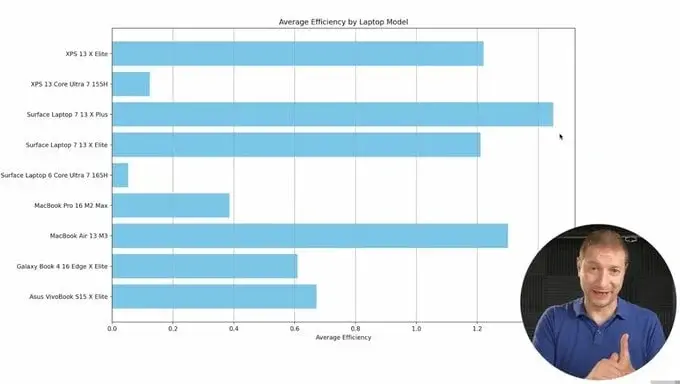
      In the initial efficiency test measuring “Battery Drain vs Work Done”, the M2 MacBook Air emerged as the most efficient, with the M3 MacBook Pro and M2 Max variants also demonstrating commendable performance. Conversely, the Surface Laptop 7th Edition outshone other Snapdragon X Elite and X Plus equipped laptops such as the ASUS Vivobook S 15, Dell XPS 13, and Galaxy Book 4 16 Edge. It is important to note that this efficiency test focused more on intensive tasks that pushed the CPU cores.

      Automated Workflow Test

      Ziskind conducted an automated workflow test to simulate a more realistic scenario, rerunning the test while occasionally playing YouTube videos, writing, and running codes. This prolonged test had all laptops set to high performance. In this scenario, the Surface Laptop 7 13 (X Plus) led the group with the highest average efficiency, followed closely by the M3 MacBook Air 13.

      The Snapdragon X Elite variant of the Surface Laptop 7 13 secured third place, performing significantly better than the Galaxy Book 4 Edge 16 and VivoBook S 15. It should be noted that this test reflects the experience of a coder, so results may vary with casual use and different tasks. For more details, you can check out our previous coverage of the Snapdragon X Plus, where it outperforms the M2 and M3 chips in Cinebench.


      Surface 7 with Snapdragon X Plus Outperforms M3 MacBook in Battery Test