Tag: smartphone review

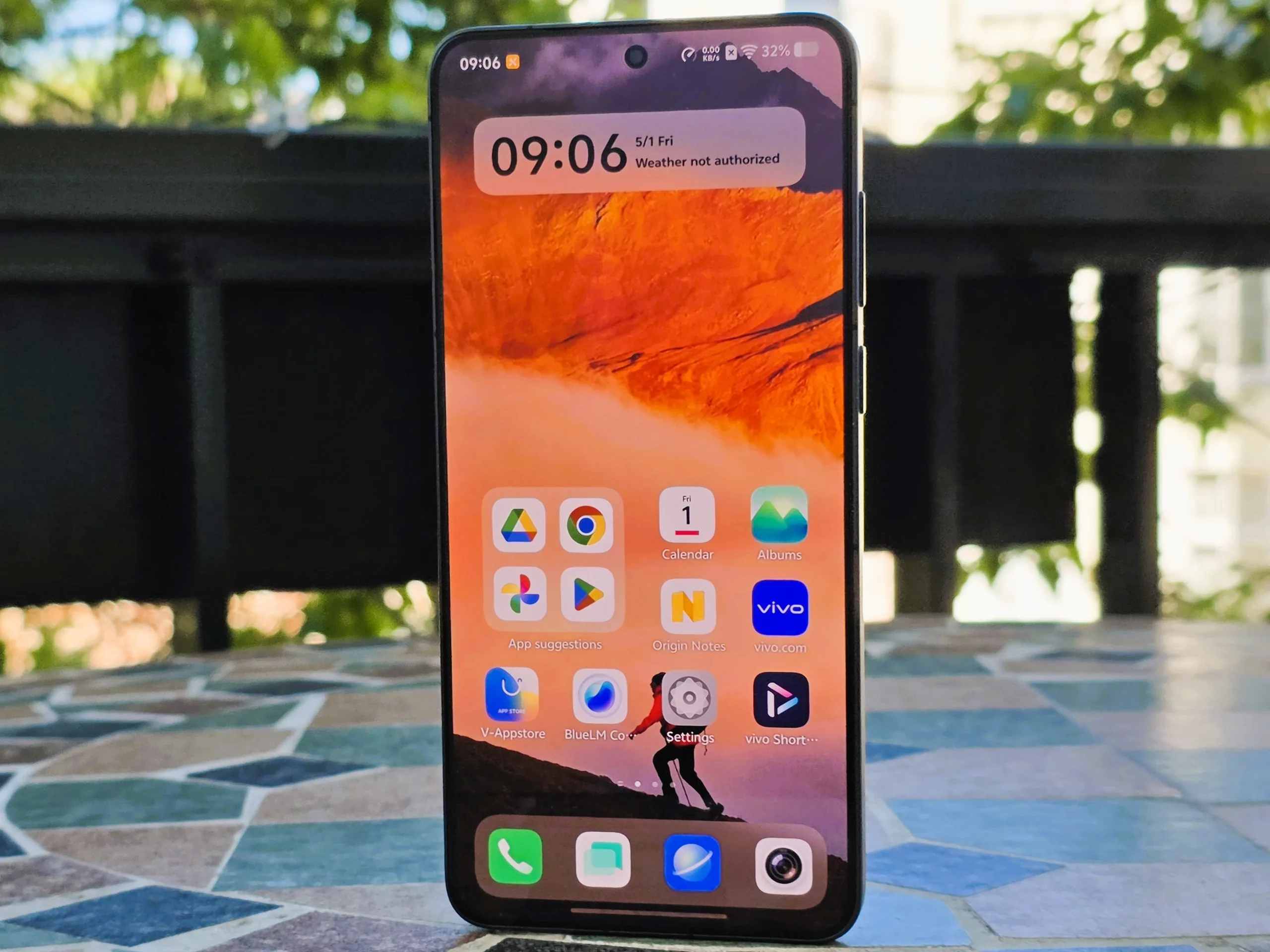
  • Vivo X300 Ultra Review: Efficiency Problems or Just a Rocky Launch

    Vivo X300 Ultra Review: Efficiency Problems or Just a Rocky Launch

    Key Takeaway

    1. The Vivo X300 Ultra is a top-performing smartphone that rivals high-end models like the Xiaomi 17 Ultra and Samsung Galaxy S26 Ultra, especially in camera performance.
    2. It has notable weaknesses in power efficiency, showing significantly higher idle power consumption compared to competitors.
    3. The device’s energy inefficiency may stem from software or firmware issues, with ongoing testing of updated firmware to assess improvements.

    Performance and Camera Improvements

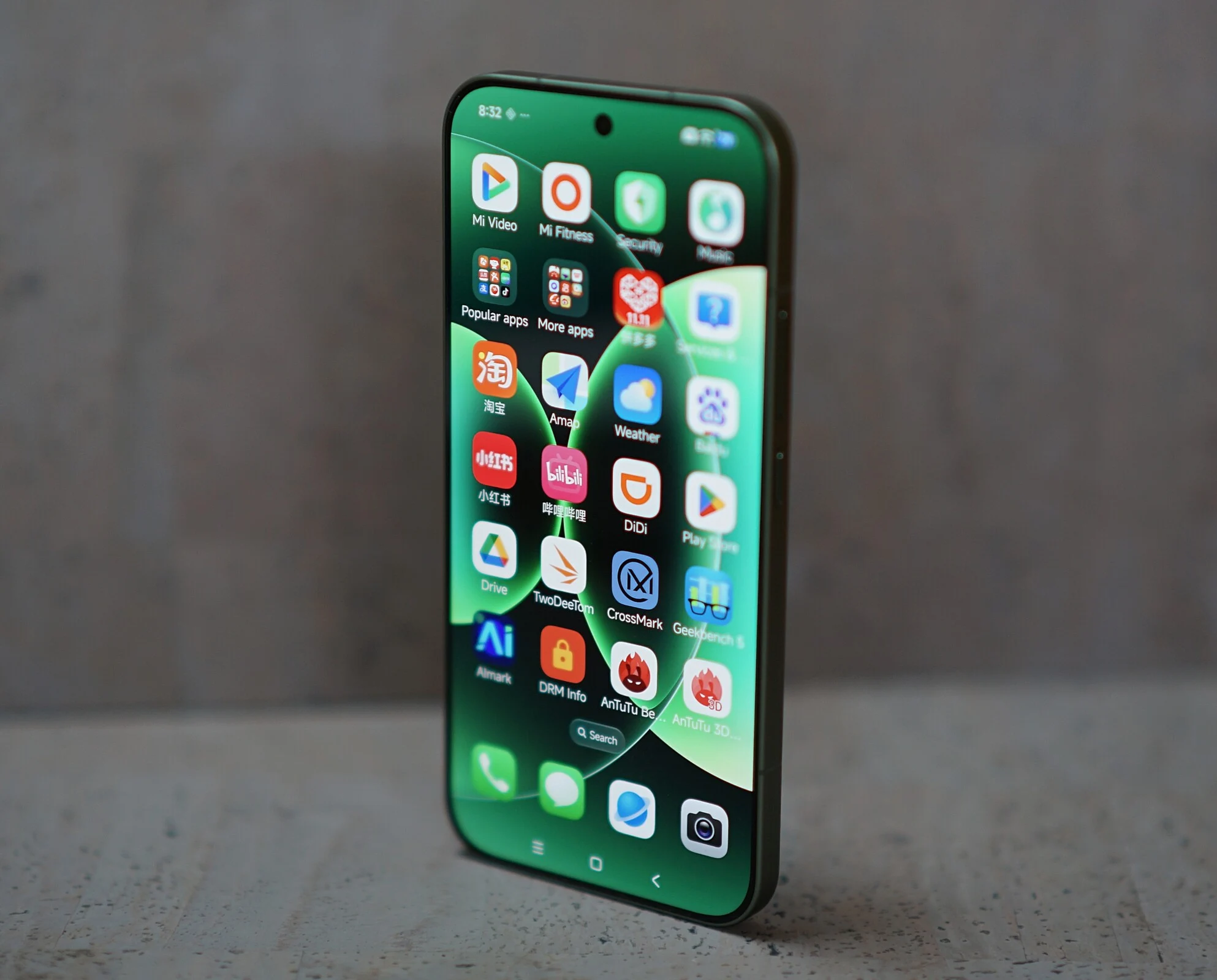
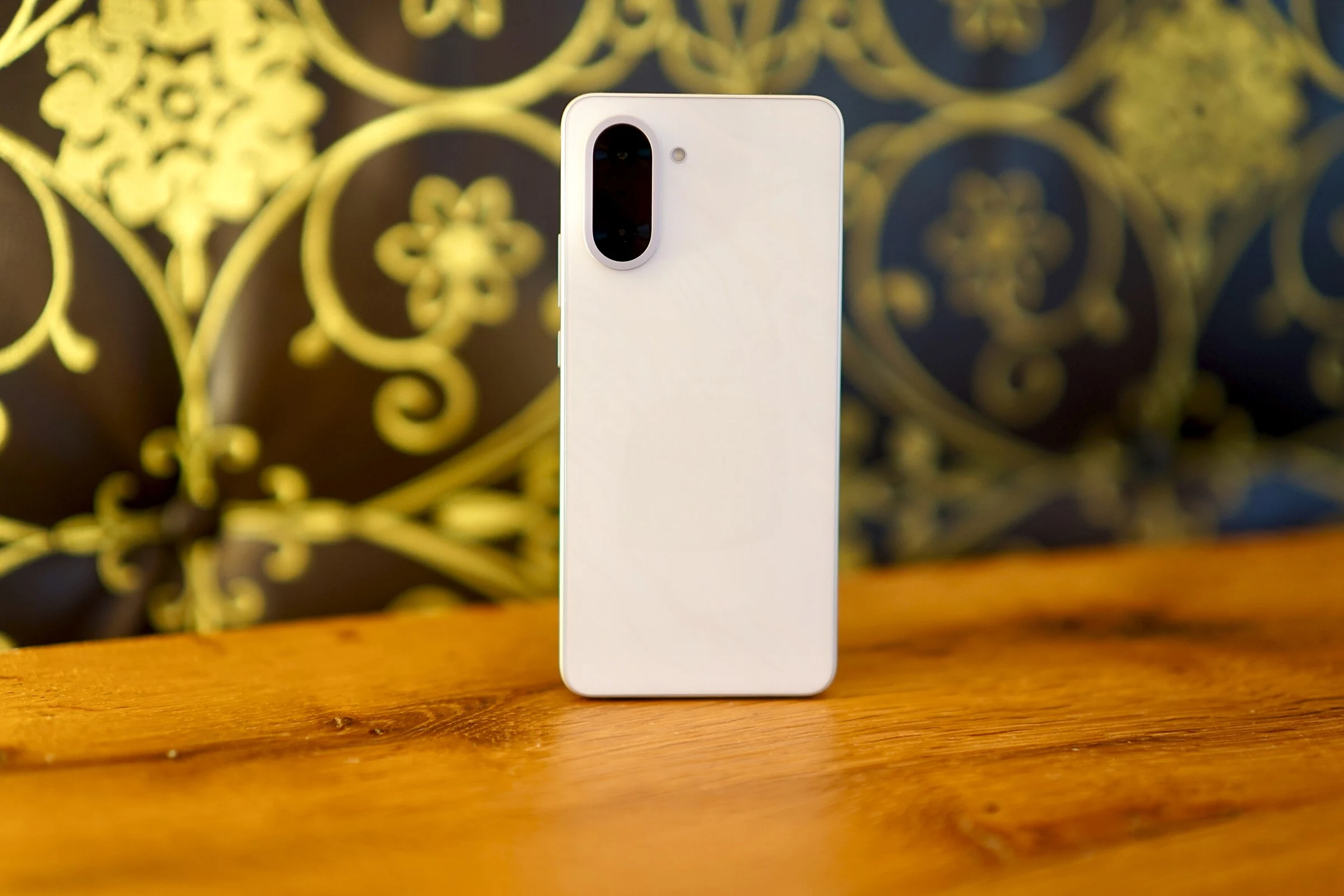
    During our evaluation, the Vivo X300 Ultra showed some serious promise being a top contender amongst the high-end smartphones. It’s on par with other premium devices like the Xiaomi 17 Ultra and Samsung Galaxy S26 Ultra, which are starting at $1,099. When compared to their earlier models, the X300 Ultra’s camera capabilities really stand out. Our review found that the Ultra slightly edged out its predecessor, the Vivo X300 Pro, in camera quality, making it one of the best in its class. The conclusions are clear – this device is a solid piece of tech with impressive specs.

    Battery Life and Power Consumption Concerns

    Now, while it boasts many strengths, the Vivo X300 Ultra does have some flaws that cannot be ignored. One noticeable area is its battery efficiency, particularly during Wi-Fi tests. At a standard display brightness of 150 cd/m², the phone drained a lot of power, hinting that its stamina is not quite up to the mark compared to models like the Find X9 Pro. Even though the device provides decent overall battery life in everyday use, its performance lags behind some competitors.

    Efficiency and Software Challenges

    This raises a question about whether vivo is facing a fundamental issue with energy efficiency. When we previously reviewed the Vivo X200 Ultra, it was already known for high idle power consumption. Now with the newer model, this issue persists, despite having a Snapdragon 8 Elite Gen 5 chip, which is considered quite advanced. Our tests confirmed how inefficient the device really is, with an average power draw of 4.5 watts at idle — significantly higher than its rivals, which typically use around 1.0 to 1.2 watts. Additionally, the X300 Ultra consumes approximately 70% more energy than the earlier X200 Ultra, which is quite surprising. Whether these problems are due to software bugs or firmware issues remains uncertain, but Vivo has been updating their devices regularly, with a new firmware version approaching soon. So, users might need to wait for further optimizations.
    Sources

    • Samsung Galaxy S26 Price Hike: Is It Justified?

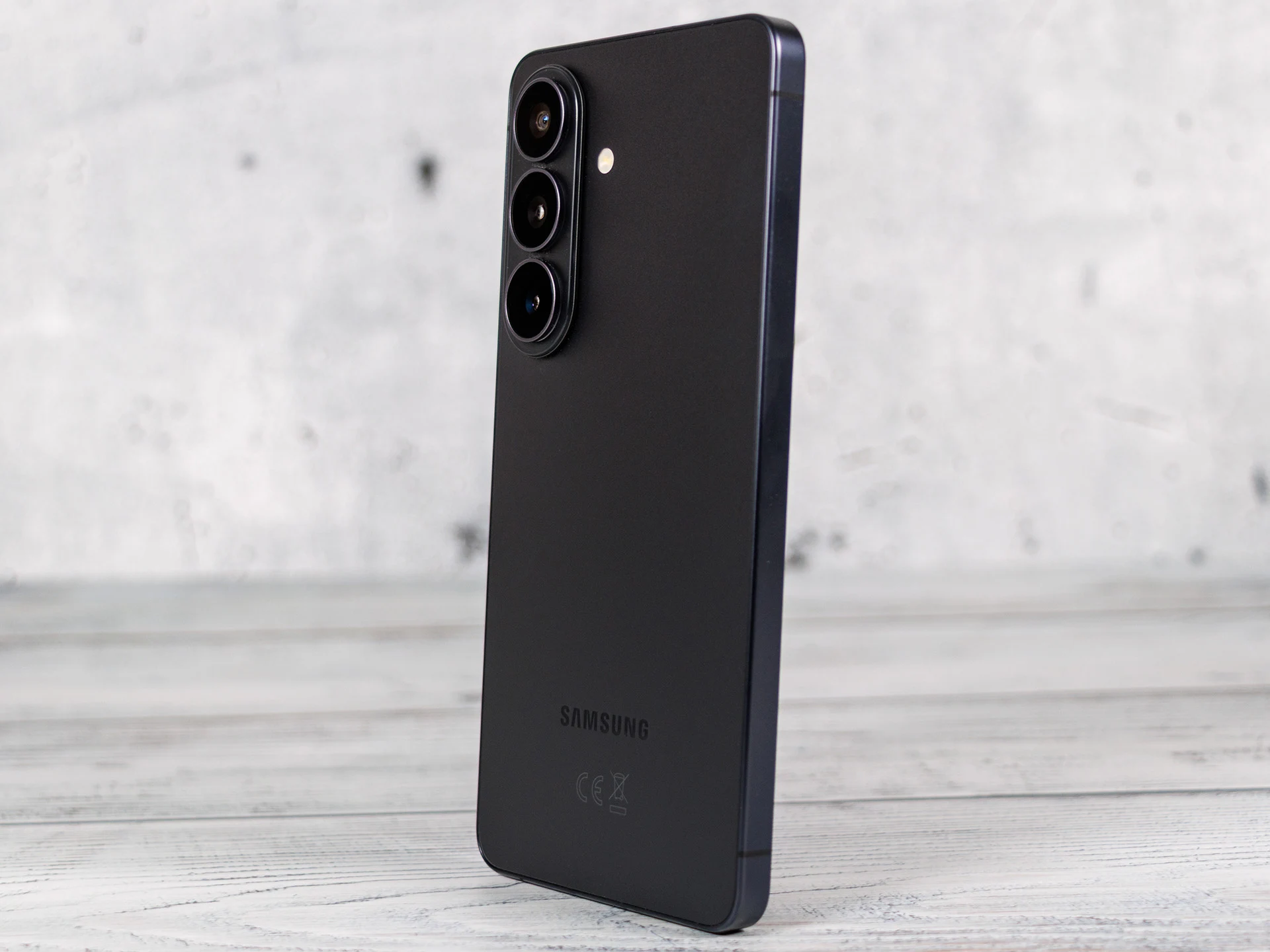
      Samsung Galaxy S26 Price Hike: Is It Justified?

      Key Takeaway

      1. The Galaxy S26 is a refined, well-built smartphone with a bright OLED display and strong performance but offers limited camera improvements and modest charging speed.
      2. It features a long update cycle of seven years and maintains strong wireless and reception quality.
      3. The price has increased by $100, mainly due to the discontinuation of the 128 GB model, with the 256 GB version now serving as the entry point, positioning it as more expensive than some competitors but cheaper than an iPhone 17.

      Design and Display

      The Galaxy S26 is a sleek and compact device that continues the tradition of premium build quality. It’s small enough to fit comfortably in your hand, and despite its size, it packs a 6.3-inch OLED display providing bright, vivid colors and sharp images. The screen’s quality makes it a pleasure to use whether you’re browsing the web, watching videos, or gaming. The design has been refined from previous models, ensuring a modern and elegant look that feels premium.

      Performance and Battery Life

      Powered by the Exynos 2600 processor, the S26 handles everyday tasks with ease and offers snappy performance. The 4,300-mAh battery supports a whole day’s worth of usage, although charging speed is somewhat disappointing at just 25 watts. During heavy use, some throttling of performance was observed, which slightly affects high-demand activities. Nonetheless, the overall build delivers reliable performance suitable for most users, and Samsung promises a long update cycle of seven years to keep it secure and current.

      Camera and Connectivity

      Camera improvements seem minimal, with little noticeable difference from the previous generation. The quality is decent but not groundbreaking, and low-light shots could be better. Connectivity options are solid, with strong wireless and reception quality, making it reliable for calls, streaming, and downloads. The device’s overall connectivity performance further cements its position as a well-rounded daily driver, even if it doesn’t push camera tech forward.

      Pricing and Storage

      Compared to the earlier model, the starting price has increased by $100, making the new Galaxy S26 more expensive, especially since the basic 128 GB option was discontinued. The current 256 GB version, which now acts as the entry-level model, was previously priced at around $900 last year. Interestingly, despite the higher price, Samsung has not increased the cost for the basic model significantly but instead removed an affordable storage option. The price remains competitive when compared to other Android brands but is still more costly than Apple’s latest iPhone 17.

      Sources
      • Affordable Smartphone Outperforms Galaxy S25 Ultra with a Catch

        Affordable Smartphone Outperforms Galaxy S25 Ultra with a Catch

        Key Takeaways

        1. High-Performance Alternative: The Xiaomi 17 Pro Max offers strong performance with a Qualcomm Snapdragon 8 Elite Gen 5 processor and impressive battery life.

        2. Sleek Design: The phone features a robust metal design, nearly invisible bezels, and an additional display on the back.

        3. Competitive Pricing: Priced just over $1,200 for 1 TB of storage and 16 GB of RAM, it is more affordable than premium models like the iPhone 17 Pro Max.

        4. Import Considerations: Buying through TradingShenzhen has downsides, including limited warranty coverage, potential import duties, and restrictions with Chinese software.

        5. Great Value: The Xiaomi 17 Pro Max is a strong value proposition in the high-end smartphone market, balancing quality and performance at a lower price.


        Sure, you can find amazing smartphones like the Samsung Galaxy S25 Ultra or the Apple iPhone 17 Pro Max, but based on the storage size, you might end up spending over $2,000.

        Affordable Alternative

        Is it really necessary to invest that much in a premium phone? Xiaomi thinks “No!” with its 17 Pro Max, which mirrors the iPhone’s name for a reason – they aim to rival the best. We recently tested the smartphone and can confirm that it performs quite well.

        Impressive Design

        The Xiaomi 17 Pro Max features a robust and sleek metal design, with nearly invisible bezels and even an extra display on the back as a cool bonus.

        Performance-wise, it stands strong thanks to a Qualcomm Snapdragon 8 Elite Gen 5 processor. The battery life is outstanding, thanks to the massive 7,000 mAh battery. Interestingly, its size and weight are almost the same as those of its rivals from Samsung and Apple, even with a much bigger battery.

        Competitive Pricing

        However, the Xiaomi phone can’t match the high prices set by Korean and US brands. At TradingShenzhen, the model with 1 TB of storage and 16 GB of RAM is priced just over $1,200. This is slightly less than the most affordable iPhone 17 Pro Max, and even the cheapest Samsung model offers significantly less storage for the same amount.

        Importing through TradingShenzhen has a few downsides. First, local warranty rights don’t apply, although the retailer does provide its own warranty. Second, almost all imported goods to the US are subject to import duties. Third, the Chinese software on the phone has some limitations. For instance, eSIM support is absent, as eSIMs aren’t widely used in China. Lastly, fully using Android Auto is not really possible, and English is the only Western language available. Many pre-installed apps are also not functional outside of China.

        Great Value Proposition

        The Xiaomi 17 Pro Max is without a doubt a fantastic value choice among high-end smartphones. It is well-made, speedy, and boasts excellent battery longevity.


      • OnePlus Brings Back Popular Smartphone Model with Great Results

        OnePlus Brings Back Popular Smartphone Model with Great Results

        Key Takeaways

        1. OnePlus is known for offering smartphones with a good price-to-performance ratio, providing value for money.
        2. The new OnePlus Nord CE 5 is a standard mid-range model, expanding the Nord series beyond the previous “Lite” options.
        3. The device features a well-constructed plastic body, a bright 120 Hz AMOLED display, and promises six years of security updates plus four major Android upgrades.
        4. Performance issues include screen flickering due to PWM brightness adjustments and increased surface temperature during heavy use.
        5. The camera performance is strong, and the phone supports quick charging, enhancing its overall appeal in the budget segment.


        OnePlus has built a reputation for providing smartphones that deliver a solid price-to-performance ratio. Customers typically find they get good value for their money with devices from this brand.

        New Mid-Range Addition

        For a long time, OnePlus’ more affordable mid-range offerings only included one “Lite” option: the Nord CE series. There hasn’t been a standard version for quite some time, likely to avoid competing too closely with other Nord models.

        With the introduction of the OnePlus Nord CE 5, there’s now a new model that doesn’t have any extra suffixes, and we recently had the opportunity to test it out.

        Build Quality and Display

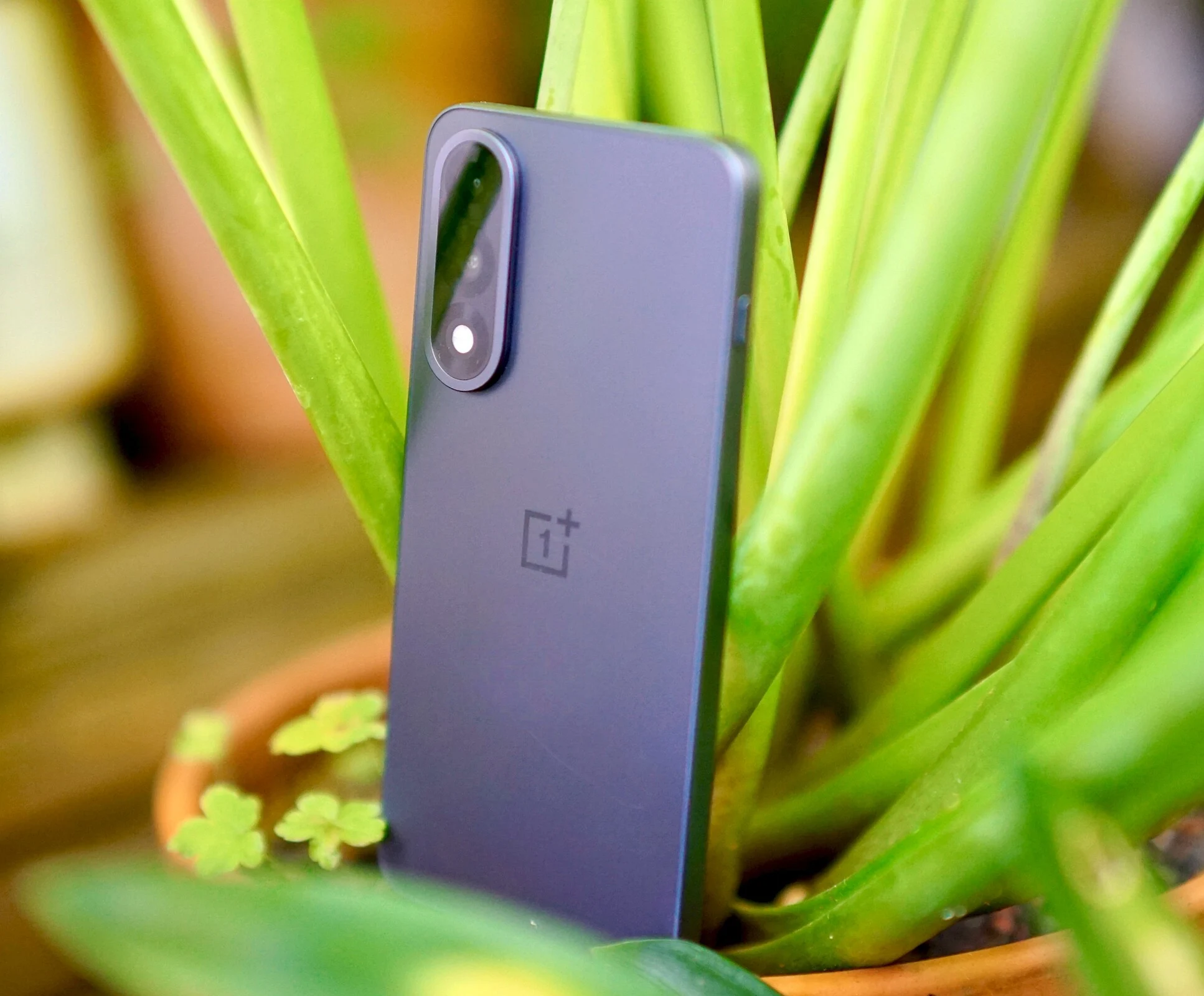
        While the phone features a plastic body, it is well-constructed and feels quite robust. There’s also a unique white version that sports a marble-like design. The AMOLED screen, boasting a refresh rate of 120 Hz, shines brightly at over 1,300 nits.

        The manufacturer claims to provide six years of security updates and four major Android upgrades, which makes this smartphone relatively future-ready.

        Performance Concerns

        One of the main drawbacks of this budget-friendly OnePlus device is its use of PWM for brightness adjustments, resulting in screen flickering, particularly at lower brightness levels. This can be a concern for individuals who are sensitive to such issues, so it’s advisable to test the screen in a store before making a purchase.

        We also noticed a notable rise in temperature on the device’s surface during heavy usage, which can be uncomfortable, especially during warmer months.

        Camera and Charging

        The camera performance impressed us during our evaluation, and we have to commend the OnePlus phone for its quick charging capabilities.

        To discover why the OnePlus Nord CE 5 outperforms many competitors in internet speed within its price category, along with additional insights and our overall rating, be sure to check out our comprehensive review of the OnePlus Nord CE 5.

        Source:
        Link


      • Top 3 Reasons Motorola Offers the Best Affordable Mid-Range Phones

        Top 3 Reasons Motorola Offers the Best Affordable Mid-Range Phones

        Key Takeaways

        1. Impressive Battery Life: The Moto G86 Power has a large 6,720 mAh battery, providing up to 27 hours of use, potentially lasting two days on a single charge.

        2. Fast Charging and Size: It supports fast charging at 30 watts, allowing for about 3-hour charging times, with only slight increases in size and weight compared to the standard Moto G86.

        3. High Build Quality: Despite being affordable, the phone has a robust build quality with tight gaps, water and dust resistance, and Gorilla Glass 7i for screen protection.

        4. Surprising Display Quality: The Moto G86 Power features an OLED screen with excellent HDR performance and brightness, achieving up to 3,865 cd/m², with impressive color accuracy.

        5. Variety in Design: Available in a subtle dark gray or vibrant Pantone colors (red, light purple, light green), catering to different aesthetic preferences.


        Those looking to save some cash when purchasing a smartphone often have to settle for less, particularly regarding screen and build quality. However, there are standout options like the Motorola Moto G86 Power, which provides some features that are not often found in this price range. Below are three features we genuinely appreciated:

        Impressive Battery Life

        With a massive 6,720 mAh battery, this smartphone achieved an incredible 27 hours of battery life during our Wi-Fi test. Hence, users should be able to use the Moto G86 Power for up to two days without needing to recharge. It can last even longer with careful usage.

        Dimensions and Charging Speed

        The size and weight of the Moto G86 Power have only increased a little when compared to the standard Moto G86, which has a smaller battery. Fast charging is supported at up to 30 watts, which means the charging times are bearable at around 3 hours.

        Build Quality That Impresses

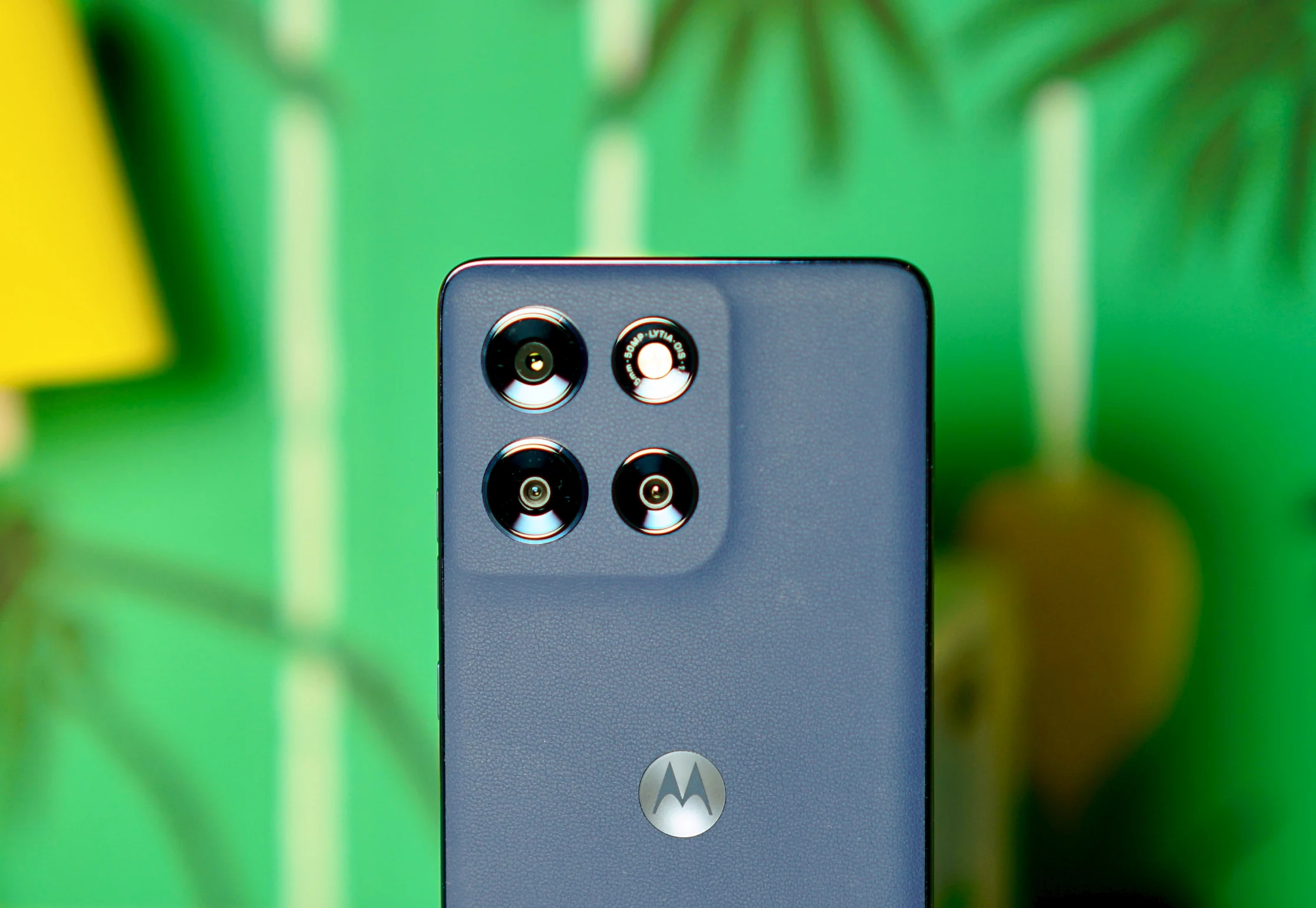
        Even though the Moto G86 Power is much more affordable than true flagship phones, its build quality can easily compete with that of high-priced models: The very tight gaps and the casing make it nearly impossible to bend.

        For those who enjoy a more subtle appearance, a dark gray option is available. For those who favor something more vibrant, there are three Pantone colors to select from: red, light purple, and light green. The casing is also resistant to water and dust, and Gorilla Glass 7i offers excellent protection for the screen.

        Surprising Display Quality

        At this price point, it’s easy to assume that Motorola must have compromised on screen quality. After all, the display is a crucial and costly component. Surprisingly, the Moto G86 Power features an OLED screen that impresses with remarkable HDR performance, reaching a brightness of up to 3,865 cd/m².

        The color accuracy and grayscale reproduction are also quite impressive. PWM is present, but it operates at a high frequency and has a relatively low response time.

        Final Thoughts

        While these aspects are commendable, we did uncover some downsides with the Motorola Moto G86 Power. Readers can discover what these negatives are and our overall rating in our comprehensive review of the Motorola Moto G86 Power.

      • Pixel 10 Pro Review: Strong Features, Weak Performance Issues

        Pixel 10 Pro Review: Strong Features, Weak Performance Issues

        Key Takeaways

        1. Build Quality and Design: The Pixel 10 Pro features a high-end design with quality materials and an IP68 rating, despite minor issues like slight gaps and creaking sounds.

        2. Software Updates and AI Features: It offers seven years of updates with Android 16, including various AI capabilities, though some features, like translation, may lack accuracy.

        3. Display Issues: The vibrant OLED display has PWM flickering problems that remain unresolved, affecting user experience despite its brightness.

        4. Camera Performance: The camera delivers excellent images and zoom capabilities but struggles with fine details and low-light conditions, while new AI tools offer limited real-world benefits.

        5. Performance and Battery: While daily performance is smooth, it falls short in high-demand tasks and gaming, with average charging speeds for both wired and wireless options.


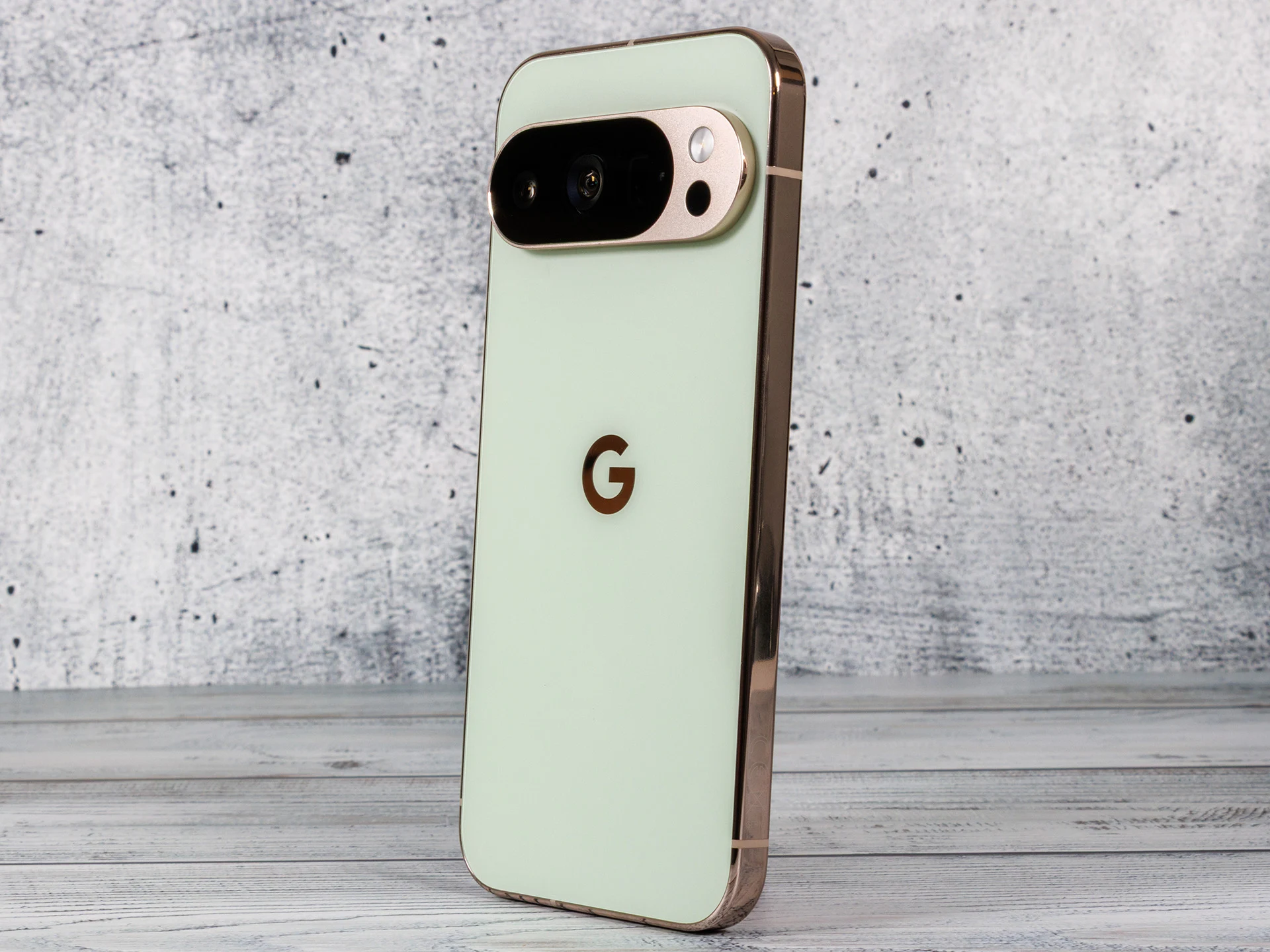
        The Google Pixel 10 Pro stands out as a small, high-end smartphone crafted from quality materials, showcasing excellent build and an IP68 rating. While there are slight drawbacks like tiny gaps and a faint creaking sound when twisted, they don’t significantly impact the overall premium feel. Its specifications are up-to-date, featuring Wi-Fi 7, Bluetooth 6.0, NFC, UWB, and the innovative ‘Pixelsnap’ magnet. That said, it has some limitations; the USB-C port is only compatible with FAT32 and exFAT formats, lacking support for NTFS, and the UFS 4.0 storage does not perform as fast as expected.

        Software Strengths and Weaknesses

        On the software front, the Google Pixel 10 Pro shines brightly. Android 16 comes with a commitment of seven years for updates and includes several AI capabilities like Gemini, Circle to Search, and live translation functions. However, the translation features often feel underdeveloped and can yield inaccurate translations. On the bright side, Google emphasizes its use of recycled materials, offers plastic-free packaging, and promises easy repair options through iFixit, although replacement parts were not available during the testing period.

        Display and Camera Performance

        The OLED screen captivates users with its brightness and vibrant color display, yet it grapples with PWM flickering, an issue that isn’t fully resolved even with the 480 Hz option. In terms of photography, the camera produces excellent images and boasts a strong zoom capability, but it struggles with capturing fine details, performing in low-light conditions, and the outcomes of AI-enhanced zoom. New tools like the Camera Coach seem to add little real-world value.

        Performance and Battery Life

        The difference between the Tensor G5 and its rivals becomes clearer with usage. The Pixel 10 Pro offers a smooth experience in daily tasks, but performance tests and gaming evaluations highlight some noticeable gaps. High-demand games like Genshin Impact may not run without hiccups, and ray tracing features are entirely missing. Battery life is satisfactory; however, the charging speed is just average, with 30 W for wired and 15 W for wireless charging.

        In conclusion, the Pixel 10 Pro (buy here on Amazon) captivates with its extensive update promises, reliable daily performance, and numerous AI features. Nonetheless, its performance issues, display flickering, and charging capabilities keep it from being a top contender in the premium smartphone market.

      • Shrinkflation in Smartphones: A Growing Concern for Consumers

        Shrinkflation in Smartphones: A Growing Concern for Consumers

        Key Takeaways

        1. Many new smartphones are released annually, creating excitement among consumers for upgrades and new features.
        2. Not all smartphones show improvement over their predecessors; some models may regress in key areas.
        3. The OnePlus Nord 5 has switched from a premium metal unibody design to a plastic body compared to the Nord 4.
        4. The OnePlus Nord 5 has lower storage and RAM options than the previous model, reducing its overall capabilities.
        5. The OnePlus Nord 5 lacks the iconic physical notification slider, replacing it with a new programmable Plus Key.


        Hundreds of new smartphones are released each year, and many consumers eagerly anticipate these new gadgets. This excitement could stem from the need for an upgrade or a desire to see how the features and specifications of these devices are advancing.

        Not All Phones Show Improvement

        However, not every phone demonstrates progress compared to its predecessor. In fact, some models take noticeable steps backward. A case in point is the OnePlus Nord 5, which we recently reviewed. It’s certainly a solid device that received a decent overall score in our evaluation.

        Comparing with the Previous Model

        Yet, when you compare it to last year’s OnePlus Nord 4, the reductions are quite apparent. In 2024, OnePlus promoted a metal unibody design in a premium mid-range smartphone priced under €500. The Nord 5, however, has switched to a plastic body. While the design remains sturdy and visually appealing, it lacks the premium feel and is far less impressive.

        The OnePlus Nord 5 also shows a decline in storage capabilities. It now only features UFS 3.1 flash, while the previous model boasted the faster UFS 4.0. Additionally, the RAM has decreased, with options of 8GB or 12GB instead of the earlier 12GB or 16GB. Although this may not significantly affect everyday usage, it is still a step down.

        Missing Iconic Features

        Another notable absence is the physical notification slider, which has been a classic element of OnePlus devices. Instead, there’s a new programmable Plus Key.

        Source:
        Link


      • OnePlus Nord 5 Review: Great Smartphone Overshadowed by Rival Model

        OnePlus Nord 5 Review: Great Smartphone Overshadowed by Rival Model

        Key Takeaways

        1. Affordable Premium Experience: The OnePlus Nord 5 offers a high-end experience under $500 with features like a 144 Hz AMOLED display and strong performance.

        2. Cost-Cutting Adjustments: Compared to its predecessor, the Nord 5 has a smaller battery, slower storage, less RAM, and a changed notification slider.

        3. Material Changes: The build quality has shifted from metal in the Nord 4 to plastic in the Nord 5, affecting the premium feel.

        4. Software Support: The Nord 5 promises up to six years of software updates, enhancing its long-term value.

        5. Alternatives to Consider: The OnePlus Nord 4 remains a strong option with its better build quality, faster memory, and additional RAM.


        Designing a follow-up to a highly successful smartphone can be quite challenging. This is especially true during a time when cost-saving strategies are becoming more common. A recent example of this is the OnePlus Nord 5, which we explored in depth in our latest review.

        Premium Features at an Affordable Price

        Priced at under $500, the Nord 5 offers a high-end experience with its vibrant 144 Hz AMOLED display, a noticeably enhanced SoC performance compared to the Nord 4, decent cameras, and robust speakers all housed within a solid build. Additionally, the promise of up to six years of software updates boosts its value for the future.

        Cost-Cutting Changes

        Yet, there are clear signs of cost reduction in the Nord 5 when compared with its earlier version. The EU variant comes with a smaller battery, the UFS 3.1 storage is not as fast as the previous model, there is less RAM, and the beloved OnePlus notification slider has been replaced with a customizable plus button.

        The most apparent savings can be seen in the build quality. The chassis is now made from plastic in 2025, in contrast to the Nord 4’s heavily marketed metal unibody. While the OnePlus Nord 5’s casing is still quite durable and visually appealing, it lacks the premium sensation of its predecessor. At least there are slight improvements to the camera features.

        Final Thoughts and Alternatives

        If you are thinking about getting the OnePlus Nord 5, we suggest checking out our comprehensive review. It covers the smartphone’s advantages and disadvantages, and it also dives into the PWM aspect concerning the Nord 5.

        Alternatively, you might want to take a look at last year’s OnePlus Nord 4, which stands out with its metal body, quicker memory, and extra RAM.

        Source:
        N/A)


      • Motorola Razr 60 Ultra Review: Unleashing Maximum Power

        Motorola Razr 60 Ultra Review: Unleashing Maximum Power

        Key Takeaways

        1. Design and Materials: The Motorola Razr 60 Ultra offers a choice of Alcantara, wood-inspired materials, and a smooth pink finish, with a strengthened hinge for improved durability.

        2. Waterproofing: The phone is fully waterproof for shallow swimming but lacks full dust protection, particularly around the folding mechanism.

        3. Battery and Charging: It features a larger battery providing over 15 hours of life, with improved charging capabilities of 68 watts wired and 30 watts wirelessly.

        4. Processor Upgrade: The Razr 60 Ultra uses the full Snapdragon 8 Elite processor, enhancing performance compared to its predecessor.

        5. Performance Issues: The phone can overheat during intensive tasks, leading to shut-offs and discomfort when held, making it less suitable for demanding applications.


        Users who like well-made smartphones will find the Motorola Razr 60 Ultra appealing. The back of the phone features either Alcantara or a wood-inspired material, and there’s also a smooth pink option. The hinge has been strengthened, so users can trust its durability. However, there haven’t been any modifications to the display crease; it’s still noticeable, but not too obvious.

        Durability and Water Resistance

        The Razr 60 Ultra is fully waterproof, allowing users to even take it for a swim in shallow waters. However, it does not guarantee total protection against dust; the folding mechanism is particularly vulnerable in this aspect.

        Battery and Charging Features

        The battery is now larger and a tad heavier than its predecessor, providing over 15 hours of life in our Wi-Fi test. Charging has also improved: it can go up to 68 watts with a cable and 30 watts wirelessly. Another standout feature is the choice of processor; unlike last year’s model, which had a trimmed-down version of the Snapdragon 8s Gen 3, this year’s version comes with the full Snapdragon 8 Elite. This upgrade places the Razr 60 Ultra at the forefront of high-performance flip smartphones.

        Performance Limitations

        Nevertheless, this processor upgrade has its downsides, as the Razr lacks sufficient surface area for proper cooling of the SoC. This quickly shows up during more intensive tasks; in our benchmark tests, the Razr 60 Ultra consistently showed overheating alerts, leading to the termination of tests. There are also times when the smartphone may shut off due to excessive heat. Furthermore, holding the Razr 60 Ultra during high-demand situations can become uncomfortable, with the frame and casing reaching temperatures of 60°C.

        For those who don’t usually use demanding applications on their phones and are just looking for a stylish flip phone with excellent battery life, the Motorola Razr 60 Ultra is a solid option.

        Source:
        Link

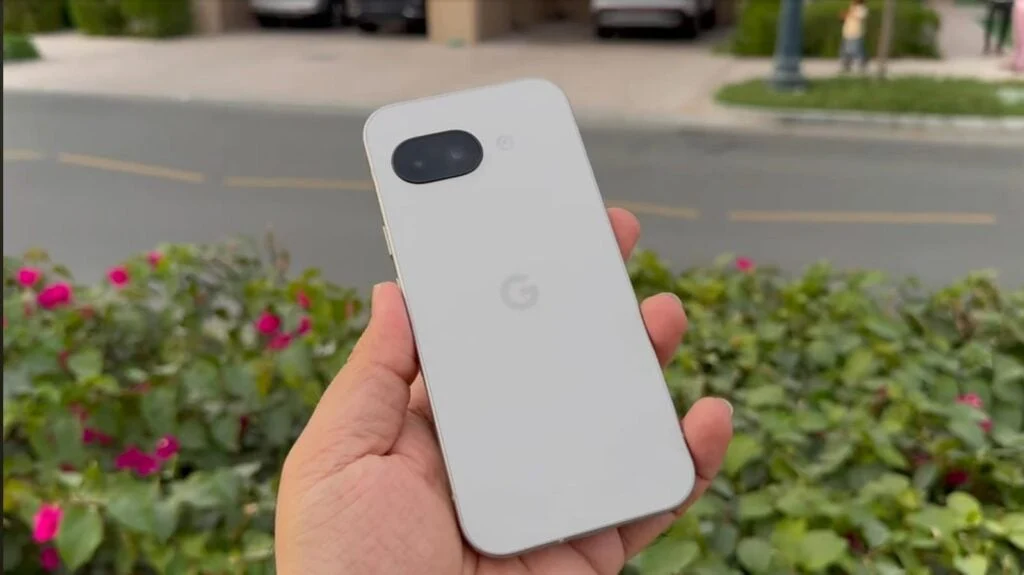
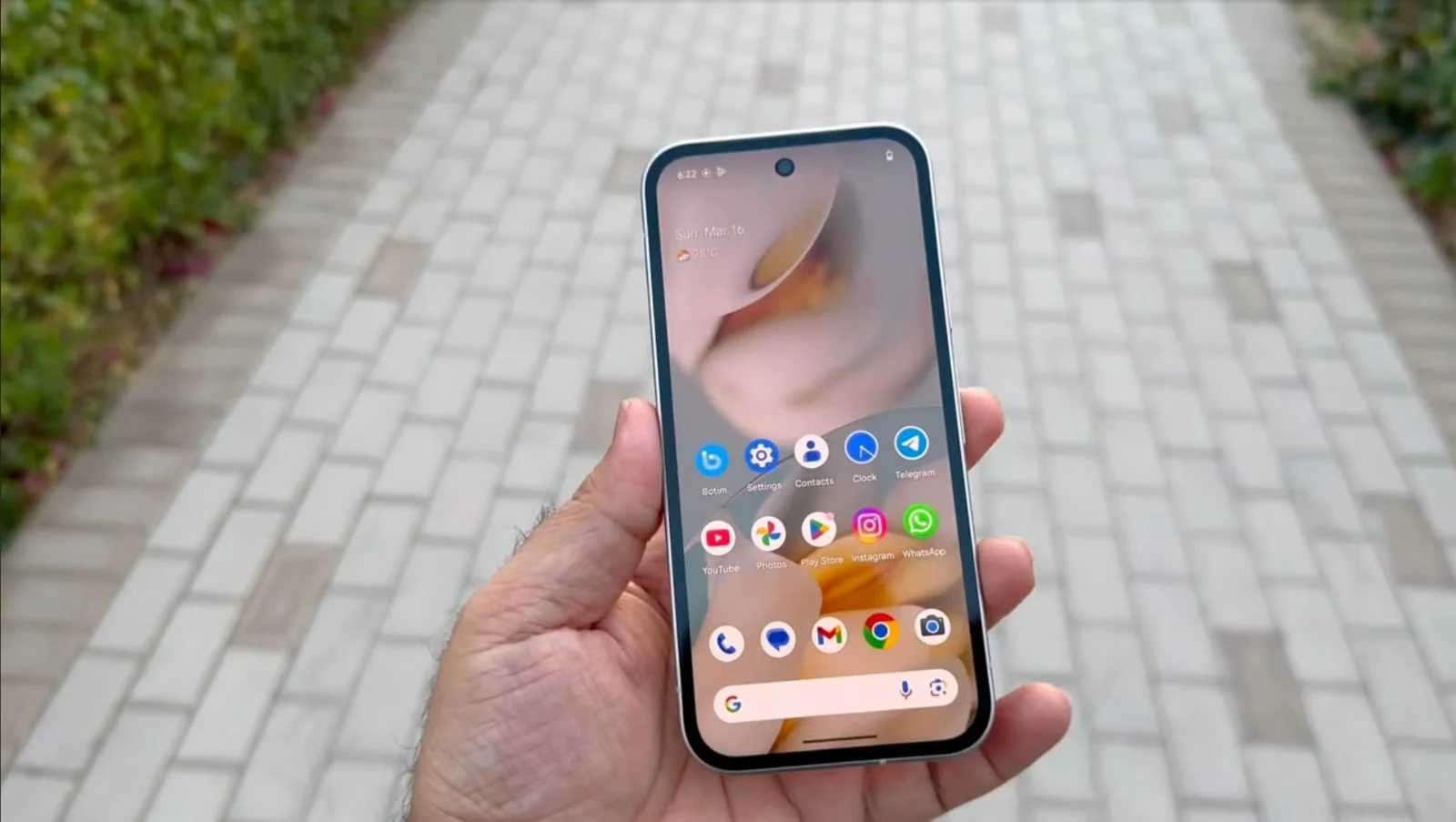
      • Google Pixel 9a Review Released Before Official Launch

        Google Pixel 9a Review Released Before Official Launch

        Key Takeaways

        1. Camera Design: The Pixel 9a features a nearly level camera island on the back, reducing wobbling, but has thicker bezels on the front, giving it a budget phone appearance.

        2. Pricing: The expected prices are $500 for the 128GB model and $600 for the 256GB model, positioning it in the premium mid-range segment, which some may consider high for its specifications.

        3. Camera Performance: The camera offers true-to-life color reproduction but lacks a telephoto lens and has weaker low-light video recording compared to competitors.

        4. Battery and Processing Power: Equipped with a 5,100mAh battery that lasts a full day, the phone runs on the Tensor G4 chip, which performs well in benchmarks but struggles with demanding tasks.

        5. User Experience: Google prioritizes a clean software experience over high-end specs, resulting in smooth navigation despite thicker bezels that may not appeal to all users.


        The Google Pixel 9a is set to be officially unveiled soon, but extensive leaks have already provided insight into the device. Reviews of the phone are surfacing, even without an official launch date. This pattern follows Google’s tradition of having its Pixel devices introduced amid numerous leaks. These early assessments not only showcase the phone’s features but also point out both its advantages and disadvantages.

        A Design Without a Camera Bump

        One standout feature of the Pixel 9a is its nearly level camera island on the back, which helps avoid the wobbling that many smartphones face in 2025. However, the front design does not impress as much. The thicker bezels give it the appearance of a budget phone, especially when the screen is off.

        Pricing and Specifications

        The Pixel 9a is anticipated to be priced at $500/€550/£500 for the 128GB model and $600/€650/£600 for the 256GB version, similar to what the Pixel 8a offered. While these prices position the Pixel 9a in the premium mid-range segment, some might view them as high given the specifications and features it brings to the table.

        Camera System and Performance

        The camera system has been applauded for its true-to-life color reproduction, especially in terms of skin tones. Nevertheless, it does not include a telephoto lens, which competitors like the S24 FE or the Nothing Phone 3a do offer. Additionally, its low-light video recording is not as strong compared to many rivals in the market.

        The phone is equipped with a 5,100mAh battery, which reviewers have found to last a full day comfortably. It operates on the Tensor G4 chip, which shows promising results in benchmarks but can struggle with intensive tasks like demanding games.

        Usability Experience

        Google does not seem to focus on specs to wow the market. Instead, it emphasizes a clean software experience, which often holds more weight than high performance or extra camera features. Navigating through the user interface appears to be smooth and enjoyable. Although the bezels are thicker than those on most competitors, users can adapt unless they are specifically seeking a device that stands out visually in every aspect.