Tag: Xiaomi 17 Pro Max

  • Xiaomi 17 Pro Max Camera Analysis Reveals Two Key Drawbacks

    Xiaomi 17 Pro Max Camera Analysis Reveals Two Key Drawbacks

    Key Takeaways

    1. The Xiaomi 17 Pro Max features a triple camera system with three 50MP lenses: a main camera, an ultrawide lens, and a periscope telephoto lens with 5x optical zoom.
    2. Despite good image quality, the Xiaomi 17 Pro Max ranks 13th in DxOMark’s evaluations with a score of 159, lower than competitors like the iPhone 17 Pro and Vivo X300 Pro.
    3. Significant weaknesses include a narrower ultrawide lens field of view (17mm) compared to competitors and video quality issues such as noise and shaky stabilization.
    4. Minor issues were noted, such as imperfect bokeh effects in portrait mode, particularly with thin objects.
    5. Overall, the Xiaomi 17 Pro Max performs well in photo mode, delivering detailed images with excellent color accuracy and minimal noise.


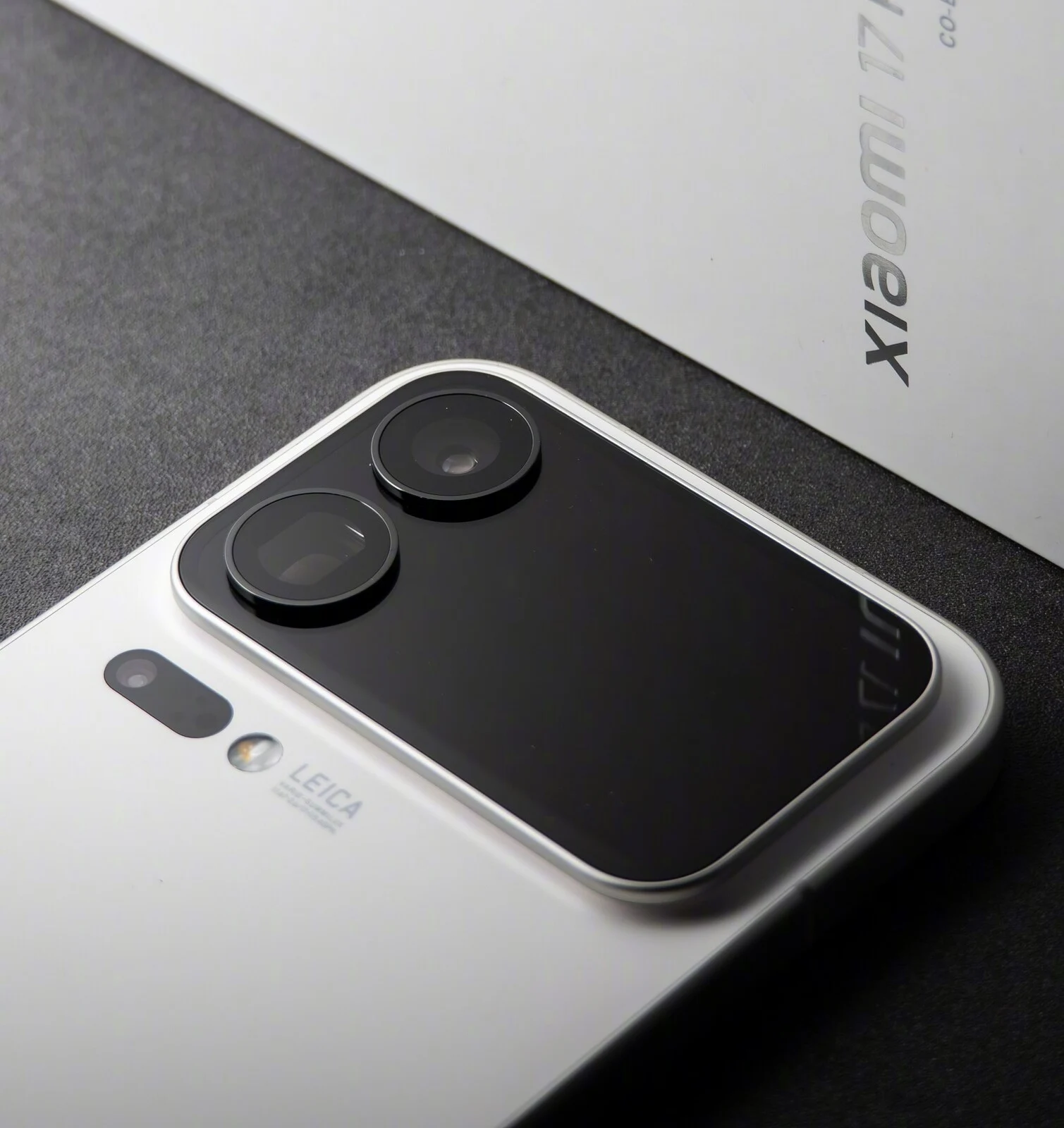
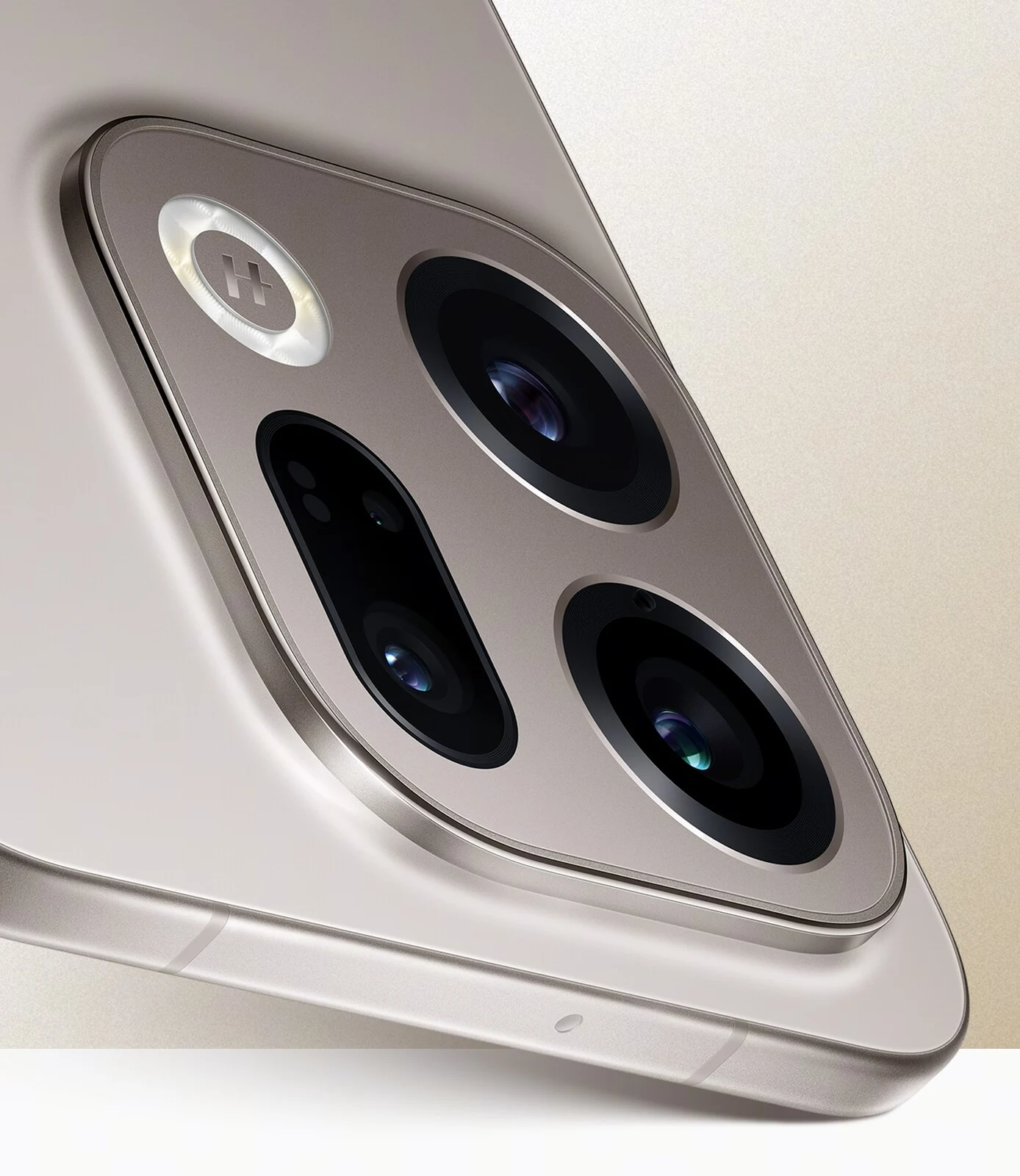
    Despite being marketed as a top-tier camera phone, the Xiaomi 17 Pro Max has a spec list that resembles that of many other similar devices. It features a 50MP f/1.7 main camera with a 1/1.28-inch sensor, a 50MP f/2.4 ultrawide lens with a 1/2.88-inch sensor, and a 50MP f/2.6 periscope telephoto lens that has a 1/1.95-inch sensor, offering 5x optical zoom and macro capabilities.

    Performance Analysis

    The camera system generally provided good image quality during DxOMark’s thorough evaluation, but a few issues led to some point losses. The Xiaomi 17 Pro Max ended up ranking 13th in DxOMark’s list with a total score of 159, which is significantly lower than the Apple iPhone 17 Pro at 168 points, the Vivo X300 Pro at 171 points, and the Huawei Pura 80 Ultra at 175 points.

    Weaknesses Identified

    DxOMark pointed out two significant flaws of the Xiaomi 17 Pro Max when compared to its better-rated competitors. Firstly, the ultrawide camera has an equivalent focal length of just 17mm. In contrast, the iPhone 17 boasts a 13mm ultrawide camera, which allows it to capture a broader field of view. Secondly, the video function is plagued by noisy images, inconsistent white balance and exposure, along with shaky image stabilization, even if the user is holding the Xiaomi 17 Pro Max steadily.

    Additional Issues

    The review also found a few minor problems, like imperfect bokeh effects in portrait mode. Very thin objects, such as single hair strands, were sometimes not isolated correctly. However, the Xiaomi 17 Pro Max largely performed well in photo mode, creating detailed images with excellent color accuracy and minimal noise. For more details, check our comprehensive review on the Xiaomi 17 Pro Max.

    Source:
    Link


  • Xiaomi Launches Poco F8 Ultra at $729 to Compete with Snapdragon 8

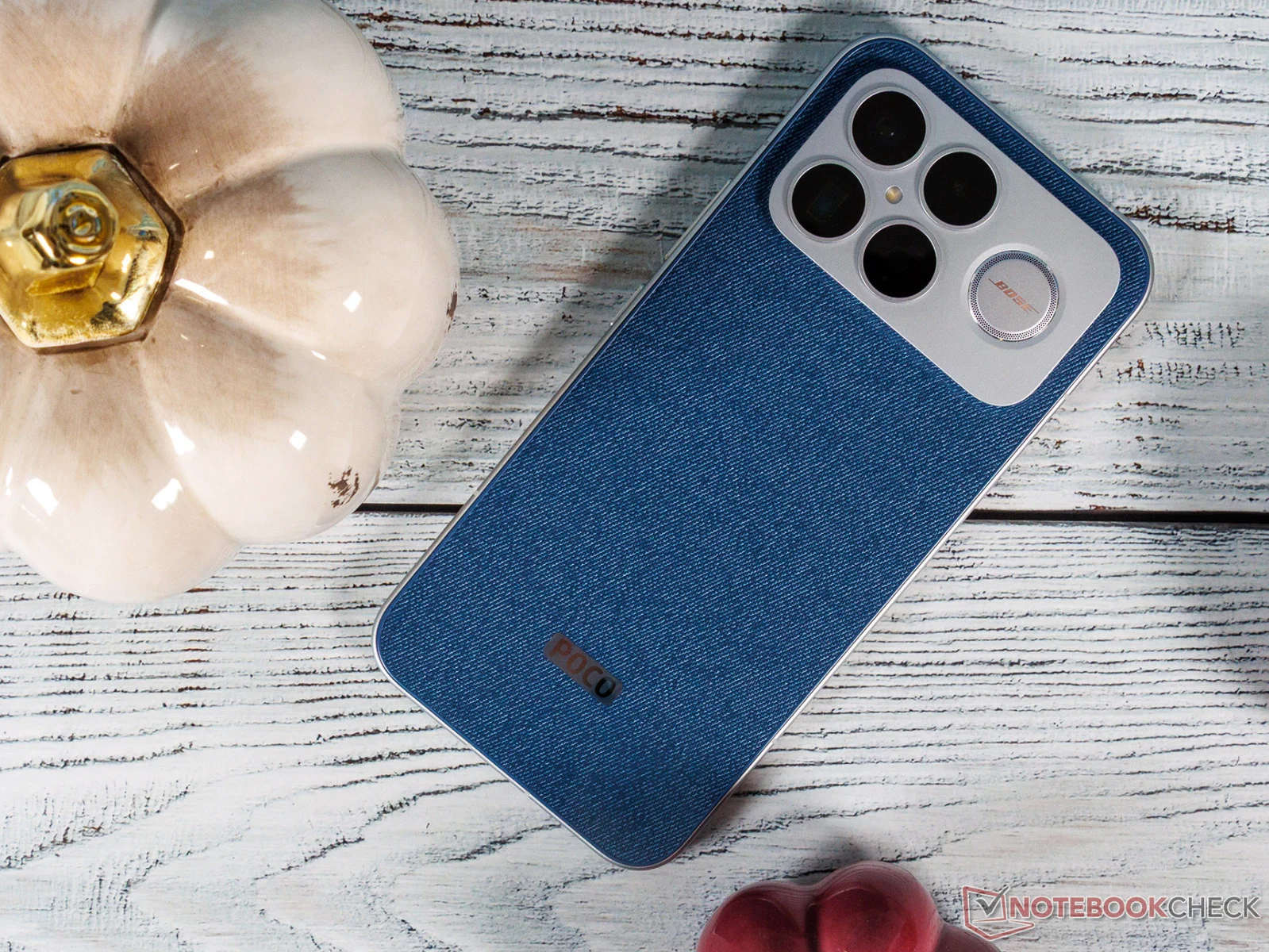
    Xiaomi Launches Poco F8 Ultra at $729 to Compete with Snapdragon 8

    Key Takeaways

    1. Xiaomi launched the Poco F8 Ultra featuring the Snapdragon 8 Elite Gen 5 chipset, the first globally to do so.
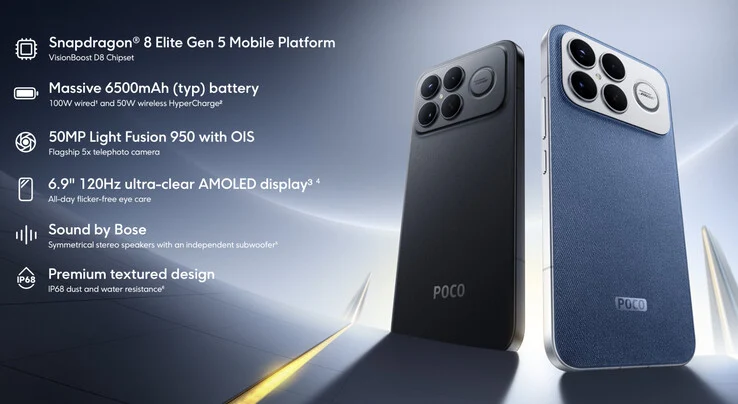
    2. The Poco F8 Ultra has a 6.9-inch AMOLED display with a vibrant 120 Hz refresh rate and peak brightness of 3,500 nits.
    3. It features a triple rear camera setup with three 50 MP sensors, including a telephoto lens and a 32 MP front camera.
    4. The device supports 50 W wireless and 100 W wired charging, with a 6,500 mAh battery that is 23% larger than its predecessor.
    5. Pricing starts at $679 for 12 GB RAM and 256 GB storage, with pre-order prices set to increase after December 10.


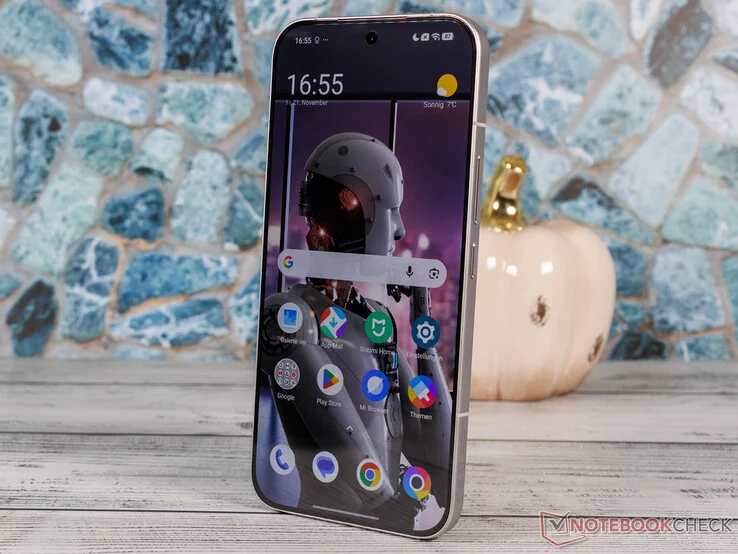
    Xiaomi has recently unveiled the Xiaomi 17, Xiaomi 17 Pro, and Xiaomi 17 Pro Max in September. Nevertheless, the Poco F8 Ultra is the first smartphone from the company to feature Qualcomm’s Snapdragon 8 Elite Gen 5 chipset on a global scale. It comes equipped with a 6.9-inch AMOLED screen, making it similar in size to the Xiaomi 17 Pro Max. The Poco F8 Ultra is also around 3 mm taller, 3 mm wider, and 0.5 mm thinner than its predecessor, the Poco F7 Ultra, which is currently priced at $747 on Amazon.

    Enhanced Display and Audio

    The Poco F8 Ultra boasts several improvements over the Poco F7 Ultra, including a more vibrant 120 Hz display that can reach up to 3,500 nits (APL 25%) while offering a resolution of 2,608 x 1,200 pixels. Furthermore, Xiaomi has incorporated three speakers with a subwoofer tuned by Bose, strategically placed near the device’s triple rear-facing camera system. These cameras are all 50 MP sensors, featuring a primary camera with a 1/1.31-inch sensor and an f/1.67 aperture, along with a telephoto lens (5x/OIS) and an f/2.4 ultra-wide-angle camera.

    Impressive Camera Features

    Additionally, the Poco F8 Ultra is equipped with a 32 MP front camera, completing an outstanding camera setup. The device also supports 50 W wireless and 100 W wired charging, allowing it to quickly recharge its 6,500 mAh battery. To put this into perspective, this battery capacity is about 23% larger than the 5,300 mAh battery found in the Poco F7 Ultra.

    The Poco F8 Ultra can now be pre-ordered for $679, coming with 12 GB of RAM and 256 GB of storage. Alternatively, consumers can choose the version with 16 GB of RAM and 512 GB of storage for $729. It’s worth mentioning that these prices will rise to $729 and $799, respectively, once Xiaomi’s Early Bird special concludes on December 10.

    Source:
    Link


  • Xiaomi 17 Ultra Launch Details: Two Snapdragon 8 Gen 5 Phones Rumored

    Xiaomi 17 Ultra Launch Details: Two Snapdragon 8 Gen 5 Phones Rumored

    Key Takeaways

    1. Xiaomi has a pattern of launching Ultra versions of flagship phones about four months after the initial release.
    2. The Xiaomi 17, 17 Pro, and 17 Pro Max were launched on September 25, 2024, with rumors of a Xiaomi 17 Ultra following soon after.
    3. Speculation suggests the Xiaomi 17 Ultra may launch in December 2024, featuring camera improvements and satellite connectivity.
    4. Two new smartphones powered by Snapdragon 8 Gen 5 are also expected in December, likely under the Civi and Redmi Turbo lines.
    5. Current release predictions for the Xiaomi 17 Ultra and the Snapdragon 8 Gen 5 models are primarily for China, with international availability still uncertain.


    In the past few years, Xiaomi has typically waited about four months before launching an Ultra version of its flagship phones. For example, the Xiaomi 15 Ultra was introduced on February 27 and soon after became available worldwide, alongside the Xiaomi 15 (currently priced at $889 on Amazon). In contrast, the Xiaomi 15 was released together with the Xiaomi 15 Pro in China on October 29, 2024.

    New Releases and Rumors

    This year, the Xiaomi 17, Xiaomi 17 Pro, and Xiaomi 17 Pro Max were all launched on September 25. Shortly after, rumors about a possible Xiaomi 17 Ultra started to circulate, mentioning enhancements to the camera and the addition of satellite connectivity. There were also hints that Xiaomi might aim to offer the Xiaomi 17 Ultra by the year’s end in some form.

    December Launch Predictions

    Digital Chat Station reported that the speculation about a December launch for the Xiaomi 17 Ultra is correct. The same source has also mentioned that Xiaomi plans to unveil two smartphones powered by Snapdragon 8 Gen 5 in that same month—one focused on having a large battery for performance, and the other designed for photography in a slim profile. According to recent leaks, these two new models may belong to the Civi and Redmi Turbo lines, serving as successors to the Civi 5 Pro and Redmi Turbo 4 Pro.

    Regional Availability Concerns

    At the moment, this expected release timeframe is believed to only apply to China. It is still uncertain if Xiaomi intends to hold off until MWC 2026 in early March to launch the Xiaomi 17 Ultra globally. The international availability for the two rumored Snapdragon 8 Gen 5 phones is also not yet known.

    Source:
    Link


  • OnePlus 15, iPhone 17 Pro Max, Xiaomi 17 Pro Max Battery Test Results

    OnePlus 15, iPhone 17 Pro Max, Xiaomi 17 Pro Max Battery Test Results

    Key Takeaways

    1. The OnePlus 15 features a Snapdragon 8 Elite Gen 5 chipset and a 7,300 mAh silicon-carbon battery.
    2. It has a 6.78-inch OLED display with a resolution of 1272 × 2772 pixels and a 50 MP triple-camera system.
    3. In battery testing, the OnePlus 15 lasted 13 hours and 40 minutes, outperforming the Xiaomi 17 Pro Max and iPhone 17 Pro Max.
    4. The Xiaomi 17 Pro Max, despite having a larger 7,500 mAh battery, powered down first at 12 hours and 50 minutes.
    5. All three flagship phones (OnePlus 15, Xiaomi 17 Pro Max, iPhone 17 Pro Max) have similar dimensions and weight, but the OnePlus 15 showed the best battery performance.


    Before the worldwide release of the OnePlus 15, we’ve already got a glimpse of its performance through benchmarks like Geekbench 6. We’ve also seen how the new flagship handles thermal challenges with its advanced cooling tech. True to its flagship status, it’s powered by Qualcomm’s Snapdragon 8 Elite Gen 5 chipset and boasts a hefty 7,300 mAh silicon-carbon battery. At this point, we are familiar with most of the OnePlus 15’s specs, which include a 6.78-inch OLED display with a resolution of 1272 × 2772 pixels, a 50 MP triple-camera system, UFS 4.1 flash storage, and more.

    Real-World Performance Tested

    With all these impressive specifications, the OnePlus 15 has been put through its paces in real-world scenarios. The YouTube channel TechDroider has carried out a thorough battery comparison among the OnePlus 15, the Xiaomi 17 Pro Max, and the iPhone 17 Pro Max.

    To give some background, the Xiaomi 17 Pro features a slightly larger 6.9-inch OLED display at a resolution of 1200 × 2608 pixels. It also comes with a slightly bigger 7,500 mAh silicon-carbon battery and runs on the same Qualcomm Snapdragon 8 Elite Gen 5 chipset.

    Battery Testing Results

    On the other hand, the Apple iPhone 17 Pro Max, powered by the A19 Pro chip, also has a 6.9-inch OLED display, but with a higher resolution of 1320 × 2868 pixels and a smaller 4,832 mAh conventional lithium-ion battery.

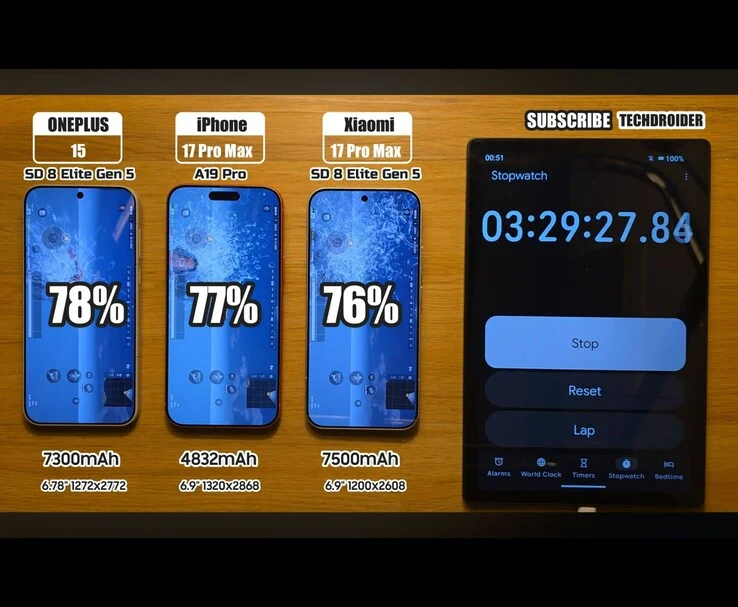
    The battery test kicked off with a three-hour gaming session on PUBG Mobile, where the OnePlus 15 had 78% battery left, the iPhone 17 Pro Max had 77%, and the Xiaomi 17 Pro Max stood at 76%. Following this, there was three hours of watching 1080p YouTube videos, which brought the remaining battery percentages down to 66% for the OnePlus, 64% for the iPhone, and 64% for the Xiaomi.

    After an hour and a half of browsing the web and using Instagram, the battery levels still remained close: 53% on the OnePlus, 48% on the iPhone, and 47% on the Xiaomi. In the final stage, all three devices recorded 4K videos at 60 fps until they ran out of juice.

    OnePlus 15 Takes the Lead

    Despite its larger 7,500 mAh battery and HyperOS optimization, the Xiaomi 17 Pro Max was the first to power down after 12 hours and 50 minutes. The iPhone 17 Pro Max followed at 13 hours and 2 minutes, demonstrating the impressive efficiency of Apple’s A19 Pro Bionic chip and iOS. The OnePlus 15 stood out as the overall champion, lasting 13 hours and 40 minutes, the best performance among the three.

    TechDroider also highlighted that even though the OnePlus 15 has a larger 7,300 mAh battery, it remains nearly the same size as the Xiaomi 17 Pro Max (162.9 × 77.6 × 8 mm, 219 g) and the iPhone 17 Pro Max (163.4 × 78 × 8.8 mm, 233 g). All three phones share similar dimensions, weight, and thickness while providing comparable battery life in their category.

    In conclusion, the OnePlus 15 outperforms two of the top flagship competitors in a practical battery test. You can view the complete battery testing video below.

    Source:
    Link


  • Affordable Smartphone Outperforms Galaxy S25 Ultra with a Catch

    Affordable Smartphone Outperforms Galaxy S25 Ultra with a Catch

    Key Takeaways

    1. High-Performance Alternative: The Xiaomi 17 Pro Max offers strong performance with a Qualcomm Snapdragon 8 Elite Gen 5 processor and impressive battery life.

    2. Sleek Design: The phone features a robust metal design, nearly invisible bezels, and an additional display on the back.

    3. Competitive Pricing: Priced just over $1,200 for 1 TB of storage and 16 GB of RAM, it is more affordable than premium models like the iPhone 17 Pro Max.

    4. Import Considerations: Buying through TradingShenzhen has downsides, including limited warranty coverage, potential import duties, and restrictions with Chinese software.

    5. Great Value: The Xiaomi 17 Pro Max is a strong value proposition in the high-end smartphone market, balancing quality and performance at a lower price.


    Sure, you can find amazing smartphones like the Samsung Galaxy S25 Ultra or the Apple iPhone 17 Pro Max, but based on the storage size, you might end up spending over $2,000.

    Affordable Alternative

    Is it really necessary to invest that much in a premium phone? Xiaomi thinks “No!” with its 17 Pro Max, which mirrors the iPhone’s name for a reason – they aim to rival the best. We recently tested the smartphone and can confirm that it performs quite well.

    Impressive Design

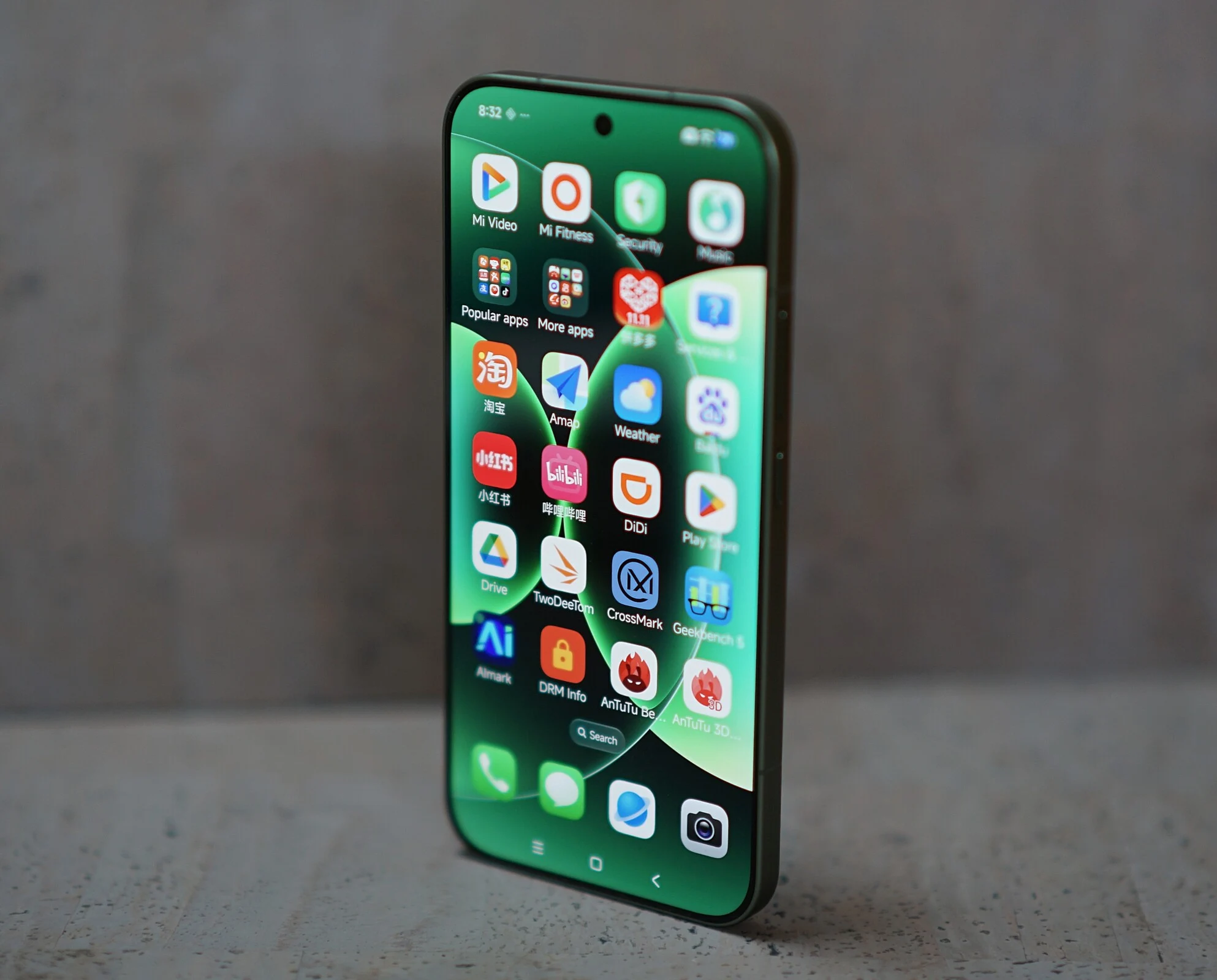
    The Xiaomi 17 Pro Max features a robust and sleek metal design, with nearly invisible bezels and even an extra display on the back as a cool bonus.

    Performance-wise, it stands strong thanks to a Qualcomm Snapdragon 8 Elite Gen 5 processor. The battery life is outstanding, thanks to the massive 7,000 mAh battery. Interestingly, its size and weight are almost the same as those of its rivals from Samsung and Apple, even with a much bigger battery.

    Competitive Pricing

    However, the Xiaomi phone can’t match the high prices set by Korean and US brands. At TradingShenzhen, the model with 1 TB of storage and 16 GB of RAM is priced just over $1,200. This is slightly less than the most affordable iPhone 17 Pro Max, and even the cheapest Samsung model offers significantly less storage for the same amount.

    Importing through TradingShenzhen has a few downsides. First, local warranty rights don’t apply, although the retailer does provide its own warranty. Second, almost all imported goods to the US are subject to import duties. Third, the Chinese software on the phone has some limitations. For instance, eSIM support is absent, as eSIMs aren’t widely used in China. Lastly, fully using Android Auto is not really possible, and English is the only Western language available. Many pre-installed apps are also not functional outside of China.

    Great Value Proposition

    The Xiaomi 17 Pro Max is without a doubt a fantastic value choice among high-end smartphones. It is well-made, speedy, and boasts excellent battery longevity.


  • Unique Feature on the Back of This Phone Beyond the Cameras

    Unique Feature on the Back of This Phone Beyond the Cameras

    Key Takeaways

    1. Xiaomi’s 17 series introduces a back screen primarily used as a viewfinder for high-quality rear camera selfies and videos.
    2. The back display also shows notifications, time, and features always-on display (AoD) functions like a pedometer.
    3. Uncertainty exists about developers creating widgets for the second screen and the future support for this feature.
    4. The Pro models with the second screen may not launch globally, raising questions about Xiaomi’s future investment in this technology.
    5. The Xiaomi 17 Pro Max is priced at just under $1,090, and its value depends on the user’s interest in taking selfies or selfie videos.


    Larger batteries, super-thin designs, and tri-fold phones are all part of the push from manufacturers to keep the nearly perfected smartphone concept fresh with new ideas. One feature that has become more common is a display on the back of the device.

    Xiaomi’s New Attempt

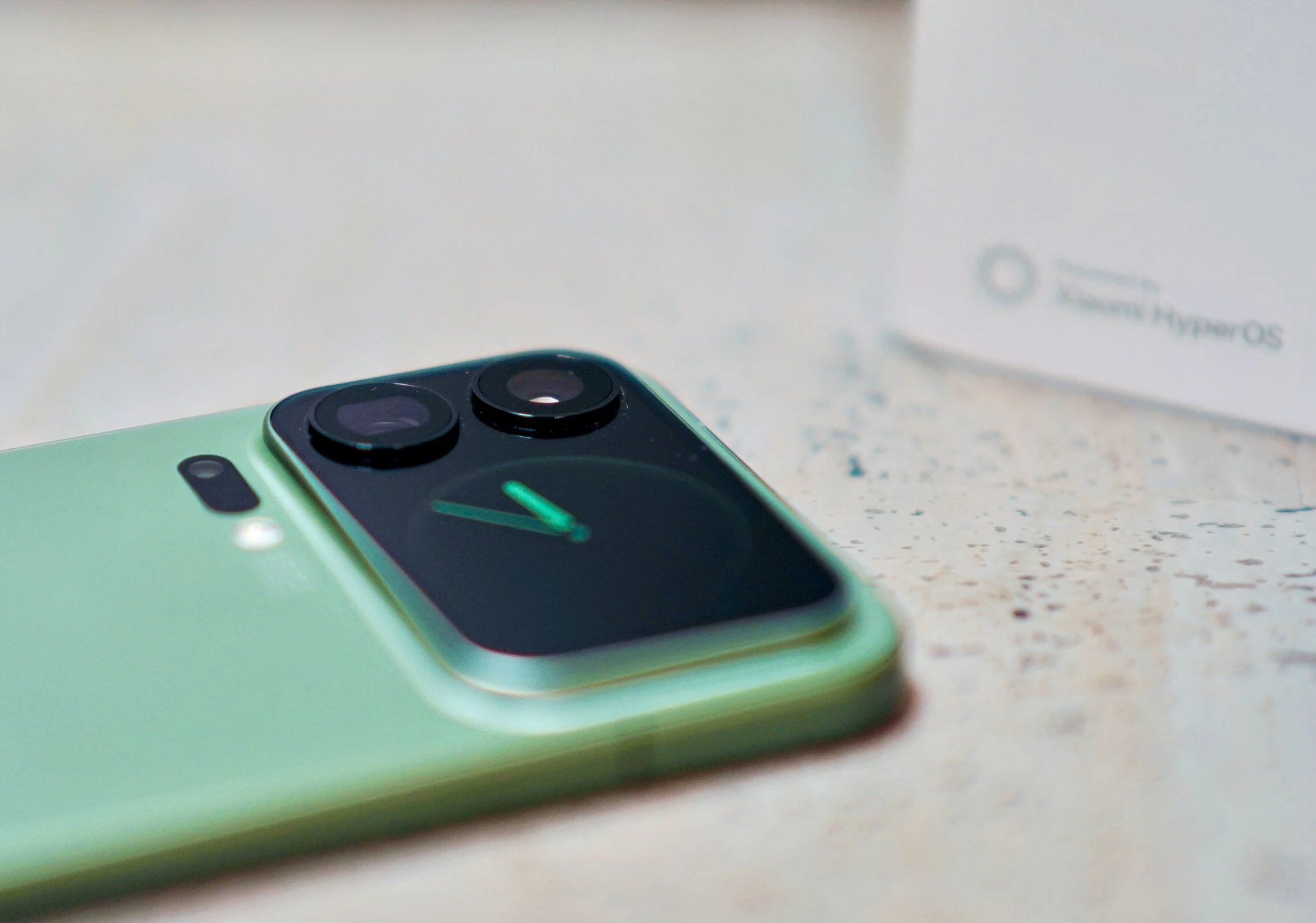
    Xiaomi is giving it another go with a back screen in their 17 series, which isn’t available worldwide just yet. We recently examined the Xiaomi 17 Pro Max and looked at this unique attribute. The main use for this feature is likely its role as a viewfinder for the rear camera. This allows users to capture selfies or videos using the high-quality rear camera while being able to see themselves as they do it.

    Extra Functions

    Xiaomi has also incorporated this display for notifications, which is handy if the phone is placed face down on a table. Additionally, it can show the time and includes some always-on display (AoD) functions, like a pedometer.

    However, a key question is whether developers will create their own widgets for this second screen or if other types of support will emerge. While Xiaomi is a significant player in the market and the 17 series is likely to perform well, the Pro models (which are the only ones featuring the second screen) are probably not going to be launched globally. This raises doubts about how much Xiaomi will invest in this feature moving forward.

    Future of the Feature

    There may be a way to adapt apps designed for foldable devices, but currently, there are very few applications that would genuinely enhance the experience with the second screen.

    The Xiaomi 17 Pro Max is an impressive device priced at just under $1,090 for direct import from TradingShenzhen. Deciding whether to purchase it for the second screen largely depends on how often you take selfies or selfie videos with your phone.

  • Xiaomi Redmi K90 Pro Max Highlights Snapdragon 8 Elite Gen 5 Camera

    Xiaomi Redmi K90 Pro Max Highlights Snapdragon 8 Elite Gen 5 Camera

    Key Takeaways

    1. The Redmi K90 Pro Max will be fully unveiled in China on October 23, 2025, with a global release expected as the Poco F8 Ultra.
    2. It features a 50 MP main camera with a 1/1.31-inch sensor, promising good dynamic range.
    3. The ultrawide camera is also a 50 MP sensor, maintaining detail and color accuracy.
    4. The telephoto camera offers 5x optical zoom and 10x “lossless zoom,” producing highly detailed images.
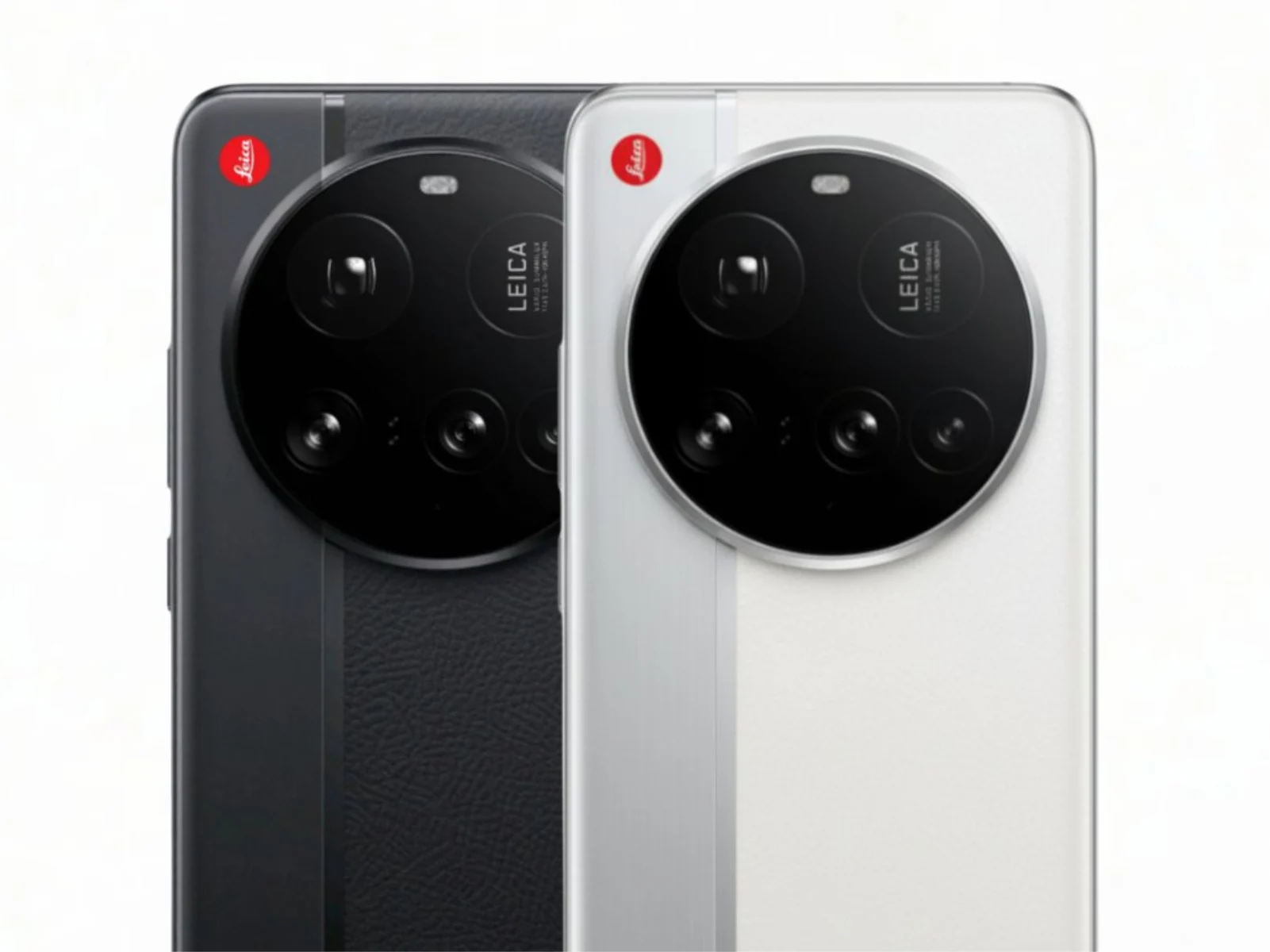
    5. While the Xiaomi 17 Pro Max has Leica tuning advantages, the Redmi K90 Pro Max is still expected to capture quality images, though pre-launch samples should be viewed with caution.


    Xiaomi is set to fully reveal the Redmi K90 Pro Max in China on October 23, 2025. While there’s no official date for its global release, it is anticipated that the phone will debut outside of China as the Poco F8 Ultra. The brand has already shared several exciting details about this flagship device through recent promotional teasers, including a 2.1 Bose-tuned speaker system.

    Camera Features Highlighted

    In a recent promotional post, Xiaomi highlighted the camera features of the forthcoming Snapdragon 8 Elite Gen 5 smartphone. The Redmi K90 Pro Max will sport a 1/1.31-inch 50 MP main camera, identical to that of the Xiaomi 17 Pro Max (which can be imported from TradingShenzhen). The samples released indicate that this camera offers a commendable dynamic range.

    Ultrawide and Telephoto Specs

    The ultrawide sensor has also been confirmed as the same 50 MP ultrawide that is seen in the Xiaomi 17. Among the shared images, there seems to be just one photo taken with this sensor, showcasing its ability to preserve details and colors quite effectively.

    On the telephoto front, Xiaomi has disclosed that the Redmi K90 Pro Max will include a telephoto sensor capable of 5x optical zoom and 10x “lossless zoom.” The zoomed images in the samples suggest that this sensor can deliver highly detailed photos, and the portrait images appear to be quite impressive as well.

    Comparison with Xiaomi 17 Pro Max

    Although the Xiaomi 17 Pro Max may have a slight advantage over the Redmi K90 Pro Max due to its Leica tuning, the samples indicate that the new phone has sufficient capability to take quality images. However, it’s wise to remain somewhat skeptical about these pre-launch camera samples, as companies often do not provide completely accurate representations of their products.

    Source:
    Link


  • Xiaomi 18 Series to Feature Rear Screen in Next Year’s Release

    Xiaomi 18 Series to Feature Rear Screen in Next Year’s Release

    Key Takeaways

    1. The Xiaomi 17 series features notable rear screens on the Pro and Pro Max models, which some see as a gimmick.
    2. Xiaomi plans to continue developing rear screen technology for future devices, with the next series possibly named Xiaomi 18.
    3. Improvements are expected in rear screen functionality, particularly with better app support.
    4. The standard Xiaomi 17 is likely to have a global launch, but the Pro variants with rear screens may not be available outside China.
    5. More information regarding the rear screens and their app integration is anticipated in the coming months.


    The new Xiaomi 17 series is notable for the rear screens featured on the Xiaomi 17 Pro and Xiaomi 17 Pro Max. While some people see this as just a gimmick, Xiaomi seems determined to keep this design element around.

    Future Plans for Rear Screens

    Xiaomi President Lu Weibing confirmed during a livestream yesterday that the company will keep working on the rear screens for next year’s devices. The upcoming flagship series is expected to be called the Xiaomi 18, although leaker Digital Chat Station suggests that the name “Xiaomi 18” might just be a temporary label for now.

    Improvements on the Horizon

    Besides maintaining the rear screen feature in future models, Xiaomi aims to enhance this aspect, likely by adding better app support. While the standard Xiaomi 17 will almost certainly see a global launch, it’s still uncertain if the two “Pro” variants with rear screens will be available outside China. This is particularly important as these rear displays will need to integrate with various apps and services that are more popular outside of China. We should get more information on this in the next few months.

    Source:
    Link


  • Vivo X300 Pro Beats Snapdragon 8 Elite Gen 5 in Benchmarks

    Vivo X300 Pro Beats Snapdragon 8 Elite Gen 5 in Benchmarks

    Key Takeaways

    1. Vivo launched the X300 series with the MediaTek Dimensity 9500 flagship chipset.
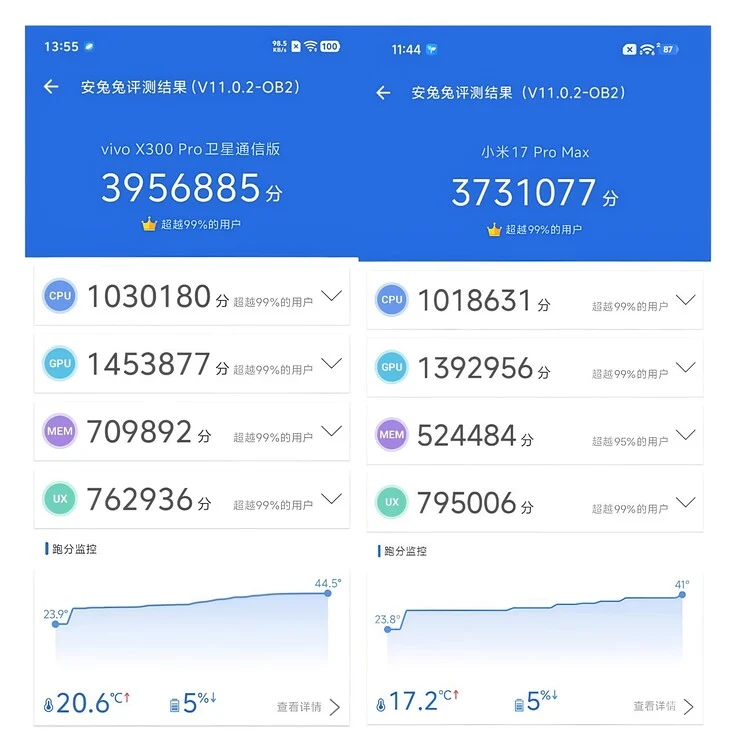
    2. Recent benchmarks show the Vivo X300 Pro outperformed the Xiaomi 17 Pro Max in AnTuTu scores.
    3. The Vivo X300 Pro excelled in CPU, GPU, and Memory tests, despite a smaller battery.
    4. Both devices experienced a 5% drop in battery life during testing.
    5. Other brands, like OnePlus and Honor, will soon release devices featuring the Snapdragon 8 Elite Gen 5 chipset.


    Vivo introduced the Vivo X300 series this week, marking the debut of the MediaTek Dimensity 9500 flagship chipset in smartphones. Although initial benchmarks from MediaTek’s test device suggested it fell short compared to Qualcomm’s offerings, more recent tests show the situation may not be so straightforward.

    Benchmark Results

    AnTuTu benchmark scores for the Vivo X300 Pro and the Xiaomi 17 Pro Max, which runs on the Snapdragon 8 Elite Gen 5, have been released. Both phones were evaluated under similar conditions, and surprisingly, the Vivo X300 Pro outperformed the Xiaomi with a score of 3,956,885 compared to the Xiaomi’s 3,731,077. Notably, this Xiaomi score is even higher than its ranking on AnTuTu’s current leaderboard.

    Performance Comparison

    The Vivo X300 Pro achieved better results in CPU, GPU, and Memory assessments, though the differences were minimal. Interestingly, both devices experienced a 5% drop in battery life, even though the Vivo has a notably smaller battery. On the plus side, the Xiaomi 17 Pro Max maintained a cooler temperature during testing.

    As previously mentioned, the new Xiaomi 17 series may not fully showcase the capabilities of Qualcomm’s Snapdragon 8 Elite Gen 5. Fortunately, other brands like OnePlus and Honor are set to launch devices featuring this chipset this month. Honor has even provided a sneak peek of the Snapdragon 8 Elite Gen 5’s true capabilities in the MagicPad3 Pro.

    Source:
    Link


  • Oppo Find X9 Pro Outperforms Xiaomi 17 Pro Max in Battery Tests

    Oppo Find X9 Pro Outperforms Xiaomi 17 Pro Max in Battery Tests

    Key Takeaways

    1. Xiaomi’s 17 Pro Max has a 7500 mAh battery but only slightly outperforms its Apple competitor in battery drain tests.
    2. Oppo’s upcoming Find X9 Pro shows strong potential for superior battery performance, currently leading in endurance tests.
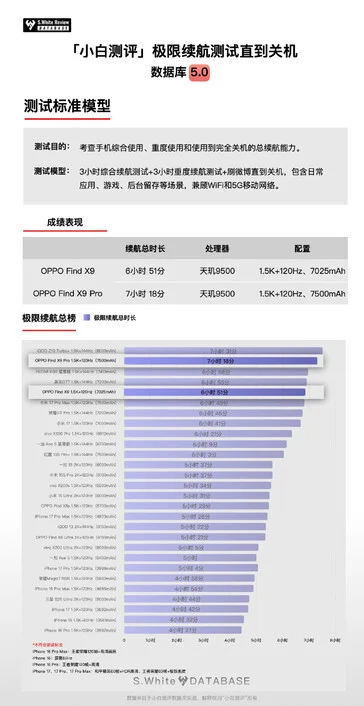
    3. In recent tests, the Find X9 Pro lasted 7 hours and 18 minutes, while the iQOO Z10 Turbo+ ran for 7 hours and 31 minutes with an 8000 mAh battery.
    4. The standard Find X9 outperformed the Xiaomi 17 Pro Max despite having a smaller 7025 mAh battery, lasting 6 hours and 51 minutes compared to Xiaomi’s 6 hours and 49 minutes.
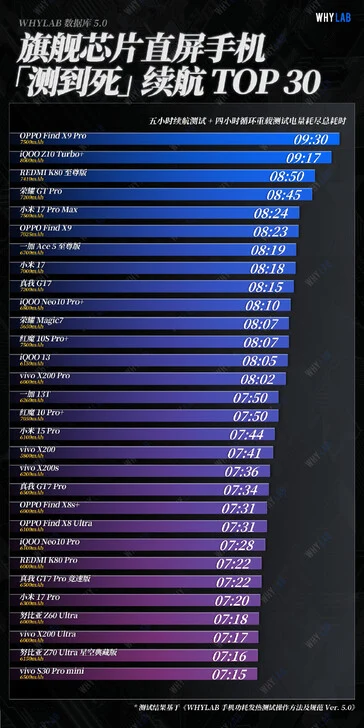
    5. Additional tests by WhyLab confirm the Find X9 Pro’s lead, with a runtime of 9 hours and 30 minutes versus Xiaomi’s 8 hours and 24 minutes.


    In a recent battery drain test, Xiaomi’s new 17 Pro Max, despite having a battery that is 55% larger, just barely surpassed its Apple competitor. The Xiaomi flagship is currently leading its category, boasting an impressive 7500 mAh battery, but this might soon change.

    Testing the Competition

    According to Novice Evaluation, Oppo’s Find X9 Pro might present superior battery performance compared to other flagship devices available now. Although the Find X9 series has not officially launched yet, both the Find X9 and Find X9 Pro are undergoing testing in China. The Find X9 Pro has emerged as the leader in battery endurance tests.

    Impressive Results

    In these tests, the Find X9 Pro achieved a total of 7 hours and 18 minutes, narrowly missing out to the iQOO Z10 Turbo+, which runs for 7 hours and 31 minutes. The Oppo phone features a 7,500 mAh battery, similar to that of the Xiaomi 17 Pro Max, while the iQOO includes an 8,000 mAh battery. To further highlight Xiaomi’s questionable battery performance, the standard Find X9 lasts 6 hours and 51 minutes compared to the 6 hours and 49 minutes of the Xiaomi 17 Pro Max, even though it has a smaller 7,025 mAh battery. It’s important to point out that the Find X9 is also the smaller of the two devices. For reference, the iPhone 17 Pro Max only lasts 5 hours and 26 minutes.

    Consistent Findings

    A similar series of tests conducted by WhyLab confirms the earlier results. The Find X9 Pro leads again, with a total run time of 9 hours and 30 minutes, while the Xiaomi 17 Pro Max only manages 8 hours and 24 minutes.

    Source:
    Link