Tag: Xiaomi 17 Pro Max

  • Camera Specifications for Xiaomi 17 Pro Max, Vivo X300 Pro, Honor Magic8 Pro, Oppo Find X9 Pro

    Camera Specifications for Xiaomi 17 Pro Max, Vivo X300 Pro, Honor Magic8 Pro, Oppo Find X9 Pro

    Key Takeaways

    1. Xiaomi has launched the Xiaomi 17 Pro and Xiaomi 17 Pro Max in China, with availability expected next week.
    2. The comparison of these models highlights missing details, such as the 50 MP ultra-wide-angle lens and unique photographic styles from Xiaomi’s camera partners.
    3. The new models feature advanced sensor technology, like the Sony LYT-828, enhancing HDR imaging capabilities.
    4. Significant differences in telephoto lenses are noted, particularly in sensor size and aperture across competing models.
    5. Xiaomi 17 Pro Max has the smallest telephoto sensor size, while other devices like the Oppo Find X9 Pro include additional sensors for improved performance.


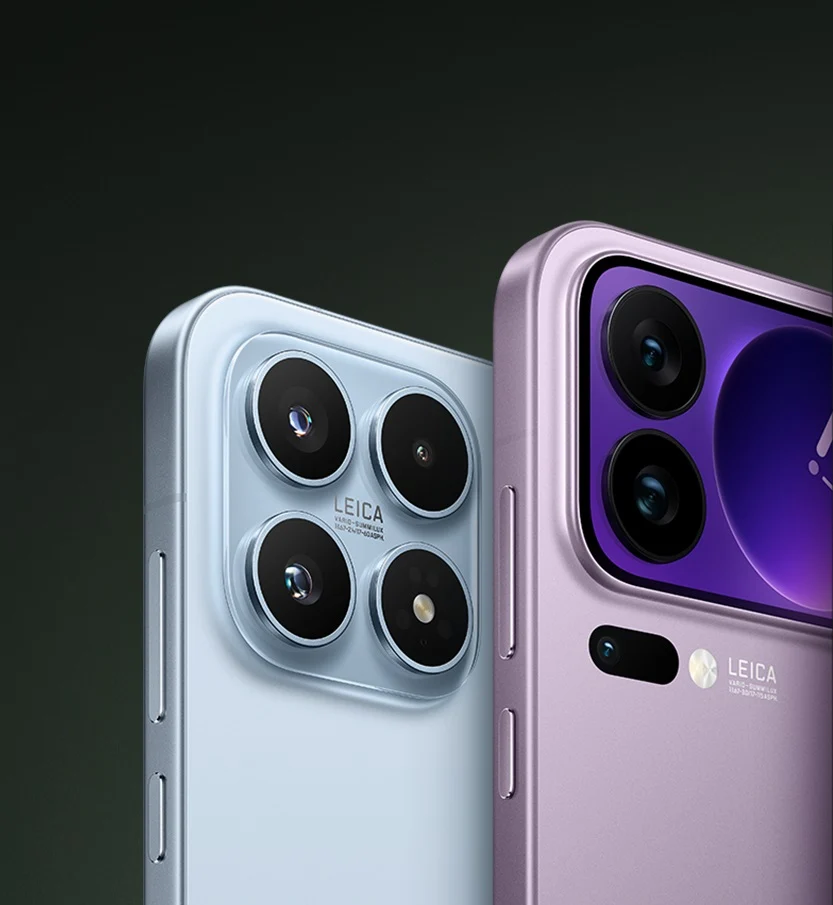
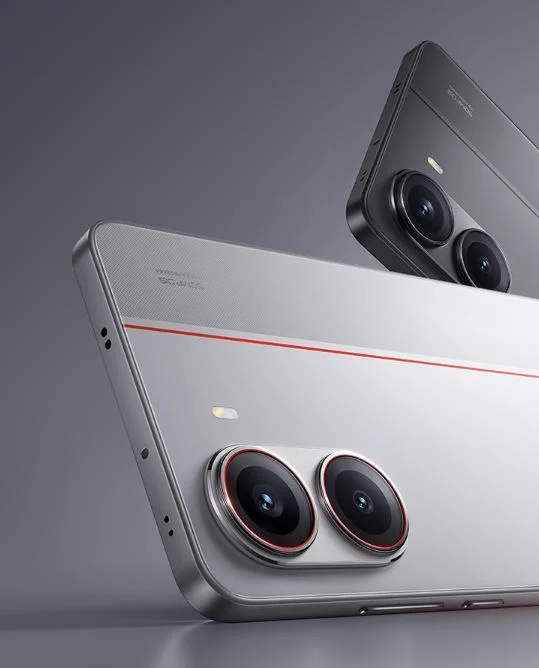
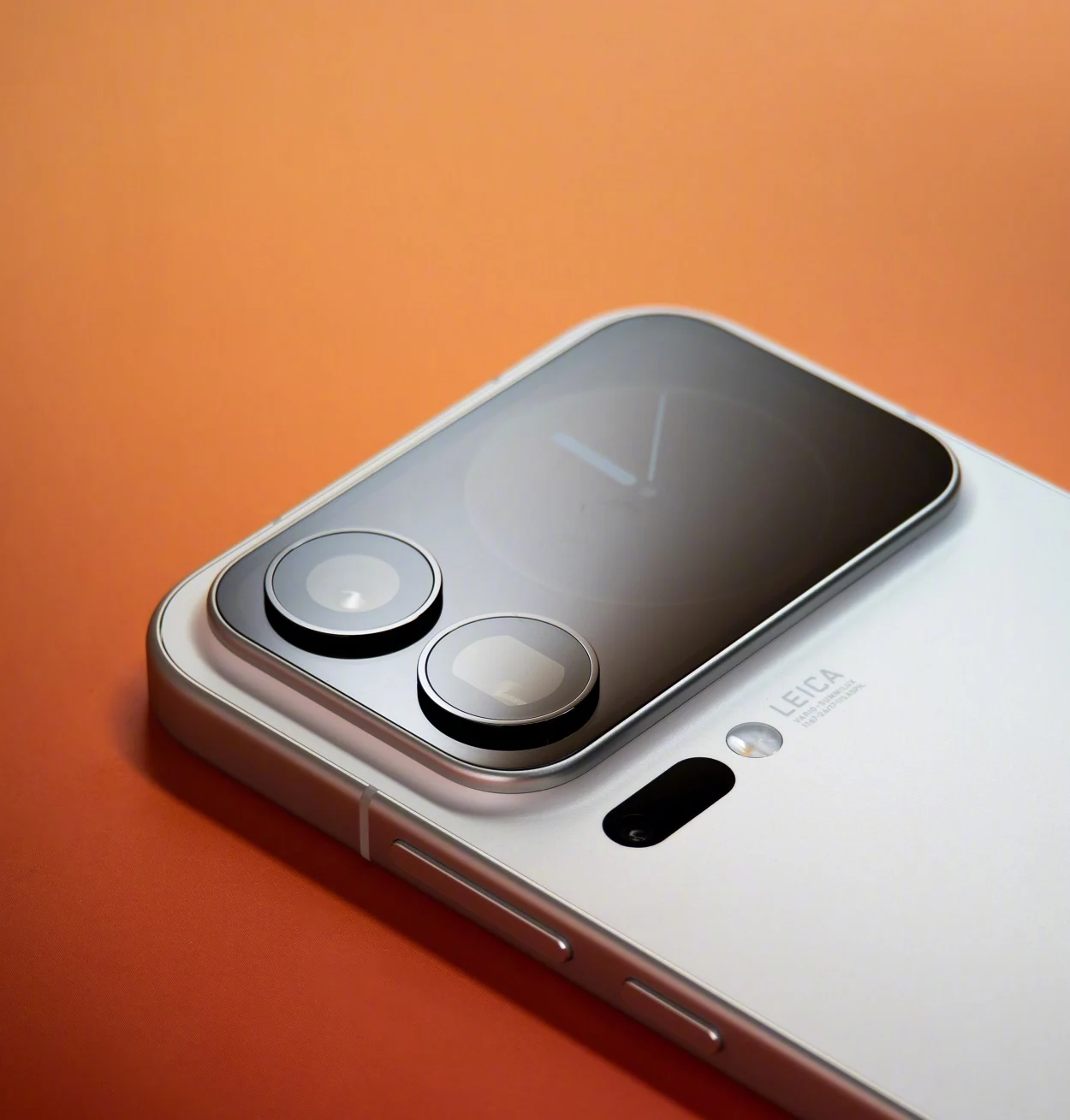
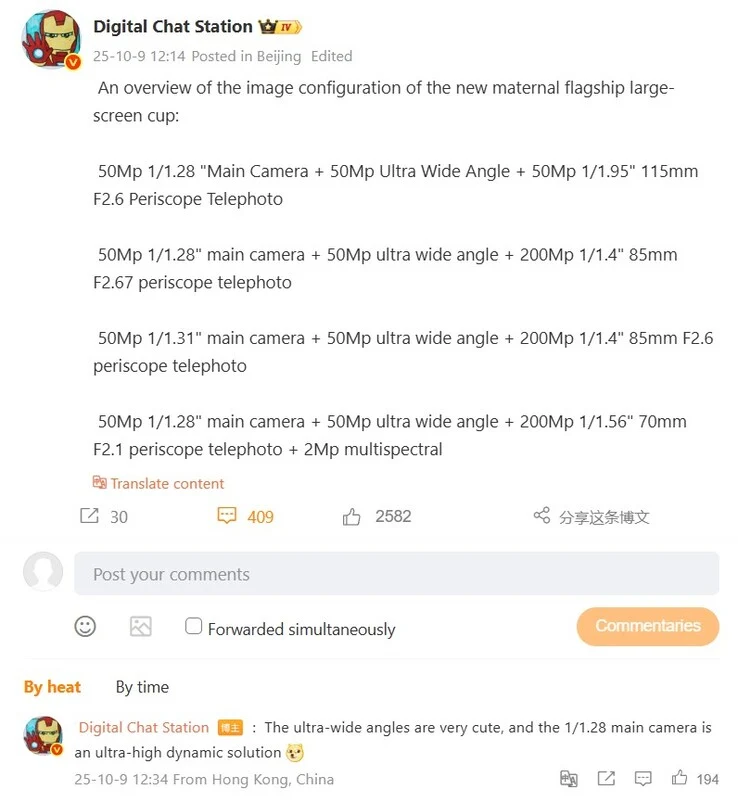
    Xiaomi has recently introduced the Xiaomi 17 Pro and Xiaomi 17 Pro Max in China, with availability expected next week. It’s time to explore the differences in the cameras of these upcoming flagship models compared to the Leica camera featured in the Xiaomi 17 Pro Max, which has already been detailed. A Chinese blogger and leaker known as Digital Chat Station shared a list of technical specifications for four leading smartphones on Weibo for comparison, though the exact names of these devices were not disclosed.

    Unveiling the Mystery

    Solving this mystery is not too difficult if we look back at the leaks from the last few weeks. One notable detail missing from the specs comparison is the 50 MP ultra-wide-angle lens, which has been described as quite “cute,” according to one observer. Additionally, the unique photographic styles shaped by Xiaomi’s camera partners—Vivo, Oppo, and soon Realme—like Leica, Zeiss, Hasselblad, and Ricoh GR, are not considered in this comparison. For those who want to analyze the specifications in relation to the flagship cameras, there’s still a chance to do so before we delve into the details below.

    Enhanced Sensor Technology

    A key benefit of all these models compared to their predecessors is the advanced sensor technology utilized in the main camera. This includes sensors like the Sony LYT-828, which offers 10.5 f-stops of dynamic range for the first time, aimed at improving HDR imaging in challenging lighting situations. Except for the Honor Magic8 Pro, which has a 1/1.31-inch main camera sensor, all other devices feature a 1/1.28-inch sensor. Xiaomi uses the SC590XS from SmartSens, branded as Light Hunter 950L, while both Vivo and Oppo rely on the aforementioned Sony sensor.

    Differences in Telephoto Lenses

    From the comparison provided, the most significant variations are found in the periscope telephoto lens. The Vivo X300 Pro and Honor Magic8 Pro boast the largest sensor, yet they have a smaller aperture than Oppo, which comes with a slightly smaller 200 MP sensor but an F/2.1 aperture. The equivalent focal lengths differ notably: 70mm for Oppo, 85mm for Vivo and Honor, and 115mm for the Xiaomi 17 Pro Max, which also has the smallest sensor of the group. Moreover, the Oppo Find X9 Pro includes an additional fourth sensor that serves as a color sensor.

    Source:
    Link


  • Xiaomi 17 Pro Max vs iPhone 17 Pro Max Battery Life Comparison

    Xiaomi 17 Pro Max vs iPhone 17 Pro Max Battery Life Comparison

    Key Takeaways

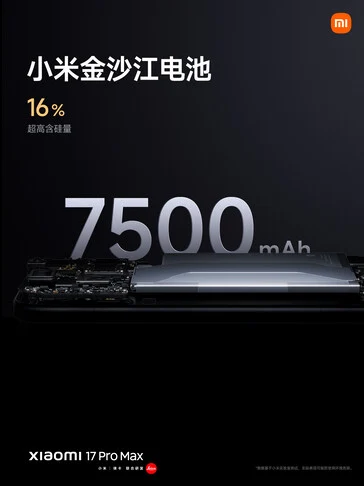
    1. Chinese smartphone brands like Oppo, Vivo, Xiaomi, and OnePlus are increasingly using larger battery cells, with the Xiaomi 17 Pro Max featuring a 7,500 mAh Silicon-Carbon battery.
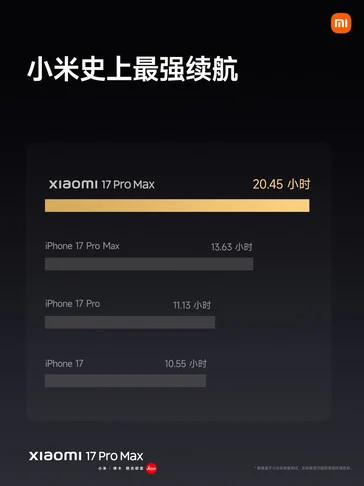
    2. Despite its large battery, the Xiaomi 17 Pro Max does not outperform competitors like the iPhone 17 Pro Max and Galaxy S25 Ultra in battery longevity tests.
    3. Tests showed that the Xiaomi 17 Pro Max only outlasted the iPhone 17 Pro Max by about 5 minutes, despite the iPhone’s smaller 4,823 mAh battery.
    4. The underperformance of the Xiaomi 17 Pro Max may be attributed to a lack of optimization compared to Apple’s efficient hardware and software integration.
    5. Battery life test results should be interpreted cautiously, as various factors can influence accuracy, and the Xiaomi 17 Pro Max performs well in other areas like gaming.


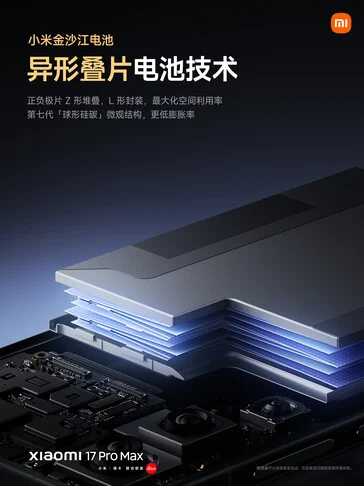
    Since the rise of Silicon-Carbon batteries, Chinese smartphone manufacturers like Oppo, Vivo, Xiaomi, and OnePlus have been stuffing their devices with bigger battery cells. The newest flagship models emerging from China continue this pattern. The Xiaomi 17 Pro Max, for example, boasts a gigantic 7,500 mAh Silicon-Carbon battery.

    Comparison with Competitors

    With such a hefty 7,500 mAh battery, one would think the Xiaomi 17 Pro Max would easily outlast competitors like the Galaxy S25 Ultra (5,000 mAh) and the Apple iPhone 17 Pro Max (4,823 mAh). Yet, battery longevity tests from TechDroider reveal a different story, showing that the Xiaomi 17 Pro Max doesn’t quite measure up.

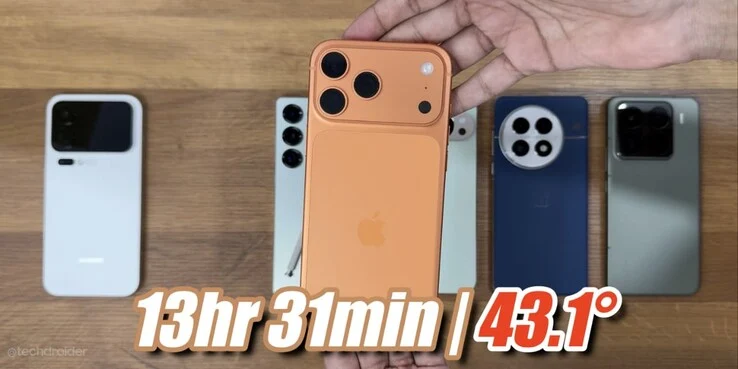
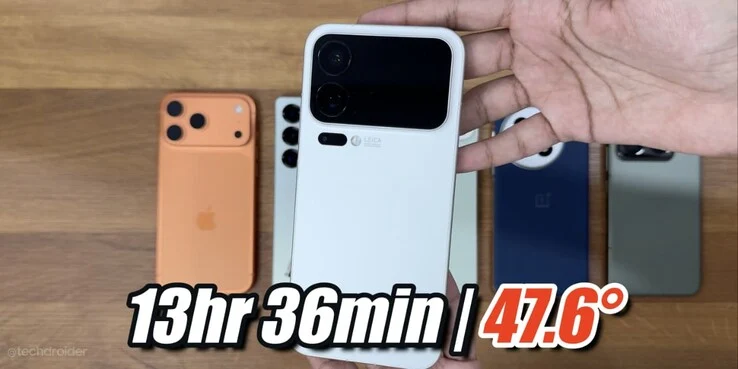
    TechDroider conducted a battery endurance test comparing the Xiaomi 17 Pro Max with the iPhone 17 Pro Max, Galaxy S25 Ultra, Pixel 10 Pro XL, Xiaomi 15 Pro, and OnePlus 13. The test was structured as follows:

    Results of the Testing

    At the conclusion of the testing phase, the runtimes for each device were as follows:

    When examining these figures, it becomes evident that the Xiaomi 17 Pro Max fails to utilize its massive 7,500 mAh battery effectively. It only outlasted the Apple iPhone 17 Pro Max by roughly 5 minutes, despite the iPhone having a battery that is 36% smaller. This is likely due to Apple’s efficient A19 Pro SoC and the seamless optimizations in iOS.

    While the reason behind the Xiaomi 17 Pro Max’s underwhelming performance isn’t entirely clear, it’s likely that Xiaomi still has significant optimization work ahead of them.

    Final Thoughts

    Before concluding, it’s worth noting that TechDroider’s battery life tests involve many factors that the YouTuber cannot fully manage. Hence, such testing may come with inaccuracies. Therefore, it’s wise to take these results lightly, especially since we’ve seen the Xiaomi 17 Pro Max perform admirably against the iPhone 17 Pro Max in terms of gaming and efficiency.

    Source:
    Link


  • Xiaomi 17 Series Achieves Sales Milestone, Global Release Uncertain

    Xiaomi 17 Series Achieves Sales Milestone, Global Release Uncertain

    Key Takeaways

    1. Xiaomi launched the 17 series smartphones in China, featuring the new Qualcomm Snapdragon 8 Elite Gen 5 chipset.
    2. Sales of the Xiaomi 17 series surpassed one million units within just one week of release.
    3. The rear screen feature has improved since its introduction with the Mi 11 Ultra and is exclusive to the Xiaomi 17 Pro and Pro Max models.
    4. There are rumors that the Xiaomi 17 Pro and Pro Max may not be released in global markets.
    5. Recent Pro models from Xiaomi have mostly been limited to the Chinese market.


    Xiaomi introduced its latest Xiaomi 17 series smartphones last week in China, marking them as the first models to use Qualcomm’s Snapdragon 8 Elite Gen 5 chipset. According to the CEO, Lu Weibing, the sales figures for these phones seem to be promising.

    Sales Success

    Lu Weibing shared on his Weibo account that Xiaomi has sold over one million units of the Xiaomi 17 series in China. The phones became available for purchase on September 27, indicating that Xiaomi reached this achievement in just one week. This impressive milestone was accomplished quicker than what was seen with the Xiaomi 15 series last year.

    Unique Features

    The Xiaomi 17 series has garnered significant media attention, particularly due to its rear screen, a feature that Xiaomi first tried with the Mi 11 Ultra in 2021. However, the implementation on the new models is seen as much better. It’s important to note that this special feature is only found on the Xiaomi 17 Pro and Xiaomi 17 Pro Max. Rumors suggest that these two models might not be launched globally, unlike the standard Xiaomi 17.

    Market Speculation

    Earlier reports hinted at this possibility, and it seems to be supported by the leaker Chunvn8888 on X. This reliable source suggests that the Xiaomi 17 Pro and the larger 17 Pro Max are not set to be made available in global markets. This wouldn’t be too surprising, considering that recent Pro models have mostly been limited to China.

    Source:
    Link


  • Redmi Turbo 5, Realme Neo8, OnePlus Turbo to Have Huge Batteries

    Redmi Turbo 5, Realme Neo8, OnePlus Turbo to Have Huge Batteries

    Key Takeaways

    1. Significant improvements in smartphone battery sizes are ongoing, with the Xiaomi 17 Pro Max featuring a 7,500 mAh battery.
    2. Realme, OnePlus, and Xiaomi are developing smartphones with batteries up to 8,000 mAh.
    3. Realme’s upcoming model, the Realme Neo8, will follow the Neo7 and come with a 7,000 mAh battery.
    4. OnePlus is expected to release a mid-range model, potentially called the OnePlus Turbo, featuring an 8,000 mAh battery and Snapdragon 8 Gen 5 chip.
    5. Xiaomi’s anticipated Redmi Turbo 5 may launch next year in China, possibly marketed as the Poco X8 Pro globally, but with a smaller battery than the Chinese version.


    The past year has witnessed significant improvements in smartphone battery sizes, and this trend seems poised to keep going. Recently, the Xiaomi 17 Pro Max was released, boasting a 7,500 mAh battery. Additionally, a recent leak suggests that other manufacturers are developing devices featuring 8,000 mAh batteries.

    Upcoming Devices

    According to Smart Pikachu, Realme, OnePlus, and Xiaomi are all preparing to launch smartphones equipped with batteries in the 8,000 mAh range. For Realme, this new model will be the Realme Neo8, which directly follows the Realme Neo7 that was introduced at the end of 2024 and came with a 7,000 mAh battery.

    OnePlus and Its Mystery Model

    As for OnePlus, it’s still unknown which specific model will include an 8,000 mAh battery, but the latest details suggest it might be the anticipated OnePlus Turbo. This phone is expected to target the mid-range segment with a focus on performance, likely featuring a Snapdragon 8 Gen 5 chip. There’s also a possibility that it could belong to the OnePlus Ace6 lineup.

    Xiaomi’s Future Plans

    Finally, Xiaomi is also expected to release a similar device, although this is likely to happen next year with the introduction of the Redmi Turbo 5 in China. Based on trends from earlier models, this phone may be sold as the Poco X8 Pro worldwide, but it’s anticipated to have a smaller battery compared to its Chinese version, which has been typical for Xiaomi’s product launches.

    Source:
    Link


  • Snapdragon 8 Elite Gen 5 Outperforms Apple A19 Pro in Gaming

    Snapdragon 8 Elite Gen 5 Outperforms Apple A19 Pro in Gaming

    Key Takeaways

    1. The Snapdragon 8 Elite Gen 5 is Qualcomm’s most advanced smartphone SoC, powering the Xiaomi 17 series.
    2. The Xiaomi 17 Pro Max outperforms the iPhone 17 Pro Max in gaming benchmarks, achieving higher frame rates in Wuthering Waves and Honkai Impact 3rd.
    3. The Xiaomi 17 Pro Max is more power-efficient, consuming less power than the iPhone 17 Pro Max during gameplay.
    4. The Xiaomi device operates at slightly higher resolutions while maintaining better performance metrics.
    5. The Xiaomi 17 Pro Max runs cooler during testing, with lower peak temperatures compared to the iPhone 17 Pro Max.


    The Snapdragon 8 Elite Gen 5 stands out as Qualcomm’s most advanced smartphone system on a chip (SoC) to date. Building upon the Snapdragon 8 Elite, it fuels the fresh Xiaomi 17 series. The Xiaomi 17 Pro Max has been evaluated in several gaming benchmarks against the A19 Pro-equipped iPhone 17 Pro Max.

    Performance in Wuthering Waves

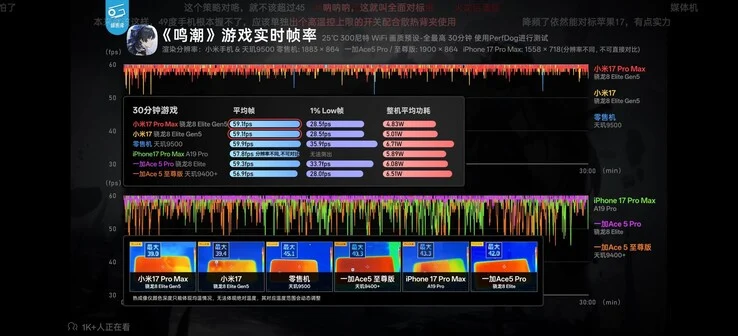
    When playing Wuthering Waves, the Xiaomi 17 Pro Max achieves an average frame rate of 59.1 FPS, slightly ahead of the iPhone 17 Pro Max’s 57.8 FPS. Even more noteworthy, the Xiaomi device consumes an average of 4.83 W of power, compared to the iPhone’s 5.89 W. It’s important to note that the Xiaomi phone operates at a marginally higher resolution than the iPhone 17 Pro Max.

    Honkai Impact 3rd Results

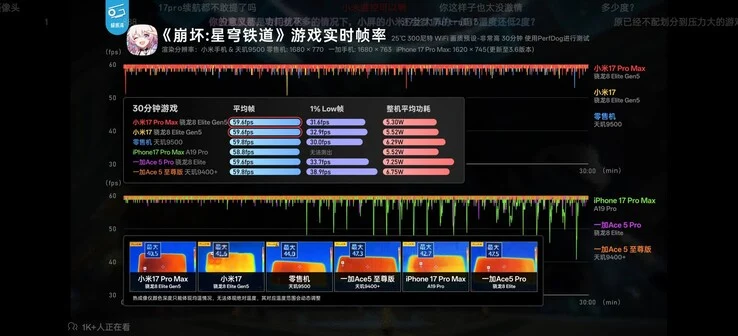
    The performance continues similarly in Honkai Impact 3rd. At the same resolution, the Xiaomi 17 Pro Max records an average of 59.6 FPS, while the iPhone 17 Pro Max lags behind at 58.8 FPS. The Snapdragon 8 Elite Gen 5 device is also more power-efficient, drawing 5.30 W compared to the iPhone’s 5.52 W.

    Temperature Comparison

    Beyond being more powerful and efficient, the Xiaomi 17 Pro Max remains cooler during testing than the iPhone 17 Pro Max. In the initial test, the Xiaomi device reaches a peak temperature of 39.0°C, while the iPhone rises to 43.3°C. In the second test, the temperatures were 40.5°C for the Xiaomi and 42.7°C for the iPhone, again highlighting the Xiaomi flagship’s advantage.

    Source:
    Link


  • Xiaomi 17 Pro Max Leica Camera Review vs iPhone 17 Pro Max, Galaxy S25 Ultra

    Key Takeaways

    1. The Xiaomi 17 Pro series has significant hardware upgrades, including the new Light Hunter 950L sensor, which improves dynamic range and nighttime performance compared to its predecessor, the Xiaomi 15 Pro.

    2. The ultra-wide-angle camera on the Xiaomi 17 series has a narrower field of view (17mm) than the previous model (14mm), along with reduced brightness when zooming in.

    3. The Xiaomi 17 Pro Max has superior telephoto capabilities, achieving better color richness and 3D effects, especially in daylight, but both models outperform the iPhone 17 Pro Max in nighttime zoom shots.

    4. The Xiaomi 17 Pro can capture macro photos at a much closer distance (20 cm) than the iPhone 17 Pro (100 cm), enhancing its telemacro capabilities.

    5. In dynamic range assessments, the Xiaomi 17 Pro Max demonstrates a clear advantage over the Samsung Galaxy S25 Ultra, while also holding its own against the iPhone 17 Pro.


    Exactly one week ago, we examined some early reviews of the iPhone 17 Pro and iPhone 17 Pro Max cameras against the Galaxy S25 Ultra. However, this weekend, our focus shifts to another pair of camera powerhouses. With the rebranding of its Xiaomi 15 successors, Xiaomi has positioned its latest devices alongside Apple. Now, the Xiaomi 17 Pro flagships equipped with Leica cameras must demonstrate their capabilities. On the hardware side, the camera sensors have undergone significant changes compared to the Xiaomi 15 Pro. Whether these enhancements result in superior photo quality will be a crucial consideration for potential customers.

    Insights from Initial Reviews

    As there are currently no global reviews of the new Xiaomi 17 series available, and embedding a Chinese video from Weibo may not be very accessible for many readers, we will primarily include screenshots from a 4K video along with images shared on social media platforms such as Weibo or X. We will also link to some of the initial hands-on impressions from popular YouTubers, though their content tends to emphasize the secondary display on the rear rather than the new Leica camera features. More YouTube content should become available in the upcoming weeks, but only the standard Xiaomi 17 is anticipated to launch in Europe, while the Xiaomi 17 Ultra is expected to arrive next year.

    Examining Camera Performance

    The screenshots featured here are sourced from a test video by a prominent smartphone reviewer in China (Xiaobai Evaluation on Weibo). In these initial sample images, the benefits of the new Light Hunter 950L sensor in the 23mm main camera of the current Leica camera flagships are clearly evident. With an impressive dynamic range of 16.5 stops, it shows significant advancements compared to the previous Xiaomi 15 Pro and the similarly sized 1/1.28-inch sensor found in the iPhone 17 Pro Max.

    During nighttime, the new Xiaomi 17 Pro duo outperforms the Xiaomi 15 Pro in terms of dynamic range.

    The subsequent set of images compares the ultra-wide-angle cameras, revealing a distinct drawback for the new Xiaomi 17 series. The field of view has decreased from the equivalent of 14mm to 17mm. Additionally, brightness has slightly diminished, which is particularly noticeable when zooming in.

    Comparing Zoom and Telephoto Capabilities

    While the ultra-wide and main cameras on the Xiaomi 17 Pro and Xiaomi 17 Pro Max are the same, the Pro Max model features a larger 1/2-inch sensor and a wider aperture for its 5x telephoto lens. In daylight conditions, this difference may not be very apparent. In flower photographs, the richer colors are noticeable, and the Xiaomi 17 series creates a more pronounced 3D effect.

    Zoom shots at night have historically posed a challenge for smartphone cameras. Unless image processing tricks are applied, this scenario clearly highlights the advantages of the two Xiaomi 17 flagships over their predecessors and the iPhone 17 Pro Max. Both rivals struggle with bright light sources, resulting in blurriness and more visible optical artifacts. The iPhone 17 Pro Max also shows limited dynamic range in its night shot results.

    The video also showcases telemacro capabilities. For the iPhone 17 Pro, the required distance to capture subjects is about 100 cm (39 inches), making true macro photography nearly impossible. In contrast, the Xiaomi 17 Pro can achieve this at just 20 cm (7.9 inches), while 30 cm (11.8 inches) is sufficient for the Xiaomi 17 Pro Max. Below, there’s a telemacro photograph comparing the two Xiaomi 17 Pro models.

    Final Thoughts on Portrait and Dynamic Range

    In concluding this camera comparison, we will examine two portrait examples taken with these devices, although the differences are likely subjective.

    The well-known leaker Ice Universe has released several comparison photos of the Xiaomi 17 Pro Max alongside its competitors. The comparison with the Samsung Galaxy S25 Ultra is especially noteworthy, as Samsung’s flagship does not perform exceptionally well in this dynamic range assessment, while Apple’s new camera flagship holds its own reasonably well.

    When evaluating pure in-image dynamic range, a clear victor emerges between the 50MP 1/1.28-inch main camera of the Xiaomi 17 Pro Max and the similarly sized 200MP 1/1.3-inch sensor of the Samsung Galaxy S25 Ultra.

    This distinction becomes even more evident when closely examining the two tree images shared earlier.

    To conclude, we would like to present a 10x zoom comparison featuring a Labubu figure, as shared by Ice Universe on Weibo. None of the phones perform poorly in this test, although Samsung’s flagship appears to be the least vibrant in direct comparison.


    Source:
    Link


  • Xiaomi 17 Pro & Pro Max: Retro Gaming Handheld Console Cases

    Xiaomi 17 Pro & Pro Max: Retro Gaming Handheld Console Cases

    Key Takeaways

    1. Xiaomi launched the Xiaomi 17, Xiaomi 17 Pro, and Xiaomi 17 Pro Max to replace the Xiaomi 15 series, aiming to compete with Apple and Google.
    2. The Xiaomi 17 features a standard design, while the Pro models include unique secondary displays for notifications and camera use.
    3. A special Retro Handheld Console Case allows the Pro models to be used as retro gaming devices, featuring dedicated gaming buttons.
    4. The Retro Handheld Console Case has a built-in 200 mAh battery, lasting up to 40 days, but it disables wireless charging for the phones.
    5. The Retro Handheld Console Case is priced at CNY 299 (about $42) in China, with no confirmation on availability in other markets.


    Earlier today, Xiaomi unveiled not only the Xiaomi 17 and Xiaomi 17 Pro but also the bigger Xiaomi 17 Pro Max. To sum it up, all three smartphones take the place of the Xiaomi 15 Pro and Xiaomi 15 (which is currently priced at $890 on Amazon), as Xiaomi aims to position its top-tier lineup to compete with Apple and Google.

    Design and Features

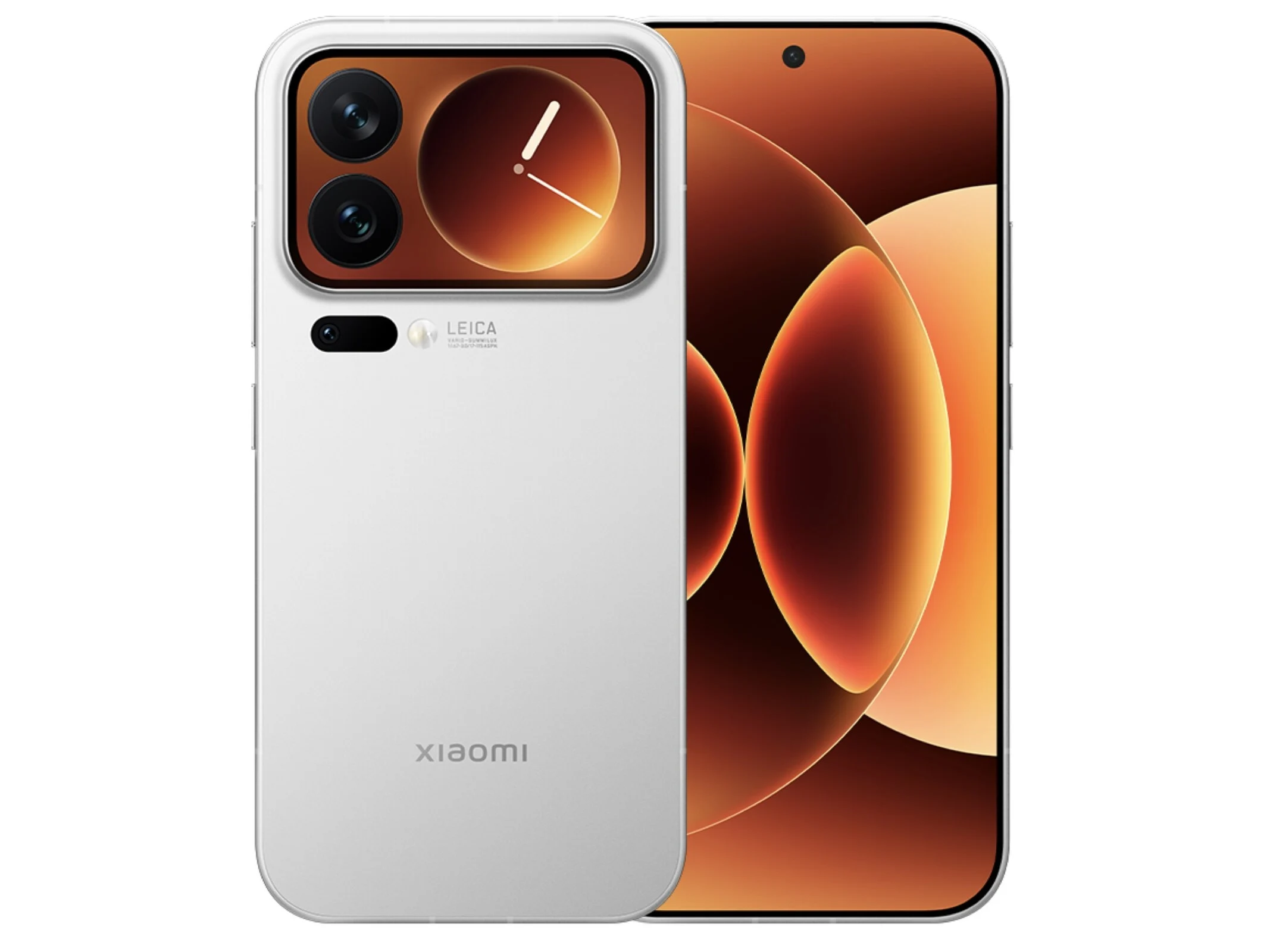
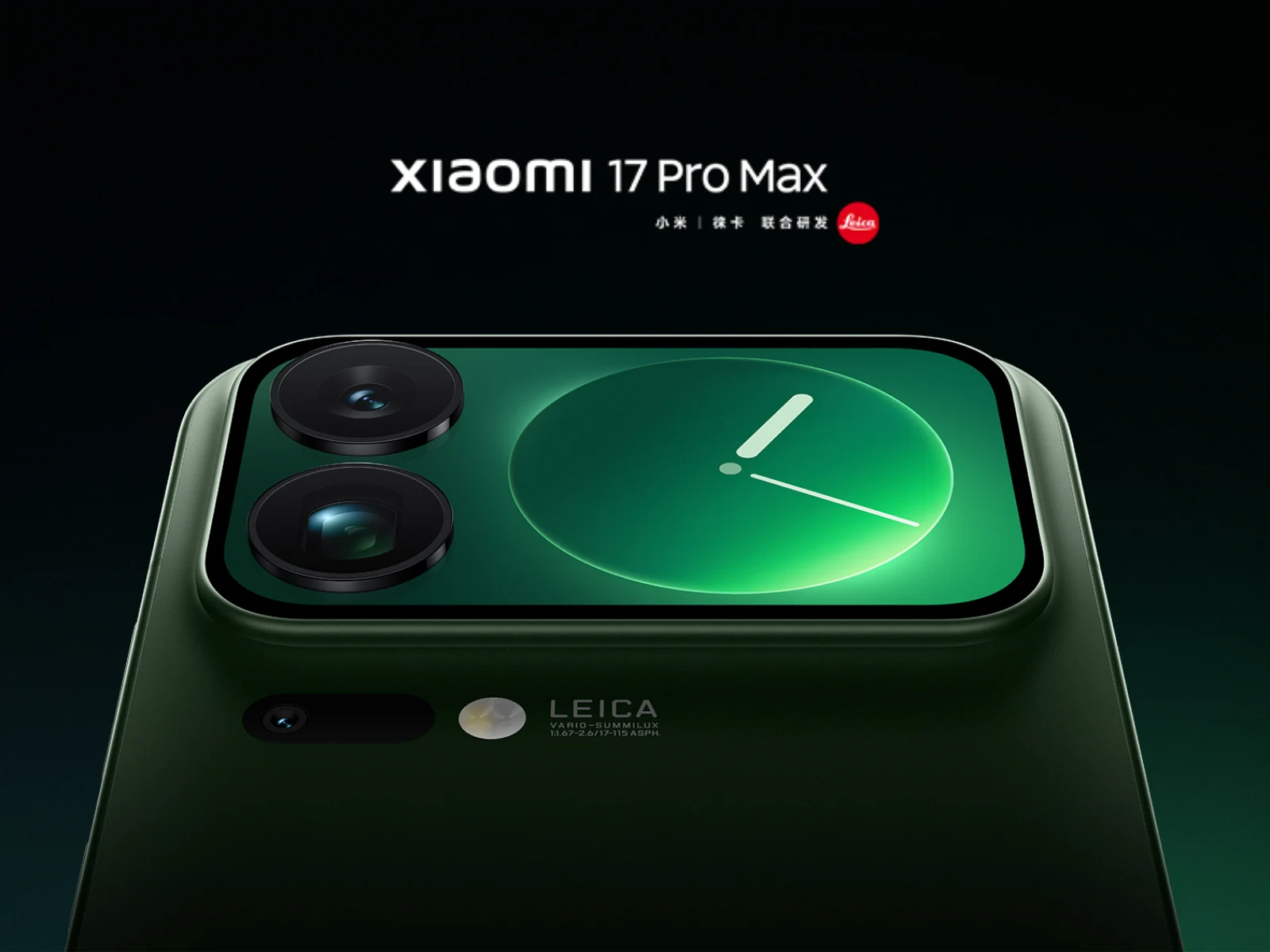
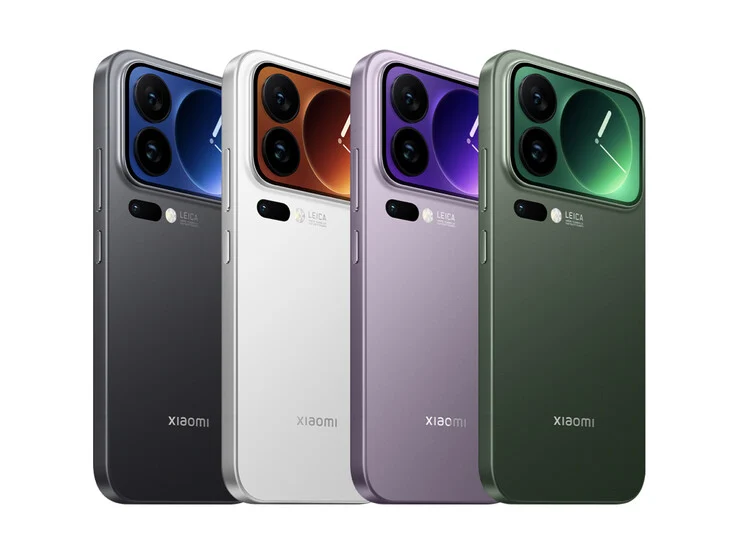
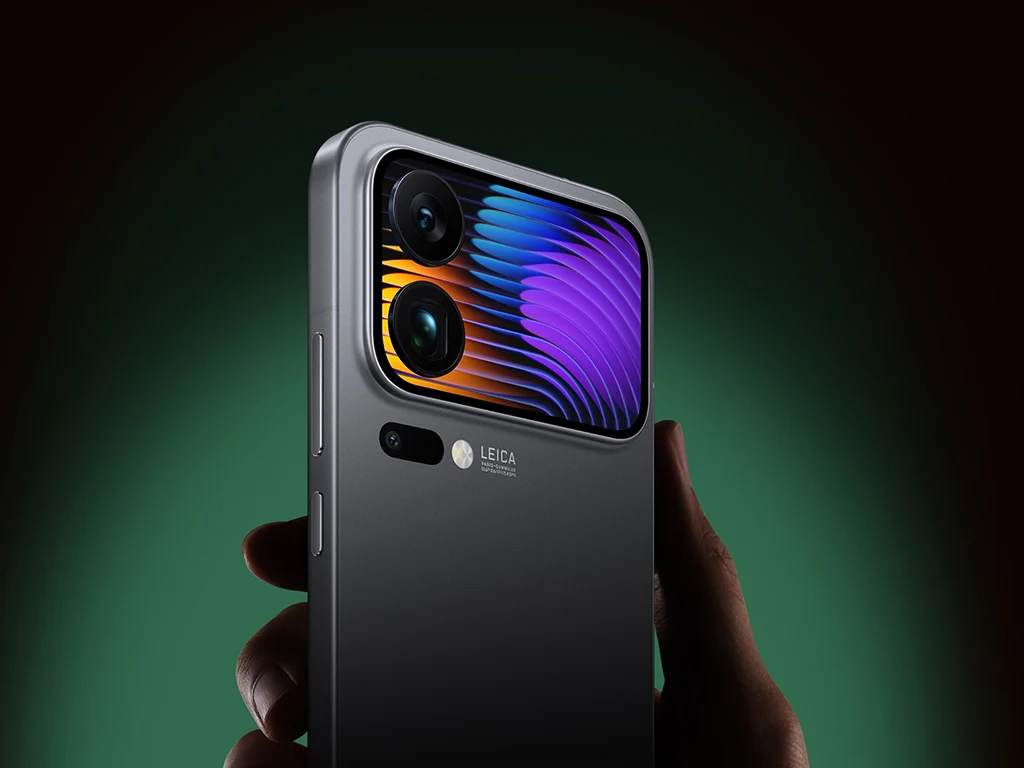
    The Xiaomi 17 is a standard candybar-style smartphone, while the Xiaomi 17 Pro and Xiaomi 17 Pro Max come packed with unique features. As discussed in earlier coverage, both of these models showcase small secondary displays that surround their rear camera setups. Xiaomi primarily promotes these secondary displays for showing incoming notifications or serving as camera viewfinders.

    Retro Gaming Experience

    In an interesting twist, Xiaomi has designed a special case that allows the Xiaomi 17 Pro and Xiaomi 17 Pro Max to function as retro gaming handhelds. Known as the Retro Handheld Console Case, this protective accessory includes ABXY buttons, a circular d-pad, along with start and select buttons. Xiaomi also added a dedicated power button that acts as a game launcher shortcut without the need to activate the main display of the Xiaomi 17 Pro or Xiaomi 17 Pro Max.

    Battery Life and Pricing

    Additionally, the Retro Handheld Console Case is equipped with a 200 mAh built-in battery, which Xiaomi claims can last up to 40 days on a single charge. However, it’s important to mention that this case prevents the Xiaomi 17 Pro and Xiaomi 17 Pro Max from being charged wirelessly. The Retro Handheld Console Case is priced at CNY 299 (approximately $42) in China. Unfortunately, it remains uncertain whether Xiaomi intends to sell the Retro Handheld Console Case in other markets.

    Source:
    Link


  • Xiaomi 17 Pro Max Launches with 7500mAh Battery to Compete with S25 Ultra and iPhone 17 Pro Max

    Xiaomi 17 Pro Max Launches with 7500mAh Battery to Compete with S25 Ultra and iPhone 17 Pro Max

    Key Takeaways

    1. New Flagship Lineup: Xiaomi launched the Xiaomi 17 and Xiaomi 17 Pro, replacing the previous Xiaomi 15 models.

    2. Competitive Positioning: The Xiaomi 17 Pro Max competes with the Galaxy S25 Ultra and iPhone 17 Pro Max, featuring a 6.9-inch LTPO AMOLED display with a resolution of 2,608 x 1,200 pixels.

    3. Advanced Battery and Charging: The Xiaomi 17 Pro Max boasts a 7,500 mAh battery with 100 W wired and 50 W wireless charging capabilities.

    4. Camera System: It includes four 50 MP cameras, with a superior telephoto lens capable of 5x zoom, and the same ultra-wide and front-facing cameras as the Xiaomi 17 Pro.

    5. Performance and Pricing: Powered by the Snapdragon 8 Elite Gen 5 chipset, the Xiaomi 17 Pro Max starts at CNY 5,999 (~$842) and offers up to 16 GB RAM and 1 TB storage options.


    Xiaomi has revealed its latest flagship smartphone lineup today, unveiling the Xiaomi 17 and Xiaomi 17 Pro. Essentially, these models take the place of last year’s Xiaomi 15 Pro and the smaller Xiaomi 15 (curr. $890 on Amazon). However, the Xiaomi 17 Pro Max is actually the true successor to the Xiaomi 15 Pro, while the Xiaomi 17 Pro is designed to compete with the iPhone 17 Pro.

    Competing Models

    In the competitive landscape, the Xiaomi 17 Pro Max stands against the Galaxy S25 Ultra and the iPhone 17 Pro Max. The dimensions of the Xiaomi 17 Pro Max are 162.9 x 77.6 x 8 mm, and it weighs in at 219 g. It is a tad taller and wider than the Xiaomi 15 Pro, yet it is slightly slimmer and maintains the same 6.9-inch display size as the iPhone 17 Pro Max. According to Xiaomi, this new LTPO AMOLED display produces a resolution of 2,608 x 1,200 pixels, just like the other models in the Xiaomi 17 series, featuring a 120 Hz refresh rate and an impressive peak brightness of 3,500 nits.

    Advanced Features

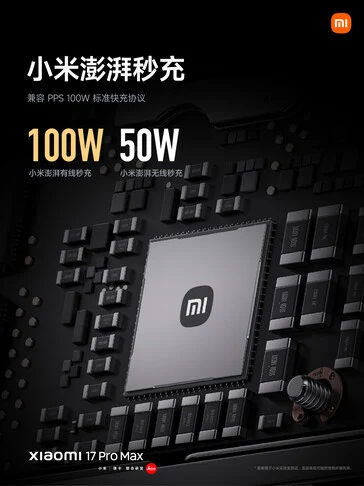
    Additionally, the Xiaomi 17 Pro Max includes a secondary display measuring 2.9 inches diagonally, boasting a resolution of 976 x 596 pixels, a 120 Hz refresh rate, and 3,500 nits peak brightness. On the battery front, the Xiaomi 17 Pro Max excels beyond its counterparts, featuring a robust 7,500 mAh capacity, with 100 W wired charging and 50 W wireless charging support.

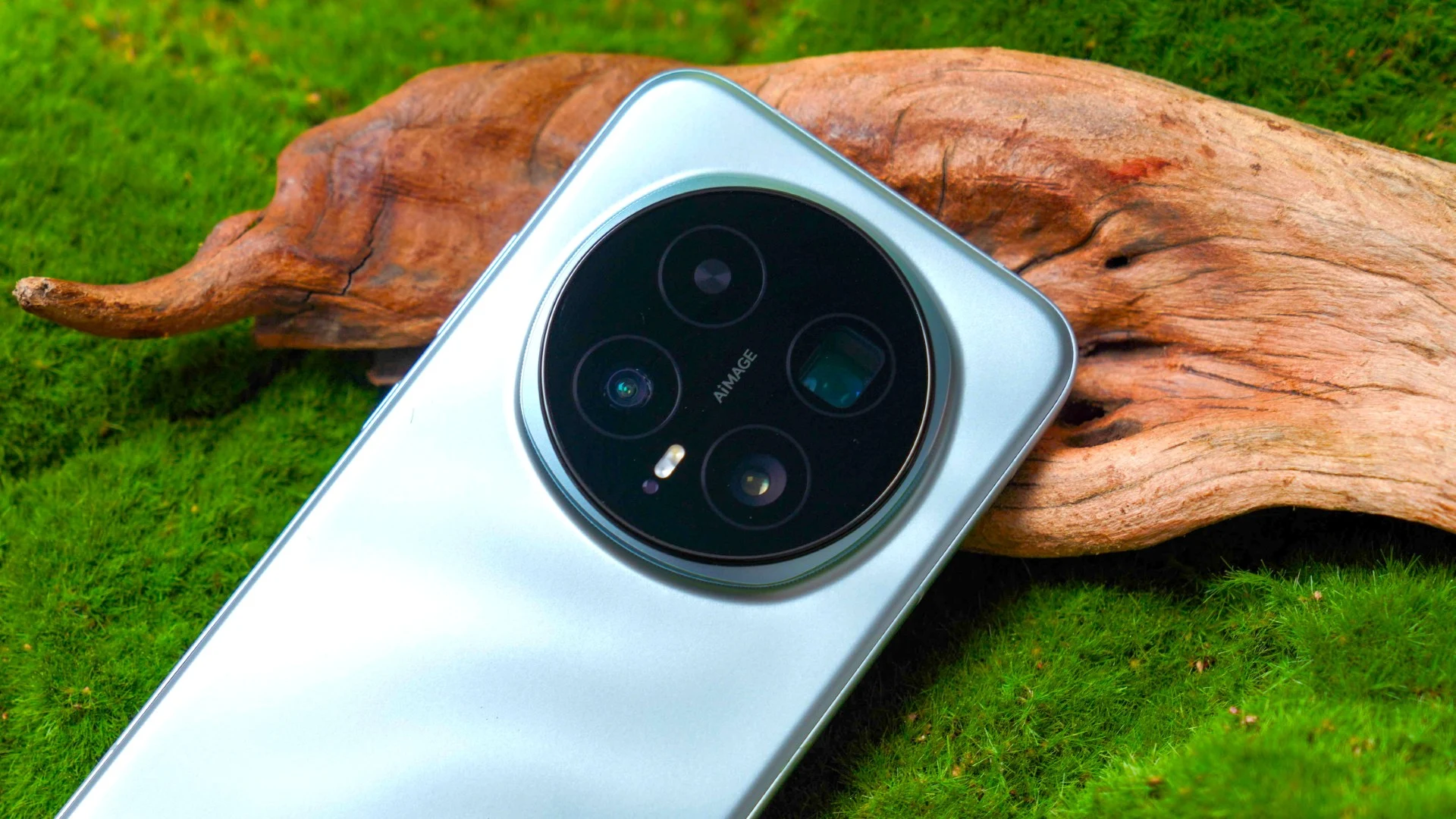
    Another noteworthy aspect is its camera system, which includes four 50 MP cameras, featuring the same Hunter 950L primary sensor found in the Xiaomi 17 Pro. The Pro Max model also has a 50 MP telephoto lens with 5x zoom similar to the Pro version. However, its 1/2-inch sensor is superior to the one in the Pro, offering an f/2.6 aperture and a macro focus mode at 30 cm. The ultra-wide-angle and front-facing cameras maintain the same specifications as those in the Xiaomi 17 Pro, offering 102° and 90° fields of view, respectively.

    Performance and Pricing

    Unsurprisingly, Xiaomi backs this impressive hardware with Qualcomm’s cutting-edge Snapdragon 8 Elite Gen 5 chipset and provides options for up to 16 GB of RAM. The starting price for the Xiaomi 17 Pro Max is CNY 5,999 (~$842) for the model with 12 GB of RAM and 512 GB of storage. Alternatively, customers can choose configurations with 16 GB of RAM and either 512 GB or 1 TB of storage, priced at CNY 6,299 (~$884) and CNY 6,999 (~$982) respectively. Xiaomi has yet to confirm whether the Xiaomi 17 Pro Max will be available outside of China.

    Source:
    Link


  • Xiaomi 17, 17 Pro, and 17 Pro Max Now Available Worldwide

    Xiaomi 17, 17 Pro, and 17 Pro Max Now Available Worldwide

    Key Takeaways

    1. Xiaomi has launched three new flagship smartphones: Xiaomi 17, Xiaomi 17 Pro, and Xiaomi 17 Pro Max.
    2. Global availability of the new devices remains uncertain, with no official release information outside of China.
    3. Import options are available for those willing to use software designed for the Chinese market, with English language support and Google Mobile Services included.
    4. The Xiaomi 17 starts at $799, the Xiaomi 17 Pro at $899, and the Xiaomi 17 Pro Max at $999.
    5. Buyers should confirm compatibility with local 4G and 5G networks before purchasing the new models.


    Xiaomi has recently introduced three new flagship smartphones to replace the Xiaomi 15 and Xiaomi 15 Pro. As previously reported, the Xiaomi 15 has been succeeded by the Xiaomi 17, while the Xiaomi 15 Pro has been updated to the Xiaomi 17 Pro Max. The Xiaomi 17 Pro aims to compete with other compact flagship models like the iPhone 17 Pro and Pixel 10 Pro.

    Global Availability Uncertain

    At this moment, Xiaomi has not provided any information about the global release of its new flagship devices. Generally, the company tends to offer its smaller model along with an Ultra version during the spring, similar to what happened earlier this year with the Xiaomi 15 Ultra and the Xiaomi 15 (currently priced at $890 on Amazon). Therefore, it’s unclear if the unique secondary displays on the 17 Pro and 17 Pro Max will ever see an official launch outside of China.

    Import Options Available

    Still, there are importers ready for those who don’t mind using software that is tailored for the Chinese market. That said, the Xiaomi 17, Xiaomi 17 Pro, and Xiaomi 17 Pro Max come with English language support and Google Mobile Services (GMS) already installed. This means that all three devices should function outside of China. However, it’s wise to verify that the Xiaomi 17, Xiaomi 17 Pro, and Xiaomi 17 Pro Max are compatible with the necessary 4G and 5G networks in your country.

    Pricing Details

    As of now, the Xiaomi 17 starts at a price of $799 on Giztop, featuring 12 GB of RAM and 256 GB of storage. On the other hand, the Xiaomi 17 Pro is available for $899, offering the same storage and memory specifications. In contrast, the Xiaomi 17 Pro Max is priced at $999, which includes 12 GB of RAM but offers a larger 512 GB of storage.

    Source:
    Link


  • Xiaomi 17 Pro Max Leak Shows Key Camera Upgrade Over Pro

    Xiaomi 17 Pro Max Leak Shows Key Camera Upgrade Over Pro

    Key Takeaways

    1. The Xiaomi 17 series is set to launch in September 2025, with a new design for the Pro models’ back already revealed.
    2. The Xiaomi 17 Pro will feature a 50 MP primary camera and a 17 mm ultrawide sensor.
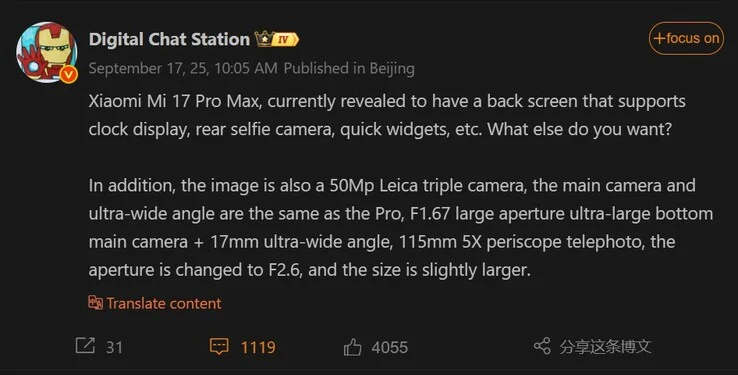
    3. The Pro model will include a 5x telephoto lens with an f/3.0 aperture, while the Pro Max will have a telephoto lens with a larger f/2.6 aperture for better low-light performance.
    4. The telephoto lens of the Xiaomi 17 Pro Max maintains a 115 mm equivalent focal length, which is shorter than the 120 mm of the Xiaomi 15 Pro.
    5. The specifications for the ultrawide and telephoto camera sensor sizes are still unknown, with more details expected soon.


    The Xiaomi 17 series is expected to be unveiled in September 2025, and the company has already revealed the revamped design of the Pro models’ back. A recent leak from Digital Chat Station, a reliable source on Weibo, has disclosed the potential camera specifications for the 17 Pro, and the tipster has now provided insights into the camera setup of the 17 Pro Max.

    Camera Details and Features

    According to the latest information, the Xiaomi 17 Pro Max will keep the same main and ultrawide cameras as the standard Pro model. For those who may not have seen our earlier reports, Digital Chat Station indicated that the forthcoming 17 Pro will feature a 50 MP primary camera with an f/1.67 aperture and an ultrawide sensor with a 17 mm focal length.

    Telephoto Specifications

    Moreover, the Xiaomi 17 Pro is said to include a 5x telephoto lens with an f/3.0 aperture and a 115 mm equivalent focal length. As for the Pro Max variant, Digital Chat Station claims it will come with an enhanced telephoto sensor boasting an f/2.6 aperture. This larger aperture on the telephoto lens of the Xiaomi 17 Pro Max is expected to enhance low-light photography compared to the Pro model. Nevertheless, the leaker points out that the 115 mm equivalent focal length stays the same, which could be seen as a step back from the telephoto camera of the Xiaomi 15 Pro (Chinese 12/256 GB currently priced at $706.16 on TradingShenzhen).

    Comparisons with Predecessor

    To give you some context, the Xiaomi 15 Pro features a telephoto sensor with a longer equivalent focal length of 120 mm. In light of the leaked specifications, the older model’s telephoto camera is superior for taking portraits and macro images because it can produce a shallower depth of field.

    On the flip side, the Xiaomi 17 Pro Max’s telephoto with a 115 mm equivalent focal length will excel in landscape photography, providing a slightly deeper depth of field. The resolutions and sizes of the ultrawide and telephoto camera sensors are still unknown, but more information, along with sensor sizes, is anticipated to surface shortly.

    Source:
    Link