Tag: mid-range performance

  • Nothing Phone (4a): Hidden gem in the mid-range category

    Nothing Phone (4a): Hidden gem in the mid-range category

    Key Takeaway

    – Nothing Phone (4a) excels with a bright 120Hz OLED display, strong performance from the Snapdragon 7s Gen 4, and a standout periscope zoom camera, plus a distinctive Glyph LED design and solid battery life.
    – Key trade-offs include a short three-version Android update guarantee and heat buildup under heavy use.
    – Compared to Redmi Note 15 5G, it offers superior camera quality, software experience (Nothing OS vs HyperOS), and design, at the expense of value-for-money emphasis.
    – Compared to Samsung Galaxy A37 5G, it delivers better vibrancy and design flair but lags in long-term software updates, where the Galaxy has a clear advantage.

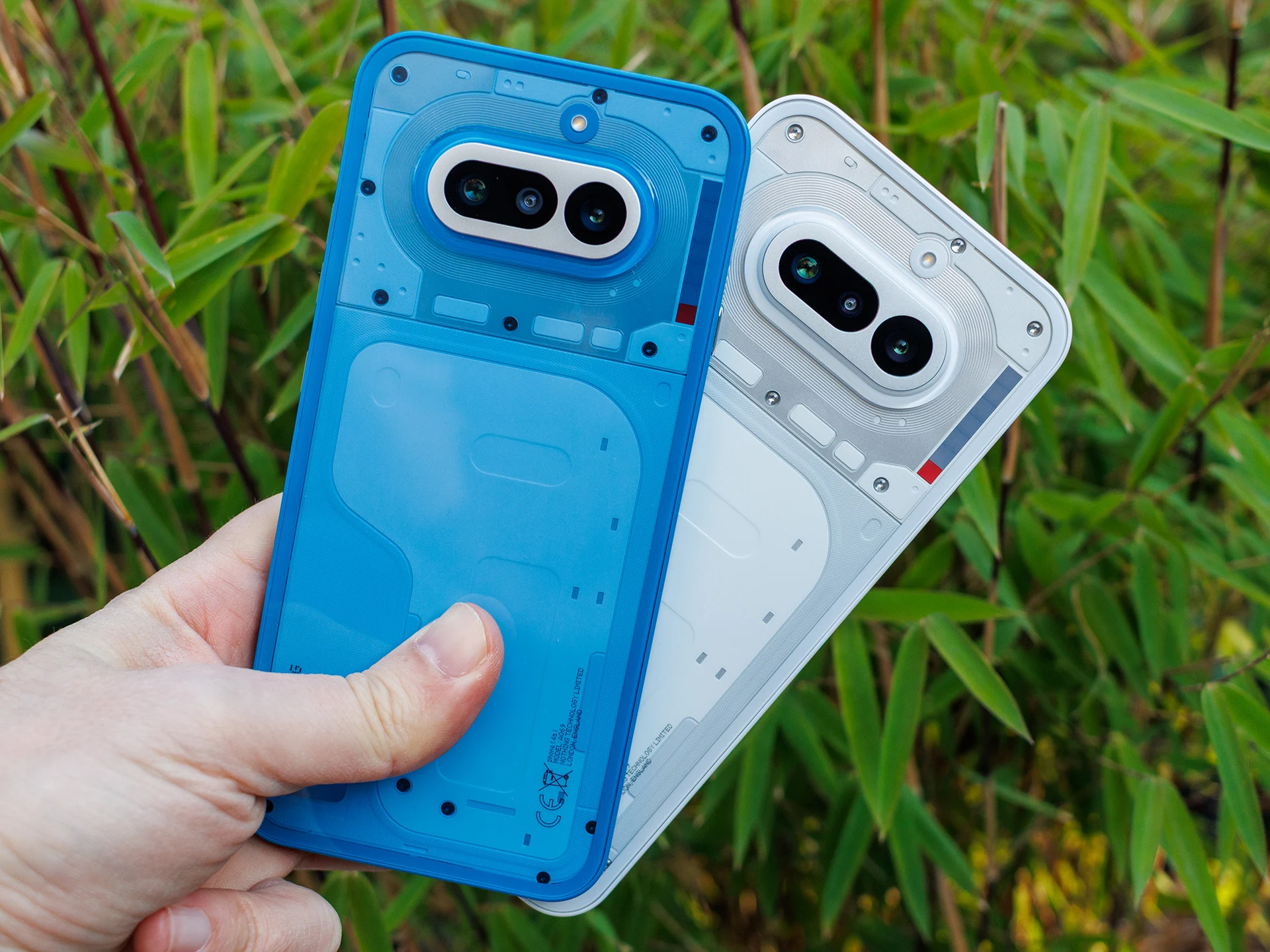
    The Nothing Phone (4a) builds on the strengths of its predecessor and improves the overall package in all the right places. Particularly notable are the significantly brighter 120Hz OLED display, the smooth everyday performance of the new Snapdragon 7s Gen 4 SoC, and the revamped camera setup. Above all, the new periscope zoom camera sets the smartphone apart from many mid-range competitors. Photos appear detailed and natural in good lighting conditions, while the optical zoom also delivers surprisingly strong results.

    Design and Battery

    Added to this is the signature transparent Nothing design with the eye-catching Glyph LEDs on the back, which can be customized and give the device a high recognition factor. The battery life is also impressive in everyday use, as is the clean and pleasantly minimalist Nothing OS interface. The device’s main weaknesses lie in the comparatively short update guarantee of only three Android versions and the heat buildup under heavy load.

    Comparison with Redmi Note 15 5G

    In a direct comparison with the Redmi Note 15 5G, the Nothing Phone feels significantly higher-quality and more modern. While the Redmi traditionally stands out for its strong value for money, large battery, and equally bright AMOLED display, the Nothing model clearly leads the way in terms of camera quality, software experience, and design. HyperOS, in particular, feels much more cluttered and less elegant compared to Nothing OS. The Redmi is therefore aimed more at price-conscious users who are primarily looking for a lot of features for little money.

    Galaxy A37 5G Perspective

    The Samsung Galaxy A37 5G, on the other hand, takes a different approach. Samsung focuses less on extravagant design or technical highlights and more on balance and long-term usability. Performance is solid, the cameras are reliable, and the Super AMOLED display is high-quality, even if it doesn’t quite match the vibrancy of the Nothing Phone. The biggest advantage of the Galaxy A37, however, lies in its software policy: Samsung offers significantly longer Android and security updates, making the device particularly attractive for users who want to use their smartphone for many years.


    Sources
    • iQOO Neo 10R Launches in India: 144Hz AMOLED, Snapdragon 8s, 6400mAh

      iQOO Neo 10R Launches in India: 144Hz AMOLED, Snapdragon 8s, 6400mAh

      Key Takeaways

      1. The iQOO Neo 10R is priced starting at ₹26,999 and targets the mid-range smartphone market with high performance and value.
      2. It features a 6.78-inch 1.5K AMOLED display with a 144Hz refresh rate and peak brightness of 4500 nits, along with eye strain reduction technologies.
      3. Powered by the Qualcomm Snapdragon 8s Gen 3 chip, it offers up to 12GB RAM and 256GB storage, with a cooling system for gaming and multitasking.
      4. The phone includes a 6400mAh battery with 80W fast charging, an IP65 rating for dust and water resistance, and runs on Android 15 with future updates promised.
      5. Pre-orders begin on March 11, with launch promotions including discounts for certain bank cardholders and an extended warranty for early buyers.


      iQOO has introduced the Neo 10R in India, with a starting price of ₹26,999, aiming to offer great value and high performance in the mid-range segment.

      iQOO Neo 10R Features

      This device boasts a 6.78-inch 1.5K AMOLED display that features a 144Hz refresh rate, a 480Hz touch sampling rate, and can reach peak brightness of 4500 nits. The screen is safeguarded by Schott Xensation Up glass and provides HDR10+ support, with 3840Hz PWM dimming and DC dimming to help lessen eye strain.

      Inside, the phone is driven by Qualcomm’s 4nm Snapdragon 8s Gen 3 chip, combined with up to 12GB of LPDDR5x RAM and a maximum of 256GB of UFS 4.1 storage. A sizeable 6043mm² vapor chamber cooling system is included to effectively manage heat during long gaming or multitasking periods. The rear camera consists of a 50MP Sony IMX882 main sensor featuring optical image stabilization (OIS) and an 8MP ultra-wide lens, both capable of recording 4K video at 60fps. For selfies and video, there’s a 32MP front-facing camera that also supports 4K at 30fps.

      Battery and Build Quality

      The Neo 10R is equipped with a 6400mAh battery that offers 80W fast charging as well as 7.5W reverse charging, with iQOO claiming it maintains at least 80% health after 1,600 charge cycles. It carries an IP65 rating, ensuring it is resistant to dust and splashes, and it weighs 196g. The phone features an in-display fingerprint sensor and an infrared sensor for controlling smart devices. It runs on Android 15 with iQOO’s Funtouch OS 15, promising three Android updates and four years of security patches.

      Pricing and Availability

      For pricing, the device starts at ₹26,999 for the 8GB+128GB version, goes to ₹28,999 for the 8GB+256GB model, and reaches ₹30,999 for the 12GB+256GB variant. The colors available are MoonKnight Titanium and Raging Blue.

      Pre-orders for the phone will commence on March 11 through Amazon.in and iQOO’s online shop, with sales opening to the public on March 19. Customers who pre-book by March 18 will get their devices on the same day. Launch promotions include a ₹2,000 instant discount for SBI, HDFC, or ICICI cardholders, or a comparable exchange bonus, a 12-month extended warranty, no-cost EMI options up to six months, and a ₹99 device setup service at the time of delivery.


    • Redmi Turbo Series: Flagship Performance in Mid-Range Devices

      Redmi Turbo Series: Flagship Performance in Mid-Range Devices

      Redmi, a sub-brand of Xiaomi, recently unveiled its latest smartphone series named the “Turbo.” This launch marks a strategic shift in Redmi’s approach for the new decade, focusing on delivering high-performance features typically found in flagship devices to the mid-range market.

      Redmi's New Strategy

      Redmi’s brand manager, Wang Teng, has outlined the company's vision for the upcoming years. The K series will maintain its reputation for offering premium flagship capabilities, while the newly introduced Turbo series strives to set new standards in mid-range performance. The existing Note series will concentrate on delivering a balanced mid-range experience enriched with flagship-like attributes, whereas the numbered series will target the entry-level segment.

      Addressing the Performance Gap

      Wang Teng highlighted the noticeable performance disparity between current mid-range smartphones and flagship models. Given the critical role performance plays in user satisfaction, there remains a scarcity of options that excel in this aspect within the mid-range price range. The Turbo series from Redmi is designed to address this gap by making flagship-level performance more attainable for a wider audience.

    • Dimensity 8300 powers Redmi K70E to claim AnTuTu’s top spot for mid-range performance

      Dimensity 8300 powers Redmi K70E to claim AnTuTu’s top spot for mid-range performance

      AnTuTu Unveils Top-Performing Mid-Range Smartphones for December 2023

      AnTuTu, the popular benchmarking platform, has released its list of the best-performing mid-range smartphones for December 2023. Topping the list is Xiaomi’s Redmi K70E, a mid-range device that was introduced just a month ago. What sets it apart from its competitors is the inclusion of the powerful Dimensity 8300 chip, which delivers performance on par with certain flagship models and brings a fresh vibe to the otherwise dull mid-range market. Let’s take a look at the top 10 smartphones on the list.

      Redmi K70E Takes the Lead

      The Redmi K70E, equipped with the MediaTek Dimensity 8300-Ultra chip and boasting a massive 12GB RAM and 512GB storage, secured the first position with an impressive score of 1,413,428 points. This device has set a new benchmark for mid-range smartphones and offers a significant performance boost compared to its competitors.

      Realme GT Neo 5 SE and Redmi Note 12 Turbo Maintain Dominance

      Following closely behind the Redmi K70E is the Realme GT Neo 5 SE, powered by the Qualcomm Snapdragon 7+ Gen 2 chip, with a score of 1,171,077 points. Despite the seemingly lackluster performance of the Realme GT Neo 5 SE and Redmi Note 12 Turbo, which also features the Snapdragon 7+ Gen 2 chip, both devices have consistently dominated the mid-range AnTuTu listings for several months.

      The Power of Dimensity 8300

      The inclusion of the Dimensity 8300 chip in the Redmi K70E has proven to be a game-changer in the mid-range smartphone market. With its impressive performance, we can expect to see more smartphones featuring this chip making their way to the leaderboard in the coming months. Xiaomi’s upcoming releases, such as the Xiaomi Civi 4 and POCO X6 Pro, are expected to showcase the capabilities of the Dimensity 8300 and give tough competition to other mid-range devices.

      Conclusion

      The AnTuTu benchmark scores for December 2023 reveal the top-performing mid-range smartphones in the market. The Redmi K70E has emerged as the leader, thanks to its powerful Dimensity 8300 chip. With the continuous advancements in smartphone technology, we can expect to see more impressive devices entering the mid-range segment in the near future.