Tag: Apple iPhone 17

  • Apple Center Stage-style Camera to Launch on Android with 5× Resolution

    Apple Center Stage-style Camera to Launch on Android with 5× Resolution

    Key Takeaway

    – The iPhone 17 features an 18 MP Center Stage front camera with a square sensor for flexible orientation and dynamic subject tracking.
    – No current Android flagship offers a comparable Center Stage-style front camera, but Oppo is reportedly testing a similar feature with a higher 100 MP sensor.
    – The potential adoption of this feature in upcoming Android devices remains uncertain, with possibilities including Oppo’s Find X10 or later series.

    Upcoming Camera Trends in Smartphones

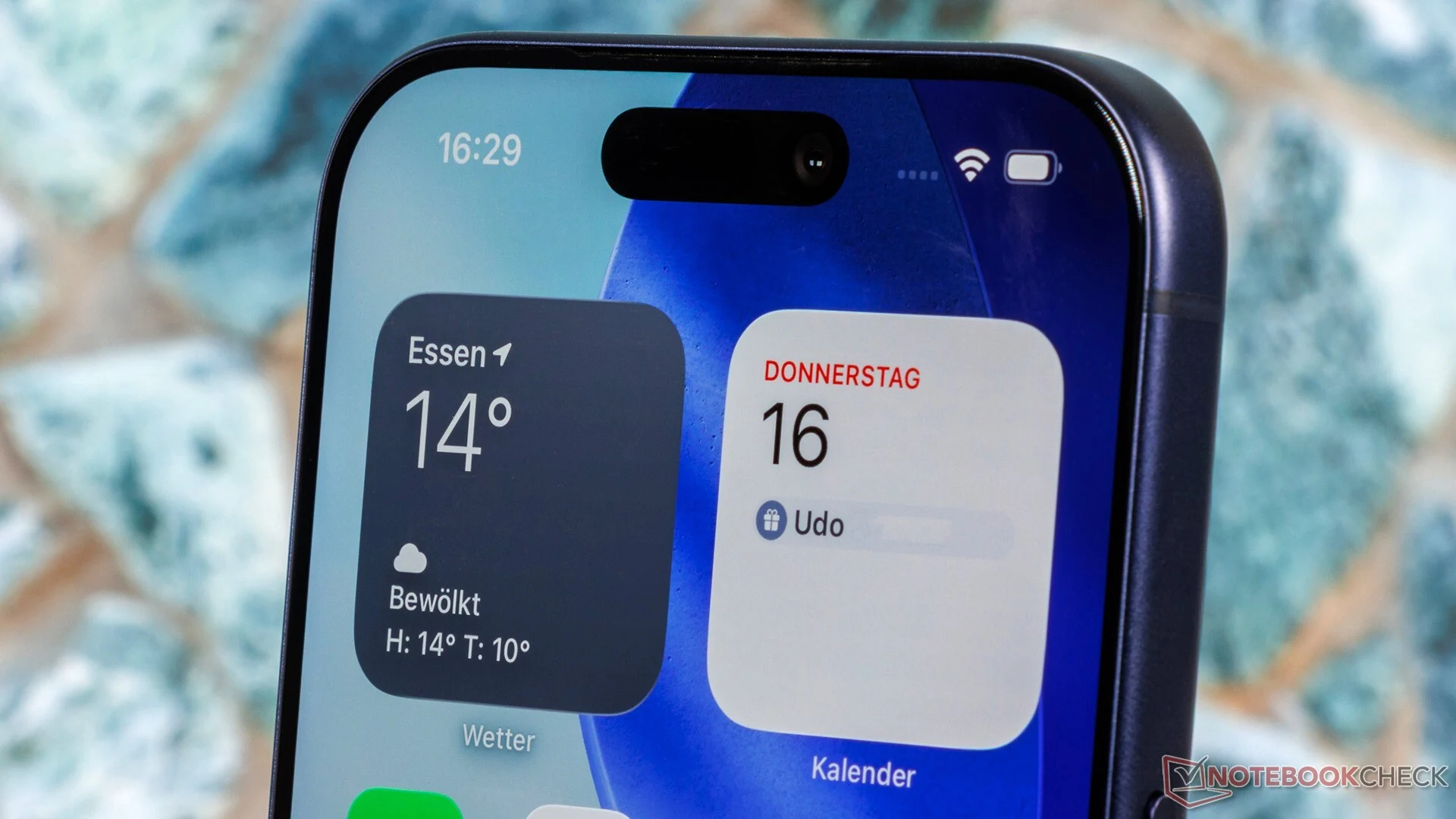
    The iPhone 17 currently packs a impressive feature in their camera system, with an 18 MP Center Stage front camera which uses a square image sensor. This allows the users to switch between landscape and portrait modes very smoothly, whether they taking selfies or capturing groups. The tech behind the Center Stage is quite clever because it can move the camera dynamically to keep people in frame even if they are moving around.

    Potential Competitors and Future Innovations

    No Android flagship has yet to match this feature, but whispers in the tech world suggest that might change soon. A well-known leaker named Digital Chat Station, who often shares insights about upcoming devices, hinted on Weibo that at least one Android manufacturer is testing a similar front camera. There are strong hints pointing towards Oppo, especially since the prototype being tested reportedly has a 100 MP sensor, a huge leap from Apple’s current 18 MP sensor. If this goes into production, it could give Oppo a real edge in camera technology.

    Speculative Launches and Industry Changes

    It’s not yet confirmed whether the next wave of smartphones, expected later this year, will bring this Center Stage-like front camera to market. Oppo’s upcoming lineup may include models such as the Find X10 and Find X10 Pro, but there’s also the chance that the new tech might appear only with the X11 series or an Ultra version next year. They seem to be planning to offer similar features to Apple, possibly borrowing ideas to stay competitive. As for other brands like Samsung, there’s no news yet if they are working on this type of front camera technology, but it’s clear that innovation is ongoing in smartphone photography.



    Sources

  • Nvidia Surpasses Apple as TSMC’s Top Customer in 2025

    Nvidia Surpasses Apple as TSMC’s Top Customer in 2025

    Key Takeaways

    1. Nvidia has become the world’s largest company with a market valuation of approximately $4.3 trillion, driven by demand for Data Center equipment from AI firms.
    2. In 2025, Nvidia surpassed Apple to become TSMC’s top client, significantly increasing its revenue share from 11% to more than Apple’s 25%.
    3. Nvidia’s Data Center revenue in Q3 2025 exceeded Apple’s iPhone revenue for the first time.
    4. TSMC may soon prioritize Nvidia over Apple, possibly offering Nvidia the same privileges Apple previously enjoyed.
    5. Despite Apple’s success with the iPhone 17 series, Nvidia’s strong growth trajectory is expected to influence TSMC’s future strategies.


    Thanks to an unmatched surge in demand for Data Center equipment from AI firms, Nvidia has now become the world’s biggest company with a market valuation of approximately $4.3 trillion. Their growth was especially impressive in 2025, showcasing a 62% Year-over-Year increase in revenue for Q3 FY2026. The Data Center items, particularly the H200, played a pivotal role in driving this revenue surge. Thus, it’s not shocking to learn that Nvidia has reportedly emerged as the largest customer for TSMC, given that its latest Data Center and client GPUs use TSMC’s advanced process nodes.

    Nvidia Surpasses Apple

    In a podcast, Nvidia’s CEO Jensen Huang disclosed that Nvidia has surpassed Apple to become TSMC’s top client in 2025. In 2024, Apple represented about 25% of TSMC’s revenue, while Nvidia made up less than half at 11%. This indicates that in 2025, Nvidia generated more revenue for TSMC than Apple, a claim supported by Nvidia’s record-setting Q3 FY2026 earnings.

    Record-Breaking Revenue

    According to information shared by I/O Fund (cited by Beth Kindig on X), Nvidia’s revenue from Data Centers in Q3 2025 surpassed Apple’s iPhone revenue for the very first time.

    For a considerable time, Apple has received special treatment from TSMC, which included discounts and priority access to the latest process nodes. This was understandable, given that Cupertino’s orders formed a significant part of TSMC’s yearly earnings. With Nvidia now taking over Apple’s position, it is reasonable to anticipate that TSMC will extend the privileges previously exclusive to Apple to Team Green.

    Future Outlook

    Rumors are already circulating that TSMC is urging Apple to agree to a significant price increase. While the accuracy of this information remains uncertain, it seems likely that TSMC will prioritize Nvidia over Apple in the future, especially since Nvidia’s Data Center business shows no signs of slowing down.

    That’s not to suggest that Apple is struggling, as the iPhone 17 series has gained considerable popularity. However, the momentum and anticipated growth of Nvidia will surely be crucial indicators for TSMC moving forward.

    Source:
    Link


  • Android 17 Leak: Enhanced Notifications and Quick Settings Updates

    Android 17 Leak: Enhanced Notifications and Quick Settings Updates

    Key Takeaways

    1. Android 17 will feature a new user interface where quick settings appear by default when swiping down from the top right, while notifications are accessed from the top left.
    2. Users can revert to the traditional Android layout through system settings, which combines quick settings and notifications on one screen.
    3. The split layout reduces scrolling by providing more space for notifications and quick settings, including an extra volume slider under the brightness control.
    4. Google’s design changes in Android 17 show a closer alignment with Apple’s iPhone interface, particularly in how quick settings are presented.
    5. The current design is likely an early beta version, with potential updates expected before the official launch in June 2026.


    Details about Google’s gaming strategies for Android 17 first came out last November. Recently, leaker Mystic Leaks has shared the initial screenshots that reveal the fresh user interface for notifications and quick settings.

    New User Interface Design

    From these images, it seems that Android 17 will show quick settings by default when users swipe down from the top right corner of the screen. However, swiping down from the top left corner will bring up notifications. This setup will feel familiar to those who have used the Apple iPhone 17. For users who preferred the old layout, they can easily revert back to the traditional Android interface via the system settings, which merges quick settings and notifications into one screen.

    Benefits of the Split Layout

    The new split design offers the benefit of creating more room for showing either notifications or quick settings, which in turn lessens the amount of scrolling needed to find what users are looking for. Google has cleverly utilized this space to add an extra volume slider right under the display brightness control. Other quick settings appear to remain mostly the same. Nevertheless, since this is likely just an early beta version, it’s fair to expect more design tweaks before Android 17’s expected launch around June 2026.

    Moving Closer to Apple

    With this updated layout, Google is aligning its design more with that of the iPhone, though it’s worth noting that quick settings in iOS 26 can be organized across multiple pages. This feature allows users to customize their quick settings for managing smart home devices, for example, providing greater flexibility.

    Source:
    Link


  • iPhone 17 Pro and Other Models to Get Exciting New Features

    iPhone 17 Pro and Other Models to Get Exciting New Features

    Key Takeaways

    1. Apple is planning over 30 new products, with updates expected in iOS 26 or iOS 27.
    2. A new subscription service, Apple Health+, will enhance the health app with AI-driven features.
    3. Siri will receive new capabilities, including IntelligenceFlow and SpotlightPersonalAnswersSiri, by spring 2026.
    4. Third-party apps will be able to auto-fill credit card information from Apple Pay starting fall 2026.
    5. Various smaller updates include live captions in more languages, improved Apple Wallet notifications, and enhanced features in the Journal and Photos apps.


    After digging through the code of an internal beta version of iOS 26, it has been discovered that Apple is planning more than 30 new products. MacRumors has found solid clues in the same code about fresh features for the upcoming Apple iPhone 17 and other devices. These updates are expected to roll out in the next few months, either as part of iOS 26 or iOS 27.

    New Subscription Service for Health

    One of the most exciting revelations is the introduction of Apple Health+, a new paid subscription service that will enhance the Apple Health app with advanced health features, driven by AI. However, the specific features included in this subscription are still a mystery. Additionally, Siri is set to get a variety of new capabilities in spring 2026. This reinforces earlier speculations that Apple’s AI-enhanced version of Siri will finally be launched by next spring. The iOS 26 code shows new features like IntelligenceFlow, PlanOverrides, SpotlightPersonalAnswersSiri, and SpotlightSearchToolLLMQueryUnderstanding.

    Enhancements to Payment and Apps

    Beginning in fall 2026, third-party applications will gain the ability to automatically enter credit card information if it is saved in Apple Pay. Furthermore, Apple Wallet will start notifying users about upcoming payments during the summer. The Journal app from Apple will also be capable of comprehending follow-up prompts come spring. The code also hints at various smaller updates, such as the addition of live captions in more languages, folder functionalities in the Freeform app, shared collections in the Photos app, and enhanced sleep tracking features in Apple Health.

    These updates promise to enhance the user experience across Apple’s ecosystem as they continue to innovate and expand their product offerings.

    Source:
    Link


  • Samsung Mocks Apple in New Galaxy Z Fold 7 Promo Video

    Samsung Mocks Apple in New Galaxy Z Fold 7 Promo Video

    Key Takeaways

    1. Samsung’s advertising campaign targets Apple’s upcoming iPhone 17 release to showcase its foldable smartphones’ unique features.
    2. A humorous promotional video highlights the advantages of the Galaxy Z Fold 7, demonstrating its ability to stand upright and play two videos simultaneously.
    3. Samsung positions its Fold and Flip models as highly versatile, emphasizing their advanced hinges, sleek design, and unique software features like Flex Mode.
    4. The Galaxy Z Fold 7, while expensive, reflects Samsung’s ongoing advancements in the foldable phone market, while Apple has yet to release a foldable device.
    5. The ad reinforces that foldable smartphones offer practical daily use features that traditional smartphones do not, fueling competition and innovation between Samsung and Apple.


    Samsung has kicked off another bold advertising initiative, specifically targeting Apple. The tech giant is using the upcoming release of the Apple iPhone 17 series as a backdrop to showcase the distinct features of its foldable smartphones, like the Samsung Galaxy Z Fold 7.

    Attention-Grabbing Promotion

    Recently, Samsung shared a brief promotional video on X (previously known as Twitter), generating significant buzz before Apple’s event on September 9. The message is straightforward: Samsung’s foldable phones provide more than traditional smartphones can.

    A Humorous Message

    The thirty-second video shows a typical scenario where an iPhone user sets his device on a table to enjoy a video. Unfortunately, his cat keeps knocking the Apple iPhone off the table. The twist comes when a friend places a Galaxy Z Fold 7 on the same table, and its ability to fold allows it to stand upright. Additionally, the screen divides into two parts, enabling two videos to play at once. An animation on the screen then asks the intriguing question: Can your phone do that?

    Highlighting Versatility

    Through this campaign, Samsung aims to position its Fold and Flip models as exceptionally adaptable. These devices come equipped with advanced hinges, a sleeker design, and unique software features like Flex Mode, which lets them be positioned at various angles. The Galaxy AI tools are also crafted to simplify daily tasks and introduce new ways to use the devices. While the Samsung Galaxy Z Fold 7 is a high-end product with a hefty price, it reflects the steady advancements Samsung has made in the foldable phone market over time. Meanwhile, Apple has yet to unveil its own foldable smartphone.

    There’s speculation that Apple may be developing a foldable device, with a possible launch not happening until 2026 at the earliest. For now, Samsung is leveraging its technological edge. The ad is cleverly constructed but delivers a clear point: Foldable smartphones are now practical for daily use and provide features that traditional smartphones fail to offer. Thus, the competition between Samsung and Apple continues to drive innovation forward.

    Source:
    Link


  • TSMC 2nm Chip Trial Production Starting Sooner Than Expected

    TSMC 2nm Chip Trial Production Starting Sooner Than Expected

    TSMC will commence the trial production of 2nm chips next week, which will initially be used by Apple for the iPhone 17 series and other Apple products. Interestingly, this trial production is starting much earlier than anticipated.

    Initially, the trial production was slated to begin in Q4 (in October or later). This early start is seen as an effort to accelerate production to ensure a stable yield before moving to mass production. For context, trial production is where the company tests out the production line processes that will be used later for mass production.

    TSMC’s 2nm Fabrication Process

    TSMC first showcased its 2nm fabrication process in December last year. The trial production will take place at TSMC’s Baoshan plant in northern Taiwan. The necessary equipment for 2nm production has already been delivered and installed at the Baoshan plant since the second quarter.

    The iPhone 15 Pro models feature the A17 Pro chipset, made using TSMC’s 3nm process. This process allows more transistors to be packed into a smaller space, thereby enhancing performance and efficiency compared to its predecessor. Apple’s M4 chip, which recently launched with the new iPad Pro, uses an advanced 3nm fabrication process.

    Challenges and Future Plans

    Achieving a sufficient yield rate (the percentage of chips that pass quality-control checks) is typically one of the biggest hurdles for new process nodes. For instance, TSMC’s 3nm chips had a yield rate of around 50% back in April last year.

    Apple was previously believed to have reserved the entire production capacity of TSMC’s 3nm chips for the A17 Pro and M3 chip. It may do the same with TSMC for the 2nm production capacity. A report from May last year indicated that the company was working on securing all the production capacity of 2nm chips.

    TSMC plans to use gate all around (GAA) technology starting with the 2nm processes, which will enhance performance and power efficiency. Additionally, TSMC aims to introduce back-side power supply (BSPR) technology with the 2nm chips.