Tag: Apple Health

  • iPhone 17 Pro and Other Models to Get Exciting New Features

    iPhone 17 Pro and Other Models to Get Exciting New Features

    Key Takeaways

    1. Apple is planning over 30 new products, with updates expected in iOS 26 or iOS 27.
    2. A new subscription service, Apple Health+, will enhance the health app with AI-driven features.
    3. Siri will receive new capabilities, including IntelligenceFlow and SpotlightPersonalAnswersSiri, by spring 2026.
    4. Third-party apps will be able to auto-fill credit card information from Apple Pay starting fall 2026.
    5. Various smaller updates include live captions in more languages, improved Apple Wallet notifications, and enhanced features in the Journal and Photos apps.


    After digging through the code of an internal beta version of iOS 26, it has been discovered that Apple is planning more than 30 new products. MacRumors has found solid clues in the same code about fresh features for the upcoming Apple iPhone 17 and other devices. These updates are expected to roll out in the next few months, either as part of iOS 26 or iOS 27.

    New Subscription Service for Health

    One of the most exciting revelations is the introduction of Apple Health+, a new paid subscription service that will enhance the Apple Health app with advanced health features, driven by AI. However, the specific features included in this subscription are still a mystery. Additionally, Siri is set to get a variety of new capabilities in spring 2026. This reinforces earlier speculations that Apple’s AI-enhanced version of Siri will finally be launched by next spring. The iOS 26 code shows new features like IntelligenceFlow, PlanOverrides, SpotlightPersonalAnswersSiri, and SpotlightSearchToolLLMQueryUnderstanding.

    Enhancements to Payment and Apps

    Beginning in fall 2026, third-party applications will gain the ability to automatically enter credit card information if it is saved in Apple Pay. Furthermore, Apple Wallet will start notifying users about upcoming payments during the summer. The Journal app from Apple will also be capable of comprehending follow-up prompts come spring. The code also hints at various smaller updates, such as the addition of live captions in more languages, folder functionalities in the Freeform app, shared collections in the Photos app, and enhanced sleep tracking features in Apple Health.

    These updates promise to enhance the user experience across Apple’s ecosystem as they continue to innovate and expand their product offerings.

    Source:
    Link


  • New Apple Sleep Score Available for Garmin and Amazfit Users

    New Apple Sleep Score Available for Garmin and Amazfit Users

    Key Takeaways

    1. The new Apple Health sleep score feature is now available for certain users in the Health app alongside the launch of new Apple Watch models.
    2. The sleep score can be utilized by non-Apple Watch users with compatible wearables that sync with Apple Health, such as Amazfit and Garmin devices.
    3. The sleep score helps monitor sleep quality by evaluating sleep duration, interruptions, sleep stages, and bedtime, based on data from over 5 million nights of sleep.
    4. The scoring algorithm is informed by recommendations from major sleep organizations and is supported by extensive sleep research.
    5. The sleep score feature will be available for older Apple Watch models running watchOS 26, with a broader rollout expected on September 15th.


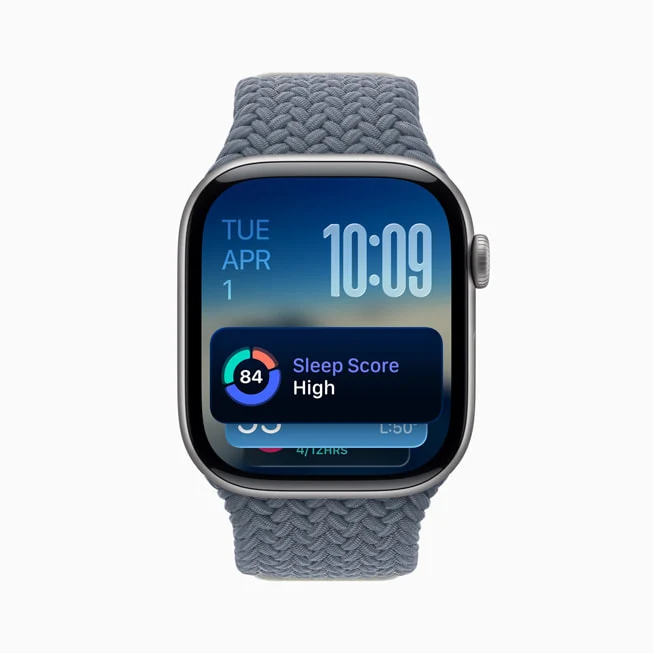
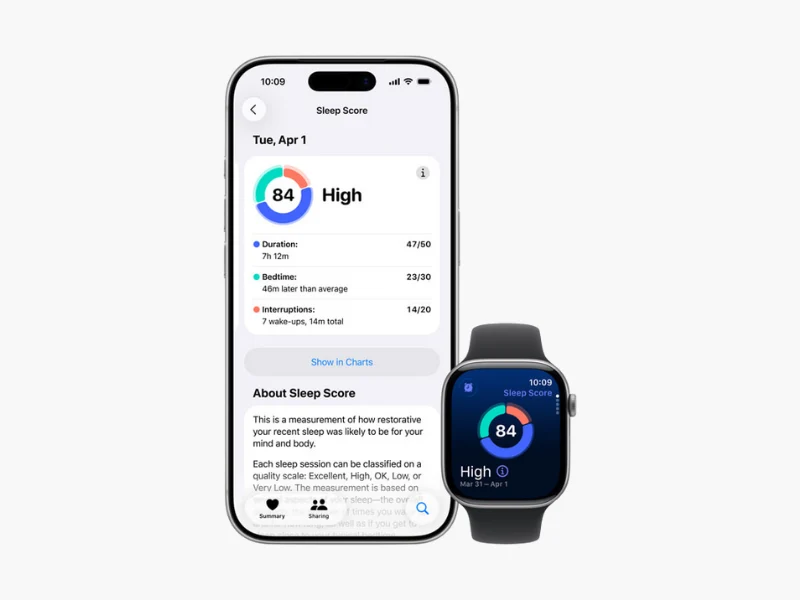
    The new Apple Health sleep score feature is now available for certain users within the Health app. This was recently revealed alongside the launch of the new Watch Series 11, Watch SE 3, and Watch Ultra 3. Reports from users who are testing the beta version of iOS 26 have confirmed the arrival of this feature.

    Compatibility with Other Devices

    Some beta testers have shared that the sleep score metric from Apple is not exclusive to Apple Watch users. It can also be utilized by individuals using other brands of wearables, such as Amazfit and Garmin, including the Garmin Index Sleep Monitor (currently priced at $169.99 at Amazon). The key requirement is that your device must be capable of sleep tracking and should sync with Apple Health. Users won’t need to wait long for the metric to be available, as it can utilize past data to make its calculations. On social platforms, some users have pointed out differences between their sleep scores from Garmin or Zepp and those calculated by Apple.

    Understanding the Sleep Score

    The primary aim of the sleep score is to assist Apple Health users in monitoring their sleep quality. It considers different elements like how long you sleep, any interruptions, the various sleep stages, and your bedtime. After each night’s rest, a score is generated which provides insights to help users identify areas for improvement. Apple mentions that the scoring algorithm is supported by data collected from over 5 million nights of sleep, which was gathered during the Apple Heart and Movement study. Additionally, the algorithm is informed by recommendations from major sleep organizations such as the American Academy of Sleep Medicine, the National Sleep Foundation, and the World Sleep Society.

    Availability for Older Models

    The sleep score feature will also be accessible to owners of certain older Apple Watches that are running watchOS 26. This includes the Apple Watch Series 6 and newer models, the Apple Watch SE (2nd generation) and later, along with all versions of the Apple Watch Ultra. A broader rollout of this metric is anticipated on September 15th, right after the current beta testing phase concludes.

    Source:
    Link


  • Garmin Fenix 8 to Get Enhanced Apple Health Integration

    Garmin Fenix 8 to Get Enhanced Apple Health Integration

    Key Takeaways

    1. Garmin is enhancing collaboration with Google Health Connect for better integration with Apple Health on smartwatches like the Forerunner 570.
    2. Garmin Connect will soon allow users to read data from Apple Health, enabling a seamless experience across different smartwatch brands.
    3. Users can utilize third-party sleep monitors, with data contributing to the “body battery” calculation in Garmin Connect.
    4. Garmin will limit the types of data that can be shared with Apple Health, not fully opening its ecosystem.
    5. Current data shared includes body fat percentage, blood pressure, BMI, steps, distance, heart rate, sleep metrics, and workouts, but advanced sensor data like ECG is not supported.


    Garmin is enhancing its collaboration with Google Health Connect, and soon smartwatches like the Forerunner 570 will see improved integration with Apple Health, as reported by the5krunner. For years, Garmin Connect has allowed users to export chosen data so that it can be viewed within the Apple Health app, alongside information from an Apple Watch or other health monitors.

    Future Data Exchange

    In the upcoming future, Garmin Connect will gain the ability to read data from Apple Health. This means that users can see their fitness and health metrics in the Garmin Connect app and directly on their Garmin smartwatches. This feature allows users to switch between smartwatches of different brands without experiencing any gaps in the data displayed on their Garmin devices. Additionally, it will enable the use of third-party sleep monitors, where the collected data can be utilized in Garmin Connect to help calculate the “body battery,” which reflects the user’s stress levels.

    Limitations on Data Sharing

    Even with these advancements, Garmin is not anticipated to fully open its ecosystem. There are reports that the company is limiting which types of data can be read from and written to Apple Health. As of now, it’s unclear which specific data will support complete two-way synchronization. Currently, Garmin Connect can already send various data points, including body fat percentage, blood pressure, BMI, number of steps, distance traveled, heart rate, sleep tracking metrics, and completed workouts to Apple Health. However, it does not support the transfer of advanced sensor data like electrocardiogram (ECG) information.

    Source:
    Link