Tag: Vivo X300 Pro

  • Vivo X300 Pro: Battery Specs & Zeiss Camera vs. Vivo X200 Ultra

    Vivo X300 Pro: Battery Specs & Zeiss Camera vs. Vivo X200 Ultra

    Key Takeaways

    1. The Vivo X300 Pro and Vivo X300 will have a quicker global launch, available as soon as next month.
    2. More global influencers and journalists attended the launch event, indicating increased international interest.
    3. A hands-on review video highlights the camera kit and compares the Vivo X300 Pro with previous models.
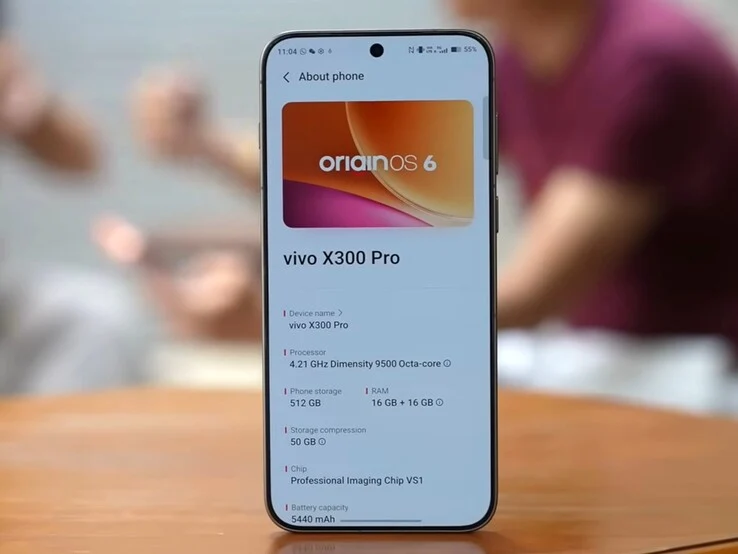
    4. The European version of the Vivo X300 Pro has a smaller battery (5,440mAh) compared to the Chinese version (6,510mAh) due to transport regulations.
    5. Vivo faces challenges with battery sizes in Europe, which could be addressed by adopting a thicker two-cell battery if regulations change.


    The Vivo X300 Pro and its smaller sibling, the Vivo X300, have recently been introduced in China. However, this time, the global launch is set to occur much sooner. Unlike previous years when fans had to wait until January 2026 for the global edition, Vivo has confirmed that users can purchase the new device as early as next month.

    Quick Launch for International Market

    There’s a clear sign of a quicker international release since more global influencers and journalists attended the launch event in Shanghai than ever before. Some have even received global review units already. For instance, Ben Sin from Ben’s Gadget Reviews Channel has shared a hands-on video, which you can find embedded below.

    In-Depth Review Insights

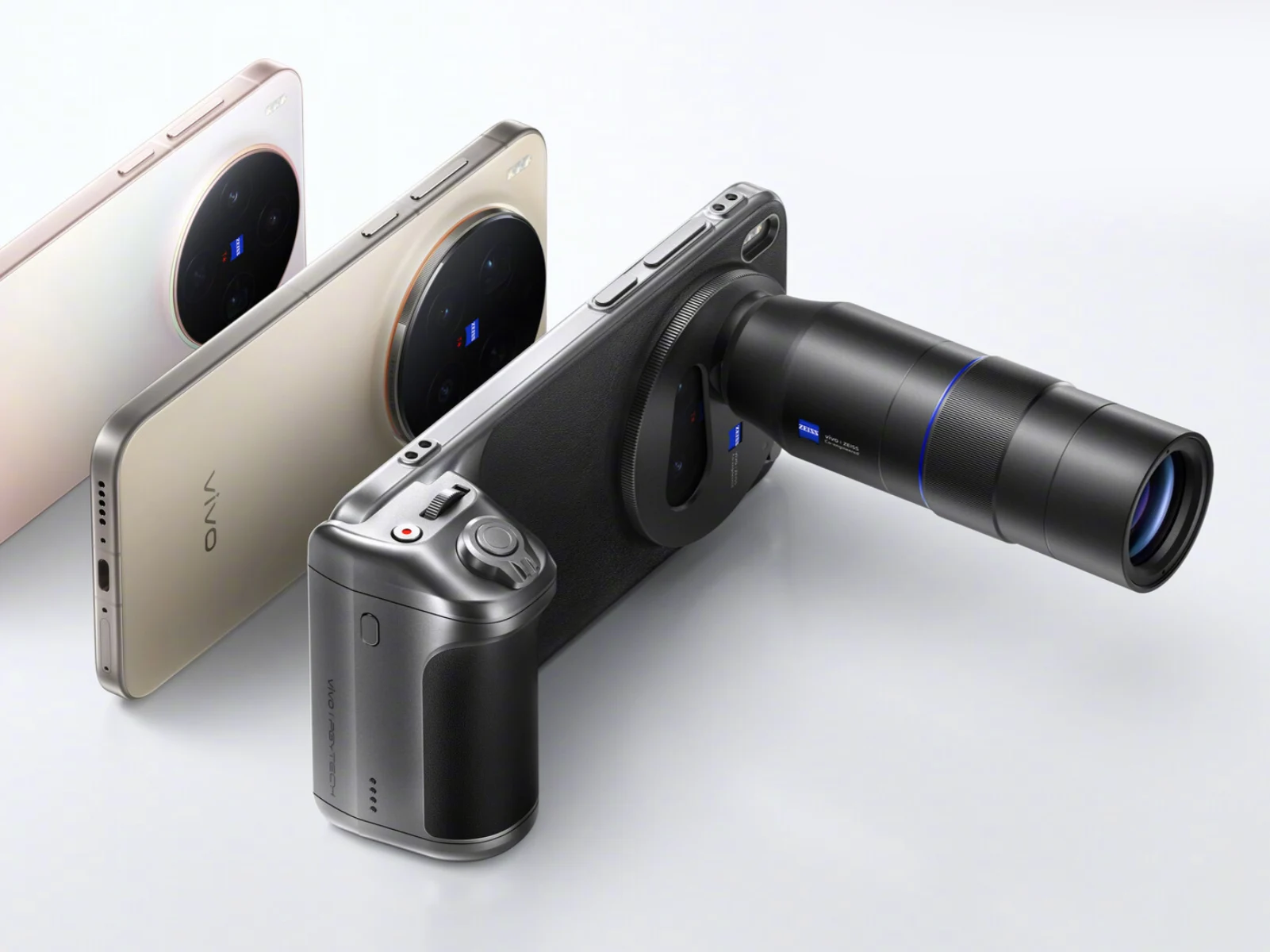
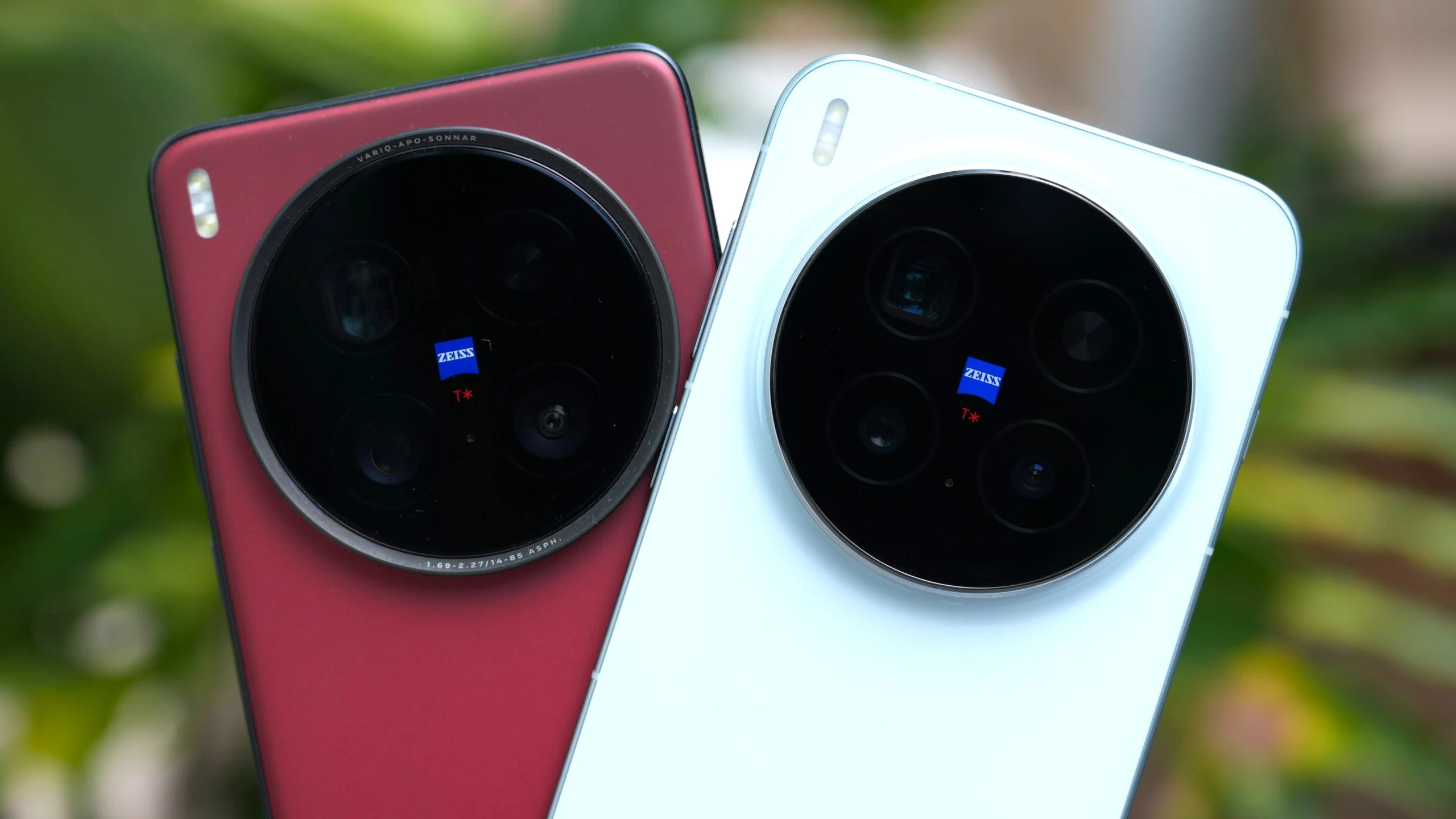
    His video, which lasts nearly 12 minutes, starts with an unboxing of the Vivo X300 Pro, featuring the camera kit and teleconverter. He goes on to compare some technical specifications with the Vivo X200 Pro and the Vivo X200 Ultra, showcasing photos he took for reference. The excitement for global Vivo admirers kicks in around the 8:15 mark, as he delves into the operating system, which now carries the same OriginOS 6 name as in China.

    Battery Capacity Discrepancies

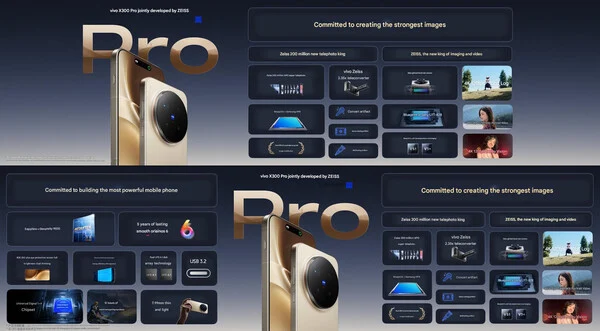
    The screenshot above highlights a notable issue with the European Vivo X300 Pro, which Ben discusses starting at the 9:50 mark. Unlike the Chinese version with a robust 6,510mAh battery, the EU version offers only 5,440mAh, a significant reduction. This change is largely due to European transport regulations that limit single-cell batteries to a maximum of 20Wh, similar to the rules in the United States.

    In comparison, the Vivo X200 Pro has a battery size of 5,200mAh in Europe versus 6,000mAh in China. The mere increase of 240mAh in the Vivo X300 Pro is rather disappointing for European users. However, Vivo isn’t the only company facing this hurdle and could only find a way around it by opting for a thicker two-cell battery, should there be no alterations in the law.


    Source:
    Link


  • Vivo X300 vs X300 Pro: Specs Comparison of Display, Performance, Cameras, Battery

    Vivo X300 vs X300 Pro: Specs Comparison of Display, Performance, Cameras, Battery

    Key Takeaways

    1. Design and Size: The Vivo X300 is smaller and lighter (150.57 × 71.92 × 7.95 mm, 190 g) compared to the larger and heavier X300 Pro (161.98 × 75.48 × 7.99 mm, 226 g).

    2. Display Differences: The X300 features a 6.31-inch AMOLED display with a resolution of 2640 × 1216, while the X300 Pro has a larger 6.78-inch display with a resolution of 2800 × 1260 and a slightly better screen-to-body ratio.

    3. Camera Specifications: The X300 has a 200 MP primary camera, while the X300 Pro offers a 50 MP gimbal-stabilized main camera and a 200 MP Zeiss telephoto lens, supporting 8K video versus the X300’s 4K.

    4. Battery Capacity: The X300 Pro has a larger 6,510 mAh battery, offering longer standby (20.9 days) and talk times (28.1 hours) compared to the X300’s 6,040 mAh battery (19 days standby, 23.4 hours talk).

    5. Unique Features: The X300 Pro Photographer Edition supports Beidou satellite messaging for communication, which is not available on the X300, and includes a multi-spectral sensor for enhanced color and ambient light data collection.


    The Vivo X300 series showcases the brand’s newest flagship offering, combining Zeiss lenses, cutting-edge AI processing, and the MediaTek 3 nm Dimensity 9500 chip. Although both devices share the same foundational hardware, the X300 and X300 Pro vary in their camera features, build, and several important aspects. Let’s take a deeper dive into their standout specifications and distinctions.

    Size and Design Differences

    The Vivo X300 is designed to be smaller and lighter, whereas the X300 Pro is bigger and more robust. The dimensions for the X300 are 150.57 × 71.92 × 7.95 mm with a weight of 190 g, in contrast to the X300 Pro’s 161.98 × 75.48 × 7.99 mm and a heftier weight of 226 g.

    Display Features

    In terms of screens, the X300 has a 6.31-inch AMOLED display boasting a resolution of 2640 × 1216 and a 19.54:9 aspect ratio. The X300 Pro, on the other hand, upgrades to a 6.78-inch display with a resolution of 2800 × 1260 and a 20:9 aspect ratio. The Pro also achieves a slightly enhanced screen-to-body ratio of 94.85%, compared to 94.66% for the standard model.

    Both devices utilize the same MediaTek Dimensity 9500 processor, which is built on a 3 nm architecture, featuring an 8-core setup (1×4.21 GHz, 3×3.5 GHz, and 4×2.7 GHz), along with a Mali-G1 Ultra GPU.

    Memory and Connectivity

    The only slight difference in specifications is seen outside the CPU and GPU — the Vivo X300 Pro 1TB Photographer Edition comes with LPDDR5X Ultra Pro four-channel RAM and includes satellite communication support, offering marginally improved memory bandwidth and extra connectivity options. That said, the core performance remains identical across both devices.

    The X300 has a 200 MP primary camera with typical OIS, while the X300 Pro features a 50 MP gimbal-stabilized main camera aimed at enhanced motion and low-light capture. The telephoto lens varies as well — the X300 includes a 50 MP sensor with 3× optical zoom, while the X300 Pro upgrades to a 200 MP Zeiss APO lens with 3.5× optical zoom. The Pro model also supports 8K video recording, unlike the X300 which has a 4K restriction.

    Battery Life Comparison

    When it comes to battery life, the difference between the two models is in capacity and longevity. The Vivo X300 Pro is equipped with a larger 6,510 mAh battery compared to the X300’s 6,040 mAh, leading to longer standby times (20.9 days against 19 days) and talk times (28.1 hours vs. 23.4 hours).

    Both smartphones run on OriginOS 6, which is based on Android 16, and they support dual 5G connectivity over major global bands. Furthermore, they come with Wi-Fi 7 (2.4 GHz, 5.1 GHz, and 5.8 GHz) featuring 2×2 MIMO and MU-MIMO, Bluetooth 5.4 supporting various codecs such as SBC, AAC, aptX, aptX HD, LDAC, and LHDC 5.0, NFC, and a USB 3.2 Gen1 Type-C interface that allows for DP projection and OTG reverse charging.

    Unique Features of the Pro Model

    A key distinction is that the Vivo X300 Pro Photographer Edition provides support for Beidou satellite messaging, enabling short-message communication through satellite networks, which isn’t available on the standard X300.

    Both models, the Vivo X300 and X300 Pro, are equipped with an extensive array of sensors, including an accelerometer, ambient light sensor, proximity sensor, gyroscope, and electronic compass. They also feature front and rear color temperature sensors, a 3D ultrasonic single-point fingerprint sensor, a laser focus sensor, infrared remote control, a Flicker sensor, and an X-axis linear motor.

    The only significant difference is that the X300 Pro is fitted with a multi-spectral sensor, which Vivo claims is utilized for gathering color and ambient light data. In contrast, the X300 has a Hall sensor for detecting magnetic accessories.

    If you’re interested in the variants and pricing options for the Vivo X300 series, you can check them out here — one for the X300 Pro and another for the X300.

    Source:
    Link


  • Vivo X300 Pro Launch: New Camera Flagship Priced from $939

    Vivo X300 Pro Launch: New Camera Flagship Priced from $939

    Key Takeaways

    1. The Vivo X300 Pro is priced at $934.99 and competes with the iPhone 17 Pro Max and Galaxy S25 Ultra.
    2. It features MediaTek’s Dimensity 9500 chip and offers significant improvements over the standard X300 model.
    3. The smartphone has a large 6,510 mAh battery with 40 W wireless and 90 W wired charging, and a 6.78-inch LTPO AMOLED display.
    4. Pricing for the X300 Pro starts at CNY 5,299 ($743) for the base model and goes up to CNY 8,299 ($1,164) for the highest variant with satellite connectivity.
    5. A global launch is expected next month, with some retailers already selling the Vivo X300 Pro internationally, albeit with potential limitations on software compatibility.


    The Vivo X300 Pro has been officially launched as the latest competitor to the iPhone 17 Pro Max and Galaxy S25 Ultra, which is currently priced at $934.99 on Amazon. This release comes ahead of the anticipated X300 Ultra expected next year. As anticipated, the X300 Pro is among the first smartphones to utilize MediaTek’s Dimensity 9500, which was revealed last month. For comparison, the regular X300 also features this chip, and we have previously discussed its launch details.

    Enhanced Features

    As expected, the X300 Pro offers several improvements over its non-Pro version. Vivo has equipped the Pro with a substantial 6,510 mAh battery that supports both 40 W wireless and 90 W wired charging. Additionally, it sports a 6.78-inch LTPO AMOLED display with a resolution of 1,260 x 2,800 pixels, which provides a variable refresh rate ranging between 1-120 Hz, and boasts an impressive 94.85% screen-to-body ratio.

    Camera and Dimensions

    The smartphone is packed with advanced camera technology and is housed in a sleek design weighing 226 g with dimensions of 161.98 x 75.48 x 7.9 mm.

    The base model of the Vivo X300 Pro starts at CNY 5,299 (approximately $743) and comes with 12 GB of RAM and 256 GB of storage. The price increases to CNY 6,699 (around $939) for the 16 GB RAM and 1 TB storage variant. For those interested in additional features, Vivo also offers a version priced at CNY 8,299 (about $1,164) that includes satellite connectivity and a Photographer Kit.

    Global Launch and Availability

    Interestingly, Vivo has hinted that the X300 Pro will be introduced globally next month alongside the X300 during a special launch event. However, detailed information about the event is still pending. Meanwhile, retailers like Giztop and Wondamobile are already selling the Vivo X300 Pro internationally as an imported device, starting at $939 and $949, respectively. It’s important to note that this model runs on the Chinese version of OriginOS 6, meaning it may have limitations, such as not being able to connect with a Wear OS smartwatch. However, it does support Google Play and Google Mobile Services, along with various global banking applications.

    Source:
    Link


  • Vivo X300 Launches in China: 200 MP Camera, Dimensity 9500, $605

    Vivo X300 Launches in China: 200 MP Camera, Dimensity 9500, $605

    Key Takeaways

    1. Camera Enhancements: The Vivo X300 features a 200 MP main camera and a 50 MP ultra-wide lens, while the X300 Pro includes improved night-mode and larger glass components.

    2. Video Capabilities: Both models have a 50 MP front camera with 4K video recording at 60 FPS, motion-tracking autofocus, and quick video burst options.

    3. Performance Specifications: The series runs on MediaTek’s Dimensity 9500 chipset with LPDDR5X RAM and up to 1 TB UFS 4.0 storage, featuring a 6,040 mAh battery and advanced thermal management.

    4. Cross-Device Ecosystem: The X300 series supports seamless interaction with Apple devices, including features like iCloud access and cross-device mirroring, limited to users with a Chinese Apple ID.

    5. Availability and Colors: The Vivo X300 will be available in four colors in China, with a global launch expected in November 2025.


    Vivo has launched the X300 series in China, showcasing significant camera enhancements and unmatched compatibility across platforms. Both the X300 and X300 Pro are equipped with MediaTek’s Dimensity 9500 SoC, which is constructed using a 4 nm process. They also come with the proprietary Blueprint V3+ imaging chip and operate on OriginOS 6, which is based on Android 15.

    Impressive Camera Features

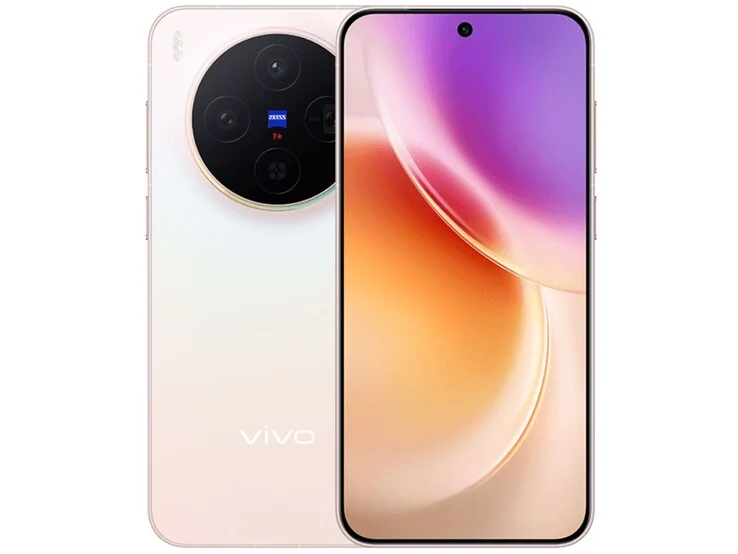
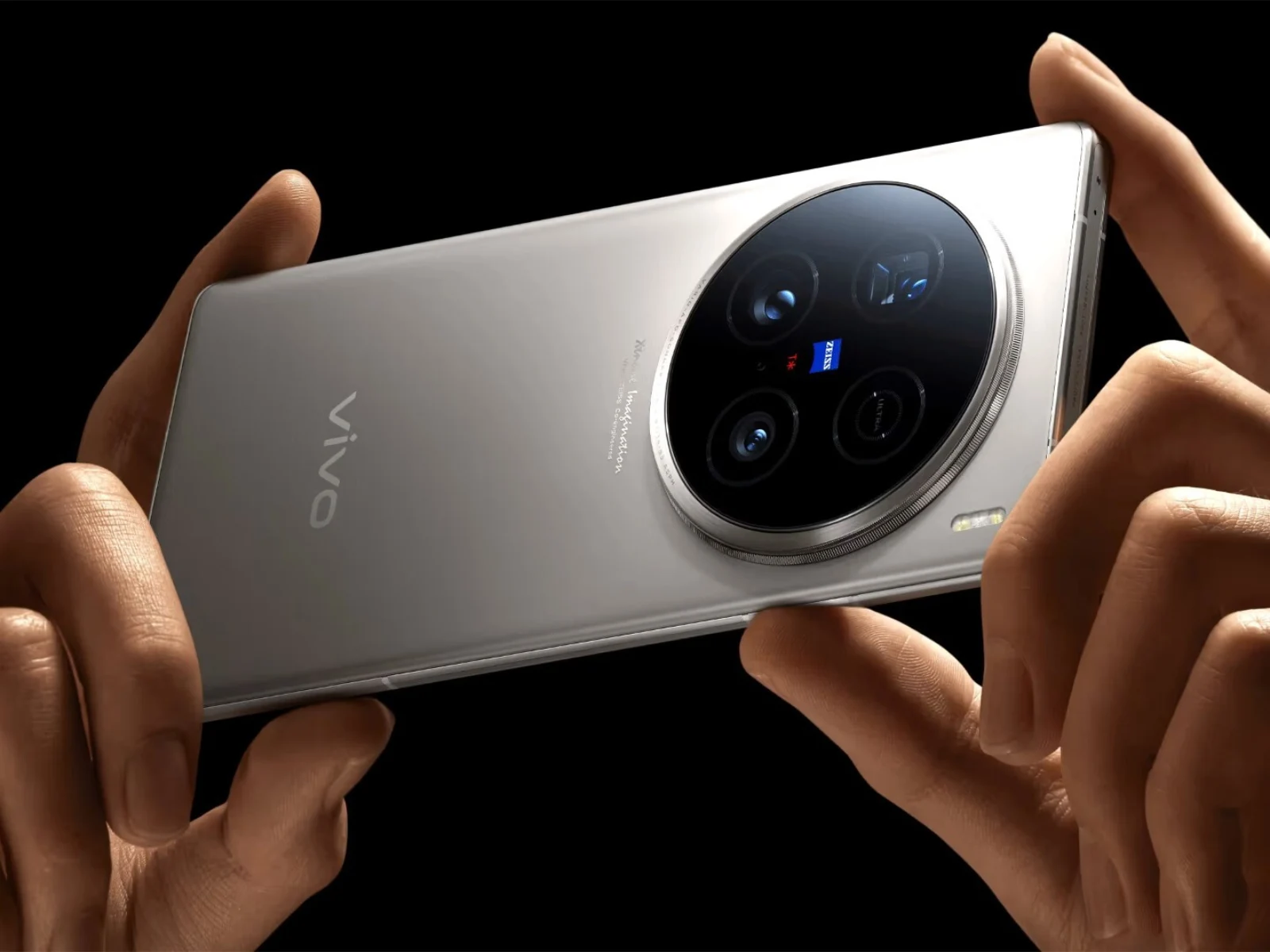
    The Vivo X300 boasts a 200 MP Zeiss Super Main Camera protected by Zeiss T* glass. This is complemented by a 50 MP ultra-wide lens and a Zeiss APO telephoto lens that provides optical zoom capabilities. The X300 Pro takes things a step further with larger glass components and enhanced night-mode functionality.

    Front Camera and Video Capabilities

    For selfies, both devices feature a 50 MP autofocus camera specifically calibrated for Zeiss Natural Color imaging. The Blueprint V3+ NPU allows for 4K 60 FPS portrait video recording and motion-tracking autofocus, along with Vivo’s “Zero-Additive” Natural Portrait Mode. Users can also take quick 4K video bursts that can be transformed into still sequences via Live Photo.

    Display and Performance

    The X300 series showcases a 6.78-inch BOE Q10 Plus LTPO AMOLED display that offers adaptive refresh rates and TÜV-certified eye protection. The thickness of the device measures 7.95 mm, while it weighs in at 190 g.

    It runs on the MediaTek Dimensity 9500 chipset, combined with LPDDR5X RAM and UFS 4.0 storage that goes up to 1 TB. Vivo has also integrated an upgraded thermal management system aimed at sustaining performance during extended AI or gaming tasks. The phone is powered by a 6,040 mAh Blue Ocean battery and includes USB 3.2 connectivity.

    Cross-Device Ecosystem

    A standout feature is Vivo’s “Cross-Device Ecosystem” (破壁生态), which facilitates smooth interaction between the X300 series and Apple devices.

    The X300 series enhances Vivo’s commitment to cross-platform functionality, building upon the Vivo X Fold 5. This model is said to support Apple Watch features, iCloud access, and cross-device mirroring; however, these features currently only operate with an Apple ID registered in China. Similarly, Huawei has provided limited cross-compatibility through its HarmonyOS ecosystem, enabling basic connections between wearables and simple file sharing.

    Availability and Color Options

    The Vivo X300 will be offered in four configurations in China: Fortune Pink, White Blue, Sea Blue, and Graphite Black. Global launch is anticipated to take place in November 2025.

    Source:
    Link


  • Camera Specifications for Xiaomi 17 Pro Max, Vivo X300 Pro, Honor Magic8 Pro, Oppo Find X9 Pro

    Camera Specifications for Xiaomi 17 Pro Max, Vivo X300 Pro, Honor Magic8 Pro, Oppo Find X9 Pro

    Key Takeaways

    1. Xiaomi has launched the Xiaomi 17 Pro and Xiaomi 17 Pro Max in China, with availability expected next week.
    2. The comparison of these models highlights missing details, such as the 50 MP ultra-wide-angle lens and unique photographic styles from Xiaomi’s camera partners.
    3. The new models feature advanced sensor technology, like the Sony LYT-828, enhancing HDR imaging capabilities.
    4. Significant differences in telephoto lenses are noted, particularly in sensor size and aperture across competing models.
    5. Xiaomi 17 Pro Max has the smallest telephoto sensor size, while other devices like the Oppo Find X9 Pro include additional sensors for improved performance.


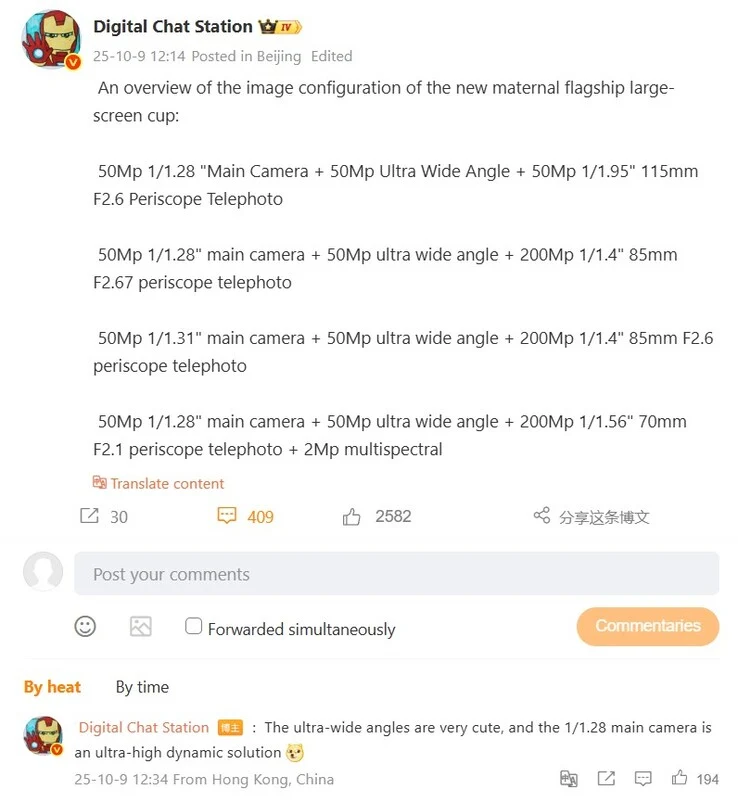
    Xiaomi has recently introduced the Xiaomi 17 Pro and Xiaomi 17 Pro Max in China, with availability expected next week. It’s time to explore the differences in the cameras of these upcoming flagship models compared to the Leica camera featured in the Xiaomi 17 Pro Max, which has already been detailed. A Chinese blogger and leaker known as Digital Chat Station shared a list of technical specifications for four leading smartphones on Weibo for comparison, though the exact names of these devices were not disclosed.

    Unveiling the Mystery

    Solving this mystery is not too difficult if we look back at the leaks from the last few weeks. One notable detail missing from the specs comparison is the 50 MP ultra-wide-angle lens, which has been described as quite “cute,” according to one observer. Additionally, the unique photographic styles shaped by Xiaomi’s camera partners—Vivo, Oppo, and soon Realme—like Leica, Zeiss, Hasselblad, and Ricoh GR, are not considered in this comparison. For those who want to analyze the specifications in relation to the flagship cameras, there’s still a chance to do so before we delve into the details below.

    Enhanced Sensor Technology

    A key benefit of all these models compared to their predecessors is the advanced sensor technology utilized in the main camera. This includes sensors like the Sony LYT-828, which offers 10.5 f-stops of dynamic range for the first time, aimed at improving HDR imaging in challenging lighting situations. Except for the Honor Magic8 Pro, which has a 1/1.31-inch main camera sensor, all other devices feature a 1/1.28-inch sensor. Xiaomi uses the SC590XS from SmartSens, branded as Light Hunter 950L, while both Vivo and Oppo rely on the aforementioned Sony sensor.

    Differences in Telephoto Lenses

    From the comparison provided, the most significant variations are found in the periscope telephoto lens. The Vivo X300 Pro and Honor Magic8 Pro boast the largest sensor, yet they have a smaller aperture than Oppo, which comes with a slightly smaller 200 MP sensor but an F/2.1 aperture. The equivalent focal lengths differ notably: 70mm for Oppo, 85mm for Vivo and Honor, and 115mm for the Xiaomi 17 Pro Max, which also has the smallest sensor of the group. Moreover, the Oppo Find X9 Pro includes an additional fourth sensor that serves as a color sensor.

    Source:
    Link


  • Vivo X300 Pro Review: Specs Confirmed & New Zeiss Camera Samples

    Key Takeaways

    1. The Vivo X300 Pro is expected to launch in multiple countries, including Malaysia, with potential availability through imports from Hong Kong.
    2. The phone features a Zeiss teleconverter that enhances the camera’s capabilities by converting an 85mm lens into a 200mm equivalent.
    3. Performance tests indicate the Vivo X300 Pro’s Dimensity 9500 chip scores significantly higher than its predecessor, the Vivo X200 Pro, with a nearly 40% increase in AnTuTu scores.
    4. The Vivo X300 Pro has a thickness of 7.99 mm and weighs 226 grams, with a larger battery of 6,510 mAh compared to the 6,040 mAh in the standard Vivo X300.
    5. Recent camera samples showcase the Zeiss camera’s capabilities, including striking telephoto macro images and night portraits from Chinese National Day celebrations.


    After Vivo shared a lot of details about its upcoming flagship camera with Zeiss back in September, and also released some official images, the tech media has shifted its attention to the Xiaomi 17 and Xiaomi 17 Pro, which are powered by the Snapdragon 8 Elite Gen 5, along with the OnePlus 15. But don’t forget about the Dimensity 9500 flagships, the Oppo Find X9 Pro and Vivo X300 Pro, which will also be hitting the market in just a few days, and the Find X9 Pro is anticipated to have a global launch shortly after that.

    Vivo X300 Pro Launch Details

    It looks like the Vivo X300 Pro might be launched in several countries beyond China this year, including Malaysia, where it was recently spotted at a certification agency. However, this doesn’t guarantee that the successor to the Vivo X200 Pro will be available in Europe in a few weeks, but hey, importing the global model from places like Hong Kong could be an option for those eager to get their hands on it.

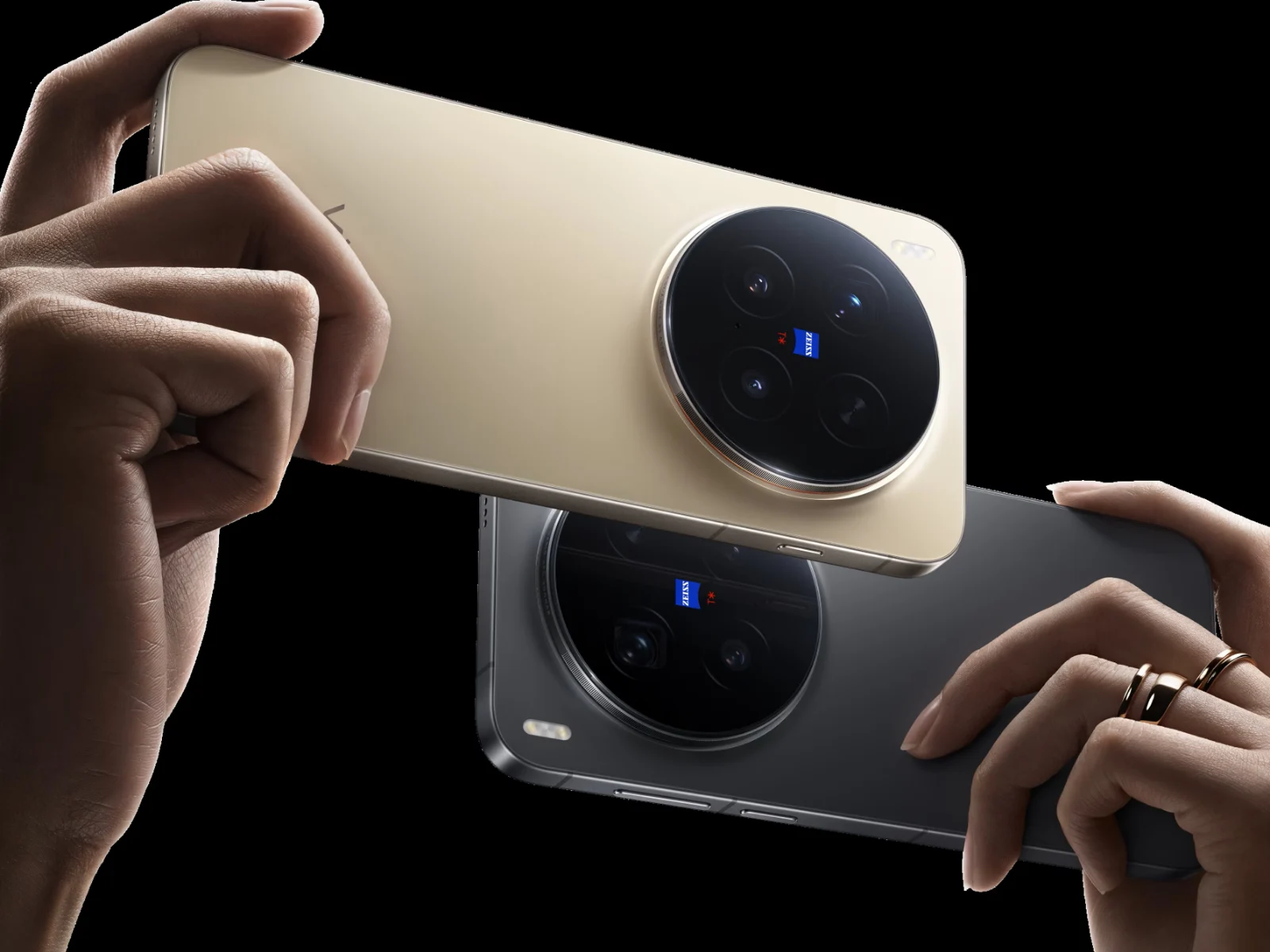
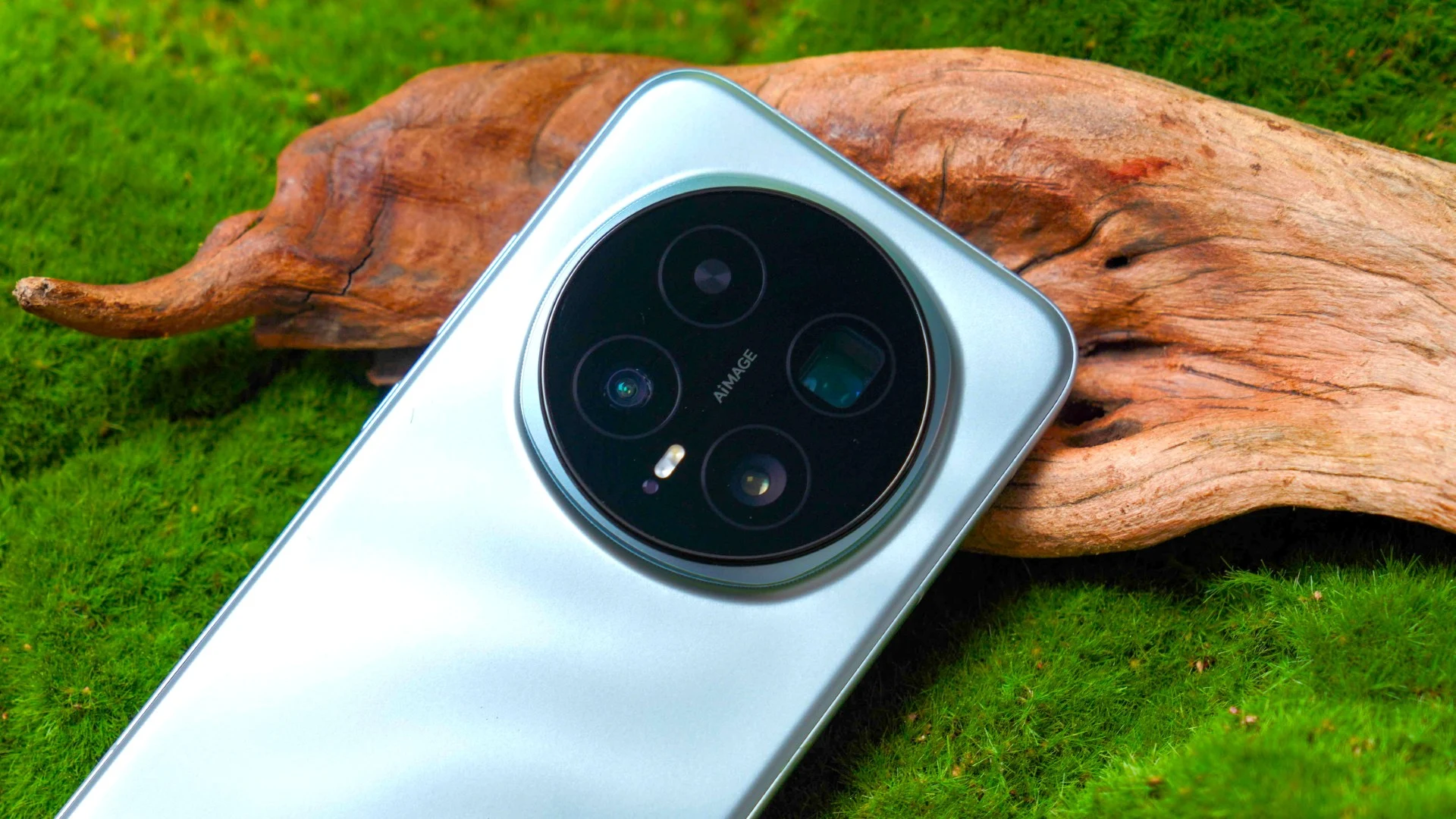
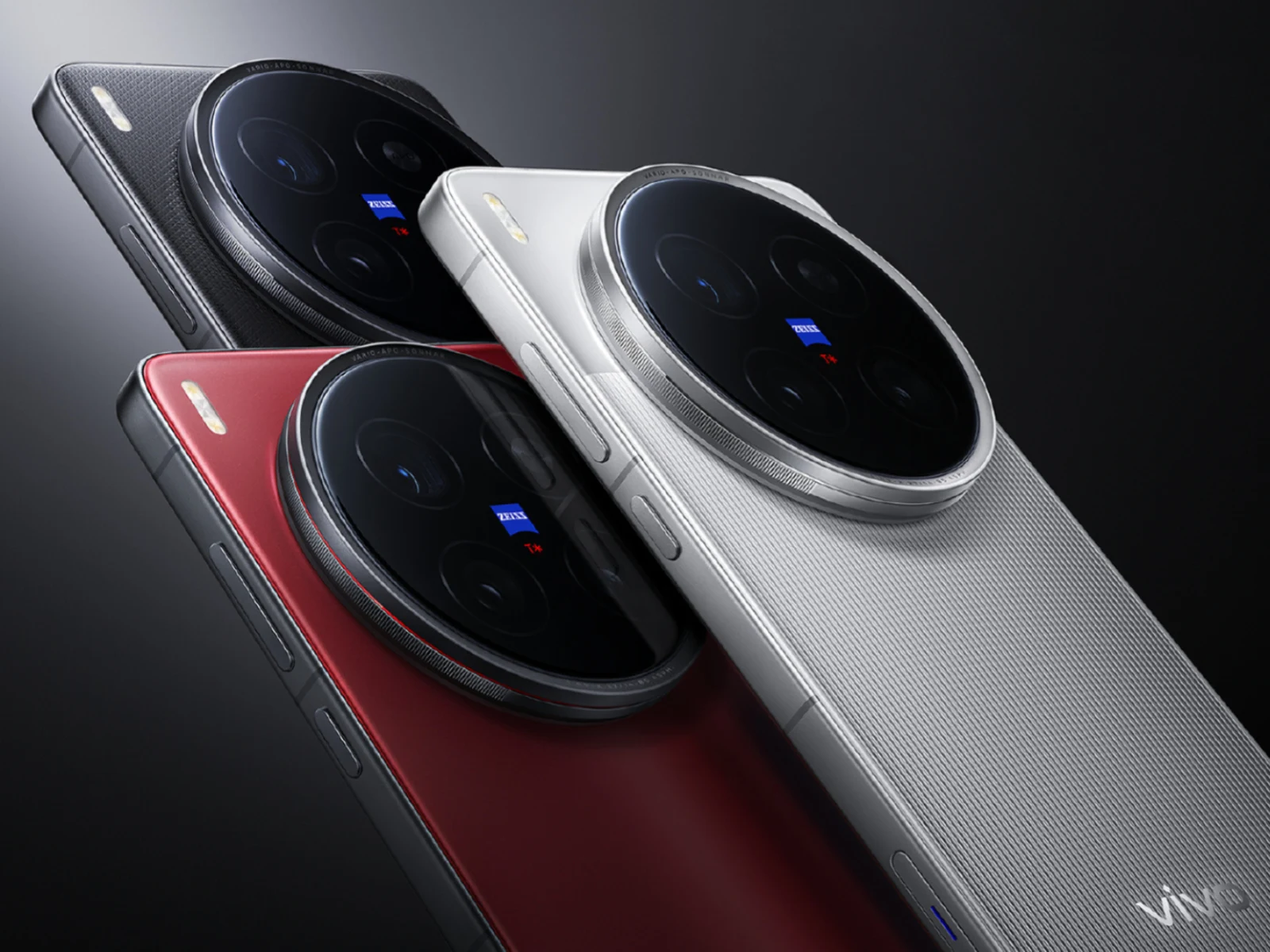
    For those looking for the Vivo X300 Pro on Weibo, you’ll find loads of camera samples (check them out below) and some hands-on pictures, as well as the first unboxing videos. One particular video reveals the full package, which includes the camera kit and the Zeiss teleconverter. Interestingly, this teleconverter seems to be the same as the one already available for the Vivo X200 Ultra, which changes the 85mm telephoto lens into a 200mm equivalent, ensuring better quality for faraway subjects compared to the standard AI-based digital zoom.

    Performance Insights

    Another video circulating on Weibo puts the Dimensity 9500 flagships to the test. We’ve also uploaded this video in 4K to YouTube, although it’s in Chinese and lacks subtitles. Still, many aspects are quite clear, such as the quick comparison with the Vivo X200 Pro at the start. Some specifications have been confirmed too, like the Vivo X300 Pro’s thickness of 7.99 mm and its weight of 226 grams. Early results from Dimensity 9500 tests show it scoring over 1 million points higher in AnTuTu v11 compared to the Vivo X200 Pro, marking an increase of nearly 40%.

    Testers are expecting significantly better scores of around 30 to 40% in Geekbench and 3DMark Steel Normal Light as well. Beyond that, various other tests that are crucial for gamers, alongside other test videos, reaffirm some of the specifications of the Vivo X300 and Vivo X300 Pro. The Vivo X300 is equipped with a 6,040 mAh battery, while the Pro version boasts a larger 6,510 mAh battery, both capable of being charged at a max of 90 watts via USB-C. However, similar to what we saw with its predecessor, the global version might once again have a smaller battery, especially for the European model.

    Recent Camera Samples

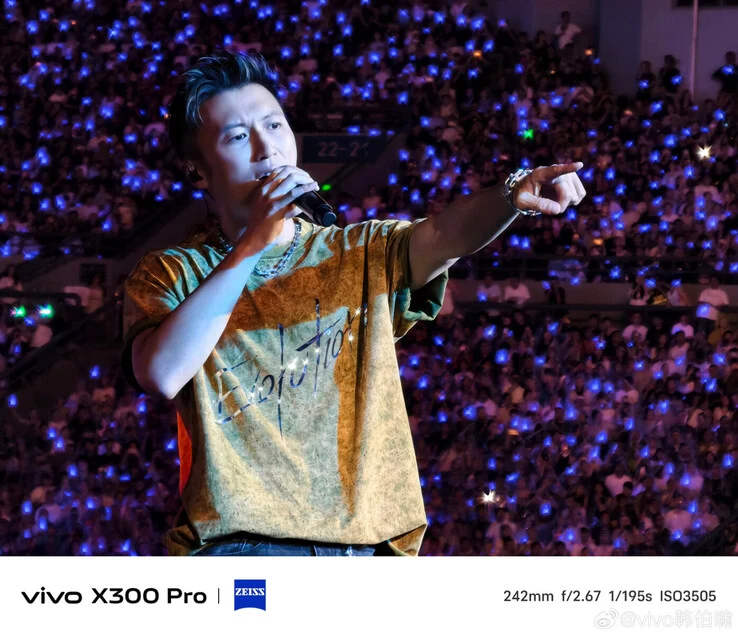
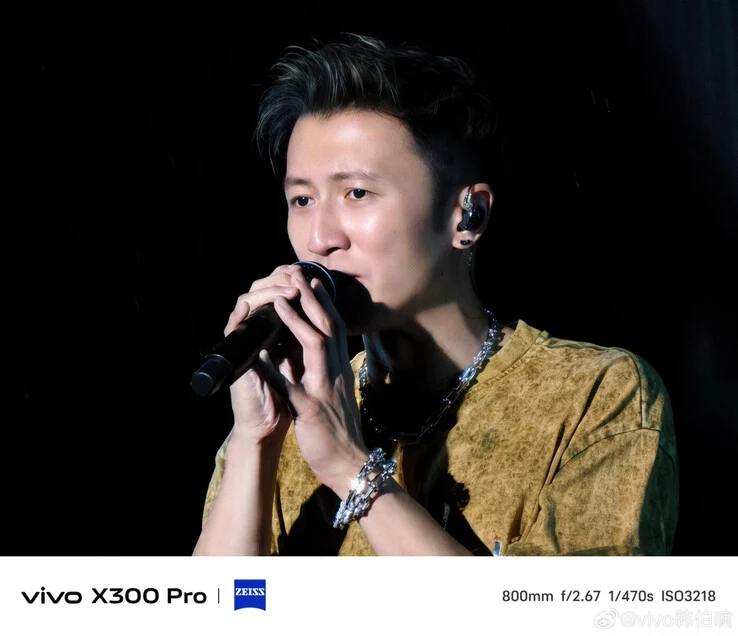
    New images captured with the Zeiss camera have also surfaced on Weibo. There are 21 photos that kick off with two striking telephoto macro images. Following that, the Chinese National Day festivities take the spotlight in a series of night portraits, which were likely taken using the new zoom flash. Lastly, several pictures were snapped around the reopening of the Huajiang Canyon Bridge, currently recognized as the highest bridge in the world. Interestingly, some of these images were taken using the Zeiss teleconverter, as noted on Weibo.

    Source:
    Link


  • Vivo X300 Pro and iQoo 15 Global Release Nears with Certifications

    Vivo X300 Pro and iQoo 15 Global Release Nears with Certifications

    Key Takeaways

    1. New Android smartphones from Chinese brands include the Vivo X300 series, Oppo Find X9 series, OnePlus 15, Realme GT 8 Pro, and iQoo 15, initially launching in China.
    2. The Vivo X300 Pro and iQoo 15 have received certification in Malaysia, indicating a possible global launch soon.
    3. The Vivo X300 Pro features a 6.78-inch display, MediaTek Dimensity 9500 processor, up to 16GB RAM, 1TB storage, dual 200MP cameras, and a 6,510mAh battery.
    4. The iQoo 15 is expected to have a 6.85-inch display with a 144Hz refresh rate, Snapdragon 8 Elite Gen 5 processor, up to 16GB RAM, 1TB storage, a triple camera system, and a 7,000mAh battery with 100W charging.
    5. The Vivo X300 Pro is set to launch on October 13, and the iQoo 15 on October 15, with international releases to follow shortly.


    There are several new Android smartphones on the way from Chinese brands. This lineup includes the Vivo X300 series, Oppo Find X9 series, OnePlus 15, Realme GT 8 Pro, and iQoo 15. These devices are likely to be available first in China. In addition, the global versions of the Vivo X300 Pro and iQoo 15 have received certification in Malaysia.

    Certification Details

    The Vivo X300 Pro, identified by the model number “V2514,” has been certified by SIRIM in Malaysia. Likewise, the iQoo 15 has also obtained certification under the model number “I2501.” While these SIRIM certifications do not provide details about the devices’ specifications, they suggest that a global launch could be approaching.

    Expected Features

    The Vivo X300 Pro is anticipated to come with a flat 6.78-inch display. It will be powered by MediaTek’s latest flagship processor, the Dimensity 9500. Moreover, it might offer up to 16GB of RAM and 1TB of UFS 4.1 storage. A standout feature will be its dual 200MP Zeiss cameras. Recently, the company announced it will include a 6,510mAh battery.

    On the other hand, the iQoo 15 is likely to sport a 6.85-inch display with a 144Hz refresh rate. The brand has confirmed that it will utilize the Snapdragon 8 Elite Gen 5 processor. Similar to the Vivo X300 Pro, it is expected to offer up to 16GB of RAM and 1TB of internal storage. The iQoo 15 is rumored to have a triple rear camera system featuring a 50MP main sensor, a 50MP periscope telephoto lens, and an ultrawide lens. It may also include a hefty 7,000mAh battery with support for 100W charging.

    Launch Dates

    The Vivo X300 Pro is set to be revealed on October 13 in China, while the iQoo 15 might debut on October 15. The international release of these smartphones is anticipated to follow shortly after their launch in China.

    Source:
    Link


  • Vivo X300 Pro Unveiled with Superior Camera Accessories of X200 Ultra

    Vivo X300 Pro Unveiled with Superior Camera Accessories of X200 Ultra

    Key Takeaways

    1. Vivo will unveil the X300 and X300 Pro next month, while Xiaomi is launching the Xiaomi 15 and Xiaomi 15 Pro, priced at $890 on Amazon.
    2. The Vivo X300 Pro features a 6.78-inch, 1.5K LTPO AMOLED display with a 120 Hz refresh rate and is powered by a MediaTek Dimensity 9500 chipset.
    3. The camera system on the Vivo X300 Pro includes advanced VS1 and VS3+ camera chips and impressive hardware.
    4. Vivo has introduced first-party Camera Kit accessories for the X300 and X300 Pro, providing a 200 mm zoom and performing well in low light.
    5. It is currently unclear if Vivo will sell the Camera Kit accessories outside of China.


    Vivo is set to officially unveil the X300 and X300 Pro next month. However, Xiaomi is preparing to roll out the Xiaomi 15 Pro and the smaller Xiaomi 15, which is currently priced at $890 on Amazon. In the meantime, both companies are teasing information about their upcoming smartphones on social media. Additionally, Digital Chat Station has revealed key specifications for the Vivo X300 Pro to their audience.

    Display and Performance

    According to a mix of leaks and official announcements, Digital Chat Station indicates that the Vivo X300 Pro will feature a 6.78-inch, 1.5K LTPO AMOLED display with a refresh rate of 120 Hz, all packed into a 7.99 mm thin body. Furthermore, the report mentions that this device will be powered by a MediaTek Dimensity 9500 chipset. The camera system on the Vivo X300 Pro will include advanced VS1 and VS3+ camera chips, along with some impressive camera hardware.

    Camera Accessories

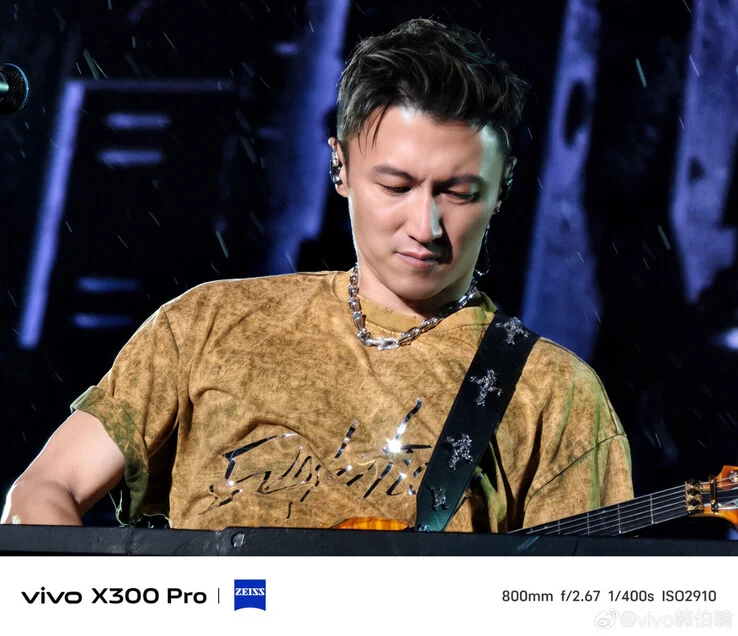
    At the same time, Vivo and Han Bo Xiao have introduced first-party Camera Kit accessories designed for both the X300 and X300 Pro models. This is similar to an accessory that was launched earlier this year with the X200 Ultra. These accessories provide a 200 mm zoom for both smartphones. Interestingly, the Camera Kit for the X300 Pro seems to perform well even at 800 mm in low-light situations. Nonetheless, it is still unclear whether Vivo intends to sell this accessory outside of China anytime soon.

    Source:
    Link


  • Vivo X300 Pro vs Vivo X200 Ultra: Key Videography Upgrades

    Vivo X300 Pro vs Vivo X200 Ultra: Key Videography Upgrades

    Key Takeaways

    1. Oppo and Vivo are focusing on video features to compete with Apple’s iPhone 17 Pro and iPhone 16 Pro.
    2. Vivo’s X300 series will be the first to record 4K portrait videos at 60 FPS and offers 120 FPS slow-motion video recording.
    3. The Vivo X300 Pro supports Dolby Vision HDR while recording in 4K at 120 FPS, along with 10-bit Log for color grading.
    4. The X300 Pro features improved stabilization with CIPA 5.5-stop and enhanced electronic image stabilization (EIS).
    5. Vivo claims the X300 Pro outperforms competitors like Xiaomi 15 Ultra and Galaxy S25 Ultra in video capabilities, challenging Apple directly.


    It appears that both Oppo and Vivo are aiming to compete with Apple regarding the video features of their upcoming flagship smartphones. Just last week, Oppo hinted that the Find X9 and Find X9 Pro would come with significant ‘video enhancements’ designed to take on iPhones such as the iPhone 17 Pro and the previous iPhone 16 Pro (currently priced at $749 – refurbished on Amazon).

    Vivo Joins the Competition

    Shortly after, Vivo entered the competition, revealing that the new X300 series plans to either match or exceed the capabilities of the X200 Ultra in a certain aspect of photography. It seems that these new models will be the first to record 4K portrait videos at 60 frames per second. Additionally, the X300 Pro is also capable of filming 120 FPS slow-motion videos in 4K resolution.

    Impressive Features Ahead

    Furthermore, Vivo’s executive Han Bo Xiao claims that the Vivo X300 Pro can utilize Dolby Vision HDR while recording in 4K at 120 FPS. This feature also supports 10-bit Log for easier color grading during post-production. For comparison, the X200 Ultra can only achieve 4K/60 FPS when shooting in either 10-bit Log or Dolby Vision HDR.

    The X300 Pro reportedly offers CIPA 5.5-stop stabilization for both its primary and telephoto cameras and boasts enhanced electronic image stabilization (EIS) compared to earlier Vivo models. While complete camera specifications are still pending confirmation, Han Bo Xiao is already making daring statements, asserting that the Vivo X300 Pro surpasses the Xiaomi 15 Ultra and Galaxy S25 Ultra in video capabilities while also directly challenging Apple.

    Source:
    Link


  • Vivo X300 Pro: A New Leader in Camera Features Over X200 Ultra

    Vivo X300 Pro: A New Leader in Camera Features Over X200 Ultra

    Key Takeaways

    1. Vivo’s Han Bo Xiao highlights comparisons between the upcoming Vivo X300 and the iPhone 16 Pro.
    2. The Vivo X300 will feature a dual focal length zoom flash design for improved low-light portrait photography.
    3. The X300 Pro is expected to surpass the X200 Ultra with a triple-zoom flash configuration and brighter portrait capabilities.
    4. Specific focal lengths for the X300 Pro will include 24 mm, 50 mm, and 85 mm, enhancing versatility in photography.
    5. Availability details for the X300 and X300 Pro remain unclear, leaving consumers waiting for more information.


    Vivo’s Han Bo Xiao has recently shared fresh insights regarding an upcoming flagship smartphone from the company, coinciding with Oppo’s active promotion of the Find X9 and Find X9 Pro. To summarize, Han Bo Xiao has often drawn comparisons between the Vivo X300 and the iPhone 16 Pro (currently priced at $678 – renewed on Amazon) in recent weeks. Now, this executive assures that Vivo will include features in the X300 that are among the most well-liked aspects of the X200 Ultra.

    Exciting Features of the X300

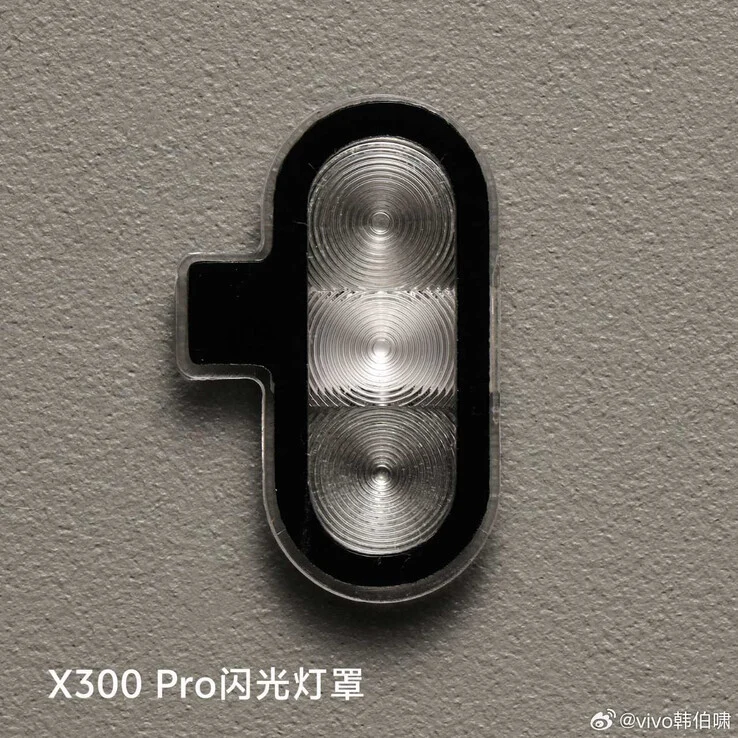
    He has specifically confirmed that the Vivo X300 will utilize the dual focal length zoom flash design from the X200 Ultra, which enables the device to take what Vivo terms ‘Flash Portrait’ photos. In theory, this technology will allow the X300 to produce detailed portrait images even in low-light environments. However, it would be wise to wait for third-party reviews before making any conclusions on this.

    Upgrades in the X300 Pro

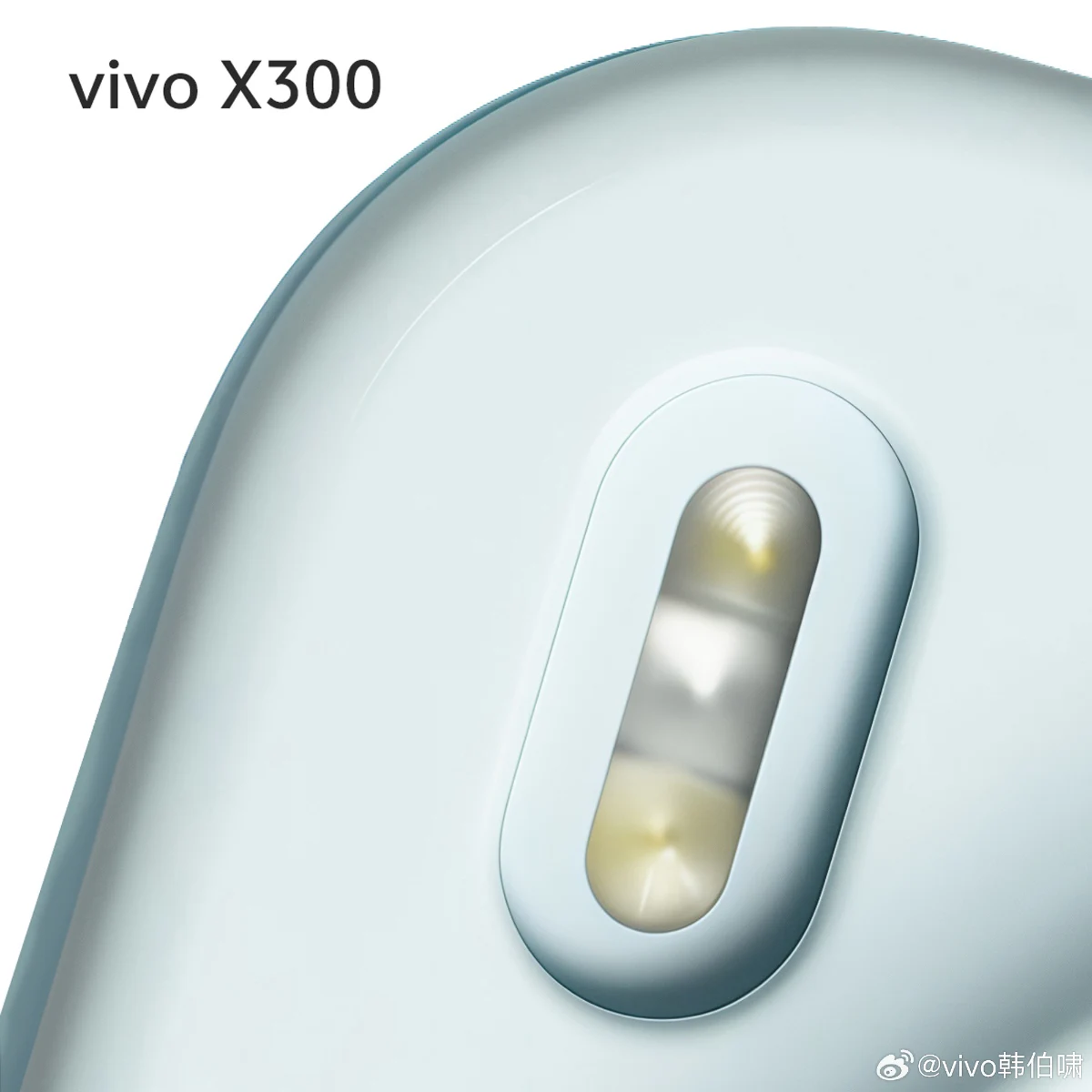
    On another note, the X300 Pro is expected to outdo the X200 Ultra with what the executive calls a ‘comprehensive flash upgrade.’ Supposedly, the X300 Pro will feature a triple-zoom flash configuration, which Han Bo Xiao claims covers focal lengths equivalent to 24 mm, 50 mm, and 85 mm. Additionally, the X300 Pro is reported to yield a scene that is 60% brighter when capturing 85 mm portraits compared to the X200 Ultra. Sadly, there is still no information on when the X300 or X300 Pro will be available for purchase, even in China, not to mention globally.

    Future Outlook

    Ultimately, Han Bo Xiao’s insights paint an intriguing picture for Vivo’s upcoming releases, but consumers will need to be patient for more information regarding availability and performance.

    Source:
    Link