Tag: iPhone 16 Pro

  • Trump T1 Phone Gets New Design and Specs Again

    Trump T1 Phone Gets New Design and Specs Again

    Key Takeaway

    1. The Trump T1 Phone was launched in June 2025 with pre-orders beginning earlier, but buyers have yet to receive the promised device.
    2. The actual product differs significantly from initial advertising, including manufacturing outside the USA, design changes, and altered specifications.
    3. The phone appears to be a modified HTC U24 Pro with a similar feature set and a controversial US flag branding, raising questions about the final specifications and delivery.

    Introduction of the Trump T1 Phone

    In June 2025, the Trump T1 Phone hit the market, and folks were able to start pre-ordering it. The price tag was set at $499, with customers having to put down a $100 deposit to secure their place in line. Despite the big buzz and pre-order success, many were disappointed when the actual device fell short of what was initially promised.

    Manufacturing & Design Changes

    The initial claim was that the Trump T1 Phone would be made in the USA, but that turned out to be incorrect. Instead, the design shifted to resemble a gold version of the Samsung Galaxy S26 Ultra worth around $1,299, or the iPhone 16 Pro, but no clear delivery date has been shared almost a year later. Specifications have been changing multiple times, causing confusion among the early buyers. In February, Tesla Mobile finally presented what they called the final design, but even then, it was not the original idea, as a customized version appeared on their official page with further specification updates.

    Design & Technical Specs

    The latest look of the Trump T1 Phone resembles a typical mid-tier smartphone with a metal frame. The distinctive features include a color scheme and the US flag on the back that gives it a patriotic vibe. It visually and technically resembles the HTC U24 Pro from 2024 quite a lot. Trump Mobile claims it has a somewhat bigger 5,000 mAh battery, but it charges at a slow 30 watts. The rest of the features are quite similar to the HTC U24, like a 50 MP selfie camera, 50 MP main camera, 8 MP ultra-wide camera, and a 50 MP telephoto lens with 2x zoom. The phone boasts a 6.78-inch AMOLED display that runs at 120 Hz, promising a smooth viewing experience. They mention a Qualcomm Snapdragon 7 series chipset, but details are still vague. Whether this will be the final specs or if the device will ever be shipped remains uncertain.

    Final Thoughts

    It’s clear that the Trump T1 Phone has faced numerous delays and modifications, leaving potential buyers unsure if they’ll ever actually get the device they were promised. The whole rollout seems quite chaotic, and only time will tell if Trump Mobile will stick to their latest claims or continue to change the game plan without delivering the final product.

    Sources

  • Transform Your iPhone into a Pro Camera: Teleconverter Kit Crowdfund

    Transform Your iPhone into a Pro Camera: Teleconverter Kit Crowdfund

    Key Takeaways

    1. Smartphone camera kits, originally by Xiaomi, are now popular among brands like Vivo and Oppo, with Apple possibly introducing similar accessories for the iPhone 18 Pro.
    2. iPhone users can pre-order a new accessory kit from the team behind the Vivo X300 Pro Kit, featuring two versions with different add-ons.
    3. The Retrova camera kit includes a detachable grip, 2.35x telephoto extender, and a microSD card slot for high-speed video storage.
    4. Additional features include remote controls, fill lights, and a specialized camera app with a retro interface and pro shooting modes.
    5. Delivery for the camera grip is expected in March and the complete kit in April, with easy upgrades planned for future iPhone models.


    Smartphone camera kits were initially created by Xiaomi in China, but now they are very common among brands like Vivo and Oppo, especially in their top-tier flagship devices like the Vivo X300 Pro and the Oppo Find X9 Pro. This trend has made its way to California, where a recent leak suggests that Apple might also be trialing external teleconverters. These could serve as optional zoom enhancements for better image quality when capturing photos of faraway subjects. It’s possible that such an accessory could debut with the iPhone 18 Pro later this year.

    Pre-Order Options for iPhone Users

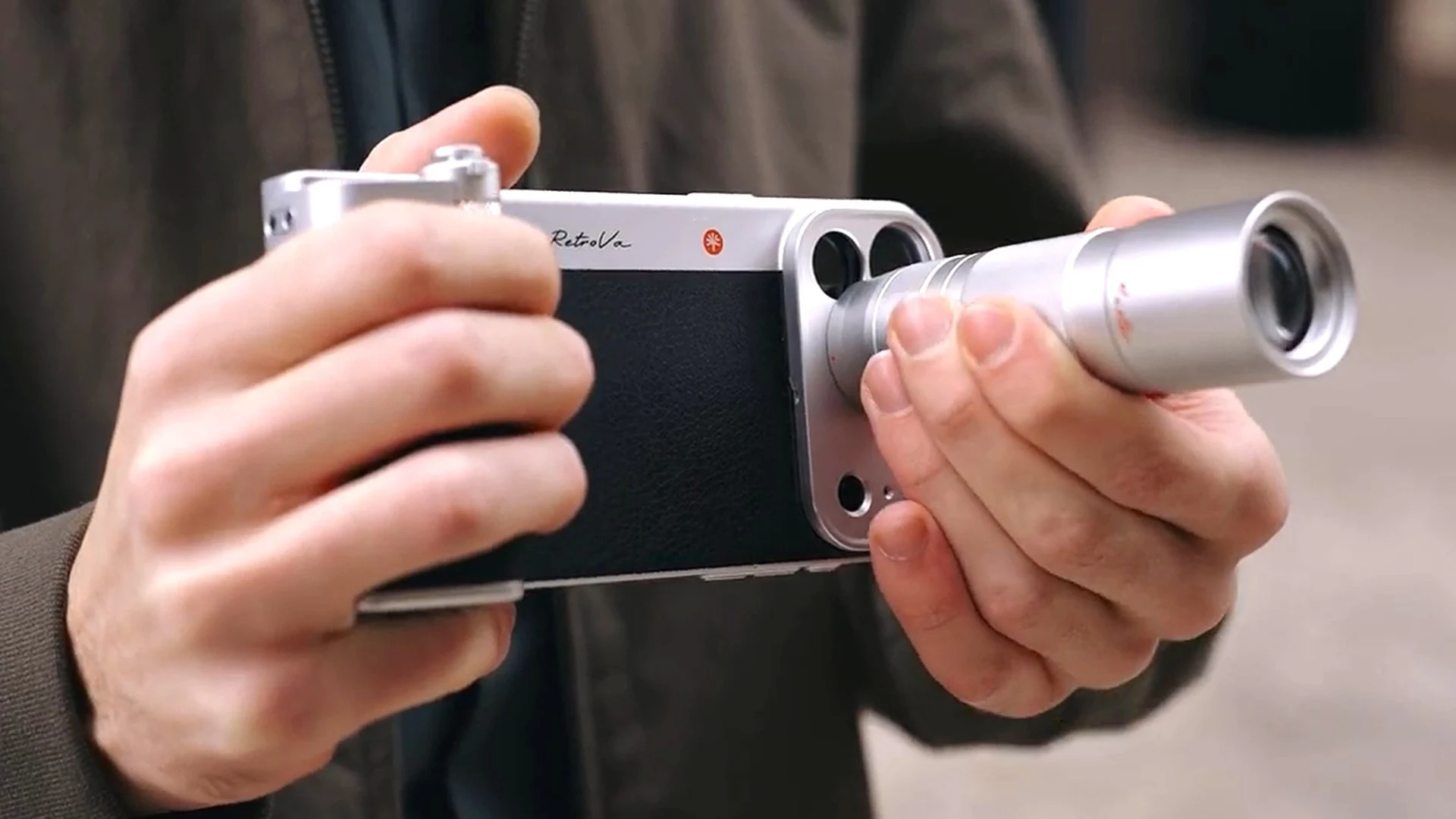
    If you already have an iPhone 16 Pro, iPhone 16 Pro Max, iPhone 17 Pro, or iPhone 17 Pro Max, you can now pre-order a compatible accessory kit created by the same team behind the Vivo X300 Pro Kit. This kit offers two versions with a variety of add-ons. The Retrova basic camera kit is available on Kickstarter for $72 (plus $18 for shipping) and comes with an iPhone case that has a detachable camera grip. Alternatively, the all-in-one package, priced at $184 (plus $18 shipping), includes a 2.35x telephoto extender, a filter adapter ring, and extra accessories like a carrying strap and tripod mount.

    Features and Specifications

    The camera grip is designed with a two-stage shutter button for focusing and shooting, a multifunction button, a zoom rocker, and a control dial to adjust settings like exposure and ISO. Unlike the kits made for Vivo and Oppo phones, Retrova adds a microSD card slot at the bottom, letting users save ProRes video recordings directly to the memory card at speeds reaching 312 MB/s. The teleconverter screws onto the front of the telephoto lenses, changing the iPhone 17 Pro’s 4x telephoto lens into a 235mm equivalent 10x optical zoom. With the iPhone 16 Pro’s 5x telephoto lens, the 2.35x magnification results in a 282mm equivalent 12x telephoto lens.

    Additional Accessories and App Features

    Extras available include a 2x teleconverter, a 62mm/67mm filter adapter ring, remote controls, and fill lights that can be magnetically attached to the center of the camera kit case. The camera app provided by the manufacturer features a retro graphical user interface, offering various filters and a complete pro mode for manual shooting and video recording. The camera grip also includes a 300 mAh battery, which seems to be mainly for operational use rather than serving as a power bank for the attached iPhones.

    PGYTech has indicated that delivery for the camera grip is expected in March, while the complete kit should arrive in April. However, with crowdfunding platforms, there is always a risk of delays or even losing invested funds. That said, such a scenario seems unlikely here since PGYTech is a reputable maker of accessories for cameras and smartphones. Whether the telephoto lens will provide high-quality results is still uncertain, but it is promised to feature professional optics composed of extra-low dispersion glass with 13 elements. Another promise is an easy upgrade for the kit to fit the upcoming iPhone 18 Pro by just swapping out the protective case.

    Kickstarter

    Source:
    Link


  • Samsung Drops Apple-Like Camera Control for Galaxy S26 Series

    Samsung Drops Apple-Like Camera Control for Galaxy S26 Series

    Key Takeaways

    1. The Samsung Galaxy S26 series is expected to release in February 2026, with early leaks revealing design details.
    2. There were initial plans to include an Apple-like action camera button for swipe gestures, similar to newer iPhone models.
    3. Samsung has decided against adding the action button, as recent leaks do not show its presence.
    4. Feedback from iPhone users may have influenced Samsung’s decision regarding the camera button’s utility.
    5. Major leakers have not confirmed the inclusion of a dedicated camera button for the Galaxy S26 series, making its appearance unlikely.


    The Samsung Galaxy S26 series is slated for a release in February 2026, but early leaks have uncovered many details about the design of the phones. Initial reports hinted that the S26 Ultra might come in a Cosmic Orange-inspired color, though later information contradicted this. It appears that color isn’t the only aspect Samsung is looking to innovate.

    Possible New Features

    A source claiming to be a former Samsung supplier shared on LinkedIn that the company contemplated adding an Apple-like action camera button to the Galaxy S26 series. This button was said to be designed for swipe gestures, resembling the camera button found on newer iPhone models.

    Decision Against the Button

    Despite the initial interest, it seems Samsung opted against this idea since the latest leaked images do not indicate the presence of an action button. It’s plausible that Samsung took note of feedback from iPhone users, realizing that the button might not be utilized as much as Apple anticipated. However, leaked visuals are often not entirely precise, so there remains a possibility that the Galaxy S26 series could still feature an extra button on its side.

    If Samsung were to include a camera button in the Galaxy S26 series, it wouldn’t be the first time a non-Apple brand embraced such a feature. Following Apple’s release of the iPhone 16 Pro models, brands like Oppo and Vivo quickly integrated similar functionalities into their X8 series and X200 Ultra (12/256GB currently priced at $909.80 on TradingShenzhen).

    Lack of Confirmation from Tipsters

    It’s also interesting to point out that none of the well-known leakers have mentioned a dedicated camera button for the Galaxy S26 series phones. Thus, even if Samsung did consider this feature and wants to add it, the chances of it making an appearance in the upcoming flagship lineup seem slim.

    LinkedIn via: Android Authority

    Source:
    Link


  • Vivo X300 Pro: A New Leader in Camera Features Over X200 Ultra

    Vivo X300 Pro: A New Leader in Camera Features Over X200 Ultra

    Key Takeaways

    1. Vivo’s Han Bo Xiao highlights comparisons between the upcoming Vivo X300 and the iPhone 16 Pro.
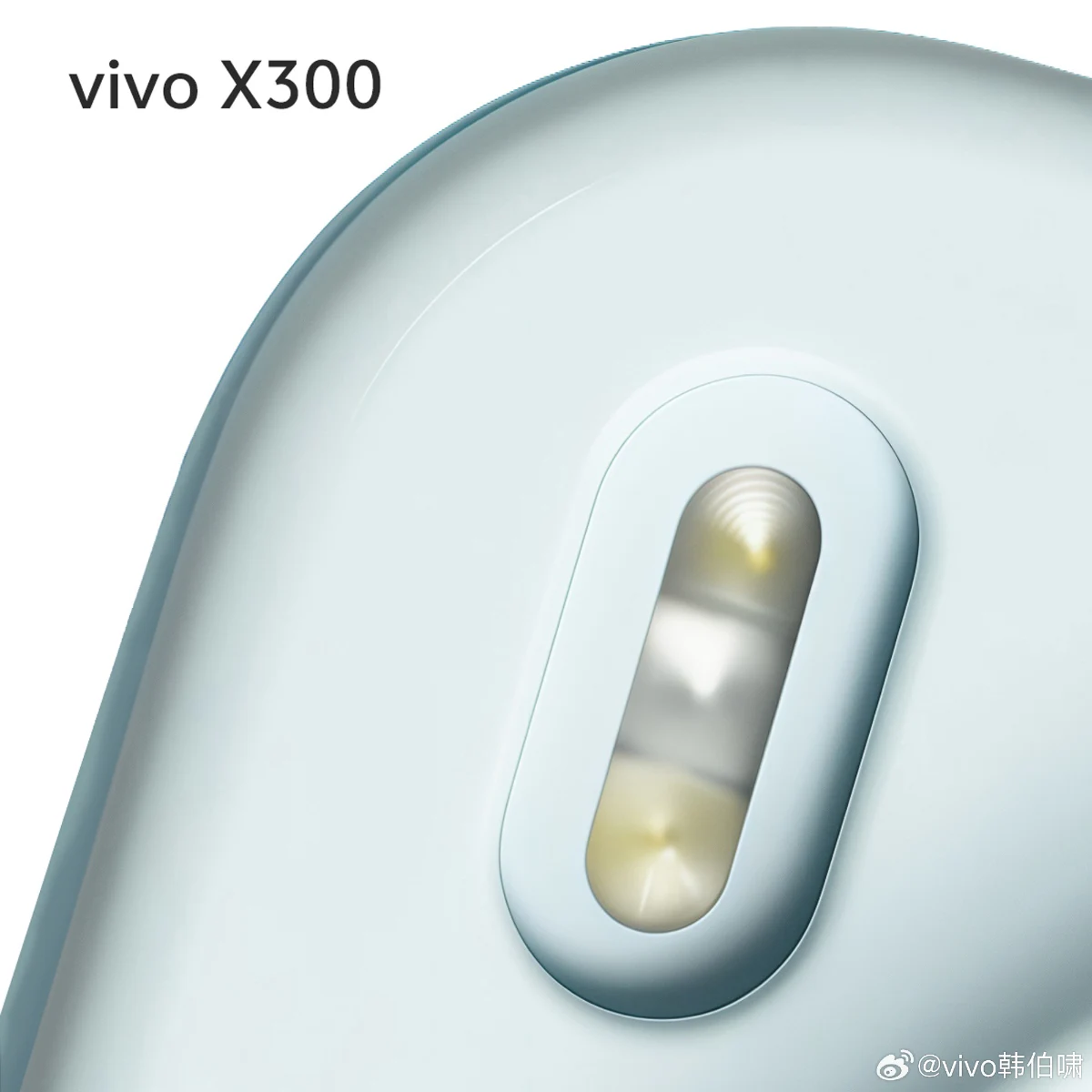
    2. The Vivo X300 will feature a dual focal length zoom flash design for improved low-light portrait photography.
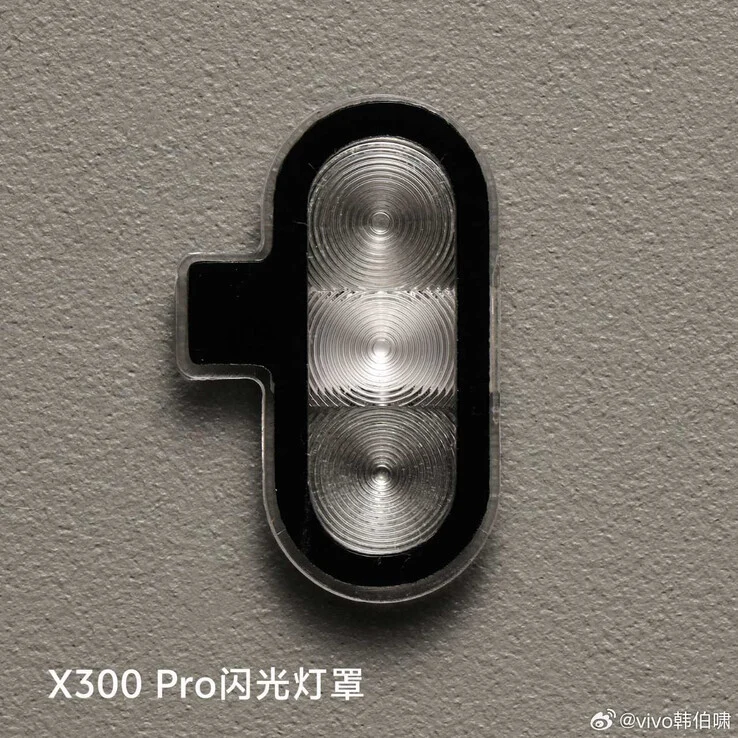
    3. The X300 Pro is expected to surpass the X200 Ultra with a triple-zoom flash configuration and brighter portrait capabilities.
    4. Specific focal lengths for the X300 Pro will include 24 mm, 50 mm, and 85 mm, enhancing versatility in photography.
    5. Availability details for the X300 and X300 Pro remain unclear, leaving consumers waiting for more information.


    Vivo’s Han Bo Xiao has recently shared fresh insights regarding an upcoming flagship smartphone from the company, coinciding with Oppo’s active promotion of the Find X9 and Find X9 Pro. To summarize, Han Bo Xiao has often drawn comparisons between the Vivo X300 and the iPhone 16 Pro (currently priced at $678 – renewed on Amazon) in recent weeks. Now, this executive assures that Vivo will include features in the X300 that are among the most well-liked aspects of the X200 Ultra.

    Exciting Features of the X300

    He has specifically confirmed that the Vivo X300 will utilize the dual focal length zoom flash design from the X200 Ultra, which enables the device to take what Vivo terms ‘Flash Portrait’ photos. In theory, this technology will allow the X300 to produce detailed portrait images even in low-light environments. However, it would be wise to wait for third-party reviews before making any conclusions on this.

    Upgrades in the X300 Pro

    On another note, the X300 Pro is expected to outdo the X200 Ultra with what the executive calls a ‘comprehensive flash upgrade.’ Supposedly, the X300 Pro will feature a triple-zoom flash configuration, which Han Bo Xiao claims covers focal lengths equivalent to 24 mm, 50 mm, and 85 mm. Additionally, the X300 Pro is reported to yield a scene that is 60% brighter when capturing 85 mm portraits compared to the X200 Ultra. Sadly, there is still no information on when the X300 or X300 Pro will be available for purchase, even in China, not to mention globally.

    Future Outlook

    Ultimately, Han Bo Xiao’s insights paint an intriguing picture for Vivo’s upcoming releases, but consumers will need to be patient for more information regarding availability and performance.

    Source:
    Link


  • Apple iPhone 17 Pro: Turn Off PWM to Avoid OLED Flickering

    Apple iPhone 17 Pro: Turn Off PWM to Avoid OLED Flickering

    Key Takeaways

    1. The iPhone 16 Pro uses PWM at a frequency of 239Hz to adjust screen brightness, leading to potential flickering.
    2. Users sensitive to flickering may experience eye fatigue and headaches, while others may not notice it.
    3. The iPhone 17 Pro introduces an option to disable PWM, potentially improving the experience for sensitive users.
    4. Disabling PWM may affect display performance at lower brightness, though specifics are unclear.
    5. It’s uncertain if the PWM-off feature will be available on other iPhone models with iOS 26.


    In our detailed examination of the Apple iPhone 16 Pro, we discovered that this top-tier smartphone utilizes PWM to lower the screen brightness, similar to most current OLED devices. Our tests showed a PWM frequency of 239Hz with a 15% amplitude, indicating the screen flickers 239 times every second. The way the display behaves can vary a bit based on the brightness level set.

    Implications of Low PWM Frequency

    A PWM frequency of 239Hz might make the screen flicker noticeably, which can lead to eye fatigue and headaches in users who are sensitive to such changes. On the other hand, those who are less sensitive often do not pick up on any flickering at all. Recently, MacRumors has verified that the Apple iPhone 17 Pro introduces a feature that allows users to turn off PWM completely, which could enhance the user experience for certain individuals. However, this setting needs to be activated manually in the system preferences.

    Performance Considerations

    When this feature is turned on, users receive a warning that it might negatively impact the display performance at lower brightness levels, but it’s not defined whether Apple is talking about response time, refresh rate, or color fidelity. Additionally, it remains uncertain whether this function will be accessible on other iPhone models running iOS 26 or how Apple will manage screen dimming without relying on PWM. More details on this topic will be included in our in-depth review of the iPhone 17 lineup.

    Source:
    Link


  • Vivo X300 vs iPhone 16 Pro: Zeiss-Tuned Display Advantage

    Vivo X300 vs iPhone 16 Pro: Zeiss-Tuned Display Advantage

    Key Takeaways

    1. Vivo has not announced the release date for its flagship smartphones, the X300 and X300 Pro, but is building anticipation through executive teasers.
    2. The camera features of both models include the Sony LYT-828 and a customized Samsung ISOCELL HPB sensor.
    3. Comparisons have been made between the Vivo X300 and the iPhone 16 Pro, highlighting slimmer display bezels on the X300.
    4. The Vivo X300 features a BOE Q10 Plus display with Zeiss color adjustments and a 2,160 Hz PWM value.
    5. The X300 can combine DC and PWM dimming modes to enhance brightness while minimizing eye strain.


    Vivo hasn’t revealed when its latest flagship smartphones will hit the market yet. Instead, the company is letting executives like Han Bo Xiao create excitement around the devices ahead of their official debut.

    Camera Features Unveiled

    To summarize, this same executive has been slowly sharing more information about the camera features for both the X300 and X300 Pro over the last few days. Interestingly, Vivo mentioned at a recent press event that both models would include the Sony LYT-828 and Samsung ISOCELL HPB. The latter is a customized version of the ISOCELL HP9, which is already part of the X200 Ultra.

    Comparing to the Competition

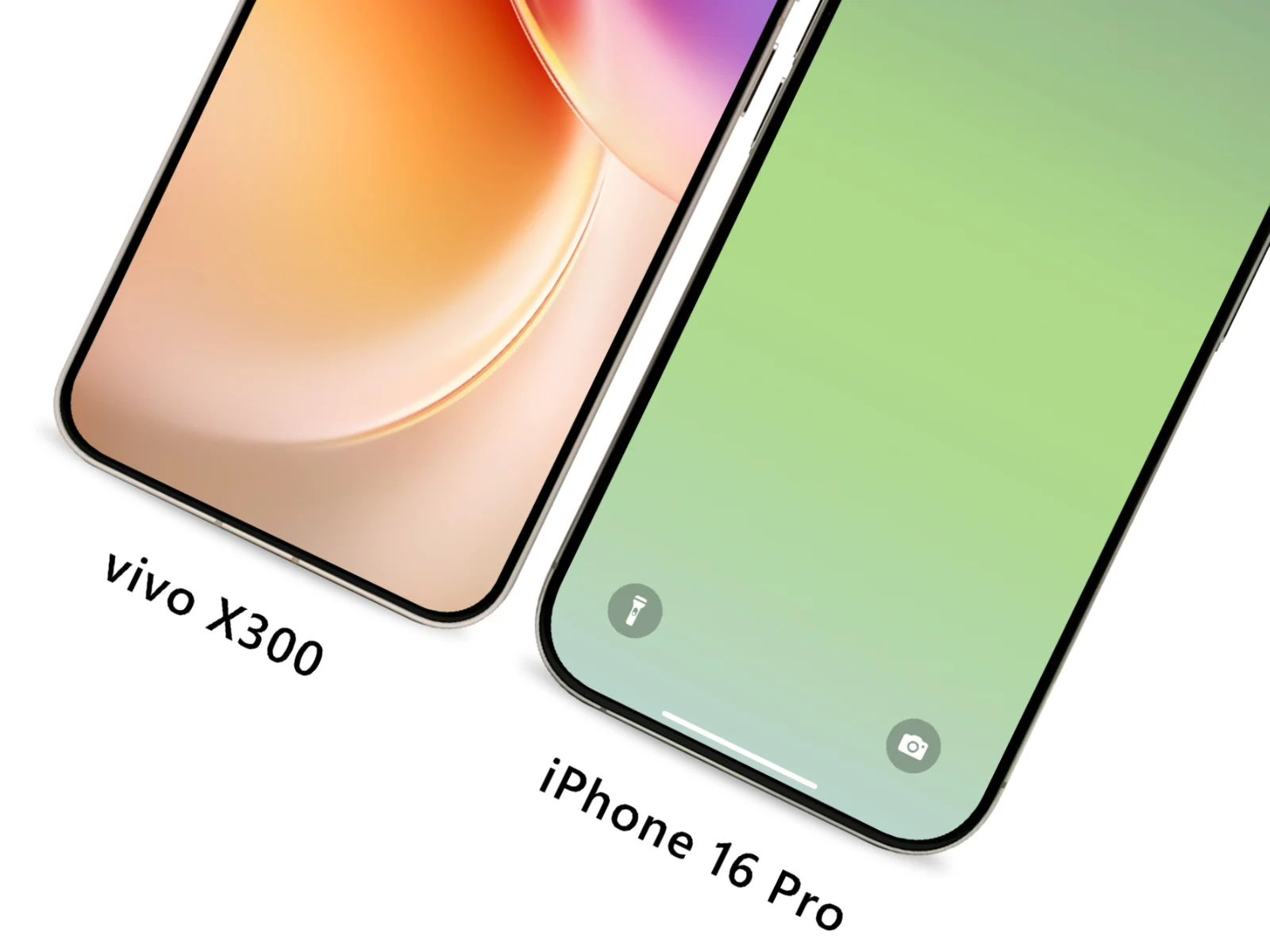
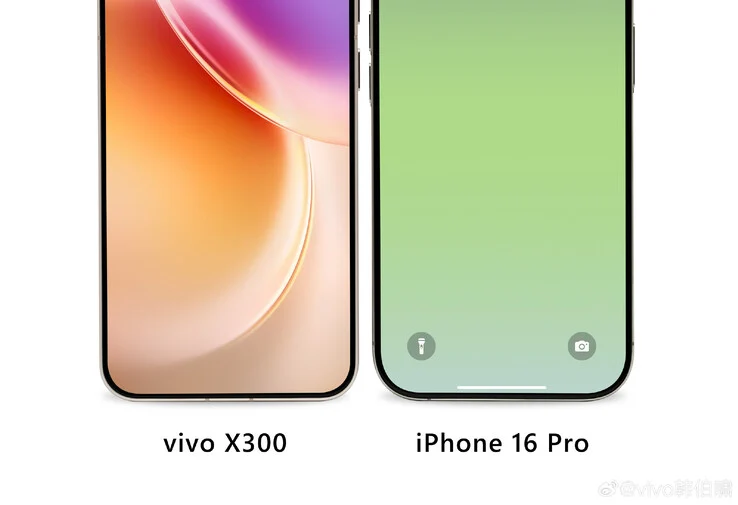
    In a recent teaser image, Han Bo Xiao has drawn a comparison between the Vivo X300 and the iPhone 16 Pro. The image, shown above and below, highlights that the X300 boasts even slimmer display bezels than those found on the iPhone 16 Pro. Reportedly, these would need to be under 1.41 mm to outdo the iPhone 16 Pro (currently priced at $742 for a refurbished model on Amazon).

    Display and Dimming Technology

    Additionally, Han Bo Xiao claims that the Vivo X300 is equipped with BOE’s Q10 Plus display, enhanced by Zeiss color adjustments and a 2,160 Hz PWM value. Furthermore, the X300 can merge DC and PWM dimming modes to achieve peak brightness while reducing eye strain. It seems that Vivo and its executives will keep unveiling more information about the X300 and X300 Pro in the upcoming days before announcing a complete launch date.

    Source:
    Link


  • Battery Life Test: Pixel 10 Pro vs iPhone 16 Pro vs Galaxy S25

    Battery Life Test: Pixel 10 Pro vs iPhone 16 Pro vs Galaxy S25

    Key Takeaways

    1. The Google Pixel 10 Pro has a 6.3-inch display and a 4,870mAh battery, which is smaller compared to some competitors.
    2. In comparison, the Apple iPhone 16 Pro has a 3,582mAh battery, while the Samsung Galaxy S25 features a 4,000mAh battery.
    3. A YouTube comparison video tests battery life under everyday conditions for the Pixel 10 Pro, iPhone 16 Pro, and Galaxy S25.
    4. The Pixel 10 Pro lasts 7 hours and 1 minute in the battery test, outperforming both the iPhone 16 Pro (6 hours 15 minutes) and Galaxy S25 (6 hours 10 minutes).
    5. Actual battery performance varies significantly based on individual user habits and phone usage.


    The Google Pixel 10 Pro features a 6.3-inch display, making it one of the more compact phones available today. Its battery, rated at 4,870mAh, is also on the smaller side, especially when compared to larger smartphones or even some compact models from various Chinese brands. For instance, the Vivo S30 Pro Mini comes equipped with a 6,500mAh battery, all within a similar size.

    Competitors from Apple and Samsung

    In contrast, when we examine devices from Samsung and Apple, the situation changes. The Apple iPhone 16 Pro has a rather small battery of 3,582mAh, while the Samsung Galaxy S25, which starts at $779 on Amazon, features a 4,000mAh battery. A YouTube channel, Lover of Tech, has shared a battery life comparison video that pits the Pixel 10 Pro against these two popular models, examining how they perform under everyday conditions. The test involves activities like video recording, using social media apps, watching YouTube videos, and gaming.

    Battery Life Performance

    For this comparison, all devices were set to a display brightness of 200 nits. In this test, the iPhone 16 Pro drains its battery first, lasting only 6 hours and 15 minutes. The Galaxy S25 follows closely behind, running out of power just five minutes later. However, the Google Pixel 10 Pro impressively lasts 7 hours and 1 minute, outshining its rivals. Even though its efficiency is a bit lower, the larger battery proves to be beneficial. Ultimately, actual battery performance will depend significantly on how each user utilizes their phone.

    Source:
    Link


  • iPhone 18 Series to Feature Enhanced Camera Control

    iPhone 18 Series to Feature Enhanced Camera Control

    Key Takeaways

    1. Apple may stop the Camera Control feature due to negative feedback but may keep it with modifications for future iPhone models.
    2. The iPhone 18 series might replace the current capacitive button with a fully pressure-sensitive design.
    3. Apple may draw inspiration from competitors like Vivo and Oppo, who have added similar camera buttons to their smartphones.
    4. The current hybrid design of the Camera Control button in the iPhone 16 series is seen as costly and not very user-friendly.
    5. The new pressure-sensitive Camera Control is expected to be revealed in the iPhone 18 Pro series, but no updates are planned for the iPhone 17 series.


    Apple is said to be planning to stop the Camera Control feature that was introduced in the iPhone 16 Pro and Pro Max due to negative reactions towards its new smartphone button. However, this isn’t entirely true, according to the well-informed leaker Setsuna Digital.

    Future of Camera Control

    The tech giant from Cupertino may still keep the Control for a few more generations, but with some modifications. The upcoming version for the iPhone 18 series is rumored to eliminate the current capacitive aspect of the button, making it fully pressure-sensitive instead.

    Inspiration from Competitors

    Apple may take cues from Vivo and Oppo, which have added similar buttons to their smartphones like the X200 Ultra and Find X8 Ultra. However, it could also be that the hybrid design used in the 16 series is too costly and has developed a reputation for being imprecise and not very user-friendly.

    Upcoming Changes

    The new pressure-sensitive Camera Control might be unveiled in the iPhone 18 Pro series, and possibly the Air, but there is no indication yet that any similar updates will be made for the upcoming 17, 17 Air, or 17 Pro series at this time.

    Source:
    Link


  • Apple Slams EU Energy Label for Low iPhone and iPad Ratings

    Apple Slams EU Energy Label for Low iPhone and iPad Ratings

    Key Takeaways

    1. All smartphones and tablets sold in the EU must now display energy labels, similar to household appliances.
    2. A total of 603 devices have received energy labels, with 142 achieving the top “A” rating; none are Apple products.
    3. The iPhone 16 Pro received a “B” rating, while most iPad models received a “G” rating, reflecting poor durability and lack of waterproof features.
    4. Apple has criticized the EU’s testing standards, claiming their products should have received higher ratings due to ambiguous specifications.
    5. The EU’s testing criteria are seen as vague, allowing for varied interpretations that can significantly affect product ratings.


    Since June 20, all smartphones and tablets that are sold in the European Union must now have an energy label that is attached to them. This is similar to what is done with household appliances, and all retailers, including online stores, are required to display these labels. As we mentioned earlier, a total of 603 smartphones and tablets have received energy labels, with 142 of them achieving the top rating of “A.” However, none of these top ratings have gone to any Apple products.

    Ratings Overview

    The iPhone 16 Pro has managed to secure a “B” rating, but most of the iPad models have only earned a “G” rating, which is the worst possible rating as per EU standards. When comparing the ratings between the iPhone and iPad, it’s clear that the iPad suffers due to its poor durability and lack of waterproof features. The current iPad Pro has a repairability rating of “C,” which is considered rather generous when you look at the teardown from iFixit. Additionally, there’s a deduction in ratings due to Apple’s lack of guarantees for software updates.

    Apple’s Response

    In light of the EU Energy Label’s introduction, Apple has released a 44-page document that explains its testing methods and criticizes the specifications set by the European Union. Apple claims that their test results should have allowed the iPhone 16 Pro to receive a higher rating in both energy efficiency and drop resistance. However, due to ambiguities in the EU’s testing standards, Apple chose to lower its ratings by one level in these areas.

    This situation highlights a key issue with the EU Energy Label: manufacturers conduct the tests themselves, and the EU only checks a few of them. Apple’s main concern is that the specifications can be unclear and open to different interpretations, which can lead to varied testing methods and ratings across different brands. This is not unusual for the EU, as these specifications are labeled as “preliminary” and are expected to be revised as more data and feedback from manufacturers come in.

    Vague Specifications

    Moreover, Apple points out that some specifications are so unclear that they hardly make any sense at all. For instance, the rating for how well a product withstands drops can be inflated by as much as three levels, depending on how the test parameters are understood. The EU mandates a drop onto a steel plate but fails to specify the hardness or texture of that surface, both of which could drastically affect the results. Additionally, only five drops are required for testing, which, according to Apple, is not enough to yield reliable outcomes.

    Source:
    Link


  • iPhone 17 Leak Confirms Larger Display Features

    iPhone 17 Leak Confirms Larger Display Features

    Key Takeaways

    1. Spigen’s GlasTR EZ FIT Tempered Glass Screen Protector is priced at $18.99 for a pack of 2 and is specifically designed for the iPhone 16 Pro.
    2. The screen protector does not fit the standard iPhone 16 due to different screen sizes (6.3 inches for iPhone 16 Pro and 6.1 inches for iPhone 16).
    3. There are rumors that the protector might be compatible with the upcoming iPhone 17 based on a recent leak regarding display dimensions.
    4. The iPhone 17 could feature the same 120Hz LTPO display as the iPhone 16 Pro, but may lack some premium features like the always-on display.
    5. The iPhone 17 is expected to have a redesigned chassis that is thinner and lighter than the iPhone 16, set to launch in late 2025.


    Spigen offers a version of its GlasTR EZ FIT Tempered Glass Screen Protector, which is priced at $18.99 for a pack of 2 on Amazon.com. This particular protector is designed for the iPhone 16 Pro, but it does not fit the standard iPhone 16, since their screen sizes measure 6.3 inches and 6.1 inches diagonally, respectively.

    Potential Fit for Future Models

    There are rumors that this accessory might also suit the upcoming iPhone 17, based on a recent leak. The reputable manufacturer of device protection gear is said to have made updates to its sales listings on Amazon in India, which accidentally revealed this information to the public, albeit briefly.

    Changes in Product Listings

    Currently, the page has reverted back to displaying only information on existing models, but this fleeting change has led many to speculate that the iPhone 17 could feature the same display dimensions as the iPhone 16 Pro, as well as the iPhone 17 Pro.

    This leak might imply that the iPhone 17 could utilize the same 120Hz LTPO display as the 16 Pro. However, it is also believed that the new model may not include some premium features of the current screen, like the always-on display function.

    Redesigned Chassis on the Horizon

    The iPhone 17 is anticipated to come with a completely revamped chassis, and it is expected to be both thinner and lighter than its predecessor, the iPhone 16, when it launches in late 2025.

    Source:
    Link