Tag: RTX Spark

  • Microsoft & Nvidia Use AI to Optimize Windows Apps on RTX Spark PCs

    Microsoft & Nvidia Use AI to Optimize Windows Apps on RTX Spark PCs

    Key Takeaway

    – Microsoft and Nvidia are betting on AI to optimize and run legacy x86 apps on Arm-based Windows PCs.
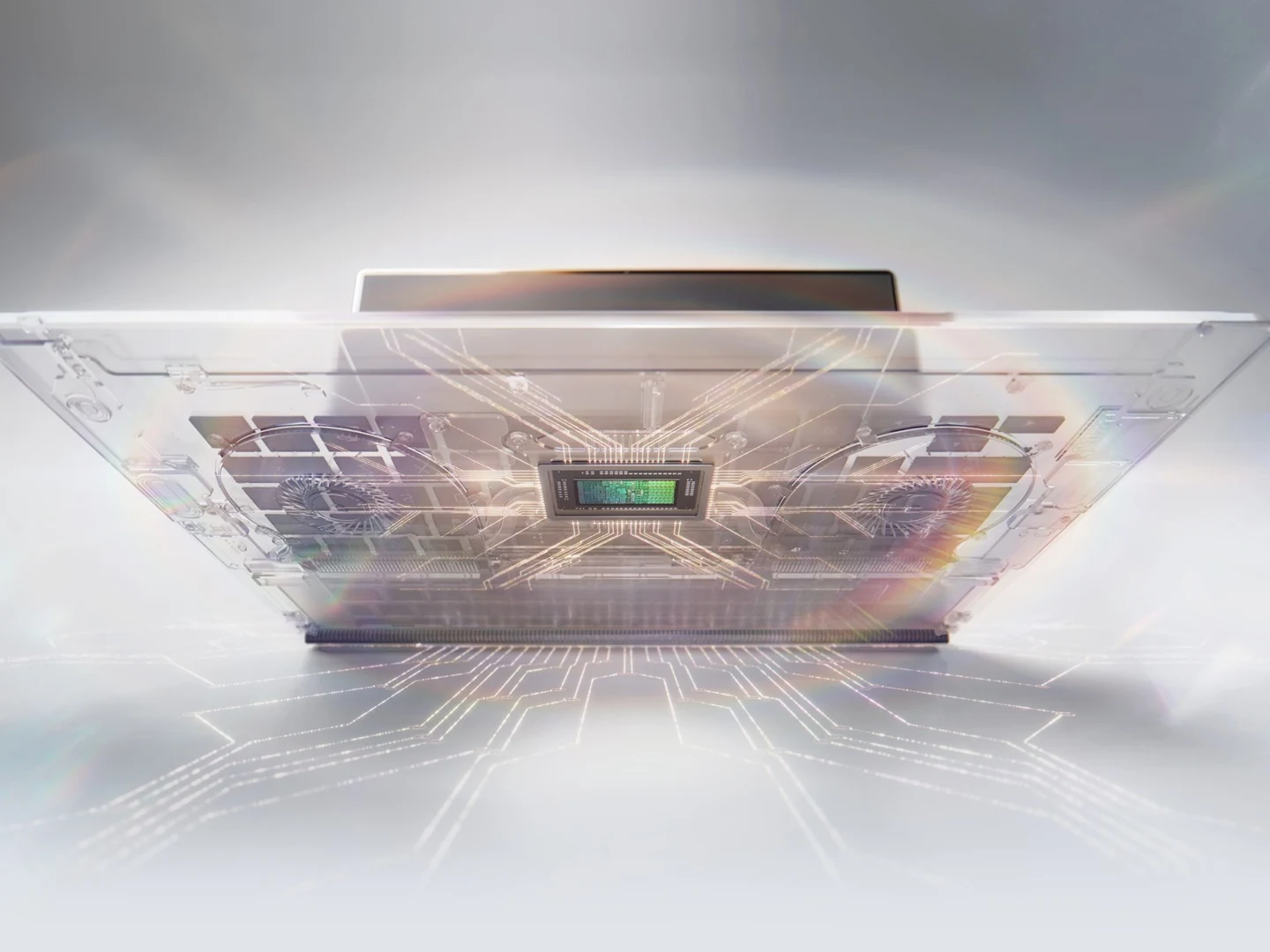
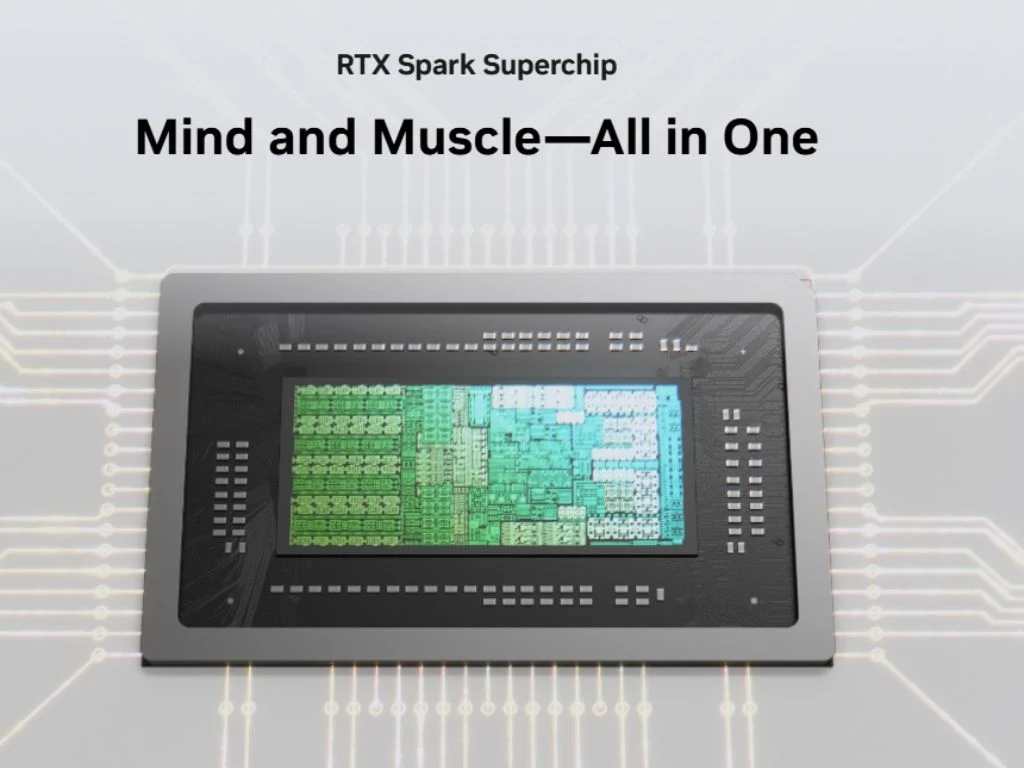
    – Nvidia unveiled the RTX Spark Superchip SoC, a slimmed-down Arm-based chip for laptops and compact desktops.
    – AI agents can help convert and validate x86 applications for improved speed, compatibility, and scale on Arm systems.
    – 90% of time on Windows on Arm PCs is spent on native apps, but some legacy apps and games still require manual code rework.
    – Complex apps with tight security (e.g., anti-cheat systems) will still need human oversight, despite Nvidia’s compatibility promises.


    Microsoft and Nvidia is currently making a calculated bet that AI can handle much of the heavy lifting in running older, unoptimized apps on the latest Windows on Arm and x86 hardware, including Nvidia’s powerful new RTX Spark chips and Qualcomm’s Snapdragon X processors.

    Nvidia announces new RTX Spark superchip

    At Computex on June 1, 2026, Nvidia announced that its Arm-based Grace Blackwell platform had been slimmed down for laptops and compact desktops, dubbing the new configuration the Nvidia RTX Spark Superchip SoC. This new chip promise to bring significant performance improvements for Windows on Arm devices while maintaining power efficiency. The superchip is designed to handle both AI workloads and traditional computing task with ease.

    Microsoft showcases agentic AI at Build 2026

    At its Build 2026 developer conference, Microsoft showcased how “agentic AI” could help convert and validate x86 apps for improved speed and better compatibility, and scale them more effectively on Arm-based systems. The session description read, “See where Arm performance gains are real today, and how agentic AI can help convert and validate x86 applications for speed, compatibility, and scale.” Microsoft’s demos showed AI agents automatically identifying bottleneck in x86 code running under emulation.

    NVIDIA’s Jensen Huang also stepped into the limelight, framed the bigger picture more clearly, and stated, “The PC is being reinvented. For forty years, you launched apps. Click. Type. With RTX Spark and Microsoft Windows, you ask, and the PC does the work.” Huang emphasized that this represents a fundamental shift in how users will interact with their computers going forward. Microsoft’s Satya Nadella stated that RTX Spark has been a “real breakthrough” for delivering “unmetered intelligence to every home and every desk with Windows.”

    Native application performance and emulation challenges

    Microsoft says that currently, 90 percent of the time people spend on their Windows on Arm PCs is inside applications that run natively without any translation layer. Some tools, such as the Prism emulator and related translation technologies, allow a range of older x86 programs to run on Snapdragon X laptops and upcoming RTX Spark machines. There are a few setbacks: some legacy business apps and certain games don’t perform well under emulation or don’t run at all. As a result, developers often have to manually rework parts of the code to achieve optimal performance on Arm hardware.

    AI agents reduce cloud dependency

    That’s where Nvidia and Microsoft step into the picture with their new generation of Arm-based Windows PCs built around AI agents, which are designed to handle real work across apps without constantly communicating with the cloud. These AI agents can automatically detect when an application is struggling under emulation and apply optimization patch in real-time. This local processing capability means users don’t need to rely on internet connectivity for better app performance.

    All in all, Microsoft isn’t claiming that AI agents will magically fix everything overnight. Complex applications with tight security features, such as anti-cheat systems, will still require extensive human oversight, but Nvidia has promised at least some level of compatibility with existing anti-cheat software to placate gamers, a key demographic for the GPU designer, even as it pushes more dedicated hardware, such as the DGX Spark, for users looking to have more agency over their local AI inference.
    Sources
  • Asus Fast Color E-Paper Touchscreen Spotted at Computex

    Asus Fast Color E-Paper Touchscreen Spotted at Computex

    Key Takeaway

    – Quiet, discreet exhibits at Computex 2026 offer interesting finds, not just major announcements.
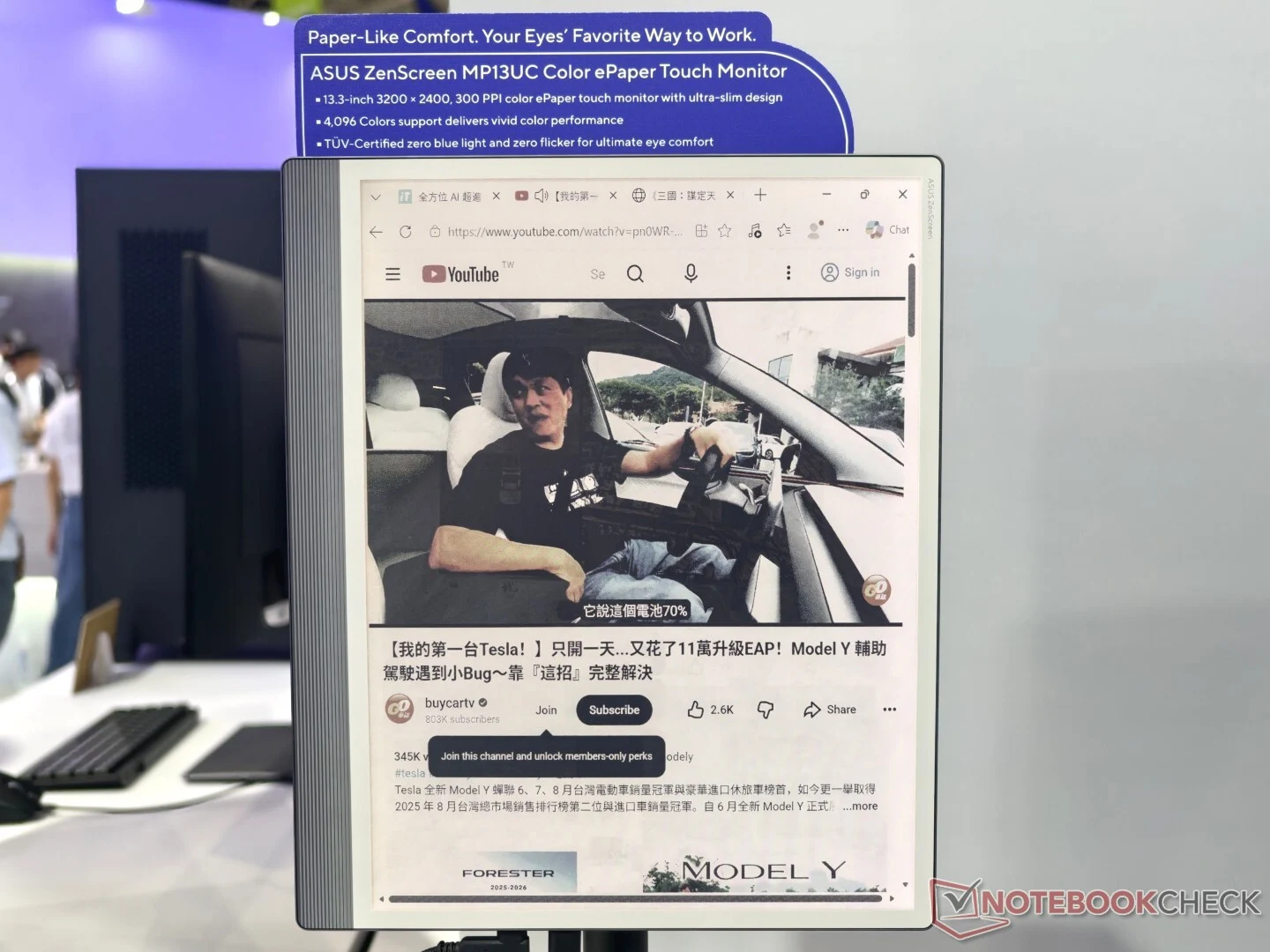
    – Asus showed a 13.3-inch color e-paper display (MP13UC) with high resolution (3200×2400) and 35 Hz refresh rate.
    – The e-ink display is flicker-free, emits no blue light, and can show static images without power.
    – It consumes very little power and includes HDMI, Mini DisplayPort, and USB-C ports.
    – Pricing, global availability, and full specs are still unannounced, but a European release is expected.


    Quiet Finds at Taipei Show

    At trade fairs like Computex 2026, sometimes it is the quiet and discreet exhibits that are interesting, rather than those announced with great fanfare. In Taipei, the primary focus is on “the new PC era” based on the RTX Spark, proclaimed by Nvidia’s Jensen Huang the day before the show began. Together with partners like Microsoft, Dell, Asus and HP, there are plenty of new laptops and mini-PCs, which aren’t expected to be truly available until fall 2026 and possibly not as expensive as originally anticipated.

    Asus Booth Features Unannounced Gadgets

    While the new ProArt RTX Spark designs are only shown behind closed doors, the Asus booth also features items that weren’t widely announced but could be quite interesting for some. For example, a 13.3-inch color e-paper display with a very high resolution of 3,200 x 2,400, 300 ppi, and a relatively fast 35 Hz refresh rate. While it doesn’t quite reach the speeds of top-of-the-line models like those from Modos that can reach up to 75 Hz, it is at least sufficient for displaying YouTube videos, as demonstrated by the display unit.

    Being that it’s a prototype, some specs are missing. The MP13UC model is expected to be released in Europe, but Asus haven’t confiremd global availability or pricing details yet. It will likely also come with the flexible ATS01D mini stand, which is height-adjustable, rotatable, tiltable, and folds down to a very compact size. The e-ink display can reproduce 4,096 colors and is designed to reduce ghosting artifacts; it is flicker-free and emits no blue light.

    Video Quailty and Ports

    In the short video below, one gets a better idea of the video quality of the Asus Zenscreen e-paper display. The color intensity isn’t comparable to an OLED display and is somewhat pale. On the other hand, the touchscreen consumes very little power and can even display a static image without a power source, making it suitable for use as a digital picture frame or a 13-inch digital display.

    • 13.3-inch color e-paper
    • Resolution: 3,200 x 2,400
    • 300 ppi, 35 Hz refresh rate
    • 4,096 colors, flicker-free, no blue light
    • Ports: HDMI, Mini DisplayPort, USB-C

    Final Thoughts on the Zenscreen

    On the bottom, you’ll find HDMI, Mini DisplayPort and USB-C ports, as well as the power button. It serves jest fine for static images like a digital picture frame, though the video playback still lacks the vibrance of modern screens. Asus hasnt revealed a price, but the stand alone design is quite portable for its size.


    Sources

  • Hands-On Nvidia RTX Spark Surface Laptop Ultra Reveals New USB-C Port

    Hands-On Nvidia RTX Spark Surface Laptop Ultra Reveals New USB-C Port

    Key Takeaway

    – Early hands-on reports suggest the Surface Laptop Ultra could be one of Microsoft’s most impressive laptops yet.
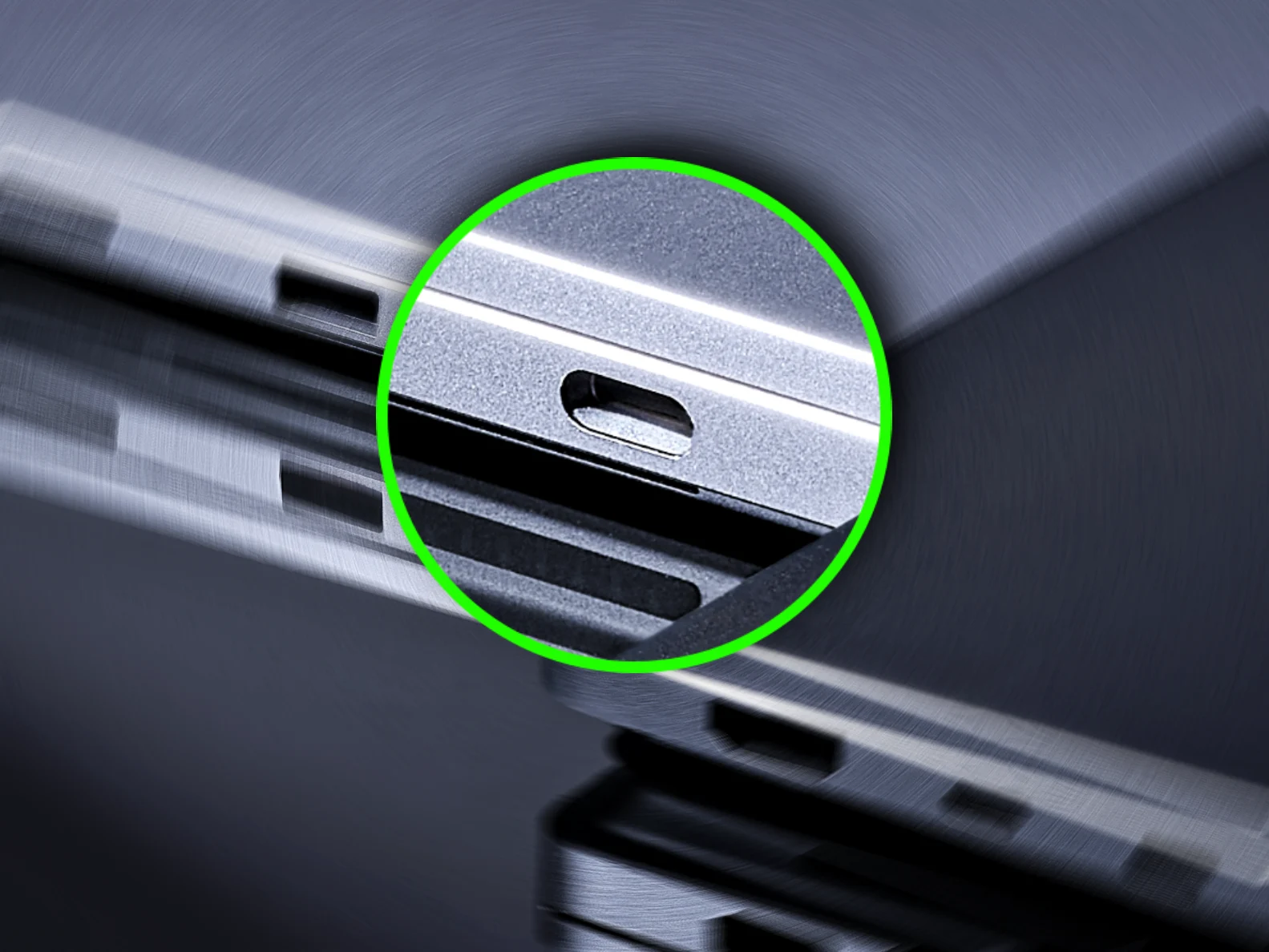
    – A unique, oversized USB-C port on the right side has been confirmed by Microsoft to be intentionally different from the other ports.
    – Cables feel “looser” in this port, sparking speculation about a proprietary magnetic USB-C cable or adapter.
    – The oversized port is not for high-wattage power delivery, as other RTX Spark laptops do not share this modification.
    – The mysterious port may introduce magnetic breakaway charging, directly competing with Apple’s MagSafe on the M5 MacBook Pro.


    Surface Laptop Ultra’s Mysterious Oversized USB-C Port

    Microsofts upcoming Surface Laptop Ultra is already generating significant buzz, with early hands-on reports suggesting it could be one of the most impressive laptops the company has ever produced. Beyond its high-end performance, driven by Nvidia’s RTX Spark platform, a mysterious hardware detail has caught the attention of enthusiasts, and thats the unique, oversized USB-C port on the right side of the Surface Laptop Ultra.

    Hardware Difference Confirmed by Microsoft

    During his hands-on time with the Surface Laptop Ultra (and communication with Microsofts reps), tech reporter Zac Bowden has found out that the USB-C port on the right side of the laptop does indeed stand out. Unlike the other USB-C ports (on the left), this specific connector is physically different, a fact Microsoft has reportedly confirmed.

    In discussions on social media, Bowden addressed the various speculation regarding the ports design, by saying the hardware design and ports on the device are final (as per Microsoft). Apparantly, the reps have acknowledged the port is different for a specific reason, though they are withholding details until later this year.

    Looser Cable Fit and Potential Magnetic Adapter

    Addressing theories that the port might just feature a simple chamfer for aesthetics, the reporter (again) pointed out that the other USB-C ports do not share this design. He noted that cables feel “looser” in this specific port, fueling speculation that Microsoft may be planning a proprietary, magnetic USB-C cable designed to attach more securely. Or perhaps an adaptor, which plugs into the oversized USB-C port and allows for a new version of the magnetic Surface Connect plug from prior Surface laptops.

    Distinct from Other RTX Spark Laptops

    According to the report, the oversized port isnt an implementation similar to proprietary high-wattage power delivery found in other notebooks. He says that other laptops utilizing the RTX Spark platform have not modified their USB-C ports for charging purposes, further distinguishing the Surface Laptop Ultra as having “something a little extra going on”.

    Potential Competition with Apple’s MagSafe

    As Microsoft prepares to pull the curtain back on the Surface Laptop Ultra later this fall, the nature of this mysterious port remains one of the most intriguing “unknowns” in the world of new RTX Spark laptops. If it does indeed introduce a magnetic breakaway feature to the standard USB-C interface, it could mark a significant evolution in charging convenience for pro-grade hardware.

    Of course, the Surface Laptop Ultra is going to compete directly with Apples M5 MacBook Pro, which does indeed offer MagSafe charging as an added feature.

    Microsoft, WindowsCentral, Zack Bowden

  • Qualcomm takes subtle dig at Nvidia’s new RTX Spark

    Qualcomm takes subtle dig at Nvidia’s new RTX Spark

    Key Takeaway

    – Qualcomm welcomes Nvidia to ARM-based PC chips but implies it pioneered the ecosystem.
    – Qualcomm highlights its years of investment in ARM compatibility for Windows.
    – Nvidia’s RTX Spark promises full Windows app compatibility, a key challenge for ARM.
    – Both companies see Nvidia’s entry as positive for the ARM PC ecosystem’s growth.


    Nvidia’s RTX Spark Announcement Shocks the Industry

    Nvidia’s announcement of the RTX Spark “Superchip” SoC based on the ARM platform took the internet by storm. It aims to usher in a new era of Windows PCs aside from traditional x86 chips. Qualcomm, being the company that sort of pioneered ARM-based laptop chip development many years ago, naturally had something to say about it.

    Qualcomm’s Response and the Statement

    Through a statement shared with Windows Central, SVP of Computing at Qualcomm, Kedar Kondap, gave a seemingly backhanded compliment to Nvidia, welcoming the new chip to the family. Here’s the full quote:

    Welcome to the family. We are, you know, we’re excited. When you think about the investments that we’ve made over the last several years, it’s a good endorsement of the fact that there is an ecosystem that’s growing outside of x86. We invested many years ago, driving the ecosystem and driving the entire platform story, whether it is getting the printers to work, whether it’s getting the software apps to be compatible, whether it is getting the docks and peripherals to work, or whether it’s getting more than 2,500 games to be compatible with Snapdragon. We led the way in driving that ecosystem, and I think this is positive tailwinds for the entire ecosystem. It will tell us how we’re all taking the ball forward in the trajectory that we started.

    Superiority Hints and ARM Progress

    Its hard to glean the exact tone from text, but there seem to be hints of superiority baked into the welcoming message. Qualcomm made quite a few advancements with ARM through the Snapdragon X Elite, X Plus, C, and the upcoming X2 series chips. But it took them quite a few years to reach this point. That said, the efficiency gains that come from the platform are nothing to shirk at. Even Apple’s M-series chips are ARM-based, and thanks to the software and hardware level optimizations, they are extremely capable.

    Windows on ARM Compatibility Concerns

    The major concern with Windows on ARM is compatibility, but both Qualcomm and app developers have made solid headway in that department, as well. With RTX Spark, Nvidia seems to have made it a non-issue, promising compatibility with every Windows app.

    Sources
  • Surface Laptop Ultra: RTX Spark & Mini-LED Power

    Surface Laptop Ultra: RTX Spark & Mini-LED Power

    Key Takeaway

    – Powered by Nvidia’s new RTX Spark SoC with up to 128 GB RAM
    – Features a 15-inch mini-LED display with 2,000 nits peak brightness
    – Designed with improved repairability and a full port selection (HDMI, USB-C, USB-A, SD card, headphone jack)
    – Likely very expensive, continuing Microsoft’s trend of premium pricing
    – Release timeline uncertain—may not launch properly until 2027


    New Surface Laptop Ultra: Power and Price

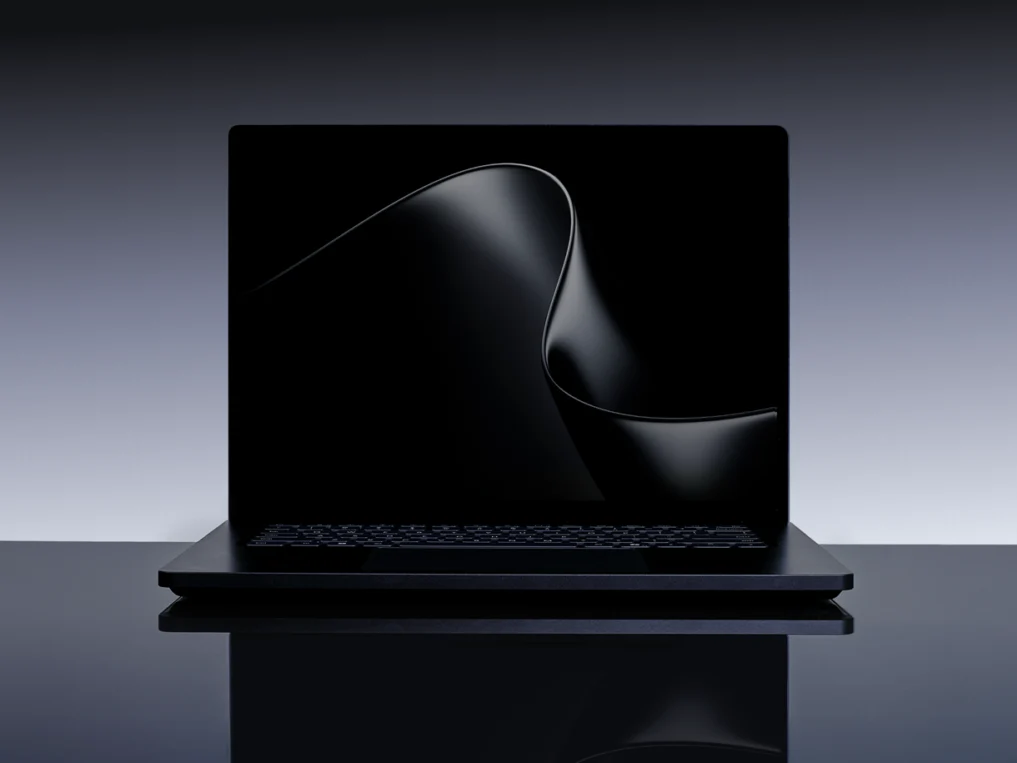
    Microsoft has unveiled what could easily be one of its most powerful Surface-branded laptops to launch in 2026. Dubbed as the Surface Laptop Ultra, it runs Nvidia’s shiny new RTX Spark SoC with support for up to 128 GB of RAM. It might cost you an arm and a leg, though, which, at this point, seems the bare minimum to get any powerful machine.

    Display and Battery Life Details

    Unfortunately, Microsoft’s blog post announcing the Surface Laptop Ultra is bereft of details. It boasts of ‘all day’ battery life, something even Nvidia claimed in its RTX Spark reveal. For the screen, the laptop employs a 15-inch mini-LED panel with 2,000 nits peak brightness and 262 PPI pixel density, tacitly implying it is a 3.2K-3.5K panel with a 16:10 aspect ratio.

    Ports and Repairability

    Microsoft says the Surface Laptop Ultra comes with all the ports required for creative workloads, namely HDMI, USB-C, USB-A, an SD card slot, and a headphone jack. Unlike previous Surface laptops that were notoriously hard to repair, this one has supposedly been designed with repairability in mind.

    Availabilty and Pricing Concerns

    The Microsoft Surface Laptop Ultra will be available for purchase later this year. However, Moore’s Law is Dead stated that RTX Spark-powered machines wouldn’t be available properly until 2027. Based on its specs, and the general tendency for Microsoft to overprice its laptops, the Surface Laptop Ultra won’t be cheap.

    Sources