
– Microsoft and Nvidia are betting on AI to optimize and run legacy x86 apps on Arm-based Windows PCs.
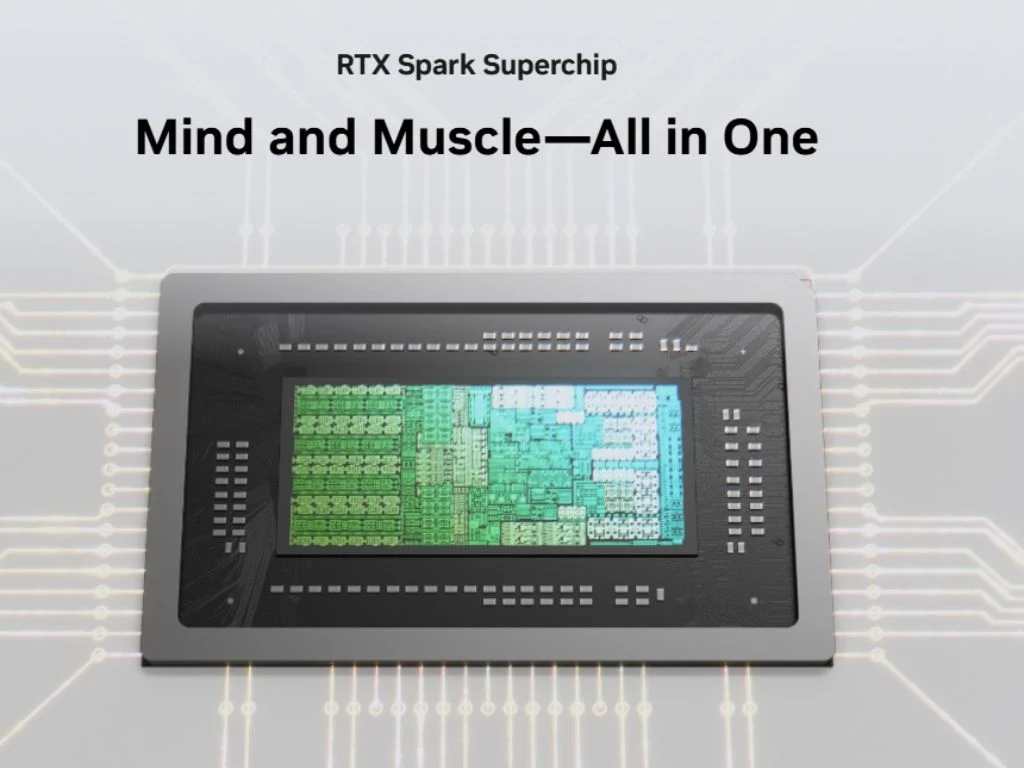
– Nvidia unveiled the RTX Spark Superchip SoC, a slimmed-down Arm-based chip for laptops and compact desktops.
– AI agents can help convert and validate x86 applications for improved speed, compatibility, and scale on Arm systems.
– 90% of time on Windows on Arm PCs is spent on native apps, but some legacy apps and games still require manual code rework.
– Complex apps with tight security (e.g., anti-cheat systems) will still need human oversight, despite Nvidia’s compatibility promises.
Microsoft and Nvidia is currently making a calculated bet that AI can handle much of the heavy lifting in running older, unoptimized apps on the latest Windows on Arm and x86 hardware, including Nvidia’s powerful new RTX Spark chips and Qualcomm’s Snapdragon X processors.
Nvidia announces new RTX Spark superchip
At Computex on June 1, 2026, Nvidia announced that its Arm-based Grace Blackwell platform had been slimmed down for laptops and compact desktops, dubbing the new configuration the Nvidia RTX Spark Superchip SoC. This new chip promise to bring significant performance improvements for Windows on Arm devices while maintaining power efficiency. The superchip is designed to handle both AI workloads and traditional computing task with ease.
Microsoft showcases agentic AI at Build 2026
At its Build 2026 developer conference, Microsoft showcased how “agentic AI” could help convert and validate x86 apps for improved speed and better compatibility, and scale them more effectively on Arm-based systems. The session description read, “See where Arm performance gains are real today, and how agentic AI can help convert and validate x86 applications for speed, compatibility, and scale.” Microsoft’s demos showed AI agents automatically identifying bottleneck in x86 code running under emulation.
NVIDIA’s Jensen Huang also stepped into the limelight, framed the bigger picture more clearly, and stated, “The PC is being reinvented. For forty years, you launched apps. Click. Type. With RTX Spark and Microsoft Windows, you ask, and the PC does the work.” Huang emphasized that this represents a fundamental shift in how users will interact with their computers going forward. Microsoft’s Satya Nadella stated that RTX Spark has been a “real breakthrough” for delivering “unmetered intelligence to every home and every desk with Windows.”
Native application performance and emulation challenges
Microsoft says that currently, 90 percent of the time people spend on their Windows on Arm PCs is inside applications that run natively without any translation layer. Some tools, such as the Prism emulator and related translation technologies, allow a range of older x86 programs to run on Snapdragon X laptops and upcoming RTX Spark machines. There are a few setbacks: some legacy business apps and certain games don’t perform well under emulation or don’t run at all. As a result, developers often have to manually rework parts of the code to achieve optimal performance on Arm hardware.
AI agents reduce cloud dependency
That’s where Nvidia and Microsoft step into the picture with their new generation of Arm-based Windows PCs built around AI agents, which are designed to handle real work across apps without constantly communicating with the cloud. These AI agents can automatically detect when an application is struggling under emulation and apply optimization patch in real-time. This local processing capability means users don’t need to rely on internet connectivity for better app performance.
All in all, Microsoft isn’t claiming that AI agents will magically fix everything overnight. Complex applications with tight security features, such as anti-cheat systems, will still require extensive human oversight, but Nvidia has promised at least some level of compatibility with existing anti-cheat software to placate gamers, a key demographic for the GPU designer, even as it pushes more dedicated hardware, such as the DGX Spark, for users looking to have more agency over their local AI inference.
Leave a Reply