
Key Takeaways
1. Snapdragon Wear Elite features on-device AI processing with Qualcomm’s Hexagon NPU, enabling powerful AI capabilities.
2. The platform delivers up to 5 times single-core CPU performance and 7 times GPU performance compared to Snapdragon W5+ Gen 2, with multi-day battery life.
3. It supports rapid charging, reaching up to 50% charge in about 10 minutes.
4. Connectivity includes six wireless technologies: 5G RedCap, micro-power Wi-Fi, Bluetooth 6.0, ultra-wideband, GNSS, and NB-NTN satellite connectivity.
5. Major partners like Google, Motorola, and Samsung support the platform, with devices expected to launch soon.
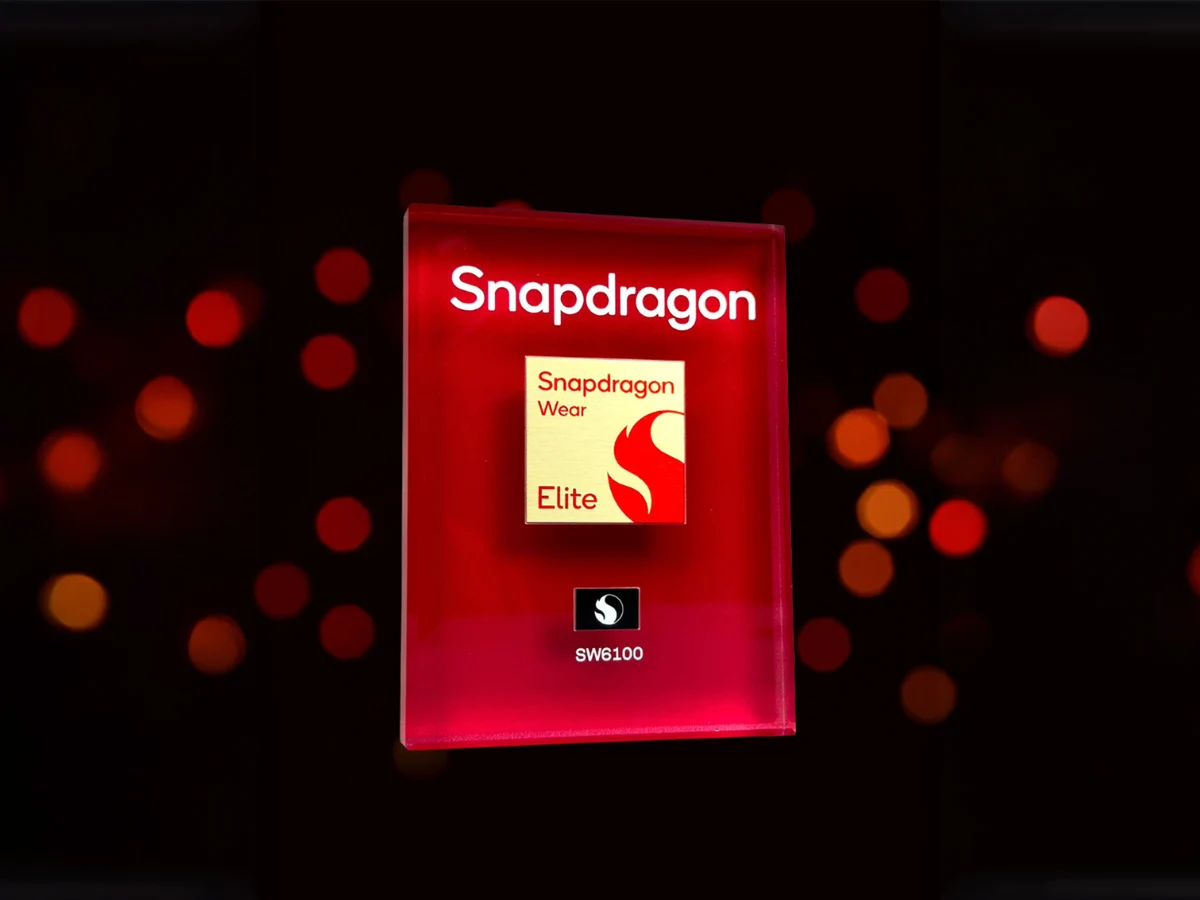
Qualcomm has unveiled the Snapdragon Wear Elite platform at MWC 2026, marking its first wearable platform that focuses on personal AI with built-in on-device AI processing.
Enhanced AI Capabilities
Snapdragon Wear Elite features Qualcomm’s Hexagon NPU, which allows powerful AI processing right on the device, capable of handling billion-parameter models at the edge. This platform is made to be used in various forms, like smartwatches, pins, pendants, and hubs, and is compatible with Wear OS by Google, Android, and Linux.
Performance Improvements
When it comes to performance, Qualcomm claims that this new platform delivers up to 5 times the single-core CPU performance and up to 7 times the GPU performance compared to the older Snapdragon W5+ Gen 2 platform. Additionally, it offers multi-day battery life, which is a 30% increase in daily usage compared to the last generation, along with the ability to reach up to 50% charge in about 10 minutes.
Connectivity Features
Connectivity is a key highlight of the Snapdragon Wear Elite. It incorporates six wireless technologies: 5G RedCap, micro-power Wi-Fi, Bluetooth 6.0, ultra-wideband (UWB), GNSS, and NB-NTN satellite connectivity. The NB-NTN feature allows for satellite-based two-way messaging when there is no cellular or Wi-Fi signal, in partnership with companies like Skylo.
Qualcomm mentioned that the platform is supported by big names such as Google, Motorola, and Samsung. The first devices that will use this platform are expected to launch in the near future.
Leave a Reply