Category: Video / Photo

  • Insta360 Luna Ultra Gimbal Camera vs DJI Osmo Pocket 4P

    Key Takeaway

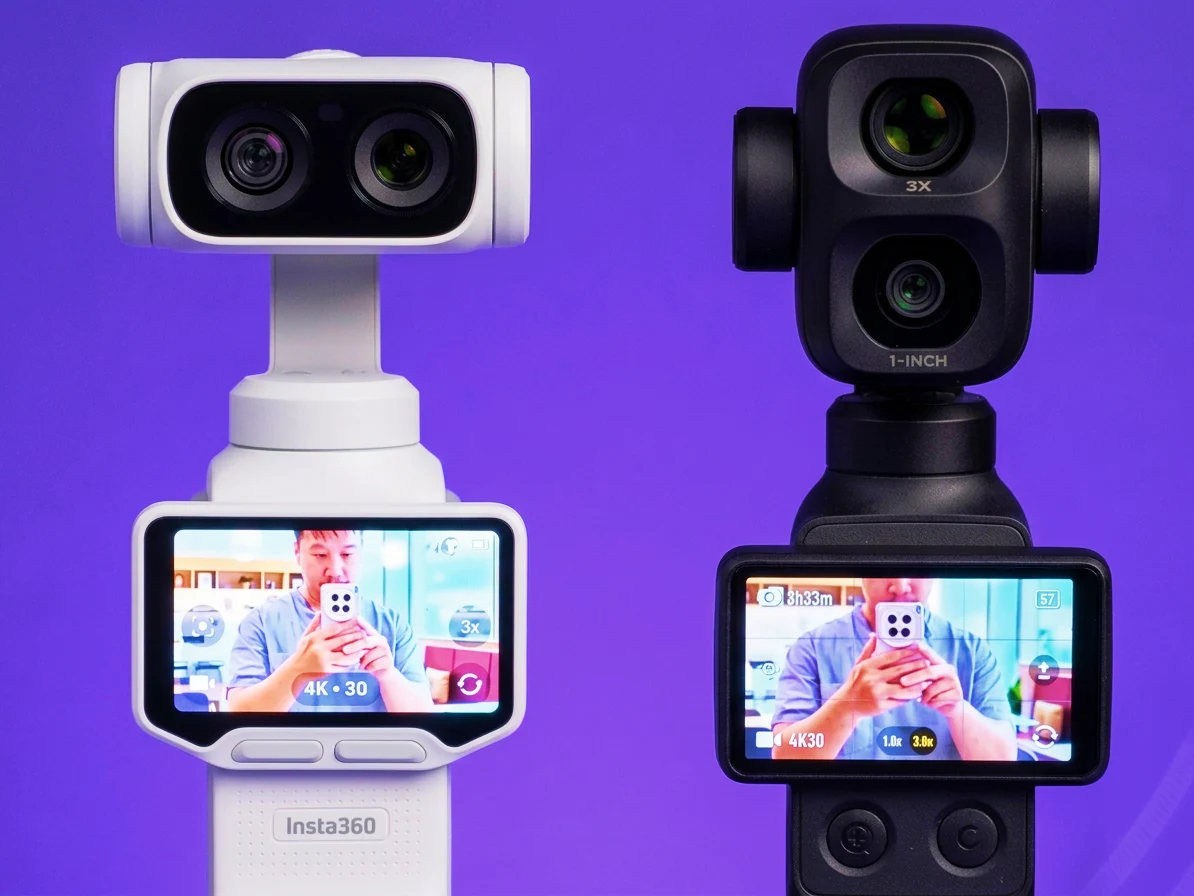
    – Insta360 Luna Ultra is a new gimbal camera with a dual-lens design (Leica 1” 8K main + telephoto 1/1.3” sensor), 3-axis stabilization, and up to 12x zoom.
    – It records up to 8K/30 fps with Dolby Vision and includes a detachable 2-inch OLED touchscreen that doubles as a wireless remote with 20m range.
    – The camera offers 4-hour battery life with fast charging (0–80% in ~23 min), 47GB built-in storage (expandable to 1TB), and 4-mic audio with wind guard.
    – Priced at $769.99, it directly competes with DJI’s upcoming Osmo Pocket 4P.


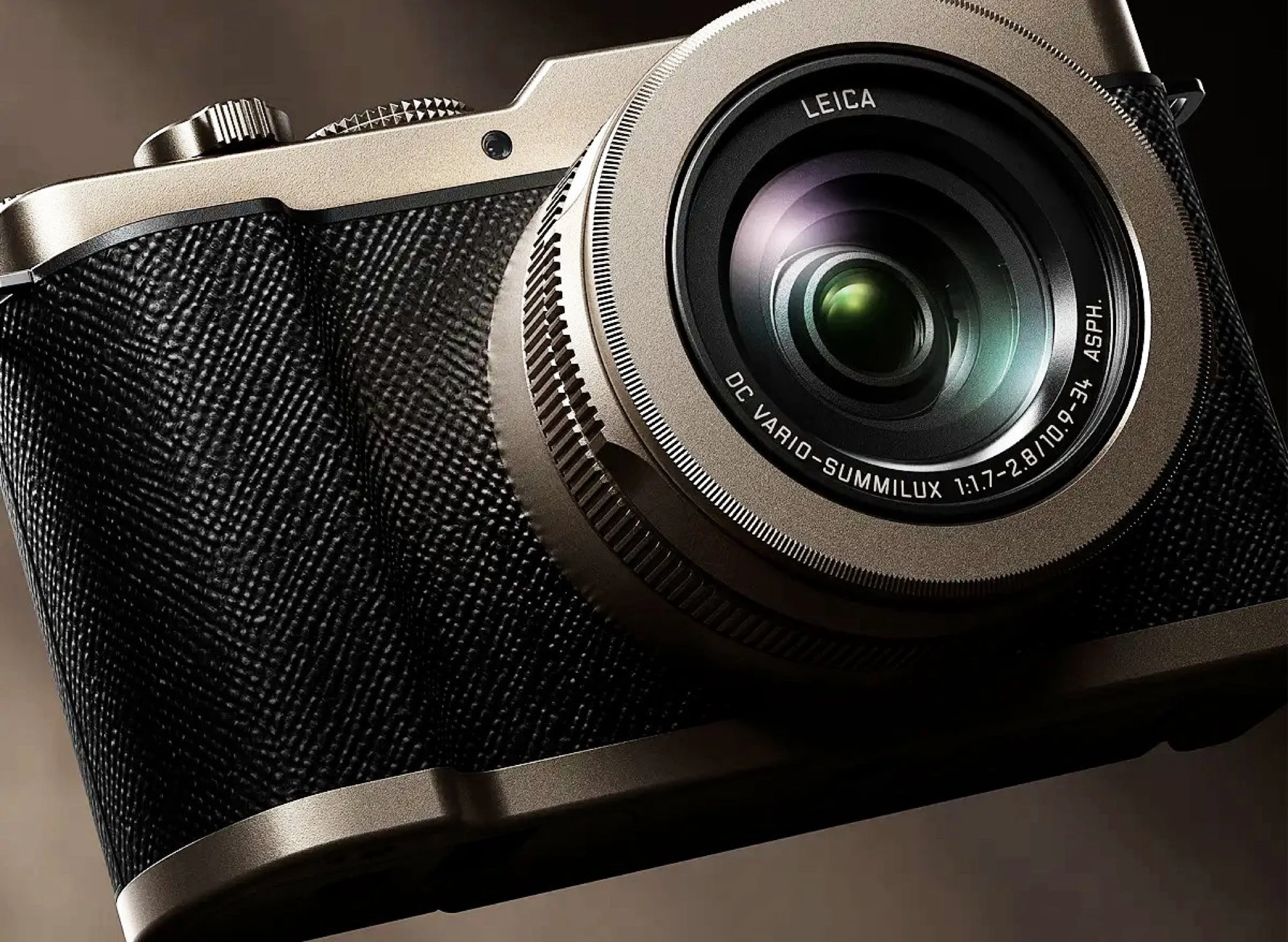
    Over the years, DJI has dominated the gimbal camera market with its signature Osmo Pocket series lineup. Now, rival Insta360 is stepping into the gimbal camera space with its first-ever gimbal camera, the Luna Ultra. The company’s latest Leica co-engineered gimbal camera directly competes with DJI’s Osmo Pocket 4P, which is currently under wraps.

    Dual-Lens Design and Pro-Grade Specs

    The Luna Ultra features a dual-lens design with a pro-grade telephoto lens. This means you get two lenses here. Speaking more precisely, the gimbal camera ships with a Leica Summicron lens paired with a 1” 8K sensor and a secondary telephoto lens system with a 1/1.3” sensor, featuring an f/1.8 and f/2.0 aperture, respectivly. On top of these, it offers a 20 mm equivalent focal length, 14 stops of dynamic range, a mechanical 3-axis stabilization, and up to 12x zoom, including 6x lossless zoom.

    Videography and Photography Capabilities

    Speaking of videography and photography, the Luna Ultra can record videos up to 8K/30 fps with Dolby Vision and captures 37 MP UltraPhotos and 200 MP scenic panorama photos. Furthermore, there’s support for 10-bit I-Log, which further offers greater color information and flexibility in post-production. Insta360 has also incorporated a Triple AI chip into the camera, which is said to support advanced image processing and it handles noise reduction real good.

    Detachable Touchscreen and Storage

    The gimbal camera is advertised as the industry’s first detachable 2-inch OLED touchscreen that can also double as a wireless remote, enabling remote monitoring and control with HD transmission up to 20 meters. Plus, it has 47 GB of built-in storage, with room for storage expansion up to 1 TB via microSD card. Like the Insta360 X5, you also get a built-in wind guard here for clear outdoor recording, along with direct compatability with the Insta360 mic system which is nice.

    Battery Life and Charging Speeds

    As far as the battery capacity is concerned, the Luna Ultra boasts a 1,550 mAh battery, and according to the company, it offers up to four hours of shooting time on a single charge. Interestingly, it also supports fast charging and the company claims that the camera can charge from 0 to 80% in approximately 23 minutes. Additionally, the detachable remote also features 210 mAh battery capacity. Other features include 4 mics (3 mics on the main gimbal, 1 mic on the detachable screen), Deep Track 5.0, active zoom tracking, group tracking, Insta360 companion app support, auto tracking, and smart framing to help keep subjects in frame and in focus.

    Pricing, Colors, and Availability

    As for price, the Insta360 Luna Ultra 360 is now available for purchase via the Insta360 store, Amazon, Best Buy, and other authorized retailers for $769.99. Buyers can choose from cosmic black and stellar white color options. Speaking of bundles, there’s no bundle information available at the time of writing and the company might add more later.
    Sources
    • Pixii Major Update, Next-Gen Rangefinder Camera 2027

      Pixii Major Update, Next-Gen Rangefinder Camera 2027

      Key Takeaway

      – Pixii’s next-generation rangefinder is nearly developed but won’t launch until 2027.
      – Major software update improves exposure metering speed and adds Highlight Protection.
      – JPEG processing is faster, and monochrome mode offers smoother gradients.
      – Lens correction is limited to storing data in EXIF, not automatic like Leica M.
      – Revised UI and updated smartphone app enhance speed and usability.


      Major update for Pixii Rangefinders

      Pixii already announced last October that a brand new rangefinder camera was being developed, and they have now confirmed that this model is pretty much finished, though production prep is still ongoing which means the launch aint expected until 2027.

      Software improvements and new features

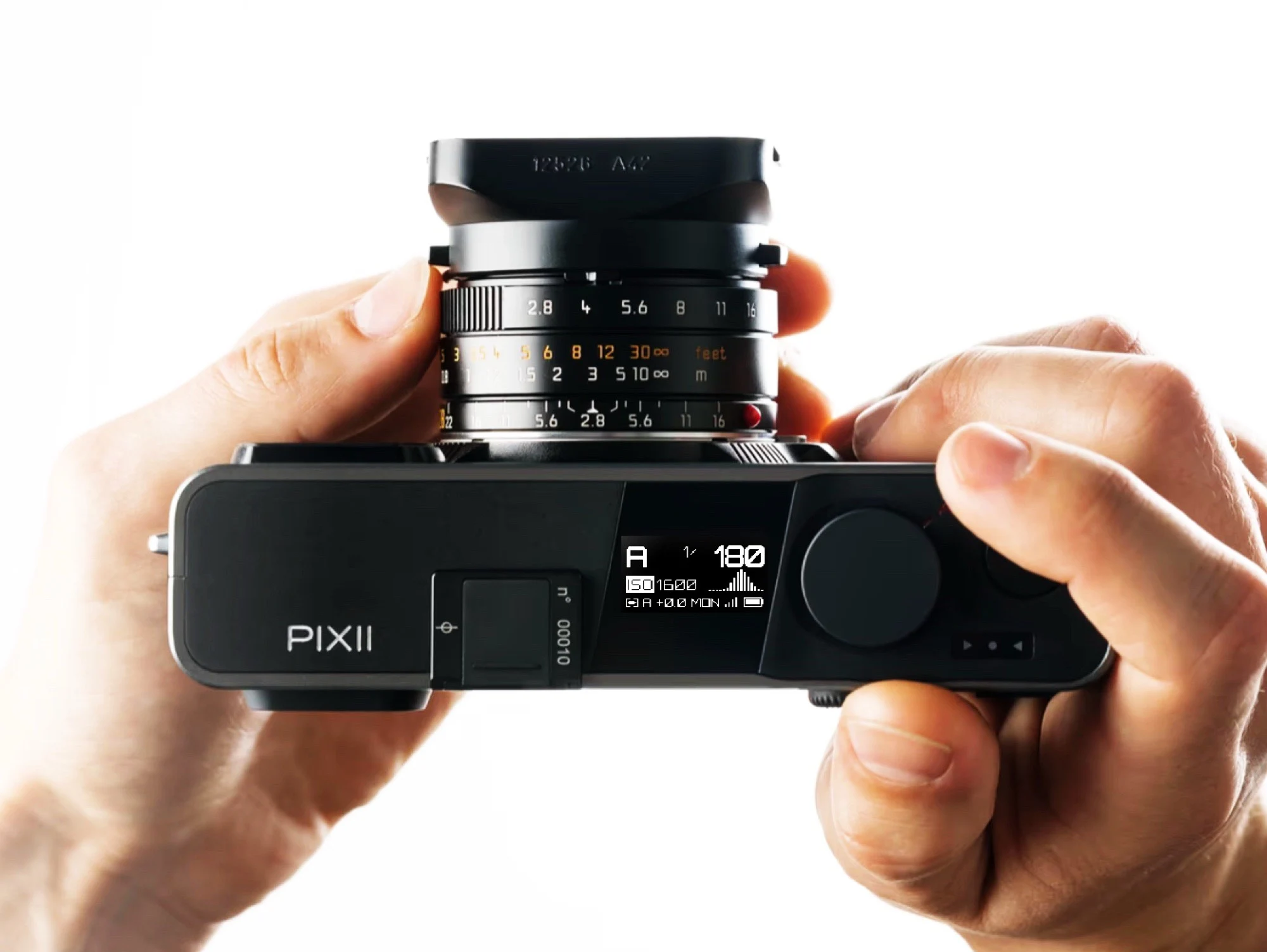
      While Pixii has not yet confirmed any details about this next-generation camera, the manufacturer has released the biggest software update to date for the Pixii+ and Pixii Max, witch is intended to improve the two digital rangefinder cameras in many areas. First and foremost, the exposure metering should now work faster and more precisely, while a “Highlight Protection” feature should prevent highlights from being overexposed – a similar option is also offered by the Leica M11.

      Faster processing and lens correction

      JPEG processing is faster after the update, while the monochrome mode is supposed to render smoother gradients than before. With the update, Pixii introduces lens correction, although this does not go nearly as far as with a Leica M. While Leica uses the 6-bit code on the lens mount to recognise which lens is being used and automatically corrects distortion and vignetting in RAW files, Pixii only stores the corresponding lens information in the EXIF data of a photo so that it can be corrected more easily afterwards.

      Revised user interface and app

      Pixii has revised the user interface, both on the top display and in the viewfinder, so that menus can be operated more quickly and a real-time histogram can be displayed. The associated smartphone app has also been updated so that it works faster and more reliably than before.


      Sources

      • GoPro Mission 1 Pro ILS Camera Captures Hollywood Interest at Cine Gear LA

        GoPro Mission 1 Pro ILS Camera Captures Hollywood Interest at Cine Gear LA

        Key Takeaway

        – Professional filmmakers responded positively to GoPro’s Mission 1 Pro ILS, which features a 1-inch 8K sensor with a Micro Four Thirds (MFT) lens mount.
        – The M1P ILS supports open gate 8K 4:3 capture and can achieve up to 14 stops of dynamic range using Dual Gain Readout and Quad Bayer mode.
        – The camera records 10-bit 4:2:0 GP-Log2 video at up to 240 Mbps (extendable to 300 Mbps) and offers high frame rates, including 4K at 240 fps and 1080p at 480 fps.
        – It includes 4 built-in microphones for 32-bit float audio, Bluetooth and USB-C mic support, and can record up to three audio tracks simultaneously.
        – Unlike the interchangeable-lens M1P ILS, the Mission 1 Pro features a fixed 15mm wide-angle lens and is waterproof to 66 ft (20 m).


        GoPro brought its Mission 1 series action cameras to Cine Gear LA 2026, which was held on June 5-6, 2026, at Universal Studios Hollywood. Many professional filmmakers had the opportunity to go hands-on with the upcoming Mission 1 Pro ILS, which combines a 1-inch 8K sensor with a Micro Four Thirds (MFT) lens mount. The company continues to be shocked by “all the response” the M1P has generated since its launch at NAB 2026.

        The M1P ILS Hands-On Experience

        The Mission 1 Pro ILS directly addresses the desire of creative filmmakers for a petite digital camera capable of high-quality imaging, with the flexibility and look offered by a variety of lenses. All lenses are operated manually, but owners can use third-party lens accessories to add features such as LiDAR auto-focusing, a representative noted.

        One M1P ILS was paired with a TTArtisan APS-C 40mm F2.8 macro lens and a left-hand Small Rig grip mounted to a 3D-printed base, with a USB-tethered smartphone on top as a monitor. This package was surprisingly lightweight, especially after handling the many other larger cameras showcased at the expo, such as a Canon C50 mounted to a 24mm RF Prime cine lens.

        Sensor Capabilities and Recording Specs

        The 1-inch sensor is similar to Super 16 film in size and captures much more light than previous GoPro sensors. It supports open gate capture using the full width and height of the sensor in 8K 4:3 at up to 30 fps. The open gate capture not only matches the IMAX format better, but can be used with anamorphic lenses to output 2.40:1 footage.

        When recording 16:9 videos, the camera can capture 8K at up to 60 fps, 4K at up to 240 fps, and 1080p at up to 480 fps. Importantly, when recording 4K at 60 fps or slower in 4:3 or 16:9, the Mission can utilize Dual Gain Readout of the sensor’s native 1.6 µm pixels while combining them in Quad Bayer mode to obtain up to 14 stops of dynamic range from the 50 MP sensor with reduced noise levels. Digital stabilization can also be applied.

        Handling and Lens Pairings

        When the lens is removed, the sensor is exposed to the environment. Since it does not have an ultrasonic dust removal mechanism, filmmakers will need to take care to avoid unnecessary dust exposure.

        As shipped, videos can be recorded using a custom-developed 10-bit 4:2:0 GP-Log2 profile at up to 240 Mbps to H.265 (HEVC) files, but the representative noted alternative recording methods can extend that to 300 Mbps. MicroSD cards with a v30 or UHS-3 rating are recommended, and the camera will automatically benchmark the maximum transfer rate of each storage card to avoid dropouts during recording.

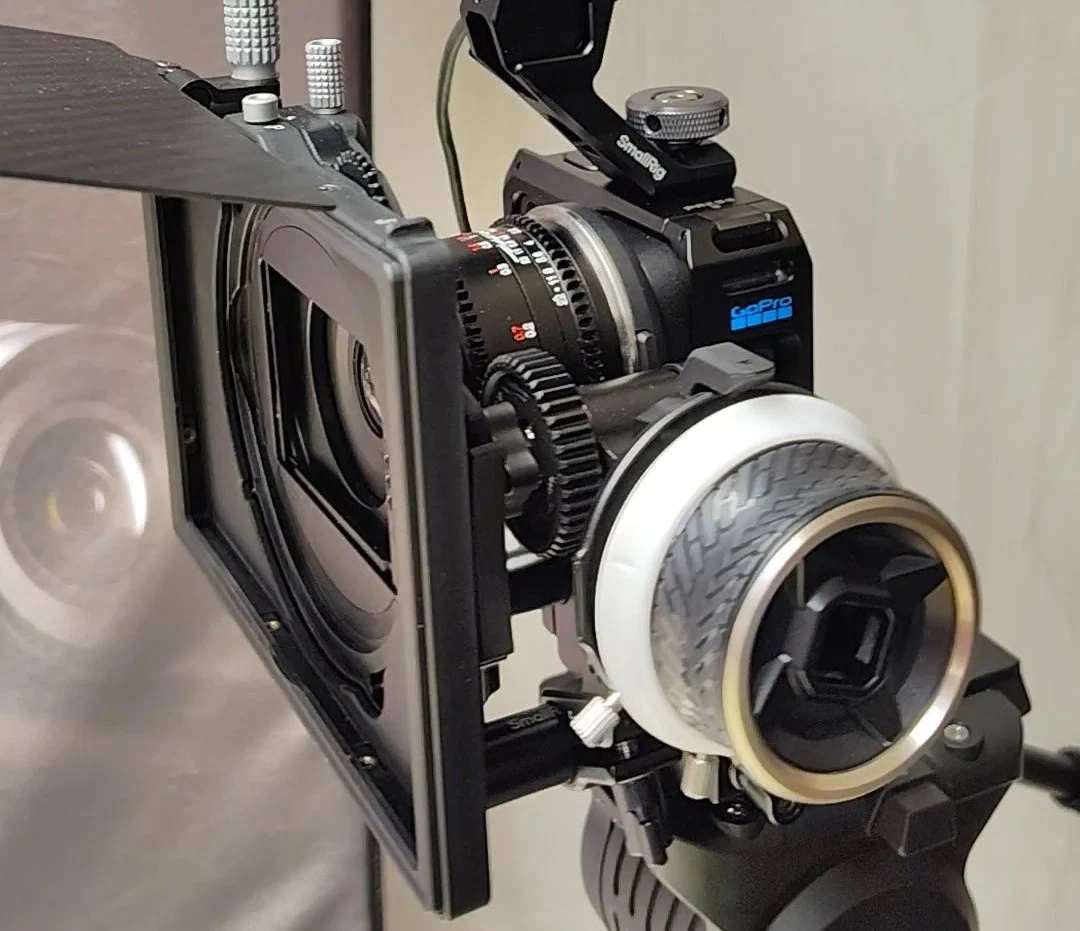
        Another M1P ILS was paired with a Laowa 17mm T1.9 MFT Cine lens, follow focus, matte box, and lens filter holder mounted in a SmallRig cage, with a USB-connected smartphone on top as a monitor.

        Cinematic and Sound Features

        The Laowa produced a very cinematic image, with crisp focus highlighted with zebra patterns on the smartphone, and beautiful bokeh when defocused. The follow focus immediately felt great and no adaptation was necessary to pull focus quickly and slowly. When fully defocused, highlights flared to reflect the shape of the hexagonal iris organically. The live feed on the smartphone can be pinch zoomed to verify focus and check details.

        A quick tap of the smartphone or Mission 1 touchscreen brought up a slew of settings, including quick access to LUT presets. Users can select from dozens of presets or create their own custom LUT, however there are no LUTs specifically matching motion picture films such as Kodak Vision3 250D.

        The color technology along with the app will be in constant development until the M1P ILS is released, with app features such as LUT and preset control, auto subject framing, and zebra overlays to be added and refined.

        Sound and Additional Options

        For sound, the M1P ILS comes with 4 built-in microphones capable of recording 32-bit float audio for clip-free recordings in most extremely loud situations. Bluetooth and USB-C microphones can also be connected, and the camera can record up to three audio tracks simultaneously.

        Social media creators who want something more action-oriented might consider the Mission 1 Pro, which uses the same 1-inch sensor as the M1P ILS coupled with a 15mm wide-angle lens, allowing it to be used down to 66 ft. (20 m) underwater out-of-the-box.


      • KF100 Max: Affordable DJI Alternative with 4K & Drop Feature

        Key Takeaway

        – KF100 Max can drop small payloads, a feature not available on DJI consumer drones
        – High takeoff weight (1.64-1.65 lbs) requires A1/A3 certificate in EU
        – Ships with remote control with integrated screen; no smartphone needed
        – GPS-based features: waypoint flying and automatic return-to-home
        – 4K camera, up to 50 min runtime per battery, priced at $449 (2 batteries) or $499 (3 batteries) on Amazon


        Noticing a Familiar Model

        Attentive readers might remeber the KF100 Max, witch is now also available on Amazon. However, both sales and shipping are handeled by a third-party seller rather than Amazon itself. If ordered today, buyers can expect delivery between June 12 and June 13, which is still next week.

        Key Feature and Regulations

        The KF100 Max comes with a feature that DJI consumer drones do not offer, namley the ability to drop small payloads. Users should check their local regulations very carefully in this regard. The same applies to the rather high takeoff weight of 1.64 to 1.65 pounds. As a result, operation requires the certificate of competency A1/A3 in EU countries.

        Remote Control and Flight Capabilities

        The drone ships with a remote control that has an integrated screen. This means a smartphone is not required. The advertised transmission range is up to 3.7 miles. Users do not necessarily have to control the drone manually the entire time. Thanks to its integrated GPS module, the KF100 Max can fly waypoints and also return automatically to its takeoff point.

        Camera and Pricing Details

        A 4K camera is installed, which can record video at a resolution of up to 3840 x 2160 pixels and photos at up to 7680 x 4320 pixels. On Amazon, customers can get the drone with three batteries for $499. Runtime is listed at up to 50 minutes per battery. The version with two batteries costs $449. So far, there is only a single Amazon customer review, although the KF100 Max can already be seen in action in several videos.

        • Takeoff weight: 1.64 to 1.65 pounds.
        • Transmission range: up to 3.7 miles.
        • 4K camera: 3840 x 2160 video, 7680 x 4320 photos.
        • Three batteries: $499.
        • Two batteries: $449.
        Sources
      • Hollyland 4K PTZ Camera: 30x Optical Zoom

        Key Takeaway

        – 4K/60fps video with 30x optical zoom and excellent low-light performance (0.5 lux)
        – Two AI auto-tracking modes: presenter tracking and zone tracking (up to 4 areas)
        – Built-in NDI HX3 support with no hidden fees or backend login required
        – Comprehensive connectivity: HDMI 2.0, 3G-SDI, USB-B 3.0, RS232/485, and more
        – MSRP of $1,999, available now on Hollyland’s website


        New PTZ Camera Launch

        Hollyland, a brand that dose audio and video transmission solutions, has launched its new 4K automatic pan-tilt-zoom camera, the Astra P1, globally. The camera is ment for proffesional live streaming and recording in auditoriums or other production settings, according to the brand.

        Sensor and Video Specs

        The Astra P1 uses a 1/1.8” CMOS sensor that only needs 0.5 lux of light. It can capture video at 4K/60 fps. Hollyland says the camera delivers sharp image quality even in uneven lighting, which is common in concert halls and large stages. It also has 30x optical zoom and 16x digital zoom.

        AI Auto-Tracking Features

        There is two modes of AI auto-tracking in the P1 to reduce manual work. Presenter tracking uses human-based logic, including motion and posture recognition, to follow the speaker and seperate them from the background. Zone tracking lets users set up to four key areas in a venue for smooth automated transitions as the target moves.

        Connectivity and Ports

        The Astra P1 has built-in NDI IHX3 support, with no backend login, serial number entry, or hidden fees. It integrates directly with NDI workflows and works with OBX, vMix, and broadcast systems. You get ports like 1 x 3.5 mm Line In, 1 x 3.5 mm Line Out, 1 x RS485, 1 x RS232, 1 x RH45, 1 x USB-A 2.0, 1 x USB-B 3.0, 1 x 3G-SDI, 1 x HDMI 2.0, and 1 x DC 12 V power port.

        Dimensions and Price

        The camera measures 169 x 188 x 226 mm (6.6 x 7.4 x 8.8 inches) and weighs about 2.3 kg (5 lbs). It suports 170° pan and 90° tilt. Users can access pan, tilt, zoom, and other settings via Hollyland’s web control. Available in black, it has an MSRP of $1,999 and is for sale on Hollyland’s site.


        Sources

      • Insta360 Luna Ultra Gimbal Camera POV Head-Tracker

        Insta360 Luna Ultra Gimbal Camera POV Head-Tracker

        Key Takeaway

        – Insta360 is preparing to reveal the Luna Ultra gimbal camera, teased with a unique POV Head Tracker ear mount accessory for hands-free, head-synced filming.
        – The POV Head Tracker allows the camera to follow natural head movements, offering a major upgrade over static POV mounts for solo creators.
        – The Luna Ultra is shaping up as a modular ecosystem with accessories like a detachable remote and Mic Pro, positioning it beyond a simple DJI Osmo Pocket alternative.
        – The system leverages a 1-inch sensor and 3x zoom camera, aiming to challenge DJI’s dominance with innovative, flexible framing without needing a second operator.
        – Targeted at professional solo creators, the Luna Ultra is expected to be priced around €850, emphasizing versatility and a pro-grade production suite.


        After countless leaks and rumors, including a launched pre-order campaign, Insta360 is yet to unveil the Luna Ultra gimbal camera. However, judging by the latest teaser, the official reveal is clearly around the corner.

        A New Way to Capture POV

        The company has now begun teasing a unique POV Head Tracker ear mount accessory that could significantly shift how solo creators approach first-person perspective filming. The idea behind the POV head-tracker is to turn the pro-grade Luna Ultra with its 1-inch main sensor and 3x zoom camera into a next-level Insta360 Go Ultra, which solo creators already use for POV videos.

        How the Tracking System Works

        By mounting the tracker on your ear and the camera on your chest (or simply placing it on the built-in tripod), the system would track and synchronize the camera’s position with the user’s natural head movements. Thanks to the rotating gimbal, this new way of tracking could offer a substantial upgrade over traditional, static POV mounts.

        By combining the POV Head Tracker with a detachable remote control and the new Insta360 Mic Pro, the company appears to be moving beyond a simple alternative to the DJI Osmo Pocket 4. We can clearly tell that Insta360 is coming prepared with a whole ecosystem of accessories that genuinely make the Luna Ultra innovative.

        Challenging DJI’s Dominance

        The head-tracking concept bears a striking resemblance to the immersive head-tracking goggles often used in FPV drone piloting. By bringing this intuitive control feature to a handheld gimbal camera (with a tiny accessory you put in your ear), Insta360 is going to attempt to challenge DJI’s dominance by offering a more innovative, modular ecosystem.

        A Professional Production Suite

        Rather than relying on a standard pocket camera form factor, the Luna Ultra could be positioned as a professional, flexible production suite that allows for complex, dynamic framing without the need for an additional camera operator. All this lines up with the previous rumors that said Insta360 thinks of the Luna Ultra as an alternative to premium pocket cameras.

        While the teaser shows the potential hardware of the POV Head Tracker, several technical details remain unknown:

        • Battery life for the ear-mounted tracker
        • Wireless range between the tracker and camera
        • Compatibility with previous Insta360 gimbals
        • Latency of the head tracking response

        Solo Creator’s Dream

        All in all, the Luna Ultra is shaping up to be a highly modular solo creator’s dream. With its Leica-co-engineered dual-cam system and the specialized accessories, Insta360 appears to be betting that pro creators will value the versatility enough to pay the leaked €850 price.

        Sources
      • Camp Snap 2 Retro Camera Launches at $69

        Camp Snap 2 Retro Camera Launches at $69

        Key Takeaway

        – Camp Snap 2 is a digital camera with no display, designed for a retro, disposable-camera feel.
        – It features an 8 MP sensor, six built-in filters, and an LED flash for charming, vintage-style photos.
        – The body is 15% thinner than its predecessor, with added 30.5mm filter thread and tripod mount.
        – A secure bottom cover prevents loss of microSD card and battery, ideal for children.
        – Priced at $69.95, includes a 4 GB microSD card, and is available from the manufacturer’s online store.


        First Impressions of the Camp Snap 2

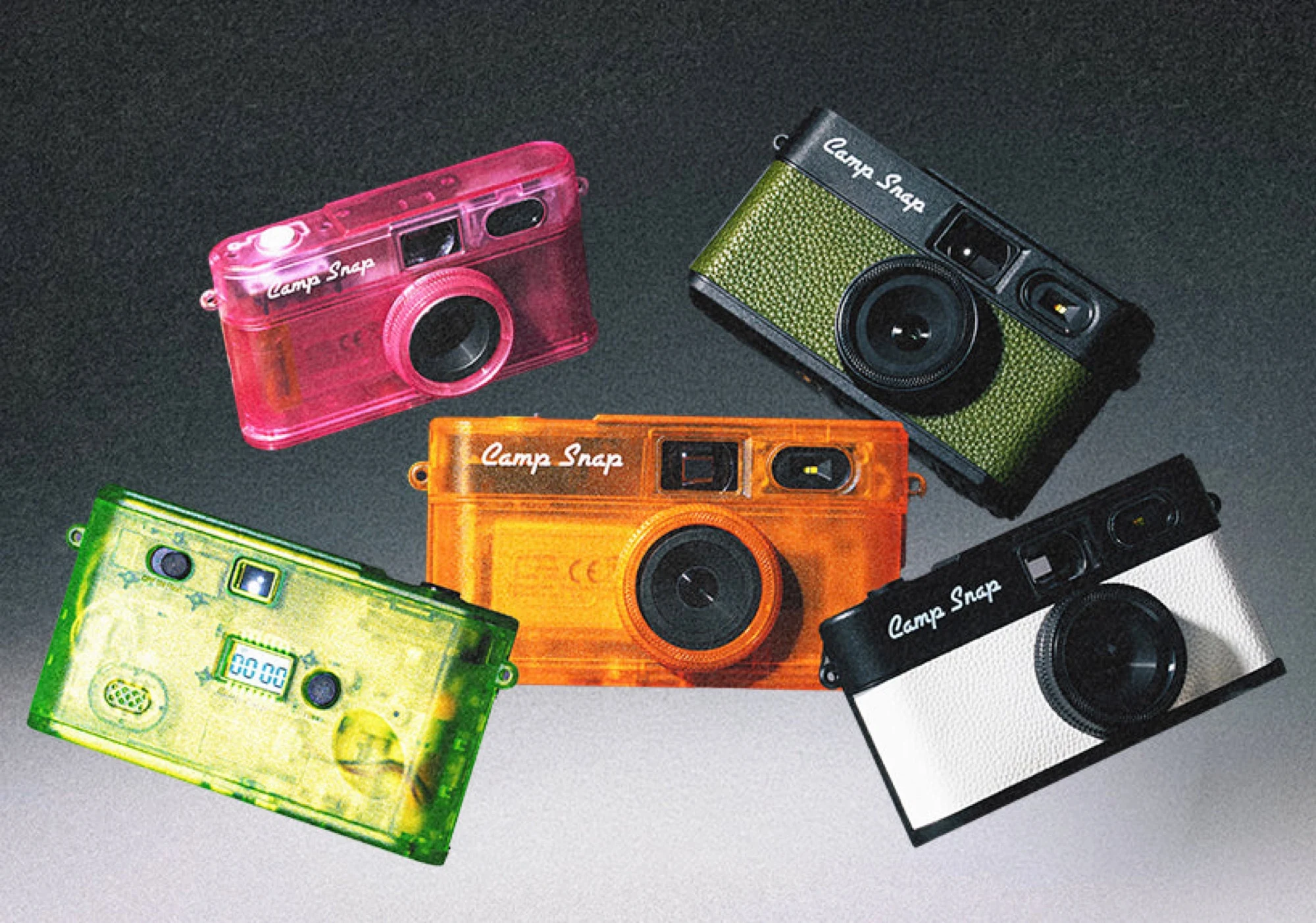
        At first glance, the Camp Snap 2 looks like a disposable analog camera, but it is actually a digital camera that doesn’t offer a display to show photos taken. Compared to cameras such as the Kodak Charmera ($34 on Amazon), the Camp Snap 2 promises slightly better image quality with an 8 megapixel sensor and an LED flash.

        Retro Charm and Design Tweaks

        While the Camp Snap 2 cannot keep up with modern smartphone cameras, the camera is said to be able to capture photos with a charming retro look thanks to six filters that can be selected using a button on the back. While the camera hardware remains unchanged from the previous model, the body of the Camp Snap 2 is 15 percent thinner, while the lens has been extended by a 30.5 millimeter filter thread and the camera now has a tripod thread.

        • 8 megapixel sensor
        • LED flash
        • Six built-in filters
        • 15 percent thinner body than previous model
        • 30.5 millimeter filter thread on lens
        • Includes tripod thread

        Child-Friendly Features and Controls

        If the camera is bought for a younger child, the bottom cover can be secured with a screw so that neither the mciroSD card nor the battery can get lost. Apart from the shutter release and the button for selecting filters, the camera only has a slider to switch it on and activate the flash. Photos are composed using a small optical viewfinder. The display on the back only provides information about the number of photos taken.

        Pricing and Availibility

        The Camp Snap 2 compact camera is now available for $69.95 in the manufacturer’s online store and comes with a 4 GB microSD card.


        Sources

      • New DJI Osmo Pocket 4 Leak: 200MP Camera Rival

        New DJI Osmo Pocket 4 Leak: 200MP Camera Rival

        Key Takeaway

        – Oppo and Vivo may launch handheld gimbal cameras to rival the DJI Osmo Pocket 4.
        – Both devices could feature a 200MP 1/1.2-inch sensor, compared to the Osmo Pocket 4’s 32MP 1-inch sensor.
        – Oppo’s device may include Hasselblad tuning, while Vivo’s could feature Zeiss tuning.
        – Both are expected to launch in late 2026, but with no official confirmation yet.
        – Insta360 has confirmed its own competing model, the Luna Ultra, with dual lenses and a detachable screen.


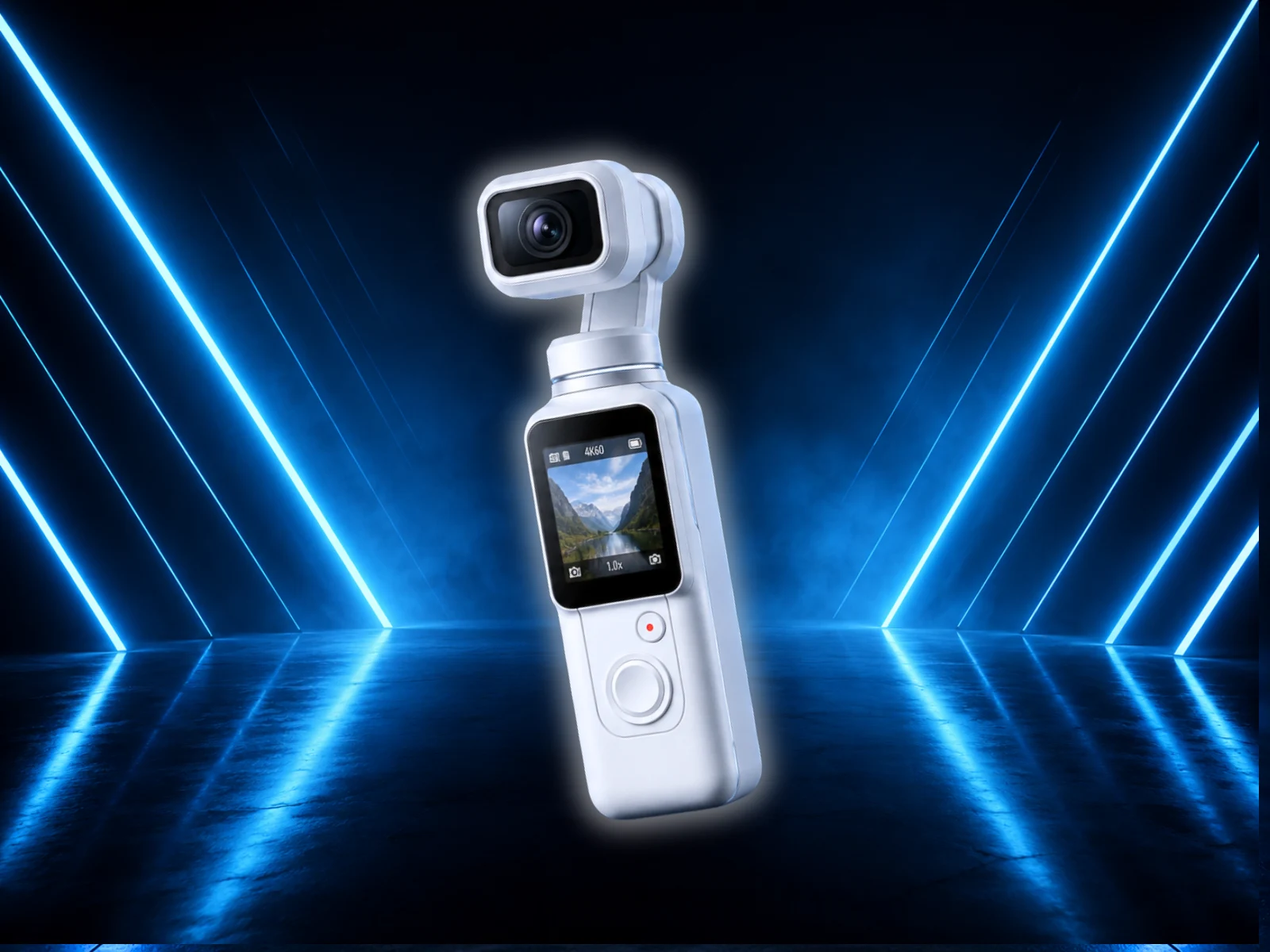
        Leaks suggests that Chinese smartphone makers Oppo and Vivo may launch handheld gimbal cameras, rivaling the DJI Osmo Pocket 4. For context, the Osmo Pocket 4 is a well-known portable camera with a 3-axis gimbal and 4K video recording.

        Sensor and Tuning Details

        According to tipster Digital Chat Station on Weibo, Oppo’s and Vivo’s handheld gimble cameras may feature a 200MP 1/1.2-inch sensor. For comparison, the Osmo Pocket 4 uses a 32MP sensor, though it has a larger 1-inch sensor size. Notably, the tipster suggests that Oppo’s device may feature Hasselblad tuning, wich is a notable upgrade for color science.

        Potential Features and Release Window

        Previous leaks suggest it may use a 3-axis gimbal system similar to the Osmo Pocket 4. Meanwhile, Vivo’s handheld gimbal camera could feature Zeiss tuning, which the company also offers on its flagship X300 series smartphones, giving it a distinct imaging identity. Both devices are expected to launch in late 2026, though there is no official confirmation yet.

        Competition in the Market

        Separately, Insta360 has confirmed it will launch a compact gimbal camera called the Luna Ultra, featuring dual lenses and a detachable screen. This creates a more competitive landscape for portable gimbal cameras, with each brand offering unique partnerships or hardware capabilities to stand out.


        Sources

      • GoPro warns it may not survive financial troubles

        GoPro warns it may not survive financial troubles

        Key Takeaway

        – GoPro disclosed “substantial doubt” about its ability to continue as a going concern.
        – Revenue fell nearly 19% in 2025 to $651.5 million, with a net loss of $83.3 million.
        – Cash reserves declined by over half, from $102.8 million to $49.7 million.
        – Loan agreements treat the going concern warning as a default, risking all current financing.
        – The troubled launch of the MAX2 360-degree camera contributed to the financial decline.


        Financial Turmoil Hits Action Camera Pioneer

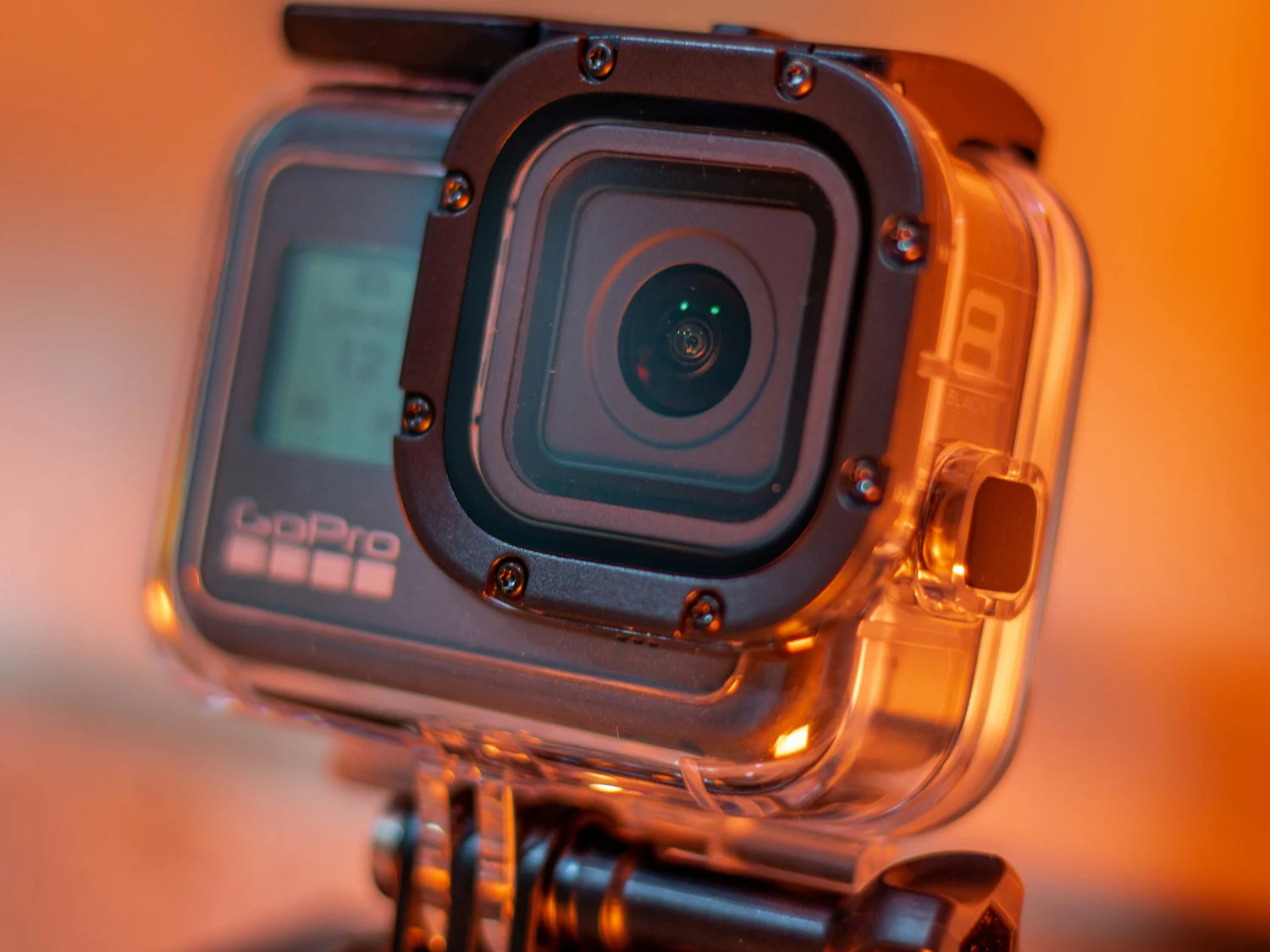
        GoPro, which was once the biggest name in the action camera market, is now fighting for its financial survival. The company disclosed substantial doubt about its ability to continue as a going concern in refiled financial statements published Monday (June 1). This sent shares down 8% in premarket trading.

        The warning, which would be a serious flag in any company’s filings, was included in GoPro’s amended 2025 annual report and its Q1 2026 quarterly report. Auditor PricewaterhouseCoopers separately added explanatory going concern language to its audit opinion, specifically touching on the severity of the situation. GoPro noted the circumstances behind the disclosure became more clear after it originally filed its annual report on March 12, 2026.

        Revenue Decline and Cash Depletion

        The numbers paint a grim picture as well. GoPro brought in $651.5 million in 2025 — down nearly 19% from the $801.5 million it made the year before — and still managed to lose $83.3 million in the process. Its cash pile almost halved in a single year, shrinking from $102.8 million to just $49.7 million, while its total accumulated losses now sit at $775.1 million. Part of the blame falls on the MAX2, GoPro’s 360-degree camera that had a troubled, delayed launch in September 2025. The company was also caught breaching its own loan conditions during the year — a warning sign that, in hindsight, foreshadowed exactly the situation it now finds itself in.

        Complex Financing and Default Risks

        The company currently holds $50 million in financing through arrangements with Farallon Capital Management and Wells Fargo Bank, alongside a separate $50 million convertible debenture agreement signed with YA II PN in February 2026. It gets more complicated. GoPro’s loan agreements contain clauses that treat this kind of warning as a default — similar to breaking a contract. And because its loans are interlinked, one default could legally trigger others simultaneously, which could put all of its financing at risk at once.

        Discussions and Future Uncertainity

        GoPro says it is actively in discussions with its lending partners to address the whole situation. For a brand that essentially invented the consumer action camera market and became a cultural icon among athletes and content creators, the disclosure isn’t really a good sign. GoPro has not announced any restructuring plans at this time.


      • Canon Plans 3 New PowerShot Cameras and App

        Canon Plans 3 New PowerShot Cameras and App

        Key Takeaway

        – Canon to release a flagship PowerShot compact camera in 2026 with a newly developed sensor, priced under $1,000.
        – New design prioritizes photography over video, breaking from the G7 X Mark III era.
        – Two additional compact cameras planned: a superzoom with large sensor and wide zoom range, plus a mainstream model.
        – All three cameras expected to launch within the next 12 months.
        – Canon is developing a replacement for the Camera Connect app with new, unspecified features.


        Rumors about a Canon PowerShot compact camera with a large sensor emerged back in April, and now CanonRumors has now been able to find out more about Canon’s plans for the compact camera market. As previously reported, a flagship compact camera with Canon PowerShot branding is to be launched on the market in 2026 with a completely newly developed sensor. Although this camera will have a slightly smaller sensor than the new Panasonic Lumix L10, it will also cost less than $1,000, making it an appealing option for enthusiast photographers looking for a portable yet powerful device.

        Design Departure from the G7 X Mark III

        What is new is the information that this compact camera will be fundamentally different from the PowerShot G7 X Mark III, meaning that Canon is to develop a new design for a compact camera with a focus on photography instead of video for the first time in years. This shift in strategy suggests Canon is listening to feedback from users who prioritise still image quality over video features, potentially leading to improved ergonomics and a more dedicated shooting experience.

        Two Additional Compact Cameras in Development

        Canon is also said to be developing two other compact cameras – a superzoom camera, which will combine a relatively large sensor for this product category with a lens with a particularly wide zoom range, and a more affordable mainstream compact camera. According to CanonRumors, all three of these cameras will be launched within the next twelve months, although the schedules of products not yet announced are subject to change at any time.

        Canon is rumored to be developing a brand new smartphone app to replace Canon Camera Connect, although it is not yet known what new features this app will bring. Camera Connect already allows users to wirelessly transfer photos from a camera, remotely control the camera, enhance photo metadata with GPS coordinates and perform firmware updates, but the new application may improve connectivity and introduce advanced editing tools or cloud integration features.

        Sources