Category: Video / Photo

  • Insta360 Pocket Vlogging Camera Leaks: DJI Osmo Pocket 4 Features

    Insta360 Pocket Vlogging Camera Leaks: DJI Osmo Pocket 4 Features

    Key Takeaways

    1. The DJI Osmo Pocket 4 and its Pro version are delayed, expected to launch in late Q1 or early Q2 of 2026.
    2. Patent images for the Insta360 Pocket suggest a modular design aimed at competing with DJI’s vlogging cameras.
    3. The status of the Insta360 Pocket images is unclear, leaving questions about whether they are prototypes or final products.
    4. Details about the Insta360 Pocket’s features remain unknown, but it may include various camera heads to differentiate it from DJI’s offerings.
    5. The competition between DJI and Insta360 in the vlogging camera market is heating up, creating anticipation among fans.


    The DJI Osmo Pocket 4 and its rumored Pro version are taking longer than expected to launch. Originally set to replace the Osmo Pocket 3 in December, both models are now expected to debut in late Q1 or early Q2 of 2026. While we wait for DJI to unveil either of these vlogging cameras, there are signs that Insta360 is gearing up to introduce a competitor, as indicated by various leaks.

    Patent Images Surface

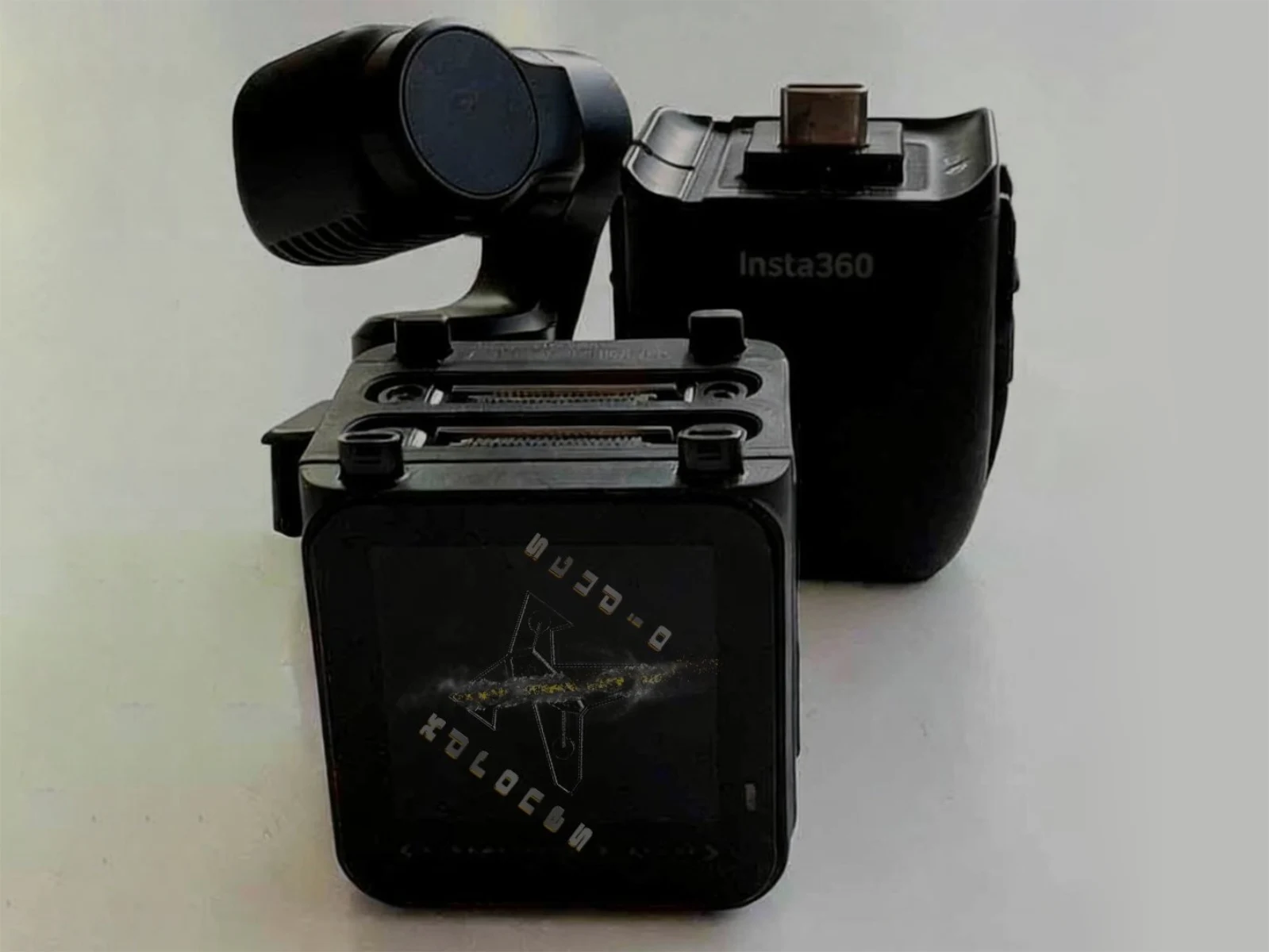
    Recently, patent images have surfaced that hint at the Insta360 Pocket. The first image reveals that this device adopts a modular design, similar to DJI’s earlier Osmo Nano (currently priced at $299 on Amazon), but it’s been revamped as a vlogging camera. Additionally, several sources have managed to grab hands-on photos that showcase Insta360’s modular design in more detail.

    Unclear Status of the Images

    At this point, it’s uncertain whether these images depict a prototype or a final version ready for sale. However, their existence strongly suggests that Insta360 plans to compete against DJI in a new arena, after both companies previously vied for supremacy in the action camera space last year. Sadly, specifics about the camera’s features are still unknown. It looks like the Insta360 Pocket might offer various camera heads, which could help set it apart from DJI’s Osmo Pocket 3 and the upcoming Osmo Pocket 4 series.

    The Competition Heats Up

    With both companies innovating in the vlogging camera market, it will be interesting to see how Insta360’s new offering stacks up against DJI’s established lineup. For now, fans of portable vlogging cameras will have to wait and see how this competition unfolds.

    Source:
    Link


  • DJI Avata 360 Drone Launch: FPV & 360° Flights for $999

    DJI Avata 360 Drone Launch: FPV & 360° Flights for $999

    Key Takeaways

    1. DJI has not officially announced the Avata 360 drone, but pre-orders are available through US Drone Supply.
    2. The sale of new foreign-made drones is banned in the US, but FCC-certified drones like the Avata 360 can still be sold and flown.
    3. The Avata 360 will be offered in four configurations, with prices ranging from $999 for the base package to $1,799.99 for the highest bundle.
    4. Pre-orders from US Drone Supply may start shipping by late February, indicating an upcoming official launch.
    5. China is expected to be the first market to receive the Avata 360, with potential teasers for its release coming soon.


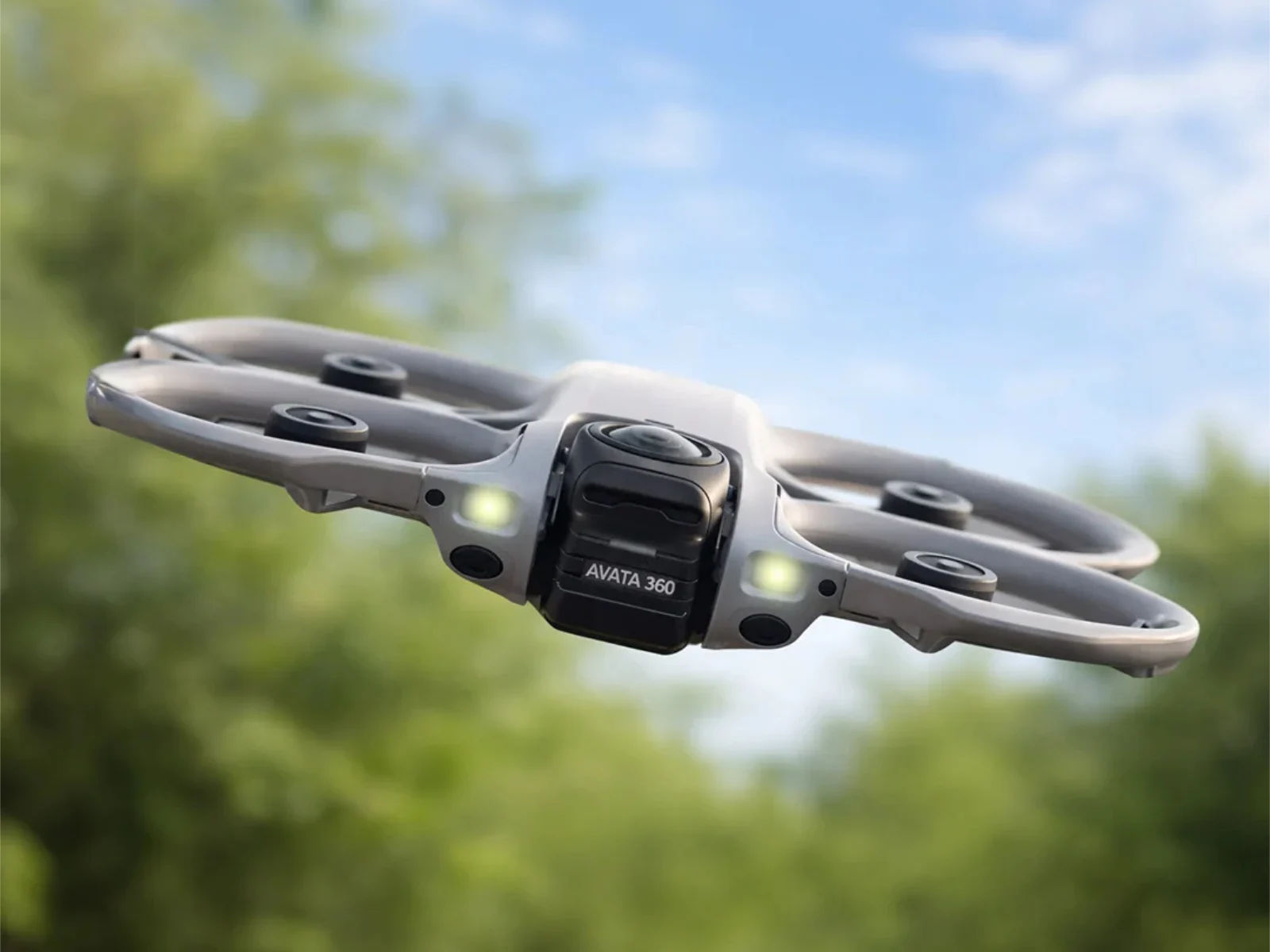
    DJI has yet to officially unveil its upcoming Avata series drone, which is set to replace the Avata 2 (currently priced at $789 on Amazon). Surprisingly, the company has not released any teasers or announcements about this new drone. However, a retailer named US Drone Supply has quietly begun accepting pre-orders for the DJI Avata 360 in the United States.

    Legal Status of Drones

    To summarize, while the sale of new foreign-made drones is currently prohibited in the US, those that have received certification from the Federal Communications Commission (FCC) can still be legally sold, bought, and flown. The Avata 360 is included in this category, but the language on US Drone Supply’s website hints that these drones were meant for other markets. This could mean that DJI might not provide the usual warranties that come with its consumer drones.

    Pricing and Bundles

    Ignoring that point, US Drone Supply claims that DJI will offer the Avata 360 in four different configurations. The base package includes just the drone and a battery for $999, while the Fly More Bundles come with either one or three batteries, priced at $1,299.99 and $1,799.99, respectively. There’s also a Motion Fly More Bundle that reportedly does not include an RC 2 controller but instead features the Goggles N3.

    Shipping and Availability

    It’s worth mentioning that US Drone Supply might have raised these prices a bit. Nonetheless, the retailer suggests that pre-orders could start shipping by late February. This implies that the official launch of the Avata 360 should happen soon. Based on recent patterns, China is likely to be the first market to receive the Avata 360. Overall, we anticipate that DJI will start teasing the Chinese release of the Avata 360 within the coming week or so.

    Source:
    Link


  • Belkin Stage PowerGrip Launches in China at Low Price

    Belkin Stage PowerGrip Launches in China at Low Price

    Key Takeaways

    1. Belkin launched the Stage PowerGrip, a magnetic wireless charging device for phones like the iPhone 16 and Pixel 10 Pro, combining a camera grip with a power bank.
    2. The Stage PowerGrip is priced at CNY 234 (about $34) in China, significantly lower than its U.S. price of $79.99.
    3. It features a 9,300mAh battery, allowing for wireless charging of phones and powering two additional devices via USB-C.
    4. An LCD screen shows remaining battery life, and it can be recharged using a retractable cable or USB-C port.
    5. The Stage PowerGrip also functions as a phone stand, has a ¼-inch screw mount for tripods, and includes a Bluetooth connection with a one-touch shutter button.


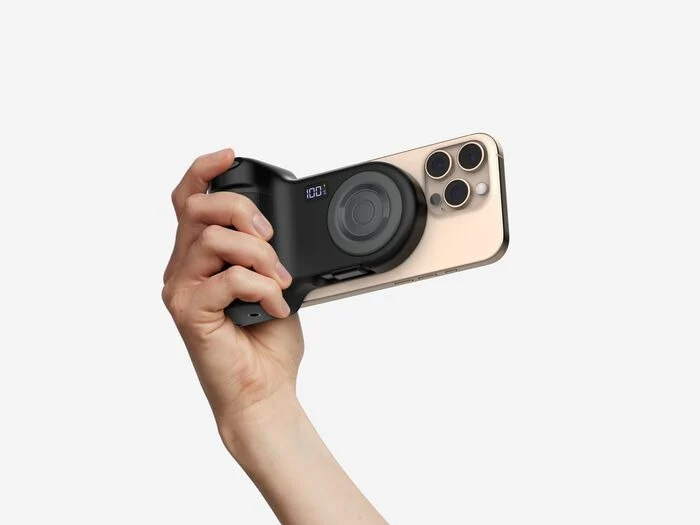
    Last October, Belkin launched the Stage PowerGrip, a device designed for phones that can utilize magnetic wireless charging, like the iPhone 16 and the Pixel 10 Pro. This accessory combines a camera grip with a power bank built into it. While it has been available for sale in the United States since it was first announced, Belkin has recently made it available in China at a price that is much lower than what it costs in its home market.

    Pricing Details

    You can find the Belkin Stage PowerGrip on JD.com for CNY 234, which is about $34. This price is considerably less than the $79.99 it sells for on Amazon and on Belkin’s own website. While it’s common for prices to vary between different regions, this case stands out because of the large difference in cost. Aside from the price, the features of the product remain identical.

    Features and Functionality

    The Belkin Stage PowerGrip boasts a substantial 9,300mAh battery, enabling it to function as a power bank as well. While it charges your iPhone wirelessly, it can also power two additional devices: just connect one device via the built-in retractable USB-C cable, and plug another into the USB-C port. An LCD screen displays the remaining battery life. You can recharge the Stage PowerGrip using either the retractable cable or the USB-C port.

    Additional Uses

    Besides serving as a charger, the Belkin Stage PowerGrip can also act as a phone stand, making it useful for livestreaming, taking photos, or watching videos. Belkin has included a ¼-inch screw mount, allowing you to attach it to a tripod for steady shots. The Stage PowerGrip connects to your phone through Bluetooth and features a one-touch shutter button for convenience.

    Source:
    Link


  • Fujifilm Developing New 180MP Medium Format Camera

    Fujifilm Developing New 180MP Medium Format Camera

    Key Takeaways

    1. Fujifilm is developing a GFX camera with a 180MP sensor, aimed at affordability under €8,000.
    2. This new camera will surpass the Phase One IQ4, which has a 150MP sensor and costs around €57,000.
    3. The GFX system’s smaller sensor size (43.8 x 32.9 mm) suggests the new camera could be more budget-friendly.
    4. The Hasselblad X3D might also utilize the upcoming 180MP sensor due to shared sensor formats.
    5. No specific release date or detailed specifications for the 180MP camera have been confirmed yet.


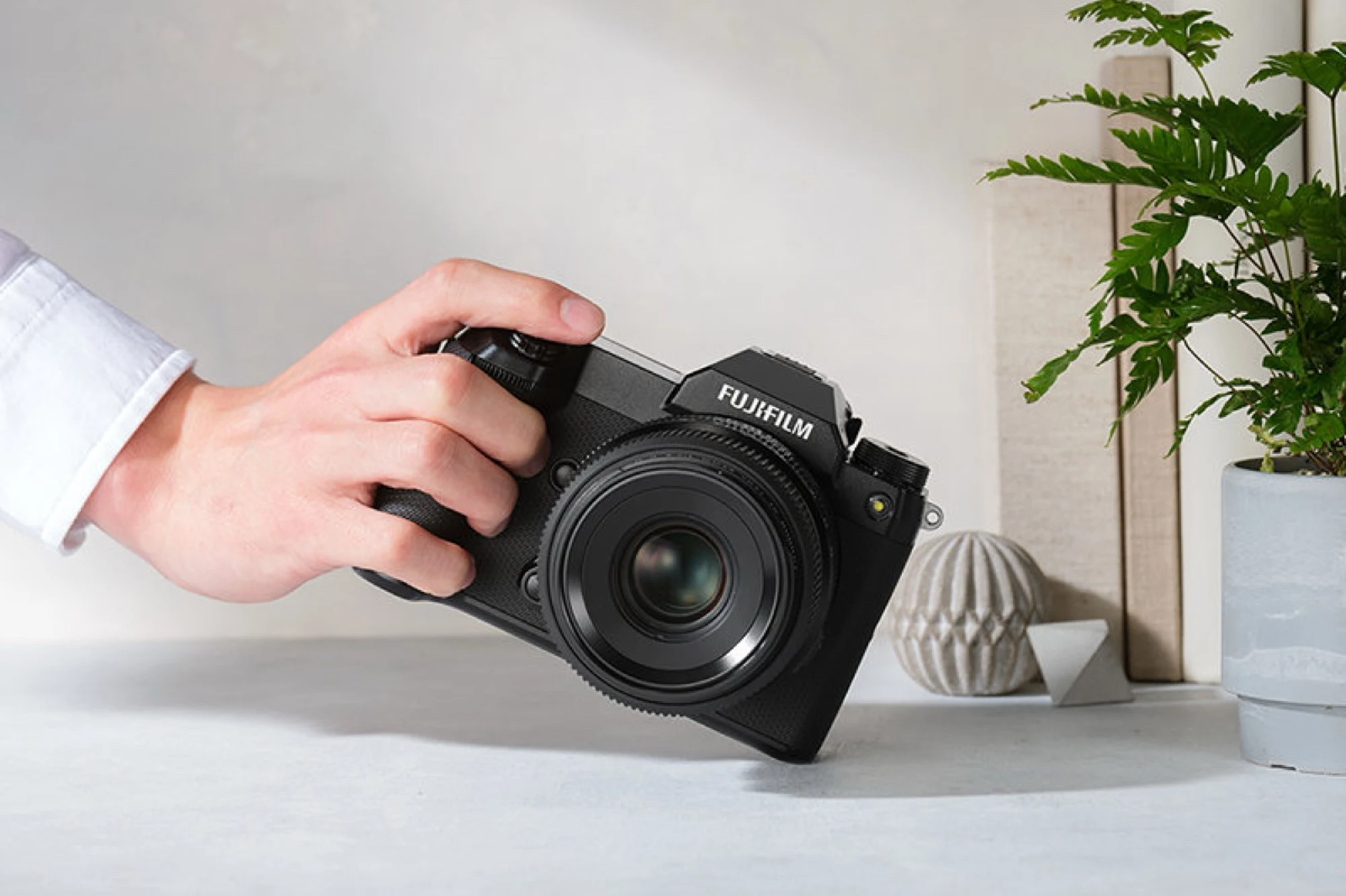
    Buyers seeking affordable medium format cameras priced below €8,000, like the Fujifilm GFX100S II (starting at $5,699 on Amazon) or the Hasselblad X2D II, currently face a maximum resolution of 102MP. However, FujiRumors has received information from various sources that Fujifilm is working on a GFX camera featuring a 180MP sensor.

    Higher Resolution Ahead

    This new development would surpass the Phase One IQ4, which is priced around €57,000 and has a 150MP sensor. It’s worth noting that the sensor in the Phase One is roughly 49% larger, which contributes to its higher price. The GFX system, on the other hand, uses a smaller medium format sensor that measures 43.8 x 32.9 mm, suggesting that this anticipated Fujifilm GFX180 could be much more affordable than its Phase One counterpart. The comparison of the highest-resolution medium format sensors currently available in cameras designed for photography is quite interesting.

    Potential for Hasselblad

    Since both Hasselblad and Fujifilm utilize sensors of the same format, it’s likely that the Hasselblad X3D may also feature this new 180MP sensor. Nevertheless, FujiRumors indicates that it will take some time before the first camera equipped with this sensor becomes available to the public. At this point, there are no additional details about the expected release date or other specifications for this forthcoming 180MP medium format camera.

    Source:
    Link


  • Leica Noctilux M 1.2/35 ASPH Price Leak: Compact Full-Frame Lens

    Leica Noctilux M 1.2/35 ASPH Price Leak: Compact Full-Frame Lens

    Key Takeaways

    1. The Leica Noctilux-M 1.2/35 ASPH. is set to be officially revealed on January 29, with a price of €9,000 in Europe.
    2. The new lens is less expensive than other Noctilux lenses, such as the 0.95/50 ASPH. (€12,350) and the 1.25/75 ASPH. (€13,350).
    3. The updated Noctilux-M 1.2/50 ASPH. from 1966 is priced lower at €7,900.
    4. The 35mm Noctilux features a classic Leica design with a compact aluminum body and an extendable lens hood.
    5. Independent reviews are needed to determine if the lens justifies its high price compared to more affordable alternatives.


    As early as December, there were talks that the Leica Noctilux-M 1.2/35 ASPH. would be officially revealed in January. Now, LeicaRumors has reported that the unveiling is set for Thursday, January 29. This lens is anticipated to be priced at €9,000 in Europe. Although this amount is quite steep when compared to similar lenses from other brands, Leica’s other Noctilux offerings are even more expensive.

    Pricing Comparison

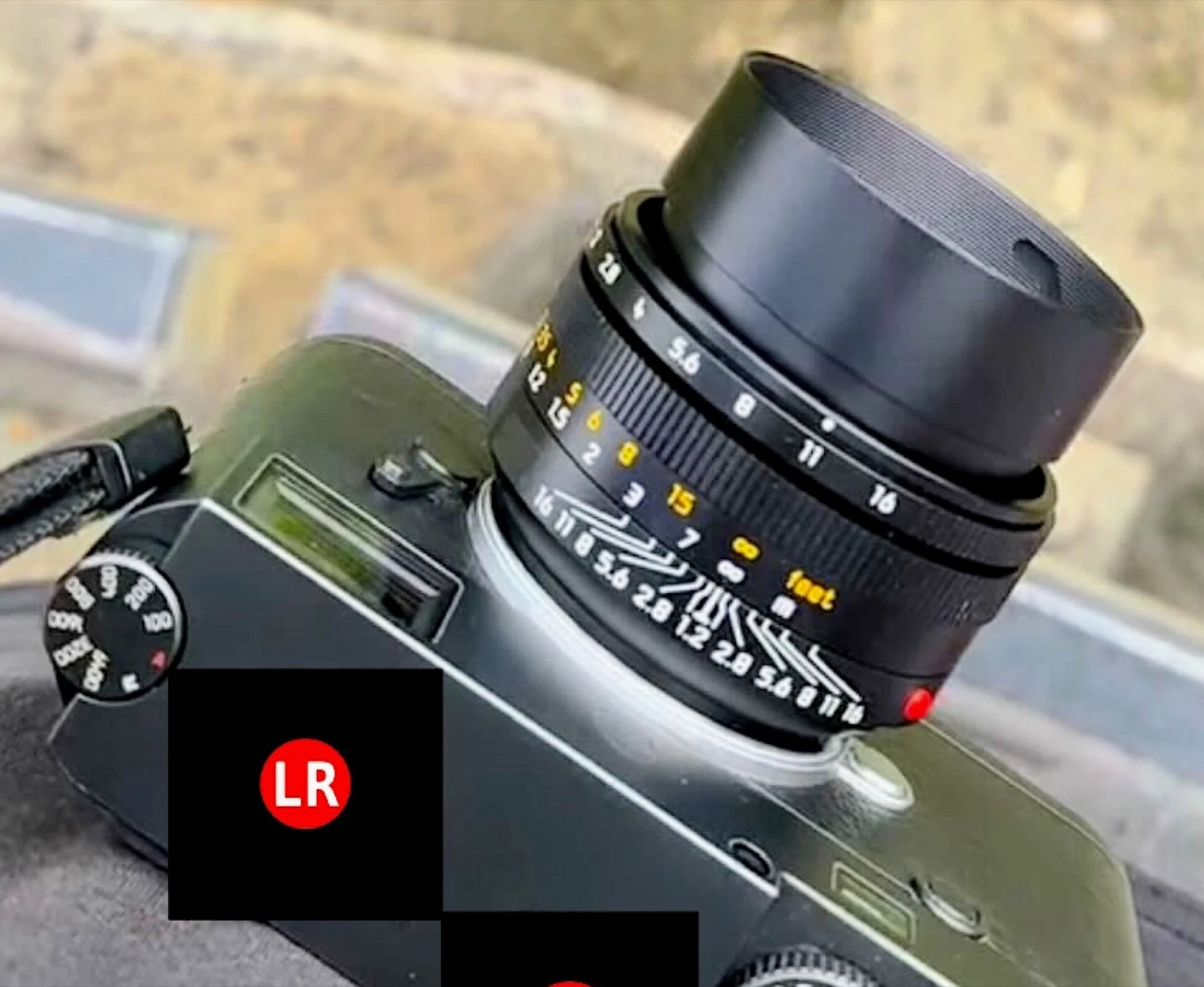
    The Noctilux-M 0.95/50 ASPH. carries a listed price of €12,350, whereas the Noctilux-M 1.25/75 ASPH. can go up to €13,350. The only exception is the updated Noctilux-M 1.2/50 ASPH., which first came out in 1966 and is available for a lower price of €7,900. The image below seems to display the lens prior to its official launch. It appears that the 35mm Noctilux features the classic Leica look, with a fairly compact aluminum body, yellow markings, and a lens hood that’s fixed to the lens but can be extended by twisting it.

    Awaiting Reviews

    We’ll need to wait for independent reviews to see if Leica can truly justify this high price tag. They are up against much cheaper lenses like the Voigtländer Nokton 35mm f/1.2, as well as the slightly slower Leica Summilux-M 1.4/35 ASPH. Other camera systems also have options, such as the Sigma Art 35mm f/1.2 DG II (starting at $1,579 on Amazon), which often deliver amazing image quality for a much more affordable price, but these lenses tend to be larger than the Leica Noctilux. For the Leica M system, a lens that size would obstruct the optical viewfinder, making it less practical.

    LeicaRumors’

    Source:
    Link


  • DJI Osmo Action 6 Pro: Rumored Release of New Action Camera

    DJI Osmo Action 6 Pro: Rumored Release of New Action Camera

    Key Takeaways

    1. DJI has delayed several product releases, including the Osmo Pocket 3 for the Osmo Pocket 4 Pro.
    2. The Avata 360 is still not released, serving as an alternative to the Antigravity A1.
    3. The Osmo Action 6 was launched recently, priced at $369, with plans for an Osmo Action 6 Pro later this year.
    4. The Osmo Action 6 shares the same battery as the Osmo Action 5 Pro, offering about 52-53 minutes of battery life.
    5. DJI typically releases new Osmo Action models in late summer or fall, following historical trends.


    DJI has a lot of products planned, but many are being delayed for various reasons. For example, the next version of the Osmo Pocket 3 was expected to come out in December, but it has been pushed aside for the Osmo Pocket 4 Pro. Additionally, the Avata 360 is still waiting to be released as an alternative to the Antigravity A1.

    New Developments in Osmo Action

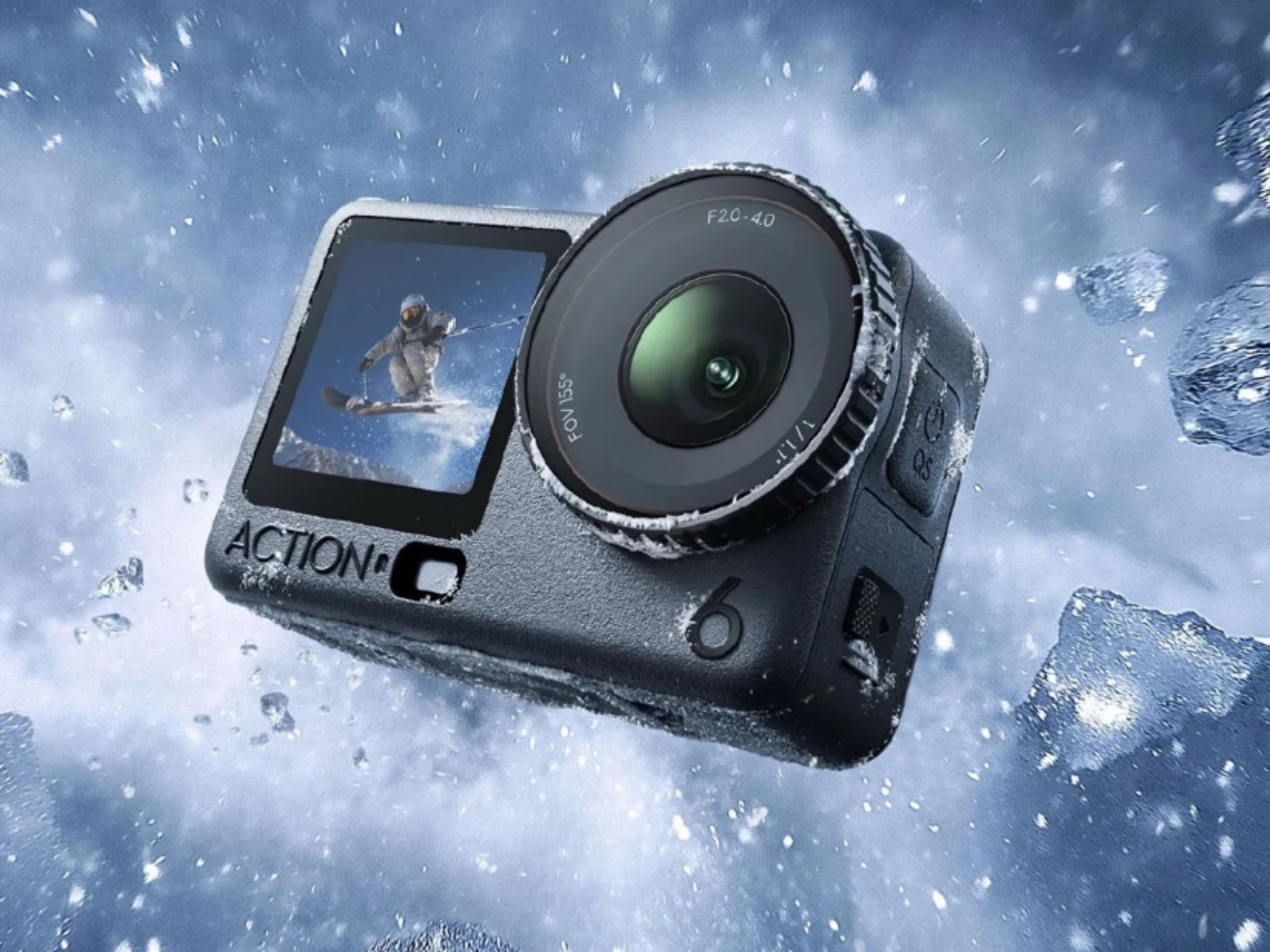
    Recently, YouTuber Photorabz shared some updates regarding DJI’s Osmo Action line. To summarize, DJI launched the Osmo Action 6 late last year after a long period of rumors and leaks (currently priced at $369 on Amazon). According to Photorabz, there are plans for an Osmo Action 6 Pro to be unveiled later this year.

    Possibilities for the New Model

    There are many ways DJI could set apart a new action camera from its current lineup. For instance, the Osmo Action 6 uses the same 1,950 mAh (7.5 Wh/3.87 V) battery as the Osmo Action 5 Pro, providing about 52-53 minutes of official battery life. Also, DJI’s stabilization technology has not changed since the Osmo Action 4.

    Awaiting Additional Information

    At this point, there are no specific details available regarding the new action camera. Historically, DJI tends to release new Osmo Action models in late summer, following the pattern with the Osmo Action 3, 4, and 5 Pro. Last year, the Osmo Action 6 was introduced in November, marking a return to a fall release schedule that was last seen with the Action 2.

    Source:
    Link


  • DJI Osmo Pocket 4: New Vlogging Camera Features Revealed

    DJI Osmo Pocket 4: New Vlogging Camera Features Revealed

    Key Takeaways

    1. The Osmo Pocket 4 is the anticipated successor to the Osmo Pocket 3, which costs $500.
    2. The release date for the Osmo Pocket 4 is uncertain, with initial expectations set for December, complicated by the new Osmo Pocket 4 Pro.
    3. The Osmo Pocket 4 Pro is expected to feature dual lenses and a 1/1.1-inch sensor from the Osmo Action 6.
    4. The standard Osmo Pocket 4 may not meet expectations in camera hardware, potentially using the same 9.4 MP sensor as the Osmo Pocket 3.
    5. Improvements in battery life are anticipated for the Osmo Pocket 4 compared to its predecessor.


    YouTuber Photorabz has reportedly obtained new details regarding the Osmo Pocket 4’s status. This is the much-anticipated successor to the Osmo Pocket 3, which currently retails for $500 on Amazon. Initially, there were expectations for the Osmo Pocket 4 to be released globally in December. However, DJI’s plans appear to have become more complex, especially with the introduction of the Osmo Pocket 4 Pro.

    New Features and Specifications

    Recent speculation suggests that the Osmo Pocket 4 Pro may be DJI’s vlogging camera equipped with dual lenses. It’s thought that this model will utilize a 1/1.1-inch sensor from the Osmo Action 6, which is expected to have a variable aperture as well. On the other hand, Photorabz is warning that the regular Osmo Pocket 4 might not meet expectations regarding its camera hardware.

    In a video, the YouTuber claims that the Osmo Pocket 4 will debut with a 1-inch style CMOS sensor. If this sounds familiar, it’s because DJI is likely to use the same 9.4 MP sensor that is already in the Osmo Pocket 3. It remains uncertain whether it will feature an f/2.0 aperture and a 20 mm equivalent focal length. Nevertheless, the Osmo Pocket 4 is anticipated to outperform its predecessor in several areas, particularly in terms of battery life.

    Conclusion and Expectations

    Photorabz, along with Igor Bogdanov and Xdrones Studio, continues to keep an eye on these developments, eager to see how the new models will stack up against their predecessors.

    Source:
    Link


  • DIY Engineers Break Guinness World Record with 3D-Printed Drone

    DIY Engineers Break Guinness World Record with 3D-Printed Drone

    Key Takeaways

    1. Mike Bell and Luke Maximo Bell set a new Guinness World Record for the fastest drone, reclaiming the title with their Peregreen 4 model.
    2. They prioritized stability over raw power by reverting to T-motor motors for better performance, despite previous tests showing AOS Supernova motors produced more thrust.
    3. The drone underwent four major structural modifications, including the introduction of “spinners,” which increased speed by 30 km/h and improved airflow.
    4. The Peregreen 4 achieved a peak power draw of 12 kW, making it more efficient than the previous model, Peregreen 3, which drew 16.2 kW.
    5. The Bells’ drone is now the fastest battery-powered remote-controlled quadcopter and the fastest battery-powered aircraft ever made, and they are challenging others to beat their record.


    Father-and-son engineers Mike Bell and Luke Maximo Bell have once again set a new Guinness World Record for the fastest drone in the world. This comes after they lost the title to Benjamin Biggs from Drone Pro Hub, who claimed it with a drone reaching a speed of 626.44 km/h (389.25 mph).

    Improvements to the Drone

    To reclaim their title, the Bells made significant updates to their latest drone model, the Peregreen 4. One of the most crucial changes was reverting to T-motor motors, which they had previously used in the Peregreen 2, instead of the AOS Supernova 3220 motors found in the Peregreen 3. Although the AOS 3220 produced more thrust in tests, the T-motor 3120 provided better stability. Learning from past mistakes that resulted in the loss of seven drones during their previous record attempt, the engineers prioritized stability over sheer performance. The outcome? They encountered no motor problems throughout all their runs, although a propeller detached mid-flight, causing a crash.

    Structural Modifications

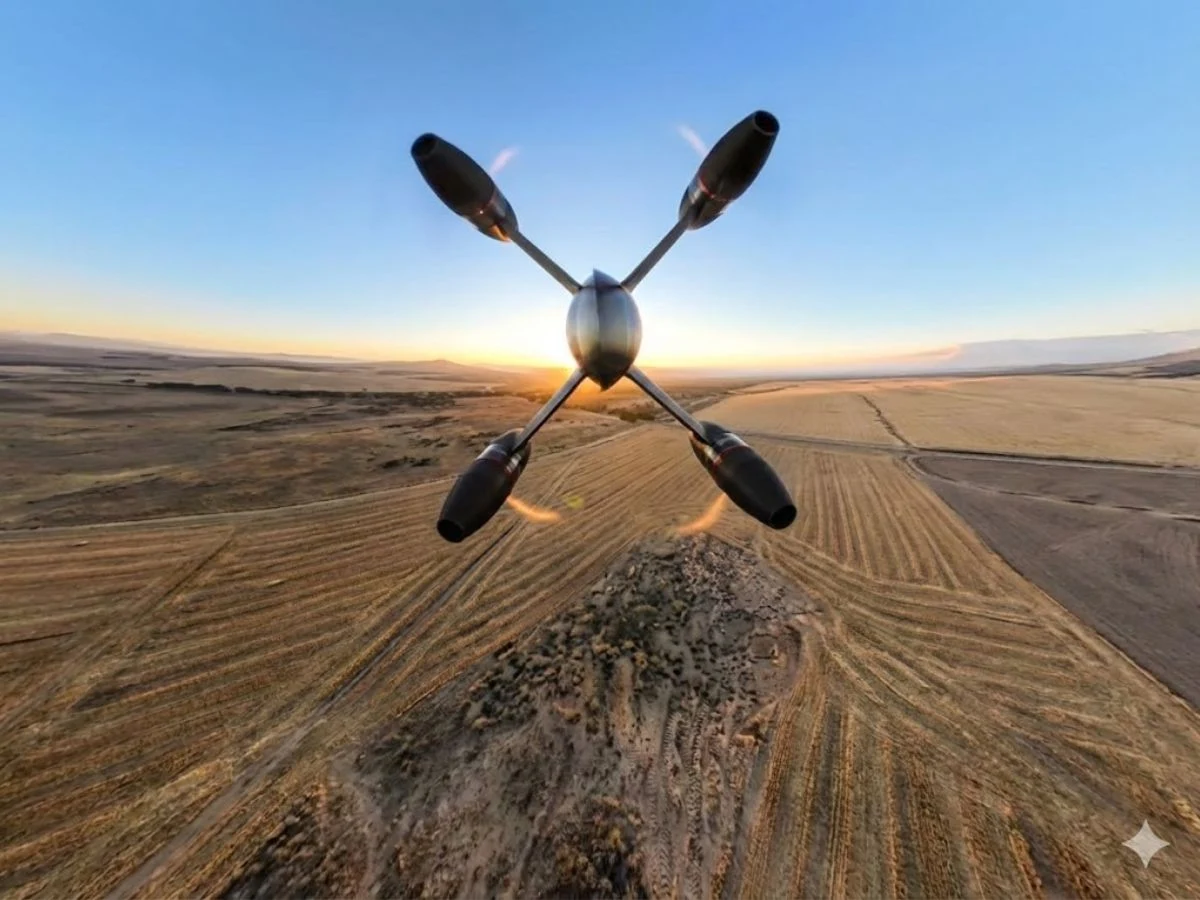
    As illustrated in the image above, the drone experienced four major structural modifications. The most impactful change was the introduction of “spinners,” which contributed to an impressive speed increase of 30 km/h. These spinners eliminated the blunt ends of the motors, enabling a more tapered design that enhanced airflow. Additionally, the shape of the drone was modified, its body was sanded down, and the original 7-inch propellers were reduced to approximately 6 inches. Collectively, these changes boosted both efficiency and speed. Thanks to these innovative modifications, the Peregreen 4 reached a peak power draw of about 12 kW, making it significantly more efficient than the Peregreen 3, which had a peak power draw of 16.2 kW.

    Record-Breaking Achievement

    With this achievement, the Bells now hold the record for the fastest battery-powered remote-controlled quadcopter. However, they have also surpassed Rolls-Royce’s record, making their drone the fastest battery-powered aircraft ever constructed. The Bells are now challenging others to try and beat their record, eagerly anticipating the opportunity to reclaim their title once again.

  • Swiss Transparent Compact Camera Prints Photos Instead of Digital

    Swiss Transparent Compact Camera Prints Photos Instead of Digital

    Key Takeaways

    1. The Await Camera resembles a classic disposable camera with a small lens, viewfinder, and flash, but includes a digital screen for displaying battery life and photo count.
    2. It offers a film-like experience by allowing users to take 24 photos per “film roll,” which can only be viewed and ordered for prints through a smartphone app.
    3. Unlike some models, the Await Camera does not let users preview photos after taking them, making it more similar to traditional film cameras.
    4. The camera is compact (98 x 68 x 15 mm, 96 grams) and charges via USB-C, but lacks manual focus or exposure adjustments.
    5. The Await Camera is expected to launch globally in March or April, with a price range between $70 and $100, and film rolls costing $9.99 for printing and delivery of 24 photos.


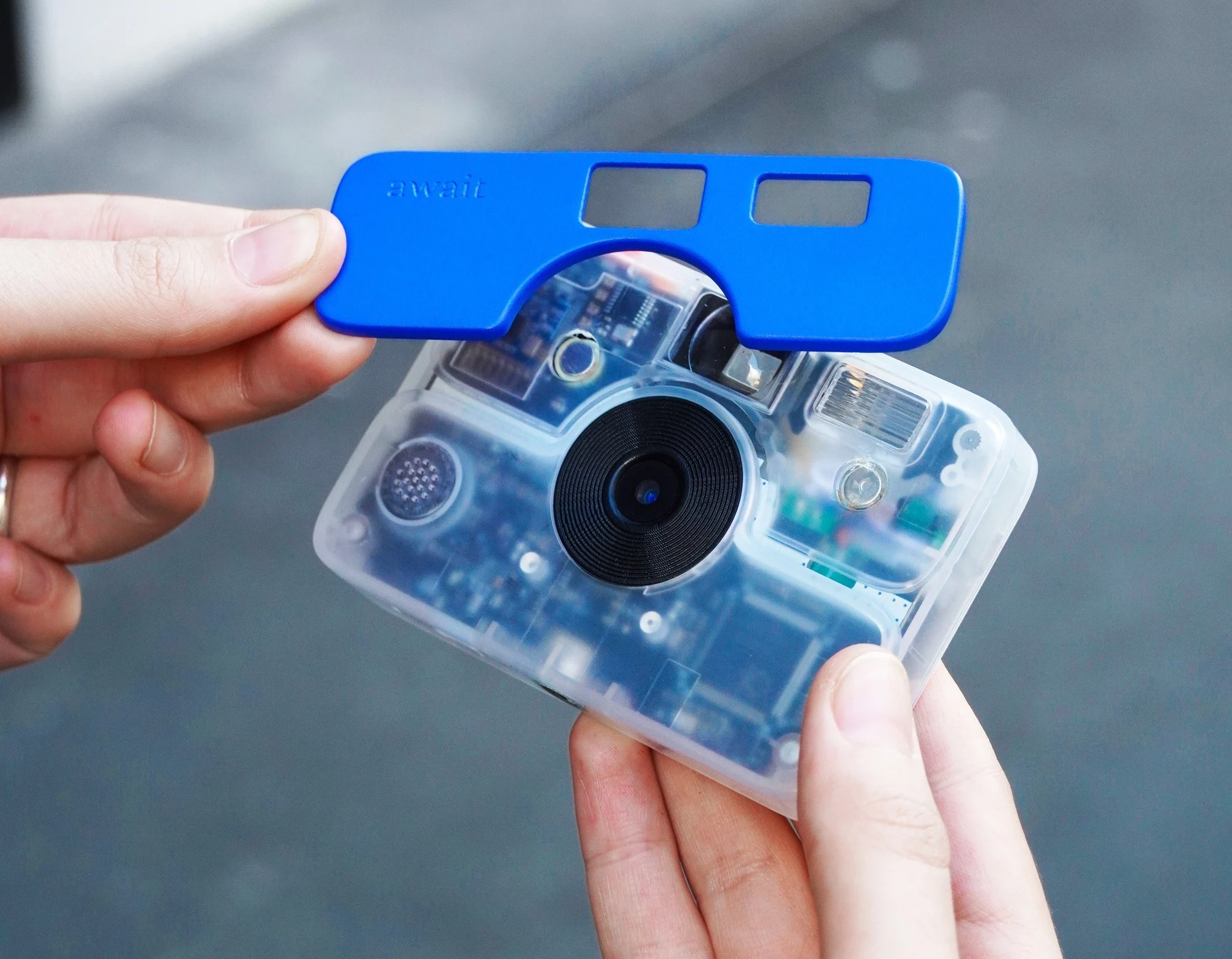
    At first look, the Await Camera appears very much like a classic disposable camera. The front has just a tiny lens, an optical viewfinder, and a flash. On the back, there’s a small screen that shows details like the battery level, how many pictures are left on the “film roll,” and the status of the connection to the smartphone app.

    Digital or Analog?

    This little display is the only sign that the Await Camera is digital, not analog. The Swiss company Rolling Square, which created the Await Camera, aims to give users an experience that feels more like using a film camera rather than a smartphone. Once the digital “film roll,” which can hold up to 24 photos, is fully used, users must change the film through the smartphone app. At this stage, pictures can’t be viewed, but users can order prints that will be sent directly to them.

    Comparing to Other Models

    This feature makes the Await Camera a step ahead of the Fujifilm X half model, where pictures can at least be seen digitally in “film camera mode” after the roll is finished. However, with the Fujifilm, users must pay for the 24 photos before they even capture them. The Await Camera is quite small, measuring 98 x 68 x 15 millimeters and weighing just 96 grams, and it charges via USB-C. The company hasn’t shared any details about the camera’s hardware, and users can’t manually adjust focus or exposure settings.

    Launch Information

    The Await Camera is set to be released globally around March or April. The final price is still undecided, but it is predicted to be between $70 and $100. A “film roll” will cost $9.99, which includes the printing and delivery of 24 photos. More details about the launch will be available soon on the manufacturer’s website.

    Source:
    Link


  • Oppo Find X9 Pro vs Honor Magic 8 Pro: DxOMark Camera Test Results

    Oppo Find X9 Pro vs Honor Magic 8 Pro: DxOMark Camera Test Results

    Key Takeaways

    1. DxOMark has been rating smartphone cameras for years, providing a dynamic ranking of top models.
    2. The Oppo Find X9 Pro recently moved to seventh place, closely following the Honor Magic8 Pro.
    3. No current flagship cameras, including the Oppo and Honor, achieved new top scores in any category this year.
    4. The Vivo X300 Pro set new benchmarks in bokeh, telephoto, zoom, and low-light performance, ranking second in evaluations.
    5. The Oppo Find X9 Pro is praised for exposure, dynamic range, and color accuracy, but has issues with slower autofocus and video noise.


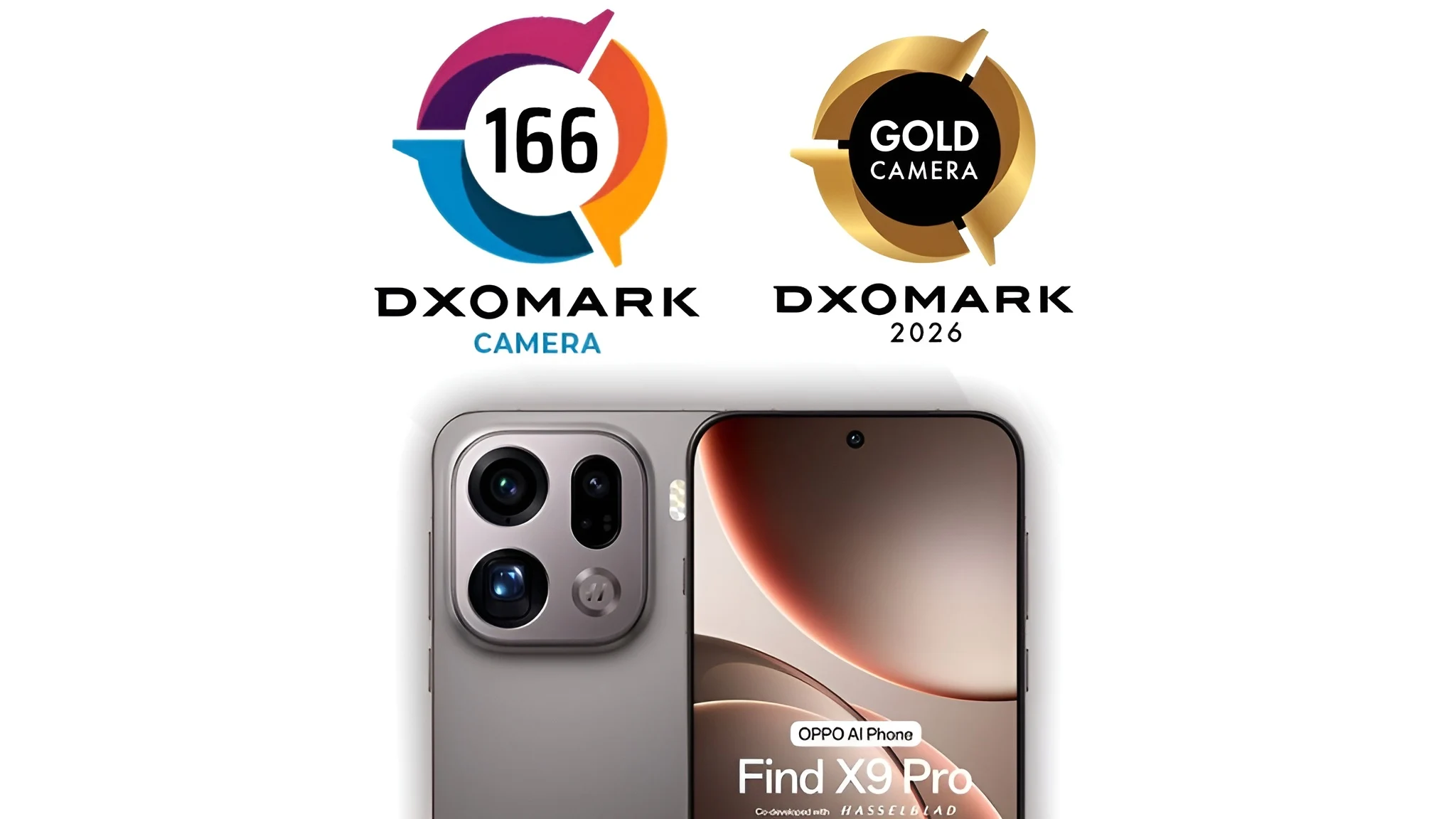
    Whether the quality of a camera can be evaluated in points remains a topic of debate. Nevertheless, DxOMark has been rating them for years and, much like our list of the finest smartphone cameras, provides an ever-changing roster of leading smartphone cameras. Recently, the Oppo Find X9 Pro surpassed the Honor Magic8 Pro, shifting from sixth to seventh position. When examining the scores, it seems that Oppo and Honor are very close this year.

    Notable Scoring Trends

    What stands out about the score distribution in both cases is that neither of the current flagship cameras achieved new top marks in any category. This is in stark contrast to the Vivo X300 Pro, which has recently claimed second place in the DxOMark evaluation, establishing new benchmarks for bokeh, telephoto, zoom, and low-light capabilities. In comparison, the Oppo Find X9 Pro performs well across the board but is missing any truly exceptional characteristics, based on the test findings from our colleagues in France.

    Testers’ Insights

    The evaluators commend the Oppo Find X9 Pro for its generally high-quality exposure, dynamic range, and color accuracy, featuring a neutral white balance and realistic skin tones, along with efficient video stabilization, even during moments of active movement. Both videos and photographs are rich in detail. However, there are some drawbacks, such as slower autofocus when set against competitors and increased noise in videos, even under bright lighting. Autofocus also seems to struggle often while filming videos.

    Source:
    Link