Tag: Leica Noctilux-M 1.2/35

  • Leica Noctilux-M 35mm f/1.2 Lens: Made in Germany, Better than Summilux

    Leica Noctilux-M 35mm f/1.2 Lens: Made in Germany, Better than Summilux

    Key Takeaways

    1. Leica has introduced the 35 mm f/1.2 Noctilux-M lens, marking the first wide-angle addition to its Noctilux series.
    2. The new lens design is similar to the 35 mm f/1.4 Summilux, with increased dimensions and weight for better light sensitivity.
    3. It features a complex construction with ten elements, including three aspherical elements and a floating element for improved close-up image quality.
    4. Performance-wise, the Noctilux lens is sharper at full aperture than the Summilux f/1.4, but has noticeable vignetting and moderate distortion.
    5. The 35 mm f/1.2 Noctilux-M is priced at $9,650, making it one of the more expensive options compared to its counterparts.


    Since 1966, when the 50 mm f/1.2 Leica Noctilux lens was introduced, Leica has been known for its fast lenses in the Noctilux series. The company is now unveiling a third addition to its lineup, joining the 50 mm f/0.95 and the 75 mm f/1.25 Noctilux lenses: the 35 mm f/1.2 Noctilux-M. This marks the first instance of Leica providing a wide-angle lens in the Noctilux range.

    Design and Dimensions

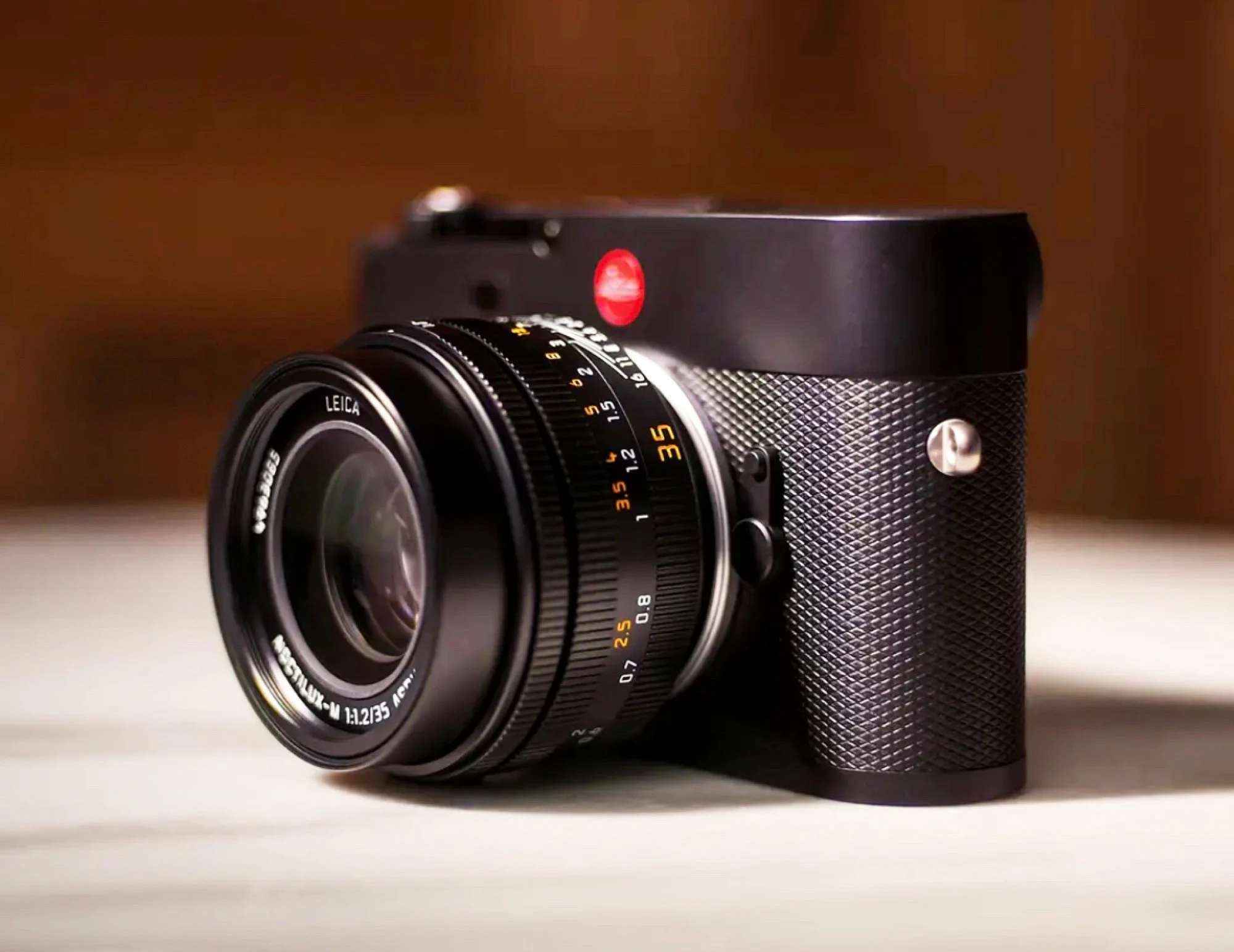
    The new lens design bears a strong similarity to the 35 mm f/1.4 Summilux. With a length of 50.2 mm and a diameter of 64.6 mm, it is a touch larger, and the filter thread diameter has increased from 46 to 49 mm. Additionally, the weight has risen by 23% to 14.7 oz. This extra weight could be considered a minor trade-off for a lens that allows for half a stop faster exposure, or 50% more sensitivity to light.

    Construction Quality

    The heft comes from its intricate design, which consists of ten elements arranged in five groups, including three aspherical elements and a floating element. This floating element is specifically intended to maintain high image quality, even when focusing on subjects at close range. The Noctilux has a minimum focusing distance of 0.5 meters, which is an improvement over the 0.7 meters found in the Leica M system.

    Performance Insights

    According to Leica’s MTF curves, the latest Noctilux lens is considerably sharper at full aperture compared to the Summilux at f/1.4. Although the edges of the image never achieve complete sharpness, especially when stopped down, the Leica APO-Summicron-M 35 mm f/2.0 is a superior option when faster speeds aren’t required. Distortion is moderate; however, vignetting is pronounced, with around three stops, which is common for fast Leica M lenses, as a more compact design is prioritized to prevent interference with the rangefinder. This lens is produced in Germany, with production tolerances reported to be less than 3 nm per millimeter.

    The Leica Noctilux-M 1.2/35 ASPH. is currently available through Leica’s official online store and authorized dealers at a suggested retail price of $9,650. For context, the 35 mm f/1.4 Leica Summilux-M retails for $6,415, while the 35 mm f/2 APO-Summicron is priced at $9,090.

    Source:
    Link


  • Leica Noctilux M 1.2/35 ASPH Price Leak: Compact Full-Frame Lens

    Leica Noctilux M 1.2/35 ASPH Price Leak: Compact Full-Frame Lens

    Key Takeaways

    1. The Leica Noctilux-M 1.2/35 ASPH. is set to be officially revealed on January 29, with a price of €9,000 in Europe.
    2. The new lens is less expensive than other Noctilux lenses, such as the 0.95/50 ASPH. (€12,350) and the 1.25/75 ASPH. (€13,350).
    3. The updated Noctilux-M 1.2/50 ASPH. from 1966 is priced lower at €7,900.
    4. The 35mm Noctilux features a classic Leica design with a compact aluminum body and an extendable lens hood.
    5. Independent reviews are needed to determine if the lens justifies its high price compared to more affordable alternatives.


    As early as December, there were talks that the Leica Noctilux-M 1.2/35 ASPH. would be officially revealed in January. Now, LeicaRumors has reported that the unveiling is set for Thursday, January 29. This lens is anticipated to be priced at €9,000 in Europe. Although this amount is quite steep when compared to similar lenses from other brands, Leica’s other Noctilux offerings are even more expensive.

    Pricing Comparison

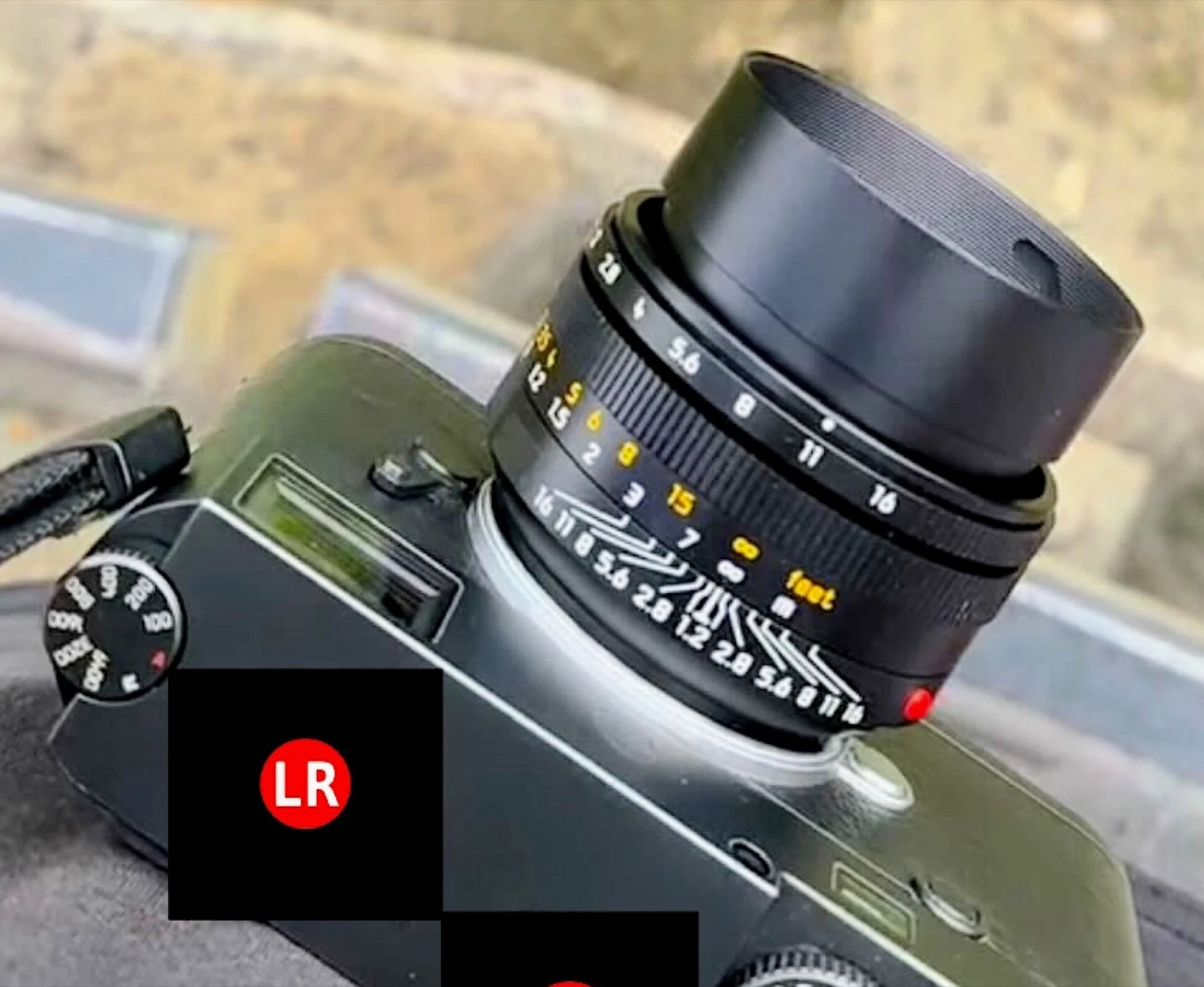
    The Noctilux-M 0.95/50 ASPH. carries a listed price of €12,350, whereas the Noctilux-M 1.25/75 ASPH. can go up to €13,350. The only exception is the updated Noctilux-M 1.2/50 ASPH., which first came out in 1966 and is available for a lower price of €7,900. The image below seems to display the lens prior to its official launch. It appears that the 35mm Noctilux features the classic Leica look, with a fairly compact aluminum body, yellow markings, and a lens hood that’s fixed to the lens but can be extended by twisting it.

    Awaiting Reviews

    We’ll need to wait for independent reviews to see if Leica can truly justify this high price tag. They are up against much cheaper lenses like the Voigtländer Nokton 35mm f/1.2, as well as the slightly slower Leica Summilux-M 1.4/35 ASPH. Other camera systems also have options, such as the Sigma Art 35mm f/1.2 DG II (starting at $1,579 on Amazon), which often deliver amazing image quality for a much more affordable price, but these lenses tend to be larger than the Leica Noctilux. For the Leica M system, a lens that size would obstruct the optical viewfinder, making it less practical.

    LeicaRumors’

    Source:
    Link


  • Leica to Launch New Fast Noctilux Lens This Month

    Leica to Launch New Fast Noctilux Lens This Month

    Key Takeaways

    1. The Leica Noctilux-M 1.2/35 ASPH. is expected to launch soon, after delays from its anticipated debut last July.

    2. This lens will be the fastest 35mm lens from Leica, with a maximum aperture of f/1.2, surpassing the current fastest 35mm f/1.4 Summilux.

    3. Leica’s new Noctilux will likely be priced higher than competing faster 35mm lenses from brands like Voigtländer and Zenitar.

    4. Leica justifies the higher price by highlighting the Noctilux’s superior image quality, compact size, and lighter weight compared to other lenses.

    5. There is growing excitement in the photography community about the Noctilux’s performance and potential uses, as discussions about its capabilities continue.


    According to previous whispers, the Leica Noctilux-M 1.2/35 ASPH. was expected to debut last July. However, that didn’t occur, and recent information suggests that the launch is now set for this month, likely within the upcoming weeks. For several months, both the firmware of Leica cameras and the Leica Photos app for iPhone have hinted at this new lens.

    Fastest 35mm Lens from Leica

    With a maximum aperture of f/1.2, the new Noctilux is poised to be the quickest 35mm lens that Leica has ever provided. Presently, the 35mm f/1.4 Summilux holds the title for Leica’s fastest lens. Nevertheless, rival brands have been producing faster 35mm lenses compatible with the Leica M mount for years. For instance, the Voigtländer Nokton 35mm achieves an aperture of f/1.2, and the Zenitar M 35mm even goes down to f/1.0. Considering that the 35mm Summilux is priced at 5,900 euros, it is likely that the 35mm Noctilux will be priced much higher than its competitors.

    Justifying the Price

    Leica defends this elevated price tag not just by emphasizing image quality, but also by noting its more compact size and lighter weight. As illustrated in the photo from LeicaRumors below, the 35mm Noctilux is only slightly larger than the Summilux. For context, the Leica Summilux-M 1.4/35 ASPH. measures 46mm in length with a 58mm diameter, weighing in at 338 grams. In comparison, the Voigtländer Nokton is 52 x 62mm and weighs about 300 grams, while the Zenitar is considerably heavier at 740 grams.

    Anticipation Builds

    As excitement grows among photography enthusiasts, many are eager to see how the Noctilux will perform in real-world scenarios. The combination of its impressive specifications and Leica’s well-known craftsmanship could make it a sought-after piece of equipment. The community is buzzing with discussions about potential uses and how it will stand up against existing options in the market.

    Source:
    Link