
Key Takeaways
1. DDR5 prices are causing frustration among gamers, affecting their ability to complete PC setups and potentially raising costs for other components like GPUs.
2. Sapphire’s PR manager, Edward Crisler, suggests that prices could stabilize within six months, despite current concerns about the memory market.
3. High memory prices may lead some gamers to delay purchasing other PC components, impacting the overall hardware market.
4. Crisler compares the current situation to past tariff impacts, noting that while some prices are rising, they are not as severe as DDR5 price increases.
5. Even if DDR5 prices remain high, consumers are likely to adapt, finding ways to optimize older hardware and adjust memory usage in their setups.
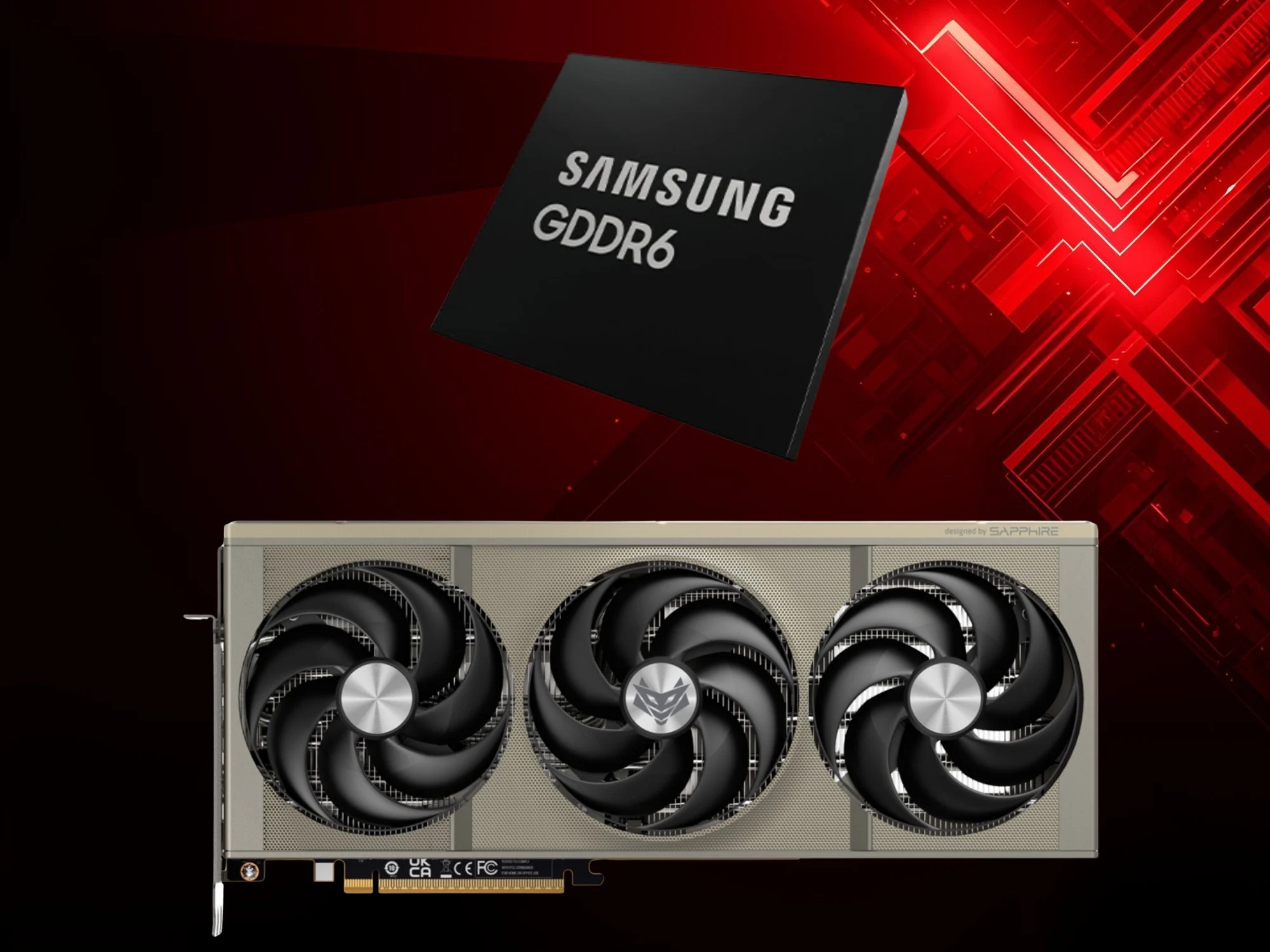
With surprising DDR5 prices, the negative feelings about memory costs are increasing. This situation is hitting gamers trying to finish new PC setups. It also puts other parts, like GPUs that depend on VRAM, at risk of price increases. However, Sapphire’s PR manager is advising consumers to stay calm. Contrary to other forecasts, Edward Crisler believes prices could stabilize in just six months.
Insights from the Podcast
According to Wccftech, Crisler was featured on The Hardware Unboxed Podcast, where a portion of the discussion centered on the DRAM issue. He recognizes that the current climate is serious and may be more troubling than many consumers understand. If memory prices stay high, some gamers might hold off on purchasing cases, motherboards, and other components. This could create a significant problem for the whole hardware market.
Looking Ahead
Even with the gloomy near-term view, Crisler holds a more hopeful outlook for 6-8 months down the line. The Sapphire spokesperson points out that “there’s a lot of uncertainty taking place in the market.” With this ambiguity, some buyers are bracing for the worst possible outcome.
Market Comparisons
Crisler likens the current scenario to when tariffs were introduced in the U.S. Some retailers quickly changed their product inventories, even for items not directly impacted by the tariffs. While certain components are still pricier, the rises are not as drastic as the recent increases in DDR5 prices.
Even though Crisler’s remarks may sound comforting, many experts do not share such an upbeat view. Signals from the DRAM manufacturers indicate that memory prices might remain high until at least 2028. Major companies like Samsung and SK Hynix are hesitant to boost production, despite the strong demand from AI data centers. An oversupply could jeopardize their future earnings.
Adapting to Changes
Even if DDR5 memory does not become cheaper, Crisler believes that consumers will find ways to adjust. He points out how enthusiasts have shown flexibility when other components became scarce or overly priced. One strategy could be to use less memory in laptops and desktops. Regardless of whether a manufacturer identifies a solution, gamers have managed to optimize older hardware and setups.
Source:
Link
Leave a Reply