
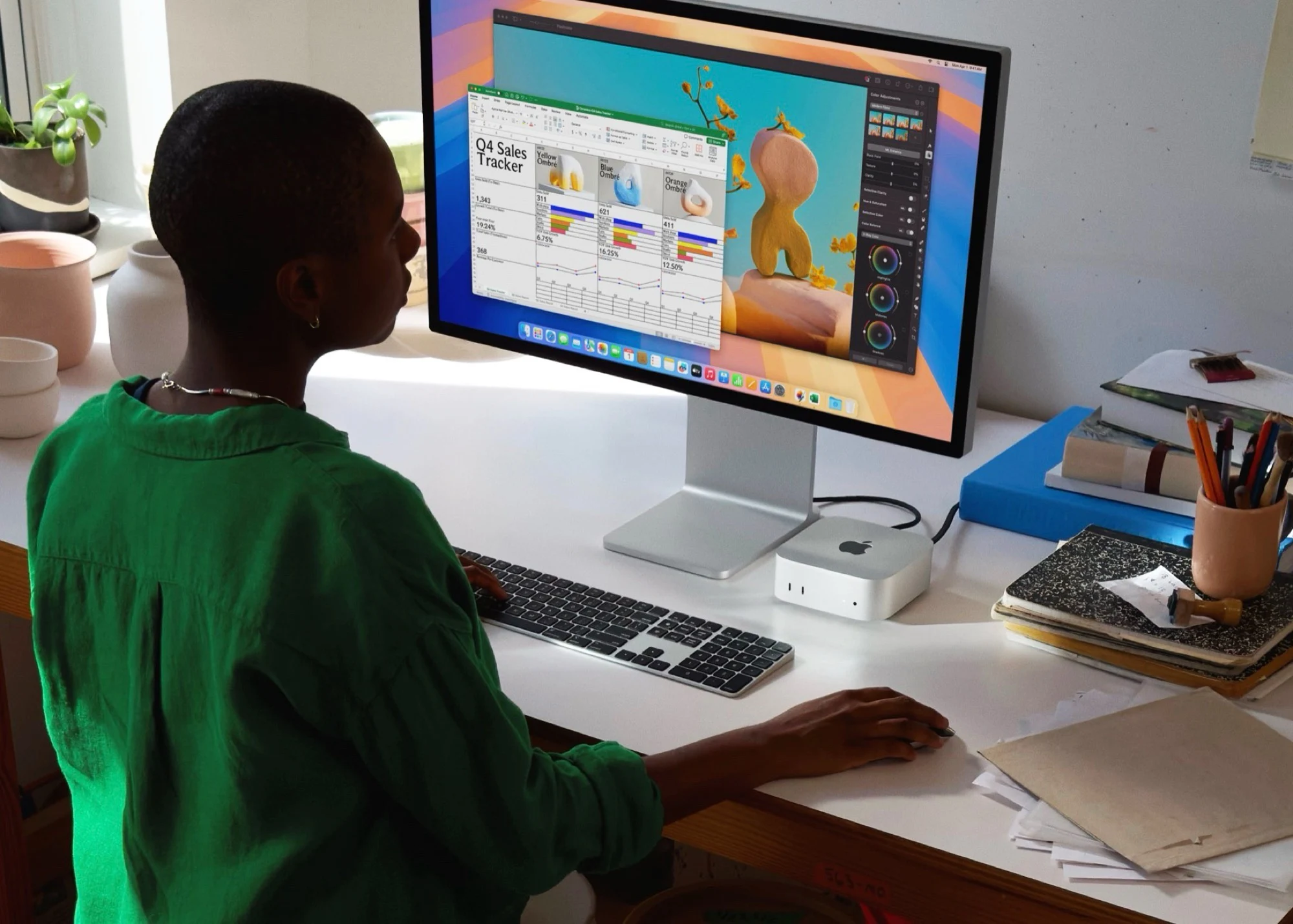
– Apple confirmed unavoidable price hikes due to the DRAM crisis.
– Apple can absorb the cost increases thanks to historically high profit margins on RAM and SSDs.
– Apple charges roughly double for RAM and triple for SSDs compared to open-market prices.
– Price increases are primarily to protect profit margins, not to cover costs.
Apple-CEO Tim Cook has officially confirmed
That price increases due to the DRAM crisis would be “unavoidable,” after the costs of RAM and NAND flash memory have risen dramatically since last October. Yet Apple would be well-equipped to weather crises thanks to its formerly extremely high profit margins on RAM and SSDs.
Comparison of Apple’s current RAM and SSD prices
As a comparison of Apple’s current RAM and SSD prices with those of brand-name products on the open market shows, a price increase would by no means be necessary to cover costs, meaning that Apple would primarily be using higher prices to protect its profit margins. Since M.2 SSDs and RAM on SO-DIMMs are not technically identical to Apple’s soldered chips, this comparison serves only as a rough guide to contrast current DRAM and NAND prices with the upgrade costs in the Apple Store.
Apple still charges roughly twice as much
As the comparison shows, Apple still charges roughly twice as much for most RAM upgrades as one would pay on the open market. The difference is even more striking when it comes to flash storage. While a 4 TB M.2 PCIe 4.0 SSD from a brand-name manufacturer currently costs around $459, Apple charges $1,200.
Apple has not yet confirmed
Apple has not yet confirmed how much the planned price increases will be. What is certain, however, is that Apple is achieving very high profit margins on RAM and SSD upgrades even without price increases, despite the DRAM crisis.
Leave a Reply