Tag: AI Demand

  • Xiaomi Smartphone Production Drops 40%; iPhone 17 Gains

    Xiaomi Smartphone Production Drops 40%; iPhone 17 Gains

    Key Takeaway

    – Global DRAM/NAND prices have surged dramatically since fall 2025 (e.g., 16GB DDR5 from $37 to ~$200), driven by massive AI demand from companies like OpenAI.
    – Smartphone manufacturing fell 1.7% year-over-year in Q1 2026 to 284 million units, with a projected 16.2% annual decline to 1.051 billion units.
    – Budget smartphone makers are hit hardest: Xiaomi’s production dropped 38%, while Vivo’s fell 8%.
    – Premium manufacturers are more resilient: Samsung’s production rose 2%, and Apple’s surged 20% due to strong iPhone 17 sales.


    Since fall 2025, prices for RAM and NAND flash memory have risen dramatically – 16 GB DDR5 now costs consumers around $200, while the same RAM stick was still being offered for $37 last year. The immense demand for RAM and NAND from AI giants such as OpenAI is not only increasing costs for consumers, but also for manufacturers of products such as desktop PCs, laptops and smartphones. This situation has put a lot of strain on the entire supply chain, making it harder for budget-friendly devices to stay affordable.

    Manufacturing Decline and Inventory Effects

    An analysis by TrendForce shows how the crisis effected various smartphone manufacturers in the first quarter of 2026. In total, only 284 million smartphones were manufactured in the first quarter, 1.7% fewer than in the same quarter of the previous year. According to TrendForce, the DRAM crisis is only having a delayed affect, as smartphone manufacturers still have DRAM inventories from the previous year and fears of further price increases have boosted demand. TrendForce expects production to fall by 16.2 percent to 1.051 billion units over the year as a whole.

    Impact on Budget vs Premium Brands

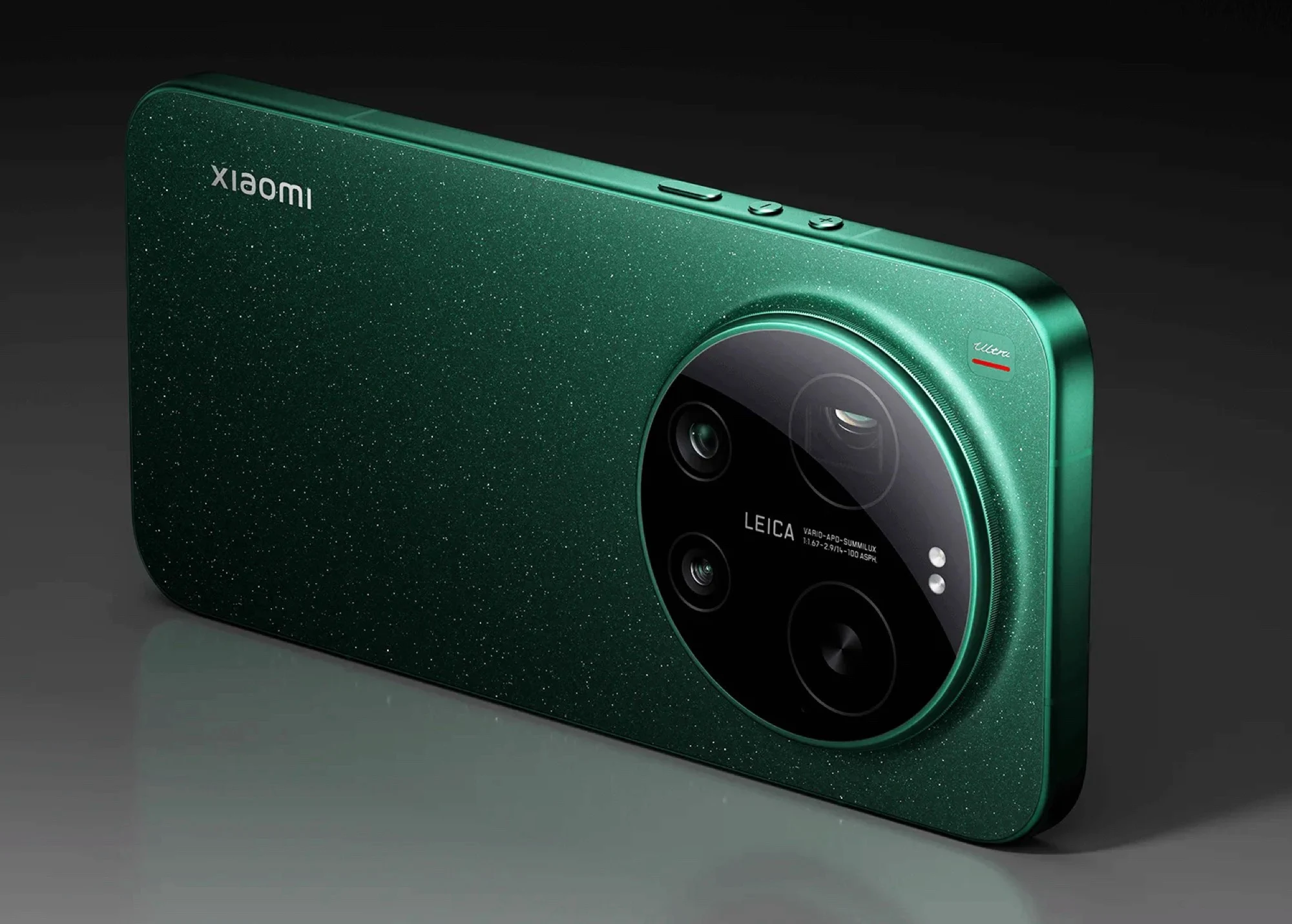
    However, the data from the first quarter already shows that manufacturers of cheaper smartphones are likely to be hit harder. Xiaomi produced 38 percent fewer smartphones than in the same period last year, while Vivo’s production volume was reduced by 8 percent. Manufacturers with higher average selling prices, on the other hand, are in a better position – Samsung was able to produce 2% more smartphones than the previous year, while Apple’s production volume even increased by 20% due to the popularity of the iPhone 17 series.

    Market Outlook Amidst Crisis

    It seems that the market is now split into two different segments, with premium brands weathering the storm while budget makers are struggling. TrendForce is predicting further declines as the year progresses, which could mean even higher end-user prices for RAM modules. The shortage of DRAM is unlikely to resolve quickly, and this could reshape the smartphone landscape for years to come.
    Sources

  • AMD RDNA 5 Gaming GPUs Launch Possibly Delayed to 2028

    AMD RDNA 5 Gaming GPUs Launch Possibly Delayed to 2028

    Key Takeaway

    – AMD Radeon RX 9070 and 9070 XT launched spring 2025, followed by a DRAM crisis.
    – No RDNA 5 gaming GPUs expected until 2027–2028, a three-year gap from the RX 9070 XT.
    – Traditional two-year GPU launch cycle is obsolete.
    – High demand from AI companies (OpenAI) prioritizes profitable server chips over gaming GPUs.
    – Global chip production overload delays new gaming hardware.


    Next-Gen AMD Gaming GPUs Delayed to 2027

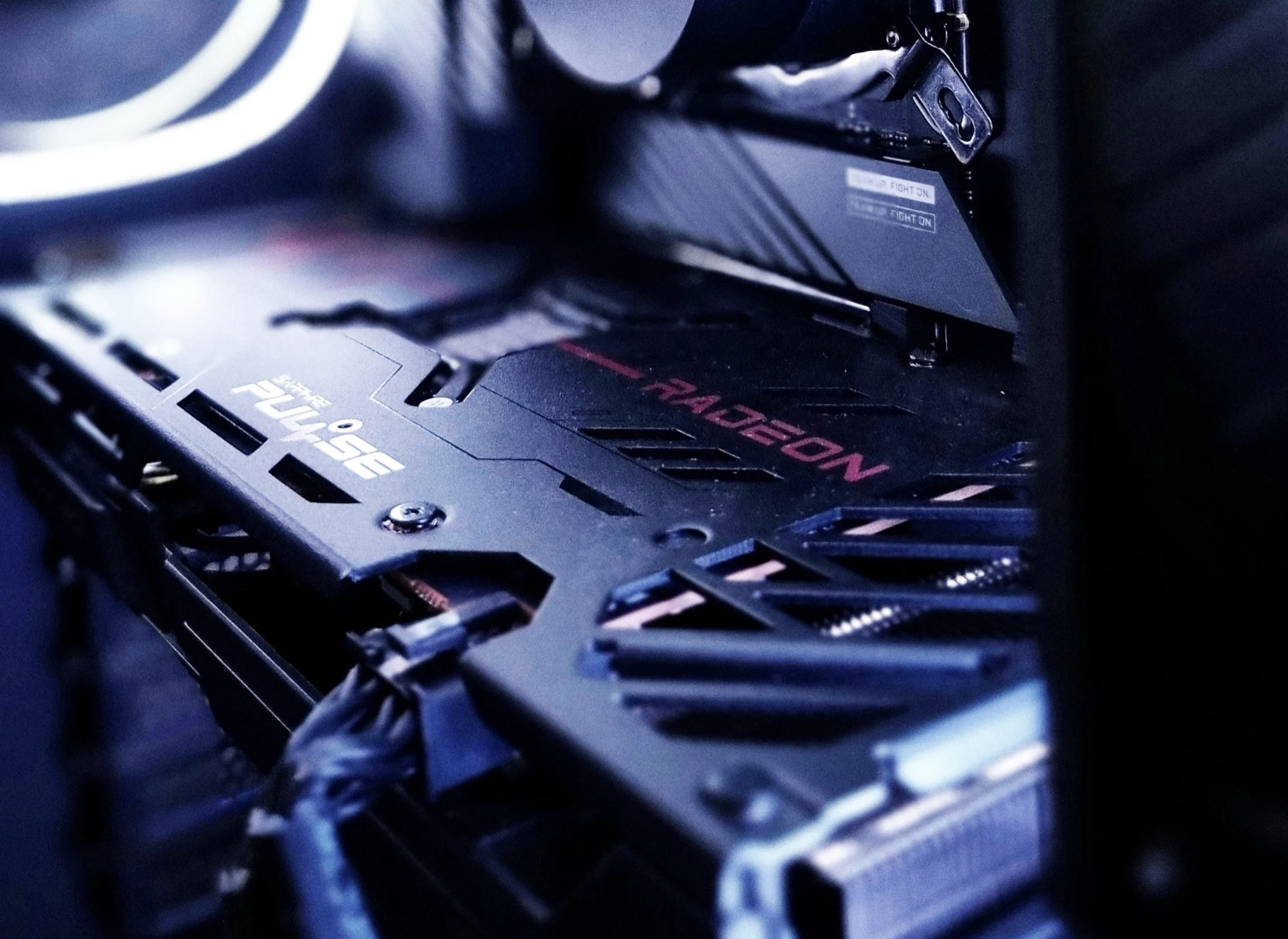
    The AMD Radeon RX 9070 and Radeon RX 9070 XT were launched in spring 2025, only shortly after Nvidia GeForce RTX 5000. In the second half of 2025, the DRAM crisis hit and not only drove up the prices of RAM, SSDs and graphics cards, but also caused the cancellation of Nvidia GeForce RTX 5000 Super. It seems that gaming enthusiasts will also have to wait a while longer for the next generation of AMD graphics cards.

    Board Partners Speak at Computex

    Tweakers spoke to several board partners who sell AMD Radeon desktop graphics cards at Computex in Taiwan. Some board partners expect the first gaming graphics cards based on the AMD RDNA 5 architecture to ship in the second or third quarter of 2027, while others said they are more likely to ship in late 2027 or early 2028. This means that there could be three years between the launch of the Radeon RX 9070 XT and its successor.

    Traditional Launch Cycles Are Over

    The usual launch cycle, in which graphics cards are first launched on the market, followed by a refresh a year later and a successor two years later, is therefore a thing of the past. The reason for the delays is the extremely high demand for chips and DRAM from AI giants such as OpenAI – selling expensive server processors and GPUs brings more profit, and as global production capacities for computer chips are currently overloaded, it hardly makes sense for companies such as Nvidia and AMD to bring “cheap” gaming products onto the market and no longer produce as many expensive server chips.


    Sources
  • RAM Prices Soar: Community Blames One Key Factor

    RAM Prices Soar: Community Blames One Key Factor

    Key Takeaways

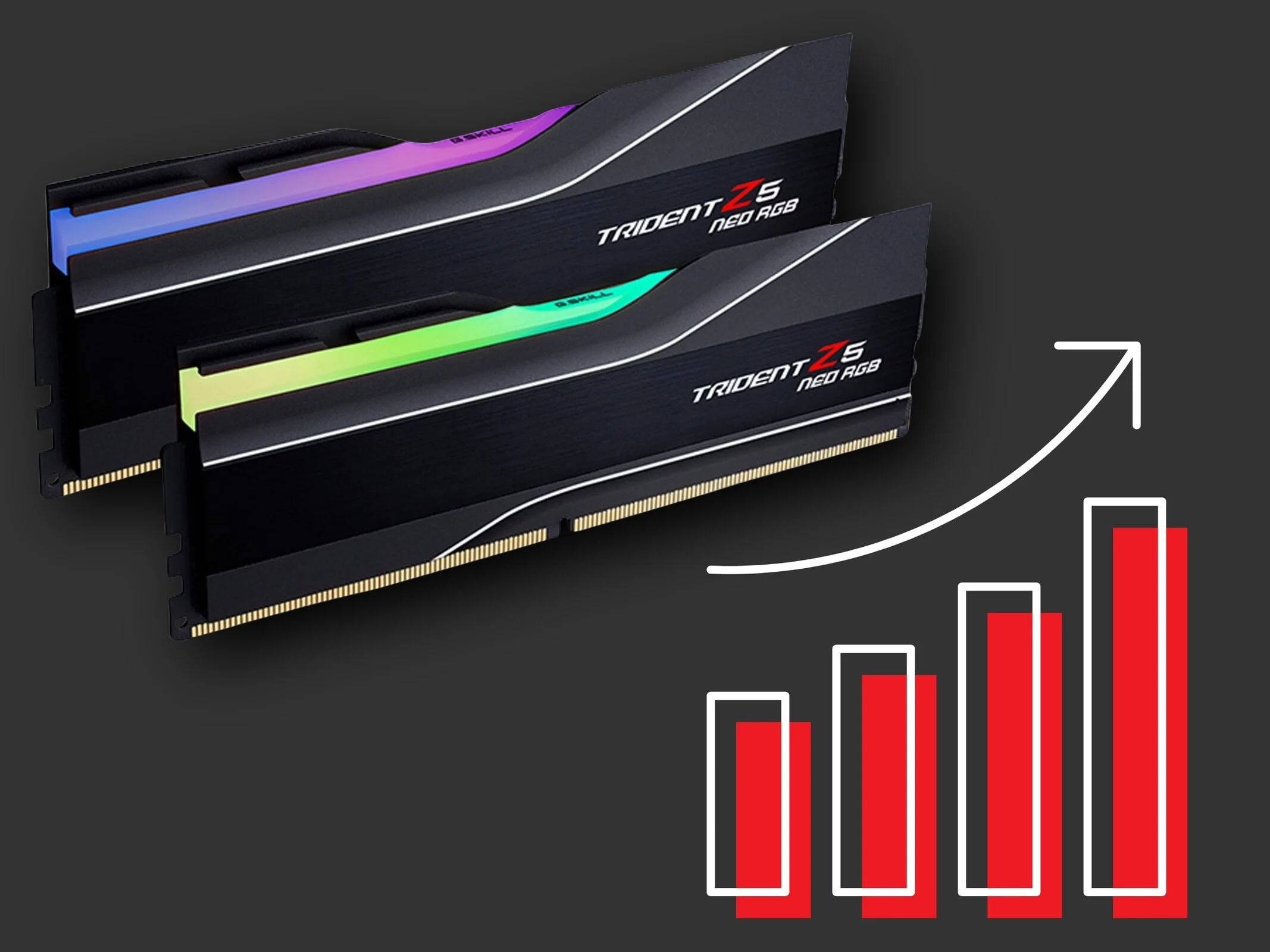
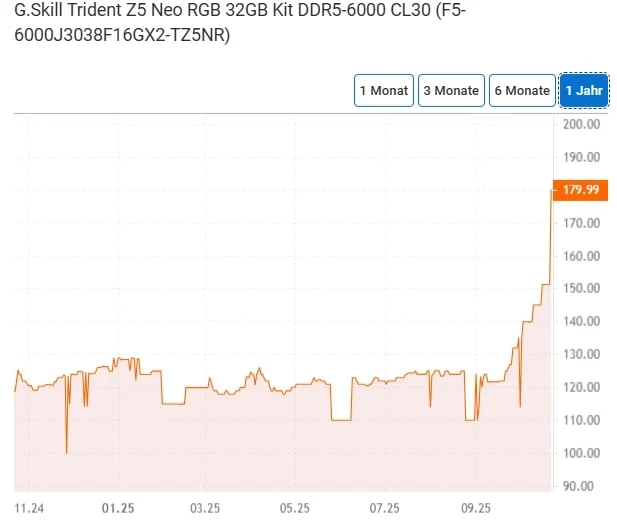
    1. DDR5 RAM prices have surged by 30 to 50% in recent months, with a G.Skill Trident Z5 Neo RGB 32GB kit now costing around €183, up from €120.

    2. The Reddit community is blaming the increased demand from AI data centers, with major companies like Amazon, Microsoft, and OpenAI purchasing large quantities of DRAM.

    3. Adata has reported an “acute supply shortage,” focusing on bulk orders from big clients, which limits options for retail buyers.

    4. Speculation suggests OpenAI may have secured up to 40% of the global DRAM supply, reminiscent of the previous GPU price surge during the crypto-mining craze.

    5. Some users believe manufacturers might be raising prices ahead of Black Friday, and DDR5 prices could potentially rise another 30% by the end of 2026, prompting buyers to consider their options carefully.


    Reddit is filled with anger. In a post named “These RAM prices isn’t funny anymore, guys,” PC fans are airing their worries about the sharp increase in DDR5 RAM prices. Over the last few months, these prices have surged by 30 to 50%. The German comparison website Idealo reports that the G.Skill Trident Z5 Neo RGB 32GB kit is now priced at about €183, including shipping from Swiss retailer Galaxus. This kit was previously sold for around €120, showing a rise of approximately 50%.

    Community Blames AI Demand

    The Reddit users have quickly blamed what they think is the leading cause of these high prices: the boom of AI. Data centers that support artificial intelligence are creating huge demand for DRAM. Major companies like Amazon, Microsoft, and OpenAI are purchasing large amounts of memory to support the training and use of AI models. Adata, a memory manufacturer, has even indicated there’s an “acute supply shortage” and is now focusing on bulk orders from big clients, which is leaving the retail market with fewer options.

    Speculation and Comparisons

    People on Reddit are guessing that OpenAI may have secured up to 40% of the global DRAM supply for an extended period. This scenario feels familiar to many, as it reminds them of the previous crypto-mining craze that caused GPU prices to skyrocket. Although AI demand is viewed as the primary reason, the community thinks there are other factors involved. Some users suspect that manufacturers are raising prices ahead of Black Friday to make future discounts seem more appealing, while others suggest there are changing production focuses – with DDR4 slowly being replaced by DDR5, pushing up costs for older systems as well. According to Adata, DDR5 prices could jump another 30% by the end of 2026. For those planning to upgrade, it may be smart to carefully consider the cost of DDR5 or think about whether being patient might be the better choice this time.

    Source:
    Link


  • Western Digital HDD Prices Rise Due to AI Demand

    Western Digital HDD Prices Rise Due to AI Demand

    Key Takeaways

    1. Western Digital (WD) is raising HDD prices due to increased demand, following similar moves by SanDisk and Micron.
    2. The surge in demand for high-capacity storage is largely driven by investments in AI technologies by major tech companies.
    3. WD plans to use more ocean freight for shipping to reduce emissions, which may extend delivery times by 6 to 10 weeks.
    4. SanDisk has announced a 10% price increase for NAND flash products, while Micron has temporarily paused pricing for a week.
    5. Consumers can expect higher costs for HDDs and possibly SSDs, along with longer shipping delays.


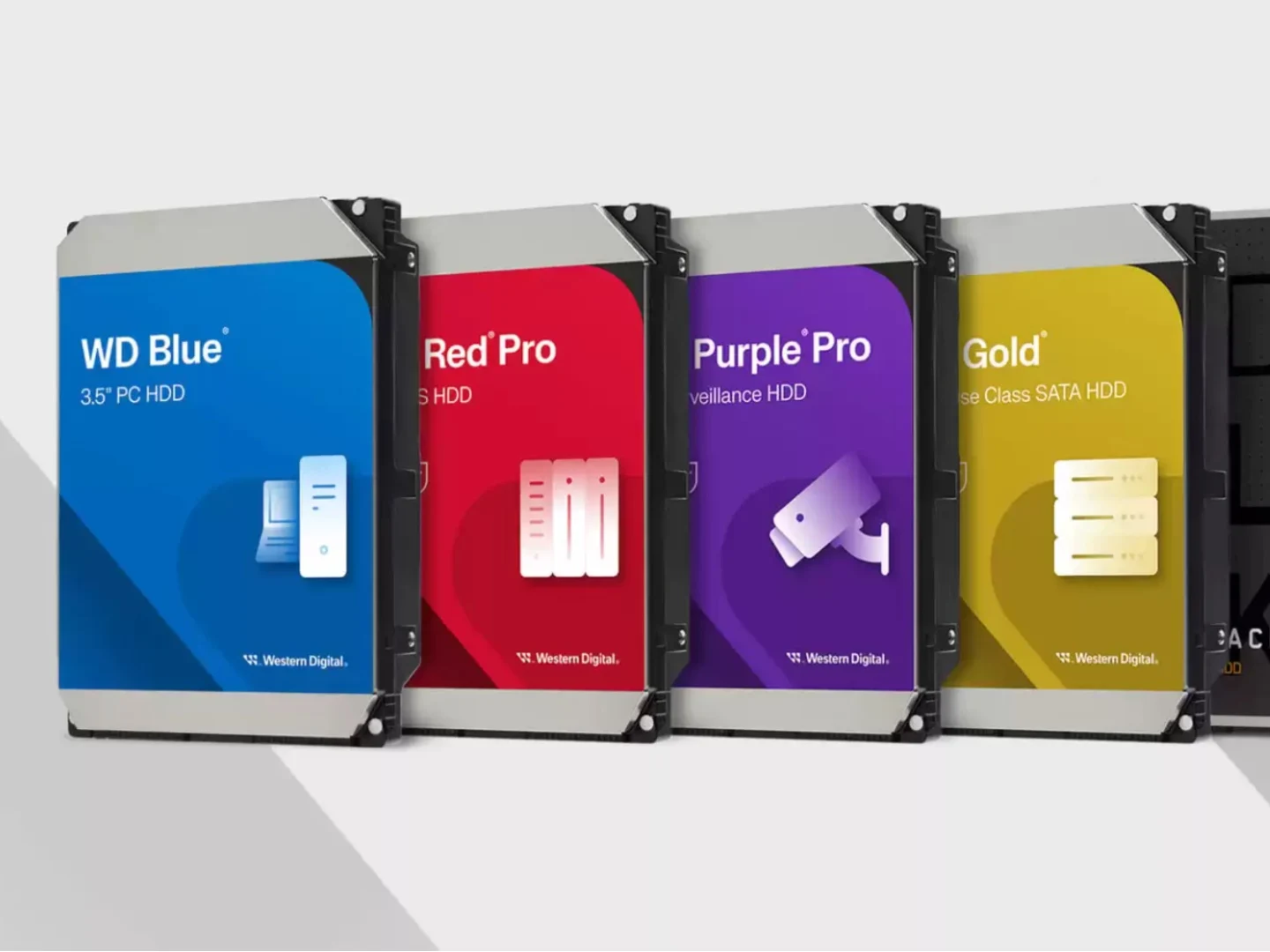
    Following in the footsteps of SanDisk and Micron, Western Digital (WD) is making changes to its HDD pricing due to an increase in demand. Reports suggest that the company has informed its customers that there will be a gradual price rise on all HDD products starting immediately. This decision follows SanDisk’s announcement of a 10% increase in NAND prices and Micron’s temporary price freeze for a week.

    Rising Demand for High-Capacity Storage

    According to WD’s communication with customers, there has been an unmatched demand for HDDs across all sizes, attributed to the swift growth of AI technologies. A report from TechNews indicates that major tech companies are investing in their AI infrastructure, which has caused a surge in the need for high-capacity storage solutions. This heightened demand has resulted in depleted stock levels, consequently driving prices up.

    Eco-Friendly Shipping Adjustments

    In addition to pricing changes, WD has announced that it is increasing its use of ocean freight methods to decrease emissions. However, this shift could lead to longer shipping times, estimated to be an extra six to ten weeks.

    The company is now the third significant hardware producer in this sector to alter its pricing strategy. SanDisk’s recent announcement involved a 10% price increase for NAND flash products across all platforms. Meanwhile, last week, Micron informed its clients that it would pause pricing on all its products for a week, halting quotes for distributors and OEM/ODM manufacturers regarding DRAM and NAND items.

    Implications for End Users

    For consumers, these changes will likely mean higher costs for HDDs and possibly SSDs, along with extended shipping delays. The exact timeline for when these new prices will take effect is still unclear.

    Source:
    Link


  • TSMC Hits Trillion-Dollar Valuation, Boosted by AI Revolution

    TSMC Hits Trillion-Dollar Valuation, Boosted by AI Revolution

    The rise of artificial intelligence is significantly impacting Wall Street, evidenced by Taiwan Semiconductor Manufacturing Company (TSMC) recently achieving the remarkable milestone of joining the elite trillion-dollar market capitalization club. This achievement places TSMC among the world’s top technology firms and underscores the increasing significance of the semiconductor industry.

    TSMC’s Market Surge

    TSMC’s market capitalization briefly exceeded that of Tesla, making it the seventh most valuable tech company globally. The company’s shares have seen a notable increase, trading above the 50-day moving average of $158.00 and hitting a new 52-week high of $192.80. Year-to-date, TSMC shares have surged nearly 80%.

    Growth of the Semiconductor Industry

    The semiconductor industry has risen to prominence, driven by the growing demand for chips used in AI technologies. Global semiconductor sales are forecasted to reach $611.2 billion in 2024, with a projected 16% sales increase for that year, followed by a 12.5% increase in 2025. This surge in demand is primarily due to advancements in generative AI, which require advanced and powerful chips.

    The U.S. government has acknowledged the vital role of semiconductors in the contemporary economy, providing significant financial support to boost domestic chip production. The Biden administration has allocated tens of billions of dollars for building chip factories in the U.S., aiming to enhance technological infrastructure and lessen dependence on foreign manufacturers.

    Analyst Insights and Investor Considerations

    Analysts have revised their price targets for TSMC ahead of its second-quarter earnings report, with Morgan Stanley predicting an increase in TSMC’s full-year sales forecast. TSMC’s effective “hunger marketing” strategy indicates tight foundry supply in 2025, encouraging customers to recognize the company's value. The expected rise in wafer prices due to AI advancements further bolsters TSMC’s position. For investors, key factors to consider include revenue growth, profitability, and valuation relative to peers.

    The AI boom is transforming Wall Street, with TSMC’s entry into the trillion-dollar club marking a significant milestone. The growth of the semiconductor industry, driven by AI demand, underscores the crucial role of companies like TSMC and Nvidia in the global market.