– Global DRAM/NAND prices have surged dramatically since fall 2025 (e.g., 16GB DDR5 from $37 to ~$200), driven by massive AI demand from companies like OpenAI.
– Smartphone manufacturing fell 1.7% year-over-year in Q1 2026 to 284 million units, with a projected 16.2% annual decline to 1.051 billion units.
– Budget smartphone makers are hit hardest: Xiaomi’s production dropped 38%, while Vivo’s fell 8%.
– Premium manufacturers are more resilient: Samsung’s production rose 2%, and Apple’s surged 20% due to strong iPhone 17 sales.
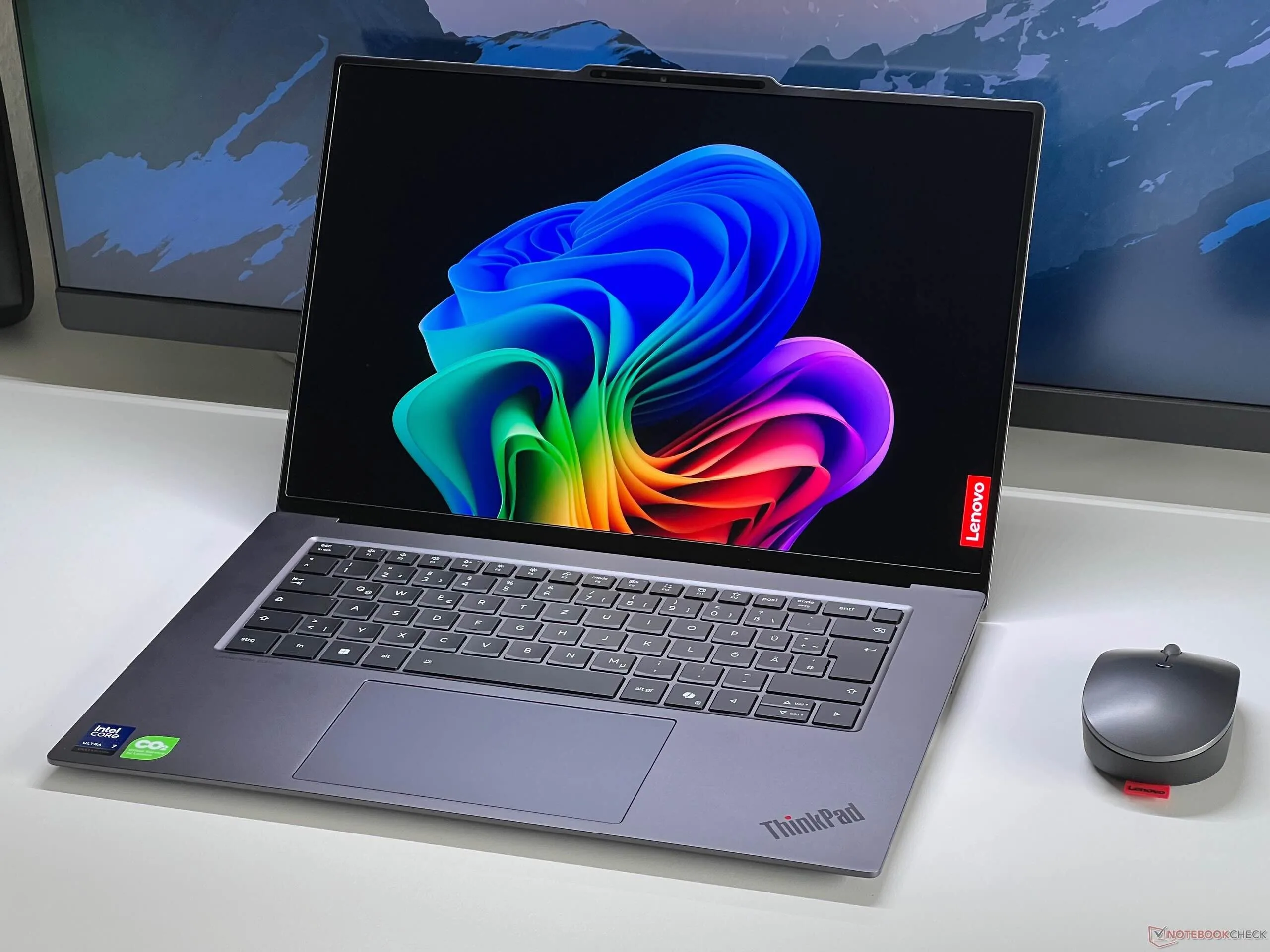
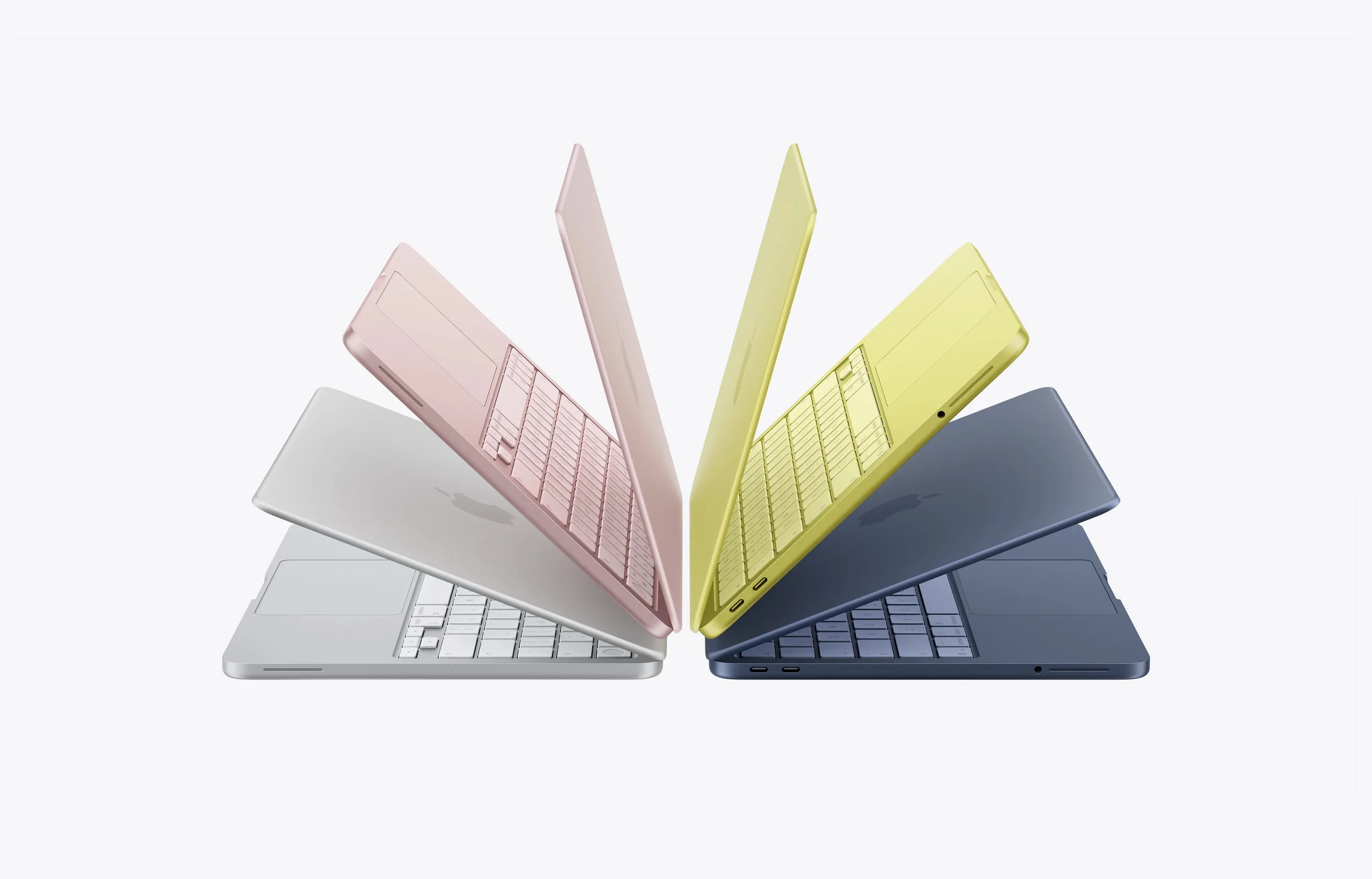
Since fall 2025, prices for RAM and NAND flash memory have risen dramatically – 16 GB DDR5 now costs consumers around $200, while the same RAM stick was still being offered for $37 last year. The immense demand for RAM and NAND from AI giants such as OpenAI is not only increasing costs for consumers, but also for manufacturers of products such as desktop PCs, laptops and smartphones. This situation has put a lot of strain on the entire supply chain, making it harder for budget-friendly devices to stay affordable.
Manufacturing Decline and Inventory Effects
An analysis by TrendForce shows how the crisis effected various smartphone manufacturers in the first quarter of 2026. In total, only 284 million smartphones were manufactured in the first quarter, 1.7% fewer than in the same quarter of the previous year. According to TrendForce, the DRAM crisis is only having a delayed affect, as smartphone manufacturers still have DRAM inventories from the previous year and fears of further price increases have boosted demand. TrendForce expects production to fall by 16.2 percent to 1.051 billion units over the year as a whole.
Impact on Budget vs Premium Brands
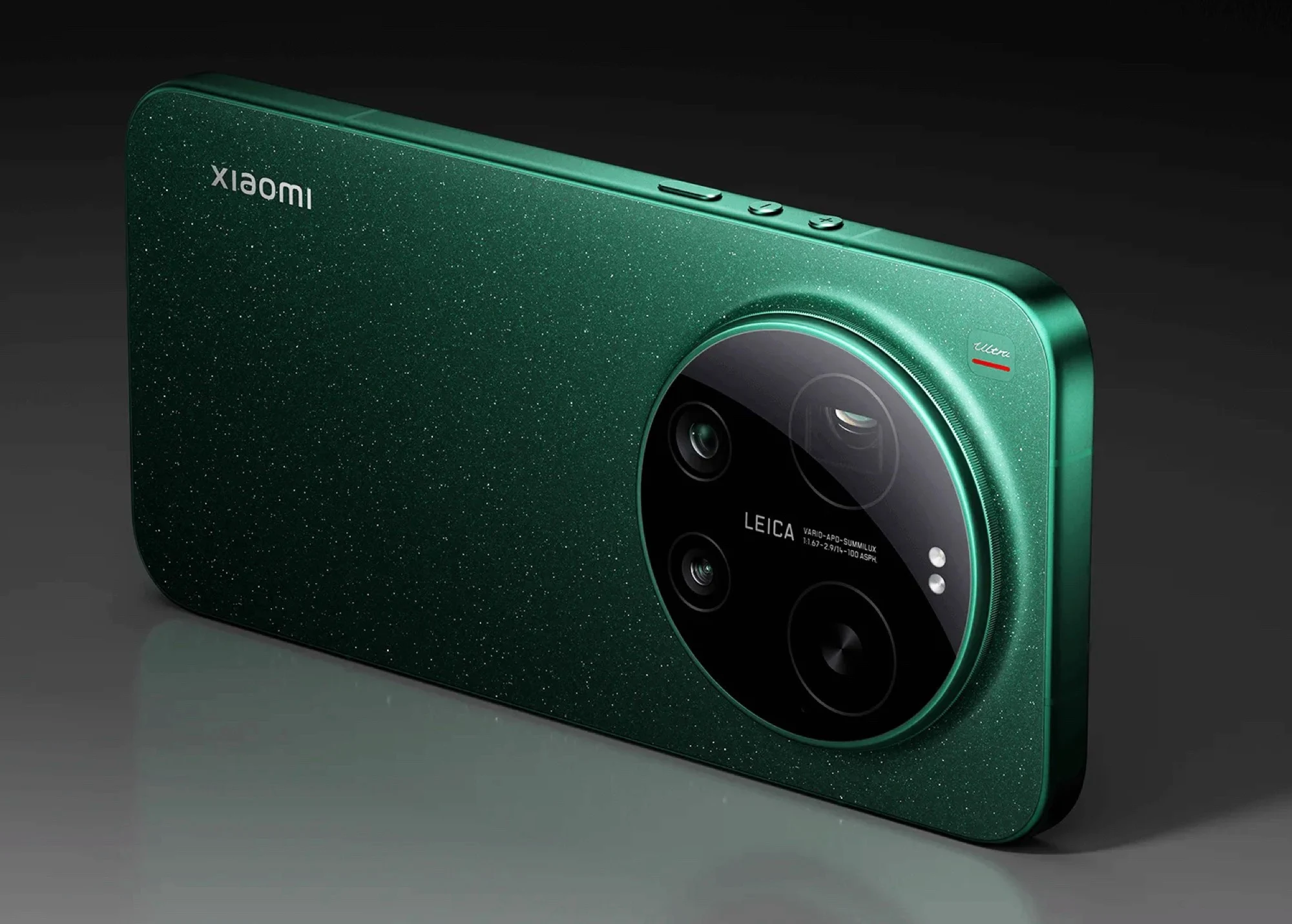
However, the data from the first quarter already shows that manufacturers of cheaper smartphones are likely to be hit harder. Xiaomi produced 38 percent fewer smartphones than in the same period last year, while Vivo’s production volume was reduced by 8 percent. Manufacturers with higher average selling prices, on the other hand, are in a better position – Samsung was able to produce 2% more smartphones than the previous year, while Apple’s production volume even increased by 20% due to the popularity of the iPhone 17 series.
Market Outlook Amidst Crisis
It seems that the market is now split into two different segments, with premium brands weathering the storm while budget makers are struggling. TrendForce is predicting further declines as the year progresses, which could mean even higher end-user prices for RAM modules. The shortage of DRAM is unlikely to resolve quickly, and this could reshape the smartphone landscape for years to come.