
Key Takeaways
1. Buyers are currently benefiting from discounts on PS5 consoles and occasional savings on the Switch 2, but these promotions may disappear by 2026 due to rising memory costs.
2. Memory costs make up a significant portion of the prices for consoles, with approximately 35% for PS5 and Xbox, and 21-23% for the Switch 2, affecting profitability for manufacturers.
3. Nintendo’s Switch 2 may struggle to maintain its price stability as production costs rise, particularly due to increases in NAND flash memory prices.
4. The semiconductor crisis of 2021 impacted console production, leading to reduced sales forecasts for both Sony and Nintendo.
5. Future predictions indicate a potential stagnation in the console market before the release of PS6 and the next Xbox, with a forecasted 4.4% decline in shipments.
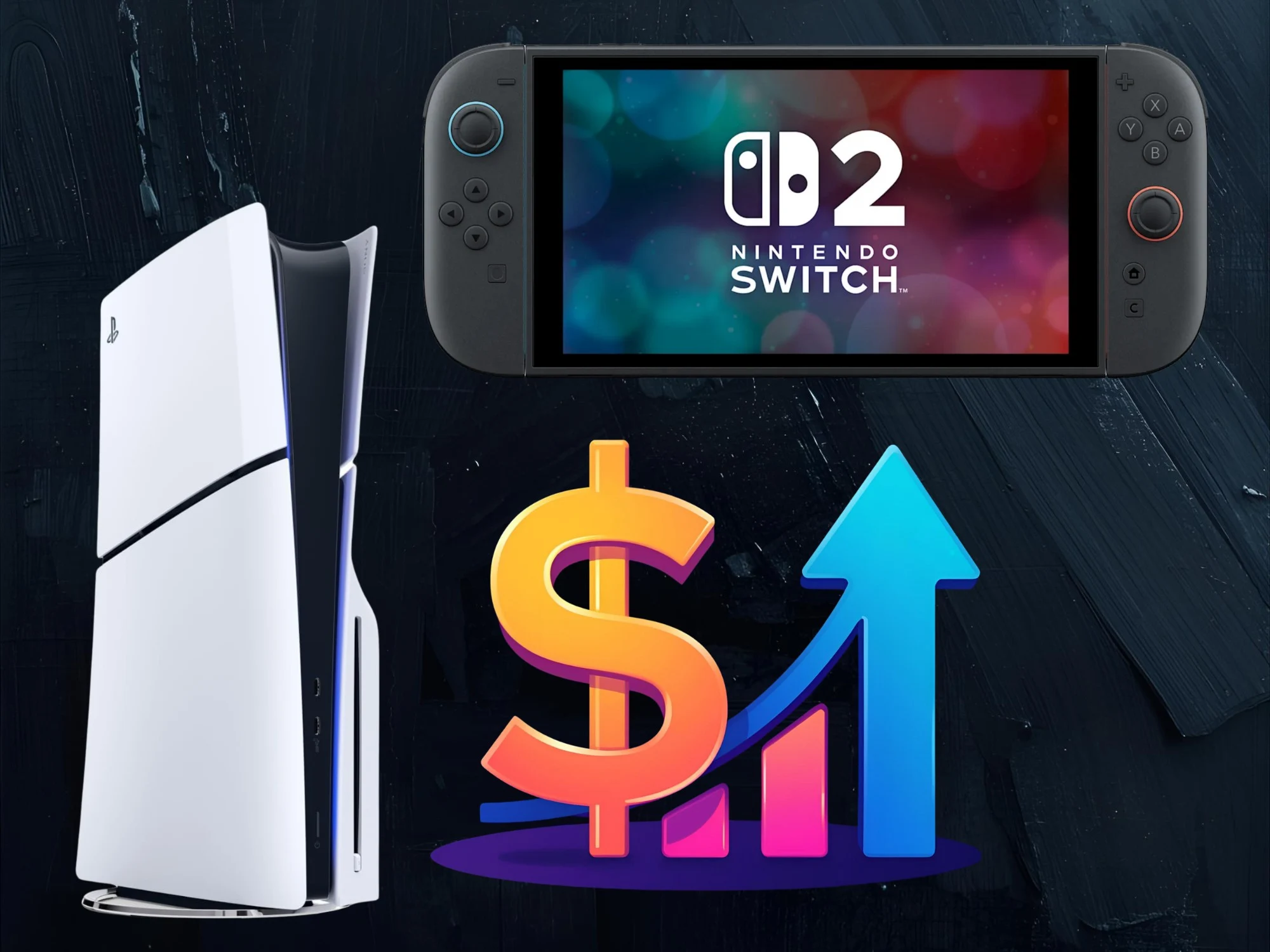
Buyers are currently enjoying attractive discounts on PS5 consoles this holiday season, along with occasional savings on the Switch 2. Nonetheless, a report from TrendForce warns that similar promotions may not be present in 2026. The rising costs of memory could contribute to a 4.4% drop in console shipments when compared to the previous year.
Memory Market Impacts
Initially, TrendForce anticipated a decline of 3.5% before memory producers shifted focus to meet the demands of growing AI data centers. Their updated findings highlight that console makers usually absorb losses on hardware sales. Yet, memory constitutes about 21-23% of the Switch 2’s price, while it accounts for roughly 35% of the PS5 and Xbox systems. Revenue from software and subscriptions alone likely won’t be sufficient to counter these financial hurdles.
Challenges for Nintendo
Nintendo’s handheld device may already find it hard to keep its current MSRP stable. Up to now, the Switch 2 has escaped the price hikes that the PS5 has experienced due to inventory issues. However, the original Switch and its accessories haven’t fared as well. In addition to concerns regarding system memory, the rising costs of NAND flash could result in higher production expenses for cartridges.
TrendForce predicts that even fleeting discounts may become a rarity in 2026. While Nintendo and Sony may have stockpiled memory resources, this is only a temporary fix. Price increases could hinder demand, negatively impacting sales of the Switch 2 and PS5. The report also references past shortages in components that contributed to a slowdown in console adoption.
Past Supply Crises
The semiconductor crisis in 2021 severely affected hardware for both Nintendo and PlayStation. Sony had to revise its PS5 production target down from 16 million to 15 million units. This situation also compelled Nintendo to adjust its 2022 sales expectations in anticipation of disappointing holiday sales.
Consumers are facing surprisingly high retail prices for DDR5 memory. With the AI sector dominating the supply chains, experts speculate that these components will continue to be pricey until at least 2028. While a 4.4% decline in shipments may not appear alarming, the outlook for 2027 could be grimmer. TrendForce cautions that the market might enter a “period of stagnation” just before the release of the PS6 and the next Xbox console.
Source:
Link
Leave a Reply