Tag: DDR5 RAM

  • Schenker Connect 15: From €1,000 to €1,600 Laptop

    Schenker Connect 15: From €1,000 to €1,600 Laptop

    Key Takeaway

    – Starting price is now ~€1,000 (up from €965), with Wi-Fi 7, CPU, and display included as standard.
    – RAM and storage upgrades cause the biggest price jumps: +€175 for 16GB RAM, +€355 for 32GB RAM, up to +€183 for a 1TB SSD.
    – LTE module costs an extra €79; a Secured-Core PC Level 3 option adds €29.
    – You can save €50 by choosing a 24-month warranty instead of the default 36-month warranty.
    – A fully configured review unit (32GB RAM, 1TB SSD, Windows) reaches roughly €1,655—expensive for an office laptop.


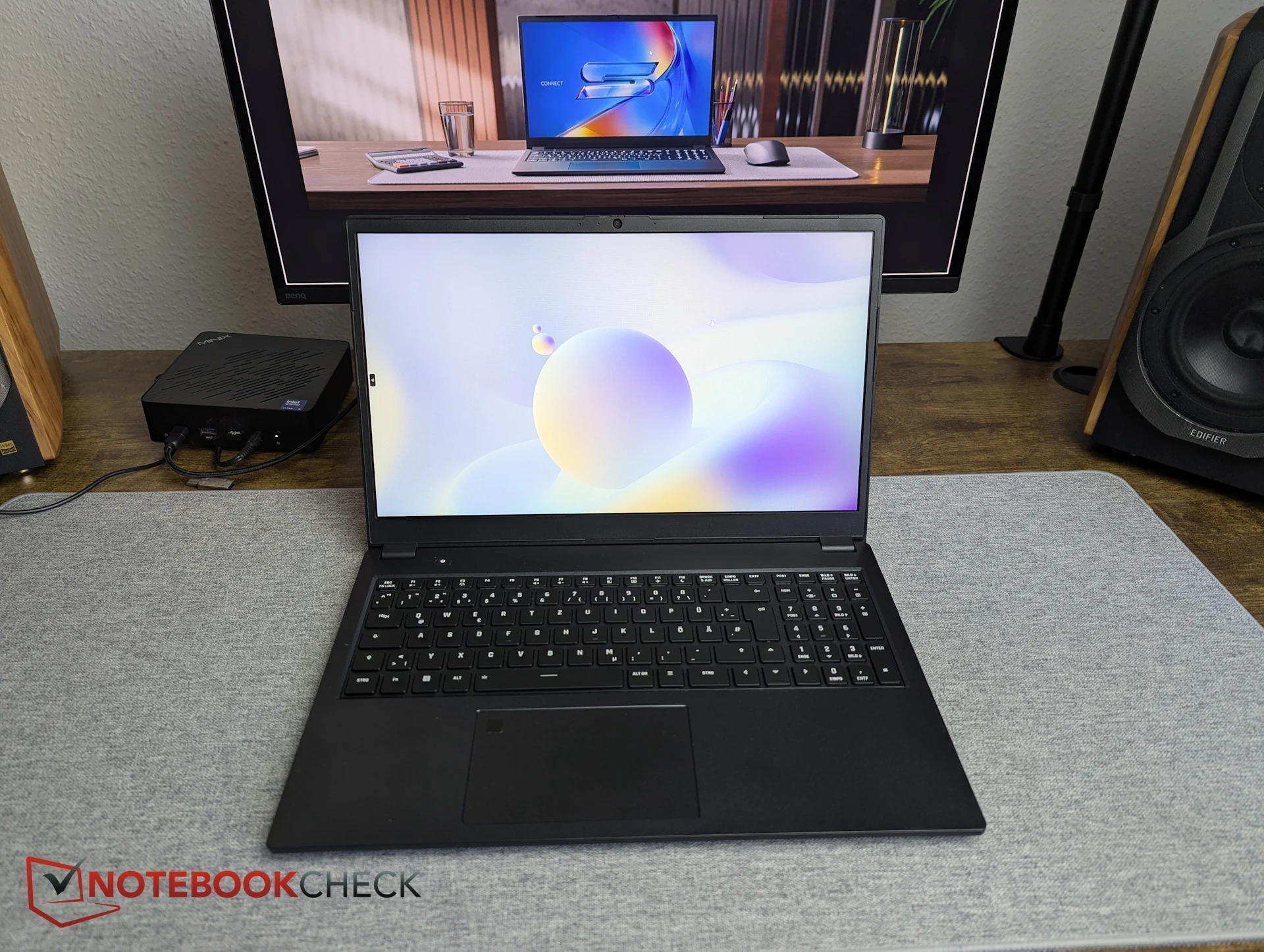
    The highly configurable business and enterprise laptop Schenker Connect 15 can be set up on bestware.com starting at 965 Euro. But what does that actually include—are LTE, smartcard support, Wi-Fi 7, and other features still part of the base package, with only RAM reduced? We spent some time configuring the system on bestware.

    Price Changes and Core Features

    Since our last visit, Schenker appears to have slightly increased prices. Instead of €965, the base configuration now shows €998.99, meaning the entry point is effectively around €1,000. The good news first: Wi-Fi 7 also appears to be included in the starting configuration at no extra cost. The same applies to the CPU and display—there are simply no alternative options available.

    Saving on the Warranty

    There is even a way to save on warranty. By default, Schenker provides a 36-month warranty on this business laptop. Those willing to accept 24 months instead can reduce the price by €50. In that case, the Connect 15 starts at €948.99.

    Add-On Features and LTE

    Unsurprisingly, the LTE module is one of the add-on features that comes at an additional cost. The Huawei ME906s module adds €79. Companies and other interested buyers can also select a Secured-Core PC Level 3 setup for €29.

    Dramatic Memory Price Jumps

    The most dramatic price jumps currently come from memory choices. The base configuration includes only 8 GB of DDR5 RAM. Upgrading to 2x 8 GB already increases the price by €175—an extreme jump for just one additional 8 GB module. Our review unit was equipped with 2x 16 GB DDR5 RAM, which adds a hefty €355 on top of the base price.

    Storage Costs and Final Summary

    Similar price jumps apply to storage. The base model comes with just 500 GB. Moving up to 1 TB costs at least €75 more, depending on the SSD model. The Samsung 990 Pro with 1 TB used in our review unit adds around €183.

    In summary, the Schenker Connect is not a low-cost business laptop. However, the premium price is not driven primarily by its core feature set. With only 8 GB of RAM and a 500 GB SSD, benchmark results would likely differ significantly compared to our test configuration. Our review setup would currently cost around €1,616—and that doesn’t even include the operating system. With a pre-configured Windows installation (without a license) the price jumps to a final 1.655 Euro, which is hardly inexpensive for an office laptop.
    Sources

    • Lenovo 16″ Laptop with 32GB RAM and Intel Panther Lake

      Lenovo 16″ Laptop with 32GB RAM and Intel Panther Lake

      Key Takeaway

      – ThinkPad E16 Gen 4 shifts to Intel Panther Lake and offers Core Ultra 5–7 configurations, with RAM up to 64 GB and PCIe 4.0 storage options.
      – Choices between Wi‑Fi 6E or Wi‑Fi 7, and battery options of 48 Wh or 64 Wh (64 Wh model rated for over 32 hours in official tests).
      – Display options include default 1200p/60 Hz (45% NTSC) or higher-end 1600p/120 Hz with 100% sRGB and 400 nits brightness; up to 64 GB RAM in some regions.


      Lenovo ThinkPad E16 Gen 4 Update and Context

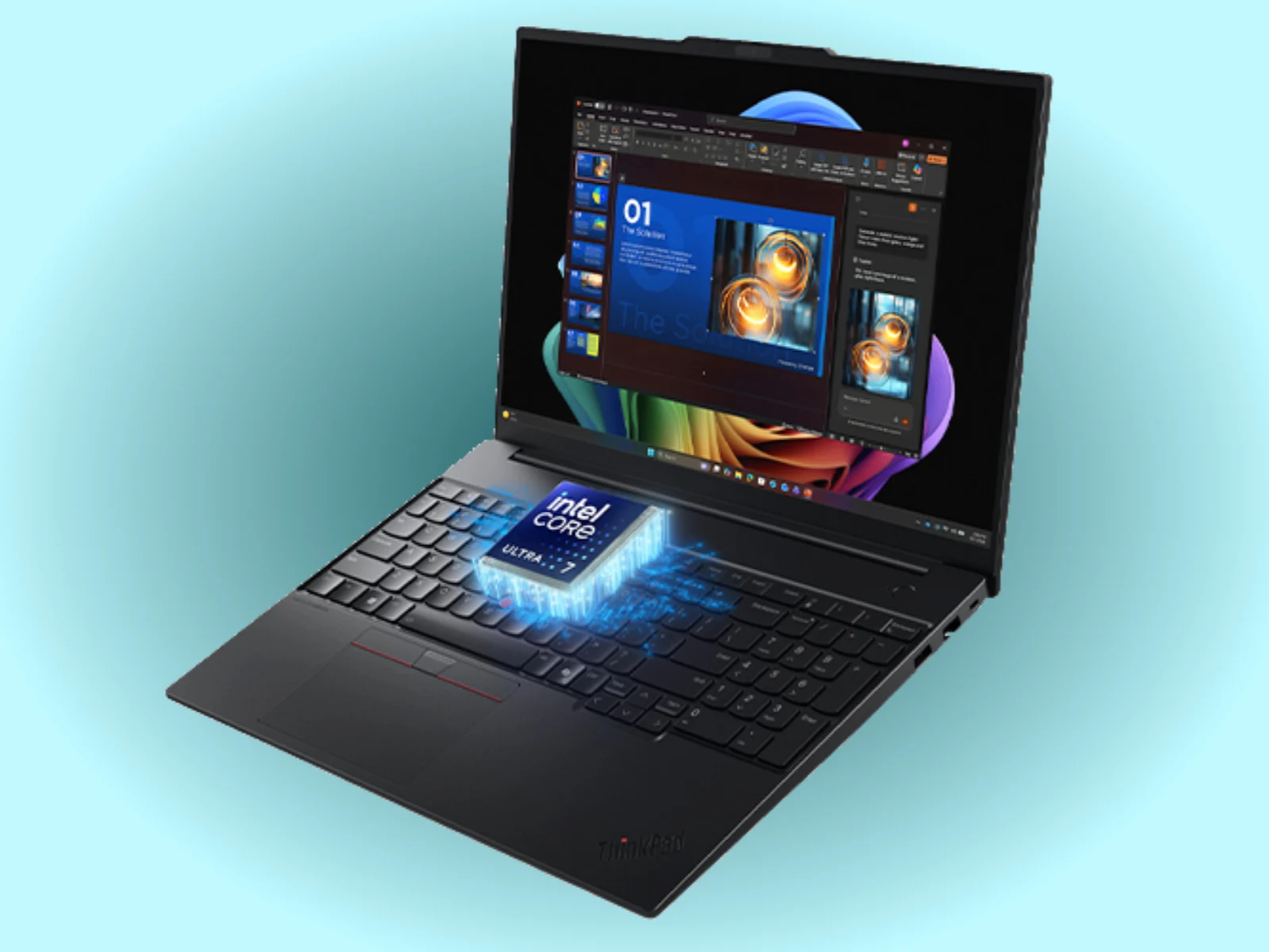
      Lenovo has finally released its new ThinkPad E16 generation in some capacity. To recap, the company has just updated the ThinkPad E16 Gen 3 with Lunar Lake processors. Running alongside existing Arrow Lake options (curr. $1,299 on Amazon), these Lunar Lake models serve as cheaper options in Lenovo’s 16-inch ThinkPad portfolio.

      Gen 4 Variants and Core Ultra Configurations

      Now, it has complemented the ThinkPad E16 Gen 3 with Gen 4 variants. This time, Lenovo has switched to Intel’s newer Panther Lake platform, albeit without powerful Core Ultra X variants. Instead, the ThinkPad E16 Gen 4 starts with a Core Ultra 5 325 and can be configured through to the Core Ultra 7 356H as needed.

      RAM, Storage, Connectivity, and Battery Options

      Additionally, Lenovo offers its new 16-inch ThinkPad with 16 GB or 32 GB of DDR5-5600 RAM and 256 GB, 512 GB or 1 TB of PCIe 4.0 storage via an M.2 2242 drive. Moreover, the laptop comes with a choice between Wi-Fi 6E or Wi-Fi 7 connectivity and 48 Wh or 64 Wh batteries, the latter of which is rated to last over 32 hours in official battery life tests.

      Display Options and Color Gamut

      By default, the ThinkPad E16 Gen 4 comes with a 1200p IPS display that peaks at 60 Hz and 45% NTSC, colour space coverage. Alternatively, Lenovo offers up to a 1600p and 120 Hz IPS panel with 100% sRGB colour space coverage and 400 nits peak brightness at its disposal.

      Pricing and Market Reach

      Currently, pricing starts at HKD 12,074, AUD 1,862, MYR 5,745 and SGD 2,525 (~$1,976) in Hong Kong, Australia, Malaysia and Singapore, respectively. For reference, Lenovo charges at least SGD 4,092 (~$3,203) for the ThinkPad P16s i Gen 5 in Singapore. Eventually, the ThinkPad E16 Gen 4 should reach more markets with up to 64 GB of RAM. Unfortunately, it remains to be seen when that will be the case.


    • ASRock iBOX Fanless Mini PCs with Intel Panther Lake CPUs

      ASRock iBOX Fanless Mini PCs with Intel Panther Lake CPUs

      Key Takeaway

      – Two Panther Lake Core Ultra models (X7 385H and Core Ultra 5 325) powering a refreshed fanless iBOX with unchanged chassis.
      – High RAM/storage options: up to 128 GB DDR5-7200 on the faster model; NVMe M.2 2242 PCIe 4.0 x4 and M.2 2280 PCIe 5.0 slots for storage.
      – Rich I/O: front Thunderbolt 4 with DP 2.1, USB-A 10 Gbps, USB-C 20 Gbps (DP 1.4a), USB 2.0, optional legacy port; back includes dual HDMI 2.1 and dual 2.5 GbE, plus Wi-Fi card option via M.2 slot.


      ASRock’s iBOX Panther Lake Update

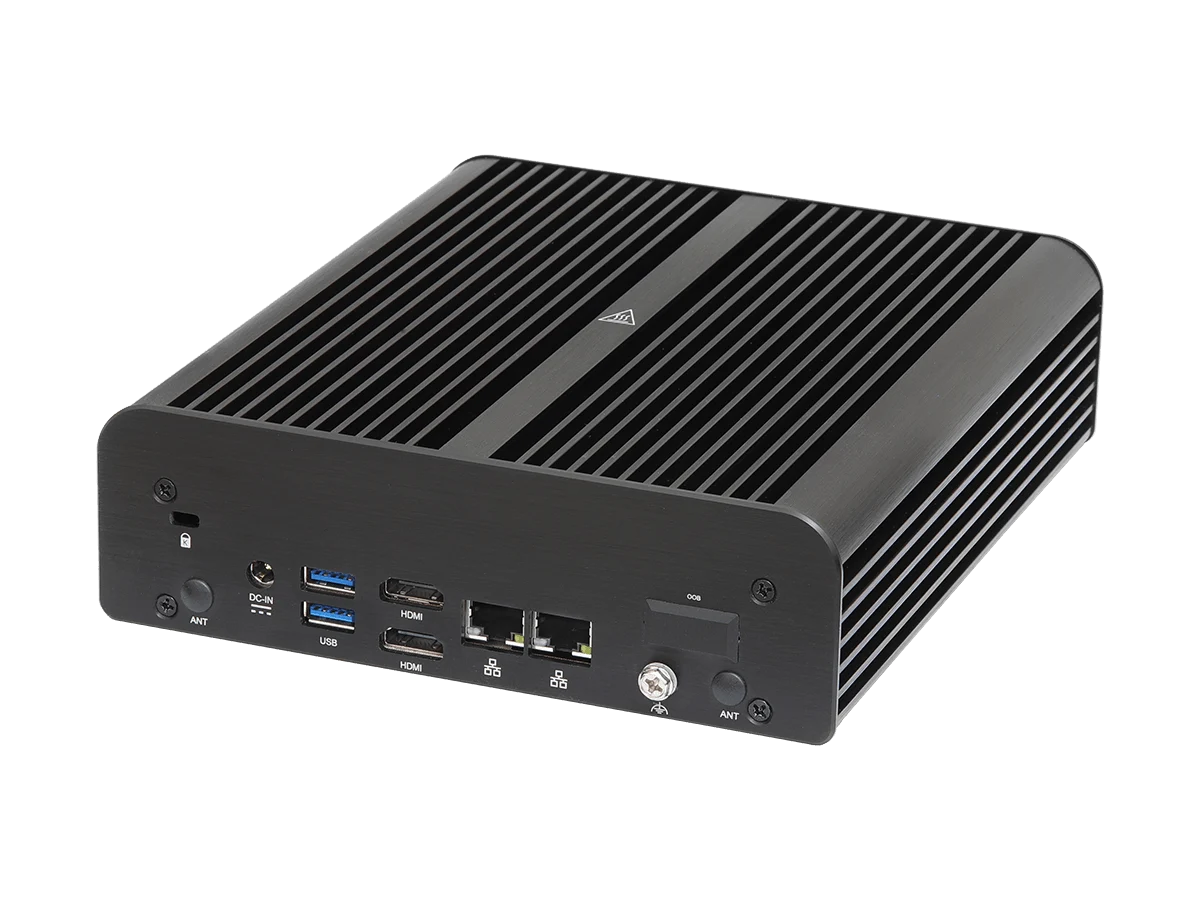
      ASRock is refreshing its iBOX fanless mini PC lineup with two models powered by Intel’s Panther Lake Core Ultra Series 300 processor. The case design is unchanged from the previous Core Ultra Series 200 models launched in early 2026 and features aluminium housing with heat dissipation fins on top and on the sides. It measures 20 x 17.6 x 5.36 cm (7.87 x 6.95 x 2.11 inches) and weighs 3 kg (6.6 lbs).

      Processor and Memory Options

      Processor options include the Core Ultra X7 385H model with 4P, 8E and 4 LPE cores, as well as a more affordable Core Ultra 5 325 with only 4P and 4LPE cores. The faster model supports up to 128 GB of DDR5-7200 RAM, while the slower one is limited to DDR5-6400. On the storage side, both versions support NVMe SSD via M.2 2242 PCIe 4.0 X4 plus M.2 2280 PCIe 5.0 slots.

      Ports and Connectivity

      Port selection is quite decked. The front panel features a Thunderbolt 4 connector with DP 2.1 output, 1x USB-A 3 10 Gbps, 1x USB-C 3 20 Gbps (DP 1.4a mode) and 2x USB 2.0, plus a combo audio jack (Realtek ALC256). Users can also choose a customizable older port like serial or VGA. Back panel comes with 2x additional USB-A 3 10 Gbps ports, 2x HDMI 2.1 video outs and 2x 2.5 Gbps NICs. Wireless connectivity is not offered by default, but users can add a Wi-Fi card on the M.2 2230 PCIe x1 expression slot.

      Pricing and Availability

      Pricing and availability info is only available through direct inquiry with ASRock.


      Sources

    • Lenovo 14-inch ThinkPad launches worldwide with AMD Zen 5 & 64GB RAM

      Lenovo 14-inch ThinkPad launches worldwide with AMD Zen 5 & 64GB RAM

      Key Takeaway

      – Lenovo is updating the ThinkPad E14 Gen 8 to include Zen 5 (Krackan Point 2 and Gorgon Point) Ryzen AI 5 to 7 options, aligning AMD offerings with Intel counterparts.
      – Configurations support up to 64 GB DDR5-5600 RAM, 48–64 Wh batteries, and dual SSDs (M.2 2242 and M.2 2280).
      – Display choices include three IPS panels, with a top 1800p (2.8K) option reaching 500 nits, 1,500:1 contrast, 100% sRGB, and 120 Hz VRR.


      Introductory Note

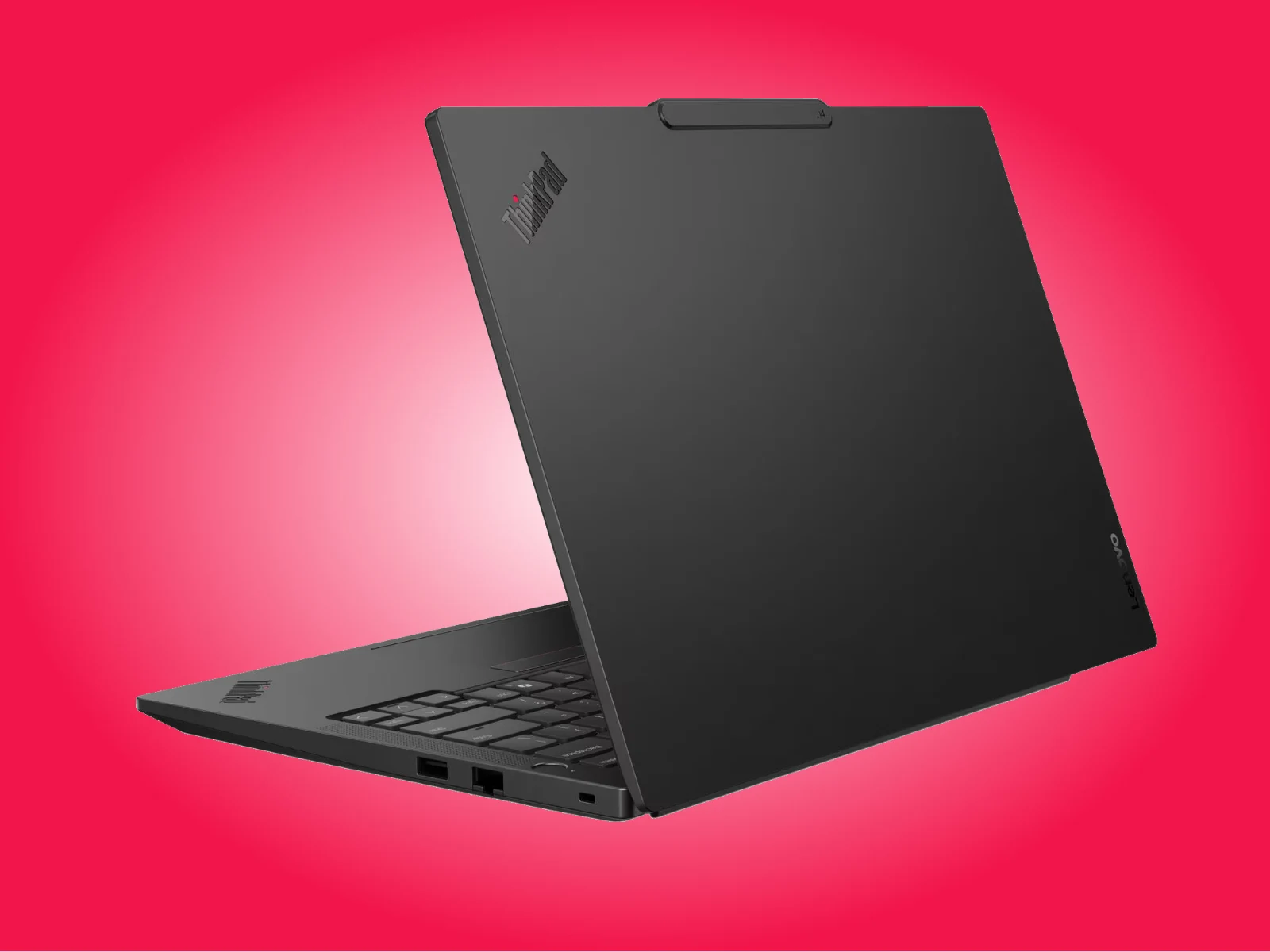
      Last year, we lamented Lenovo for equipping the AMD versions of the ThinkPad E14 Gen 7 with Zen 4 processors (curr. $949 on Amazon). By contrast, the company equipped Intel variants with modern Lunar Lake processors. For 2026, Lenovo has rectified this by including Zen 5 alternatives across the board.

      Processor Details

      According to PSREF, the company will offer the ThinkPad E14 Gen 8 with Krackan Point 2 and Gorgon Point processors spanning the Ryzen AI 5 330 through to the Ryzen AI 7 450. At the time of writing, Lenovo lists the following seven processors on its website:

      Memory and Storage

      Additionally, the ThinkPad E14 Gen 8 will be available with up to 64 GB of DDR5-5600 RAM and a 48 Wh or 64 Wh battery. Also, the 14-inch laptop has space for two SSDs thanks to M.2 2242 and M.2 2280 slots. A trio of displays will be available, too. All IPS panels, the pick of the bunch is a 1800p (2.8K) option that peaks at 500 nits with a 1,500:1 contrast ratio, 100% sRGB colour space coverage and a 120 Hz VRR refresh rate.

      Market Availability

      As far as we can tell, Lenovo has not listed the ThinkPad E14 Gen 8 with AMD processors on any of its websites yet. In the meantime, one retailer has priced the laptop at $3,252 with a Ryzen AI 5 330 processor and its entry-level 1200p display. Please see Lenovo’s website for more details.


      Sources

    • ASUS launches refreshed ROG NUC gaming mini PC at premium price

      ASUS launches refreshed ROG NUC gaming mini PC at premium price

      Key Takeaway

      – 2026 ROG NUC 15 uses Intel Core Ultra 200HX Plus CPU while the GPU remains unchanged from the last generation.
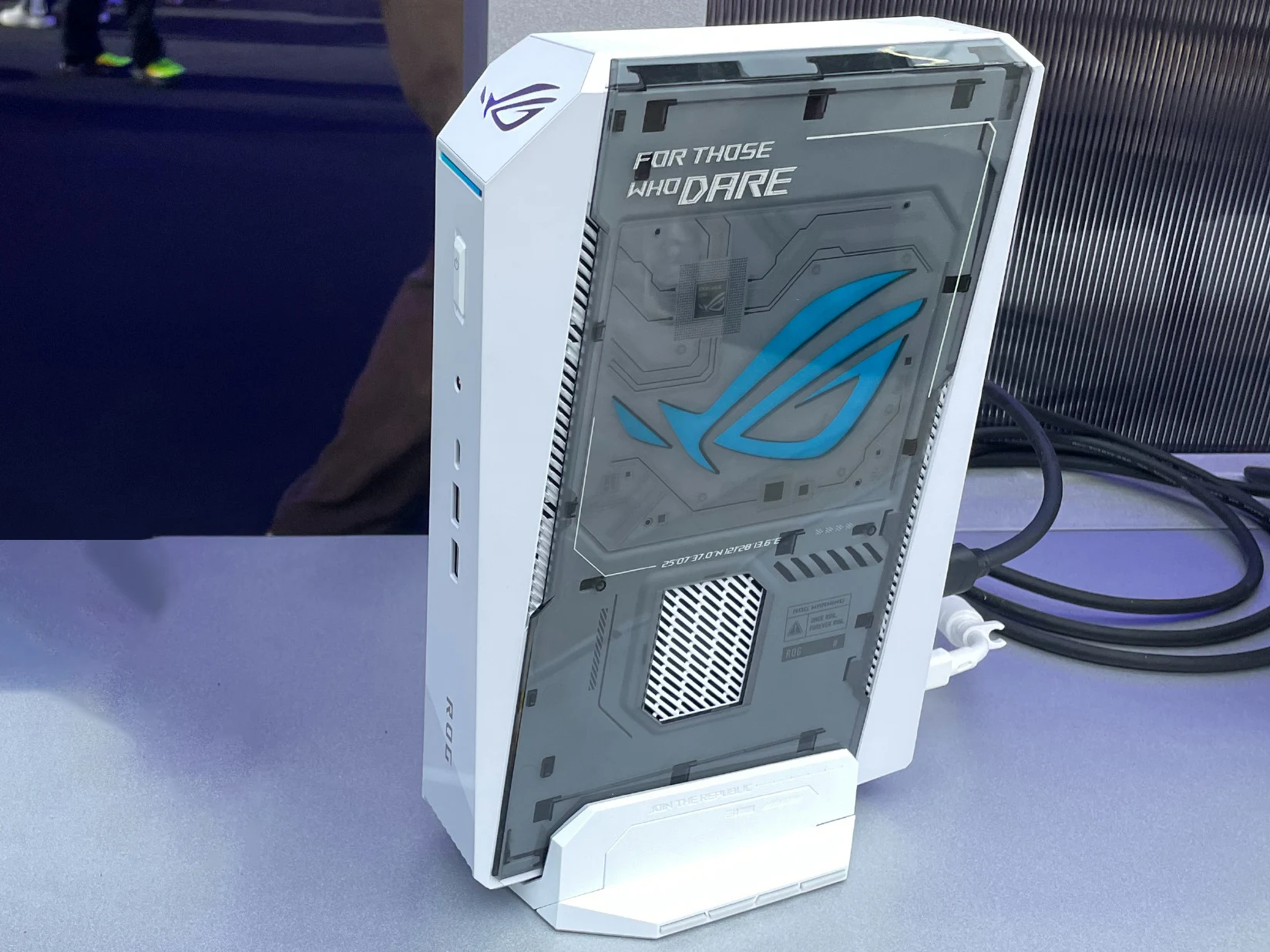
      – Design gets bolder branding with “For Those Who Dare” and introduces a patented removable stand that cradles the chassis.
      – Core specs stay high-end (DDR5 RAM, PCIe 5.0 storage, silent cooling) with WiFi 7 and Bluetooth 5.4.
      – Front IO features 2 USB-A ports and 1 USB-C; rear IO details are not fully disclosed in the article.
      – China pricing starts at CNY 29,999 (~$4,421) with a white variant at CNY 30,999 (~$4,569); global launch details TBD.

      Asus has launched the successor to the 2025 ROG NUC 15, and as we speculated, the main difference is that the Intel Core Ultra 200HX Plus series powers the gaming mini PC. The GPU department hasn’t seen an upgrade. The design changes include more prominent For Those Who Dare and ROG branding, plus a patented removable stand cradling the chassis instead of a screw-on fit.

      Design and branding updates

      Beyond these cosmetic changes, the rest of the system specs appear to be the same as the last-gen ROG NUC 15. DDR5 RAM and PCIe 5.0 storage stand out as the high-speed backbone, while the cooling remains notably quiet. Wireless connectivity includes WiFi 7 and Bluetooth 5.4, and the overall chassis is engineered to house these elements with minimal fan noise.

      Performance and ports

      Port-wise, Asus highlights the rich configuration of the 2026 ROG NUC. The front appears to have two USB Type-A and one USB-C, while the back features the following: In China, the refreshed ROG NUC mini PC starts at CNY 29,999, which is around $4,421. There’s a new white version available, costing CNY 30,999, about $4,569. The top-end option curr. $3,399 remains as a benchmark for the model lineage.

      Pricing and availability

      In China, the refreshed ROG NUC mini PC starts at CNY 29,999, which is around $4,421. There’s a new white version available, costing CNY 30,999, about $4,569. Asus has yet to share details on the available configurations and plans for the global launch. No firm date was given for a worldwide rollout, but fans hope for a formal announcement soon.

      Final thoughts

      Overall, the 2026 ROG NUC balances a strong core with bold styling and practical upgrades like the removable stand. The absence of an GPU upgrade this time around is noticeable, yet the presence of DDR5 RAM, PCIe 5.0 storage, and WiFi 7 keep it competitive in a crowded market. The real question remains the price and availability worldwide.


      Sources

    • Shuttle Launches Compact Mini PC with 96GB DDR5 RAM & 24-Core Intel CPU

      Shuttle Launches Compact Mini PC with 96GB DDR5 RAM & 24-Core Intel CPU

      Key Takeaway

      1. Supports desktop-class Intel Arrow Lake-S CPUs with a TDP of up to 65W, excluding high-end unlocked CPUs.
      2. Compact 1.35-liter chassis with room for up to 96 GB DDR5-5600 RAM and dual M.2 slots (PCIe 5.0 and WiFi/BT support).
      3. No discrete GPU options, with comprehensive I/O including storage bays and expansion slots; pricing yet to be disclosed.

      Introduction to Shuttle’s XPC Slim DB860

      Shuttle has launched another cool mini PC in theyre XPC slim series, called the DB860. Seen by LinuxGizmos, this small but mighty device can handle desktop-grade CPUs with active cooling, all packed inside a small case. It looks like a great choice for those wanting a mix of power and space efficiency.

      CPU Compatibility and Limits

      This mini PC supports the LGA1851 socket, so it can work with desktop-class Intel Arrow Lake-S CPUs. But, because of its size and cooling limits, it can only handle CPUs with up to 65 watts TDP. So, very high-end unlocked CPUs, like the Core Ultra 9 285K, are not supported. The standard Core Ultra 9 285 should work, along with models like the Core Ultra 5 225, Core Ultra 7 265, etc. The flagship Core Ultra 285, with its 24-core setup, offer impressive multi-threaded power, but it’ll run about 11% slower than the 285K.

      Memory and Storage Options

      The device has dual SODIMM slots that support up to 96 GB of DDR5-5600 RAM, making it quite flexible for multitasking and demanding applications. No room for dedicated GPUs here, which makes sense since the whole thing only has about 1.35 liters of volume. The metal chassis measures roughly 19 x 16.5 x 43 cm or 7.4 x 6.5 x 17 inches, so it’s small enough to fit into tight spots and save space.

      Connectivity and Expansion

      As for the ports and connections, the DB860 offers a solid range:

      • An M.2 2280 slot supporting PCIe 5.0 x 4 for fast NVMe SSDs
      • A 2.5-inch SATA III bay for traditional drives
      • An M.2 2230 slot for WiFi and Bluetooth modules
      • Option to add an LTE module for cellular connectivity

      Pricing and Future Considerations

      Details on the price for the Shuttle XPC Slim DB860 are still not announced and probably depend on how many units people order. For everyday users who don’t need heavy power, other options like the GMKtec K16 are available, often with discounts. The K16 might be a more cost-effective solution for those with modest needs, while the DB860 caters more to professional or demanding use cases.


      Sources

    • Samsung Raises Memory Prices by 30% Despite Weak DDR5 RAM Demand

      Samsung Raises Memory Prices by 30% Despite Weak DDR5 RAM Demand

      Key Takeaway

      1. Samsung and other memory manufacturers are signing higher-priced, long-term contracts due to sustained AI demand, limiting the likelihood of significant DDR5 price reductions.
      2. The memory shortage, driven by AI data center expansion, has affected consumer RAM markets, although recent prices have shown signs of moderation in some regions.
      3. Despite a recent decline in DDR5 RAM prices, industry experts believe this is a short-term fluctuation, with long-term contract demand remaining strong.

      Some DDR5 RAM options are slightly less expensive than they were in previous months. Even so, DRAM manufacturer Samsung is signing more lucrative contracts with high-volume buyers. According to Korean ETNews, the agreements are for memory prices 30% higher than the prior quarter.

      Memory Prices and Industry Trends

      As the memory shortage intensified, Samsung had already begun charging 100% more for the components in Q1 2026. While the rising costs are cooling, the company doesn’t anticipate a dramatic reversal. ETNews spoke to one industry source who said, “We do not see any signs of price improvement or decline around AI demand at present.”

      Impact of AI and Market Dynamics

      Expanding AI data centers triggered the memory shortage, which soon affected the retail market. Many servers operate using high-bandwidth memory (HBM), leading factories to produce less of the DRAM that consumers rely on. Regardless, DDR5 prices have shown recent signs of moderating.

      Regional Price Fluctuations

      A TrendForce report highlighted how some modules have become more attainable in the U.S. and Europe. That includes popular SKUs in the Corsair Vengeance lineup available on Amazon. Ironically, in China, components are selling at levels as much as 30% below those seen earlier in 2026. There are even accounts of scalpers who had accumulated large supplies panicking.

      Demand and Future Outlook

      With many buyers unable to build new PCs, demand has faded. Still, analysts believe that the decline in memory prices will prove to be a short-term fluctuation. The latest contracts signed between Samsung and its clients reflect confidence in the AI boom’s longevity.

      Industry Perspectives and Future Pricing

      According to another ETNews source, “demand for high-performance DRAM and HBM has not changed.” In addition, “The long-term contract demand and competition to secure DRAMs are also increasing.” As a result, DDR5 RAM for laptops or consoles is unlikely to become more affordable. Meanwhile, smartphone owners will find fewer tempting upgrade offers.

      Other Suppliers & Market Expectations

      Samsung is not the only supplier capitalizing on the AI-driven crisis. The Korean report confirms that Micron and SK Hynix expect to raise contract prices in the second quarter.

      ETNews (Korean), David Bailey X account

      Sources
    • Gigabyte Launches AMD Gorgon Point Brix Mini PC

      Gigabyte Launches AMD Gorgon Point Brix Mini PC

      Key Takeaway

      1. The Gigabyte Brix mini PC (model GB-BRR7-450) is equipped with AMD Ryzen 4000 series processors, likely including the Ryzen 7 450 and potentially higher-end options like the AI 9 HX 470.
      2. It supports up to 96GB DDR5 RAM and features two M.2 storage slots, one PCIe Gen4x4 and the other Gen5x4.
      3. The mini PC includes a USB4 port with eGPU support, a slim design, and VESA compatibility; specific pricing and release date are yet to be announced.

      Introduction to the New Gigabyte Brix Mini PC

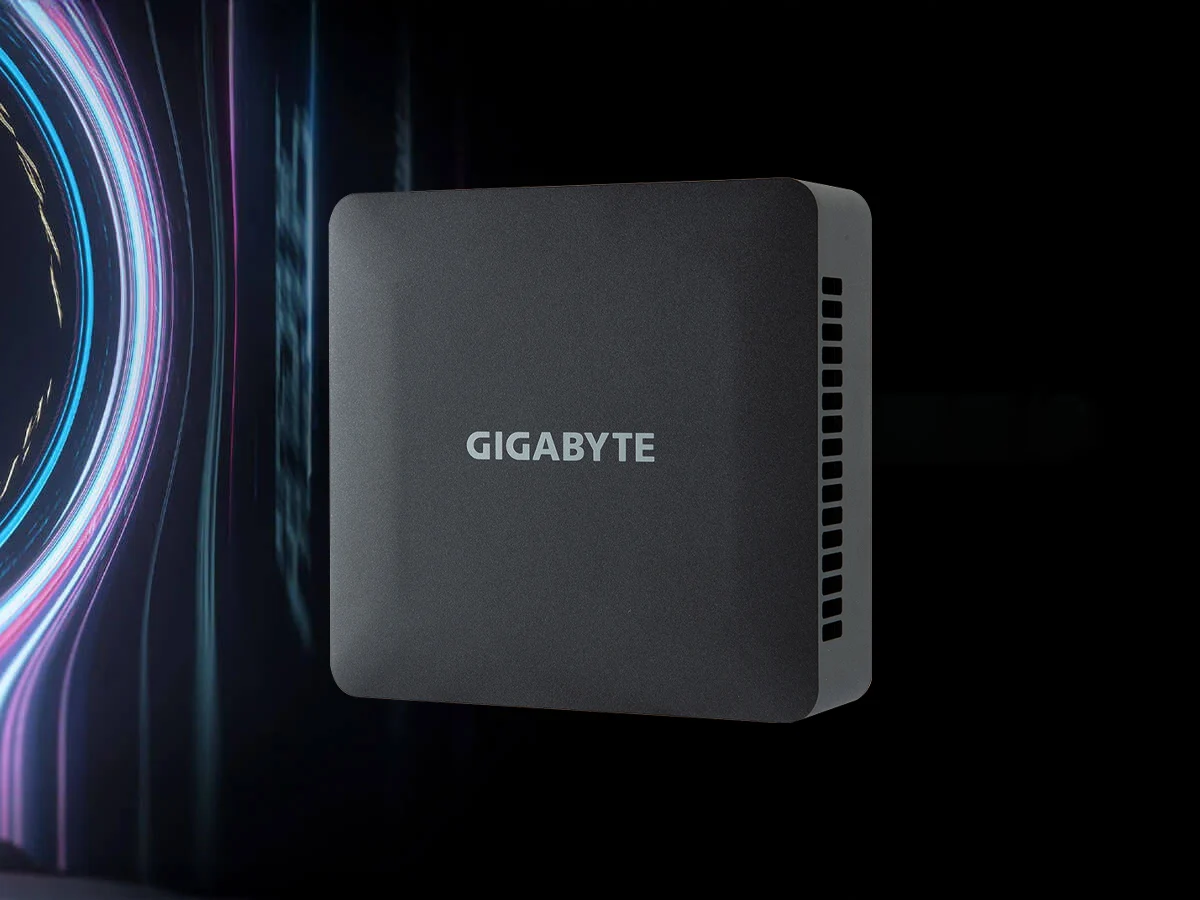
      Gigabyte has released the spec sheet for their latest mini PC based on AMD’s Gorgon Point platform, known as GB-BRR7-450. This little system is powered by AMD’s Ryzen 400 series processors, but precise CPU options are yet to be announced. On first glance, the model number hints at a possibly equipped Ryzen 7 450 chip, which suggests solid performance capabilities. Given how Gigabyte positioned this device, it might serve as an alternative to their Panther Lake Brix mini PC, potentially offering higher-end processor choices like the AI 9 HX 470.

      Hardware Features and Expansion Options

      • The device supports up to 96GB of DDR5 RAM, which is quite impressive for its size.
      • There are two M.2 slots for storage, both of which are 2280 sizes.
      • One slot supports PCIe Gen4x4, providing fast storage connectivity, while the other supports Gen5x4 for even higher speeds.

      Connectivity and Design Details

      The mini PC comes with a variety of ports, including a USB4 port that enables eGPU support, enhancing graphic options for users needing extra power. Although an OCuLink port would have been a better addition for high-speed external devices, the existing port still provides decent expansion. The system features a slim profile and VESA mount compatibility, making it versatile for different setups. Pricing and exact release dates are still not publicly available, but with the spec sheet now online, these details are likely to be announced soon.

      Sources
    • Dell Unveils Mini-PC with 64GB RAM and Intel Panther Lake Processor

      Dell Unveils Mini-PC with 64GB RAM and Intel Panther Lake Processor

      Key Takeaways

      1. Dell has launched new devices based on the Panther Lake architecture, including a 14-inch laptop with a Tandem OLED display.
      2. The Pro 5 Micro mini-PC (PCM1260) is compact at 182 x 178 x 36 mm and resembles its predecessor, the Pro Micro QCM1250, priced at $849.99.
      3. The Pro 5 Micro supports up to 64 GB of DDR5 RAM with speeds ranging from 5,600 MT/s to 7,200 MT/s, and includes dual M.2 2280 slots for PCIe 4.0 storage.
      4. Processor options for the Pro 5 Micro include the 8-core Core Ultra 5 335 vPro and the 16-core Core Ultra 7 366H vPro.
      5. The Pro 5 Micro will launch on March 31 in the U.S., with pricing details yet to be announced, and it features multiple connectivity ports.


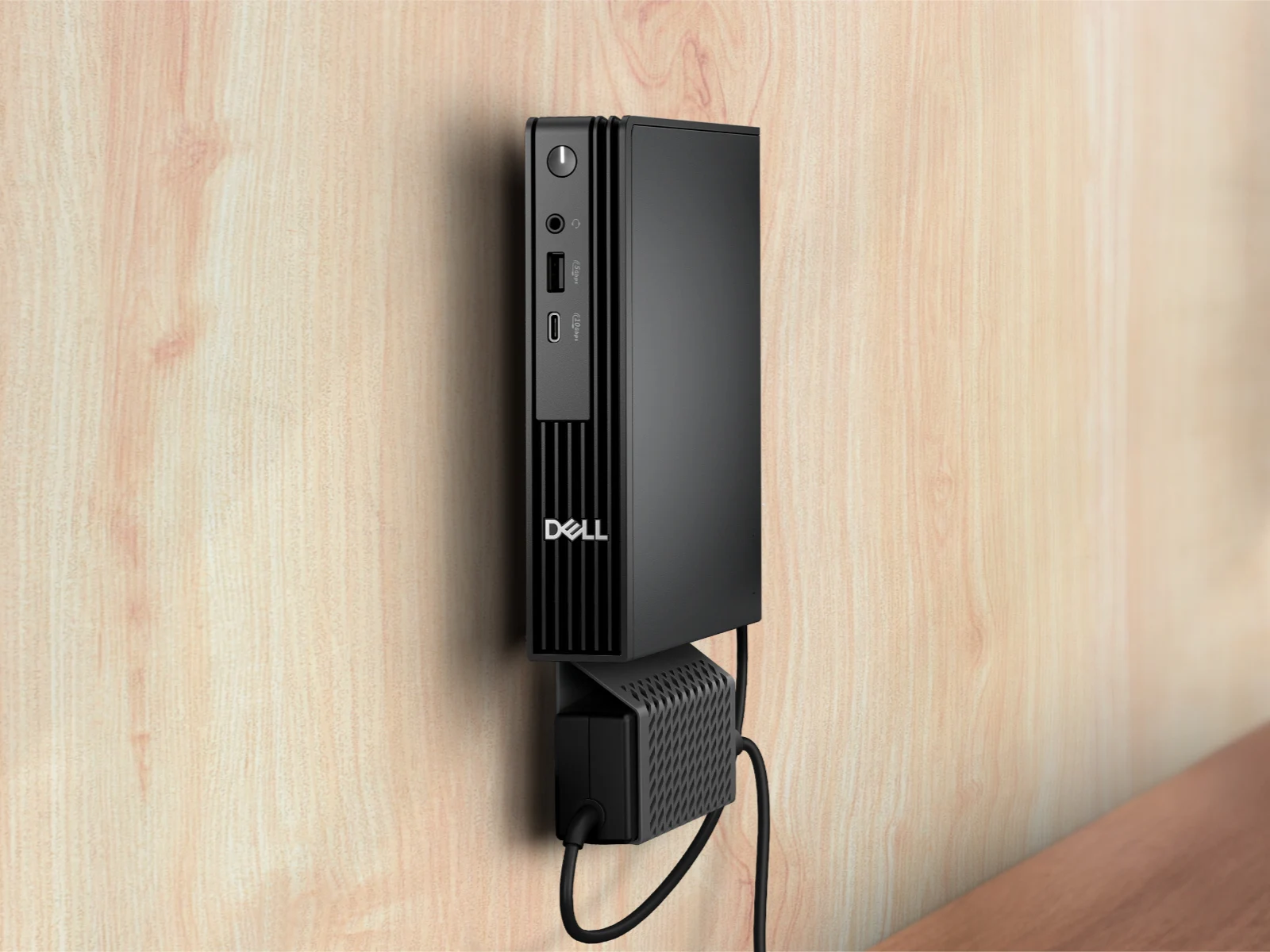
      Dell has unveiled several new devices today that are based on the Panther Lake architecture, which includes a 14-inch laptop featuring a Tandem OLED display. Furthermore, the company has made improvements to its Pro 5 Micro mini-PC. The new Pro 5 Micro (PCM1260) closely resembles the Pro Micro QCM1250, which is currently priced at $849.99 on Amazon, and it crams a lot of power into a compact size of 182 x 178 x 36 mm.

      Specifications and Features

      The Pro 5 Micro will be offered with a maximum of 64 GB of DDR5 RAM, with speeds of 5,600 MT/s, 6,400 MT/s, or even 7,200 MT/s. Dell has also included dual M.2 2280 slots for PCIe 4.0 storage in addition to the SO-DIMM slots. Moreover, this new mini-PC comes with an M.2 2230 slot that will be initially equipped with modems compatible with Bluetooth 5.3/Wi-Fi 6E or Bluetooth 6.0/Wi-Fi 7.

      Processor Options and Power Supply

      Dell intends to offer the Pro 5 Micro powered by either the 8-core Core Ultra 5 335 vPro or the more powerful 16-core Core Ultra 7 366H vPro. Additionally, the mini-PC can be connected to power via a 4.5 mm barrel connection that supplies 90 W, or it can use a USB Type-C adapter with a capacity of 100 W. The official launch date for the Pro 5 Micro is set for March 31 in the United States, but the pricing details are still not available. The compact mini-PC will come equipped with a variety of ports.

    • Valve Jokes About Memory Shortage and Steam Machine Release Doubts

      Valve Jokes About Memory Shortage and Steam Machine Release Doubts

      Key Takeaways

      1. Valve humorously addressed the memory shortage and its impact on the Steam Machine during GDC 2026, seeking RAM supply.
      2. The memory cost surge has delayed the Steam Machine’s launch and increased affordability issues for consumers building or buying PCs.
      3. The release timeline for new devices, including the Steam Machine, has been pushed to the first half of 2026 due to rising component costs.
      4. Pricing concerns are significant, with predictions that the Steam Machine’s MSRP could range from $800 to $1000, making it potentially more expensive than the PS5.
      5. There are discussions about offering a barebones version of the SteamOS cube to make it more budget-friendly, amid challenges in finding affordable DDR5 RAM and NVMe SSDs.


      Many consumers are eager to discover how the memory shortage will affect the launch date and pricing of the Steam Machine. Despite this, Valve decided to make a light-hearted comment about the situation during GDC 2026. Journalist and gamer Hayden Dingman shared some humorous remarks made by the company at the event:

      “If you have a line on a bunch of RAM, we are in the market and would like to buy it.”

      Fans React to Humor

      Some fans aren’t amused by the joke regarding the soaring memory costs. This situation has not only delayed the Steam Machine’s launch but has also made it tough for many to either build or buy PCs affordably. In fact, the price of the DDR5 RAM that Valve’s mini PC will depend on has surged four times since late 2025.

      Updates on Hardware Release

      In early February, the company gave an update about its upcoming devices. Fans were hoping for the new controller, Steam Frame VR headset, and Steam Machine to be released in early 2026. However, Valve clarified that due to rising costs of components, this timeline has now been pushed back to the first half of the year.

      More recently, changes in listings at SteamDB indicated that the release window for these products is now “coming soon.” Unfortunately, this did not hint at a forthcoming announcement, as a new official blog post only referred to a vague estimate for 2026. This date coincides with a slide presented at GDC.

      Pricing Concerns

      Another worry for potential buyers is that the price of the Steam Machine was already expected to exceed that of the PS5. The ongoing memory shortage might drive its MSRP even higher, with some insiders predicting a price range of $800-1000. Given that it will likely have just 8GB of GDDR6 VRAM on its RDNA 3 GPU, it may struggle to run some games at 4K, which could limit its attractiveness.

      YouTuber and leaker MLID previously suggested that Valve consider selling a barebones version of the SteamOS cube. This strategy could make the tiny PC much more budget-friendly. Conversely, it’s becoming harder for consumers to find DDR5 RAM at reasonable prices. Storage costs are also a concern, with NVMe SSDs putting a strain on budgets.

      While some followers thought this idea was unrealistic at the time, it seems the manufacturer may now be open to any feasible solutions.

      Hayden Dingman’s Bluesky account.

      Source:
      Link