Tag: DDR5 RAM

  • Reddit User Scores $10,000 DDR5 RAM from $100 Amazon Return

    Reddit User Scores $10,000 DDR5 RAM from $100 Amazon Return

    Key Takeaways

    1. A Reddit user bought Amazon return pallets for $100 and found 40 sticks of valuable 16GB Kingston Fury Beast DDR5 RAM worth around $8,000.
    2. Amazon return pallets contain mixed items, often customer returns or overstock, sold in bulk, creating a gamble for buyers.
    3. The RAM modules discovered operate at 5600 MT/s, highlighting the rising prices of RAM due to inflation and supply shortages.
    4. While the find was impressive, there’s a risk of receiving low-value or counterfeit items in return pallets.
    5. The story inspired others on Reddit to explore purchasing their own return pallets for potential valuable discoveries.


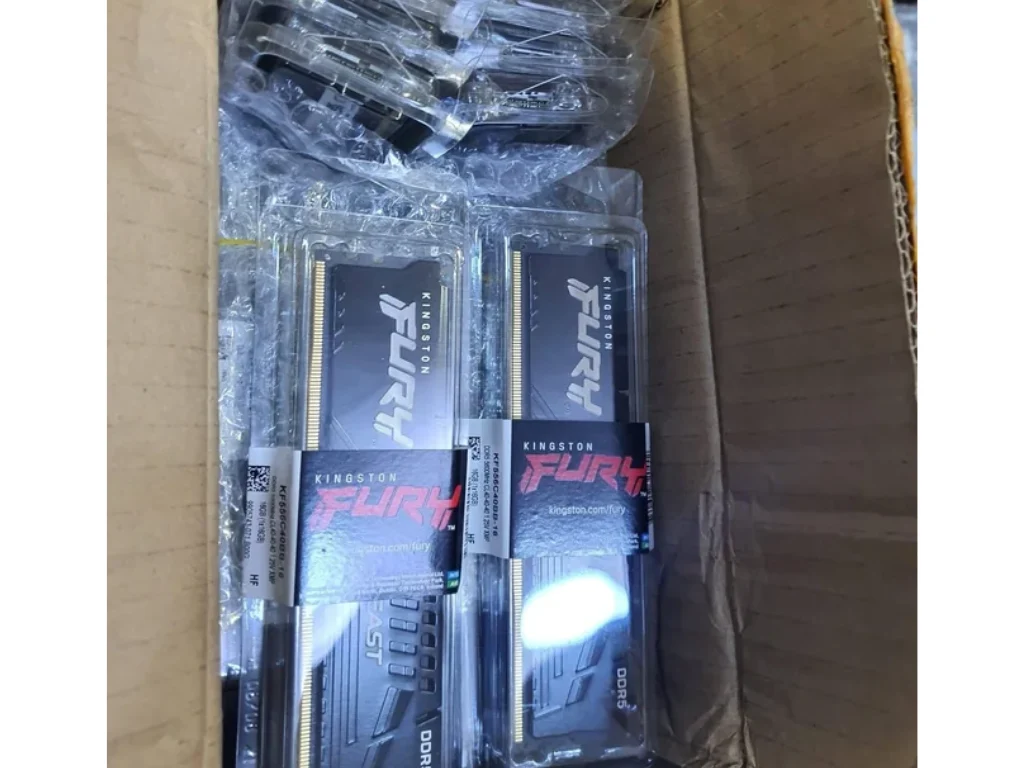
    A user on Reddit has seemingly struck it rich by opening a stash of random Amazon returns. The individual spent only $100 on Amazon return pallets and discovered 40 sticks of 16GB Kingston Fury Beast DDR5 RAM modules operating at 5600 MT/s, which amounts to an impressive value of around $8,000.

    Amazing Discovery Shared

    The Redditor, known as u/Apprehensive-Dig2898, shared their remarkable experience on the r/pcmasterrace subreddit, illustrating their fantastic find with pictures of a box filled with Kingston DDR5 RAM sticks and claimed they “hit the jackpot with Amazon return pallets.”

    For those who aren’t familiar, Amazon return pallets are essentially mystery boxes sold in bulk, often filled with customer returns or items that are overstocked. Buyers purchase these pallets by weight or as a lot, hoping to discover something valuable.

    A Smart Investment

    The Reddit user purchased 25 kilograms at a price of $4 per kilo, which totals around $100. When the package finally showed up, it wasn’t filled with trash. Instead, they came across an incredible find.

    Upon unboxing, they revealed a collection of sealed 16GB Kingston Fury Beast DDR5 RAM modules operating at 5600 MT/s—an amazing stash of hardware given the current rise in RAM prices due to inflation and supply shortages.

    Current Market Value

    To give some context, each 16GB Kingston Fury DDR5 RAM module is currently listed on Amazon for $209 (5200 MT/s) or at Best Buy for $251 (5600 MT/s). Doing the math, the value of this $100 return pallet is estimated to be around $8,000 to $10,000, depending on which retailer you check.

    These pallets may also contain outdated technology or entirely different items, such as clothing and phone cases, which adds an element of risk. Sometimes pallets can be filled with worthless products, and there’s always the chance that counterfeit items sneak in.

    Risks and Rewards

    For instance, some Redditors and Amazon shoppers have recounted horror stories of receiving DDR4 RAM that was labeled as DDR5 memory modules, likely due to scammers pulling a “switcheroo” on returns. However, in this Redditor’s situation, they truly hit the jackpot.

    Even with evidence provided, some users on the subreddit questioned the authenticity of this tale, while others felt motivated by such stories to embark on their own treasure hunts for pallets to potentially find their own gold, or in this instance, 40 sticks of 16GB DDR5 RAM.

    Source:
    Link
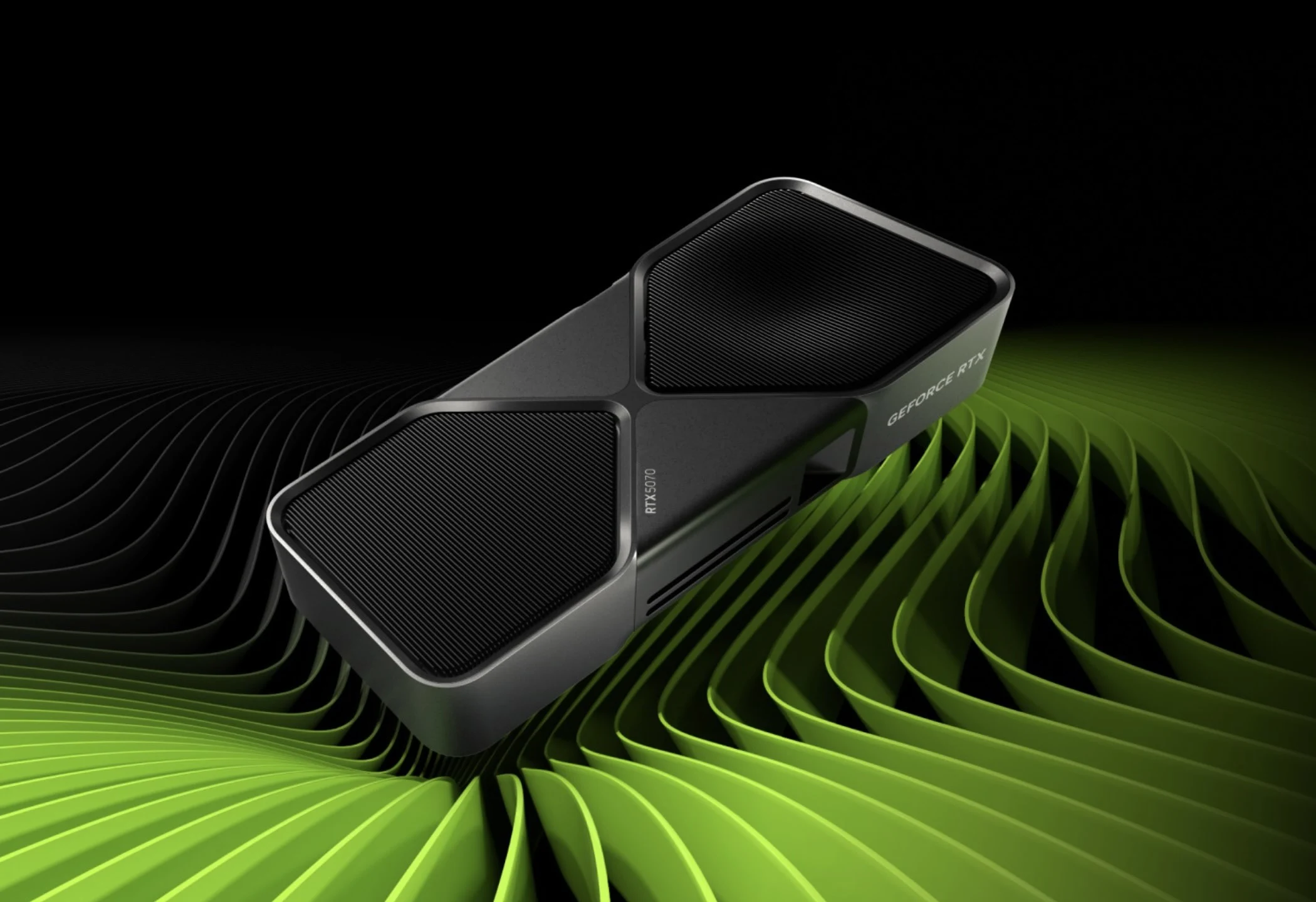


  • Nvidia Warns GPU Supply Will Remain Unstable for Now

    Nvidia Warns GPU Supply Will Remain Unstable for Now

    Key Takeaways

    1. Nvidia’s CEO, Jensen Huang, indicates that supply of gaming hardware will remain “tight” for the next few quarters.
    2. The focus of Nvidia may shift towards the more profitable data center market, affecting gaming hardware availability.
    3. Prices for components like DDR5 RAM have surged significantly, with some increasing up to five times in the last year.
    4. Recent trends show that while prices can drop temporarily, they will likely remain above MSRP long-term.
    5. Significant improvements in production capacity or a decrease in data center demand are needed for gaming hardware prices to become more affordable.


    Gaming hardware has been experiencing significant shortages for what seems like ages, resulting in unbelievable price increases. Gamers holding out for some good news are now faced with disappointing information directly from Nvidia’s CEO.

    Supply Outlook

    Jensen Huang has stated that supply will continue to be “tight” for the next few quarters. Looking further ahead, the future remains quite unclear. This is understandable, given how quickly the industry is changing to meet the demands of the data center market.

    A Grim Future

    Regardless, the situation looks rather bleak for the near future. Nvidia is a publicly traded entity and is likely to shift focus to whichever sector proves to be the most lucrative. At the moment, this sector is the data center.

    With supply expected to remain limited, prices will likely continue to be out of reach for many consumers. For example, DDR5 RAM has surged in price over the past several months, increasing by up to five times within the last year. Nonetheless, there has been a minor reduction since January, suggesting that there is indeed a point where consumers will stop paying inflated prices.

    Price Fluctuations

    A similar trend was observed in Japan with the AMD Radeon RX 9060 and 9070 gaming GPUs. After reaching record highs in January, demand plummeted and prices followed, dropping by nearly 20% in about a month.

    That being said, prices are expected to remain significantly above MSRP for the foreseeable future, even if occasional small drops and enticing retail offers appear. Unless a major event occurs that decreases data center demand, or significantly boosts production capacity, assembling a gaming rig will likely continue to be quite expensive.

    Source:
    Link


  • Reddit User Wins $2,700 in Free RAM from Amazon Giveaway

    Reddit User Wins $2,700 in Free RAM from Amazon Giveaway

    Key Takeaways

    1. A Reddit user bought a 32 GB RAM kit for $300 and received 10 kits worth $2,700 due to a warehouse mix-up.
    2. The user received a total of 320 GB of memory, significantly more than expected.
    3. Future RAM shortages could increase the value of the memory kits.
    4. The user plans to sell the extra kits at a lower price to help the community.
    5. The Reddit community shares stories highlighting the risks and rewards of online shopping.


    We’ve all seen the scary tales of people opening their Amazon packages to find rocks or other unknown items. On the other hand, there are also stories of people striking it rich, like one user who received $6,000 worth of SSDs. Recently, Redditor AccomplishedFan8690 shared their own amazing experience, which is possibly one of the best finds ever.

    A Surprising Bargain

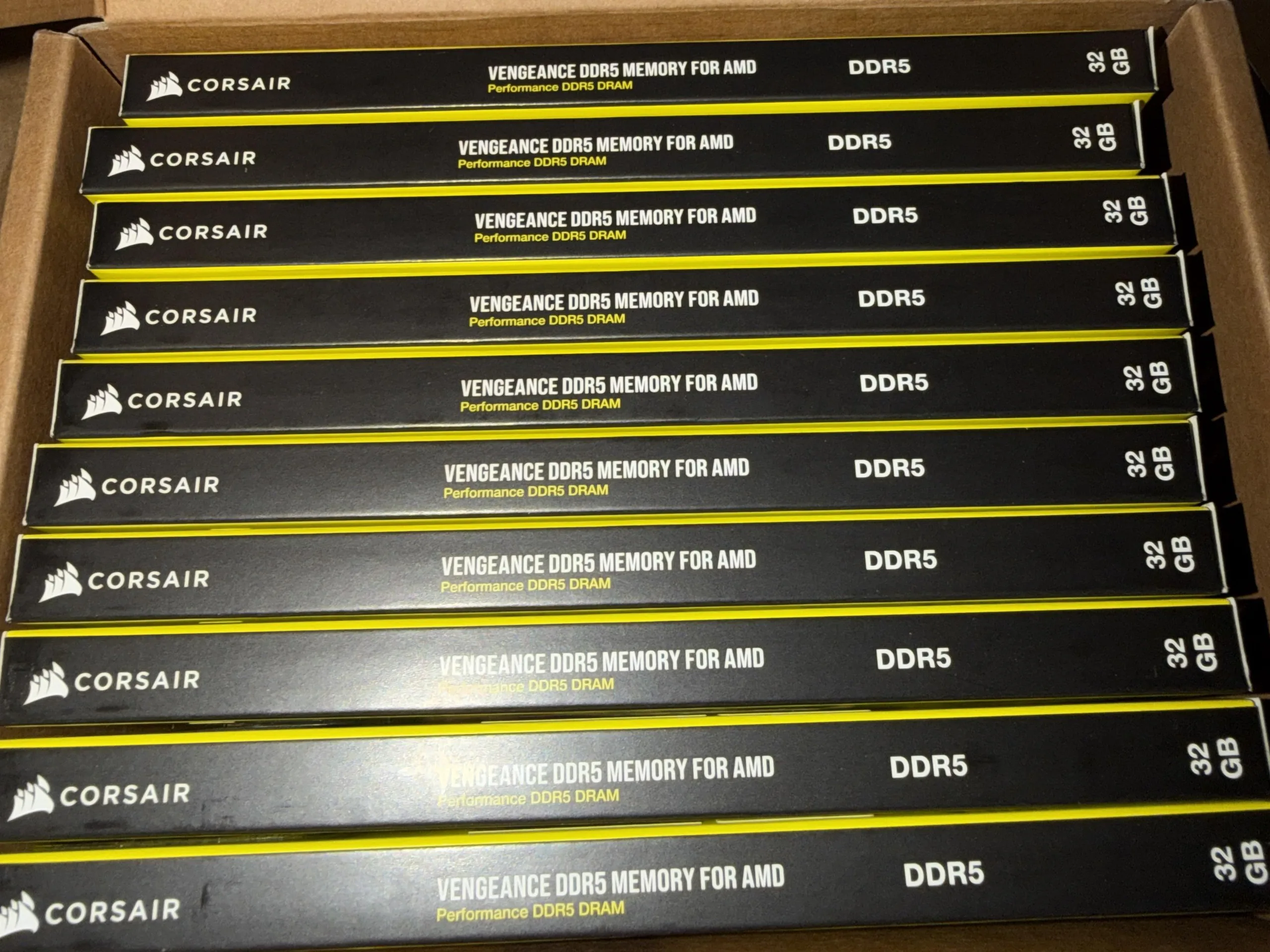
    This user paid just $300 for a single 32 GB Corsair Vengeance DDR5 kit and ended up with a box containing 10 kits altogether. The mix-up probably occurred at the warehouse, where a worker might have confused one kit for a whole box. So, in essence, they got $2,700 worth of memory for free—320 GB in total. At the moment, similar kits are priced around $400 on Amazon.

    Future Value and Generosity

    As RAM becomes harder to find in the next few months, it could increase in value, especially if AccomplishedFan8690 decides to hold onto it for a bit. However, they intend to contribute back to the community by selling it at a lower price. If the original poster is in the US, Amazon can’t legally demand the memory back. Despite the rising prices, they still stand to gain a significant profit from this blunder.

    The Reddit Community Buzz

    Reddit’s community continues to thrive with stories like this, showcasing both the risks and rewards of online shopping.

    Source:
    Link


  • AMD Ryzen 7 9850X3D: Gaming with Affordable RAM Options

    AMD Ryzen 7 9850X3D: Gaming with Affordable RAM Options

    Key Takeaways

    1. The AMD Ryzen 7 9850X3D is positioned as a higher-quality processor compared to the 9800X3D, addressing current RAM challenges.
    2. The Ryzen 7 9850X3D shows minimal performance drop (about 1%) when used with slower DDR5-4800 RAM compared to DDR5-6000, with a variance not exceeding 2% in over 30 tested games.
    3. Average retail prices for DDR5 memory have increased, with DDR5-4800 at approximately $420 and DDR5-6000 at around $500.
    4. The Ryzen 7 9850X3D is reported to offer a performance boost of 3% to 7% over the Ryzen 7 9800X3D, but these claims should be viewed with skepticism.
    5. Independent reviews of the Ryzen 7 9850X3D will be available after the review embargo lifts on January 28, 2026.


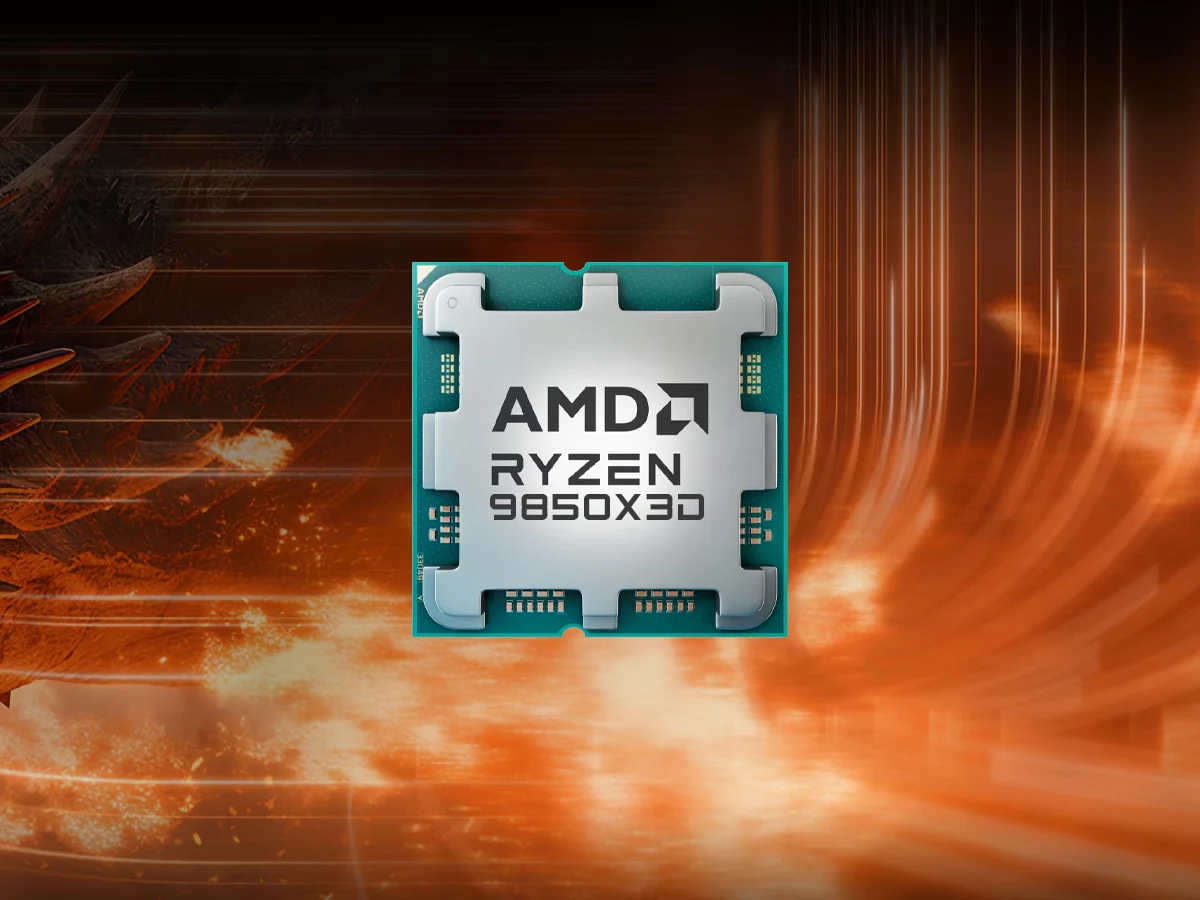
    The AMD Ryzen 7 9850X3D is expected to begin shipping shortly, and it is being marketed as a higher-quality option compared to the 98000X3D. Apart from the specifications, this new X3D processor is said to be more suitable for the current RAM challenges.

    Performance with DDR5 RAM

    According to VideoCardz, AMD has stated that the Ryzen 7 9850X3D shows no significant drop in performance when used with slower DDR5 RAM. In particular, the updated slide compares the performance of systems using DDR5-4800 against those with DDR5-6000 memory.

    AMD reports that the performance gap is roughly 1% across over 30 tested games, with titles like Far Cry 6 and Cyberpunk 2077 gaining more from the faster RAM. Nonetheless, the slide indicates that the performance variance does not exceed 2%, which is quite impressive.

    Pricing Details

    In the slide, AMD points out that the average retail price for DDR5-4800 memory stands at about $400, while the 2x16GB DDR5-6000 kits are priced at around $470. These figures are sourced from the PCPartPicker database as of January 09, 2026. Since that date, the average prices have increased to approximately $420 and $500, respectively.

    Regarding the CPU, AMD asserts that the Ryzen 7 9850X3D offers a performance boost ranging from 3% to 7% compared to the Ryzen 7 9800X3D. While this is a significant difference, it is important to view these numbers with skepticism as they come directly from the manufacturer. The review embargo for the CPU is scheduled to lift on January 28, 2026, just one day before the processor hits the market, allowing for independent tests to provide a clearer understanding of its capabilities.

    Source:
    Link


  • Asus Rep Discusses Memory Shortage Impact on Laptop Prices

    Asus Rep Discusses Memory Shortage Impact on Laptop Prices

    Key Takeaways

    1. Delayed Price Effects: The impact of rising memory prices on consumer electronics will take time to reach retail prices, possibly a few months.

    2. Current Price Stability: Companies like Asus have not raised prices yet due to securing supplies in advance, but this may change as inventory depletes.

    3. Future Price Increases: Rising memory costs are expected to gradually affect the prices of laptops and other devices, with potential improvements in shortages by 2027.

    4. Inconsistent Seller Responses: Not all manufacturers will react the same way to price changes, with some potentially keeping prices high even after increases become standard.

    5. Impact on Smaller Businesses: Smaller companies may struggle more during the memory shortage, leading to price hikes, while larger companies like Sony might have better protection against rising costs.


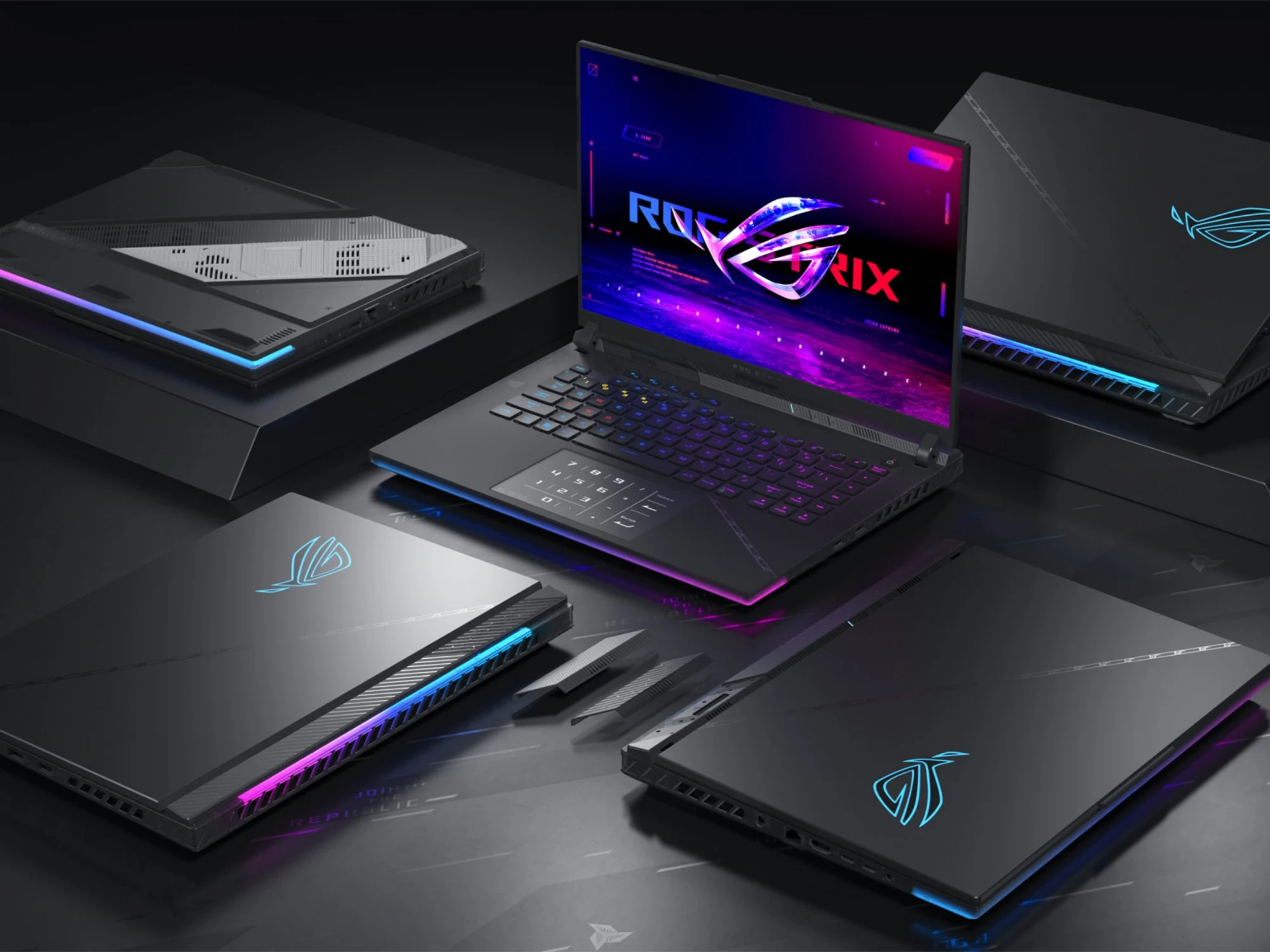
    Even with growing worries about the rising prices of memory, not all products relying on these components have been impacted yet. Some companies have made changes, but many laptops remain at similar prices as they were a few months ago. The Director of Technical Marketing at Asus discussed with Tom’s Guide when we might start to notice the full effects of this situation.

    Delayed Effects on Prices

    Sascha Krohn pointed out that customers will be taken aback by “how long it takes for that shockwave to travel through the supply chain until it actually affects the price of devices that you see in Best Buy, Walmart, or Amazon.” He mentioned it “takes a couple of months,” suggesting that shoppers who act quickly can still dodge higher prices for laptops, smartphones, and consoles.

    Why Prices Haven’t Increased Yet

    The main reason companies like Asus haven’t raised prices widely is their preparedness. Manufacturers often secure a reliable supply of parts well ahead of potential market changes. However, eventually, these reserves will run low, pushing companies to pass on the increased costs to consumers.

    Krohn thinks that the rising memory prices will gradually affect the costs of laptops and other devices. In another article by Tom’s Guide, he forecasts that the shortage may begin to improve by 2027. This prediction is a bit more hopeful than what RAM makers like Micron have indicated. The Asus representative believes that factories have not been running at full capacity. Boosting production will help more than just AI data centers.

    Varied Responses from Sellers

    Regardless of when DDR5 RAM becomes less expensive, not every seller will react similarly. Krohn foresees that once high laptop prices become standard, some manufacturers may be reluctant to lower them back to previous levels. This could mean tighter budgets for gamers and workers even after 2027.

    Smaller businesses may struggle more than Asus during the memory shortage. Framework has already increased notebook prices since they can’t absorb the losses as easily.

    Console gamers might also experience rising costs for gaming systems at different intervals. There’s speculation that Microsoft and Nintendo may not have long-term agreements with Micron, Samsung, or SK Hynix. On the other hand, Sony reportedly has a substantial DRAM reserve, potentially shielding the PS5 from price hikes.

    Source:
    Link


  • AMD Collaborates with Partners to Avoid GPU Price Increases

    AMD Collaborates with Partners to Avoid GPU Price Increases

    Key Takeaways

    1. The tech industry is experiencing a memory crisis, impacting DDR5 RAM, SSDs, GPUs, and potentially power supplies and CPU coolers.
    2. AMD is focused on maintaining GPU prices close to the manufacturer’s suggested retail price (MSRP) despite rising costs.
    3. AMD has built long-term relationships with DRAM suppliers to secure stable pricing and supply for memory components.
    4. Collaborations with add-in card partners aim to align market prices with AMD’s recommended MSRPs, but predicting market conditions remains difficult.
    5. Price hikes are anticipated in the future, leading to advice for consumers to purchase GPUs before the end of 2025.


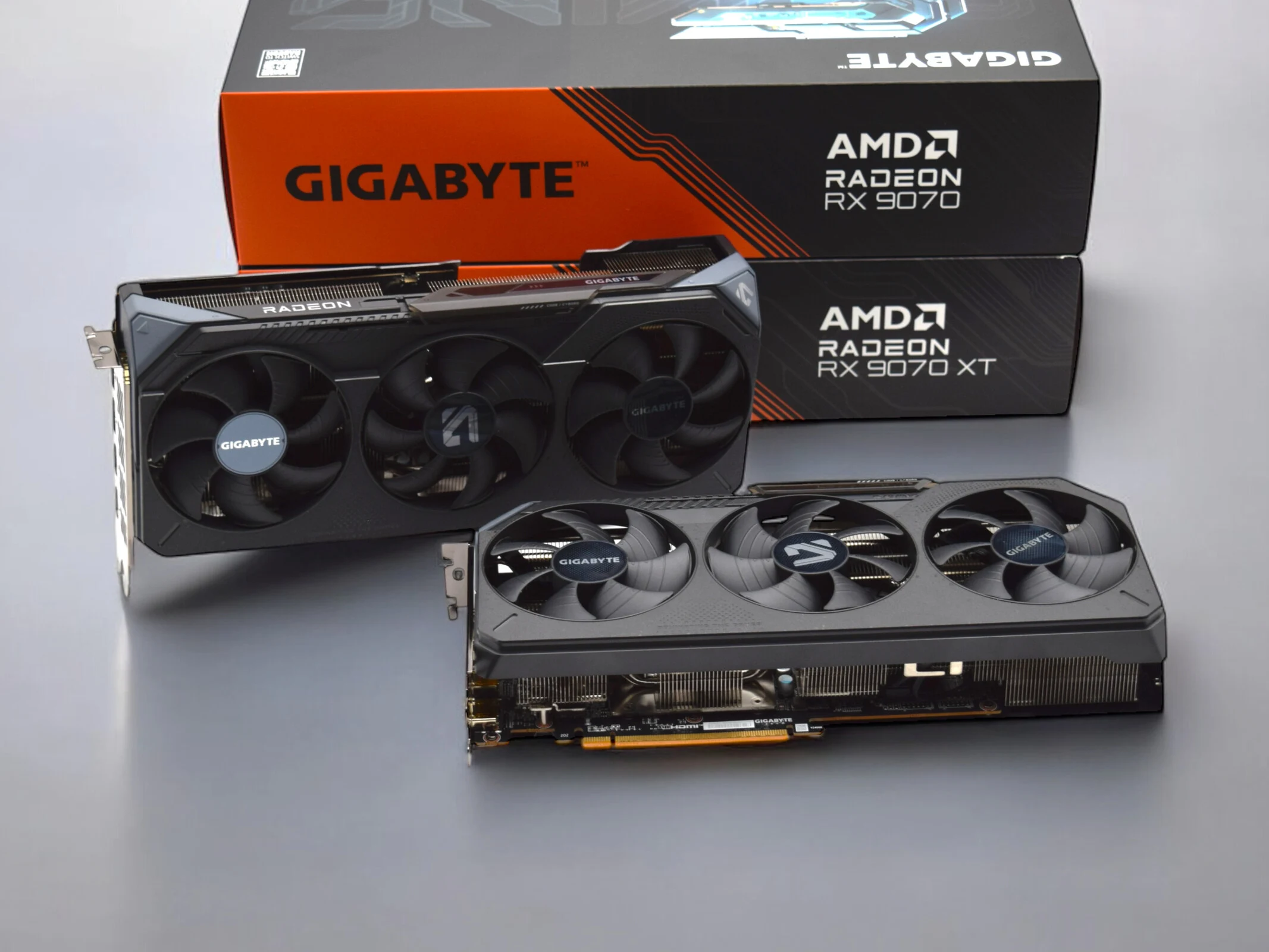
    The tech industry is currently facing a significant memory crisis. It began with a dramatic rise in DDR5 RAM prices, but the repercussions have extended beyond that. SSDs and GPUs are also feeling the squeeze, and there are indications that power supplies and CPU coolers may be the next to see price hikes. With a multitude of essential PC parts experiencing simultaneous cost increases, the future appears challenging for those building PCs. In the midst of this turmoil, AMD seems to be striving to maintain its graphics card prices as close to the manufacturer’s suggested retail price (MSRP) as possible.

    AMD’s Strategy

    In a conversation with Gizmodo, David McAfee, who leads AMD’s Ryzen division, shared that managing GPU pricing effectively in 2026 is a crucial objective for the company. He mentioned that AMD has established long-term relationships with key DRAM suppliers, which aids in securing adequate supply and more stable pricing for memory components. This is vital since memory costs significantly impact the final price of a graphics card.

    “We’ve built very strategic partnerships over many years with all the DRAM manufacturers to ensure that both the quantity of supply required and the cost structure we can get from them align with what we support in our graphics business,” he said.

    Challenges Ahead

    McAfee also pointed out that AMD is collaborating closely with its add-in card (AIC) partners to keep actual market prices in line with AMD’s recommended MSRPs. However, he acknowledged that predicting the market situation is difficult. Should memory prices continue to climb, it will become increasingly challenging for board partners to manufacture GPUs that meet the desired performance and price equilibrium. Essentially, without reasonably priced memory, even the best-laid plans for GPU pricing can quickly unravel.

    Nonetheless, it’s crucial to remember that a few months back, a spokesperson from PowerColor, one of AMD’s main board partners, advised users on Reddit to purchase GPUs before the end of 2025, hinting that price hikes are anticipated. Currently, AMD claims it is doing all it can to keep GPU prices within a reasonable range. Whether these efforts will suffice while memory and component prices keep rising remains to be seen.

    Gizmodo

    Source:
    Link


  • DDR3 Motherboard Sales Surge as DDR4 and DDR5 Prices Rise

    DDR3 Motherboard Sales Surge as DDR4 and DDR5 Prices Rise

    Key Takeaways

    1. Memory prices, especially for DDR5 RAM, have increased sharply, making upgrades difficult for PC builders.
    2. DDR4 RAM prices are also significantly higher than before, leading some builders to revert to older systems.
    3. Demand for DDR3 motherboards has surged, with sales reportedly three times higher than before the price hikes.
    4. DDR3 is currently the most budget-friendly option, as it remains widely accessible and cheaper compared to DDR4 and DDR5.
    5. The memory crisis is expected to persist until at least 2028, with further price increases anticipated this year.


    Over the last few months, the cost of memory has risen sharply. Prices for DDR5 RAM have surged, making it tough for PC builders to upgrade. Even DDR4, which used to be the cheaper choice, is now significantly pricier than it used to be. Because of this ongoing memory situation, some PC builders are reverting to older systems, and DDR3 is unexpectedly regaining popularity.

    Increase in Demand for DDR3

    A report from Board Channels states that motherboard manufacturers in China are experiencing a noticeable increase in demand for DDR3 motherboards. Actually, sales of DDR3 motherboards are supposedly three times higher than before the price hike in memory. In addition to standalone boards, bundled packages that include these motherboards with Intel CPUs from the 6th to 9th generation are also doing well.

    Current Market Challenges

    This situation shows just how severe the market has become. DDR5 RAM kits that could be bought for a few hundred dollars not long ago are now being sold for well over $1,000. For many users, upgrading to the newest platform has become impossible. While DDR4 prices are a bit lower than DDR5, they still remain unstable and significantly higher than earlier. In contrast, DDR3 is still widely accessible and much cheaper, making it the most budget-friendly option at present.

    SK Hynix has reportedly projected that the memory crisis will persist until at least 2028, and some other companies expect no improvements before 2031. With memory prices predicted to increase by another 45% this year, the outlook suggests that the situation may worsen significantly.

    Source:
    Link


  • ASRock Launches New Mini PCs with Modern Intel Processors

    ASRock Launches New Mini PCs with Modern Intel Processors

    Key Takeaways

    1. ASRock is developing two new models: the ASRock NUC Ultra 300 and the NUCS Ultra 300, with the latter being more compact.
    2. The NUC Ultra 300 features one Thunderbolt 4 port and two Ethernet ports, while the NUCS Ultra 300 has only one Ethernet port and supports HDMI 2.1 and DisplayPort 2.1.
    3. Both models can support up to 128 GB of DDR5 RAM and two M.2 SSDs, with one using PCIe 5.0 and the other PCIe 4.0 lanes.
    4. They will be powered by Intel Core Ultra Series 3 processors, with AI performance reaching up to 180 TOPS.
    5. Complete specifications, pricing, and availability details are yet to be announced.


    ASRock is working on two new models, the ASRock NUC Ultra 300 and the NUCS Ultra 300. The NUCS Ultra 300 is slightly more compact, measuring 117.5 x 110 x 38 millimeters, while the NUC Ultra 300 stands at 49 millimeters in height. Connectivity options are different between the two models. The NUC Ultra 300 includes one Thunderbolt 4 port, four USB 3.2 Gen 2 ports, and a pair of Ethernet ports, capable of a maximum data transfer rate of 2.5 Gbps. In contrast, the NUCS Ultra 300 offers four USB 3.2 Gen 2 ports but only has a single Ethernet port. It also supports HDMI 2.1 and DisplayPort 2.1.

    Memory and Storage Capabilities

    ASRock states that both models can support up to 128 GB of DDR5 RAM running at 7,200 MHz, along with the option for two M.2 SSDs. One SSD can connect through four PCIe 5.0 lanes, while the other utilizes four PCIe 4.0 lanes. However, any noticeable performance gap between the two is likely to be minimal in most real-world scenarios.

    Processor and Performance

    Complete specifications have not been released yet, but it is confirmed that these systems will come equipped with Intel Core Ultra Series 3 processors. ASRock claims that the AI performance can reach up to 180 TOPS. This number accounts not just for the performance of the NPU alone, but also the combined capabilities of the NPU, CPU, and graphics unit. Details on pricing and when they will be available are still awaited.

    Source:
    Link


  • Buyer Faces Price Hike on DDR5 RAM Due to AI Market Volatility

    Buyer Faces Price Hike on DDR5 RAM Due to AI Market Volatility

    Key Takeaways

    1. Sky-High Memory Prices: Gamers are facing increased costs for DDR5 RAM, affecting their ability to build gaming PCs.

    2. Unexpected Charges: Retailers may demand higher payments after orders are placed, citing price increases due to market volatility.

    3. Market Instability: Price changes and shipping delays are common, driven by shortages linked to AI demands, leading to unpredictable purchasing experiences.

    4. Consumer Rights Concerns: Many consumers feel misled, as retailers argue that contracts are not binding until payment is made and items are shipped.

    5. Questionable Retailer Practices: Some retailers, including PC-Canada, have faced accusations of bait-and-switch tactics, raising concerns about consumer protection and trust.


    Buyers trying to put together a gaming PC are facing sky-high memory prices. Some gamers have discovered that even after they saved up enough money, their orders could still fall through. One Reddit user shared their experience of purchasing DDR5 RAM from PC-Canada, only to be hit with demands for more money.

    Unexpected Charges

    According to VideoCardz, a user named Super-Youth ordered 32GB of Kingston Fury DDR5-6400 memory on December 31. The item was listed as in stock on the website, and everything seemed fine until the store reached out to the buyer. At first, they only wanted to know if Super-Youth would like to add a power supply before shipment.

    However, things took an unexpected turn when the retailer presented Super-Youth with an ultimatum. Since the order was placed, the prices for DDR5 RAM had increased, including the Kingston Fury modules. The email asked for a higher total payment, stating that canceling the order was the other option.

    Market Instability

    PC-Canada gave a clear reason for the price change, citing “market volatility and shortages caused by AI.” Because of this, manufacturers are altering prices and shipping times. This unpredictability means that sellers cannot promise stable memory prices or availability. In this instance, Super-Youth ended up paying $507.99, instead of the original $446.99.

    The buyer and others discussing the situation on Reddit are understandably upset. Usually, orders are seen as binding agreements that provide assurance to consumers. However, some retailers argue that a contract is not formed until payment is completed and items are ready to ship.

    Consumer Rights

    PC-Canada’s website also states that it can change prices before items are shipped. Regardless, Reddit users have encouraged Super-Youth to reach out to a consumer protection agency in Canada. There is currently some uncertainty about whether regulations are stricter in Ontario, where the gamer resides.

    This particular retailer has a questionable reputation, with accusations of bait-and-switch practices. Even well-known brands like Corsair have come under fire during this memory crisis. They recently canceled memory orders, claiming it was due to a pricing error. They did offer customers a discount code, but not until after raising DDR5 RAM prices, which eliminated most of the savings.

    Source:
    Link


  • Corsair Increases DDR5 RAM Prices After 40% Discount Coupons

    Corsair Increases DDR5 RAM Prices After 40% Discount Coupons

    Key Takeaways

    1. Corsair faced backlash for canceling DDR5 RAM orders due to a “pricing mistake” after initial confirmations to customers.
    2. The company initially offered a 15% discount code, which did not satisfy the PC community, leading to a later offer of 40% discount codes.
    3. Shortly after releasing the 40% discount codes, Corsair raised the prices of its DDR5 RAM products, undermining the value of the discounts.
    4. Prices for high-end DDR5 RAM kits increased significantly, with examples showing jumps of over $200 within days.
    5. Corsair’s pricing practices have drawn criticism, especially after a reported incident of a canceled prebuilt gaming PC order followed by a price increase on the same system.


    Corsair is under fire again from the PC community, this time for sudden price hikes on DDR5 RAM that came just after the company provided 40% discount codes as a gesture of goodwill.

    Price Adjustment Controversy

    The trouble started when Corsair decided to cancel multiple DDR5 RAM orders, claiming there was a “pricing mistake” within its system. Numerous customers had their orders accepted and confirmed, only to have them unexpectedly canceled days later. This situation sparked a strong reaction from PC builders, who believed the company should have honored the prices that were initially listed.

    To address the situation, Corsair initially offered 15% discount codes for future purchases, but that didn’t really appease the community. As dissatisfaction kept rising, the company later introduced 40% discount codes, marketing them as a goodwill gesture to those affected.

    Unexpected Price Increases

    However, just two days after the release of those 40% coupons, Corsair seems to have quietly raised the prices of DDR5 RAM across its online store. These price increases significantly diminish the actual value of the discounts offered.

    For example, take the Corsair Vengeance 64GB DDR5 RAM kit. This kit was listed at $841.99 just two days ago, according to a web.archive snapshot of the listing. Although that price was already quite high, it mirrored the current state of the memory market, which has seen price surges due to the AI boom and rising demand for DRAM. Shortly after the 40% discount codes were released, the price for the same kit surged to $1,071, marking an increase of around $230.

    Broader Implications

    The situation does not end there. The Corsair Dominator Titanium RGB 48GB DDR5 kit used to be priced at $647.99. Now, that price has jumped to $819.99, further indicating that Corsair has raised prices on several high-end memory kits.

    These price hikes haven’t been made public. Instead, the new prices just popped up on Corsair’s store, making many believe the increases were implemented quietly. As a result, customers utilizing the 40% discount codes might find themselves paying nearly what the kits originally cost, greatly reducing the actual benefit of the offer.

    Corsair has already been facing a lot of backlash in recent weeks. Before the RAM pricing issue, a user reported buying a Corsair prebuilt gaming PC on December 31. The order was confirmed but was then unexpectedly canceled. Shortly after, the same system was relisted for $800 more.

    Corsair, web.archive.org

    Source:
    Link