
Key Takeaways
1. The tech industry is experiencing a memory crisis, impacting DDR5 RAM, SSDs, GPUs, and potentially power supplies and CPU coolers.
2. AMD is focused on maintaining GPU prices close to the manufacturer’s suggested retail price (MSRP) despite rising costs.
3. AMD has built long-term relationships with DRAM suppliers to secure stable pricing and supply for memory components.
4. Collaborations with add-in card partners aim to align market prices with AMD’s recommended MSRPs, but predicting market conditions remains difficult.
5. Price hikes are anticipated in the future, leading to advice for consumers to purchase GPUs before the end of 2025.
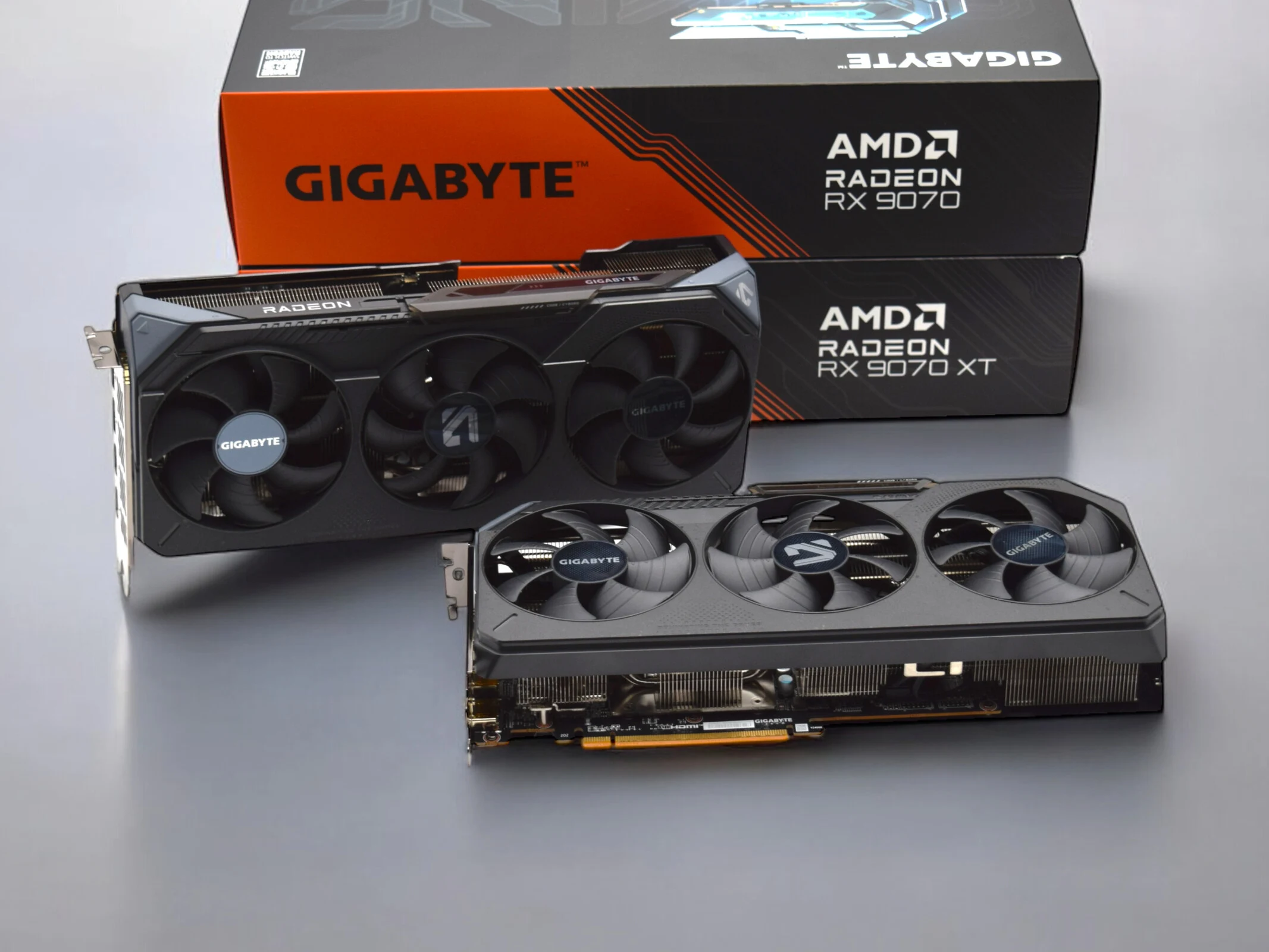
The tech industry is currently facing a significant memory crisis. It began with a dramatic rise in DDR5 RAM prices, but the repercussions have extended beyond that. SSDs and GPUs are also feeling the squeeze, and there are indications that power supplies and CPU coolers may be the next to see price hikes. With a multitude of essential PC parts experiencing simultaneous cost increases, the future appears challenging for those building PCs. In the midst of this turmoil, AMD seems to be striving to maintain its graphics card prices as close to the manufacturer’s suggested retail price (MSRP) as possible.
AMD’s Strategy
In a conversation with Gizmodo, David McAfee, who leads AMD’s Ryzen division, shared that managing GPU pricing effectively in 2026 is a crucial objective for the company. He mentioned that AMD has established long-term relationships with key DRAM suppliers, which aids in securing adequate supply and more stable pricing for memory components. This is vital since memory costs significantly impact the final price of a graphics card.
“We’ve built very strategic partnerships over many years with all the DRAM manufacturers to ensure that both the quantity of supply required and the cost structure we can get from them align with what we support in our graphics business,” he said.
Challenges Ahead
McAfee also pointed out that AMD is collaborating closely with its add-in card (AIC) partners to keep actual market prices in line with AMD’s recommended MSRPs. However, he acknowledged that predicting the market situation is difficult. Should memory prices continue to climb, it will become increasingly challenging for board partners to manufacture GPUs that meet the desired performance and price equilibrium. Essentially, without reasonably priced memory, even the best-laid plans for GPU pricing can quickly unravel.
Nonetheless, it’s crucial to remember that a few months back, a spokesperson from PowerColor, one of AMD’s main board partners, advised users on Reddit to purchase GPUs before the end of 2025, hinting that price hikes are anticipated. Currently, AMD claims it is doing all it can to keep GPU prices within a reasonable range. Whether these efforts will suffice while memory and component prices keep rising remains to be seen.
Gizmodo
Source:
Link
Leave a Reply