
Key Takeaways
1. StarBurst is a NASA mission aiming to find short gamma-ray bursts from neutron star mergers, which create heavy metals like gold and platinum.
2. The mission will detect gamma-rays simultaneously with gravitational waves from neutron star mergers.
3. StarBurst has successfully completed thermal and vibration tests to prepare for space conditions.
4. The next step is instrument calibration, with a planned launch in 2027 to align with observations from the Laser-Interferometer Gravitational Wave Observatory.
5. StarBurst could help discover up to 10 neutron star merger events each year, significantly increasing observations of these cosmic phenomena.
StarBurst is a mission led by NASA that aims to find the first signs of short gamma-ray bursts created by neutron star mergers. These bursts are some of the most intense explosions in the cosmos. The heavy metals we see in the universe, like gold and platinum, are primarily produced from these neutron star collisions.
Groundbreaking Detection
On Earth, observatories can already pick up the gravitational waves resulting from neutron star mergers. The StarBurst mission is designed to detect gamma-rays at the same time as these gravitational waves.
Testing Success
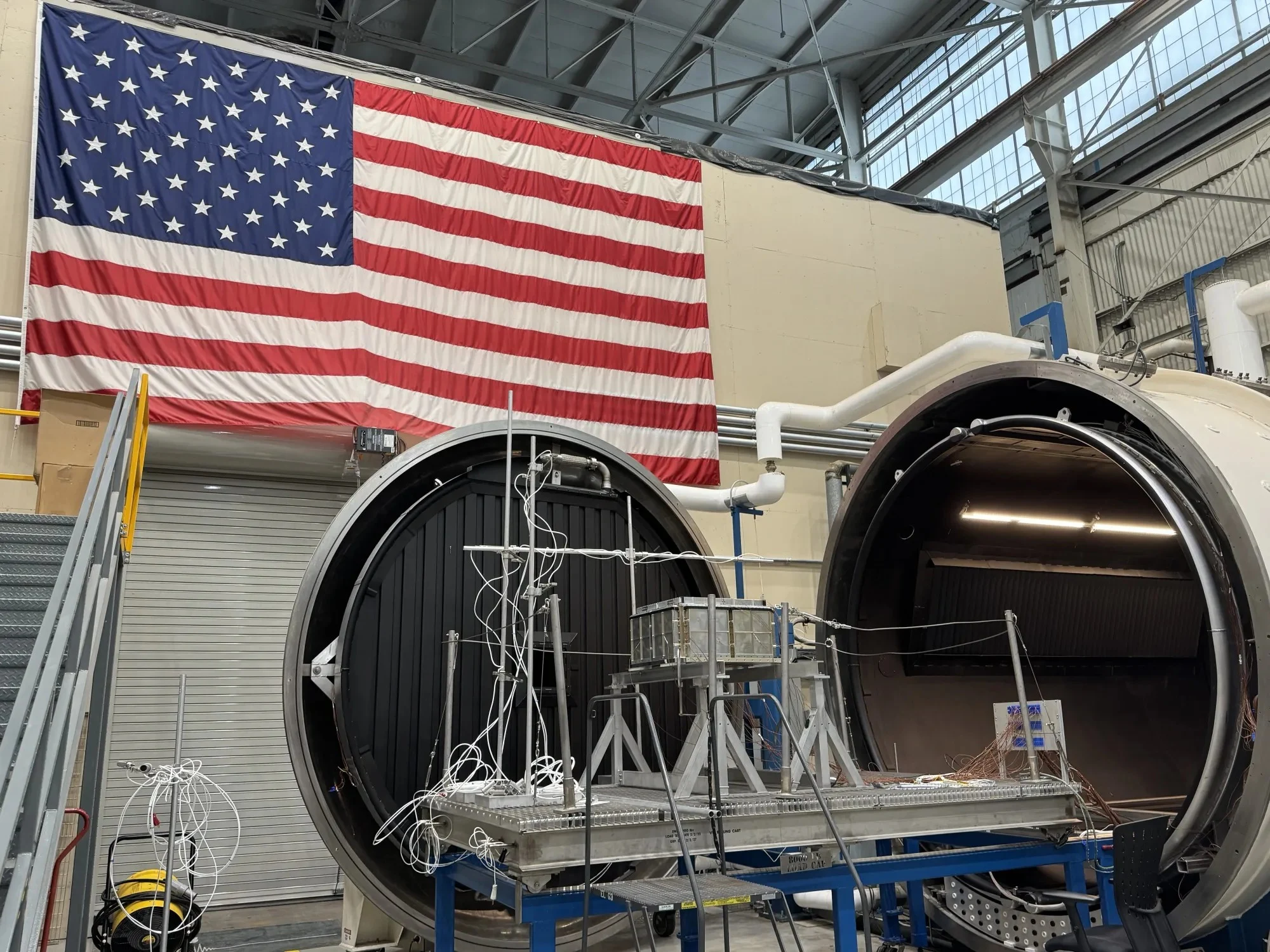
StarBurst has successfully completed its thermal and vibration tests at NASA Marshall. The thermal test was conducted in a vacuum chamber to replicate the extreme temperatures the device will face in space. Vibration testing was done to mimic the shaking and turbulence StarBurst will experience during its launch.
Moving Forward
The next step for StarBurst is instrument calibration, moving it closer to being ready for launch. NASA plans to launch StarBurst as soon as 2027, coinciding with the next series of observations from the Laser-Interferometer Gravitational Wave Observatory. This timing is meant to increase the likelihood of catching gamma-ray bursts at the same time as gravitational waves.
Anticipating Discoveries
So far, astronomers have only seen one neutron star merger where both a gamma-ray burst and gravitational waves were detected together. With the help of StarBurst, scientists believe they could discover up to 10 such events each year.
Source:
Link
Leave a Reply