Tag: Price Increase

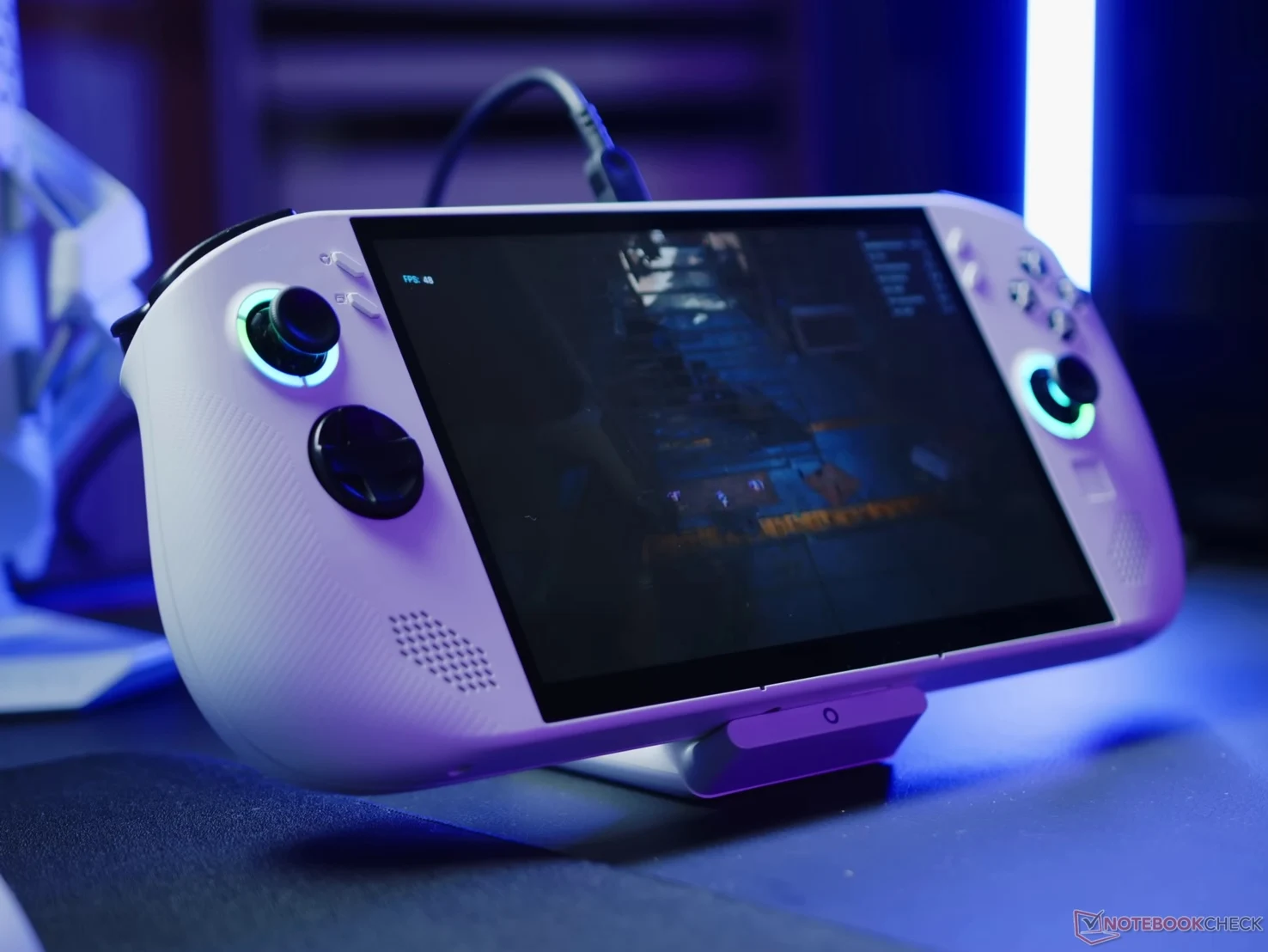
  • AYN Raises Prices on Thor and Odin 3 Handhelds

    AYN Raises Prices on Thor and Odin 3 Handhelds

    Key Takeaway

    – AYN is opening pre-orders for the 7th batch of Thor and 8th batch of Odin 3.
    – A price increase for both handhelds is planned later this month.
    – This is the third price hike in 2026, following increases in March and April.
    – New units will use cheaper UFS 3.1 storage instead of UFS 4.0, meaning higher prices for lower specs.
    – Current pre-orders are set to ship in August at existing prices.


    AYN Opens Pre-Orders for Seventh and Eight Batches

    AYN has announced that they are now accepting the seventh and eight batch of pre-orders for there Thor and Odin 3 handhelds. This news follows a trend of price changes that have become frequent this year. The company says the current inventory will ship in August and these devices will come with UFS 3.1 storage instead of the faster UFS 4.0.

    Planned Price Upgrade This Month

    However, the announcement also comes with a planned price upgrade for the two Android gaming handhelds later this month. AYN says the new prices will take effect once current inventory is sold. It is not yet known by how much the prices of the Thor and Odin 3 would increase, but this is similar to previous increases from March 2026.

    Back in April, it announced a price increase for the AYN Thor Max, which has 16GB of RAM and 1TB of storage. It also released a new variant with 16GB of RAM and 512GB of storage. That announcement also came with the news that it was ditching UFS 4.0 for the cheaper UFS 3.1 storage. So not only would buyers be paying more, they would also be getting less.

    Previous Price Changes and Storage Details

    Before that, it had already increased the price of the Thor and Odin 3 handhelds in March 2026, adding between $10 to $40 across the board. This planned upward review of the prices of the two handhelds isn’t the first this year since the exponential jump in the price of RAM and storage. However, AYN’s price changes can be considered to be more frequent compared to rivals.

    Current Pricing Before Increase

    Below are the current prices for the Thor and Odin 3 ahead of the price increase:

    • AYN Thor: Current prices not specified in update
    • AYN Odin 3: Current prices not specified in update

    AYN on Discord provided the information about the batches and shipping timeline. It has also revealed that the current pre-orders will ship in August and the handhelds will come with UFS 3.1 storage. This is a downgrade from the previous UFS 4.0 standard, meaning buyers get less for thier money.

    Sources
  • Lenovo Yoga Pro 7i 15 Costs Over $2600: New Normal?

    Key Takeaway

    – The Lenovo Yoga Pro 7i 15 Aura Edition is experiencing price increases due to the ongoing memory and SSD crisis.
    – The review configuration (Core Ultra 9 386H, RTX 5060, 32GB RAM) is discounted to $2,619 but remains very expensive.
    – The Yoga Pro 7i has no direct competitor with its unique 15.3-inch display, but is comparable in features to the larger Yoga Pro 9i.
    – A better value alternative exists, such as the Lenovo Legion 5i, which offers a faster CPU and GPU (RTX 5070) for under $1,600.
    – Despite its premium features (OLED 165Hz panel, great sound, keyboard), the high price makes it hard to recommend.


    Pricing and Configuration Changes

    After prices for memory and SSDs are rising since last year, new laptop models for 2026 are now getting more expensive as well. Lenovo’s new multimedia laptop Yoga Pro 7i 15 Aura Edition is also affected by this, even though our review SKU with the GeForce RTX 5060 and 32 GB RAM is currently already discontinued at Lenovo’s US shop and at $2619, it is actually a bit cheaper than the slower RTX 5050 model. This is still a steep price, so is it really just a result of the memory crisis or is the Yoga simply too expensive?

    Unique Positioning in the Lineup

    Looking at Lenovo’s lineup, the Yoga Pro 7i is not the flagship series, which would be the Yoga Pro 9 (available with 14-inch or 16-inch screens). The Yoga Pro 7i with its 15.3-inch display is rather unique and there is no direct competitor either, because other manufacturers only offer 14- or 16-inch models in this performance class right now. In terms of features and options, however, there is not much difference between the Yoga Pro 7i 15 and the Yoga Pro 9i 16, for example, because they are pretty much comparable in every respect (including features like Advanced Optimus, the excellent sound system or the excellent keyboard). This is also the case for the great OLED panel with 165 Hz, which does not have any issues with a grainy image on brighter contents despite the touchscreen.

    Value Proposition and Alternatives

    As mentioned before, Lenovo US currently offers a discount on our review configuration with the Core Ultra 9 386H (Panther Lake), Nvidia’s GeForce RTX 5060 as well as 32 GB RAM. This is still a lot of money for this amount of performance and we are still having a hard time recommending it when you can still bet devices like the Lenovo Legion 5i with a faster HX-CPU from Intel, a similar 165 Hz OLED panel and the even faster GeForce RTX 5070 for less than $1600 right now on Amazon, for example. For more information about the new Yoga Pro 7i 15 Aura Edition, please see our comprehensive review.

    Sources
    • ASUS ROG Ally X: Why Gamers Hesitate Despite Upgrades

      Key Takeaway

      – ASUS ROG Xbox Ally X20 upgrades (OLED display, Ryzen Z2 Extreme, improved controls) are well-received.
      – Most users praise the changes but show low purchase intent due to expected high pricing.
      – X20 likely priced over $1,000, possibly up to $1,500, especially as a bundle with AR glasses.


      Debate Over Steam Deck and ASUS Updates

      Alongside the debate over the recent Steam Deck OLED price increases, there has also being notable news in the gaming handheld market concerning another device: the ASUS ROG Xbox Ally X, which is getting a refreshed version for the 20th anniversary of ROG. We have already reported separately on the technical upgrades of the ASUS ROG Xbox Ally X20. A recent Reddit thread now shows how the community is reacting to those changes.

      Technical Upgrades and Community Feedback

      With the Ryzen Z2 Extreme under the hood, the ASUS handheld is already one of the most powerful devices of its kind. The new 7.4-inch OLED display is brighter and more vibrant than the previous 7-inch IPS panel, allowing the ROG Xbox Ally to catch up in exactly the area where it lagged furthest behind the Steam Deck OLED. Many users would have preferred an 8-inch display, but if ASUS can reuse the existing chassis with a 7.4-inch panel and keep the price of the upgraded version lower, that compromise may be acceptable.

      Improved Features and Pricing Expectations

      The improved D-pad and sticks are also being welcomed by many users, as is the new look created by the transparent casing. Overall, the X20’s upgrades appear to have been received well. However, very few users express a clear intention to buy it, mainly because the price is expected to be extremely high. ASUS has equipped the X20 with a 1 TB SSD and 24 GB of RAM. However, the standard ROG Xbox Ally X already offers the same memory and storage configuration and carries an MSRP of $999.

      Pricing and Bundle Details

      Even so, the OLED display is not the only feature that could justify a noticeably higher price. The X20 is apparently being offered only as a bundle with the ROG Xreal R1 Edition 20 AR glasses. Given the recent price increases for the Steam Deck, hardly anyone expects the handheld to stay below the $1,000 mark. On the contrary: some users even expect a price of up to $1,500.

      • Ryzen Z2 Extreme processor for powerful performance
      • 7.4-inch OLED display with improved brightness and vibrance
      • 1 TB SSD and 24 GB RAM storage and memory configuration
      • Standard ROG Xbox Ally X already has MSRP of $999
      • X20 offered only as a bundle with ROG Xreal R1 Edition 20 AR glasses
      • Community expects price up to $1,500 due to recent Steam Deck increases
      Sources
    • Steam Deck Price Soars 51% in Asia Amid Shortage

      Steam Deck Price Soars 51% in Asia Amid Shortage

      Key Takeaway

      – Steam Deck OLED prices surged 38–51% in Japan, South Korea, and Taiwan.
      – South Korea faced the steepest hike, with the 1TB model up 51%.
      – Komodo cited logistics fees and exchange rates; component shortages are the real cause.
      – Negative response claims the hardware no longer justifies the cost.
      – Rivals like ASUS ROG Ally models may offer better value now.


      Severe Steam Deck Pricing Shifts Across Asia

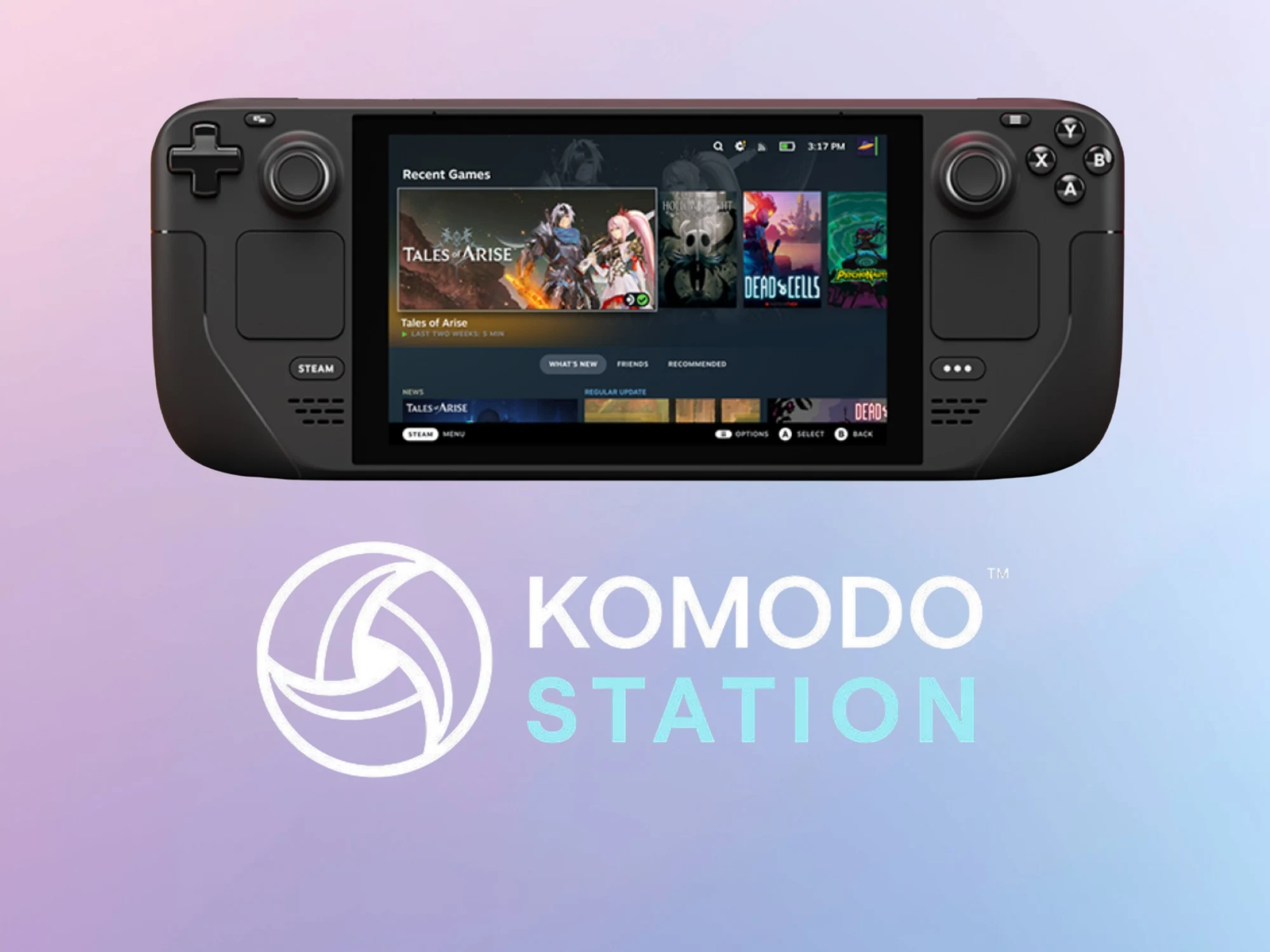
      A big Steam Deck price increase is also effecting multiple Asian nations. Komodo Station, a Valve retailer which serves countries like Japan, South Korea, and Taiwan, has made this unwelcome announcement. In some cases, the new prices have rised by an even higher percentage than in North America, causing concern among gamers.

      Regional Cost Breakdown and Percentages

      Reported on by VideoCardz, Komodo outlined the changes to the gaming handheld on there website. In Japan, the Steam Deck OLED 512GB is now JPY 137,980, while the 1TB model is JPY 167,980. That is a jump of around 38% to 46%, respectively. Taiwan buyers must now pay TWD 26,280 or TWD 31,800, which is an increase of roughly 38% to 41%.

      • Japanese 512GB: JPY 137,980 (38% increase)
      • Japanese 1TB: JPY 167,980 (46% increase)
      • Taiwanese 512GB: TWD 26,280 (38% increase)
      • Taiwanese 1TB: TWD 31,800 (41% increase)

      South Korea and America See Major Hikes

      Korean gamers are among the most impacted group, with new MSRPs of KRW 1,298,000 and KRW 1,578,000. The version with the highest storage capacity saw a massive 51% hike. Meanwhile, in the U.S., the 512GB option went from $549 to $789, with the 1TB alternative now costing $949 instead of $649. Compared to South Korea, that is a slightly smaller increase of 44% and 46%.

      Earlier Increases and Component Shortages

      Asian buyers already saw a less significant Steam Deck price increase back in March. At the time, Komodo blamed higher logistics fees and fluctuating exchange rates. In reality, storage and memory shortages are likely the main reason behind the gaming handheld becoming less affordable. Valve’s inability to secure the components at a reasonable expense has led to these latest adjustments.

      Despite the elevated costs, the hardware remains scarce in many different markets. Komodo recommends that if the OLED SKUs are out of stock, you should register on the website or monitor social media for updates. Similarly, since the May 27th announcement, they have sold out multiple times in North America.

      Negative Response and Competitor Value

      The response to the Steam Deck OLED price revisions has been negative, with critics claiming the system’s specs no longer justify an investment. Rivals like the Asus ROG Xbox Ally and ROG Xbox Ally X may offer a superior value. Still, after Lenovo and MSI upped the price of some handhelds, it may only be a matter of time before all devices suffer the same fate.


      Sources

    • Steam Deck: Will Valve’s Handheld Slowly Fade Away

      Key Takeaway

      – Steam Deck’s original appeal was strong value for money, now undermined by price increases.
      – Community opinions split: current owners still see a capable device; potential buyers face worse conditions.
      – OLED version now costs $789 instead of $549, with no cheaper new model available.
      – Loss of value perception could threaten long-term sales and justify future hardware development.
      – Steam Deck is not “dead,” but must re-prove itself after the price hike.


      Why the Steam Deck Debate is Heating Up

      Following the significant Steam Deck OLED price increase, the future of Valve’s handheld PC is being hotly debated in the gaming community. On Reddit, one user asked why so many gamers were suddenly acting as if the Steam Deck were “dead.” The question clearly struck a nerve. At the time of research, nearly 800 comments had been posted in less than 20 hours – with opinions sharply divided.

      A Shift in Perceived Value

      As the creator of the Reddit thread explains, the Steam Deck was long attractive above all because of its strong value for money. Buyers got an easy-to-use handheld with Steam integration, modding options and good repairability at a reasonable price. However, the Steam Deck has long since ceased to be the most powerful device in its class – and with the recent price increases, the mood in the community has noticeably shifted. According to the thread creator, comments under videos and posts increasingly describe the Steam Deck as outdated or even “dead.”

      Two Distinct Camps on Reddit

      Reddit is largely split into two camps. One consists of existing Steam Deck owners. For those who already own Valve’s handheld, it remains a capable device with a large game catalog and an active community – even if significantly more powerful handhelds such as the Asus ROG Ally X or Lenovo Legion Go are now available.

      New Buyers Face Higher Costs

      The other camp consists of potential buyers. Anyone looking to buy a new handheld today has to evaluate the Steam Deck under very different conditions – at least the OLED version, which has cost $789 instead of $549 since the price increase. Since the standard Steam Deck is no longer regularly sold as a new device, Valve currently has no cheaper model on offer.

      The Core Question of Survival

      Reddit users largely agree on one point: due to the price increase, the Steam Deck is losing much of its original appeal – namely its strong value for money. Against this backdrop, the question is whether Valve can continue to sell enough units in the long term to justify new models or further hardware projects. The Steam Deck is therefore not “dead” right now, but after the price increase, it has to prove itself all over again.


      Sources
    • Steam Deck OLED Price Leak: Valve Incompetent, Steam Machine Costs Rise

      Steam Deck OLED Price Leak: Valve Incompetent, Steam Machine Costs Rise

      Key Takeaway

      – Steam Deck OLED price hike: 512 GB and 1 TB models up by $240 and $300, prompting concerns over value versus competing devices.
      – Industry context vs. claims: Valve cites rising memory/storage costs and logistics; MLID argues other companies manage costs and questions Valve’s reasoning and potential greed or incompetence.
      – Market implications for Steam Machine: rising prices and delayed restock fuel skepticism about Steam Machine’s viability and potential target pricing (ideally under $700).


      Valve has increased the price of the Steam Deck OLED by a massive margin. The 512 GB and 1 TB models of the Steam Deck OLED are now $240 and $300 more expensive at $789 and $949, respectively. Moore’s Law Is Dead, who has a habit of blasting companies for moves such as this, thinks that the Steam Deck price increase could be a side effect of Valve’s incompetence and is a bad sign for the Steam Machine.

      Pricing thoughts and comparisons

      MLID states in his latest video that, at $949 for the 1 TB model, Valve shouldn’t even have bothered restocking the Steam Deck OLED. Per the leaker, the Steam Deck OLED just doesn’t make any sense when we consider that the more powerful Asus ROG Xbox Ally X retails in the same price range.

      Market context and competing devices

      For instance, Best Buy is selling the ROG Xbox Ally X with 24 GB of RAM and 1 TB of storage for $999.99. The less powerful ROG Xbox Ally with 16 GB of RAM and 512 GB of storage is available on Amazon for $599.

      Valve’s justification and counterpoints

      Valve claims that the increased prices of the Steam Deck OLED are entirely due to “rising memory and storage costs” and “global logistical challenges across the industry as a whole”. MLID appears to dismiss these reasons, as other companies have found ways to manage the current RAM and storage crises. The leaker gives the example of the Asus ROG Xbox Ally X, which is a lower volume product than the Steam Deck OLED. While Asus also has to contend with inflated component prices, the ROG Xbox Ally X, which has 50% more RAM than the Steam Deck OLED, has somehow managed to stave off a huge price increase.

      Implications and opinions

      So, MLID asserts that the Steam Deck OLED price increase is more than a simple reflection of the RAM and storage crises, and Valve might either “be greedy or incompetent”.

      The new Steam Deck OLED price could also be a herald of doom for the Steam Machine. Valve has struggled to get the Steam Machine to the market after having first shown the console back in November 2025. Six months later, and we have no idea of when the console might actually release or for how much.

      So, MLID exclaims that if the price of the Steam Deck OLED is any indication, Valve should just cancel the Steam Machine. The leaker thinks that the Steam Machine should ideally be less than $700. Seeing the state of gaming console prices, where even Sony has been forced to make PS5 consoles more expensive, chances are very little that the Steam Machine will launch at or below $700.

      Conclusion and what to watch

      In the end, it is quite clear that Valve has dropped the ball with the Steam Deck OLED restock and the accompanying new price. We’ll have to wait and see how things pan out and if Valve will be forced to revisit this move.

      Moore’s Law Is Dead on YouTube

      Sources
    • Xbox Game Pass Price Hike Drops Subscribers, Now Rebounding

      Xbox Game Pass Price Hike Drops Subscribers, Now Rebounding

      Key Takeaway

      – Price increases correlated with subscriber decline; recent price cuts helped reverse that trend with acquisitions and improved retention.
      – Price reduction led to a perceived improvement in growth and retention, signaling price sensitivity in Game Pass subscribers.
      – Despite some recovery, questions remain about whether cheaper rates will meet revenue goals, with concerns about cannibalization of game sales and the Call of Duty exception.


      Microsoft has not provided specifics on the impact of the Xbox Game Pass price increases. Still, a newly leaked private memo confirms that the higher rates led to a decline in subscribers. Tom Warren of The Verge (paywalled) reported that the internal communication also revealed that recent price cuts reversed that trend.

      Pricing shifts and leadership notes

      The message included guidance from Xbox CEO Asha Sharma, who earlier admitted that the subscription service had “become too expensive for players.” According to the executive, “Growth slowed down, and subscriber loss accelerated after the pricing and SKU changes last year.” However, she then explains, “Since our price reduction, we have seen acquisitions grow, and retention improve, which is a good first step.”

      Past trends and 2024 updates

      “Subscriber loss accelerated” hints at declines even before gamers faced higher costs. Sharma references last year, but Microsoft announced a prior Xbox Game Pass price increase in 2024. The Ultimate tier went from $16.99 per pet to $19.99 per month, while other plans also became costlier.

      Previous adjustments drew criticism, but the October 2025 announcement was likely more damaging. Ultimate subscribers were asked to pay $29.99, with other tiers losing access to day-one releases. Shortly after Sharma took over as CEO in February, she authorized a drop to $22.99. PC users also benefited, but players lost access to future Call of Duty games.

      Experiments and potential bundles

      Xbox has explored other ways to boost the subscription service. Discord now offers a Starter Edition packaged with Nitro plans, which includes a limited selection of titles and cloud gaming. In addition, rumors have emerged about Netflix bundles and a standalone free cloud streaming option.

      Despite the positive signs, it’s unclear whether the now-cheaper rates can meet revenue goals. Even if subscriber counts improve, Microsoft may not see a sufficient return on its investment. The Call of Duty exception should help, but concerns that Game Pass games are cannibalizing sales persist.

      Sources
    • Lenovo Legion Go S Handheld Price Hike Exceeds $1500

      Lenovo Legion Go S Handheld Price Hike Exceeds $1500

      Key Takeaway

      1. Prices for Lenovo Legion Go S variants with AMD Ryzen Z1 Extreme and Z2 Go APUs have surged significantly, with increases of up to $680.
      2. The AMD Ryzen Z1 Extreme offers over twice the multi-core performance of the Ryzen Z2 Go but only about a 10% gaming performance improvement.
      3. The higher-end variant also includes double the RAM and storage compared to the lower-end models.

      Recent Price Surges in Gaming Handheld Devices

      The ongoing shortages seem to be driving prices for popular gaming handhelds higher and higher. Only a week ago, Lenovo made headlines for hiking up the cost of its AMD Ryzen Z2 Go powered Legion Go S by an astonishing $450. Now, the same story appears to be unfolding with the Z1 Extreme model, which is now facing a similar jump in retail price. Customers who had been eyeing this device are now faced with a much steeper entry point.

      Price Increase of Legion Go S Variants

      Previously, the Legion Go S with the AMD Ryzen Z1 Extreme APU, boasting 32 GB of LPDDR5X RAM and a 1 TB SSD, was valued at just under $900 on Best Buy. But the latest revision with SteamOS now reaches a hefty $1,580, representing an approx. $680 surge. This drastic hike marks a significant strain for budget-conscious gamers looking to purchase the device. The Windows version with the same specifications is now priced just under $1,680, which is really stretching the limits of affordability for many consumers.

      Differences Between Variants and Performance Expectations

      • SteamOS model with AMD Z1 Extreme: now costs nearly $1,580
      • Windows edition with AMD Z1 Extreme: borders on $1,680
      • Lower-spec variant with Z2 Go, reduced RAM and storage, priced at ~$990

      In terms of hardware performance, the AMD Ryzen Z1 Extreme, which has 8 cores, outperforms the 4-core Ryzen Z2 Go by over two times in synthetic multi-core tests. When it comes to gaming performance, the GPU differences are less dramatic — the Radeon 780M (Z1 Extreme) roughly edges out the Radeon 680M (Z2 Go) by about 10%, depending on the game. Additionally, it’s critical to remember that the higher-tier model also offers doubled RAM and storage compared to its lower-end siblings.

      Market Impact and Consumer Concerns

      As these prices skyrocket, it’s clear that current supply chain issues are taking a toll on the gaming community. The steep premium for updated hardware may push many potential buyers away, especially those who had previously considered these devices affordable options. The rising costs also raise questions about the future accessibility of such portable gaming systems in an economy where prices are increasingly unpredictable.


      Sources

      • Microsoft raises prices on all Surface notebooks unexpectedly

        Microsoft raises prices on all Surface notebooks unexpectedly

        Key Takeaway

        1. Microsoft has increased prices on its entry-level Surface laptops due to rising component and memory costs.
        2. The price hike affects models with 16 GB RAM and 512 GB storage, powered by Snapdragon X Plus/Elite SoCs.
        3. The original SoCs in these laptops were already less powerful, making the price increase less justifiable compared to competitors like Apple.
        4. The rise may be influenced by plans to set pricing expectations for upcoming Snapdragon X2 Plus-powered Surface models.

        Rising Costs Impact Microsoft Laptops

        Recently, prices of many gadgets and devices have been on the increase. Things like game consoles, including the PlayStation 5 Pro, Ayaneo Pocket Air Mini, and Pocket Vert, are now costing more than before. Even streaming services like YouTube Premium are not immune to this trend. The latest reports reveal that Microsoft Laptops are also experiencing price hikes, as told by Windows Central. Below, you’ll find a list of the affected SKUs along with their updated prices.

        Details on the Current Price Changes

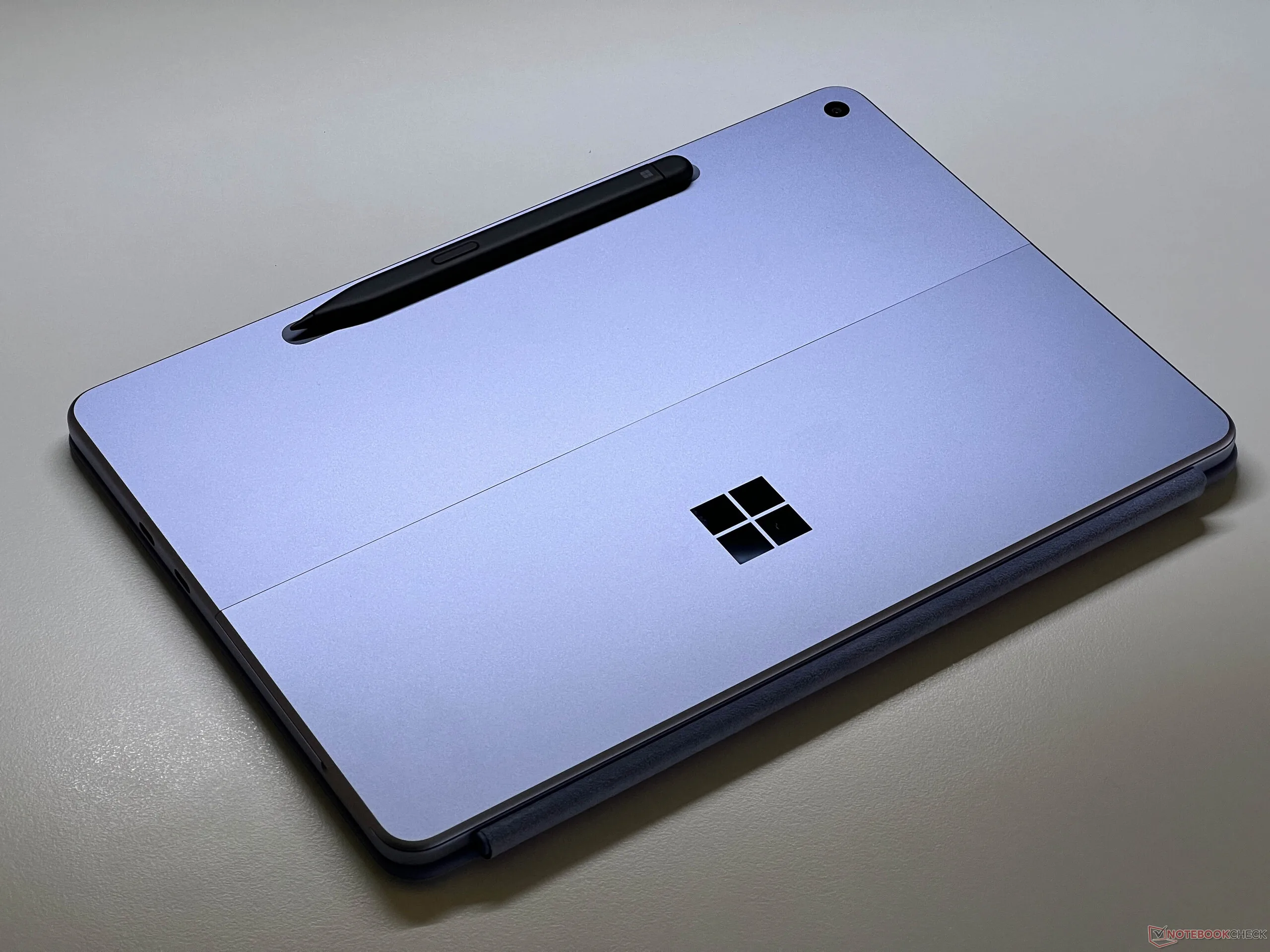
        These price hikes mainly affect the basic models, which come with 16 GB of RAM, 512 GB storage, and a Snapdragon X Plus processor (or Snapdragon X Elite for the Surface Laptop 15). These models are targeted at budget-conscious buyers. The processors in these laptops are not high-end, and now paying up to $300 more seems even less justifiable, especially considering Apple’s options that are equally affordable. A Microsoft representative said, “Because of recent increases in costs for memory and components, Surface is adjusting its prices on Microsoft.com for its current hardware lineup.”

        Why Are Prices Actually Going Up?

        Though their reasoning sounds reasonable, the increase in RAM prices has mostly stopped and is expected to decrease in the upcoming months. This indicates that the rise may not just be about memory costs. More likely, it’s about setting benchmark prices for upcoming Snapdragon X2 Plus models, which could arrive soon now that some Snapdragon X2 Elite laptops are already available. So, in the end, it looks like those hikes are more about preparing for future releases than just current component costs.

        Sources
      • Lenovo Legion Go S SteamOS Now $1050 — Better Deal at Best Buy for $900

        Lenovo Legion Go S SteamOS Now $1050 — Better Deal at Best Buy for $900

        Key Takeaway

        1. The Legion Go S with SteamOS has experienced a significant price increase, now costing $1,049.99, up $450 from its initial launch price.
        2. Best Buy offers a more powerful version of the Legion Go S with SteamOS, featuring the Ryzen Z1 Extreme, 32GB RAM, and 1TB storage, for $899.99.
        3. Buyers can still find the lower-priced, less powerful base model on other retailers, but the current market offers advantageous deals on the more powerful version at Best Buy.

        Price Hike for Legion Go S with SteamOS

        Recently, been noticing that the price of the Legion Go S with SteamOS has bumped up, and not just the base model but also the more powerful configurations. Lenovo decided to increase the retail price to a whopping $1049.99, which is a $450 jump from the initial launch price of $599.99. This jump is quite significant especially considering the earlier deals that were available in 2025, where the device could be scored for as low as $499.99.

        Specifications and Variants

        The original version of this handheld was centered around the Ryzen Z2 Go processor, 16GB of RAM, along with 512GB of storage. Meanwhile, the upgraded model housed the Ryzen Z1 Extreme chip, matching the processor inside the original Legion Go, bolstered with 32GB of RAM and 1TB of storage space. The price for this more robust iteration was once $899.99 and available from Best Buy.

        Best Buy Offers and Availability

        Despite Lenovo’s increase in pricing, consumers can still find more affordable options at Best Buy. For instance, the retailer offers the more powerful Legion Go S with SteamOS, equipped with the Ryzen Z1 Extreme, 32GB RAM, and 1TB SSD, at a price of $899.99. Customers can either buy it in-store or place orders online, and the deal’s deadline is uncertain, so acting quickly seems wise.

        Sources